By an operator-focused vending specialist with 10+ years in unattended retail and a factory background in custom vape vending equipment
If you are comparing a Biometric Vape Vending Machine in 2026, the short answer is this: buy the machine that gets verification right first, then worry about screen size, cabinet style, or marketing extras. A good unit should confirm eligibility smoothly, accept payment without friction, handle real-world product sizes, and stay easy to manage once the machine is live. That is what separates a machine that adds sales from one that quietly creates service headaches. The strongest setups now combine biometric matching, ID scanning, cashless payment, remote monitoring, and a cabinet layout built for modern vape products. This guide breaks down what matters before you place an order, what usually gets overlooked, and how to choose a machine that makes sense on the floor, not just on a quotation sheet.
What buyers should expect from a biometric setup in 2026
A Biometric Vape Vending Machine is not just a vending cabinet with a camera attached. It is a controlled retail system built to verify the customer, release the right product, log the transaction, and keep the operator in control without adding unnecessary friction to the sale.
That sounds simple, but in practice, a lot of machines in this category still get the basics wrong. Some are weak on verification flow. Some look polished but struggle with product fit. Others work in a demo room and then create issues once they are installed and used all day.
In real deployments, the machine needs to do five things well:
- Read and process identity information accurately
- Match the live user through biometric verification
- Allow a fast, clean payment experience
- Dispense mixed vape SKUs without constant jams
- Give the operator useful remote visibility after installation
If one of those pieces is weak, the whole purchase experience starts to feel unreliable. For a Biometric Vape Vending Machine, that is a problem you usually notice after delivery, not before.
Bottom line: In this category, the best machine is not the one with the flashiest interface. It is the one that verifies smoothly, vends cleanly, and stays stable under daily use.
Why this category is getting more attention
Retailers are under pressure from both sides. On one side, they want a faster, lower-labor way to handle routine vape transactions. On the other, they need tighter control over how those transactions happen. That is why the Biometric Vape Vending Machine category is getting more serious attention now than it did a few years ago.
The market itself is still large and active. One widely cited industry report estimates the global e-cigarette and vape market at $45.74 billion in 2025, with further growth projected in the years ahead. That matters because equipment decisions make more sense when they are tied to a durable category rather than a short-lived novelty.
At the same time, product control is not getting looser. Federal enforcement updates have highlighted major seizures of unauthorized e-cigarettes, including one reported total of $76 million in a joint operation. That is a reminder that selling in this category calls for cleaner systems, cleaner product handling, and fewer weak points in the buying flow.
Source: FDA enforcement review
From an operator’s side, that makes the logic straightforward. A stronger age verification vending machine gives the business a more controlled path to sale. A basic cabinet does not.
What a good verification flow actually looks like
This is where a lot of buyers make the wrong comparison. They ask whether a machine has biometric verification, but not how the process actually works from start to finish. That detail matters more than the label.
A solid Biometric Vape Vending Machine usually follows a clear flow:
- Customer starts the session
- ID or identity data is captured
- Age rule is checked
- Live face is captured
- Biometric match is completed
- Product selection unlocks
- Payment is accepted
- Vend is logged
That order is important. When suppliers rush through the explanation, there is usually a reason. Either the machine relies too heavily on one step, or the flow still has loopholes that are not obvious in the sales pitch.
From the factory side, one of the most common mistakes I see is overspending on the touchscreen and underspecifying the camera and lighting. For a Biometric Vape Vending Machine, that is exactly backward. The verification hardware does the real heavy lifting.
A buyer should ask these questions before moving forward:
- How long does the full verification process take under normal use?
- What happens if the face match fails?
- Can the session continue after a failed match?
- How are failed attempts recorded?
- What environmental conditions affect camera performance?
Quick take: If a supplier can explain the biometric workflow in one clean sequence, that is a good sign. If the explanation gets vague, the product usually is too.
Biometric verification vs. ID scan only
Not every project needs the same level of control. In some installs, an ID scan vending machine may be enough. In others, it makes more sense to use biometric matching on top of ID reading. The right choice depends on how independent the machine will be once it is live.
If the machine is expected to operate with limited staff involvement, a Biometric Vape Vending Machine usually makes more sense. It adds another step that helps confirm the person standing in front of the machine is the same person linked to the presented document or identity check.
If the machine is placed in a more closely supervised environment and the operator wants a simpler workflow, ID scan alone can still be a workable option. The point is not that one method is always right. The point is that they are not the same thing, and buyers should not price them as if they were.
| System Type | What It Does | Best Fit | Strength | Tradeoff |
|---|---|---|---|---|
| ID Scan Only | Checks document data and age rule before sale | Moderate-control environments | Lower cost and faster onboarding | Does not add live biometric matching |
| Biometric + ID Scan | Combines identity capture with live face match | Higher-control unattended sales | Stronger verification chain | More hardware and software depth |
| Remote Approval Model | Adds a review layer before vend | Projects that want human exception handling | Useful for edge cases | Slower transaction flow |
In plain terms, if the machine is meant to function like a serious self-service kiosk rather than a lightly supervised product cabinet, the biometric route is usually the smarter long-term buy.
The features that matter more than the brochure
Some features look good in a quote and do very little once the machine is installed. Others barely get mentioned and turn out to matter every day. A good Biometric Vape Vending Machine should be judged by the second group.
Camera quality and fill light
Cheap imaging hardware is a false economy. If the camera struggles in mixed lighting or at slightly awkward angles, the verification experience will slow down and create failed sessions. Buyers often notice this only after deployment.
Cabinet layout for actual product mix
Vape products are not all shaped the same way. Disposables, pods, cartridges, boxed devices, and accessories can vary more than buyers expect. A smart vending machine should be configured around the real SKU list, not around a generic idea of what vape products look like.
Cashless payment stability
Most operators focus on whether payment methods are listed. What matters more is how often those methods work without interruption. Payment failure is one of the fastest ways to turn a promising machine into an annoying one.
Remote monitoring that helps after the sale
The dashboard needs to do more than show sales. It should report stock levels, machine faults, open-door events, and session history in a way that helps the operator act quickly.
Service access
Some machines are easy to clean, refill, and repair. Some are not. In the field, that difference is expensive. The cabinets that create the most support tickets are often the ones that looked cleanest in a photo but were not built with real maintenance access in mind.
Best buying habit: Ask to see how the machine is serviced, not just how it looks. That answer tells you more about ownership cost than most price sheets do.
What usually gets overlooked before a quote request
Price comparisons go wrong when buyers ask for numbers before they define the job the machine needs to do. That is why quotes in this category can look wildly different even when two cabinets seem similar at first glance.
Before asking for a final price on a Biometric Vape Vending Machine, it helps to answer a few practical questions first:
- How many SKUs need to be live at one time?
- What mix of disposables, pods, devices, and accessories will be sold?
- Is wall-mounted or floor-standing placement a better fit?
- Will biometric verification be required on every transaction?
- Which cashless payment methods need to be enabled from the start?
- Will the machine be managed individually or as part of a group?
- How important is white-label branding or OEM customization?
- Who will handle replenishment and basic service once the machine is installed?
Once those answers are clear, it becomes much easier to compare one offer against another without getting distracted by cosmetic extras.
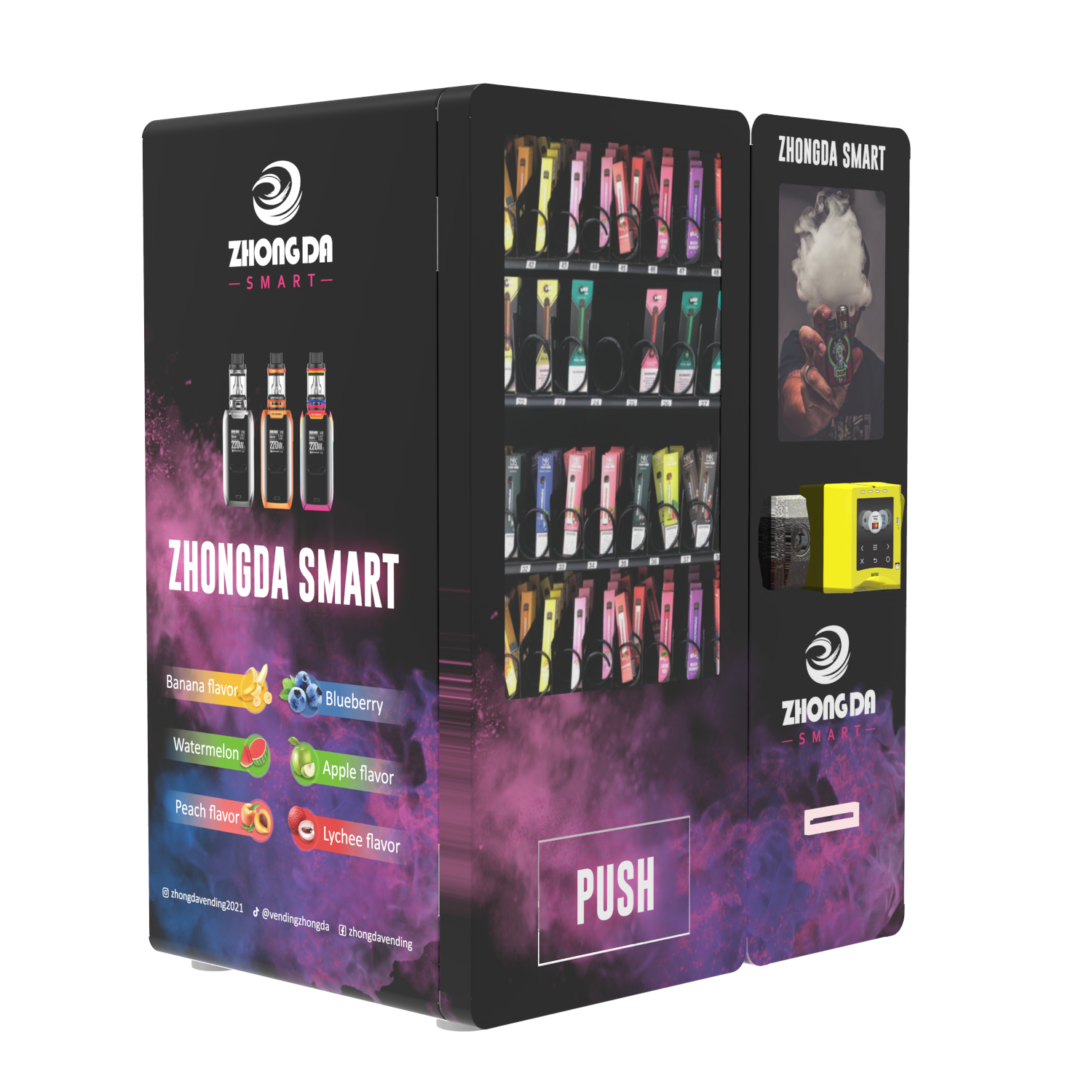
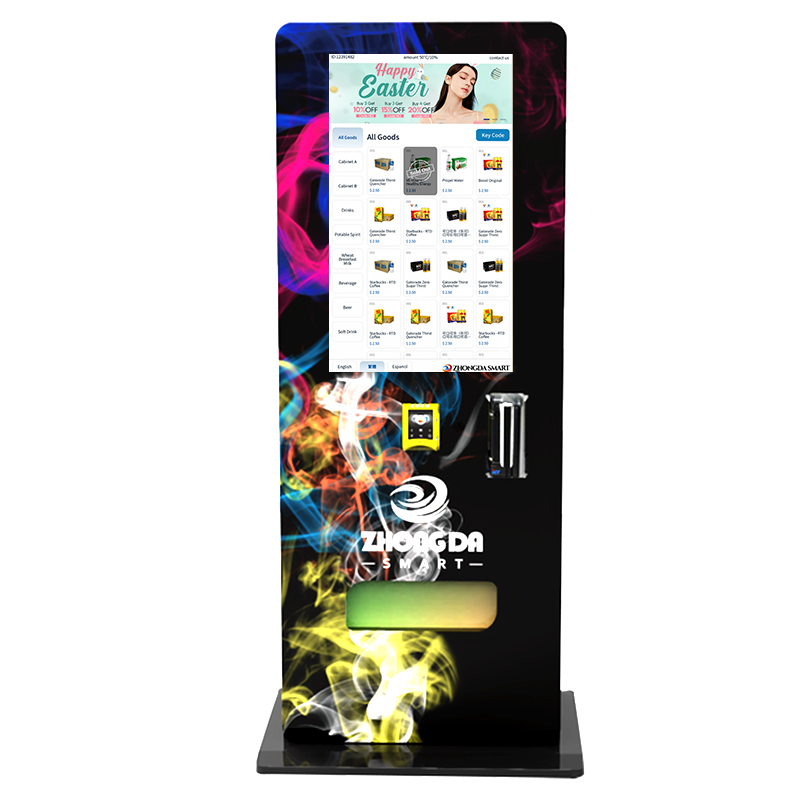
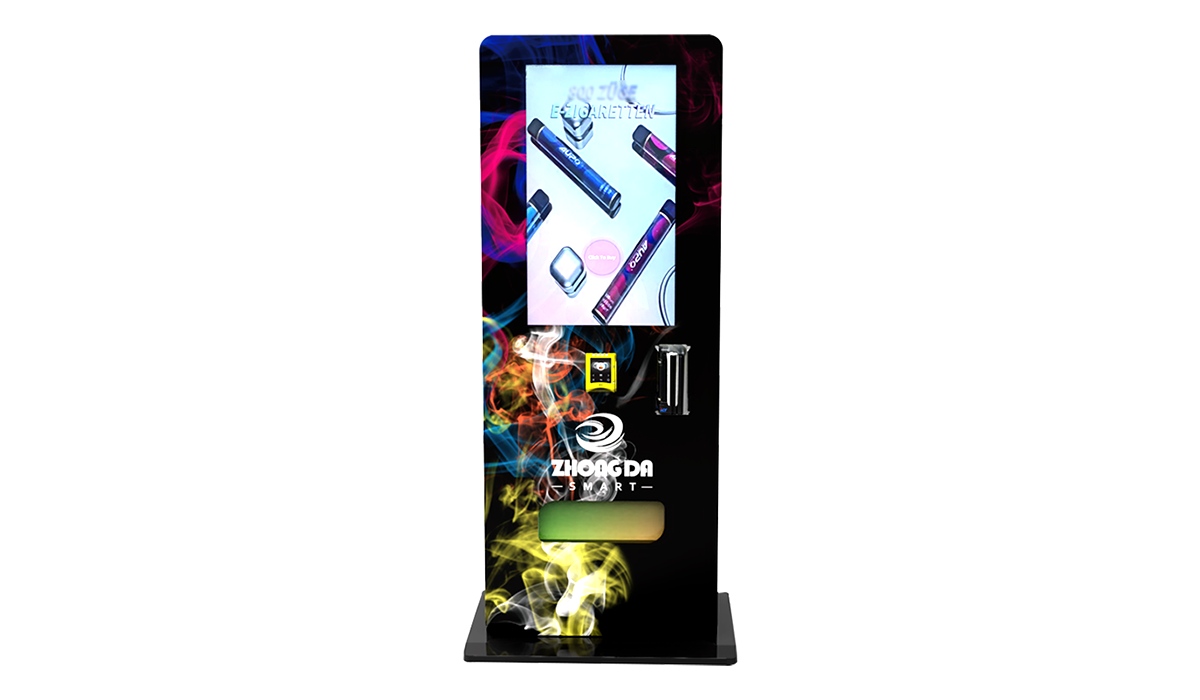
For buyers who want to compare machine styles first, the Zhongda Smart vape vending lineup is a useful place to start because it shows multiple cabinet formats rather than pushing every project into one body style.
What changes the price of a biometric machine
The final cost of a Biometric Vape Vending Machine can move quite a bit depending on configuration. That is normal. What matters is knowing which changes actually improve the machine and which ones mostly add cosmetic cost.
In factory quoting, the biggest price drivers are usually these:
- Cabinet size and steel structure
- Number and type of product channels
- Touchscreen size and display hardware
- Biometric camera and verification module
- ID reading hardware and software support
- Cashless payment integration
- Cloud monitoring and backend access
- Branding, interface customization, and OEM changes
There is a clean way to think about pricing without turning the decision into a guessing game:
| Configuration Level | Typical Build | Good Fit For | Price Direction |
|---|---|---|---|
| Entry Controlled | Compact cabinet, age-gated workflow, standard cashless payment | Single-site pilots and lower-volume testing | Lower |
| Mid-Range Smart | Larger cabinet, stronger remote monitoring, broader product mix support | Operators scaling into repeat placements | Middle |
| Advanced Biometric | Biometric face match, stronger imaging hardware, tailored cabinet layout, custom UI | Projects that need tighter control and long-term rollout value | Higher |
What I would avoid is buying the cheapest machine in the category and expecting it to behave like a mature retail system. In most cases, the low quote shows up later as weaker verification, thinner support, or a cabinet that was not really designed around the product mix.
Bottom line: A cheap machine can still be expensive if it creates failed sessions, payment trouble, or repeat service calls.
Real operating economics: what buyers should watch
The question is not whether a Biometric Vape Vending Machine can generate sales. It can. The better question is whether it can do that consistently enough to justify the total equipment cost, placement cost, and refill effort behind it.
Labor economics are part of that discussion. The latest occupational data lists the median cashier wage at $14.99 per hour in May 2024. That does not mean a machine replaces a staff member one-for-one. It does mean routine, low-complexity transactions now carry a real labor value that operators should not ignore.
Source: U.S. Bureau of Labor Statistics
From a business angle, a well-placed Biometric Vape Vending Machine can support the numbers in four practical ways:
- It handles repeat purchases without adding constant counter involvement
- It keeps the sale path more controlled than open-shelf product access
- It extends selling capability beyond the moments when staff are fully available
- It gives the operator a cleaner view of product movement and stock levels
When estimating payback, I always suggest building three cases instead of one:
- Conservative case: lower daily transactions and slower stock turn
- Base case: normal traffic, normal uptime, stable average ticket
- Aggressive case: stronger placement, healthier SKU mix, high repeat use
That approach produces a more grounded return model than a single optimistic forecast. For buyers who want a rough planning framework, Zhongda Smart also has a practical vape vending ROI guide worth reviewing.
How product fit affects reliability more than most buyers expect
One of the most expensive mistakes in this category is assuming that any vape vending cabinet can handle any vape product. That is rarely true. A Biometric Vape Vending Machine can be excellent on verification and still disappoint in daily use if the dispensing setup is wrong for the actual item dimensions.
That issue shows up fast when buyers plan to vend a mix of product types. Pods may be compact and light. Boxed devices may be taller and less forgiving. Accessories can shift inside the channel if the tray or spiral is not set correctly.
The safest buying process is to define the live SKU list early and have the cabinet configured around it. That means checking:
- Package width, depth, and height
- Whether the product is boxed, bagged, or rigid-packed
- How easily the item shifts during vend
- Whether mixed channels are needed
- How many facings each top seller should hold
This is exactly why a genuine unattended retail kiosk setup should be planned from the inside out. Too many buyers start with the cabinet shell and hope the product list will work itself out later.
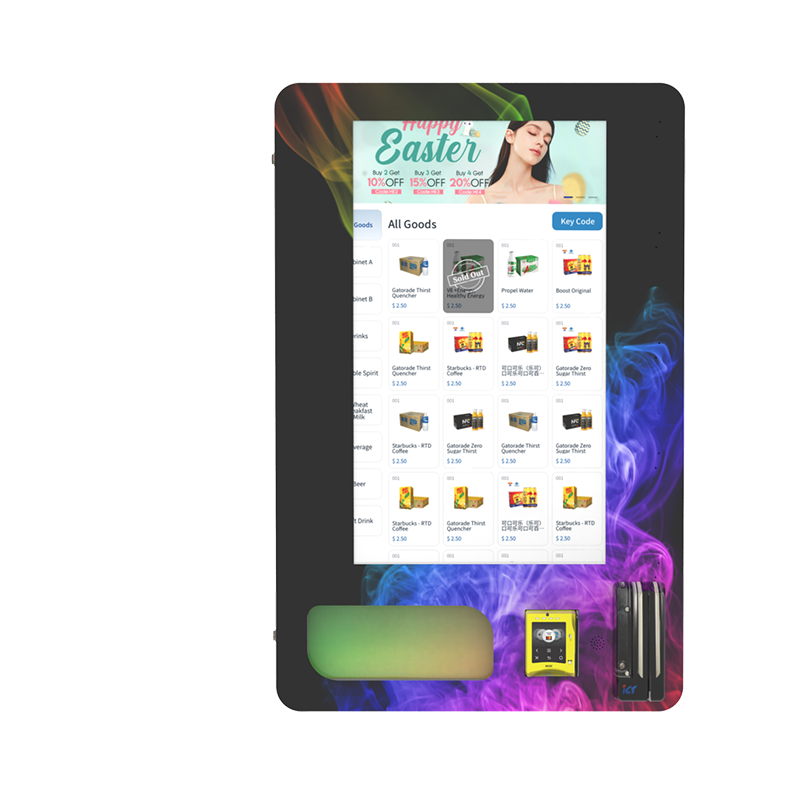
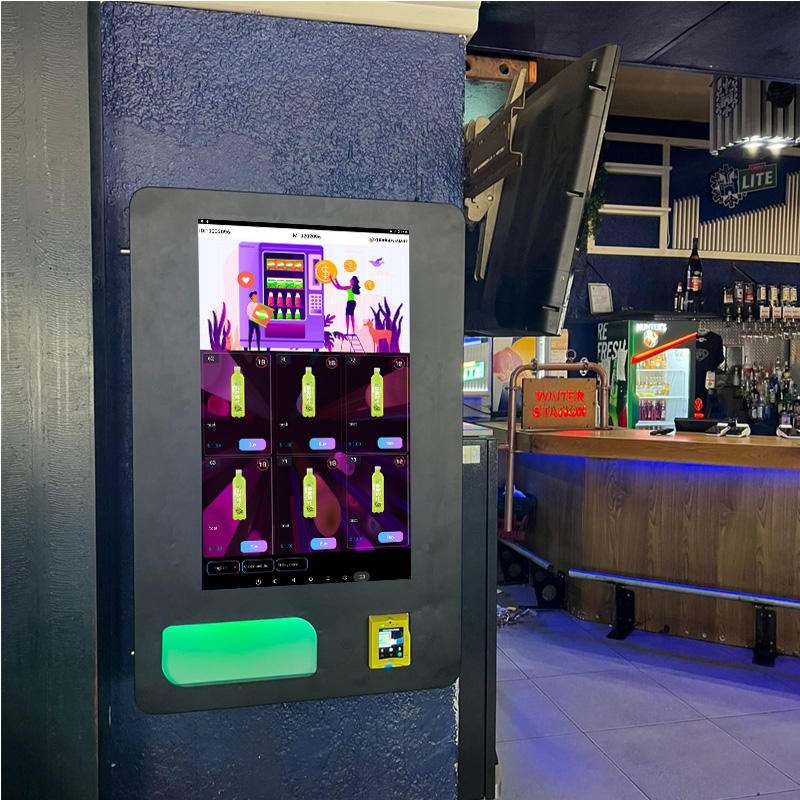
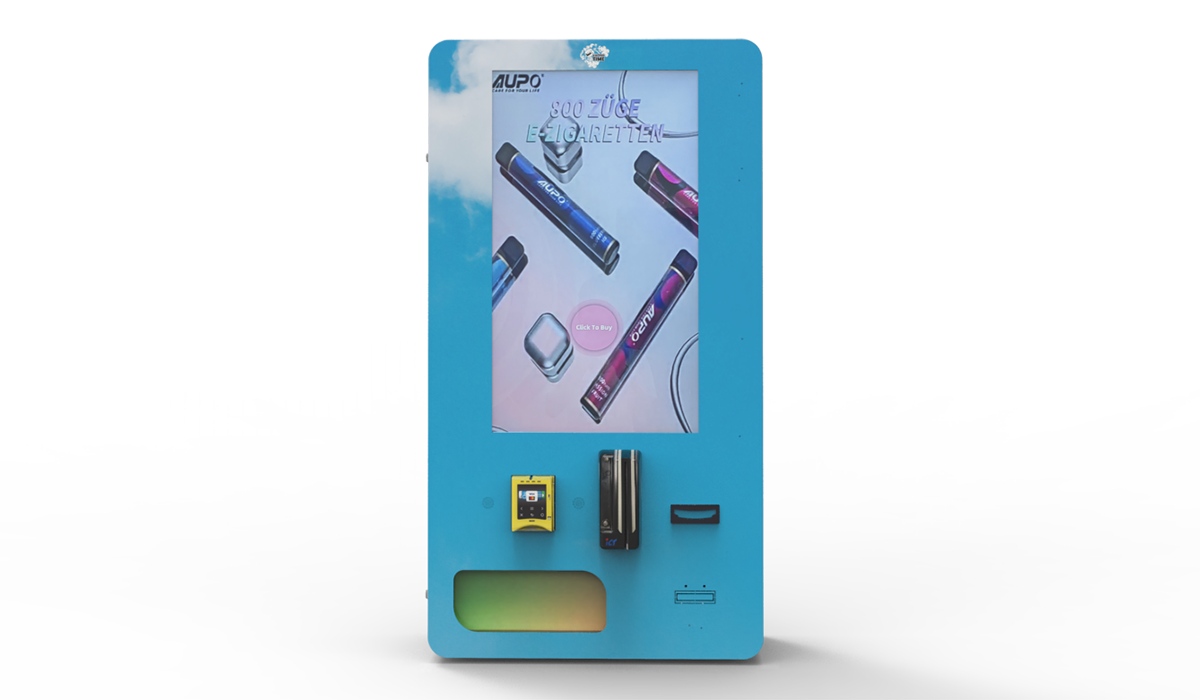
For a more compact footprint, Zhongda Smart’s wall-mounted compact machine is a good example of the kind of smaller-format option buyers should compare when space is tight.
When a compact format makes sense and when it does not
A smaller machine is not automatically the better value. It is the better value only when the product list, expected transaction volume, and available space all point in that direction.
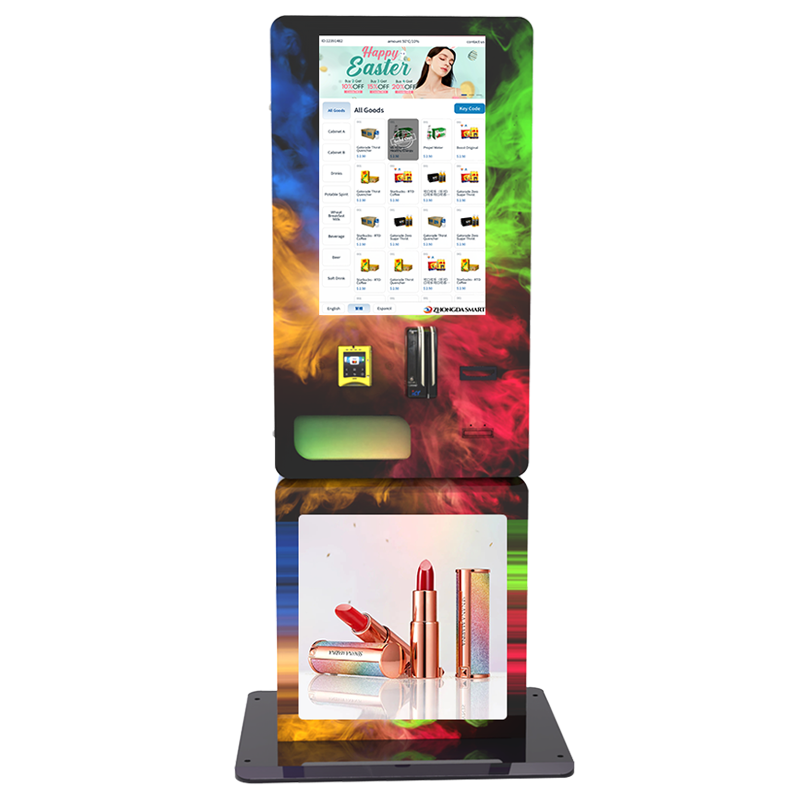
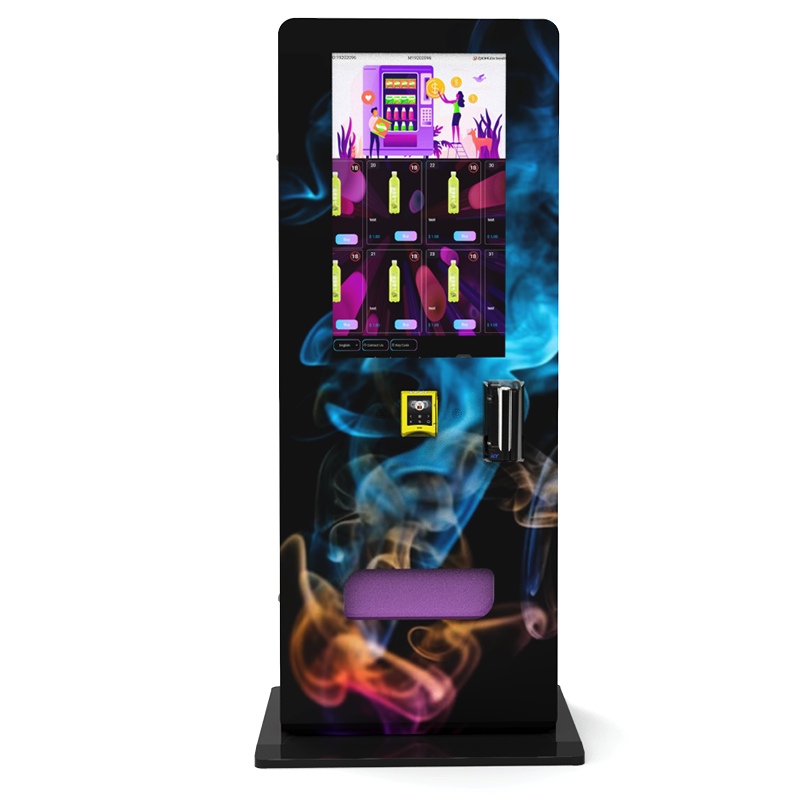
Compact and wall-mounted units are often attractive for projects that need a cleaner footprint, a focused SKU assortment, and easier installation. A larger Biometric Vape Vending Machine makes more sense when the operator wants broader product selection, larger storage capacity, or more flexibility in channel layout.
That is why format choice should come after business logic, not before it. Buyers who start with “What is your cheapest model?” often end up with the wrong machine size for the job.
For a stronger verification-first path, it also makes sense to compare a dedicated ID scan configuration and a broader age verification vending machine setup before deciding which structure fits the project best.
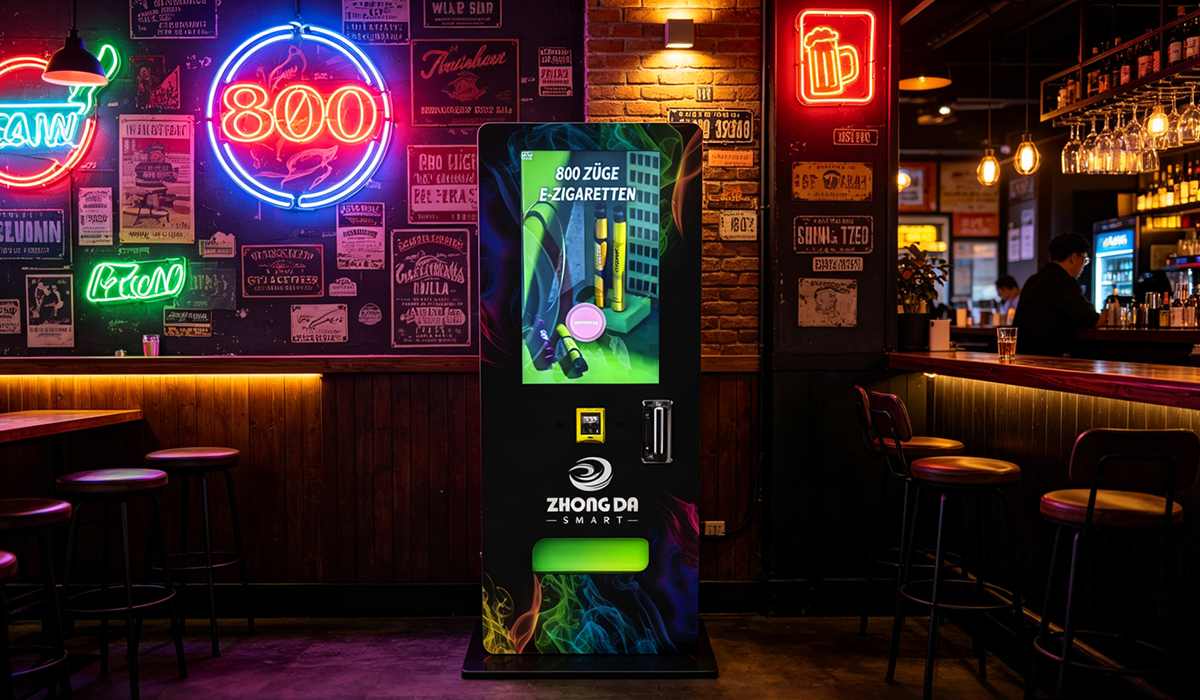
The mistakes that cause trouble after installation
Some buying mistakes in this category are easy to recover from. Others get expensive. The most common problems I see are not dramatic technical failures. They are smaller decisions made too early or without enough detail.
- Buying on appearance first. Clean visuals matter, but they do not fix a weak verification path.
- Pricing before defining SKUs. If the channel layout is wrong, the quote was never accurate in the first place.
- Treating ID scan and biometric match as the same thing. They are not.
- Ignoring service access. A hard-to-service cabinet quietly raises ownership cost.
- Overlooking backend reporting. The machine should help manage the business after the sale, not just make one sale at a time.
- Assuming any payment setup will do. Stable acceptance matters more than a long icon list on the screen.
A good Biometric Vape Vending Machine should feel easy to live with once it is operating. If the purchase process does not address that, the machine was never evaluated properly.
Quick take: Most post-install headaches start with one of three things: weak product fit, weak payment reliability, or weak service access.
Questions worth asking the manufacturer before you place a deposit
The quality of the answers matters almost as much as the answers themselves. A real manufacturer should be able to talk comfortably about imaging hardware, vending structure, software logic, and after-sales support without retreating into vague promises.
Before committing to a Biometric Vape Vending Machine, ask these questions directly:
- How does the biometric session work from start to vend?
- What kind of camera and lighting support are built into the machine?
- What types of identity reading or age-control logic are supported?
- Can the machine be configured for my live SKU list?
- Which payment methods are already integrated?
- What reports are available in the backend?
- How are faults and failed verification attempts logged?
- What spare parts are normally stocked for after-sales service?
- How is software support handled after installation?
- What is included in the warranty and what is not?
- Can branding, screen flow, and cabinet finish be customized?
- What lead time changes if the machine is heavily customized?
If the supplier answers in broad sales language and cannot get specific, that usually tells you what ownership will feel like after the machine ships.
Why Zhongda Smart belongs on the shortlist
There are plenty of suppliers in the market, but not all of them approach the category from a practical retail point of view. Zhongda Smart stands out because the product range already covers wall-mounted units, ID-based systems, age-verification builds, and compliance-focused layouts in a way that makes comparison easier for serious buyers.
That matters because a Biometric Vape Vending Machine should not be forced into a one-cabinet-fits-all approach. The machine should be built around the project. In other words, verification method, product mix, footprint, payment setup, and service model should all be part of the configuration conversation.
The stronger suppliers understand that. Zhongda Smart’s product structure reflects it, which is one reason the brand belongs on a serious shortlist rather than being treated as just another generic cabinet source.
Who should buy one and who should wait
A Biometric Vape Vending Machine is a strong fit when the operator wants tighter control, lower routine counter involvement, and a purchase process that feels cleaner than open display sales. It also makes sense when the business is planning more than one placement and wants a more standardized operating model from the beginning.
It may not be the first move for every situation. If the product mix changes constantly, if the location is still being tested, or if the operator has not decided how stock and service will be handled, it can make sense to slow down and define the project more clearly before buying a high-spec machine.
In plain terms:
- Buy now if you need a controlled self-service sale path and want the machine to operate with confidence after launch
- Start smaller if you are still testing demand and do not yet know the long-term SKU mix
- Upgrade to biometric when limited oversight and stronger verification both matter
Bottom line: The right time to buy is when the machine fits a defined operating plan, not when the idea simply sounds promising.
A practical scorecard for comparing suppliers
When buyers get buried in feature lists, a scorecard helps cut through the noise. Rate each Biometric Vape Vending Machine candidate from 1 to 5, then apply the weight shown below.
| Category | Weight | What Good Looks Like |
|---|---|---|
| Verification Reliability | 25% | Clear workflow, fast response, low friction, strong imaging support |
| Product Fit | 20% | Configured around actual SKUs, stable vend performance |
| Payment Stability | 15% | Consistent cashless acceptance and clean session handling |
| Backend Visibility | 15% | Useful stock, fault, and transaction reporting |
| Serviceability | 10% | Easy refill access, practical component replacement |
| Customization | 10% | Branding, cabinet layout, UI, and hardware options |
| Factory Support | 5% | Clear answers, realistic lead times, dependable after-sales help |
This method keeps the buying decision grounded. The point is not to reward the longest feature list. The point is to identify the Biometric Vape Vending Machine that is most likely to perform well after installation.
Final word
If you are buying in 2026, treat a Biometric Vape Vending Machine like a real retail system, not a novelty cabinet. Start with the verification path. Then look at product fit, payment stability, backend visibility, and service access. That order matters.
The machine that wins on paper is not always the one that wins in daily use. In this category, the best buy is usually the one that feels predictable after the excitement of installation wears off. It verifies cleanly, vends cleanly, reports clearly, and does not ask the operator to work around its weaknesses every week.
That is the standard worth buying against.
Frequently Asked Questions
How much more should I expect to pay for biometric verification than ID scan only?
That depends on cabinet size, imaging hardware, software logic, and payment integration, but biometric verification usually adds meaningful cost because it requires stronger hardware and a more complex verification flow.
Can one machine handle disposables, pods, and boxed devices together?
Yes, but only if the cabinet is configured around the actual SKU mix. Product dimensions and packaging style should be confirmed before production.
What causes the most service problems after installation?
The most common trouble spots are poor product-channel fit, unstable payment handling, and cabinet designs that make service access harder than it should be.
Is a wall-mounted machine enough for a serious project?
It can be, especially when space is limited and the SKU list is focused. For broader product selection or higher storage needs, a larger cabinet is often the better choice.
What should I get in writing before I place a deposit?
Get the verification flow, product capacity assumptions, payment setup, backend scope, warranty terms, spare parts support, and customization details confirmed in writing before production begins.
Is a Biometric Vape Vending Machine worth it for a first rollout?
Yes, if the project needs tighter control and plans to operate with limited staff involvement. If the business is still testing demand and the SKU plan is not stable, it may make sense to start with a simpler configuration first.
References
- Grand View Research — E-Cigarette and Vape Market Size Report
- FDA — Year in Review: Tobacco Product Regulation and Enforcement
- FDA — Youth E-Cigarette Use Drops to Lowest Level in a Decade
- FDA — Authorized E-Cigarettes and Related Products
- U.S. Bureau of Labor Statistics — Cashiers
Disclaimer: This article is provided for equipment evaluation and purchasing reference. Buyers should confirm product eligibility, verification workflow, payment setup, and operating requirements before placing an order.