If you want the short answer first, the Cost to Start a Vape Vending Machine Business in 2026 is usually higher than the machine quote alone. A basic one-machine launch can start around $8,000, but a more dependable setup with age verification, cashless payment, opening inventory, freight, branding, and backup cash usually lands closer to $10,000 to $18,000. A more advanced rollout can move well beyond that. The reason new operators often miscalculate the number is simple: they budget for the cabinet and forget the business wrapped around it. In this industry, the machine matters, but uptime, product mix, payment flow, and replenishment discipline matter just as much. If those pieces are weak, the budget looks good on paper and underperforms in real operation.
Quick answer: For most first-time operators, the Cost to Start a Vape Vending Machine Business in 2026 ranges from $10,000 to $18,000 for one professional machine setup. A lean test launch may come in lower, while a smarter build with stronger hardware, age verification, custom branding, and deeper stock often reaches $18,000 to $30,000+.
This guide is written from the perspective of someone who has spent years on both sides of the business: operating automated retail projects and working with vending machine manufacturing at the factory level. That matters, because the operator sees margin, stocking, and service pressure, while the manufacturer sees how machine design affects reliability, maintenance, and long-term cost. Put those two views together, and the startup math becomes much easier to read.
Done right, a vape vending machine can become a compact, high-margin retail channel. Done badly, it turns into an expensive cabinet that eats time, holds stale inventory, and creates endless small operational problems. The goal is not to launch with the cheapest machine. The goal is to launch with a machine and budget structure that can keep selling without constant friction.
What you are really paying for
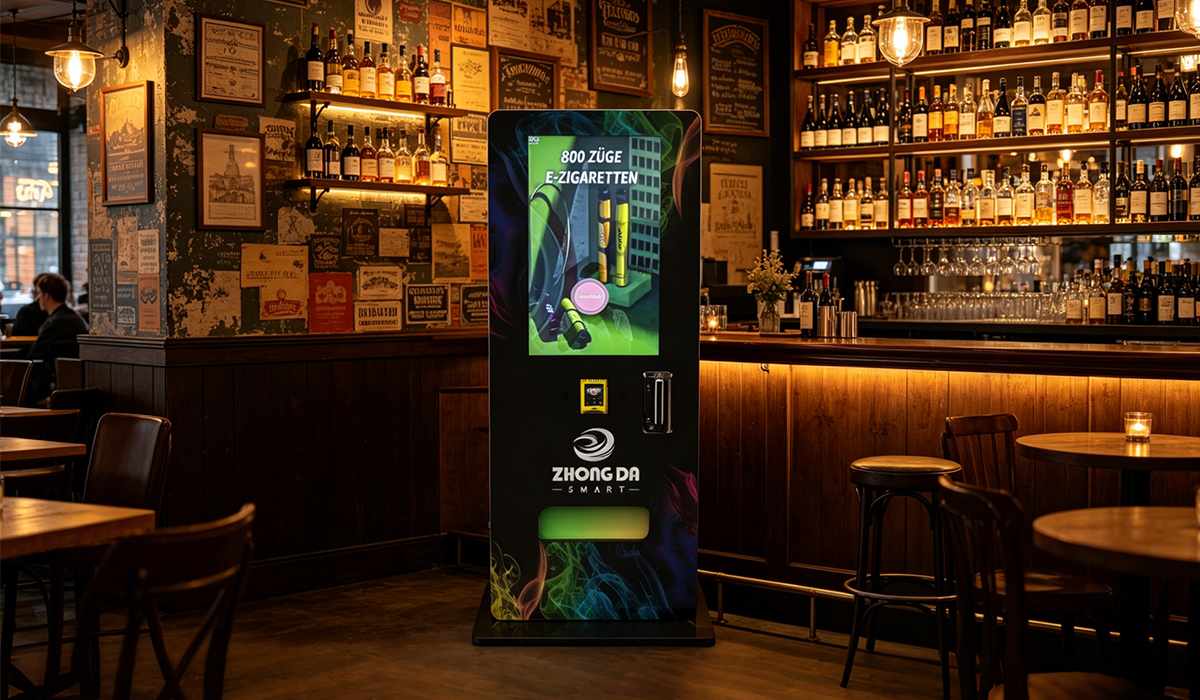
Most people start by asking what the machine costs. That is fair, but it is only one part of the real startup budget. A vape vending business is not just a machine purchase. It is a working retail system. You need the machine, payment hardware, age verification tools where required, first-round inventory, setup, shipping, and enough cash left over to keep the machine stocked and running after launch.
In other words, the true Cost to Start a Vape Vending Machine Business has three layers:
Upfront equipment cost for the machine and built-in technology
Launch cost for shipping, setup, branding, and initial stock
Operating cushion for reorders, software, payment fees, and service needs
That third layer is where many first-time operators slip. They spend almost everything getting the machine in place, then find themselves underfunded once the real work begins. A machine business does not become healthy because it launches. It becomes healthy when it can keep running without cash stress.
One-glance startup cost breakdown
| Cost Item | Typical Range | What Changes the Number |
|---|---|---|
| Machine cabinet | $3,500-$14,000+ | Size, screen, build quality, dispensing system, connectivity |
| Age verification setup | $500-$3,500 | ID scanning, device type, software integration |
| Cashless payment setup | $300-$1,500 | Reader, gateway, account setup, integration |
| Freight and installation | $600-$3,500 | Machine size, packaging, access conditions, handling |
| Opening inventory | $1,000-$6,000 | SKU count, product tier, stocking depth |
| Branding and graphics | $150-$2,000 | Wraps, UI design, custom visuals |
| Business setup and admin | $200-$2,000 | Registration, insurance, paperwork, setup services |
| Launch reserve | $1,000-$5,000 | Reorders, software fees, service calls, slow first month |
| Estimated total | $10,000-$30,000+ | Depends on how lean or how polished the launch is |
The machine price is only the starting point
The machine is usually the biggest line item, but it should never be treated like a simple price comparison. Two cabinets can look almost the same in photos and perform very differently once they are in service. Better-built machines cost more for a reason. The internal components, door strength, dispensing accuracy, screen quality, remote monitoring, payment compatibility, and service support all affect daily performance.
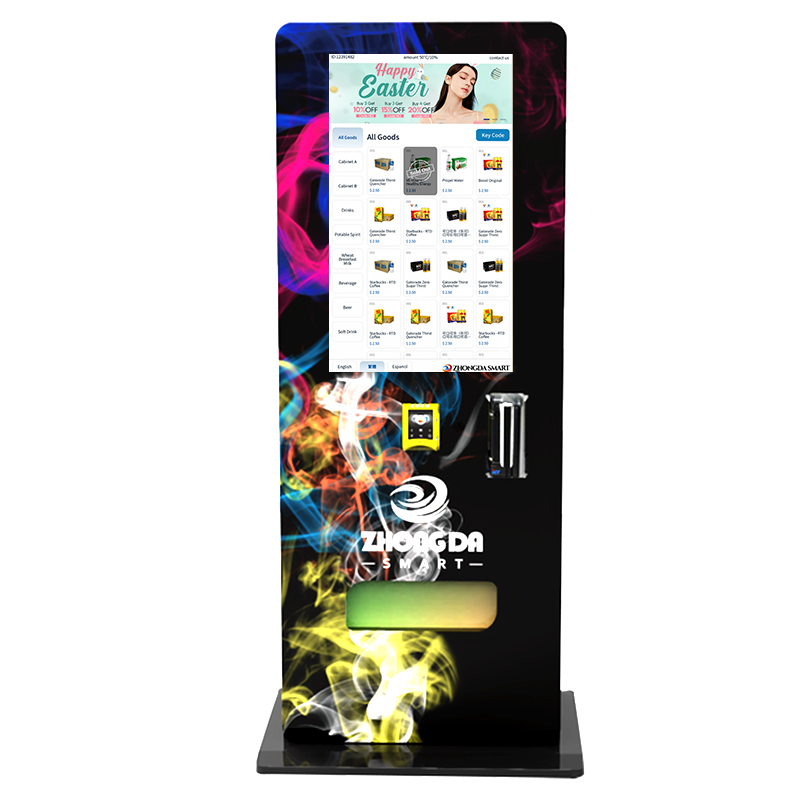
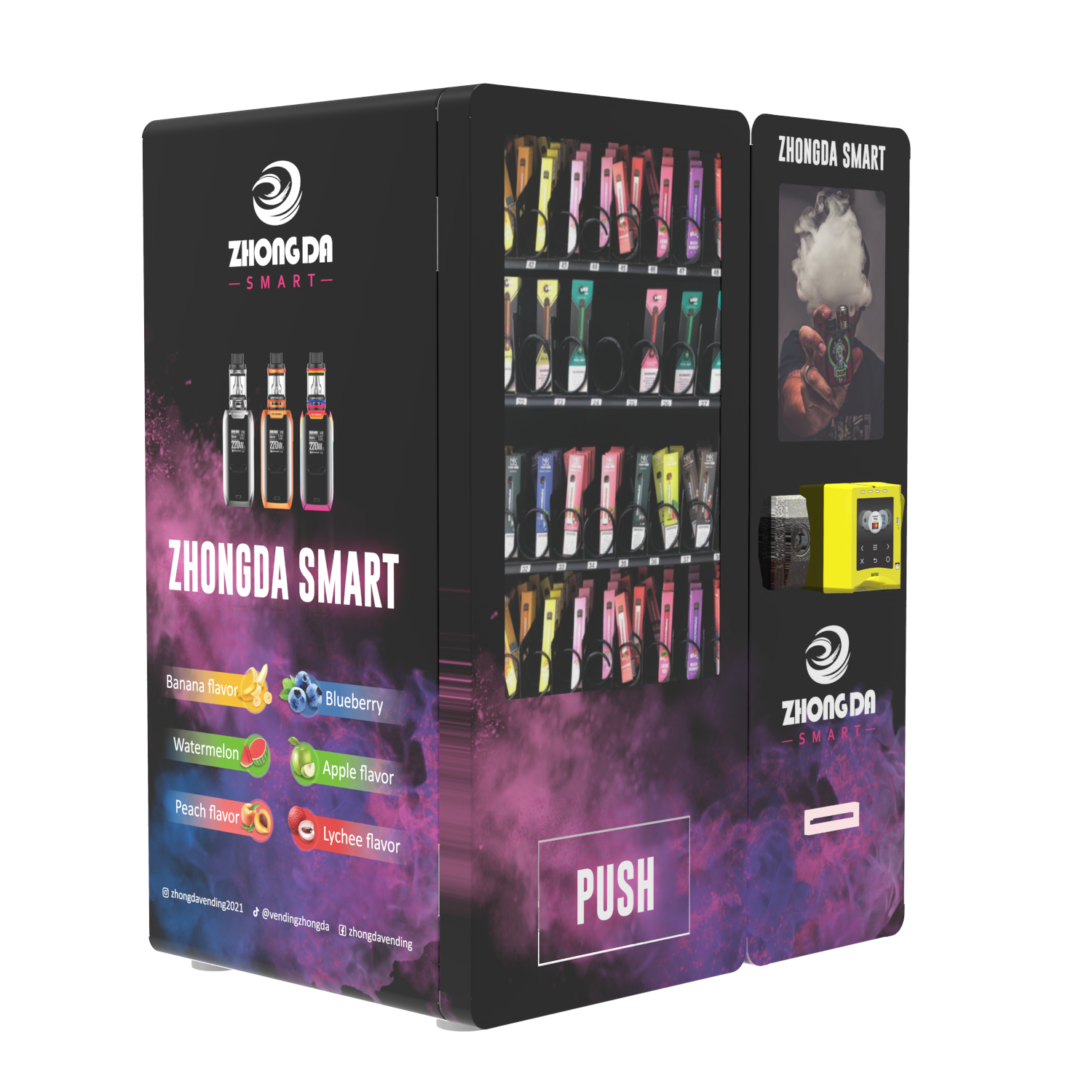
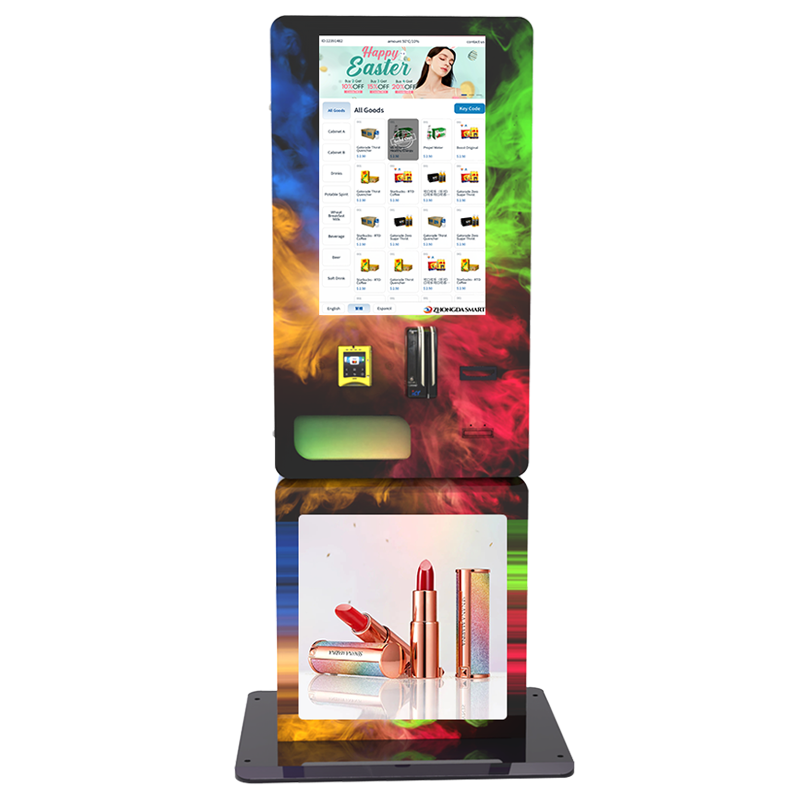
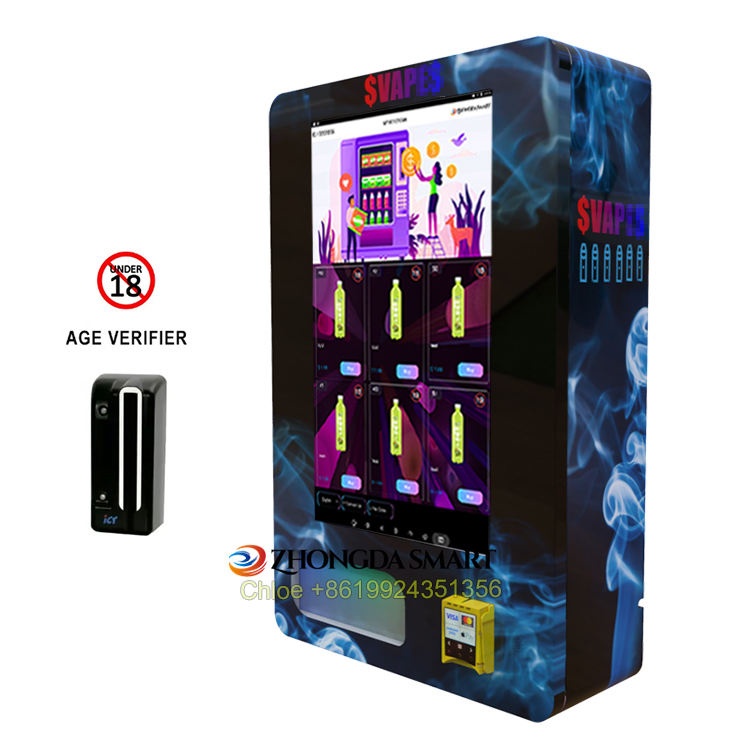
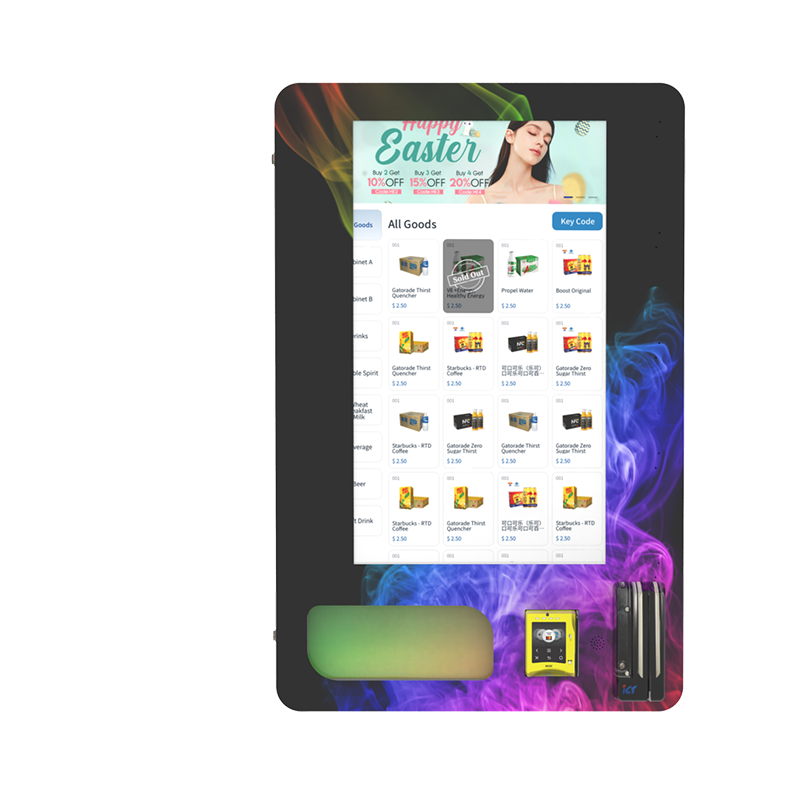
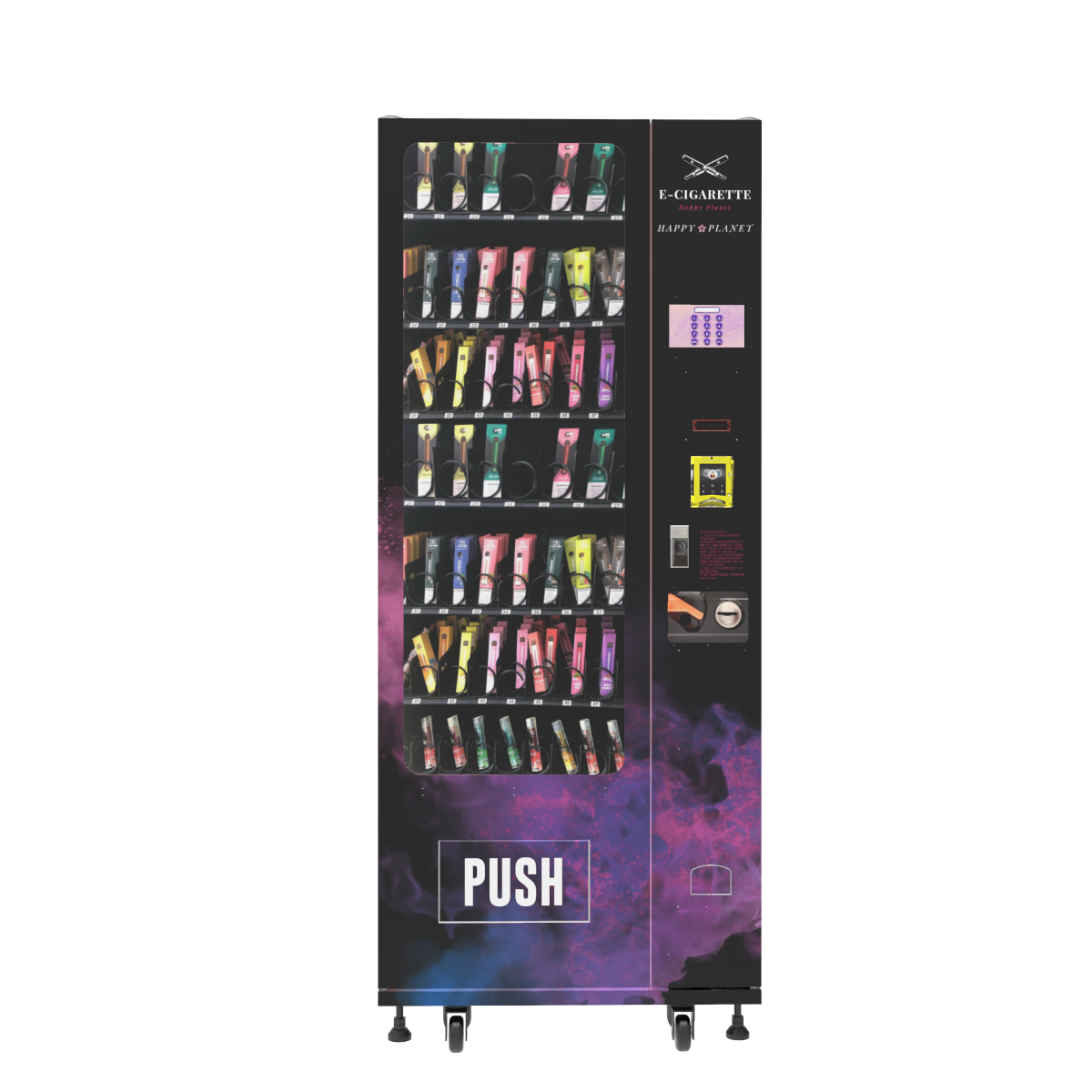
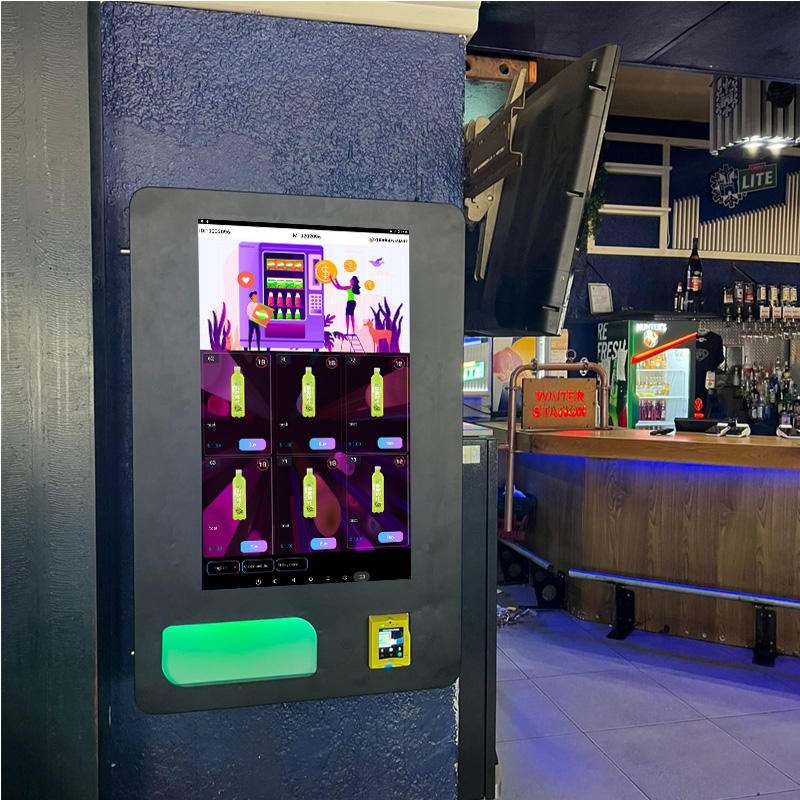
Based on common market pricing and Zhongda Smart’s published product guidance, entry-level or compact wall-mounted units can start around $3,500 to $6,500, standard floor-standing formats often land around $5,500 to $9,500, and more advanced smart builds with a stronger feature stack can move into the $8,500 to $14,000+ range. If you want a broader look at available machine formats, the vape vending machine product range is a useful starting point. If you want a tighter cost comparison, this separate guide on vape vending machine pricing helps show how machine format changes the number.
A cheap machine often looks attractive in the buying phase and expensive six months later. That is not because the quote was dishonest. It is because a weaker machine can create hidden costs through failed drops, poor stock visibility, clumsy payment integration, and more service time. Once those problems start, the lower purchase price stops looking like savings.
If I were advising a new buyer today, I would not chase the lowest quote. I would buy the simplest machine that can still run professionally: reliable dispensing, stable payment flow, practical remote management, and the right verification setup for the business model.
Age verification should be built into the first budget
One of the easiest ways to misread startup cost is to treat age verification like a feature that can be added later. In this category, that is usually the wrong approach. If the machine depends on restricted-product sales, age verification is not a cosmetic upgrade. It is part of the operating foundation.
That has a direct effect on budget. An age-check setup may include ID scanning hardware, camera modules, software logic, transaction controls, and integration work. The number depends on how advanced the workflow is, but it is a real cost from day one. Buyers who skip it early often spend more later trying to retrofit the machine or rebuild the purchase flow.
For more on machine formats built around this need, Zhongda Smart’s age verification vending machine page and its ID scan vending machine page show the kind of configuration serious operators usually compare before launch.
From a business standpoint, this is one of the few areas where cutting cost early often creates bigger cost later. A machine that can verify properly, record clearly, and move the customer through the transaction without confusion is easier to operate and easier to scale.
Opening inventory is where many first-time budgets go off track
Opening inventory is often underestimated for one reason: people think in terms of products, not cash. They picture a few rows of stock and assume the number will stay small. Then they start adding product variety, deeper fill levels, backup units, and a second reorder before the first cycle is fully understood. The total climbs quickly.
A smart opening inventory plan is not built around maximum variety. It is built around controlled variety and fast learning. The first goal is to identify what actually sells, not to make the machine look crowded with options that tie up cash.
For a compact launch, opening inventory often falls in the $1,000 to $2,500 range. For a larger machine with more channels and broader assortment, the number can move into the $2,500 to $6,000 range. The right amount depends on the machine size, product cost, assortment depth, and expected restocking cycle.
| Inventory Style | SKU Count | Cash Needed | Best Use |
|---|---|---|---|
| Tight test launch | 8-15 | $1,000-$1,800 | Low-risk pilot with a simple refill plan |
| Balanced commercial launch | 15-25 | $1,800-$3,500 | Most one-machine operators |
| Broader assortment launch | 25-40+ | $3,500-$6,000+ | Larger cabinets with stronger traffic expectations |
A lot of operators assume a machine needs more options to earn more money. In reality, a machine earns better when the right products stay in stock and slow products do not drain working capital. Inventory discipline is one of the quiet differences between a machine that breaks even and one that keeps throwing off cash.
Sample one-machine startup budget
To make the numbers more concrete, here is a realistic sample budget for one professional machine launch. This is not the lowest possible number, and that is deliberate. It reflects the kind of setup that gives a new operator a fair chance to perform well after launch.
| Budget Item | Example Cost |
|---|---|
| Floor-standing machine | $6,800 |
| Age verification setup | $1,200 |
| Cashless payment hardware and setup | $650 |
| Freight and installation | $1,100 |
| Opening inventory | $2,000 |
| Branding and launch materials | $400 |
| Business setup and admin | $500 |
| Launch reserve | $1,500 |
| Total estimated startup budget | $14,150 |
This kind of budget is often more useful than the theoretical minimum because it includes the expenses that actually show up in the first month. It also leaves enough breathing room to reorder product, solve a setup issue, or cover early software and payment costs without squeezing cash flow.
Payment systems and software are not small details
In unattended retail, a machine does not make money because it looks good. It makes money because the purchase flow feels easy. That means cashless payment is no longer optional for most serious setups. If the customer reaches the machine, chooses a product, and hesitates at payment, the sale is already in danger.
According to Federal Reserve payment data discussing the 2024 Diary of Consumer Payment Choice, consumers continue to rely heavily on cards and digital payment methods in everyday transactions. That matters because it confirms what operators already see in practice: a modern vending setup has to make card acceptance easy and dependable.
The startup budget here usually includes the payment reader, account setup, gateway connection, software dashboard, and in some cases monthly communication or platform fees. A rough opening budget of $300 to $1,500 is common, although advanced integration can push it higher.
One thing new operators often miss is that payment friction costs more than payment hardware. A slightly more expensive reader that works smoothly can save far more in completed sales than it costs at checkout. This is especially true when the machine is meant to function as a smart vending machine or self-service kiosk rather than a basic snack-style cabinet.
Freight, setup, and installation are real costs, not rounding errors
Machines are heavy equipment. That sounds obvious, but it becomes real when the machine is ready to move. Shipping cost depends on crate size, machine weight, handling needs, final delivery conditions, and how difficult it is to place the machine where it needs to go. Tight access, special handling, wall mounting, and on-site coordination all affect the final bill.
For a straightforward one-machine launch, freight and installation may stay in the $600 to $1,500 range. More complex setups can rise well above that. The mistake here is not just underbudgeting. It is lumping everything into “shipping” and losing visibility into what the quote actually includes.
A cleaner way to budget is to separate these items:
Freight from the factory or warehouse
Final delivery
On-site placement or mounting
Launch-day setup and testing
That makes supplier quotes easier to compare, and it gives you a much clearer picture of the true startup number.
What usually costs more than expected
When people underestimate the startup budget, they usually do it in the same places. It is rarely because the cabinet price doubled. It is because several smaller costs hit at once.
Opening inventory ends up deeper than planned
Payment setup includes more than just the reader
Graphics and interface customization cost more than expected
Shipping conditions are less simple than they looked
The first reorder comes sooner than expected
Small service or setup issues need money right away
That is why I usually tell new operators to protect a cash reserve even when the launch feels expensive already. A launch with no reserve can go from exciting to stressful very quickly. A launch with reserve cash stays flexible enough to adapt.
A real-world budget lesson from the field
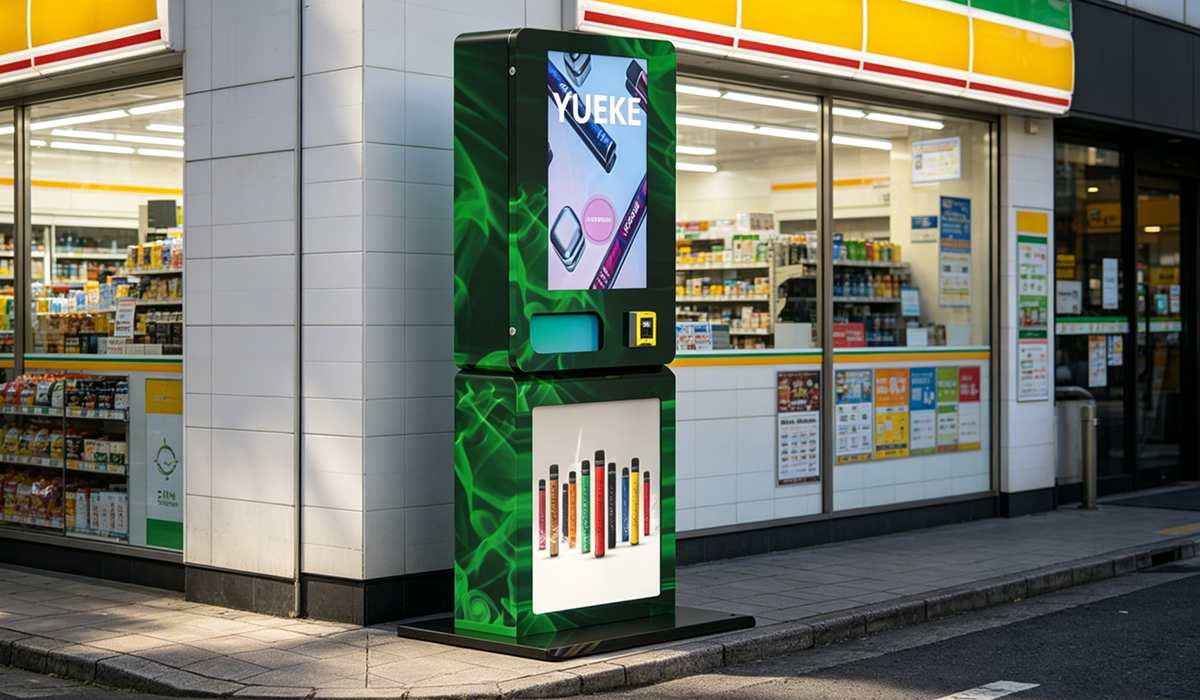
One operator I worked with started with the right instinct but the wrong math. He focused hard on the machine quote, negotiated it down, and felt confident he had protected his margin before launch. What he did not account for was how quickly the surrounding costs would stack up. Freight came in higher than expected, the payment setup took more budget than he planned, and his opening stock went broader because he wanted the machine to look “full” on day one.
By the time the machine was installed, the real launch cost was roughly a third higher than his original estimate. The machine itself was fine. The issue was not overpaying for hardware. The issue was assuming the hardware was the business. That experience is common, especially for people entering the category for the first time.
The better approach is to build the budget around the full first 60 to 90 days, not just the purchase order.
What changes the number most
If you are comparing budgets, five things move the startup cost more than anything else:
Machine format — wall-mounted, compact, floor-standing, or premium smart build
Verification level — no verification, basic ID workflow, or deeper integrated control
Inventory depth — tight product test or broad opening assortment
Payment and software stack — basic cashless setup or fully monitored connected system
Launch style — one-machine pilot or a more polished commercial rollout
That is why there is no single universal answer to the startup question. The right number depends on how professional you want the first launch to be and how much risk you are trying to remove upfront.
Monthly operating cost after launch
The Cost to Start a Vape Vending Machine Business does not stop once the machine is installed. If you want a true picture of ROI, you have to look at the monthly structure as well. A machine that sells reasonably well can still disappoint if the operating model is loose.
| Monthly Cost | Typical Range | Notes |
|---|---|---|
| Payment processing | 2.5%-4.5% of sales | Depends on provider and transaction type |
| Software and connectivity | $20-$120 | Cloud dashboard, SIM, reporting tools |
| Routine maintenance reserve | $30-$150 | Higher on weaker machines or heavier use |
| Restocking labor | $100-$500+ | Depends on route design and refill frequency |
| Venue fee or commission | 0%-20% of sales | Varies by agreement |
| Inventory replenishment | Variable | Driven by sales velocity and gross margin |
Labor matters more than many people assume. According to the U.S. Bureau of Labor Statistics, the median hourly wage for retail salespersons was $16.62 in May 2024. Even if your machine only takes a few service hours each week, labor adds up over a month. That is why route efficiency, machine reliability, and stock visibility all affect profit much more than they appear to at first glance.
How break-even usually works
The best payback models are simple and honest. Do not start by asking when the machine will be “fully paid off” in the most optimistic case. Start by asking what the machine can reliably earn after product cost, payment fees, software, service labor, and venue economics are all accounted for.
The basic formula looks like this:
Monthly Net Profit = Sales Revenue - Product Cost - Payment Fees - Venue Share - Software - Labor - Maintenance
Payback Period = Total Startup Cost ÷ Monthly Net Profit
In practice, a healthy one-machine setup often aims for payback somewhere around 8 to 18 months. Faster payback is possible, but it depends on traffic quality, price tolerance, product mix, and clean operations. Slower payback is common when the opening inventory is weak, the machine is under-featured, or the operator treats replenishment casually. For more on how operators usually think about returns, this guide on vape vending machine ROI gives a useful frame.
| Scenario | Startup Cost | Monthly Revenue | Estimated Net Margin | Monthly Net Profit | Estimated Payback |
|---|---|---|---|---|---|
| Slow start | $12,000 | $3,000 | 12% | $360 | 33 months |
| Balanced performance | $14,000 | $5,000 | 18% | $900 | 15-16 months |
| Strong performance | $15,500 | $7,000 | 22% | $1,540 | 10 months |
Notice what changes the outcome. The difference is not just machine price. It is sales volume, margin quality, and how efficiently the machine is run after it is installed.
Cheap machine versus better machine
| Cheaper Build | Better Build | |
|---|---|---|
| Purchase price | Lower | Higher |
| Payment flow | Often more limited | Smoother and easier to integrate |
| Dispensing reliability | More variable | More stable over time |
| Remote monitoring | Basic or absent | Usually stronger |
| Service burden | Often higher | Usually lower |
| Long-term operating cost | Can rise quietly | Usually easier to control |
| Best fit | Very tight test budget | Serious commercial launch |
A cheaper machine is not always a bad decision. It can make sense for a tightly managed pilot. But buying cheap without understanding the operating tradeoff is where many early mistakes come from. The more professional the business model, the more important machine quality becomes.
Why Zhongda Smart deserves a place on the shortlist
If you are comparing suppliers, Zhongda Smart is worth looking at because the company is not just selling generic cabinets. The product range shows a clear focus on this category, including compliance-oriented machine formats, age-verification-ready options, ID scan features, and different cabinet styles suited to real commercial use. That matters because this category has a narrower margin for error than standard vending.
From a factory-side perspective, that kind of focus usually leads to better conversations about machine configuration, dispensing layout, software needs, and service support. For buyers who need more than a standard snack machine template, that can save real money later. A useful place to start is the main compliance-focused machine page, along with the broader product section linked earlier.
The mistakes that usually make the startup number look better than it is
Treating the machine quote as the full startup budget
Leaving age verification out of the first purchase plan
Buying too much opening stock before sales are proven
Ignoring software, payment, and monthly connectivity costs
Assuming freight and setup will be minor
Launching with no reserve cash
Choosing the cheapest machine without thinking about service time
I have seen every one of these mistakes in the field. None of them looks dramatic in the beginning. That is exactly why they hurt later. Small budget shortcuts in unattended retail have a way of resurfacing as bigger operating costs once the machine is live.
Final budget ranges for 2026
For most serious first-time operators, these are the budget bands that make sense in 2026:
| Launch Style | Recommended Budget | Who It Fits |
|---|---|---|
| Lean one-machine test | $8,000-$12,000 | Buyers validating demand with a simple setup |
| Professional one-machine launch | $12,000-$18,000 | Most operators who want a dependable start |
| Stronger premium launch | $18,000-$30,000+ | Buyers wanting better hardware, deeper stock, stronger controls |
That is the clearest way to answer the question. The Cost to Start a Vape Vending Machine Business in 2026 is rarely just about buying a machine. It is about launching a machine that can keep selling, keep accepting payments, keep the right products in stock, and avoid avoidable downtime.
If you are planning a launch now, budget for the machine, age verification, payment setup, shipping, opening inventory, business setup, and a real reserve. That is the difference between a machine that looks affordable and a machine business that can actually work.
FAQ
How much does it cost to start with one vape vending machine?
For most professional one-machine launches, a realistic budget is around $10,000 to $18,000. A very lean launch may come in lower, but that usually means less flexibility and less room for early adjustments.
What usually costs more than expected?
The most common budget surprises are freight, payment setup, opening inventory, and the cash reserve needed after installation. Those are the items buyers often leave out when they compare machine quotes.
Is age verification worth paying for at the beginning?
Yes. If the machine depends on restricted-product sales, age verification should be treated as part of the core setup, not an optional add-on. Adding it later often costs more and creates more friction.
How much reserve cash should I keep after launch?
A reserve of at least $1,000 to $3,000 is usually wise for a one-machine launch. That gives you room for reorders, software charges, minor setup issues, and normal early adjustments.
Can a cheaper machine delay profitability?
Yes. A lower upfront price can be wiped out by weaker payment flow, higher service time, more downtime, or less reliable dispensing. The cheaper quote is not always the lower-cost decision over time.
What kind of setup usually pays back faster?
A machine with stable cashless payment, sensible product depth, good inventory turnover, and lower service burden usually reaches payback faster than a cheaper machine with frequent small operating problems.
Sources
Federal Reserve Board: discussion of 2024 consumer payment behavior
U.S. Bureau of Labor Statistics: retail sales worker wage data
U.S. Small Business Administration: startup cost planning guide
Zhongda Smart: age verification vending machine product page
Author note: This article is based on practical experience in automated retail operations and vending machine manufacturing. All cost ranges are planning benchmarks rather than fixed quotations. Final numbers depend on machine configuration, opening inventory, software needs, payment stack, shipping conditions, and day-to-day operating decisions.
{ "@context": "https://schema.org", "@type": "FAQPage", "mainEntity": [ { "@type": "Question", "name": "How much does it cost to start with one vape vending machine?", "acceptedAnswer": { "@type": "Answer", "text": "For most professional one-machine launches, a realistic budget is around $10,000 to $18,000. A very lean launch may come in lower, but that usually means less flexibility and less room for early adjustments." } }, { "@type": "Question", "name": "What usually costs more than expected?", "acceptedAnswer": { "@type": "Answer", "text": "The most common budget surprises are freight, payment setup, opening inventory, and the cash reserve needed after installation. Those are the items buyers often leave out when they compare machine quotes." } }, { "@type": "Question", "name": "Is age verification worth paying for at the beginning?", "acceptedAnswer": { "@type": "Answer", "text": "Yes. If the machine depends on restricted-product sales, age verification should be treated as part of the core setup, not an optional add-on. Adding it later often costs more and creates more friction." } }, { "@type": "Question", "name": "How much reserve cash should I keep after launch?", "acceptedAnswer": { "@type": "Answer", "text": "A reserve of at least $1,000 to $3,000 is usually wise for a one-machine launch. That gives you room for reorders, software charges, minor setup issues, and normal early adjustments." } }, { "@type": "Question", "name": "Can a cheaper machine delay profitability?", "acceptedAnswer": { "@type": "Answer", "text": "Yes. A lower upfront price can be wiped out by weaker payment flow, higher service time, more downtime, or less reliable dispensing. The cheaper quote is not always the lower-cost decision over time." } }, { "@type": "Question", "name": "What kind of setup usually pays back faster?", "acceptedAnswer": { "@type": "Answer", "text": "A machine with stable cashless payment, sensible product depth, good inventory turnover, and lower service burden usually reaches payback faster than a cheaper machine with frequent small operating problems." } } ] } <\/script>