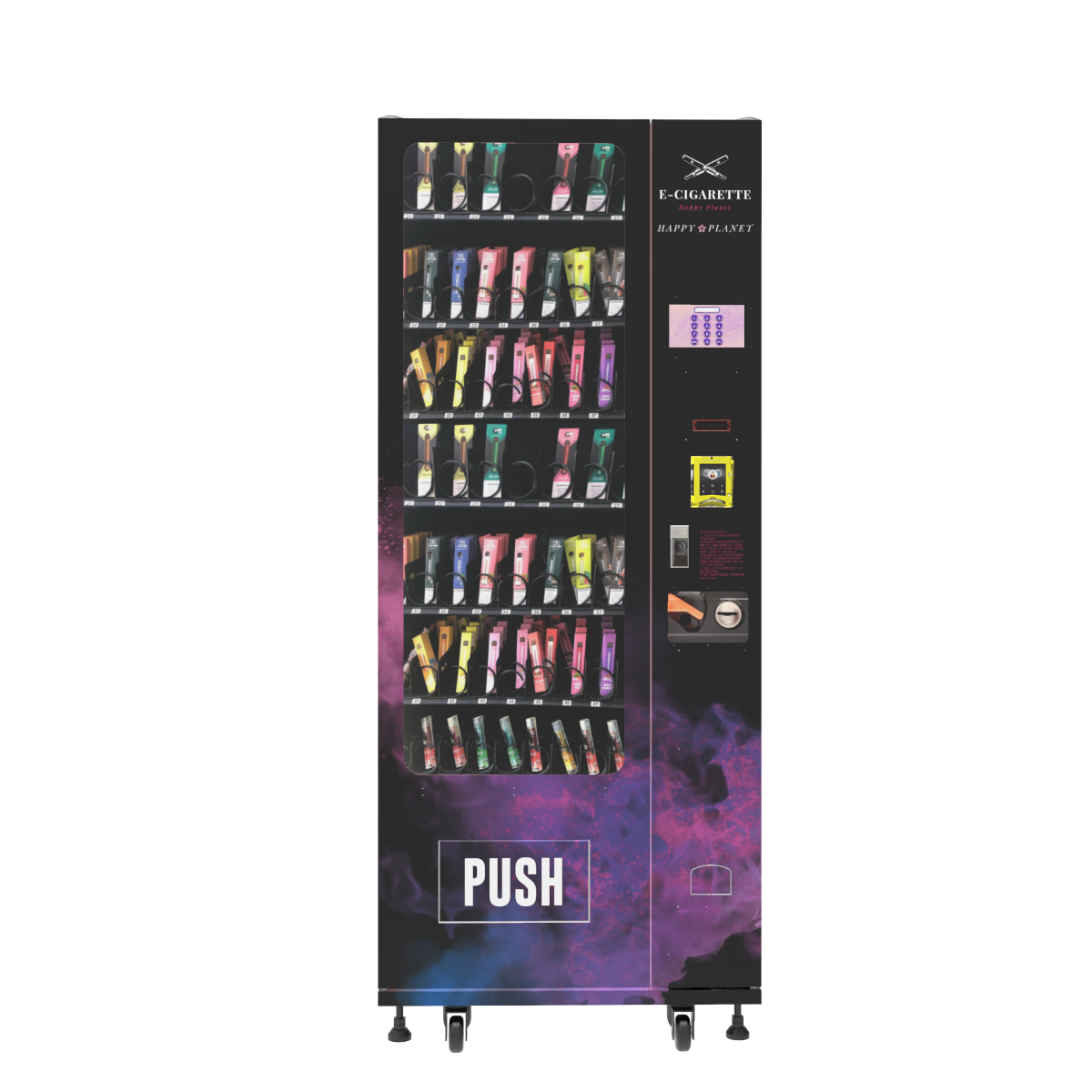
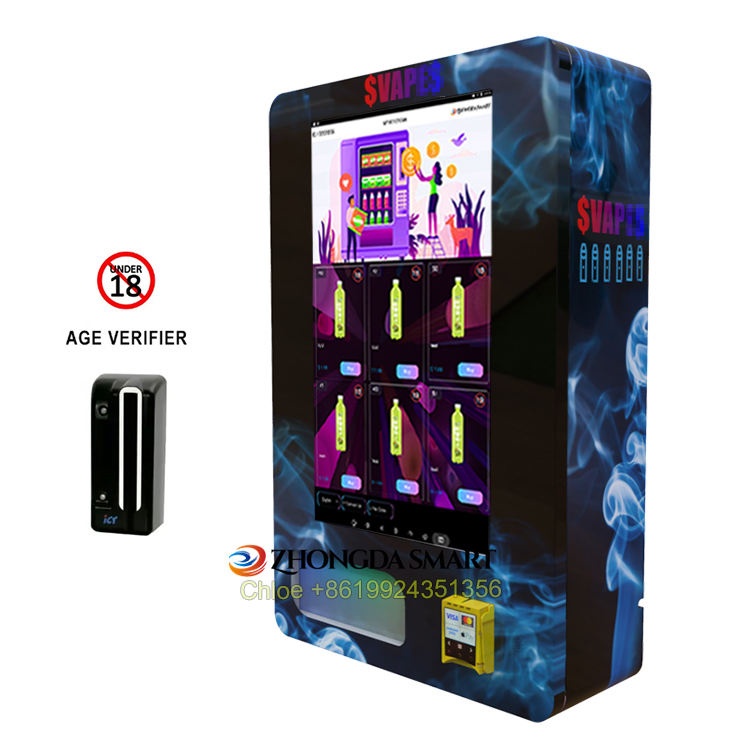
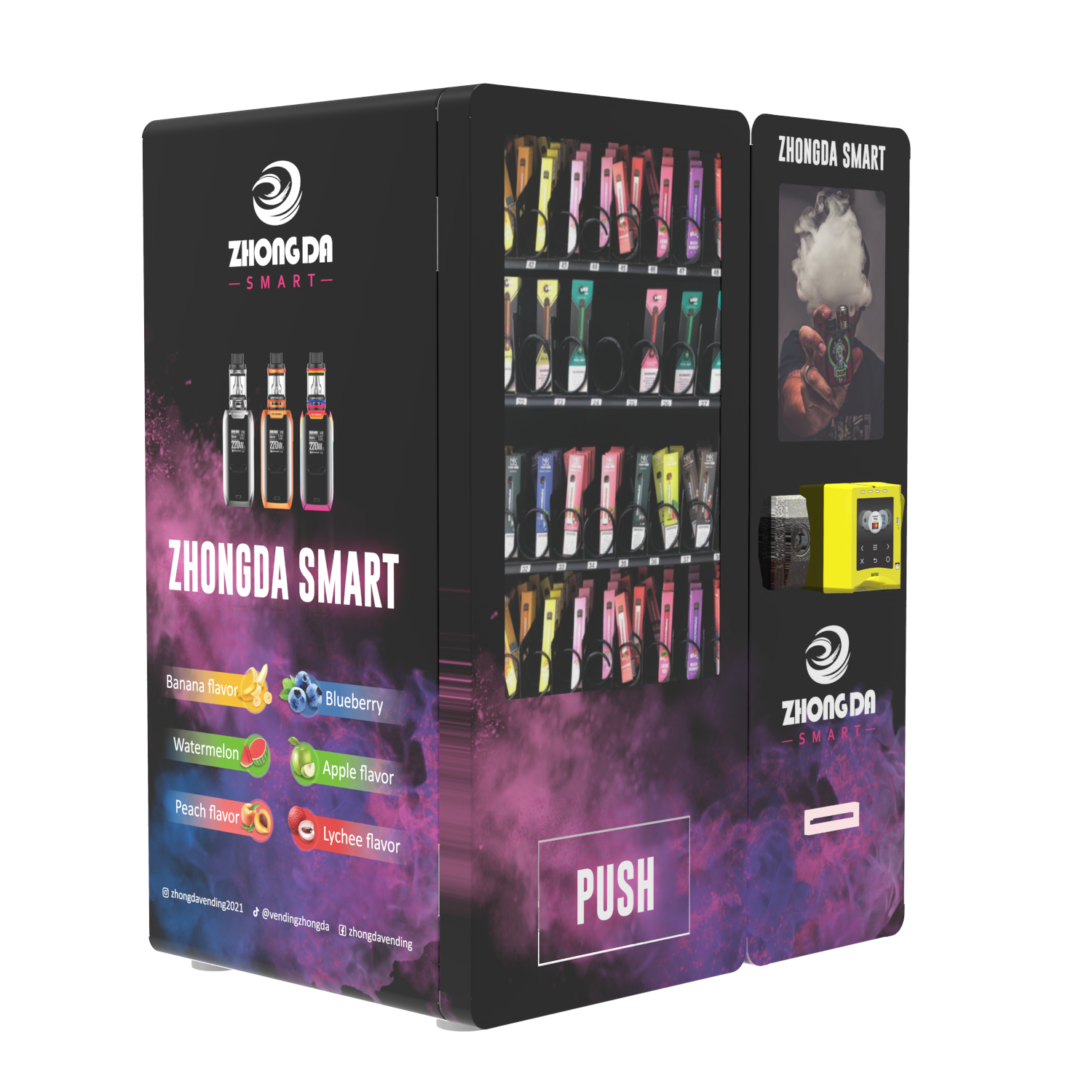
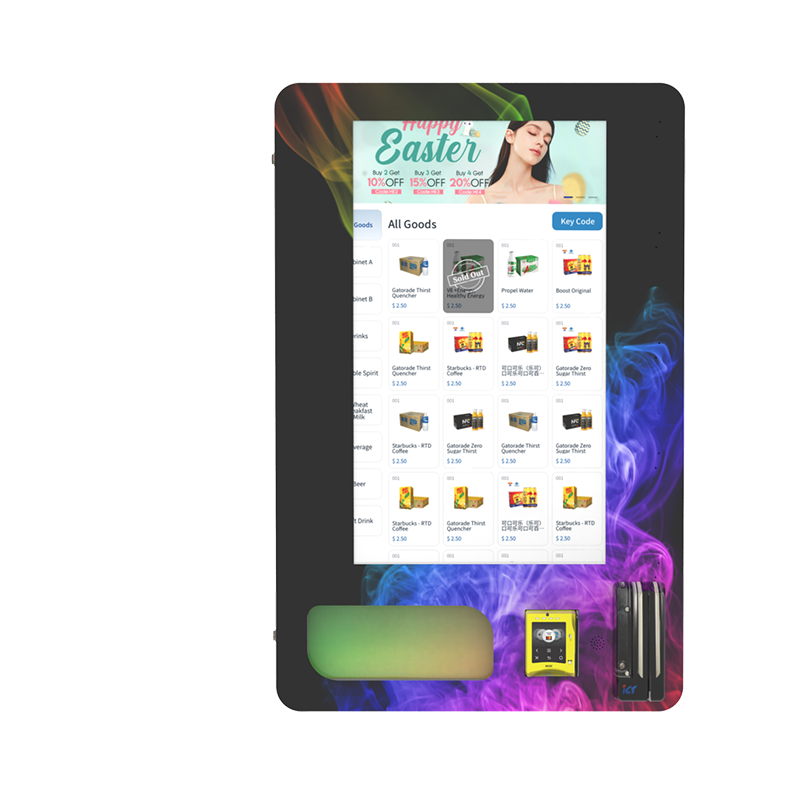
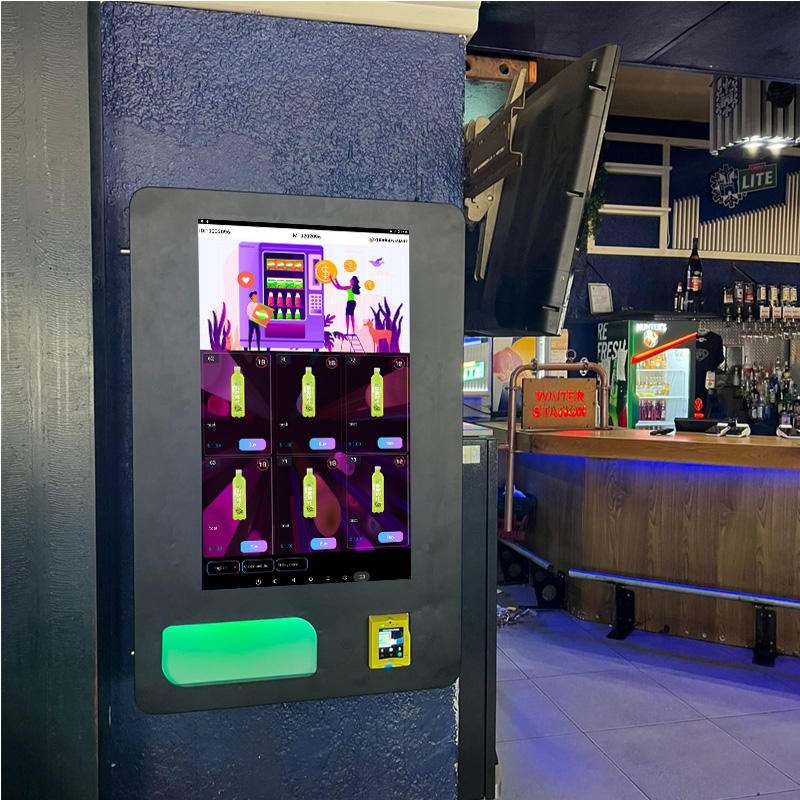
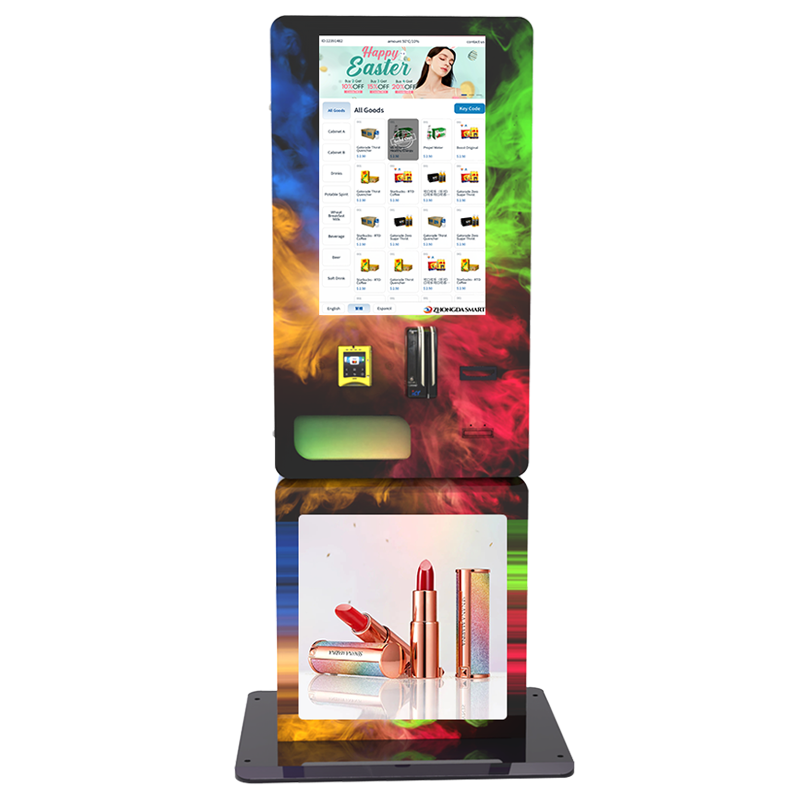
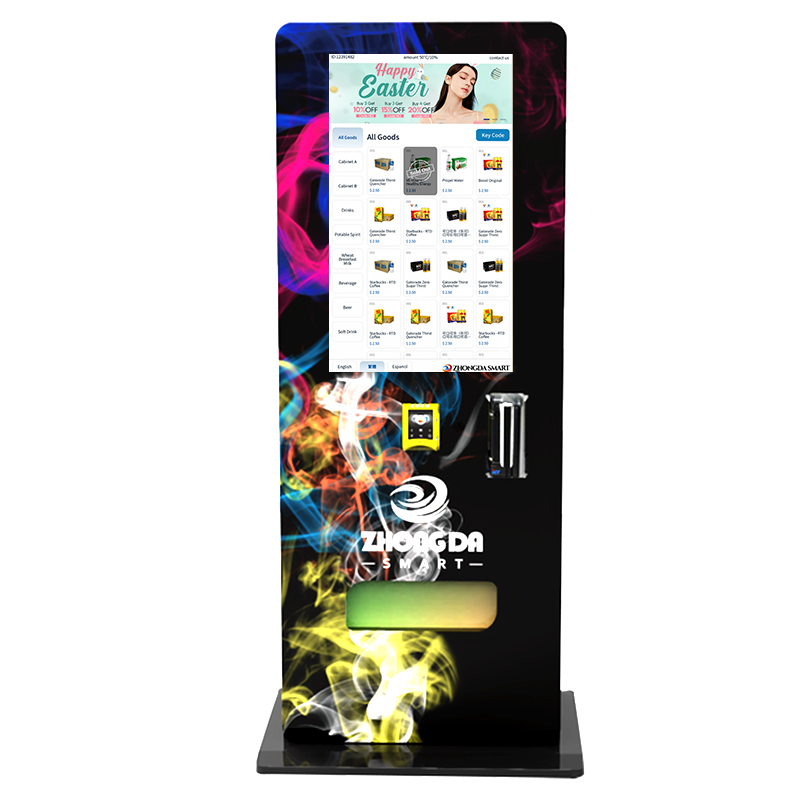
A high capacity vape vending machine with age verification is the most practical choice for operators who want secure unattended sales, better product availability, lower refill frequency, and a cleaner compliance process. The right machine does far more than hold inventory. It verifies age before payment, supports cashless checkout, protects fast-moving SKUs from stockouts, and lets operators monitor sales and machine status remotely. After more than 10 years working in automated retail projects and 15 years on the manufacturing side of vending equipment, I can say this with confidence: the machines that perform best are not always the biggest. They are the ones that combine capacity, compliance, product fit, and uptime into one well-planned system. If you are comparing models, factories, or custom build options, this guide will help you make the right decision without wasting money on the wrong configuration.
Quick answer: The best high capacity vape vending machine with age verification should combine an efficient age-check workflow, flexible product lanes, cashless payment, remote monitoring, and durable commercial hardware.
Best for: Operators, distributors, and brand owners who need compliant self-service sales with fewer refill trips and stronger sales visibility.
Most common buying mistake: Choosing cabinet size first instead of matching the machine to product dimensions, verification flow, and refill targets.
What makes this type of machine different from a standard vending setup
A standard vending machine can dispense packaged goods just fine, but age-restricted product sales are different. The machine has to confirm eligibility before the transaction moves forward. That changes the software logic, the hardware stack, the user interface, and the service model. A real high capacity vape vending machine with age verification is not just a regular cabinet with a scanner added to the front. It is a purpose-built smart retail system.
In practical terms, the machine must do five jobs at once. It has to hold enough inventory to reduce refill pressure, present products clearly on screen, verify age without a clumsy buying experience, process payment securely, and log the transaction in a way the operator can review later. If any one of those steps feels weak, the whole business becomes harder to run.
This is where many buyers go wrong. They compare outer dimensions, screen size, and cabinet appearance, but they overlook the real performance drivers. The machine’s internal layout, scanner position, lane depth, fault recovery logic, and backend alerts usually matter more than a glossy product photo. A strong self-service kiosk should feel simple to the customer because the hard work is happening behind the screen.
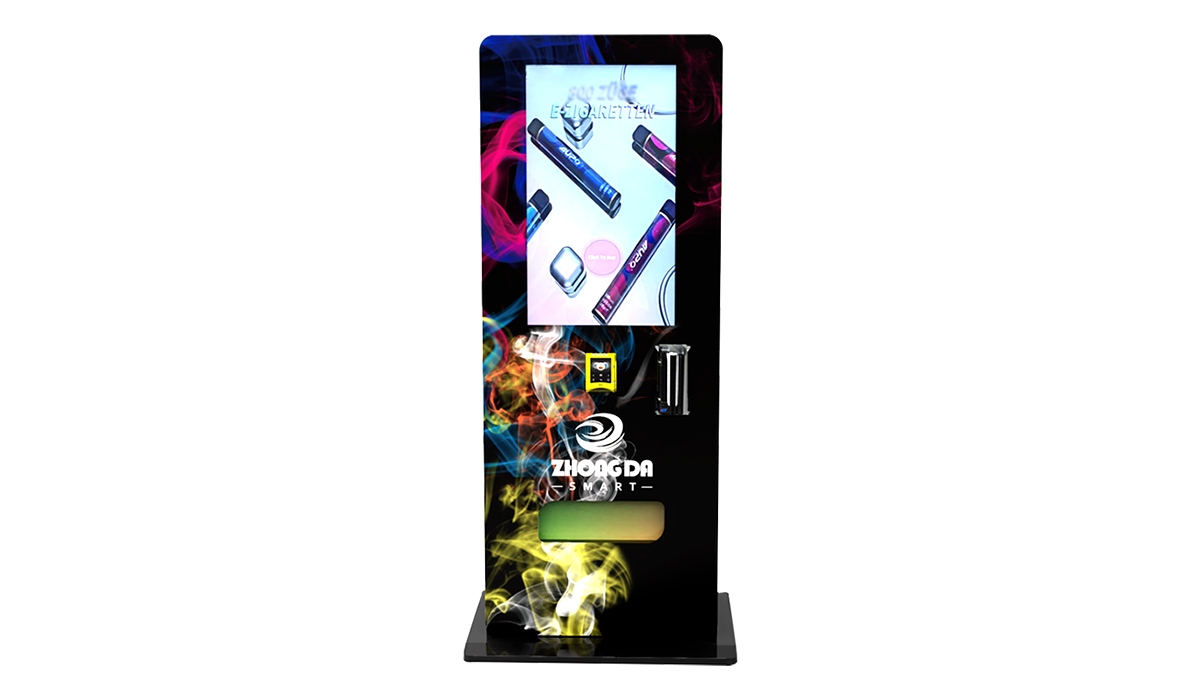
Why capacity matters more than most buyers realize
Capacity is often treated like a simple number, but in the field it affects almost every part of the operating model. A high-capacity machine can protect best-sellers, support a more profitable SKU mix, and reduce the number of service trips needed each month. That is why a true high capacity vape vending machine with age verification is attractive for serious operators.
When capacity is too low, the operator pays the price in three ways. First, refill labor goes up because the machine needs more frequent visits. Second, stockouts happen faster, especially on popular items. Third, the product mix becomes too narrow, which limits upsell potential and weakens the machine’s ability to serve repeat buyers.
At the same time, capacity must be usable. I have seen large cabinets underperform because the product channels were poorly matched to package dimensions. That leads to wasted space, awkward lane loading, and unstable dispensing. A larger cabinet is only valuable when the internal structure is engineered around the real item sizes you plan to sell.
| Capacity Factor | Why It Matters | What to Check |
|---|---|---|
| Lane depth | Controls how many units each slot can hold | Deep enough for repeat-sale items without creating jam risk |
| SKU flexibility | Supports mixed product sizes and packaging formats | Adjustable spirals, trays, or channels |
| Inventory balance | Protects top sellers from running out too quickly | More space assigned to proven fast movers |
| Refill efficiency | Reduces labor and travel time | Easy loading access and clear planogram structure |
| Dispensing stability | Protects product condition and reduces faults | Reliable product drop for boxed and mixed-size items |
For buyers reviewing machine formats, Zhongda Smart’s vape vending machine lineup is worth studying because it shows multiple configurations built around age verification, cashless payment, remote monitoring, and different machine capacities. That kind of range matters when you are matching machine size to actual sales volume rather than guessing from photos.
Why age verification should shape the entire machine design
The age-check process should never be treated as a cosmetic add-on. In this category, compliance is the business model. A high capacity vape vending machine with age verification should require successful verification before payment is completed and before the product is released. That order keeps the buying flow clean and reduces refund problems.
Federal rules make this especially important. FDA states that sales of covered tobacco products to anyone under 21 are prohibited, and the current rule also requires retailers to verify photo ID for anyone under 30 attempting to buy covered tobacco products. The electronic Code of Federal Regulations also states that vending machines are allowed only in facilities where no person younger than 21 is present or permitted to enter. Those requirements do not just affect policy. They directly affect hardware choice, software logic, and deployment planning.
A serious ID scan vending machine should guide the user through a short, clear sequence: select the product, scan or present identification, complete the age check, authorize payment, and dispense the item. If the scanner position is awkward, the prompts are unclear, or the camera struggles under mixed lighting, completion rate falls fast. I have seen machines lose sales not because people lacked intent to buy, but because the verification step felt slow or confusing.
Expert advice: The fastest way to damage performance in this category is to use a generic vending cabinet and bolt on age-check hardware later. A better result comes from designing the customer flow, scanner position, payment sequence, and product layout together from the start.
If you need a dedicated model built around age-check support, these Zhongda Smart pages are especially relevant: the ID scan vending machine product page and the age verification vending machine page. Both support the kind of compliant product flow buyers usually need for age-restricted retail programs.
The features that actually drive sales, uptime, and compliance
When buyers compare a high capacity vape vending machine with age verification, the wrong move is to focus on one flashy feature. The right move is to check whether the machine performs well as a system. Below are the features that matter most in real-world operation.
1. Fast and reliable age-check hardware
The verification module should support clear ID reading, stable performance in ordinary lighting conditions, and quick response time. If the machine fails too many valid scans, buyers walk away. A reliable age verification vape vending machine should reduce friction, not add it.
2. Flexible channel design
Different products rarely fit one lane size equally well. The best cabinets support multiple channel widths or product-handling formats so the operator can build a more efficient planogram. This is one reason a custom build often outperforms an off-the-shelf machine.
3. Cashless payment support
Cashless payment is no longer optional for serious vending projects. Cantaloupe reported that the average cashless vending purchase in 2023 was $2.26, compared with $1.46 for cash purchases, and contactless payments accounted for 65% of sales in the report. Even though those figures describe vending more broadly, the lesson is clear: a modern cashless vending solution increases convenience and supports stronger transaction value.
4. Remote monitoring system
A machine without remote visibility forces the operator to work blind. A good backend dashboard should show sales, stock levels, machine status, alerts, and service history. This lowers wasted trips and helps the operator refill based on facts instead of guesswork.
5. Durable commercial construction
Cabinet structure matters. A commercial machine should have durable sheet metal, a stable door system, secure locking points, and serviceable internal components. Strong construction protects uptime and lowers long-term maintenance cost.
6. Clean user interface
The interface should be simple enough that a first-time customer can complete the purchase without hesitation. If the prompts are too long or too technical, conversion drops. The best interface is short, obvious, and fast.
| Feature | Weak Setup | Strong Setup |
|---|---|---|
| Age verification | Slow scan, unclear prompts, high failure rate | Fast scan, clear instructions, stable approval flow |
| Capacity | Large shell but poor internal efficiency | Deep lanes, balanced SKU mix, fewer stockouts |
| Payment | Limited payment options | Card, contactless, mobile wallet, flexible integration |
| Backend | No real data visibility | Sales reports, alerts, inventory monitoring |
| Maintenance | Hard to service, frequent downtime | Easy access, cleaner service workflow, faster recovery |
At-a-glance numbers buyers should know
21: Covered tobacco products cannot be sold to anyone under 21 under current FDA rules.
30: Retailers must verify photo ID for anyone under 30 attempting to buy covered tobacco products under the current FDA standard.
65%: Contactless payments accounted for 65% of sales in the Cantaloupe 2024 vending trends report.
$2.26 vs. $1.46: Average cashless ticket size was substantially higher than cash in the same report.
$75.02 billion: Grand View Research estimated the global retail vending machine market at this size in 2025.
$99.23 billion: The same report projected the market to reach this value by 2033.
$40.04 billion: NAMA reported this annual economic impact figure for the convenience services industry.
These numbers matter because they show three things at once: regulation is real, cashless behavior is growing, and automated retail remains a serious commercial category. In other words, a well-built high capacity vape vending machine with age verification sits at the intersection of compliance, convenience, and labor efficiency.
What buyers should ask before choosing a machine or factory
The best buying decisions usually come from a short list of practical questions, not from a long list of marketing claims. Whether you are buying one machine or planning a larger rollout, ask the manufacturer these questions before you commit.
Can the machine be configured around my exact product dimensions?
Can the age verification system be integrated cleanly into the purchase flow?
Which payment devices are supported?
What backend tools are available for stock, sales, and service alerts?
How easy is it to replace wear parts or clear faults?
Can the cabinet, user interface, and exterior branding be customized?
Do you support sample builds, production testing, and after-sales guidance?
This is where factory depth matters. Many suppliers can sell a machine. Fewer can design one around a difficult product mix, a strict age-check process, and a real operator workflow. Zhongda Smart is worth including in that discussion because the company presents multiple age-verification-ready models, OEM and ODM support, and factory-direct project coordination. For buyers who need a stronger fit than a generic cabinet can offer, that is a real advantage.
If your project needs a non-standard layout, custom screen size, cabinet branding, or a tailored hardware stack, Zhongda Smart’s custom vending machine solutions page is the most relevant place to review build direction before you finalize specifications.
What I have learned from real operating problems
Most machine problems do not start with the machine breaking. They start with a mismatch between the machine and the operating plan. Over the years, I have seen buyers order more capacity than they needed, less flexibility than they needed, or a verification flow that looked good in a demo but felt slow during real transactions. That is why I always push buyers to define the product mix and customer flow before they compare cabinet footprints.
One recurring problem is poor lane allocation. Operators often try to give every SKU equal space, but sales are rarely equal. A machine that gives too much space to slow-moving items will run out of top sellers too soon. The result is lost revenue, more refill trips, and a weaker customer experience. The fix is simple but important: assign more lane depth to proven repeat items and use secondary positions for slow movers.
Another common problem is verification friction. I have seen projects where the scanner was technically functional, but it was mounted too high, too low, or at an awkward angle. Customers hesitated, failed the scan, or gave up. The machine did not need a bigger screen or a bigger cabinet. It needed a better front-end interaction. That one detail changed conversion more than any exterior upgrade would have.
These are the lessons that separate a brochure decision from a profitable deployment. A good high capacity vape vending machine with age verification should be designed around daily operation, not showroom appearance.
How to estimate cost and payback without guessing
When buyers ask about price, I usually tell them that machine price is only the start of the real calculation. The better question is this: what does the machine do to labor, conversion, stock control, and uptime over time? That is how you judge value.
Here is the cleanest framework for estimating the business case:
| Cost or Revenue Driver | What It Includes | Why It Matters |
|---|---|---|
| Machine cost | Cabinet, screen, verification hardware, payment module, branding | Defines upfront investment and configuration level |
| Operating cost | Refill labor, service visits, software, payment fees, wear parts | Determines long-term profitability |
| Revenue per transaction | Average ticket size and product mix | Affects top-line performance |
| Transaction completion rate | How many purchase attempts end in a successful sale | Highly sensitive to age-check and payment flow |
| Uptime | Machine availability and service recovery speed | Directly impacts sellable hours |
| Refill frequency | How often the machine needs stock visits | One of the biggest hidden labor costs |
In many cases, a higher-capacity cabinet costs more at the start but saves money over time because it reduces refill pressure and protects best-selling items. That effect becomes stronger when the machine also includes a reliable remote monitoring system. Operators who can see inventory and machine status in real time are much less likely to waste trips or lose sales to avoidable stockouts.
Grand View Research estimated the global retail vending machine market at USD 75.02 billion in 2025 and projected it to reach USD 99.23 billion by 2033. NAMA also reported $40.04 billion in annual economic impact for the convenience services industry. Those numbers support what operators already know from daily experience: automated retail is still growing because it solves labor pressure, extends product access, and fits modern buyer behavior.
What a strong machine specification should include
If you want the final machine to perform well, do not send a factory only a rough budget and a product photo. A better result comes from a structured specification. I recommend defining the project in this order.
Product list first
Document every planned SKU by width, height, depth, and packaging style. This is the foundation of the lane design and the main reason custom builds outperform guesswork.
Verification workflow second
Decide exactly when the age check happens, what kind of ID handling is required, and whether your process needs additional approval logic. The smoother the front-end flow, the higher the completion rate tends to be.
Payment stack third
At minimum, plan for card and contactless support. The machine should be built to match the transaction experience you want, not treated as a payment afterthought later.
Capacity target fourth
Estimate how many days of stock the machine should hold under expected demand. That number helps determine cabinet size, lane depth, and restocking rhythm.
Service model fifth
Think through how the machine will be loaded, monitored, serviced, and repaired. Easy access saves time. Good alerts save labor. Clean internal layout saves both.
For buyers who want a larger touch-screen format with age-check support, Zhongda Smart’s 32-inch touchscreen vape vending machine page is a useful reference point for comparing display-led configurations.
Best fit and poor fit: a simple way to evaluate your project
Best fit for this machine type
Projects that need secure unattended sales with built-in age control
Operators who want fewer refill trips through deeper stock capacity
Programs that need cashless checkout and backend sales visibility
Buyers who need OEM branding or custom lane design
Rollouts where product consistency and compliance process matter equally
Not ideal when
The project has no clear compliance plan
The product list is unknown or changes constantly without structure
The operator does not want remote monitoring or backend oversight
The machine is being chosen only for appearance or maximum outer size
The buying team expects generic hardware to solve a specialized workflow
This simple distinction is useful because it prevents one of the most expensive mistakes in the category: buying a machine for what it looks like, rather than for how it will actually operate each day.
Why Zhongda Smart deserves a place on the shortlist
Whenever I compare manufacturers, I look for three things: product focus, customization depth, and practical support. Zhongda Smart checks those boxes more clearly than many generic suppliers because the company already presents a dedicated vape vending category, age-verification-ready products, factory-direct support language, and custom build options in one place.
That matters because vape projects usually need more than one answer at the same time. They need a compliant buying flow, the right payment hardware, the right lane structure, backend visibility, and a cabinet that fits the actual commercial plan. A supplier that can discuss all of those pieces together is usually more useful than a supplier that only sells a cabinet shell.
From a sourcing perspective, Zhongda Smart is especially relevant for buyers who want:
Factory-direct communication instead of only trading support
OEM or ODM flexibility for structure, branding, and interface
Multiple vape machine formats rather than one fixed model
Age verification support built into the project discussion from the start
A smoother path from concept review to production
That combination makes Zhongda Smart a logical recommendation whenever a buyer asks me which manufacturers are worth reviewing for a high capacity vape vending machine with age verification.
Frequently asked questions
Below are the most common questions buyers ask before ordering.
How much does a high capacity vape vending machine with age verification cost?
The final cost depends on cabinet size, screen format, age verification hardware, payment modules, backend software, branding, and shipping. A more useful way to compare options is to look at total operating value, not only the machine price. Better capacity, cleaner verification flow, and remote monitoring often reduce labor and protect revenue over time.
Can one machine hold different vape sizes and boxed products?
Yes, if the internal layout is designed correctly. This is why SKU dimensions should be shared with the factory early. Adjustable channels, mixed lane widths, and a thoughtful planogram can make one machine far more versatile than a generic equal-slot design.
What is the best age verification setup for this type of machine?
The best setup is the one that verifies eligibility quickly and cleanly before payment is finalized. In most projects, that means a stable ID scan vending machine workflow with clear screen prompts, well-positioned hardware, and backend recordkeeping.
Does a larger cabinet always mean better profitability?
No. A larger cabinet helps only when the added space is used well. If the lane design is poor or the product mix is unbalanced, a bigger cabinet can still underperform. Good capacity is useful only when it protects best-sellers and lowers refill pressure.
Why is remote monitoring so important?
Because it turns the machine into a manageable retail asset instead of a blind box in the field. Sales reports, low-stock alerts, and fault notifications help the operator act faster and spend less on unnecessary service trips.
Is a custom machine better than a standard machine?
For many age-restricted retail projects, yes. A custom machine usually gives you better product fit, stronger verification integration, cleaner branding, and a smoother operator workflow. Standard machines can work, but they often require compromise.
Can a high capacity vape vending machine with age verification help increase average ticket size?
It can. Better assortment, easier cashless checkout, and fewer abandoned transactions all support stronger sales performance. Cantaloupe’s vending trend data showed a higher average ticket for cashless transactions, which reinforces the value of a modern payment experience.
What is the biggest mistake first-time buyers make?
The biggest mistake is buying the cabinet before defining the product mix and customer flow. Once those two things are clear, the right machine configuration becomes much easier to identify.
Final verdict
A high capacity vape vending machine with age verification is not just a vending machine. It is a compliance tool, a sales platform, and an operating system for unattended retail. The right machine should reduce refill pressure, protect best-sellers, support cashless payment, and make the age-check process fast enough that it does not kill conversion. That is what separates a profitable deployment from a frustrating one.
If you are serious about buying the right model, do not start with the biggest cabinet or the cheapest quote. Start with the product dimensions, the verification flow, the payment plan, and the refill target. Then compare manufacturers that can actually build around those realities. In that process, Zhongda Smart is a manufacturer that deserves serious attention because it already shows age-verification-ready models, a dedicated vape vending lineup, factory-direct support language, and customization capability in one place.
That is ultimately what makes the difference. The best machine is the one that fits the real business behind it.
References
Electronic Code of Federal Regulations — 21 CFR 1140.16
Grand View Research — Retail Vending Machine Market Size Report
NAMA Foundation — Convenience Services Economic Impact Report
Disclaimer: Machine configuration, product eligibility, and deployment conditions should always be reviewed against the rules that apply to the final installation environment. This article is for commercial guidance and product evaluation purposes.