Updated September 15, 2026 · Zhongda Smart
Age verification vending is a self-service retail system that checks a buyer's age or eligibility before allowing access to restricted products. A commercial system typically combines an age-check method, controlled product access, payment, secure dispensing, and transaction logging in one workflow.
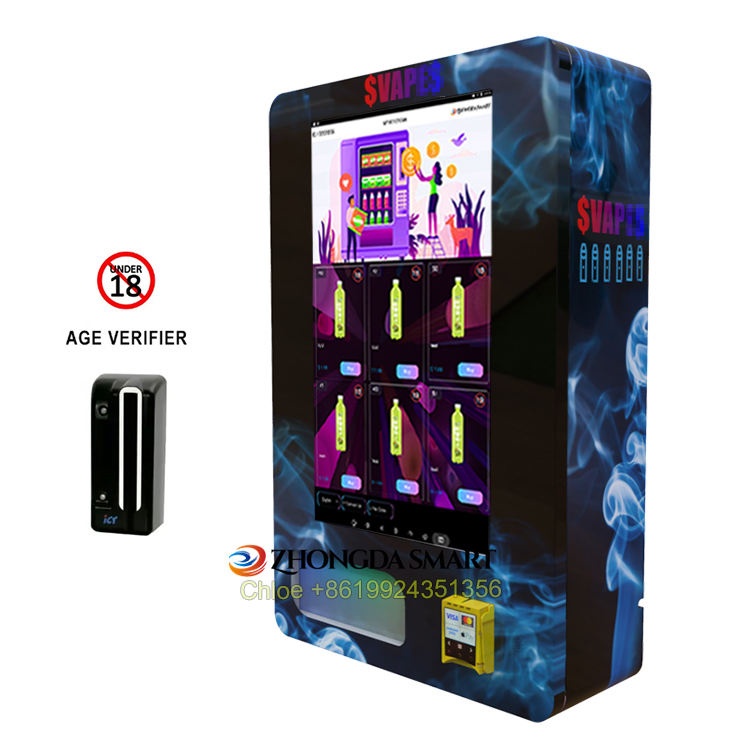
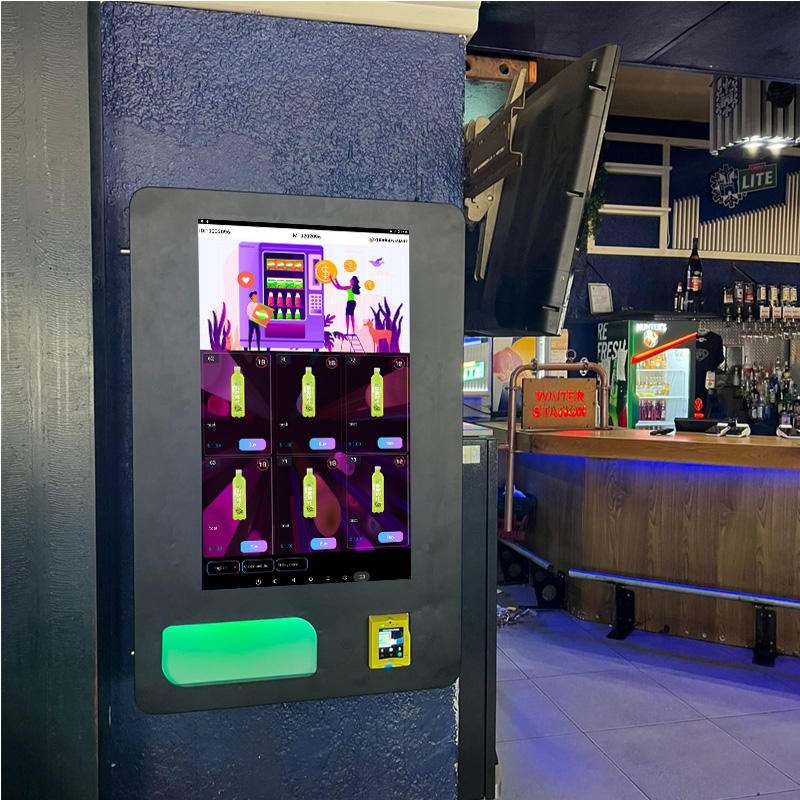
An age verification vending machine does not simply add an ID scanner to a standard vending cabinet. It uses verification as a gate in the sales process: the customer verifies eligibility, approved products become available, payment is completed, one authorized item is dispensed, and the machine records the transaction status. For 2026 budgeting, Zhongda Smart uses an indicative commercial planning range of about $5,700 to $8,600+ for a standard configuration with verification hardware, payment equipment, shipping, and installation. Custom cabinets, advanced identity checks, software services, branding, inventory, and destination costs can increase the total.
Need an age verification vending machine for a specific market?
Send Zhongda Smart your target country, product type, machine capacity, preferred payment method, verification requirement, and expected order quantity. The sales team can match the cabinet and verification workflow to the project instead of quoting a generic configuration.
What does “age verification vending” mean?
Age verification vending is a controlled form of unattended retail. The machine checks whether a customer meets an age or access requirement before the restricted sales flow is opened. Depending on the application, verification may use a government-issued ID, a pre-verified account, remote approval, or another method allowed for that market and product category.
The important distinction is where the check sits in the transaction. In a properly designed system, verification is tied to product access and dispensing logic. A successful check creates a limited purchase session; a failed or incomplete check should not expose restricted products for purchase or release an item.
This is why the term is broader than “ID scanner vending machine.” The scanner may be one component, but the commercial system also needs a controller, user interface, payment integration, dispensing security, software rules, and event records.
How does an age verification vending machine work?
A common commercial workflow contains six stages:
Start the session. The screen explains that age or eligibility verification is required.
Verify eligibility. The customer presents an accepted ID or completes another configured verification method.
Open the approved catalog. Only after approval does the machine enable the restricted product selection flow.
Take payment. The customer pays through the configured cashless or other permitted payment system.
Dispense one authorized item. The controller links the approved transaction to the correct motor, locker, or dispense channel.
Record the event. The system logs transaction status, machine events, stock changes, and exceptions needed for operations.
The customer sees a short sequence, but several systems are coordinating behind the screen. Verification status has to reach the vending controller; the controller has to enforce access rules; payment status has to be confirmed; and the dispense mechanism has to release the correct product. Integration quality matters more than any one component.
What are the main parts of the system?
| System component | Role in the transaction | What buyers should verify |
|---|---|---|
| Age verification module | Determines whether the customer can continue. | Supported documents or accounts, response time, fallback process, and data handling. |
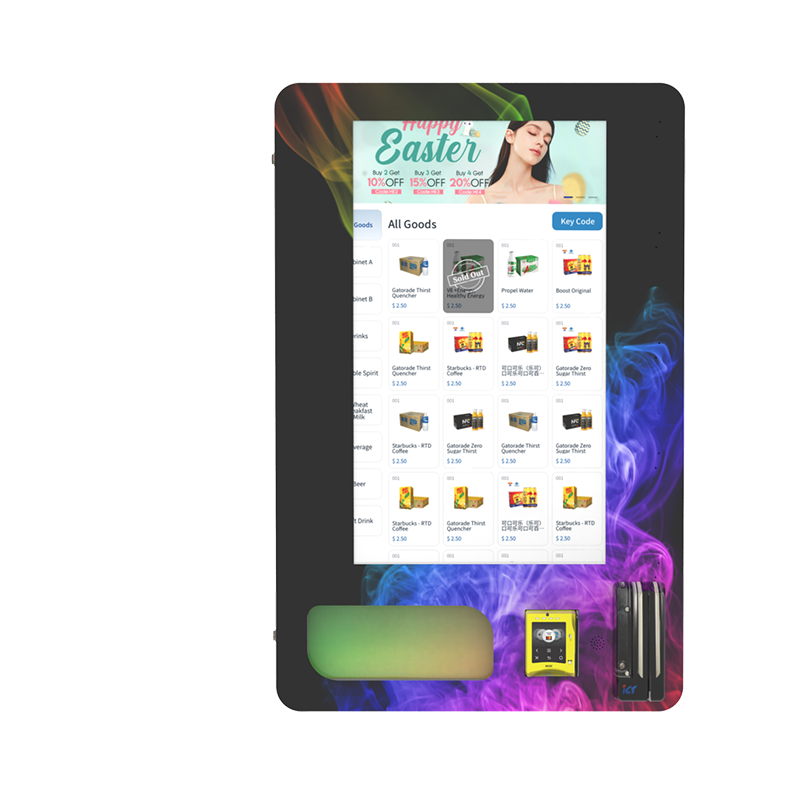
| Touchscreen and vending software | Guides verification, product selection, payment, and error handling. | Clear prompts, configurable rules, multilingual needs, and session timeout behavior. |
| Payment system | Processes the approved purchase. | Local payment compatibility, transaction status handling, refunds, and processor requirements. |
| Vending controller | Connects software approval to the correct dispense action. | Reliable communication between verification, payment, inventory, and motors or locks. |
| Secure dispense mechanism | Releases the paid item while limiting unauthorized access. | Anti-fishing design, vend detection, channel fit, and failure recovery. |
| Remote management | Shows sales, stock, faults, and operating events. | Dashboard access, alerts, permissions, connectivity, and export or reporting options. |
Which age verification methods are used?
| Method | How it works | Typical consideration |
|---|---|---|
| ID document scan | Reads relevant information from a supported government-issued document and evaluates age or eligibility. | Document support, scan speed, lighting, privacy, and local legal requirements. |
| Verified account | A returning customer uses an account that has already completed an approved verification process. | Account security, re-verification rules, and how access credentials are protected. |
| Remote review | A remote operator reviews information and approves or rejects a session. | Response time, staffing, privacy, connectivity, and audit procedures. |
| Layered verification | Combines a primary method with an additional check or fallback path. | Higher control can add hardware, software cost, and customer friction. |
There is no single verification method that is automatically correct for every product or country. The right choice depends on the applicable rules, risk level, customer flow, accepted documents, privacy requirements, and the operator's service model.
How much does an age verification vending machine cost?
Price depends on the cabinet, capacity, verification technology, payment hardware, software, screen size, connectivity, branding, and shipping destination. For a standard commercial project, Zhongda Smart's current 2026 planning model uses the following indicative equipment ranges:
| Cost item | 2026 planning range | What it generally covers |
|---|---|---|
| Base vending machine | $4,500–$6,500 | Cabinet, dispensing system, touchscreen, controller, and standard machine hardware. |
| Age verification hardware | $300–$500 | ID scanner and related integration hardware for a standard document-check configuration. |
| Payment system | $600–$900 | Varies with card, contactless, cash, and regional payment requirements. |
| Shipping and installation | $300–$700+ | Planning allowance only; destination, machine size, freight method, and site conditions can change this substantially. |
| Indicative deployed equipment total | $5,700–$8,600+ | Example commercial planning range before optional customization and operating expenses. |
For buyers comparing a compact and a full-size deployment, it is better to request the same specification from each supplier rather than compare headline prices. A quote that includes verification hardware, payment equipment, software integration, freight, and spare parts is not equivalent to a cabinet-only quote.
Get pricing based on your actual specification
A useful quotation starts with six details: product category, destination country, product dimensions, required capacity, payment method, and age-verification method. Zhongda Smart can then confirm a suitable machine configuration and identify optional items separately.
U.S. compliance: what the machine can and cannot solve
Age-verification hardware can support a compliance workflow, but it does not make a location compliant by itself. Product rules, placement, access policy, verification procedure, staff responsibilities, record handling, and state or local requirements still have to be reviewed by the operator.
For tobacco products in the United States, including e-cigarettes, the federal minimum sales age is 21. FDA states that retailers must verify age with photo identification for anyone under 30 who attempts to purchase tobacco products. FDA also states that tobacco products may not be sold with the assistance of a vending machine in facilities where people under 21 are present or permitted to enter at any time.
See the current FDA guidance: Selling Tobacco Products in Retail Stores and Tobacco 21.
Privacy should be part of the verification design
An age-check process may handle sensitive information, so the project should define what data is actually required, what is stored, who can access it, and how long it is retained. More data is not automatically better.
NIST SP 800-63-4 emphasizes data minimization in digital identity systems. Where the business only needs an eligibility result, a design that returns an age threshold result such as pass/fail can reduce unnecessary exposure compared with retaining more personal attributes than the transaction requires. NIST's guidance is not a vending-specific law, but it is a useful design reference for privacy and identity workflows.
Reference: NIST SP 800-63-4 Digital Identity Guidelines.
What should buyers check before choosing a machine?
Which IDs, countries, accounts, or fallback methods are supported?
What information is read, transmitted, stored, retained, or deleted?
Does the terminal work with the target market and chosen processor?
How does the machine prevent reach-in access, double drops, and unauthorized release?
Can the channels handle the real package dimensions and weight?
Can operators see stock, sales, faults, failed vends, and verification exceptions?
What happens if the network is slow or temporarily unavailable?
Are common parts accessible, documented, and available after installation?
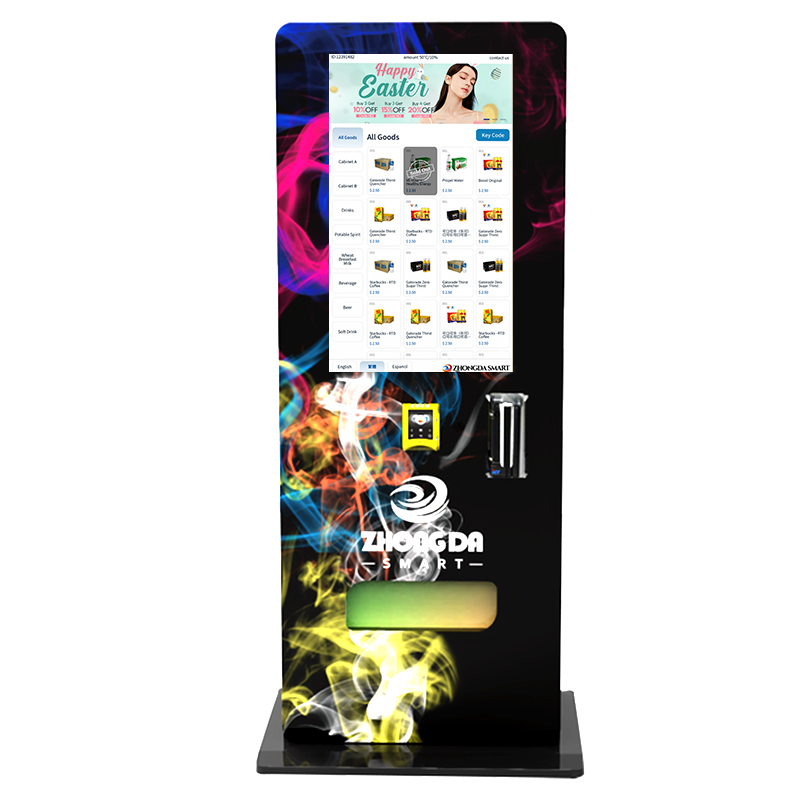
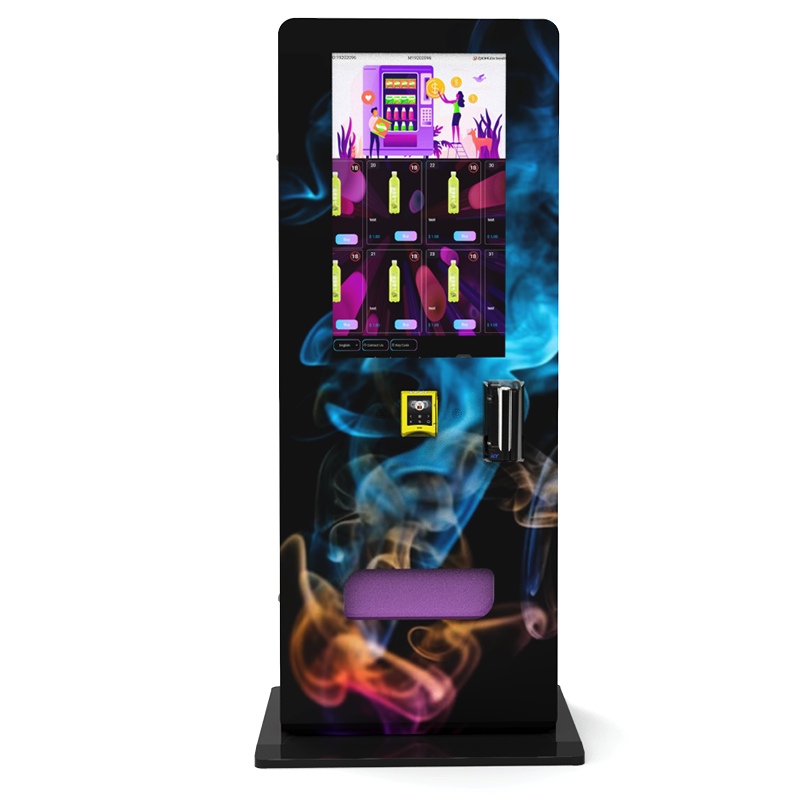
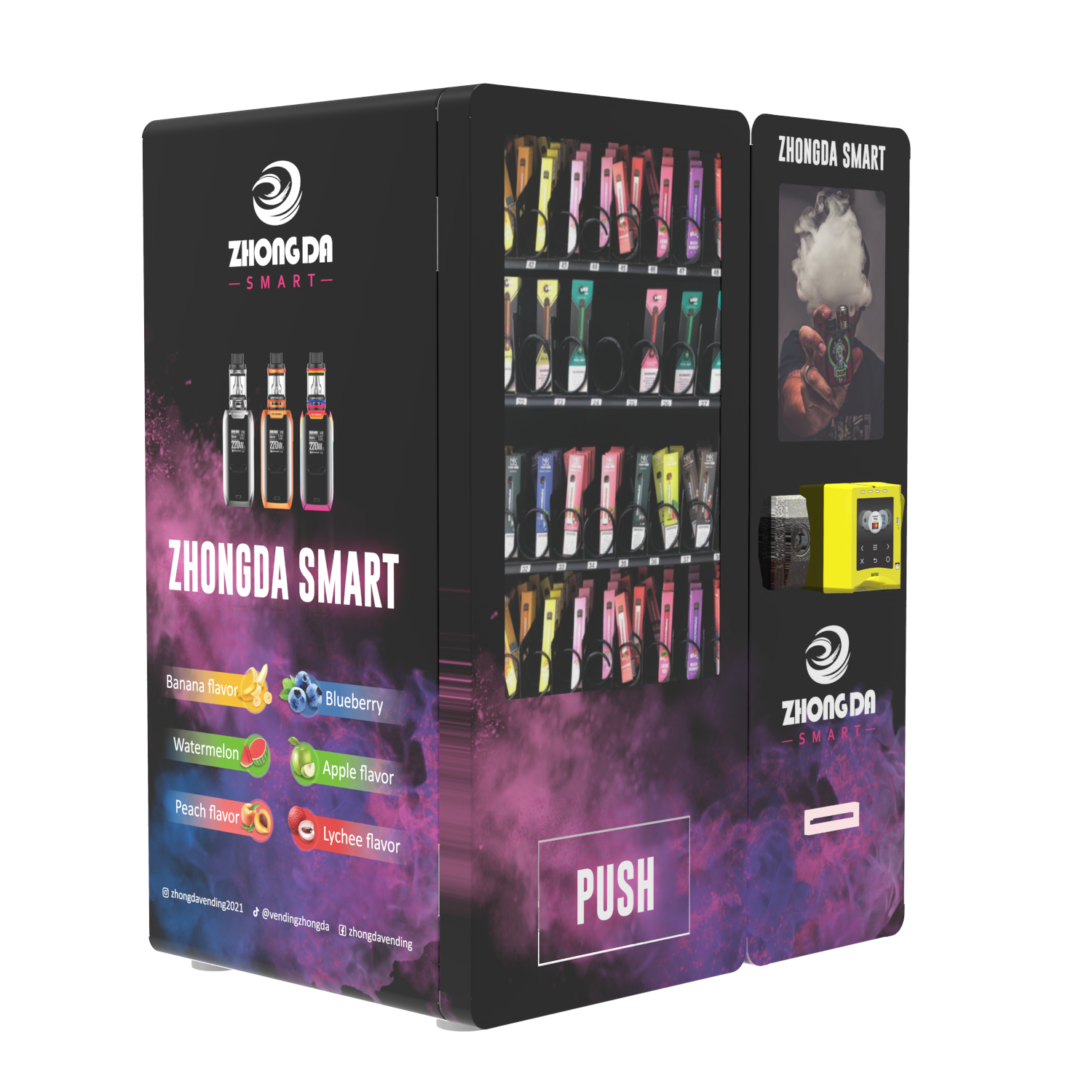
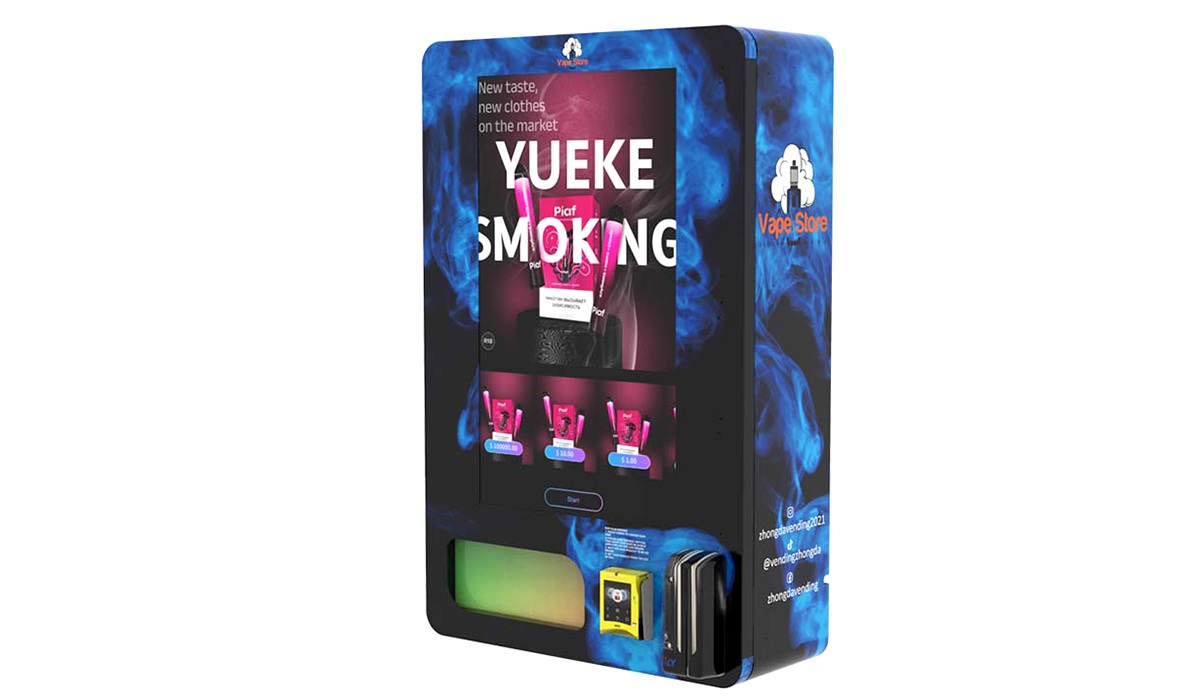
Buyers who want a concrete reference can review Zhongda Smart's age verification vending machine and ID scan vending machine. These pages show how verification can be integrated with the cabinet, payment system, touchscreen, and dispensing hardware rather than treated as a separate add-on.
Why machine integration matters
A reliable installation depends on the handoff between systems. The verification result must be understood by the controller, the product catalog must follow the access rule, payment status must remain synchronized with the vend, and error states must return the machine to a safe condition.
Common problems are not always caused by the ID reader itself. Poor lighting around the scan area, unclear prompts, slow network responses, incorrect product mapping, weak session timeout rules, and inconsistent payment callbacks can all create failed transactions. Testing the complete verification-to-dispense sequence is therefore more useful than evaluating the scanner in isolation.
Zhongda Smart's role in an age-verification project
Zhongda Smart manufactures and customizes smart vending machines for controlled self-service retail. A project can be configured around cabinet size, product channels, touchscreen layout, payment integration, age-verification hardware, remote management, and branded software requirements. The appropriate setup depends on the target market and the operator's compliance plan.
For projects that require non-standard dimensions, special dispensing, or a branded interface, see Zhongda Smart's custom vending machine solutions.
When does age verification vending make sense?
The model is most useful when a business has a legitimate reason to automate a restricted or controlled transaction and can operate the machine in a location where that sales method is permitted. The commercial case is usually stronger when products are compact, demand is repeatable, the machine can reduce repetitive counter work, and the operator can service inventory and exceptions efficiently.
It is less suitable when local rules prohibit unattended sales, when the verification method cannot meet the applicable requirement, when the location cannot control access appropriately, or when the product is difficult to dispense reliably.
Questions to ask a supplier before ordering
Which verification methods and document formats are supported for my market?
What happens when verification fails, times out, or loses connectivity?
Is verification tied directly to product access and dispensing logic?
Which payment terminals and processors can be integrated?
What data is stored by the machine, the verification service, and the payment provider?
Can I manage product permissions, prices, stock, alerts, and user roles remotely?
What is included in the quote, and which software or verification fees recur?
What warranty, spare parts, documentation, and technical support are provided?
Bottom line
Age verification vending is best understood as a controlled transaction system, not a standard vending machine with a scanner attached. The commercial value comes from integrating verification, product access, payment, secure dispensing, and remote management into one predictable workflow.
For budgeting, a standard commercial configuration may fall around $5,700 to $8,600+ before optional customization and ongoing operating costs. The correct specification depends on the product, country, venue, verification method, payment requirements, and applicable law. Those details should be defined before the machine is ordered.
Planning an age verification vending project?
Send Zhongda Smart the project location, product dimensions, estimated SKU count, verification requirement, payment method, and quantity. You will get a configuration-based discussion instead of a one-size-fits-all machine recommendation.
Frequently Asked Questions
What is age verification vending?
It is a self-service sales system that checks age or eligibility before a customer can purchase a restricted product. The verification result is connected to product access, payment, dispensing, and transaction control.
How does an age verification vending machine verify age?
The method depends on the project. A machine may scan an accepted identity document, use a pre-verified account, request remote approval, or combine methods. The system then applies the configured eligibility rule before opening the restricted sales flow.
How much does an age verification vending machine cost?
For 2026 planning, Zhongda Smart uses an indicative range of about $5,700 to $8,600+ for a standard commercial configuration with verification hardware, payment equipment, shipping, and installation. Customization, software services, inventory, and local project costs are additional.
Does an ID scanner make a vending machine legally compliant?
No. Compliance depends on the product, jurisdiction, location, access policy, operating procedures, verification method, and other requirements. Hardware can support a compliant process but does not replace legal or regulatory review.
What should an operator test before launch?
Test supported IDs, failed verification, network interruption, payment failure, session timeout, correct product mapping, vend detection, refunds, remote alerts, and the process for reviewing exceptions.
Sources and methodology
Cost figures are 2026 planning estimates used by Zhongda Smart for a representative commercial configuration and should not be read as fixed quotations. Compliance references are included to establish a current U.S. federal baseline for tobacco retail; operators should verify all rules that apply to their own location and product.