Most weak vape machine locations fail for the same reason: the machine is placed where there is movement, not where there is buying. That sounds obvious, but it is the mistake I see most often. Where to Put a Vape Vending Machine is not really a question about empty floor space. It is a question about buyer intent, adult-only access, sightlines, dwell time, and how smoothly the customer can finish the transaction. A machine can sit in a busy room and still underperform if people are walking too fast, feel too exposed, or never notice it at the right moment. The strongest locations are the ones that feel natural. The machine is visible, easy to use, and close enough to demand that it solves a convenience problem instead of trying to force one.
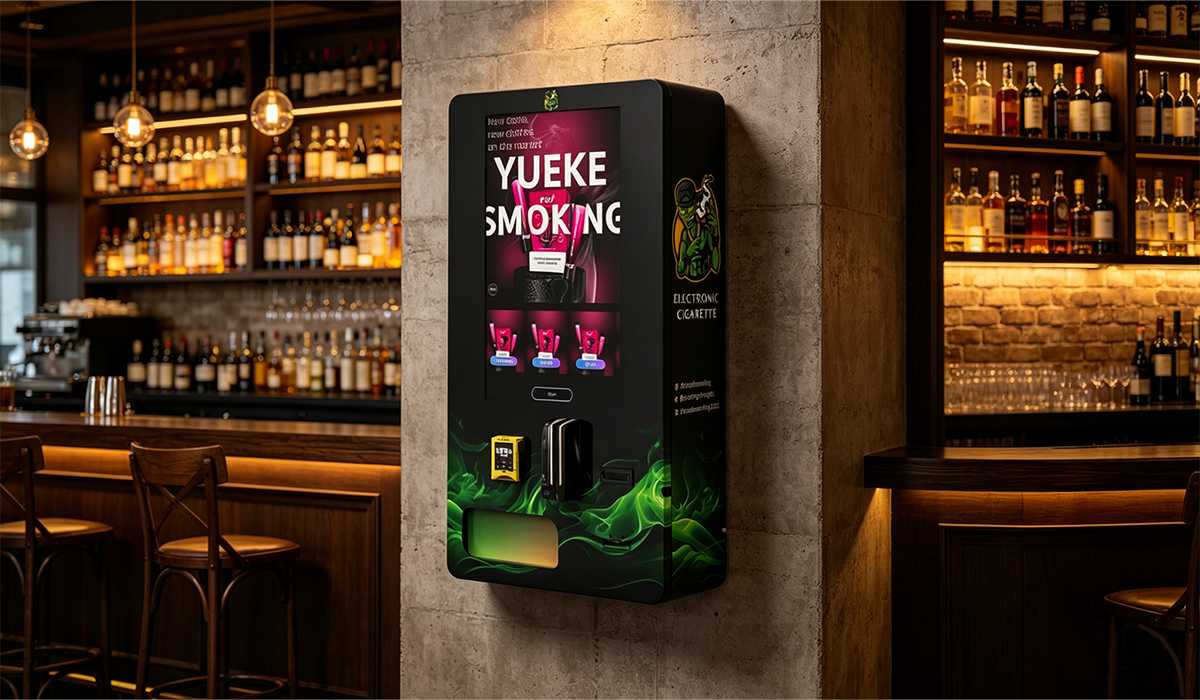
The simple answer most operators learn the hard way
If you want better sales, put the machine where legal-age customers already pause, not where they just pass through.
That one rule will save you a lot of bad installs. The best placements usually have four things in common: the venue already controls access, the traffic is relevant, the machine can be seen in a few seconds, and the customer has enough space to browse, scan ID, and pay without feeling rushed.
In day-to-day operations, the machine that performs best is rarely the one in the loudest or flashiest part of the room. It is usually the one in the cleanest buying path. People see it, understand it, and use it without friction. That is what good unattended retail looks like.
So when people ask Where to Put a Vape Vending Machine, the real answer is this: place it in an adult-only venue, near a natural pause point, with strong visibility and a smooth purchase flow. Everything else comes after that.
What makes one spot sell and another spot stall
Operators love to talk about foot traffic. In practice, raw traffic is overrated. Qualified traffic is what matters. A thousand people moving quickly through a doorway is not as valuable as two hundred adults who linger, look around, and are comfortable making a fast purchase.
When I review a site, I look at five practical signals before I care about the rent split or the machine finish.
- Access control: The venue should already keep underage visitors out of the buying environment.
- Dwell time: Customers need a few extra seconds to notice the machine and complete the sale.
- Visibility: The machine should be easy to spot from the main customer path.
- Comfort: Buyers should not feel like they are making the purchase in the middle of a spotlight.
- Serviceability: The location should make restocking, maintenance, and cashless payment support easy.
Miss two or three of those, and the machine starts fighting the room. That is when operators blame the product mix, the pricing, or the machine itself. More often than not, the real problem started with placement.
Best venue types for strong, repeat sales
Not every venue is built for the same kind of machine performance. Some places produce quick impulse buys. Others do better with convenience-driven repeat purchases. A good placement plan starts by understanding how the room behaves during real operating hours.
| Venue Type | Sales Potential | Why It Works | Main Watch-Out | Recommended Format |
|---|---|---|---|---|
| Bars and lounges | High | Adult-only access, long dwell time, strong impulse buying | Peak-hour crowding can block the machine | Compact or wall-mounted unit with age verification |
| Nightlife venues | High | Fast sell-through during busy hours, repeat visits, late-hour demand | Needs fast ID flow and durable hardware | ID-scan smart vending machine |
| Hotels with controlled guest zones | Medium to High | Convenience purchases, reduced staffing dependence, quiet repeat demand | Bad sightlines can bury the machine | Low-footprint self-service kiosk |
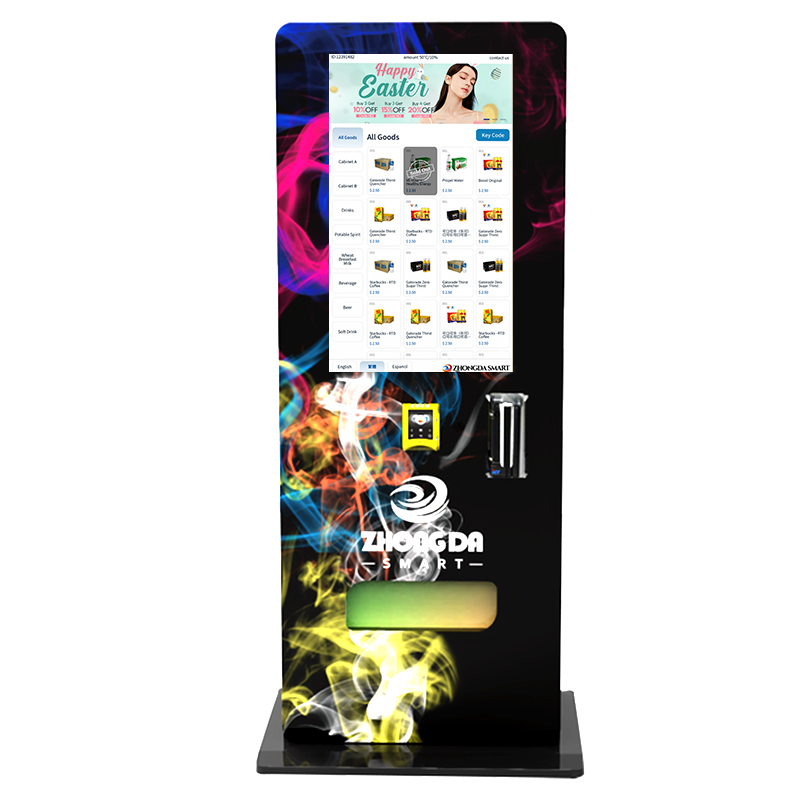
| Specialty retail stores | Medium | Add-on revenue and labor relief during rush periods | Can compete with the main counter if placed poorly | Compact freestanding machine |
| Entertainment spaces with restricted access zones | Medium to High | Natural pause points and built-in customer flow | Placement must feel private enough to convert | Age-verification vending machine |
If I had to rank them in simple operating terms, bars, lounges, and nightlife venues are usually the easiest starting points because the customer profile already fits the purchase. Hotels can do very well too, especially when the machine solves late-hour convenience without creating front-desk friction.
Where to Put a Vape Vending Machine inside the room
This is where most of the money is won or lost. A good venue can still underperform if the machine sits in the wrong corner.
The best internal placements are usually not right at the entrance. Entrance traffic tends to move too fast. People are checking in, meeting friends, finding their table, or orienting themselves. They are not always ready to stop and buy. The better spot is often a transition zone where people naturally slow down.
These are the placements I like most in real operations:
- Side-wall pause zones: easy to see, easy to approach, and less exposed than the center of the room
- Corridors leading to restrooms or lounge areas: reliable dwell time and steady repeat traffic
- Guest-only access points in hospitality settings: convenience without crowd pressure
- Exit-path zones inside retail environments: strong add-on buying when the main purchase is already done
These are the spots I avoid unless the room layout clearly supports them:
- Directly beside the main entrance
- Hidden corners with weak sightlines
- Areas where customers line up shoulder to shoulder
- Places with poor lighting or screen glare
- Locations that are hard to restock during normal operating hours
The answer to Where to Put a Vape Vending Machine inside a venue is usually not “front and center.” It is “clearly visible, easy to access, and just private enough to finish the sale comfortably.”
The 5-minute location check before you sign a deal
You do not need a complicated model to spot a weak site. A five-minute walk-through will tell you more than a long sales pitch from a venue owner.
| Question | What You Want to See | Bad Sign |
|---|---|---|
| Can customers see the machine within 3 seconds? | Clear line of sight from the natural path | The machine disappears into the room |
| Do buyers naturally slow down here? | Short pause or browsing behavior | Fast pass-through traffic only |
| Is there enough space to scan ID and pay? | Comfortable, low-pressure transaction zone | Crowding or awkward exposure |
| Can the machine be serviced easily? | Simple access for refills and maintenance | Back-of-house delays and blocked routes |
| Does the venue already support age-restricted sales? | Strong access control and clear site rules | Mixed access or unclear enforcement |
If a location fails two of those checks, I pass. If it fails three, I do not keep negotiating. A weak site stays weak even when the paperwork looks attractive.
Common placement mistakes that quietly kill sales
The biggest losses rarely come from dramatic failures. They come from avoidable setup mistakes that look harmless on installation day and turn into weak weekly numbers later.
Putting the machine where traffic is high but intent is low
This is the classic mistake. People may walk by all day, but if they are focused on entering, exiting, or moving between activities, conversion will stay soft. Good traffic is not enough. Buying traffic matters more.
Choosing a spot that feels too exposed
Privacy matters more than many operators admit. If buyers feel like everyone in the room can see their screen, watch them scan ID, or study what they are buying, conversion drops. The machine should be visible, but the transaction should still feel comfortable.
Installing a large machine where a small machine would fit better
Bigger is not always better. In tighter layouts, a bulky cabinet can create visual resistance for both customers and venue managers. A compact smart vending machine often wins because it slips into the room more naturally and keeps the buying path cleaner.
Ignoring lighting and screen readability
I have seen good sites underperform because the machine looked perfect in daytime setup photos and awkward under real evening lighting. Screen glare, dark corners, and poor product visibility all hurt trust. If the machine is hard to read, people give up fast.
Letting the machine compete with staff instead of helping staff
In retail-style venues, the machine should remove friction, not create internal tension. If staff feel the machine is stepping on the main counter without adding convenience, support fades. The best placements complement the room and reduce interruptions during busy periods.
Bars and lounges: still one of the best starting points
If someone asked me for the safest first test location, I would still point toward bars and lounges before most other venue types. The reasons are simple. The access profile is usually cleaner, the dwell time is longer, and impulse buying is already part of the environment.
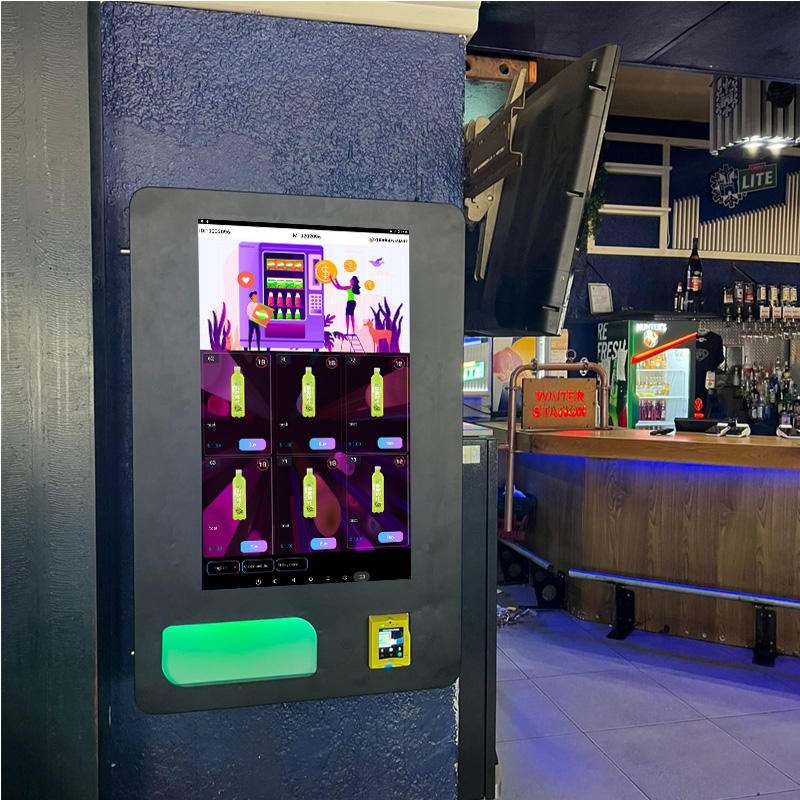
What works best in these venues is rarely the center of the room. The best-performing install is often a side wall near a route people repeat during the visit. People notice it more than once, they have a little breathing room, and the machine does not create a traffic jam.
Zhongda Smart has a useful reference point on its bars application page. It reflects the right way to think about placement: fit the venue flow first, then match the machine format to that flow.
That is a much better approach than trying to force a standard machine footprint into every room.
Hotels and controlled guest spaces can be stronger than people expect
Hotels can be excellent placements when the machine solves a real convenience gap. Guests often want a quick purchase without leaving the property or relying on limited late-hour service. That makes a self-service kiosk especially useful when it is placed in a guest-accessible zone with decent visibility and a little privacy.
The wrong hotel placement feels either too hidden or too exposed. Tucked-away hallways disappear. Front-desk spotlight positions can feel awkward. In most cases, a side-access guest area near elevators, lounge corridors, or other natural transition paths works better.
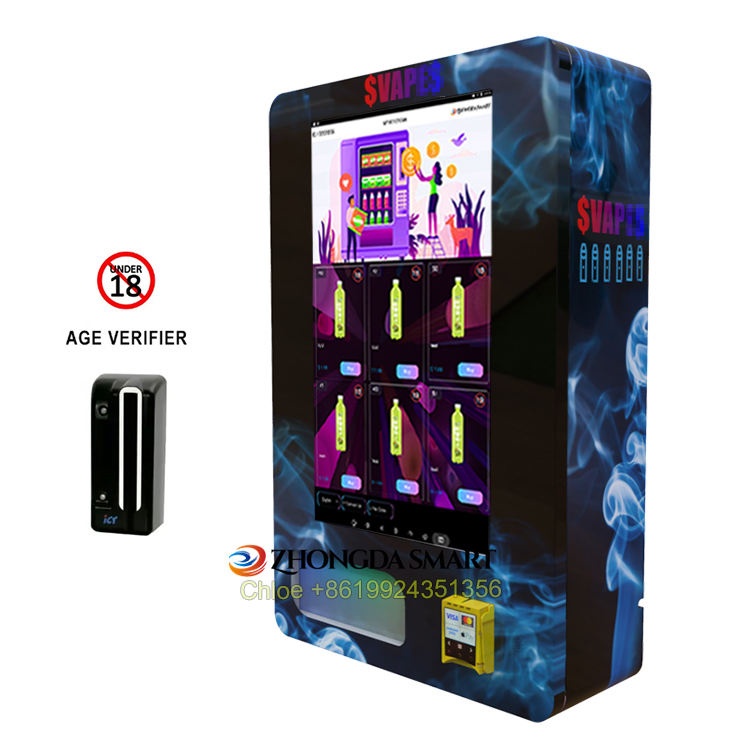
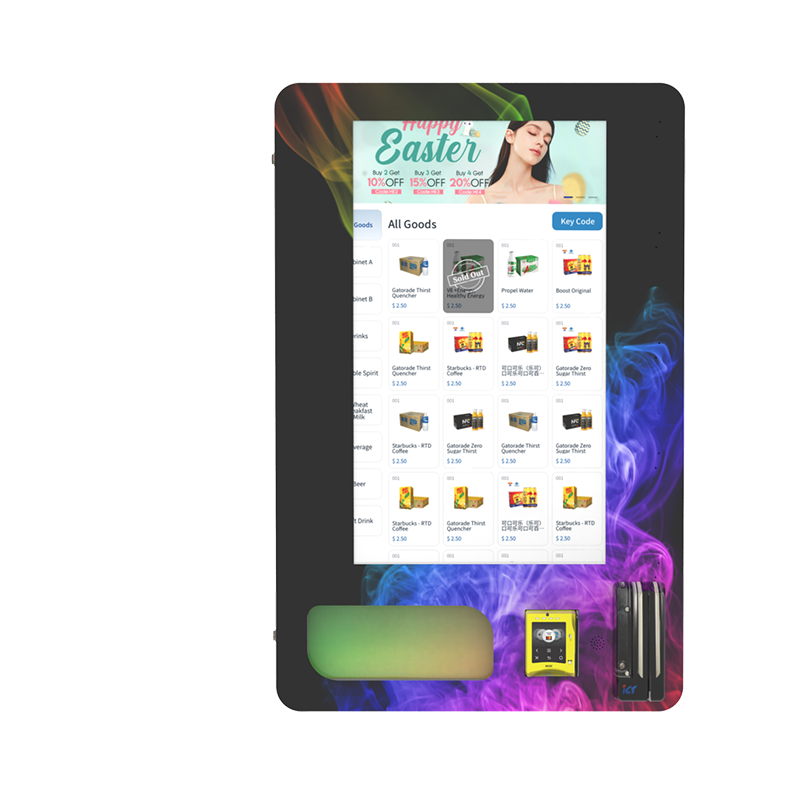
This is where compact units have a clear advantage. They preserve the look of the space and reduce resistance from the property operator. For smaller footprints, Zhongda Smart’s wall-mounted compact model is the kind of format that makes practical sense.
Why machine design matters almost as much as location
Where to Put a Vape Vending Machine cannot be separated from what kind of machine you are placing. The room may support the concept, but the machine still has to fit the environment.
A clean install depends on a few hardware decisions:
- Footprint: the cabinet has to fit the room without disrupting traffic
- Age verification: the process must be clear, fast, and reliable
- Display layout: products and pricing should be easy to understand at a glance
- Payment support: frictionless cashless payment matters in unattended retail
- Remote monitoring: operators need visibility into stock and machine status
For age-restricted products, the machine is not just a cabinet. It is part of the compliance process. If that process is clumsy, buyers drop out and venue confidence falls with them. That is why an age verification vending machine or an ID-scan vending machine is usually a smarter long-term choice than a generic setup.
How to estimate whether a site can actually make money
Before you install, run a simple revenue model. It does not need to be perfect. It just needs to be honest.
Use this framework:
Expected weekly sales = qualified adult traffic × conversion rate × average ticket
Example:
- Qualified adult visits per week: 700
- Likely conversion range: 3% to 5%
- Average ticket: $18 to $26
That gives a weekly revenue range of about $378 to $910. Multiply that by four for a rough monthly view, then subtract cost of goods, site commission, payment fees, service labor, and any software cost tied to the machine.
| Metric | Weak Site | Healthy Site | Strong Site |
|---|---|---|---|
| Qualified weekly traffic | Below 300 | 300–700 | 700+ |
| Conversion rate | Below 2% | 2%–4% | 4%+ |
| Average ticket | Below $15 | $15–$22 | $22+ |
| Restock rhythm | Too slow to justify the site | Stable, predictable | Fast but still profitable |
Do not obsess over getting the forecast exactly right. What matters is whether the site has enough qualified demand to support the machine without forcing constant discounting or endless SKU changes.
For capital planning, Zhongda Smart’s machine cost guide is a useful reference because it frames the investment in operational terms rather than just listing price points.
What the numbers tell us about demand and buying behavior
Good location strategy should be grounded in real demand, not guesswork. According to the CDC, 7.0% of adults used e-cigarettes in 2024. That matters because a machine only works when there is a real customer base behind the category, not just curiosity.
The other side of the picture is self-service retail itself. Grand View Research estimated the retail vending machine market at $75.02 billion in 2025, with a large established base for unattended retail transactions. That does not mean every machine will perform. It does mean customers are already comfortable buying from smart vending machines when the setup feels convenient, clear, and trustworthy.
Those two facts line up with what experienced operators see in the field: category demand exists, and the self-service format is already familiar. The question is not whether people will buy from a machine. The question is whether you placed the machine where buying makes sense.
A real operating example from the field
One site I reviewed had solid adult traffic and a venue owner who was fully on board, but the first install underperformed. The machine was technically visible, yet it sat too close to the main flow and too open to the room. Customers noticed it, but many did not stop. It looked more like an obstacle than a convenience point.
We changed three things. First, the machine was moved off the direct path and angled toward a side transition where people slowed down naturally. Second, the top rows were simplified so customers could understand the offer in seconds. Third, the screen sequence was tightened so age verification and payment felt faster.
Nothing else changed. Same venue. Same category. Same machine family. Sales improved because the placement finally matched how the room actually worked.
That kind of result is why Where to Put a Vape Vending Machine should never be treated like a floor-planning afterthought. Placement is strategy. The machine either works with the room or against it.
How to choose the right machine partner
The machine supplier matters more than many buyers realize. A strong manufacturer helps you match machine size, payment options, age-verification tools, and cabinet layout to the venue instead of pushing a one-size-fits-all box.
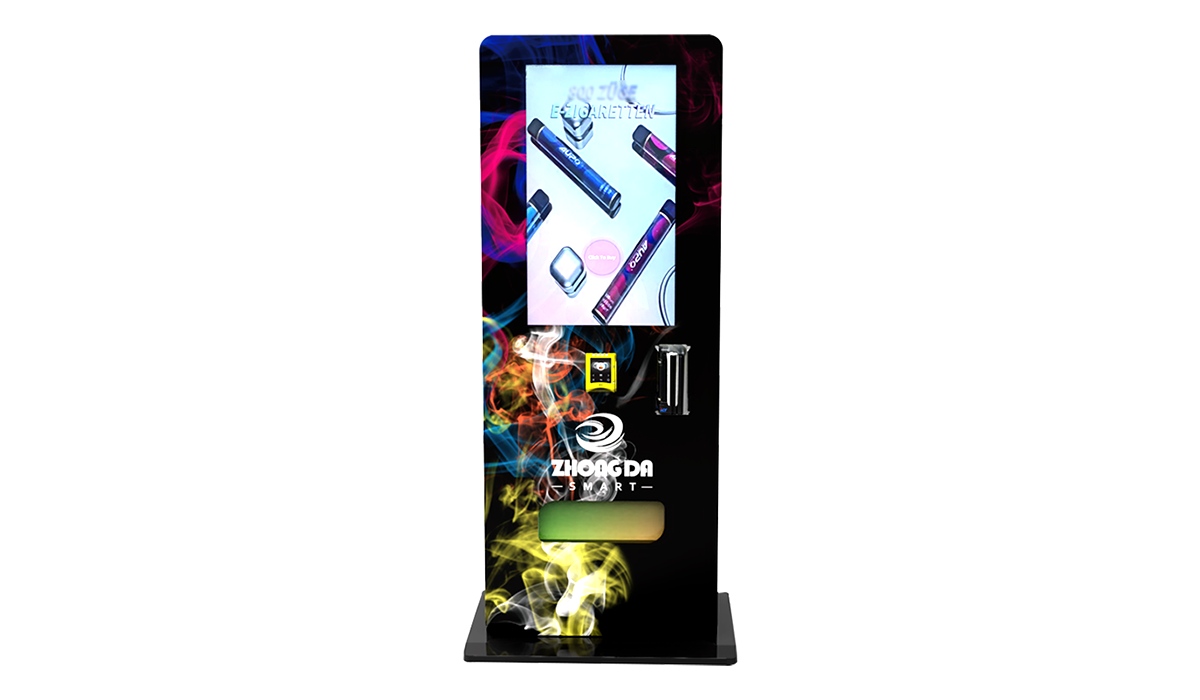
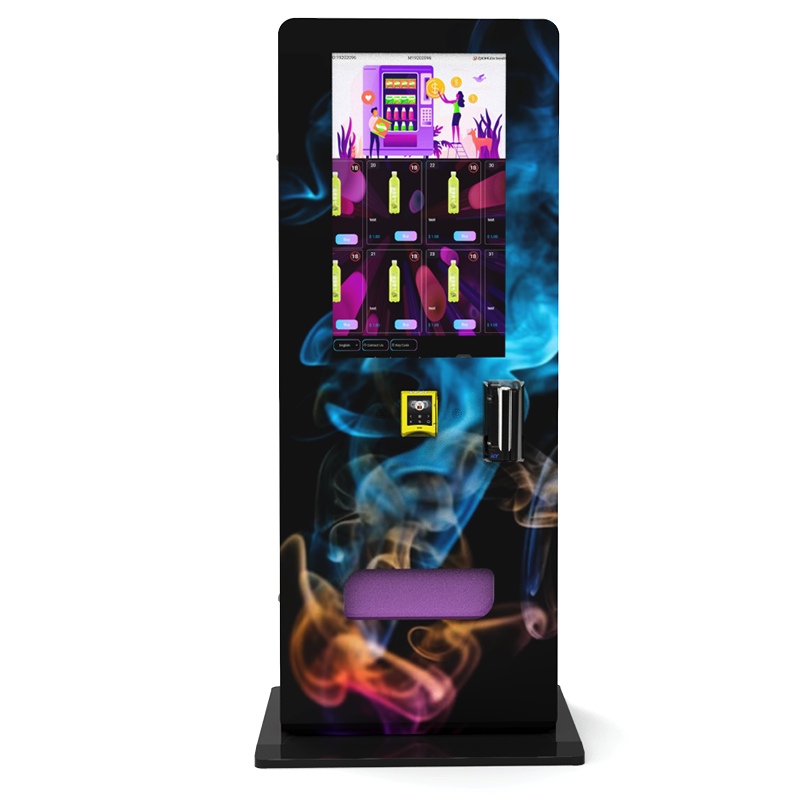
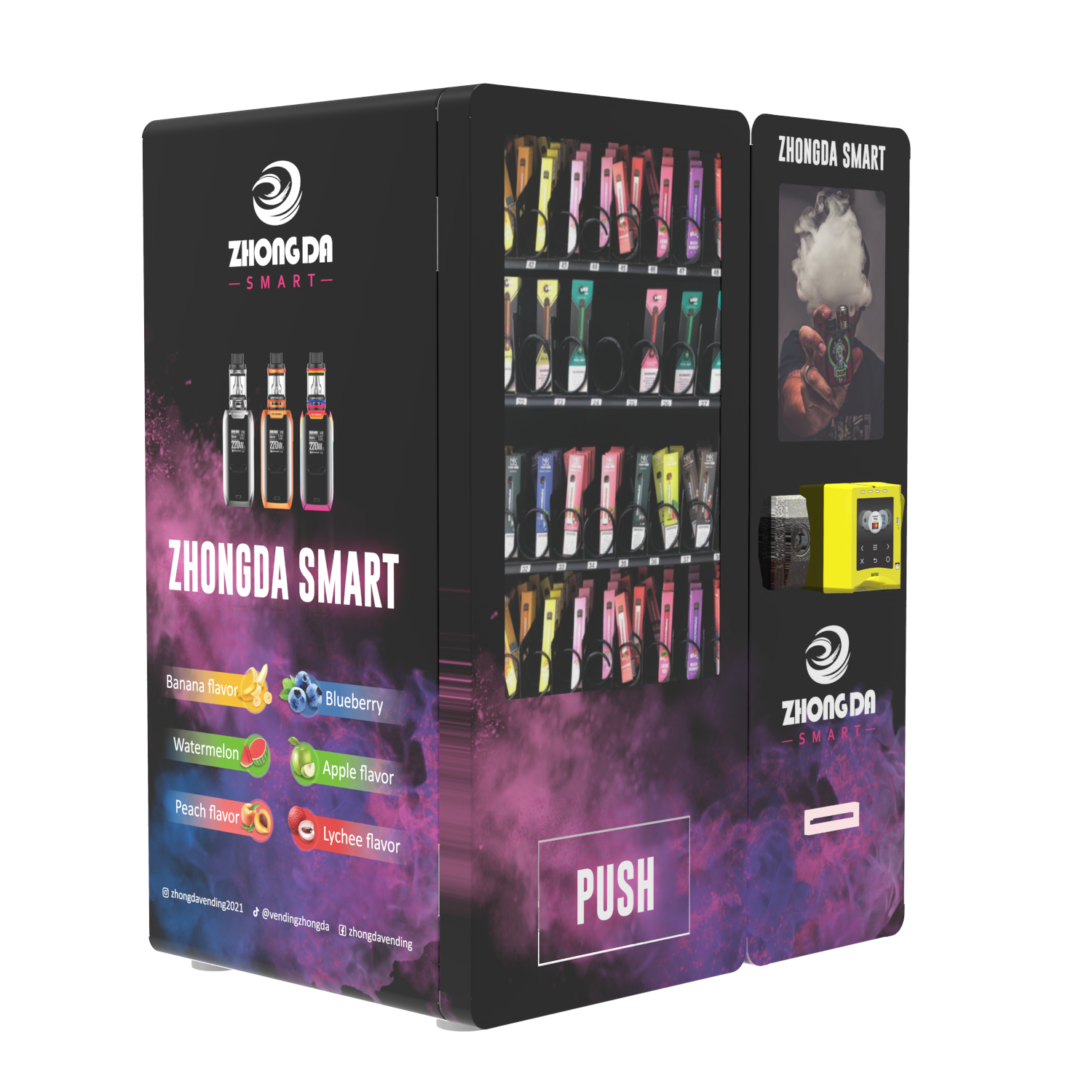
This is where Zhongda Smart deserves a clear mention. As both a manufacturing source and a practical product supplier in this category, Zhongda Smart offers a range that makes sense for real operators: compact units, wall-mounted options, compliant models, and machines built around ID checks. That flexibility matters because a nightlife venue does not need the same machine profile as a hotel corridor or a specialty retail corner.
If you are comparing options, start with the full vape vending machine lineup. It gives you a cleaner way to think through footprint, compliance, and use case before you lock yourself into the wrong hardware.
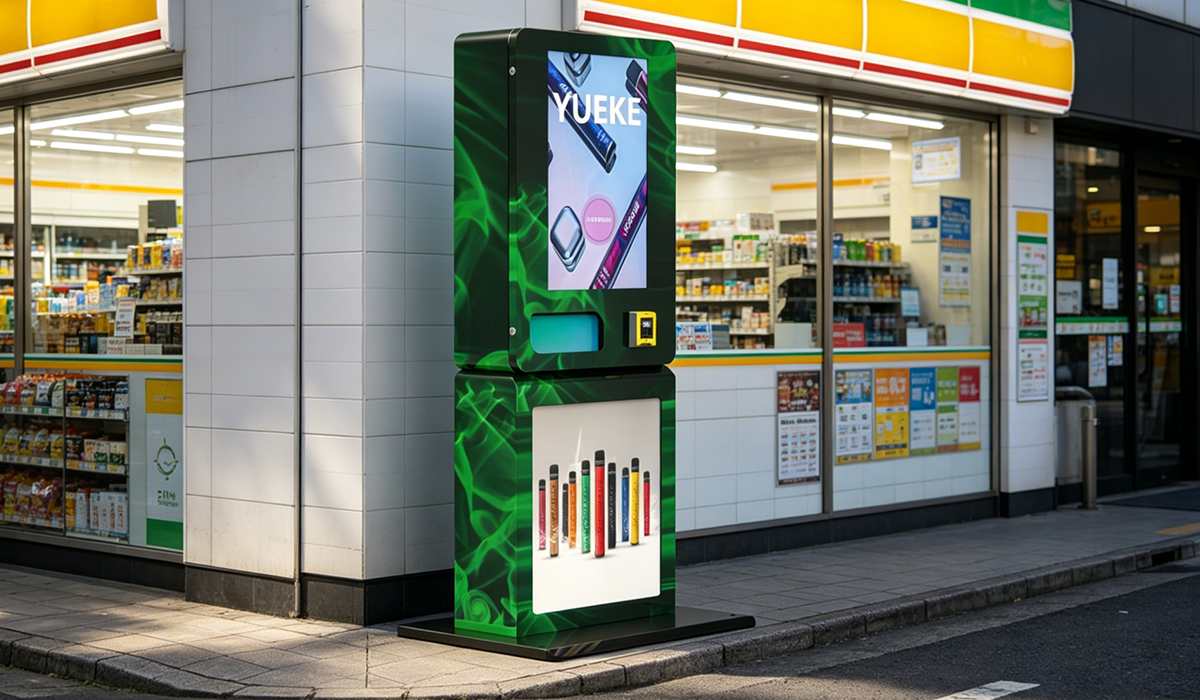
What buyers notice first, even when they do not say it out loud
Customers decide very quickly whether a machine feels easy or awkward. They may not talk about the details, but their behavior tells you everything. If they glance, hesitate, and move on, something in the setup is off.
In real use, buyers respond fastest when:
- the machine is easy to understand from a few feet away
- the first product row makes sense immediately
- the screen is bright and readable under real venue lighting
- the age check feels legitimate but not slow
- payment works the first time without confusion
That is why the best placement is not only about the room. It is also about how well the machine behaves once people reach it. A strong location with a clumsy user flow still leaves money on the table.
Final verdict
If you strip away all the noise, the best answer to Where to Put a Vape Vending Machine is straightforward. Put it where legal-age customers already have a reason to stop, where the machine is visible without feeling exposed, and where the purchase can happen without friction.
Do not chase the busiest spot in the room. Chase the spot with the best buying conditions. That usually means adult-only venues, transition areas with steady dwell time, clean sightlines, and a machine format that fits the space instead of overwhelming it.
Good placement turns a machine into a reliable retail asset. Bad placement turns it into a static piece of equipment that everyone blames for the wrong reasons. If your goal is better sales, faster payback, and a cleaner operation, start with the room, then fit the machine to the room, not the other way around.
Frequently Asked Questions
What is the best place inside a venue for a vape vending machine?
The best internal location is usually a visible pause zone where adult customers naturally slow down. Side-wall transitions, lounge corridors, and guest-only access points often convert better than entrance positions or hidden corners.
Do bars usually perform better than retail stores?
In many cases, yes. Bars and lounges usually offer stronger adult-only access, longer dwell time, and more impulse buying behavior. Retail stores can still perform well when the machine adds convenience rather than competing directly with the staffed counter.
How important is age verification in machine placement?
It is essential. Good age verification protects the operator, supports the venue, and makes the transaction feel trustworthy. A poor ID process creates buyer hesitation and can damage site performance even in a good venue.
Should I choose a compact machine or a larger freestanding machine?
Choose the machine that fits the room and expected demand. Compact machines often win in tighter layouts because they preserve sightlines and reduce visual resistance. Larger machines make sense only when the site can support the footprint and the wider product mix.
What is the biggest mistake when deciding where to put a vape vending machine?
The biggest mistake is choosing a spot based on general traffic instead of buying conditions. A busy room does not guarantee sales. The right placement depends on qualified adult traffic, visibility, comfort, and a smooth transaction path.
References
Author Note
This article is written from the perspective of a team with long-term hands-on experience in vending machine operations and manufacturing. The guidance above is meant to help buyers choose stronger placements, reduce avoidable mistakes, and build a machine program that works in real operating conditions.