This guide is based on hands-on experience in unattended retail operations and long-term vending machine manufacturing. It is written for buyers who want a clear answer on price, must-have features, launch cost, payback period, supplier selection, and what separates a smart purchase from an expensive mistake.
Quick Answer
Typical machine price: about $2,500 to $12,500+, depending on size, screen, payment hardware, age verification, and customization.
Best feature set: age verification, cashless payment, remote monitoring, flexible product lanes, and factory-backed support.
Common launch budget: machine cost plus freight, payment setup, software, opening inventory, and spare parts.
Practical payback target: often 6 to 18 months when product margin, daily transactions, and uptime are healthy.
Best starting point for most buyers: a mid-size smart vending machine with age-check support and remote inventory management.
If you are searching for a vape vending machine for sale, the right move is not simply finding the lowest quote. The better move is choosing a machine that can protect the sale, support restricted-product control, reduce labor, and stay easy to manage after launch. A serious unit should do four things well: verify age, accept cashless payment without friction, monitor stock remotely, and dispense products reliably across different pack sizes. That is what turns a vending cabinet into a real retail asset. In my experience, buyers who focus only on upfront machine cost usually end up paying more later through jams, service calls, payment issues, and slow restocking. Buyers who match the machine to the business model usually get faster payback and fewer headaches.
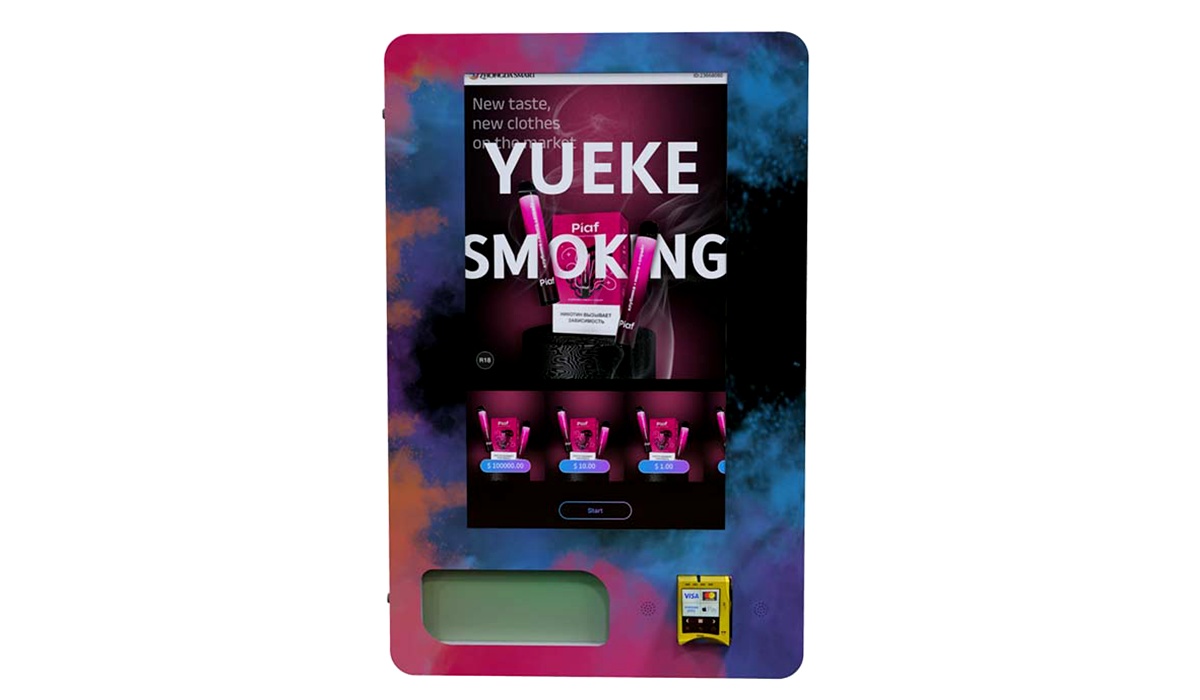
What buyers want to know before placing an order
Most purchase decisions come down to the same practical questions. How much does a vape vending machine for sale really cost once it is ready to run? Which features actually protect revenue instead of just looking good in a brochure? How fast can the investment pay back? Which machine format makes the most sense for a first-time buyer? And which supplier can still support the project after the machine ships?
This guide answers those questions directly. It covers informational needs such as what the machine is and how it works, commercial questions such as which machine type to choose, and transaction-focused questions such as budget, operating costs, and return on investment. That full picture matters because no buyer wants a pretty machine that becomes difficult to operate after week two.
Expert takeaway: the best machine is rarely the cheapest one. It is the one that combines dependable dispensing, controlled access, strong payment performance, and low service friction.
How much does a vape vending machine cost?
The purchase price of a vape vending machine for sale depends on cabinet size, screen format, age verification hardware, payment system, software, branding, and internal configuration. A compact unit with a basic screen and cashless setup will sit near the lower end. A large self-service kiosk with touchscreen branding, cloud monitoring, and integrated ID verification will sit near the upper end.
The bigger mistake is treating machine price as the whole investment. It is not. The real number is the ready-to-launch cost. That number includes the cabinet, freight, duties and taxes where applicable, payment hardware, software setup, first-fill inventory, and a starter set of spare parts.
| Machine Type | Typical Feature Level | Estimated Machine Price | Best Fit |
|---|---|---|---|
| Compact countertop unit | Basic display, cashless payment, light customization | $2,500-$4,500 | Entry testing with a limited SKU count |
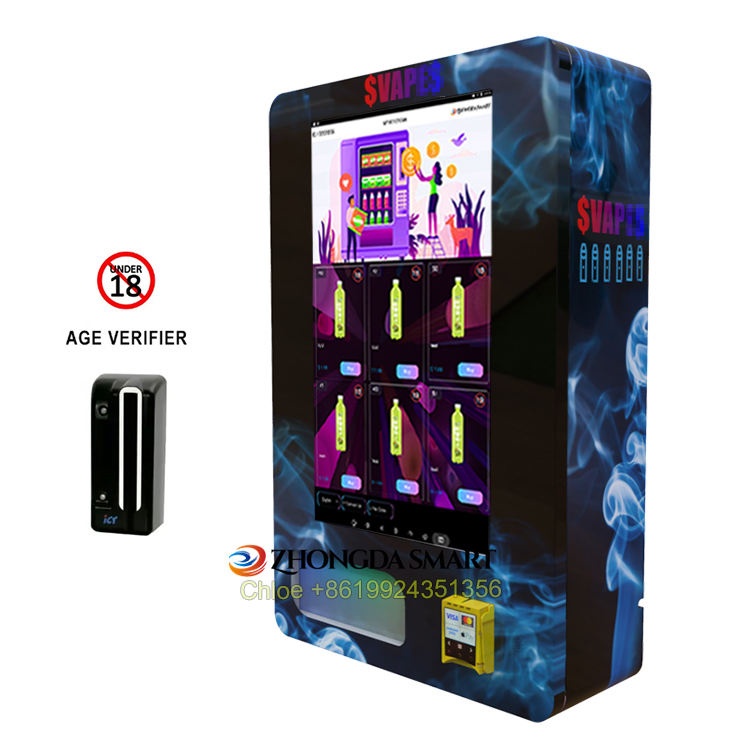
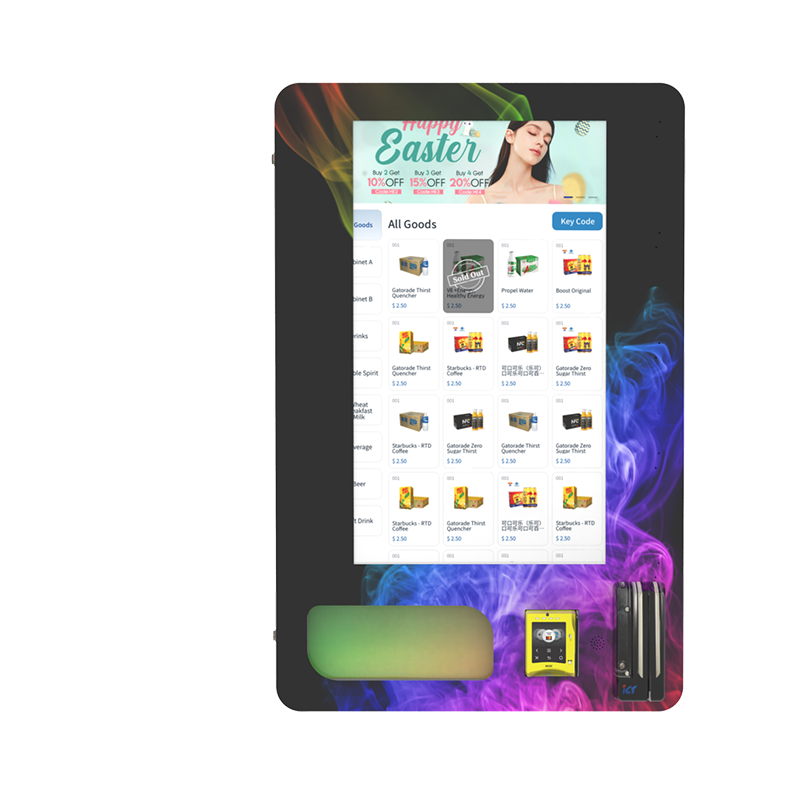
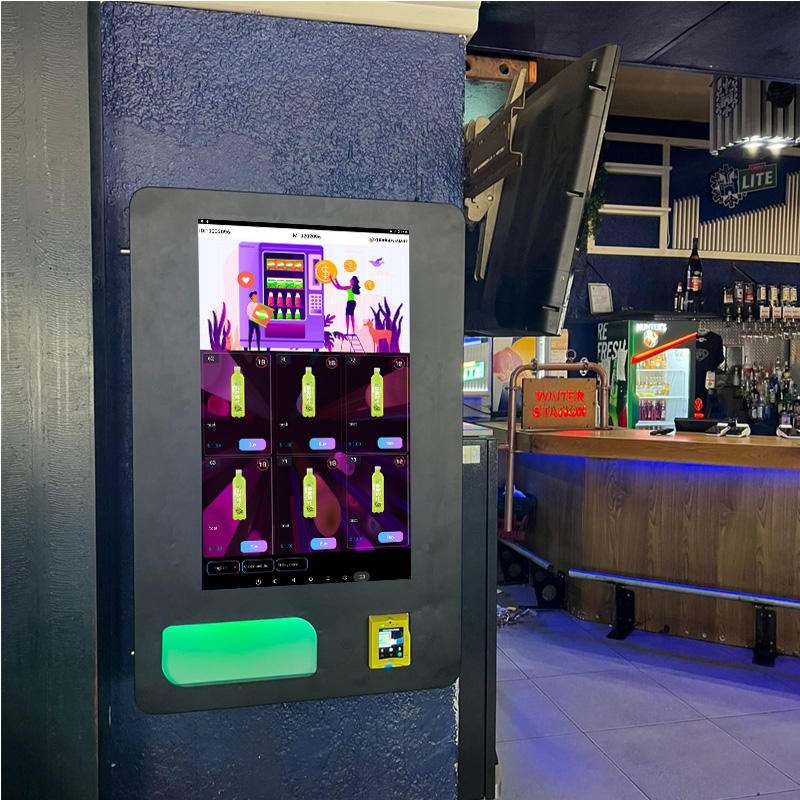
| Wall-mounted compact model | Touchscreen, cashless, age-check ready, remote monitoring | $3,500-$5,500 | Projects with tight floor space |
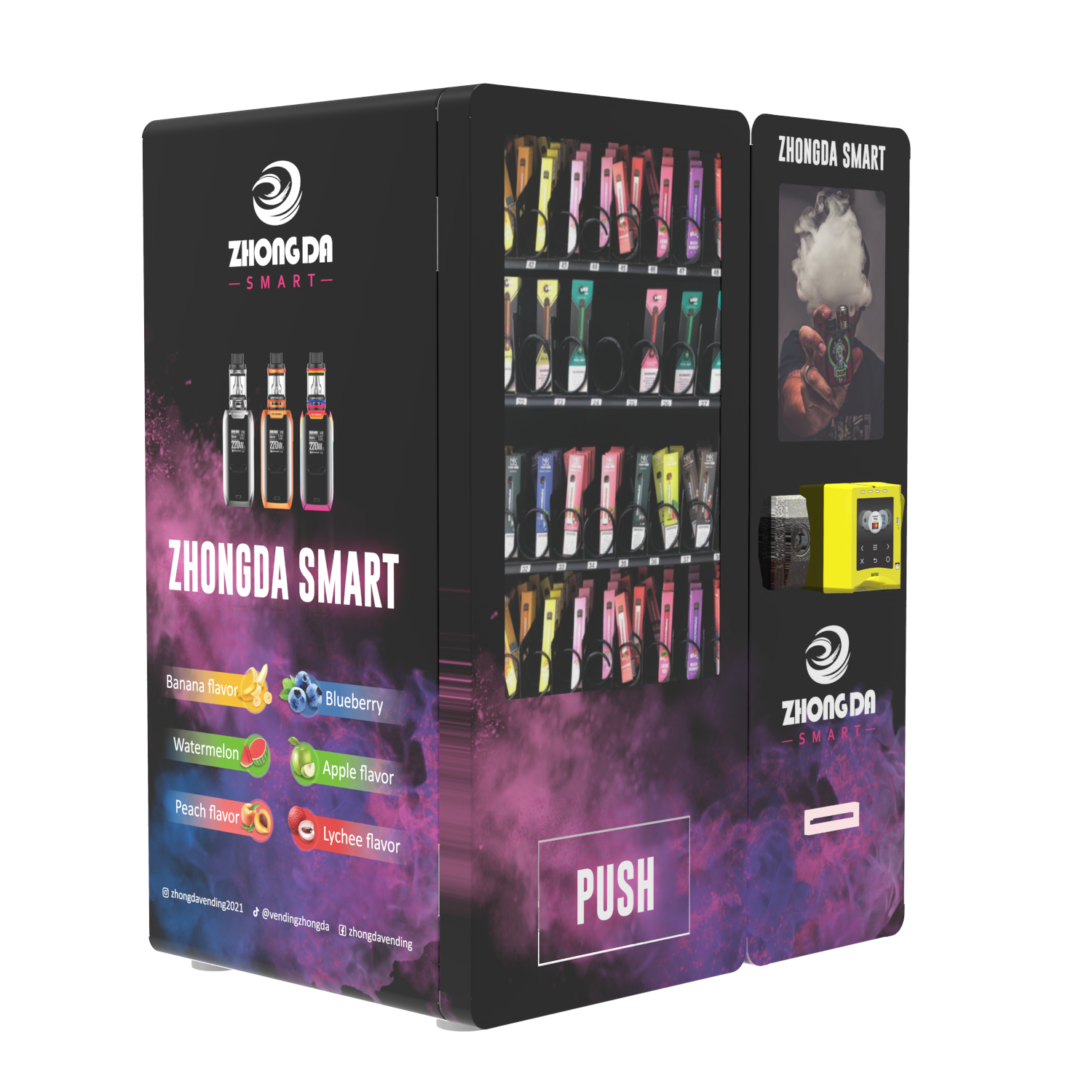
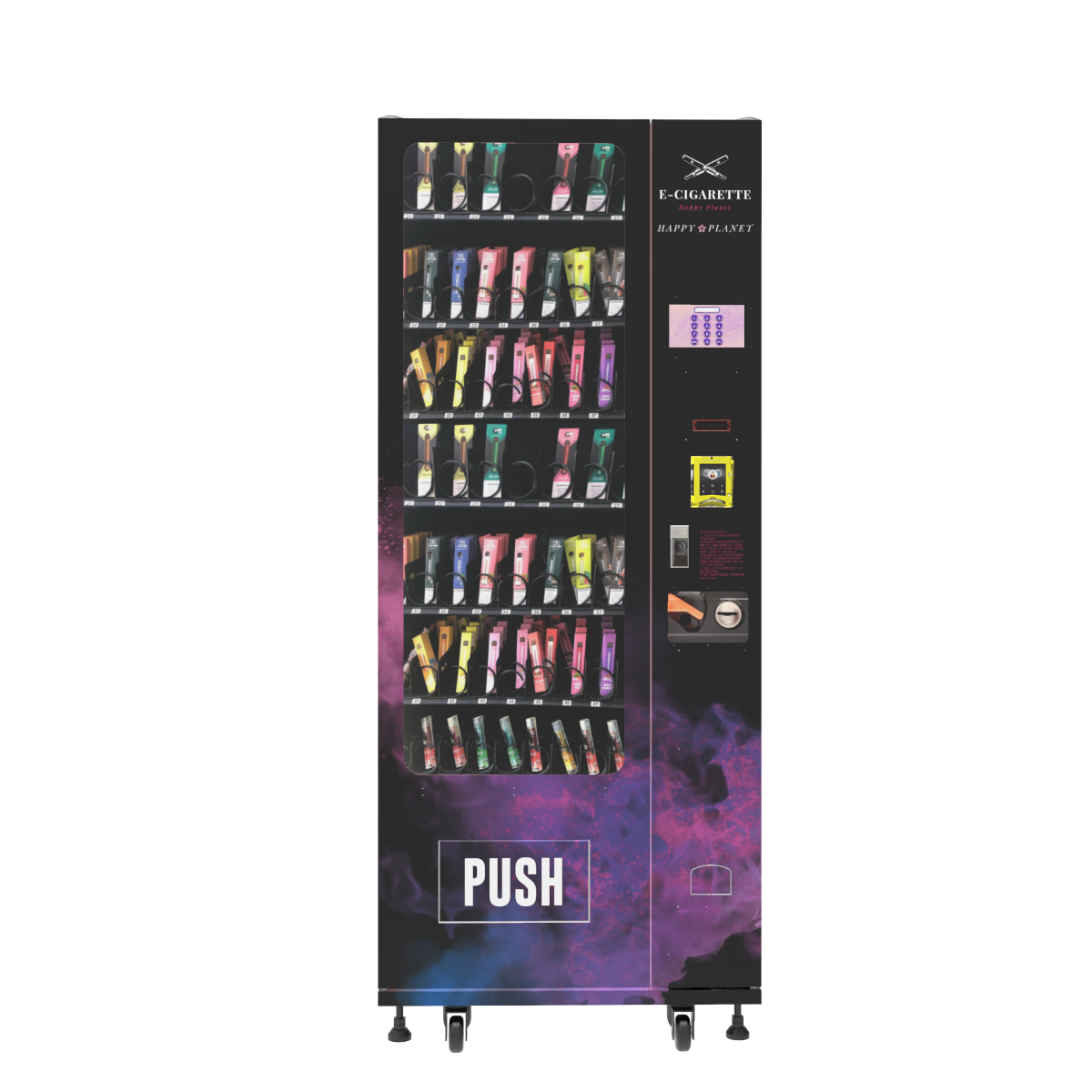
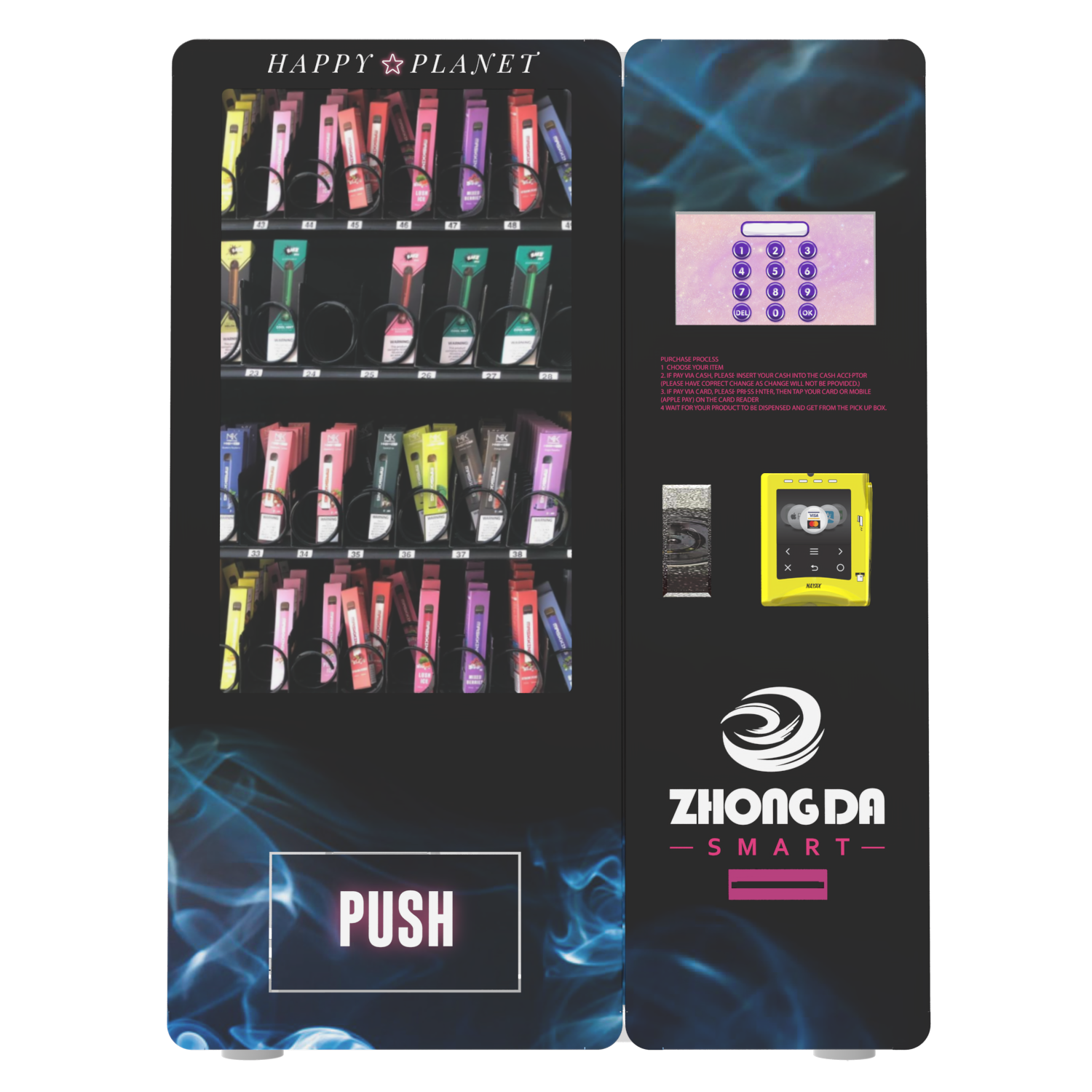
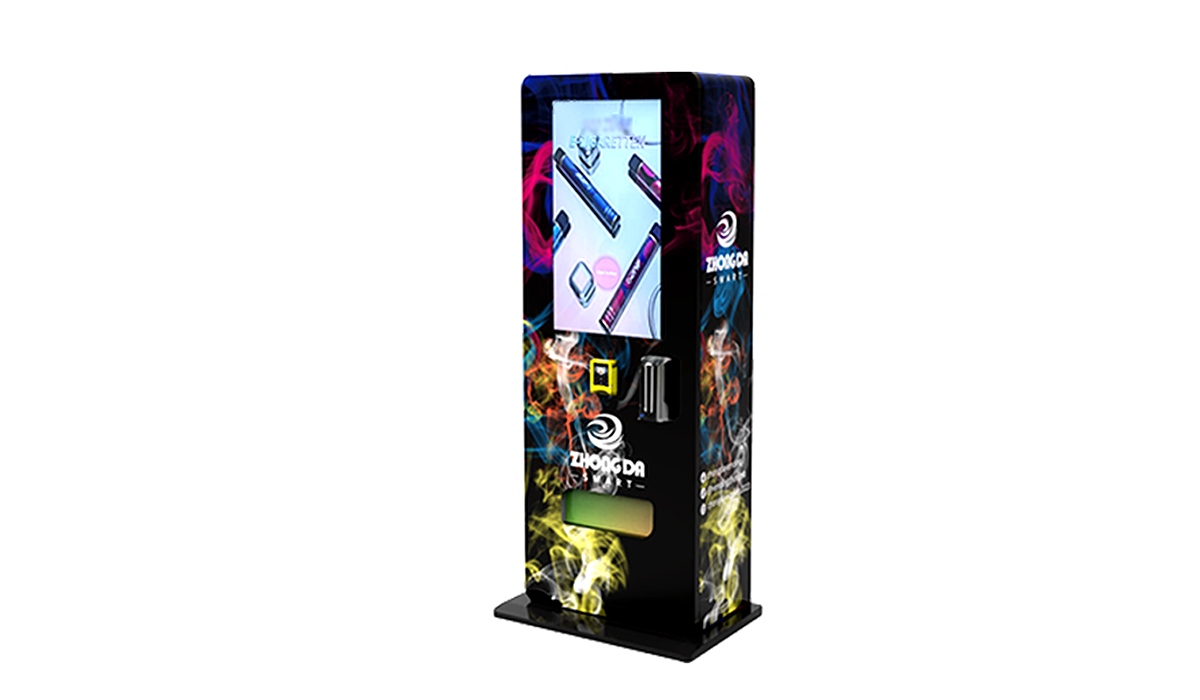
| Freestanding smart vending machine | Touchscreen, remote backend, branding, age verification | $5,500-$8,500 | Most serious first-time and repeat buyers |
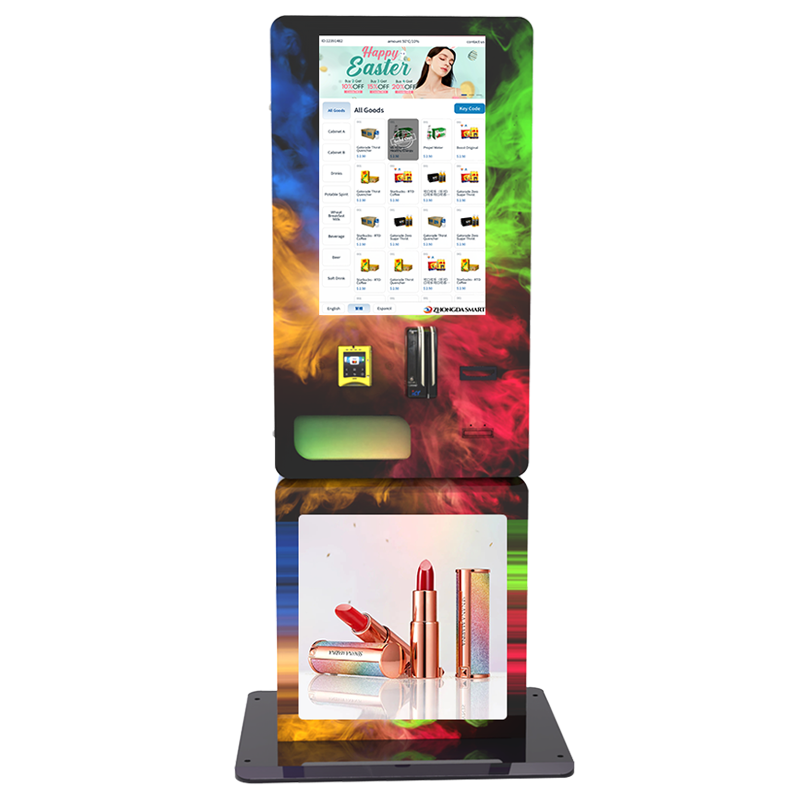
| Large-format self-service kiosk | Large screen, cloud control, advanced verification workflow | $8,500-$12,500+ | Higher-visibility branded retail programs |
For buyers comparing a vape vending machine for sale, that table is the starting point, not the finish line. The landed budget can move a lot based on shipping mode, cabinet dimensions, spare parts planning, and whether the machine needs custom lane spacing or cabinet graphics.
| Launch Cost Component | Typical Share of Budget | What to Watch Closely |
|---|---|---|
| Machine purchase | 50%-65% | Do not compare quotes without matching specs |
| Freight and import-related cost | 10%-20% | Cabinet size and packaging affect this heavily |
| Payment hardware and software | 8%-15% | Confirm terminal compatibility in writing |
| Opening inventory | 10%-20% | Start with proven SKUs, not a bloated assortment |
| Spare parts and contingency | 5%-10% | Cheap insurance against downtime |
Expert takeaway: if you only compare ex-factory cabinet quotes, you are not comparing the real cost of ownership.
Which features matter most?
Not every feature improves profit. Some only make the brochure look better. When I review a vape vending machine for sale, I care most about features that improve conversion, reduce downtime, or keep the operator in control of stock and service.
Age verification
This is the first filter. A machine selling restricted products should support a structured purchase workflow instead of relying on guesswork. Zhongda Smart’s age verification vending machine highlights ID scanning, facial recognition support, smart payment integration, and unattended sales capability, which is the kind of practical feature stack buyers should expect from a modern age verification vending machine. The age-check sequence should be clear, fast, and difficult to bypass.
Cashless payment
A cashless vending machine usually converts better than a machine that depends on cash. Cantaloupe’s 2025 micropayment report states that cashless payments now dominate self-service retail and that the report is based on millions of transactions from 2024. That supports what operators already see in the field: easier purchase flow, faster checkout, and fewer missed sales when contactless and card payment work smoothly.
Remote monitoring
A smart vending machine should tell the operator what sold, what is low, when the door opened, and whether the machine has faults. This feature saves labor in two ways. It reduces wasted refill trips and helps fix machine issues before they become long outages. Remote visibility is one of the fastest ways to improve operating discipline.
Flexible product channels
Not every product package shares the same width, height, or weight. A machine that cannot adapt to real product dimensions will jam more often and limit product choice. Always ask whether the channels, coils, trays, and slot layout can be adjusted for the exact packs you plan to sell.
Touchscreen flow and branding
A self-service kiosk with a clean interface can do more than improve appearance. It can reduce hesitation, display product information more clearly, support cross-sell prompts, and guide the customer through the age-check and payment flow. A large screen also helps when you want the machine to act like a compact storefront instead of just a dispenser.
| Feature | Why It Matters | Direct Business Impact |
|---|---|---|
| Age verification | Controls restricted-product purchase flow | Protects the sale process and reduces risk |
| Cashless payment | Removes friction at checkout | Improves conversion and convenience |
| Remote monitoring | Tracks stock and machine health | Reduces downtime and wasted service trips |
| Flexible lane configuration | Fits different product sizes | Reduces jams and expands SKU options |
| Touchscreen UI | Improves customer guidance | Supports higher conversion and better product display |
| Factory customization | Matches the machine to the actual project | Improves rollout quality and long-term usability |
Expert takeaway: the most valuable feature set is usually age verification, cashless payment, remote monitoring, and adjustable product handling. Everything else is secondary.
Is a vape vending machine profitable?
Yes, it can be profitable, but only when the machine is paired with the right operating plan. Profit does not come from the cabinet alone. It comes from margin per sale, daily transaction count, refill efficiency, product mix, and machine uptime. A buyer looking at a vape vending machine for sale should always model the business before placing the order.
The wider unattended retail market continues to show scale. Grand View Research estimated the global retail vending machine market at USD 75.02 billion in 2025 and projected it to reach USD 99.23 billion by 2033. The Federal Trade Commission also reported that combined cartridge-based and disposable e-cigarette sales by nine leading manufacturers topped USD 2.67 billion in one reporting year covered by its third report. These figures do not promise machine-level results, but they do confirm that buyers are operating inside an active retail category rather than a niche with no momentum.
| Metric | Conservative Case | Balanced Case | Strong Case |
|---|---|---|---|
| Average transactions per day | 8 | 15 | 25 |
| Average sale value | $18 | $22 | $24 |
| Monthly gross sales | $4,320 | $9,900 | $18,000 |
| Estimated gross margin | 35% | 38% | 40% |
| Gross profit before operating costs | $1,512 | $3,762 | $7,200 |
| Estimated monthly operating cost | $350-$700 | $500-$900 | $700-$1,200 |
| Estimated monthly operating profit | $812-$1,162 | $2,862-$3,262 | $6,000-$6,500 |
The reason those numbers matter is simple. A machine that loses three or four days of selling time each month because of payment issues or poor service planning can erase a large share of the expected profit. That is why the best buyers care so much about machine uptime and spare parts readiness.
Expert takeaway: profit is usually won or lost through uptime, conversion, and refill efficiency, not through small differences in initial cabinet price.
What is the typical payback period?
For most buyers, the more useful question is not whether a vape vending machine for sale can make money, but how long it takes to recover the investment. In real operation, the payback period depends on five things: daily traffic, average order value, product margin, monthly operating cost, and machine uptime.
A well-matched machine in a solid placement can pay back much faster than a cheaper machine with frequent technical problems. That is one reason experienced operators often choose the stronger build and support package instead of chasing the lowest factory quote.
| Scenario | Estimated All-In Launch Budget | Estimated Monthly Operating Profit | Indicative Payback Period |
|---|---|---|---|
| Entry-level compact launch | $4,500-$6,500 | $800-$1,200 | 6-12 months |
| Balanced mid-size smart machine | $7,000-$10,500 | $2,800-$3,300 | 3-8 months |
| Large branded kiosk program | $10,000-$15,000+ | $4,000-$6,500+ | 3-9 months |
These ranges are planning examples, not a promise. The point is to force the business math into the open before you buy. If the projected sales pace is weak or the product margin is too thin, the machine will take much longer to recover. If the unit has good traffic, a disciplined refill routine, and a clean checkout flow, payback can happen surprisingly fast.
Expert takeaway: a realistic payback target for many buyers is 6 to 18 months, but strong locations and disciplined operation can shorten that window.
Best machine types by buyer stage
There is no single best vape vending machine for sale for every project. The right machine depends on your budget, assortment width, branding goals, and whether you want to test one unit or build a repeatable rollout plan.
| Buyer Type | Recommended Machine | Typical Budget Range | Why It Works |
|---|---|---|---|
| First-time buyer | Mid-size freestanding smart vending machine | $5,500-$8,500 | Balanced cost, capacity, and operational control |
| Space-limited project | Wall-mounted compact unit | $3,500-$5,500 | Saves space while keeping core features |
| Brand-led program | Large-screen self-service kiosk | $8,500-$12,500+ | Better visual impact and touchscreen selling flow |
| Custom rollout | OEM custom machine | Quoted by configuration | Best when product dimensions or branding needs are unique |
For most buyers starting with one machine, the safest choice is a freestanding smart vending machine with age verification, cashless payment, remote monitoring, and adjustable lanes. It gives you enough capacity to learn what sells without forcing you into a much larger capital commitment.
If your project has unusual cabinet, screen, or product-lane requirements, it makes more sense to review custom vending machine options than trying to force a standard model into the wrong job.
How to choose a reliable manufacturer
One of the most expensive mistakes buyers make is treating every supplier as if they offer the same level of support. They do not. When I review a supplier for a vape vending machine for sale, I look at far more than price. I want to know whether the supplier actually manufactures the equipment, whether it can customize the machine around real product dimensions, whether it can provide spare parts and technical help, and whether the machine backend is stable enough to support ongoing operation.
Zhongda Smart is worth close attention here because its public product pages show a dedicated vape machine line, age-check options, smart touchscreen models, OEM and ODM support, and factory-focused positioning instead of a generic trading catalog. Buyers can review the main vape vending solution page, compare machine categories in the vape vending machine collection, and look at application-specific models such as the age-check configuration before requesting a quote.
The reason factory-backed support matters is simple. Machines break, firmware needs updates, payment hardware sometimes changes, and some projects require lane or cabinet adjustments after early field testing. A supplier that disappears after delivery is not really a supplier. It is just a one-time seller.
Expert takeaway: the stronger supplier is usually the one that can explain post-shipment support clearly, not the one that sends the lowest spreadsheet quote.
A real-world lesson buyers should not ignore
One first-time buyer I advised focused heavily on lowering the machine price and refused lane customization because the standard cabinet looked “close enough.” On paper, that choice saved a modest amount up front. In actual operation, several products sat too loosely in the channels, which led to repeat dispensing problems. The machine still looked good and the screen still worked, but uptime suffered and refill visits became more frequent because the operator had to babysit the machine.
After the lane setup was corrected and the product mix was narrowed to the fastest-moving SKUs, the same machine performed much better. That is why I always tell buyers that a vape vending machine for sale should be judged by its fit to the actual retail workflow, not by a headline quote alone. A small setup mistake can cost more than the original savings.
Expert takeaway: the most expensive machine is often the one that looked cheap at the beginning but was never configured correctly.
Questions to ask before ordering
A serious buyer should never place an order without getting direct answers to these questions. This checklist works especially well when comparing more than one vape vending machine for sale.
What age verification method is built into the machine?
Which payment terminals and cashless systems are supported?
Can the product lanes be customized for my exact package dimensions?
How many SKUs and units can the cabinet carry at one time?
What can the remote backend monitor in real time?
Which spare parts should I stock with the first order?
What support is available for firmware, training, and troubleshooting?
What does the warranty cover, and what is excluded?
How is the machine packed, and what are the shipment dimensions?
Can the cabinet, user interface, and branding be customized?
Ask these questions before the invoice is paid, not after the machine is built. The answers reveal very quickly whether the supplier understands real vending operation or is simply trying to close a sale.
Common buying mistakes that hurt ranking, conversion, and profit
Some pages fail because the content is shallow. Some vending projects fail because the buying process is shallow. A strong article and a strong buying decision both depend on the same thing: clarity.
Buying on appearance alone: a screen and cabinet finish do not make up for poor product handling.
Ignoring the payment stack: a checkout problem can destroy conversion faster than almost anything else.
Overfilling with weak SKUs: too many slow sellers tie up cash and reduce restocking efficiency.
Skipping remote monitoring: blind operation always scales poorly.
Not ordering spare parts: small parts are cheap; lost selling days are not.
Using vague supplier requirements: if the product dimensions and workflow are not documented, the final machine may not fit the project.
Whether you are evaluating a smart vending machine, an age verification vending machine, or a custom self-service kiosk, those mistakes show up again and again.
Why Zhongda Smart fits many serious buying projects
If a buyer wants a source manufacturer instead of a loose collection of catalog pages, Zhongda Smart is a practical option to evaluate. Its public materials emphasize factory-backed production, OEM and ODM support, age verification options, remote monitoring, touchscreens, and machine customization. Those are the right signals for buyers who care about fit, not just price.
The product line also gives buyers a useful spread of formats, from compact models to larger touchscreen units. That matters because one of the hardest parts of buying a vape vending machine for sale is matching the machine format to the actual sales plan. Buyers who want a compact or fully controlled model can also review the compliant e-cigarette vending machine page for another configuration angle.
I would still advise any buyer to request lane details, backend screenshots, warranty information, and a clear spare parts plan before placing a final order. Good suppliers expect those questions. Weak suppliers usually try to avoid them.
Final buying advice
If this is your first purchase, do not chase the most complex machine on the market. Start with a vape vending machine for sale that has the right core tools: age verification, cashless payment, remote monitoring, adjustable product handling, and dependable after-sales support. That feature set gives you the best chance of stable operation and cleaner payback.
If branding matters, upgrade to a larger self-service kiosk. If space is tight, consider a wall-mounted or compact unit. If your assortment requires very specific product handling, use a custom machine route from the start instead of compromising with a generic cabinet. The right move is not the machine with the most features. It is the machine with the right features for the business you actually plan to run.
Bottom line: a well-configured vape vending machine can be a profitable retail asset when it is easy to manage, easy to restock, easy to buy from, and difficult to misuse.
Frequently Asked Questions
What is the average price of a vape vending machine?
Most machine prices fall between $2,500 and $12,500+, depending on cabinet size, screen format, age verification, payment hardware, and customization. The true launch budget is higher after freight, software, opening inventory, and spare parts are added.
What features matter most in a vape vending machine?
The most valuable features are age verification, cashless payment, remote monitoring, flexible product lanes, and factory-backed support. Those features directly affect conversion, uptime, service efficiency, and operational control.
How long does it usually take to recover the investment?
Many projects aim for a payback window of 6 to 18 months. Strong sales volume, healthy margins, and high uptime can shorten that period. Weak product mix, poor placement, or service interruptions can extend it.
Does a vape vending machine need age verification?
For restricted-product projects, age verification is usually one of the most important machine requirements. A clear, integrated age-check workflow helps structure the purchase process and supports safer unattended selling.
What payment methods should the machine support?
A modern machine should support cashless payment, including card and contactless options where available. Smooth cashless checkout usually improves convenience and reduces purchase friction.
What affects the final machine price the most?
The biggest drivers are cabinet format, screen size, payment hardware, age verification setup, remote management system, branding, and whether the machine needs custom channel or tray configuration.
What is the best machine type for a first-time buyer?
For many first-time buyers, a mid-size freestanding smart vending machine offers the best balance of budget, capacity, product flexibility, and easier day-to-day operation.
Should I buy from a factory or a reseller?
If you need customization, repeat orders, spare parts, or post-shipment support, a factory-backed supplier is usually the stronger long-term choice because it gives you better control over build quality and future service.
Sources
Disclaimer: Buyers should confirm product deployment, age-control workflow, payment processing, and operating requirements against the rules that apply to their own business before launch.