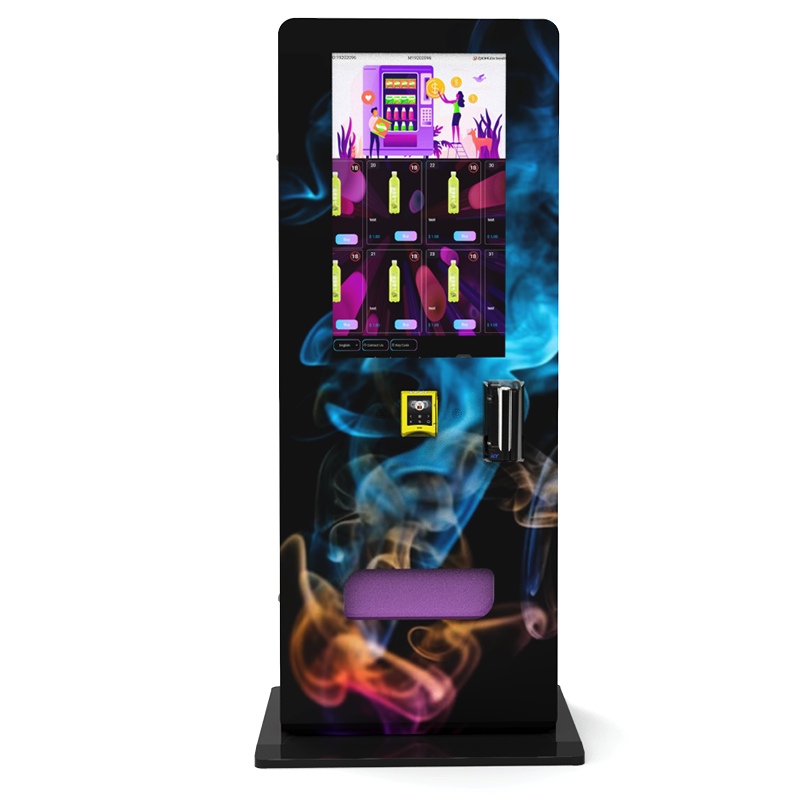
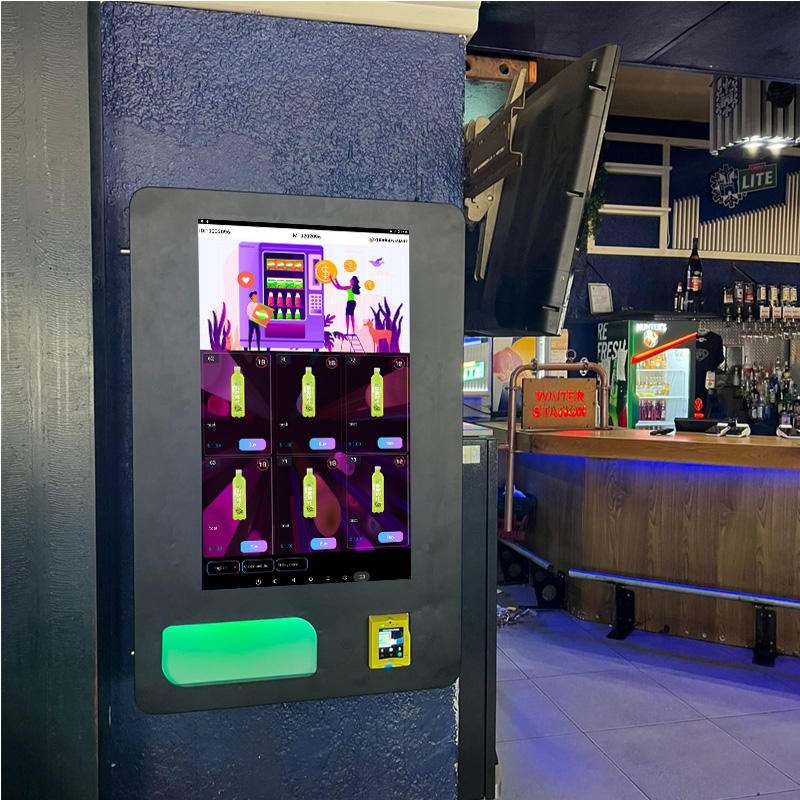
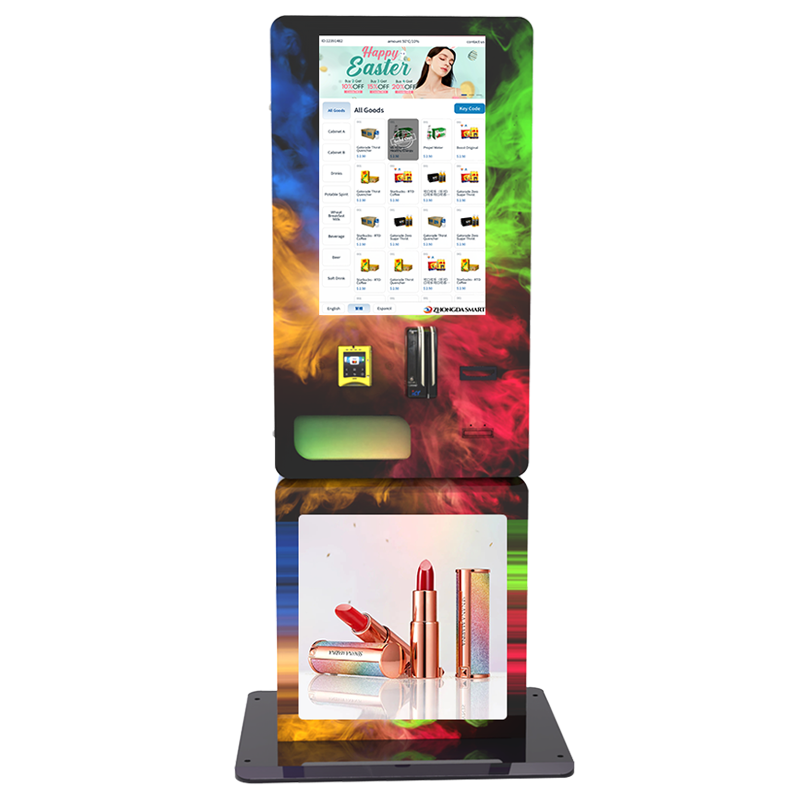
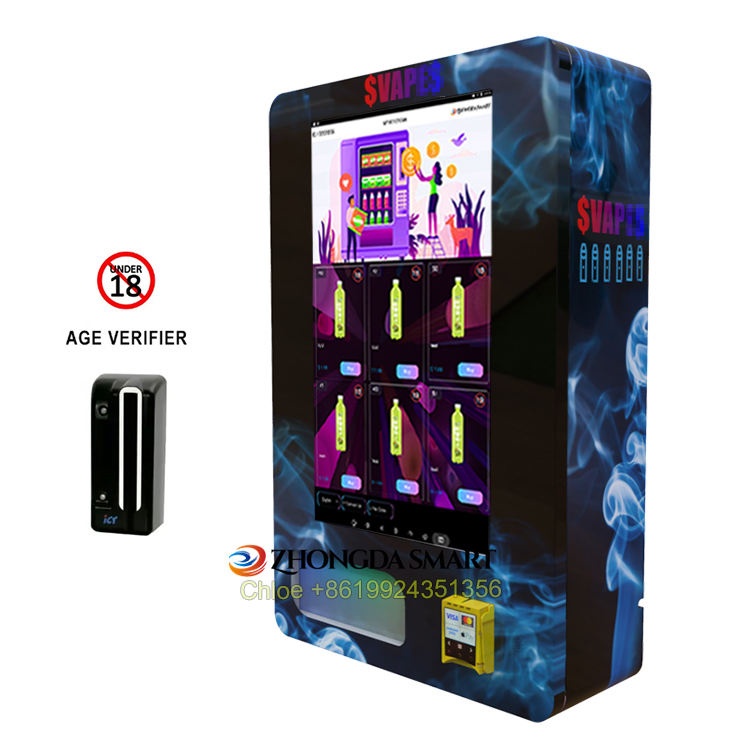
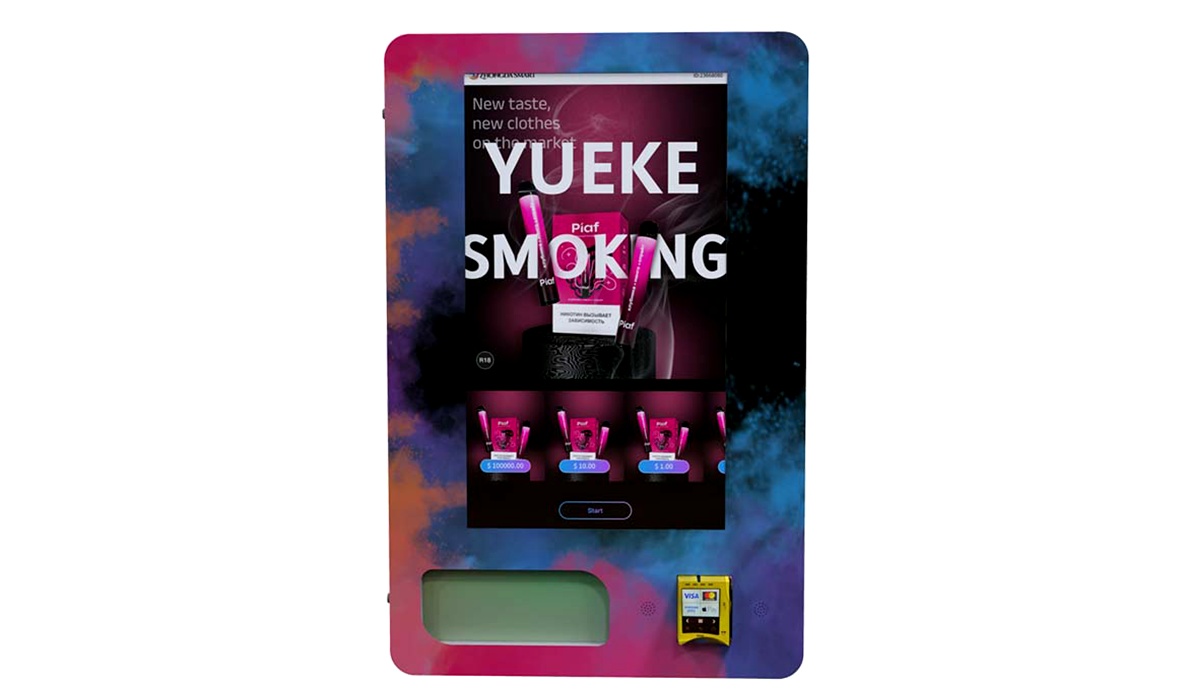
If you are planning to add a wall mounted vape vending machine to your store, the smartest way to buy is to treat it like a retail system, not a piece of furniture. The right machine should protect floor space, support age-restricted sales, fit your real product sizes, run stable cashless payments, and stay easy to service after installation. The wrong one usually fails in less obvious ways: poor SKU fit, weak payment hardware, awkward restocking, or a verification flow that slows every transaction. A good wall-mounted unit should make repeat purchases easier, not create more work for your staff. In practice, that is what separates a machine that pays for itself from one that ends up underused, offline, or constantly being reset.
Retailers shopping in this category are usually comparing several related formats at once, including a smart vending machine, self-service kiosk, age verification vending machine, and cashless vending machine. Those labels matter less than the actual operating result. A machine only works when compliance, product delivery, payment acceptance, and service access all hold up under daily use.
Quick Answer
A wall-mounted vape machine makes sense when you want to sell a focused mix of high-turn products without giving up valuable floor space. Before you buy, check five things first: age-verification workflow, channel fit for your SKUs, payment reliability, remote monitoring, and service access. In most stores, those factors matter more than cabinet size or screen style.
Why a wall-mounted format works so well in retail
A wall mounted vape vending machine solves a simple problem that many stores never quite fix: there is never enough good floor space. Standard floor-standing equipment takes up room you may want for displays, queuing, or product shelving. A mounted unit keeps the sales point visible while leaving the walking path open. In smaller stores, that alone can make the format worthwhile.
It also changes how routine purchases happen. Many vape sales are short, familiar, and repetitive. Customers already know what they want. They do not need a long assisted sales conversation every time. A self-service unit turns those repeat purchases into a faster flow and frees staff for higher-value tasks. That is one reason unattended retail keeps growing. According to Grand View Research, the global retail vending machine market was valued at $75.02 billion in 2025 and is projected to reach $99.23 billion by 2033. Source
The labor side matters too. Retail wage pressure is still real. The U.S. Bureau of Labor Statistics data, published through FRED, shows average hourly earnings in retail trade at $26.23 in March 2026. Source A well-run automated sales point does not replace your team, but it can reduce interruptions and make the store work smoother during peak hours.
What a good machine must get right
This is where buyers usually make their first mistake. They compare appearance before they compare function. A clean cabinet and a large screen may look impressive in a quote, but neither one matters much if the machine struggles with age checks, payment acceptance, or product delivery. In real store operation, those are the failure points that hurt sales first.
Age-restricted sales control
For this category, compliance is not an extra feature. It shapes the whole purchase path. Federal rules in the United States require retailers of covered tobacco products to verify by photographic identification that no purchaser is younger than 21, with no verification required for a person older than 29, and they restrict vending-machine-assisted sales to facilities where no person younger than 21 is present or permitted to enter. Source
That means a retailer should never buy a machine first and figure out the compliance path later. The machine, the store environment, and the verification method have to work together. If you want to review a factory-built option designed around controlled access, take a look at this ID-scan-enabled vending configuration. It gives you a better sense of what a compliance-ready setup looks like before customization even begins.
Actual fit for real vape products
Most machines look compatible in photos. The problem starts when real products go inside. Disposable devices, pod kits, bottle formats, and boxed accessories do not all sit the same way in a tray or channel. If your supplier cannot show how the machine handles your actual SKU dimensions, the quote is incomplete. Most product-delivery issues come from poor fit, not from some mysterious hardware defect.
Reliable cashless payments
A modern cashless vending machine should accept the payment methods your customers already trust. Card, tap, and mobile wallet support are now the baseline. What matters more is transaction stability. If the payment flow fails often, customers stop trusting the machine long before they stop wanting the product. Ask how the system handles weak network conditions, duplicate attempts, canceled sessions, and reader errors.
Backend visibility
If you cannot see what is happening, you are operating blind. A smart vending machine should give you access to stock status, sales records, alerts, and device events. That is what helps you catch stockouts, payment failures, and door alarms before they turn into lost revenue. A pretty front-end screen is easy to sell. A useful backend is what actually saves time.
Service access
Every machine needs to be restocked, cleaned, checked, and occasionally repaired. Do not assume a compact cabinet is automatically easy to maintain. Ask how the door opens, how trays are removed, how long a normal refill takes, and whether key components are modular. A unit that is awkward to service will quietly raise your operating cost every week.
What a wall-mounted unit is best for
Stores with limited floor space
Retailers selling a focused, repeat-purchase vape assortment
Locations that want a cleaner self-service buying flow
Programs that need stronger transaction tracking
Operators who want a compact format with age-verification options
When a wall-mounted unit may not be the best choice
You need very deep inventory capacity in one machine
Your product mix changes shape and packaging constantly
Your wall structure is not suitable for secure mounting
You do not yet have a workable compliance path for the location
You want one machine to carry too many slow-moving SKUs
Wall-mounted vs. floor-standing: the decision table that matters
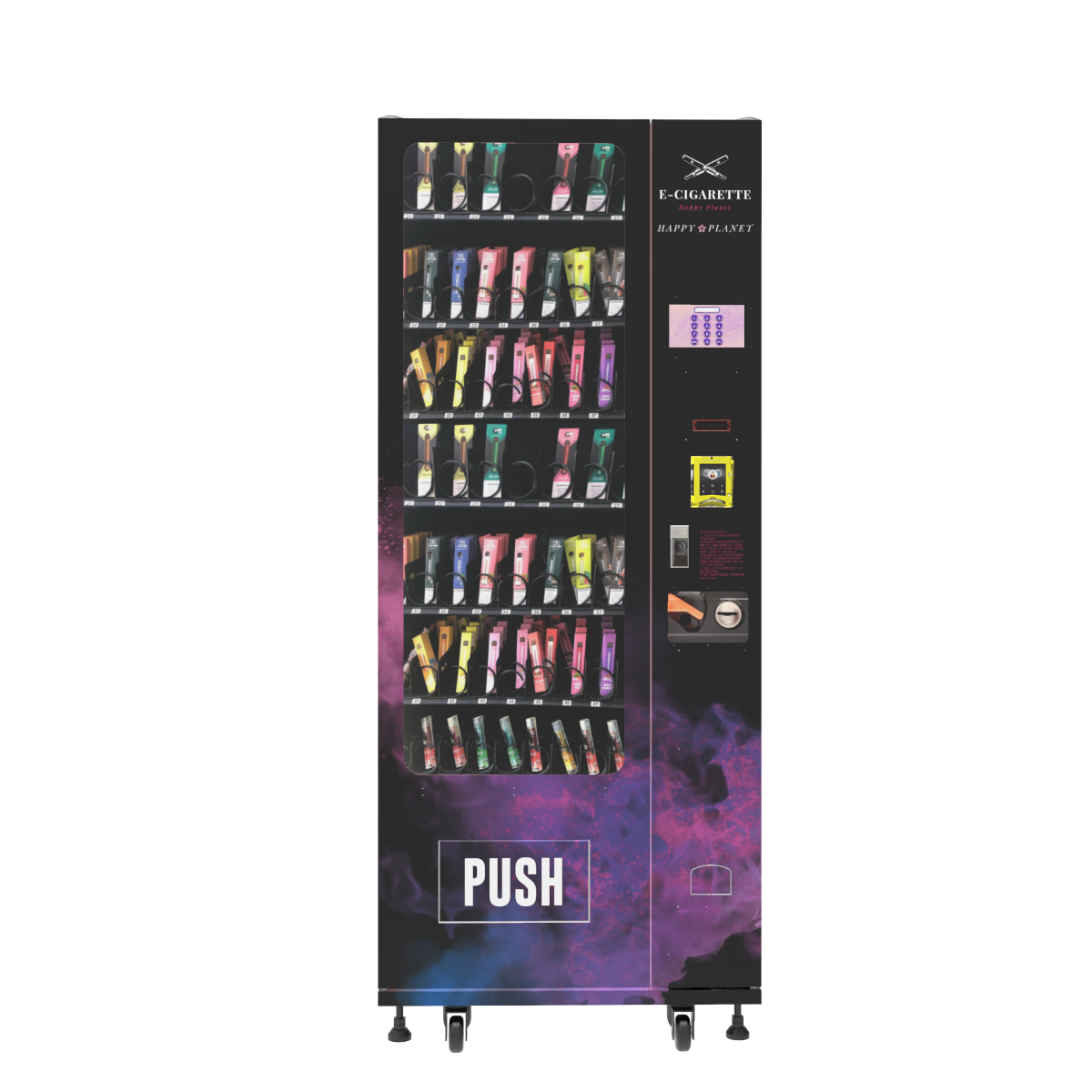
Retailers often compare a mounted unit with a traditional floor machine. The right answer depends less on “which is better” and more on what you are trying to protect: floor space, SKU depth, or customer flow. A wall mounted vape vending machine tends to win when you want a tighter, higher-turn assortment in a limited space. A floor machine usually wins when depth matters more than footprint.
| Need | Better Choice | Reason |
|---|---|---|
| Save floor space | Wall-mounted unit | Keeps the aisle and selling area open |
| Carry more SKUs in one cabinet | Floor-standing unit | Offers deeper storage and wider assortment space |
| Keep the machine visually integrated | Wall-mounted unit | Looks cleaner and less intrusive in compact stores |
| Sell a tight mix of top performers | Wall-mounted unit | Works best with focused, fast-moving products |
| Maximize capacity over footprint | Floor-standing unit | Designed for larger volume in one footprint |
The biggest buying mistake here is overvaluing capacity. Most retailers do not need to load every possible item into one machine. They need the right items, in the right sizes, with the fewest transaction failures. A smaller unit with stronger sell-through often beats a larger one full of slow movers.
The five questions I would ask any supplier before placing an order
After years of seeing machines succeed or fail in live retail settings, I would not start with screen size, LED trim, or cabinet finish. I would start here.
1. Can the machine be tested with my exact products?
If the answer is vague, stop there. This matters more than brochure photos. Product fit drives sell-through, jam prevention, and refill speed.
2. What age-verification workflows are supported?
You need a clear answer, not a generic promise. Ask whether the unit supports ID scan, electronic verification, controlled-access deployment, or another approved flow. A serious supplier will be used to that conversation.
3. Which payment readers and payment methods are supported?
Do not settle for “cashless supported.” Ask what devices are compatible, what payment methods are available, and how failures are handled and logged.
4. What does the backend actually show?
Ask to see the dashboard, not just hear about it. You want inventory visibility, sales records, alerts, and event logs. If you plan to scale, backend visibility becomes one of the most valuable parts of the system.
5. What happens after installation?
Ask about spare parts, remote troubleshooting, firmware updates, and average response time. A machine is easy to sell before delivery. What matters is how support works once the machine is live and taking money.
Cost breakdown: what you are really paying for
Too many buyers look only at machine price. That is how cheap projects become expensive ones. The smarter approach is to break cost into operating components and compare complete setups, not partial quotes.
| Cost Item | What to Ask | Why It Matters |
|---|---|---|
| Machine base price | What is included in the standard build? | A low entry price may exclude key hardware |
| Age-verification hardware | Is ID scan or related control included or added later? | Compliance hardware changes the real project cost |
| Payment hardware | Which card reader, tap module, or gateway support is included? | Weak payment setup lowers conversion |
| Software or backend fee | Is there a monthly or annual platform cost? | Recurring software cost affects payback |
| Installation | What mounting, anchors, and site prep are required? | Wall prep can add real cost |
| Shipping and packing | How is the machine packed and shipped? | Transit protection matters for electronics and screens |
| Branding and UI | Is custom branding, screen design, or cabinet wrap included? | Retail appearance matters, but it should be priced clearly |
| Spare parts | Which parts should be stocked from day one? | Fast replacement reduces downtime |
For retailers comparing supplier types, this is where factory-backed projects usually become more attractive. Customization, testing, and after-sales support are easier to align when you are dealing with a manufacturer instead of a company that only resells generic cabinets. If you want to review a source-manufacturer profile, Zhongda Smart’s company page is a useful place to start. The company states that it belongs to Zhongxin Group and highlights its manufacturing base, engineering capacity, and custom project support.
How to estimate whether the machine can pay for itself
A good buying decision should end with a payback estimate. That estimate does not need to be perfect, but it does need to be honest. A machine should be judged by margin, transaction count, downtime risk, and operating cost, not by cabinet size alone.
Use a simple working model:
Average gross profit per sale
Expected transactions per day
Estimated monthly operating cost
Expected downtime or failure rate
Total machine and installation investment
| ROI Input | Conservative Scenario | Stronger Scenario |
|---|---|---|
| Average sales per day | 10 | 20 |
| Average gross profit per sale | $7 | $8 |
| Gross profit per day | $70 | $160 |
| Gross profit per month | $2,100 | $4,800 |
| Estimated monthly operating cost | $250 | $400 |
| Estimated monthly contribution | $1,850 | $4,400 |
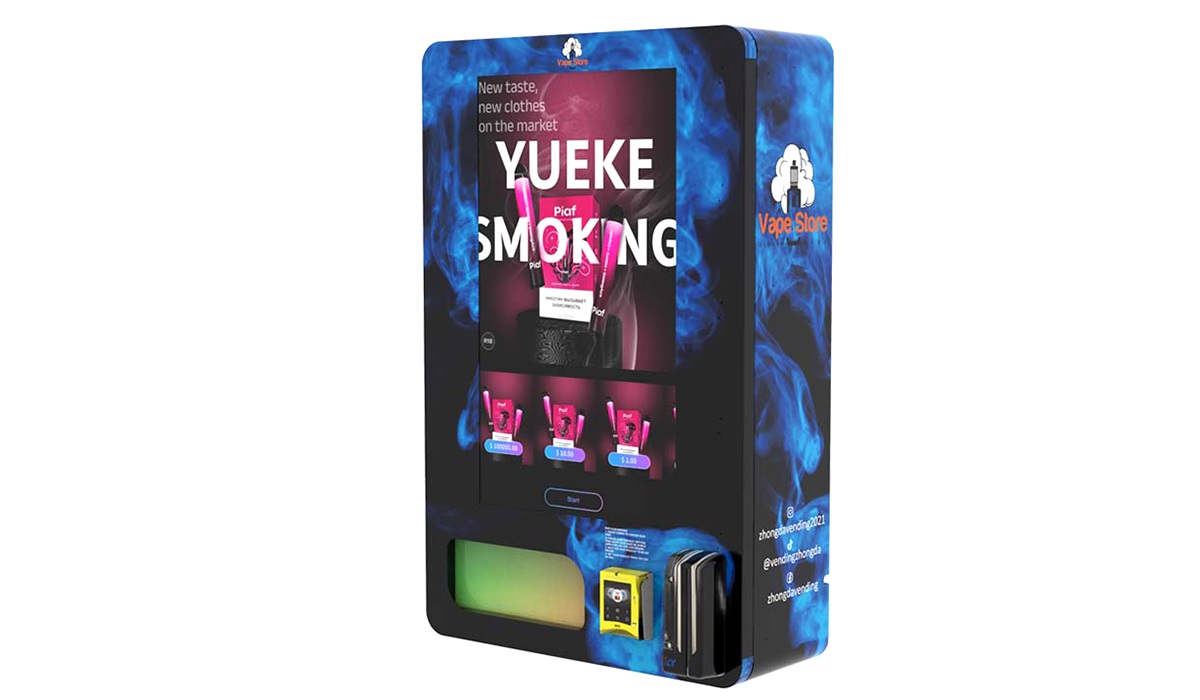
These numbers are only examples, but the logic is solid. A wall mounted vape vending machine works best when the store already has repeat demand, a controlled purchase environment, and a product mix built around fast sellers. In those conditions, the format can produce strong revenue per square foot because it earns without taking up the same amount of selling space as a floor unit.
Common mistakes retailers make
This is the section most buyers skip, and it is usually the section that would save them money.
Buying for capacity instead of velocity. More slots do not help if the extra products do not move.
Ignoring real SKU dimensions. A machine can look perfect on paper and still jam with your packaging.
Choosing price before support. A cheap machine with slow parts support becomes the expensive option fast.
Underestimating payment friction. A weak reader or unstable payment flow kills trust quickly.
Treating compliance as a later step. In this category, it has to be part of the project from the start.
Mounting in the wrong location. Good visibility, comfortable access, and service clearance matter more than decoration.
The same pattern shows up again and again in live operation. When a machine underperforms, the root cause is often not “lack of demand.” More often it is one of these basics being ignored: the wrong products, the wrong placement, the wrong payment setup, or the wrong verification flow.
Installation details that should never be an afterthought
A mounted cabinet still has to work like a store fixture and a service device at the same time. That means installation deserves real planning. Not every wall is suitable. Not every location angle feels comfortable to the buyer. Not every layout gives staff enough clearance to refill the unit safely.
Wall strength and anchoring
Confirm the mounting requirements before the machine ships. Weight distribution, anchor spec, and wall material all matter. This should be part of the project file, not something decided on installation day.
Buyer viewing angle
The customer should be able to read the screen, browse products, pay, and collect the item without awkward body position. That sounds obvious, but poor viewing angle is a common silent sales killer.
Service clearance
Leave enough room for the operator to open the cabinet, remove components, and restock. A clean front-end experience does not help much if every refill becomes slow and frustrating.
Lighting and location flow
Machines sell better when they look trustworthy. Good lighting, a clean wall background, and clear visibility from natural traffic paths all help. Hidden corners usually do not.
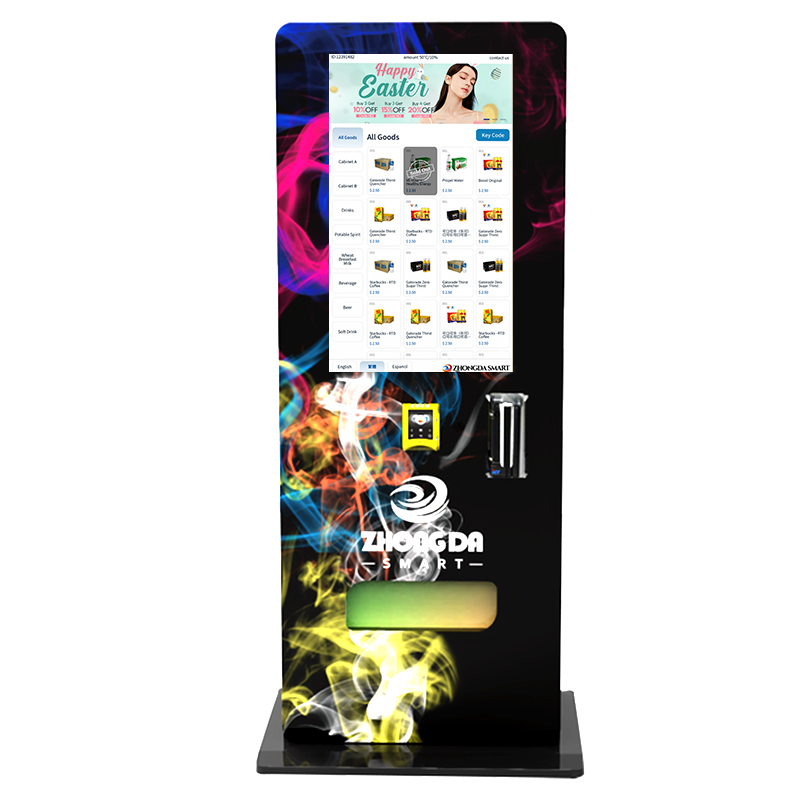
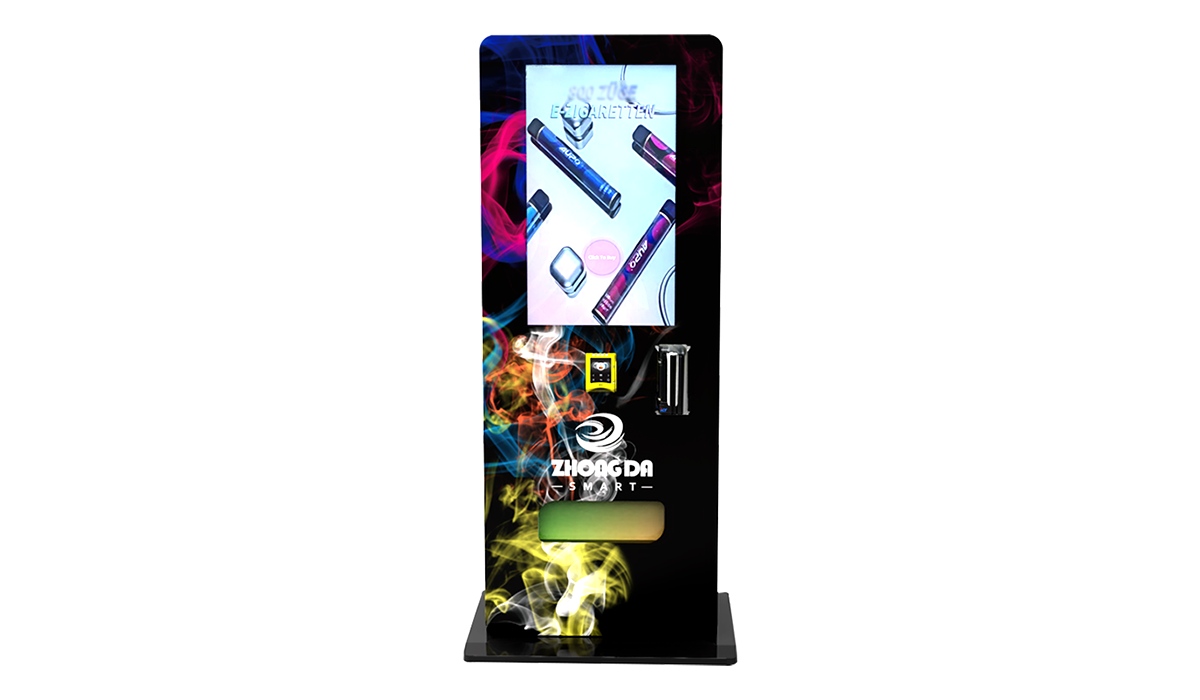
If you want to compare a compact configuration built for tighter spaces, this compact wall-mounted vape machine page is worth reviewing. If you want a stronger front-end interface with a more guided purchase experience, this touchscreen wall-mounted option gives a better reference point.
What to look for in a manufacturer
Retailers often ask whether they should buy from a factory, a trading company, or a general vending supplier. The short answer is this: if your project needs customization, regulatory workflow alignment, branded UI, or product-fit testing, a source manufacturer is usually the better partner.
That does not mean every factory is good. It means you should look for real control over design, firmware, testing, and after-sales support. Ask whether the supplier can handle the following without passing the work through multiple outside parties:
Cabinet and layout customization
Age-verification integration
Payment hardware integration
Screen UI customization
Remote system support
Parts supply and technical troubleshooting
Zhongda Smart is one example to consider if you want a factory-backed route. The company’s site positions it as a source manufacturer for customized vending and kiosk projects, with dedicated vape vending product lines, compliance-oriented configurations, and integration support. For an overview of the full product range and technical direction, you can browse the main Zhongda Smart site.
A practical shortlist for choosing the right model
If I were narrowing the decision today, I would rank the shortlist in this order:
Clear compliance path for the location
Proven fit for actual product sizes
Stable payment support
Useful backend monitoring
Easy service access
Reasonable lead time and parts support
Cabinet finish and screen style
That order may feel blunt, but it reflects how these machines succeed in real life. The hardware that looks best on quote day is not always the machine that performs best six months after installation. A dependable, well-supported unit almost always beats a flashy one with weak operational details.
Frequently asked questions
Can a wall-mounted machine really make money in a smaller store?
Yes, especially when the store already has repeat demand and limited selling space. The format works best when the assortment is tight, the payment flow is smooth, and compliance is built into the sales path.
How many products should a retailer start with?
Start with your best sellers, not your full catalog. In many stores, a smaller mix of high-turn items performs better than a wider mix with inconsistent demand.
Can one machine hold disposables, pods, and accessories together?
Often yes, but only if the internal layout is designed around those package sizes. Always confirm tray or channel fit with your actual products before ordering.
What matters more: a bigger screen or a better payment system?
A better payment system. Screen design helps, but reliable payment acceptance has a more direct effect on completed sales.
How often should the machine be serviced?
That depends on sales volume and product mix. With a good backend, most operators can move from fixed service habits to data-based restocking and issue response.
What is the biggest mistake first-time buyers make?
They focus on price and appearance before checking product fit, compliance flow, and after-sales support. Those three areas decide how the machine performs long after the invoice is paid.
Final recommendation
If your goal is to add a compact, high-utility sales point without sacrificing floor space, a wall mounted vape vending machine can be a strong fit. But the best buying decision is rarely the cheapest quote or the biggest screen. It is the machine that handles regulated sales cleanly, fits your actual products, accepts payment consistently, and stays easy to support once it is installed. That is the standard worth buying to.
A retailer does not need a machine that looks impressive for one day. A retailer needs a machine that works every day. That is the difference between a display piece and a real revenue tool.
References
FRED / U.S. Bureau of Labor Statistics — Average Hourly Earnings, Retail Trade
FDA — Rule on Minimum Age and Retailer Responsibilities
Disclaimer: This article is provided for general business information only and does not constitute legal advice. Age-verification requirements, product rules, licensing duties, and placement restrictions may change. Confirm current requirements before purchase and deployment.