After fifteen years building vending machines for markets across North America and Europe, and running my own operations for over a decade, I’ve learned one thing the hard way: selling regulated products through self-service kiosks is a completely different animal than selling snacks or sodas. The rules are tighter, the stakes are higher, and the technology requirements are far more demanding. My experience with vape retail has been the ultimate testing ground. The lessons learned there apply directly to any smart vending machine for regulated products, from age-restricted nicotine devices to cannabis, CBD, and even certain over-the-counter medications. If you’re considering entering this space, here’s what actually works on the ground, not just in theory.
The Core Problem: Age Verification Isn’t Optional
The single biggest hurdle for any smart vending machine for regulated products is proving the buyer is old enough. In the vape world, this became non-negotiable after federal regulations tightened. You cannot rely on an honor system or a simple “yes/no” button on a touchscreen. That gets your machines seized and your business shut down.
From my factory floor, I’ve seen operators try cheap solutions. They fail every time. A reliable smart vending machine for regulated products must integrate hardware-based age verification. For vape machines, that means a built-in ID scanner that reads the barcode, checks the date of birth against the current date, and validates the ID format against state or provincial standards. The machine should also capture a face photo for comparison, though in practice, many locations accept a valid scan as sufficient.
I’ve deployed units that use a two-step process: scan the ID, then have the customer place their finger on a biometric reader tied to the scan data. This eliminates the “borrowed ID” problem almost entirely. For CBD or cannabis products, the same principle applies. The machine must refuse service if the ID is expired, if the birth date indicates the customer is underage, or if the scan fails. No exceptions.
Hardware Choices That Actually Work
Not all scanners are created equal. In my experience, the best units use a motorized card path that pulls the ID in, scans it against a backlight, and returns it. This prevents fraud from laminated fakes or poorly printed cards. The scanner must also handle vertical IDs, out-of-state licenses, and military IDs without crashing the system. I’ve tested units from several manufacturers, and the only ones that survive heavy daily use in bars and clubs are those built with industrial-grade components, not consumer electronics.
Another critical piece is the payment system. For regulated products, cash is a liability. It invites theft and makes inventory tracking a nightmare. Every smart vending machine for regulated products I build now uses cashless payment only: credit cards, debit cards, and mobile wallets like Apple Pay and Google Pay. This creates a digital audit trail. If a regulator asks for a sales log, you can produce it instantly. Cash machines for vapes are a thing of the past in most regulated markets.
Compliance Infrastructure: What Regulators Actually Check
I’ve been through compliance audits in three different states and two Canadian provinces. They don’t care about your sales volume. They care about three things: did you sell to a minor, can you prove you didn’t, and is your inventory properly tracked. A smart vending machine for regulated products must be built around these three pillars from day one.
The first pillar is the age verification log. Every transaction must record the scanned ID data (excluding the photo for privacy), the timestamp, the product purchased, and the machine location. This log must be tamper-proof. If someone tries to bypass the scanner or reboot the machine to clear the memory, the system should lock down and require a factory reset. I’ve seen operators lose their licenses because they couldn’t produce logs for a single day’s sales.
The second pillar is inventory control. Regulators want to know exactly how many units of each product you sold, and they want that number to match your purchase orders. A smart vending machine for regulated products should track each individual sale by SKU and automatically adjust inventory counts. If a machine goes offline, the inventory data should be stored locally and uploaded when connectivity returns. No manual counting allowed.
The third pillar is location compliance. Many jurisdictions require that vape vending machines be placed only in adult-only facilities like bars, clubs, or tobacco shops. The machine itself must be visible from the counter or a staffed area. I’ve installed units where the machine’s camera feed goes directly to the bar manager’s tablet, so they can see who is using it without standing next to it. This satisfies the “direct line of sight” requirement that some local laws mandate.
Real Data: How Compliance Affects Sales
In a deployment of 12 machines across six bars, we tracked the impact of strict age verification on sales volume. Initially, we had a 23% transaction rejection rate due to expired IDs or underage attempts. Within two weeks, regular customers learned to bring valid IDs, and the rejection rate dropped to 4%. The average transaction value was $18.50, and the machines paid for themselves in 11 months. Without the compliance infrastructure, those machines would have been seized within the first week.
Another operator I consulted with tried using a machine that only required a credit card swipe and a birth date entry. Within three months, they received a cease-and-desist letter from the state attorney general’s office. The cost of legal fees and machine removal was over $12,000. That same operator later bought compliant machines and is now running 18 units profitably. The upfront cost of proper compliance is always cheaper than the back-end cost of a violation.
Selecting the Right Hardware Platform
Not every vending machine manufacturer understands the regulated products space. I’ve seen machines from general-purpose vendors that look good on paper but fail in the field. The coil-based dispensing systems used for snacks don’t work for vape pods and disposable devices. You need a system that can handle small, lightweight products without jamming.
From my factory, we developed a spiral-less tray system specifically for vape products. It uses a conveyor belt with adjustable dividers, so you can fit different pod sizes and bottle shapes in the same machine. This is critical because product packaging changes constantly. A smart vending machine for regulated products must be flexible enough to accommodate new brands and form factors without requiring a hardware retrofit.
Another key spec is the machine’s cooling system. Vape juice and certain CBD products degrade in heat. If your machine sits in a non-air-conditioned location, the internal temperature can hit 110°F on a summer day. I require a thermoelectric cooling system that maintains 68–72°F inside the cabinet. This adds to the upfront cost but prevents product returns and customer complaints about degraded quality.
Comparing Machine Types
| Feature | General Snack Machine | Smart Vending Machine for Regulated Products |
|---|---|---|
| Age verification | None | ID scanner + biometric option |
| Payment | Cash + card optional | Cashless only, digital audit trail |
| Dispensing mechanism | Spiral coil | Conveyor belt or tray system |
| Temperature control | Ambient only | Thermoelectric cooling (68–72°F) |
| Inventory tracking | Manual count | Real-time SKU-level tracking |
| Compliance logging | None | Tamper-proof transaction logs |
| Average cost | $3,000–$5,000 | $6,500–$9,500 |
| Typical ROI period | 12–18 months | 10–14 months (higher per-transaction value) |
This table reflects actual numbers from my deployments and factory data. The higher upfront cost of a compliant machine is offset by the higher average transaction value and lower risk of regulatory fines.
Location Strategy: Where to Place These Machines
Location is everything. I’ve seen a perfectly good machine fail because it was placed in a convenience store that allowed minors to enter. Even if the machine itself verifies age, the regulator may still consider the location non-compliant if minors have unsupervised access to the area. The safest locations are age-gated venues: bars, nightclubs, cigar lounges, and adult-only retail shops.
I’ve also had success in hotel lobbies, but only when the machine is placed behind the front desk or in a locked alcove that requires a room key to access. Airports are a growing opportunity, but only in secured areas past TSA checkpoints where all passengers are already ID-verified. In one deployment, we placed machines in three airport lounges and saw average weekly sales of $1,200 per machine. The key was partnering with the lounge operator to ensure the machine was within sight of the bartender.
Another untapped location is cannabis dispensaries that also sell vape products. Many dispensaries are already set up for age verification at the door, so adding a smart vending machine for regulated products inside the store is a natural extension. The machine can handle after-hours sales or reduce wait times during peak hours. In one dispensary we worked with, the machine handled 30% of all vape sales within two months, freeing up staff to focus on higher-margin flower and edible products.
Negotiating with Location Owners
When you approach a bar owner or hotel manager, lead with the revenue split, not the technology. Most location owners care about one thing: how much money they make per square foot. I typically offer a 70/30 split in favor of the location for the first six months, then renegotiate to 60/40 once the machine proves itself. This gives the owner a strong incentive to keep the machine plugged in and visible.
I also provide a maintenance guarantee: if the machine goes down for more than 24 hours, I refund the location’s share of sales for that week. This builds trust and ensures the owner doesn’t unplug the machine when something goes wrong. In five years, I’ve only had to pay out three such refunds, and each time the machine was back online within 48 hours.
Inventory Management and Product Selection
What you put inside the machine matters as much as the machine itself. For vape products, I’ve found that the top 20% of SKUs generate 80% of revenue. Focus on best-selling disposable devices, popular pod flavors, and a few high-margin accessories like charger cables and extra coils. Avoid stocking niche flavors or unknown brands. Customers want what they already know.
I use a data-driven restocking schedule. Each machine reports its inventory levels every night at midnight. If a SKU drops below 20% of capacity, I get an alert. I restock every three days for high-traffic locations and weekly for lower-traffic spots. This prevents stockouts, which are the number one reason customers stop using a machine. If a machine is empty twice in a row, that customer is gone for good.
For regulated products, expiration date management is critical. Vape juice has a shelf life of about one to two years. I built a system into the machine’s software that flags any product with less than 90 days until expiration. Those items get pulled during the next restock and replaced with fresher stock. I’ve never had a customer complain about expired product, and that’s a reputation worth protecting.
Pricing Strategy for Regulated Products
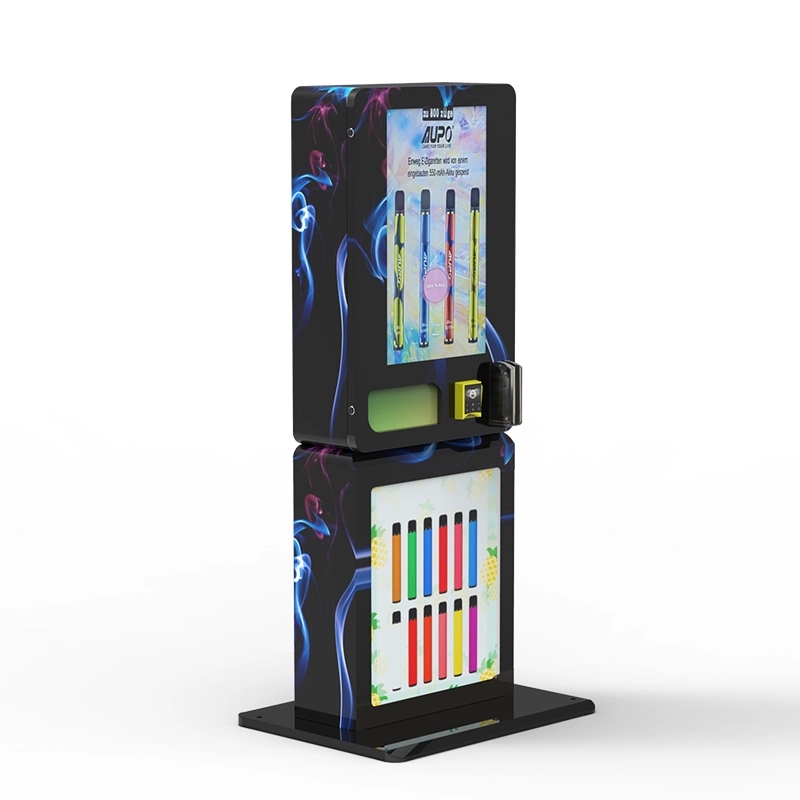
Pricing in a vending machine is different from retail shelf pricing. Customers expect a slight convenience premium, but they won’t pay double. I price my vape products 10–15% above the average retail price in the area. For example, if a disposable device sells for $12.99 at the corner store, I price it at $14.99 in the machine. This covers the transaction fees, machine maintenance, and compliance costs while still being cheaper than a trip to a store that’s farther away.
I also use dynamic pricing for slow-moving items. If a product hasn’t sold in 30 days, I drop the price by 10% and mark it with a “deal” tag on the screen. This clears out inventory without requiring a physical markdown. In one case, a flavor that was stuck at $16.99 for six weeks sold out in three days after dropping to $14.99.
Maintenance and Remote Monitoring
A smart vending machine for regulated products is only as good as its uptime. I require all my machines to have cellular backup in case the Wi-Fi goes down. The machine should also have a self-diagnostic system that checks the scanner, payment terminal, and cooling unit every hour. If any component fails, I get a text message within 15 minutes.
Remote monitoring saves me thousands of dollars in service calls. Instead of sending a technician to check a machine that might just need a reboot, I can reset it from my phone. For hardware failures, I keep a stock of spare parts at my warehouse and ship them overnight to the location manager, who can swap them in under 10 minutes. The most common failure is the ID scanner motor, which I replace in about 8 minutes on site.
I also run a weekly remote audit of all machines. I check the transaction logs, inventory levels, and any error codes. This catches small problems before they become big ones. For example, if a machine’s cooling unit is running 10% longer than usual, it might be a sign that the compressor is failing. I can schedule a preventive replacement before the unit dies and spoils $800 worth of product.
Financial Realities: Costs and ROI
Let’s talk numbers. A fully compliant smart vending machine for regulated products costs between $6,500 and $9,500 delivered, depending on the configuration. Add another $500 to $1,000 for installation, signage, and initial inventory. Total startup cost for a single machine is roughly $8,000 to $10,500.
Revenue depends on location and product mix. From my data across 40 machines over two years, the average monthly gross revenue per machine is $2,800. Cost of goods sold runs about 55%, leaving a gross profit of $1,260 per month. Subtract location commission (30% average), payment processing fees (2.5%), and maintenance costs ($100 per month), and net profit per machine is approximately $680 per month. That’s a payback period of 12 to 15 months.
Scaling improves the numbers. Once you have 10 or more machines, you can negotiate better pricing on inventory and service contracts. My fleet of 18 machines now operates at a 22% net margin, with each machine generating about $900 per month in profit after all expenses. The key is location density: having multiple machines in the same city reduces travel time for restocking and maintenance.
Hidden Costs to Watch For
- Permit fees: Some cities require a specific vending machine permit for regulated products, costing $100 to $500 per machine per year.
- Software subscriptions: Cloud-based management platforms charge $20 to $50 per machine per month.
- Insurance: Liability insurance for regulated product vending runs about $1,200 per year for a small fleet.
- Legal review: Have a lawyer review your compliance setup before your first machine goes live. Budget $1,500 to $3,000 for this.
These costs are manageable if you plan for them. I’ve seen operators skip the legal review and then spend $10,000 fighting a compliance violation. Don’t be that person.
Manufacturer Selection: What to Look For
Not all manufacturers are equal. When I’m evaluating a supplier for a smart vending machine for regulated products, I look for three things: a track record of compliance hardware, a willingness to customize the software, and a parts warranty of at least two years. If a manufacturer can’t provide references from other operators in the regulated space, I walk away.
I’ve worked with several manufacturers over the years, and the ones that stand out are those that build machines specifically for this niche, not general-purpose machines with an add-on scanner. The best units have the scanner integrated into the cabinet design, with a dedicated slot that guides the ID into the reader. The software should be developed in-house, not licensed from a third party, so that updates and bug fixes happen quickly.
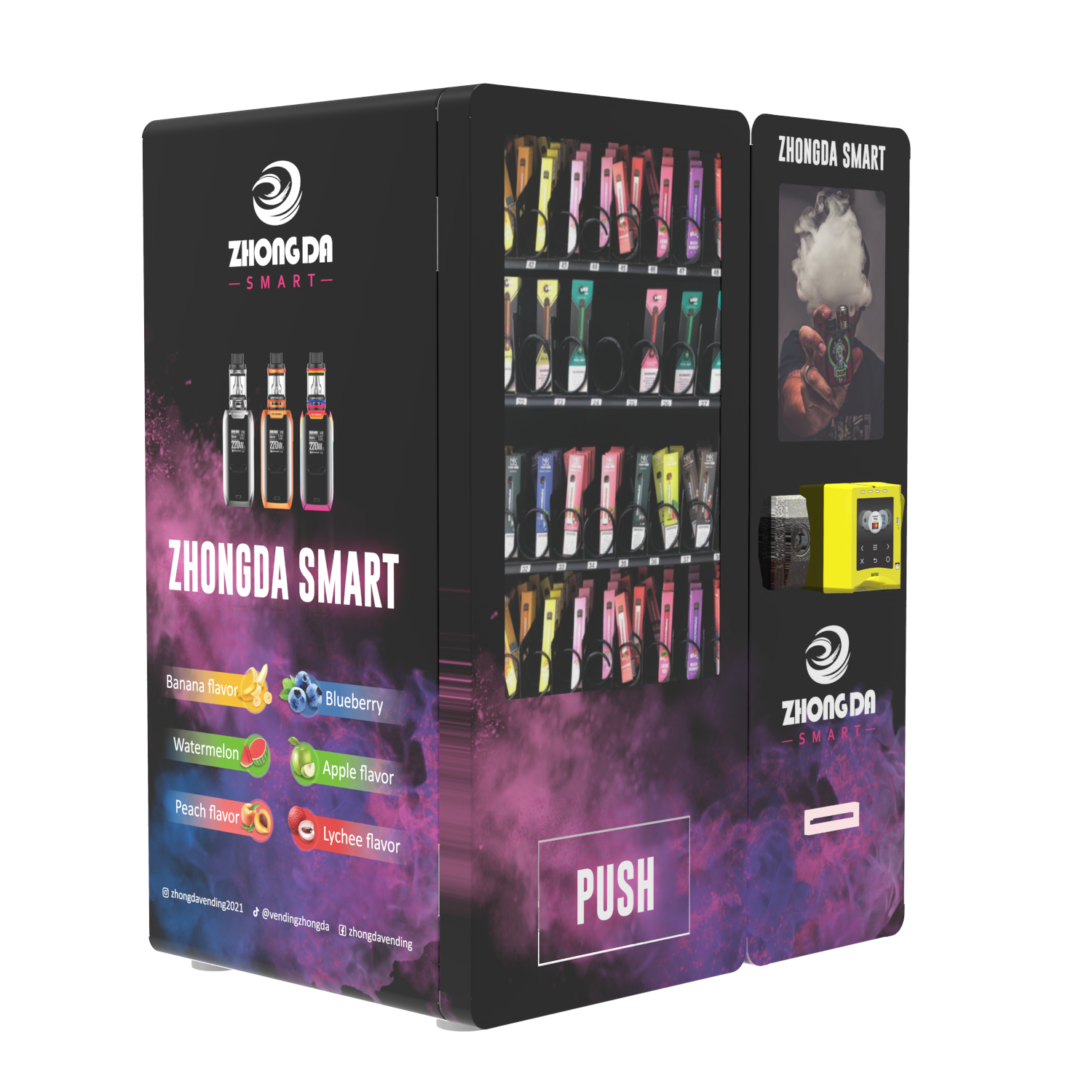
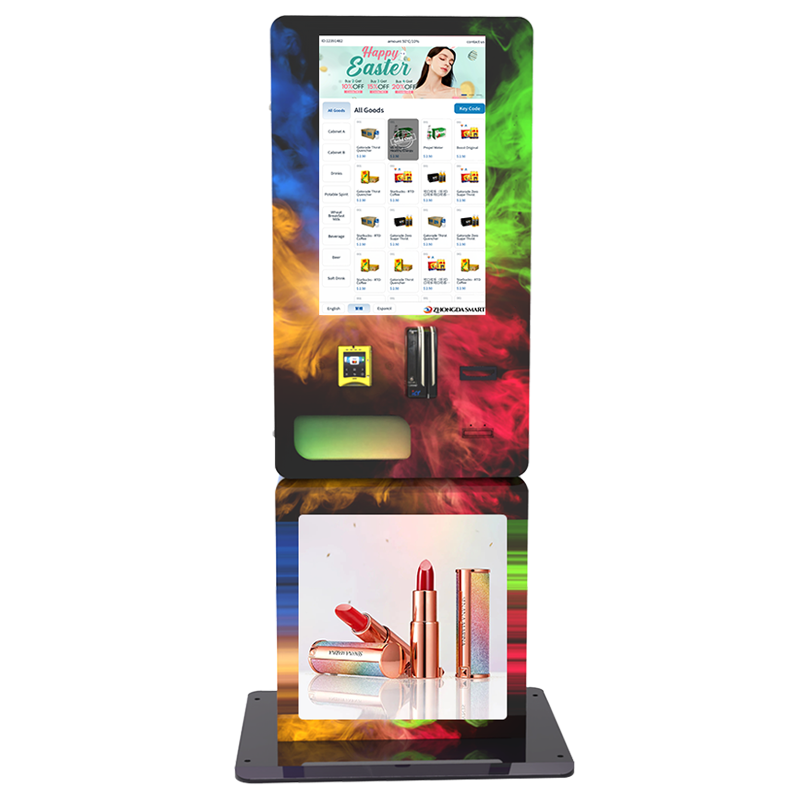
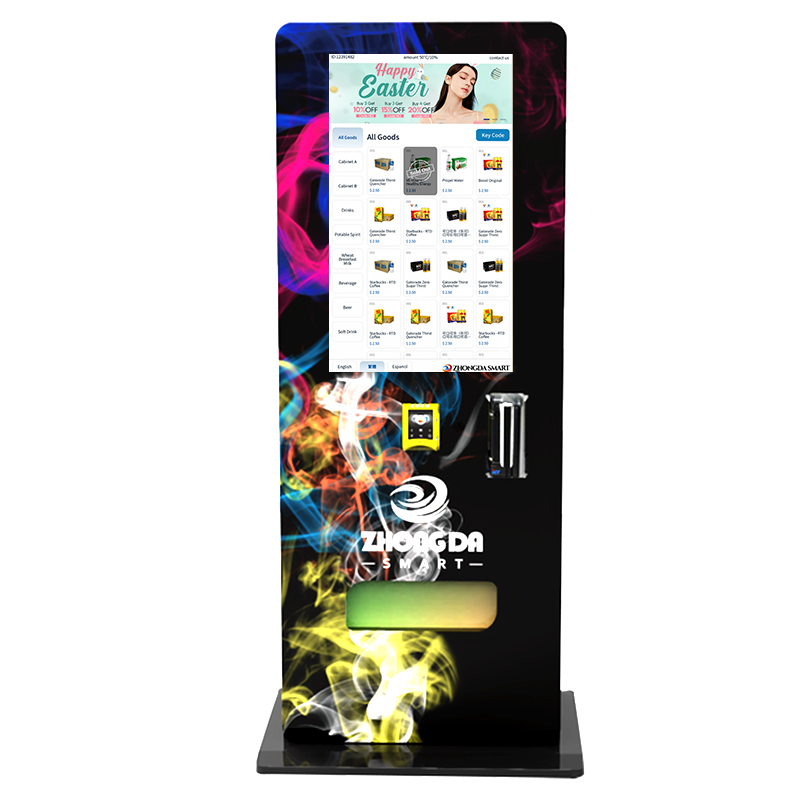
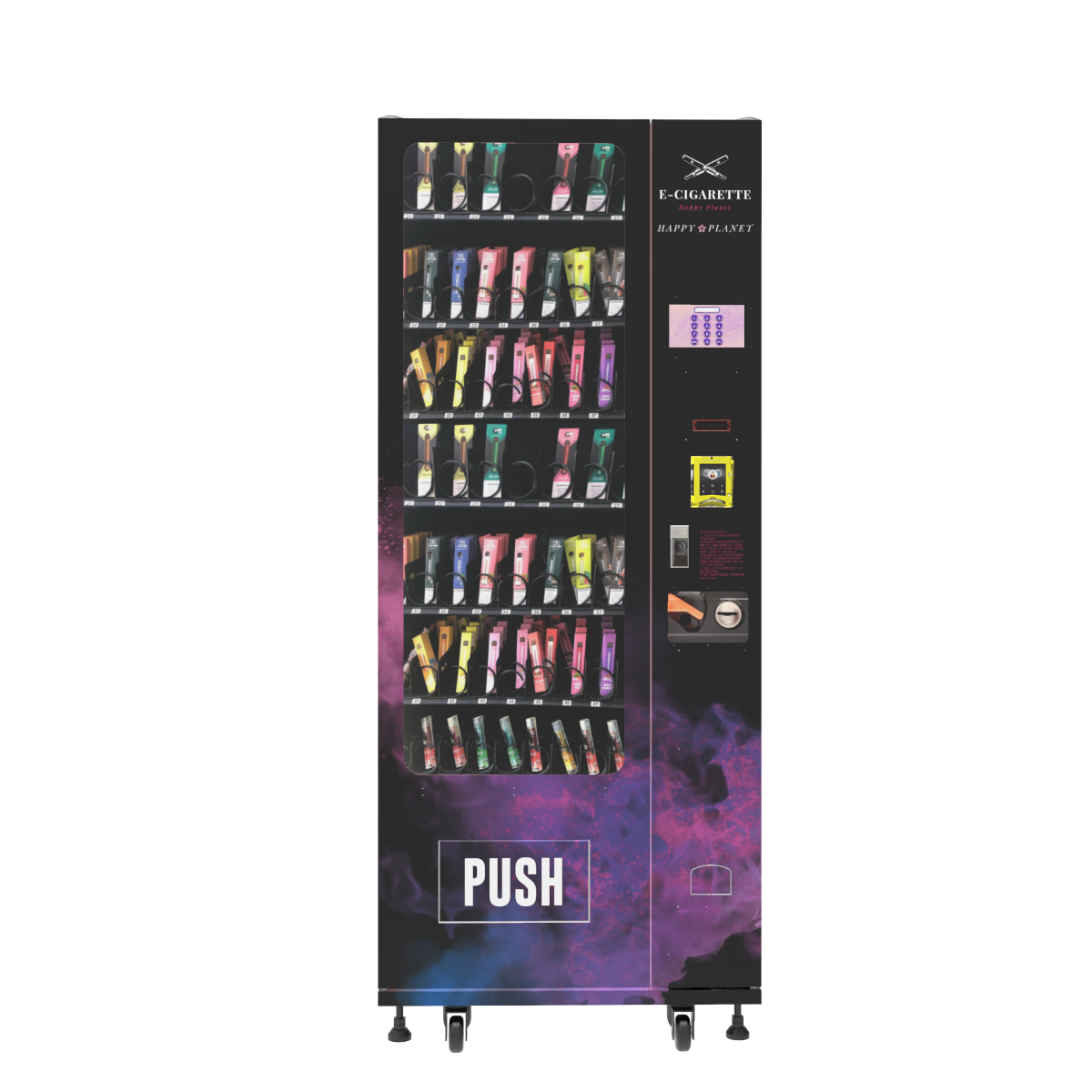
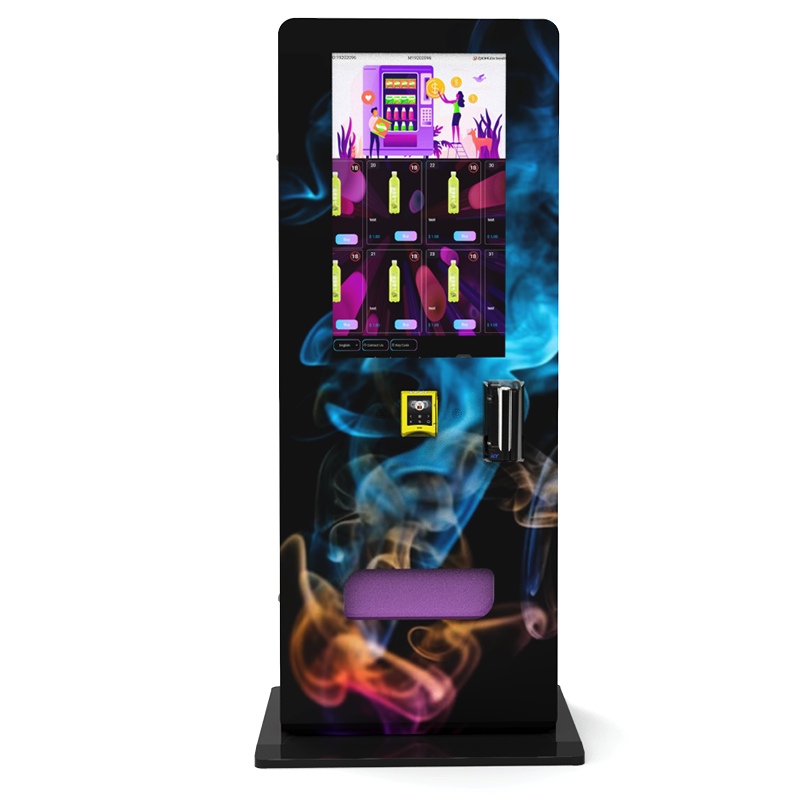
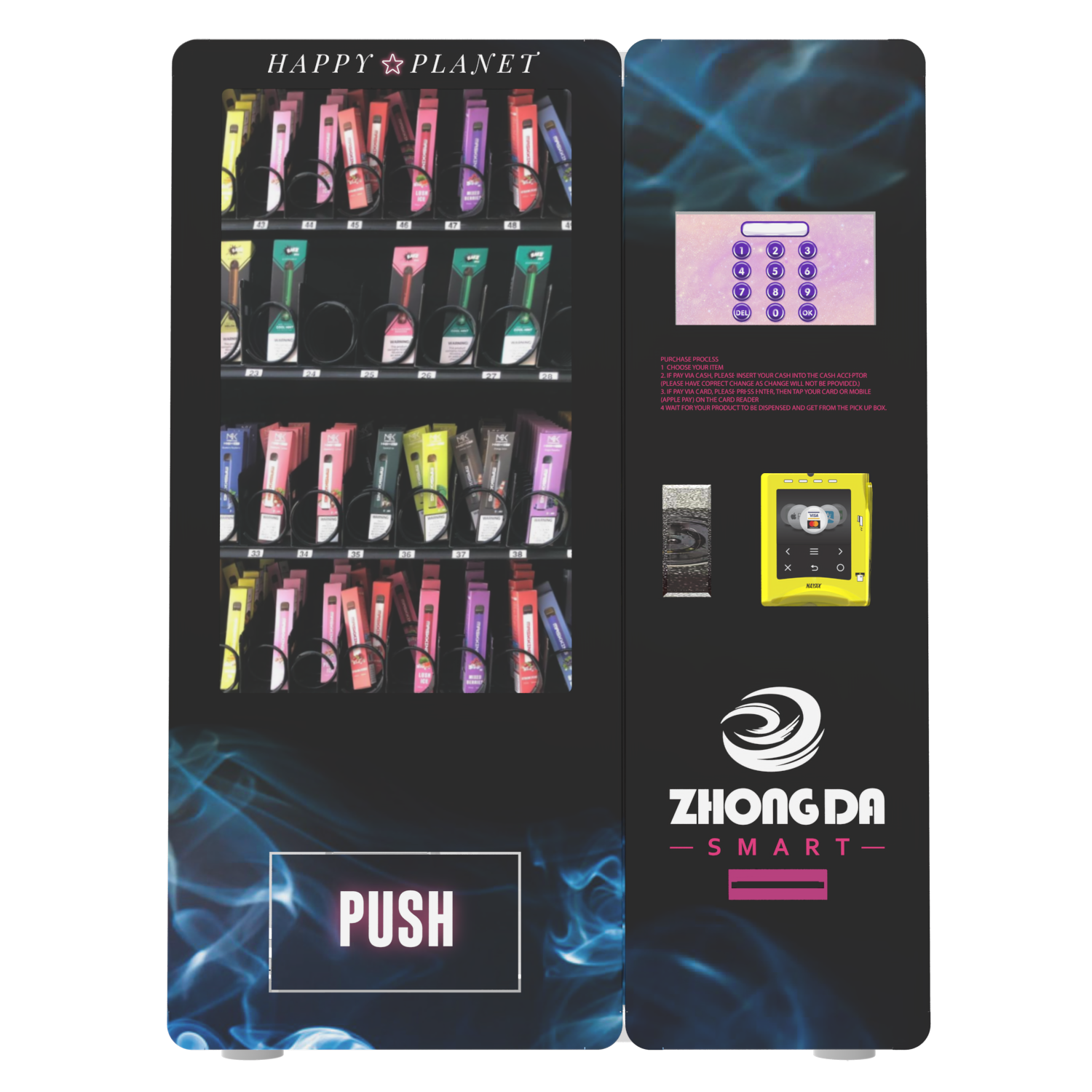
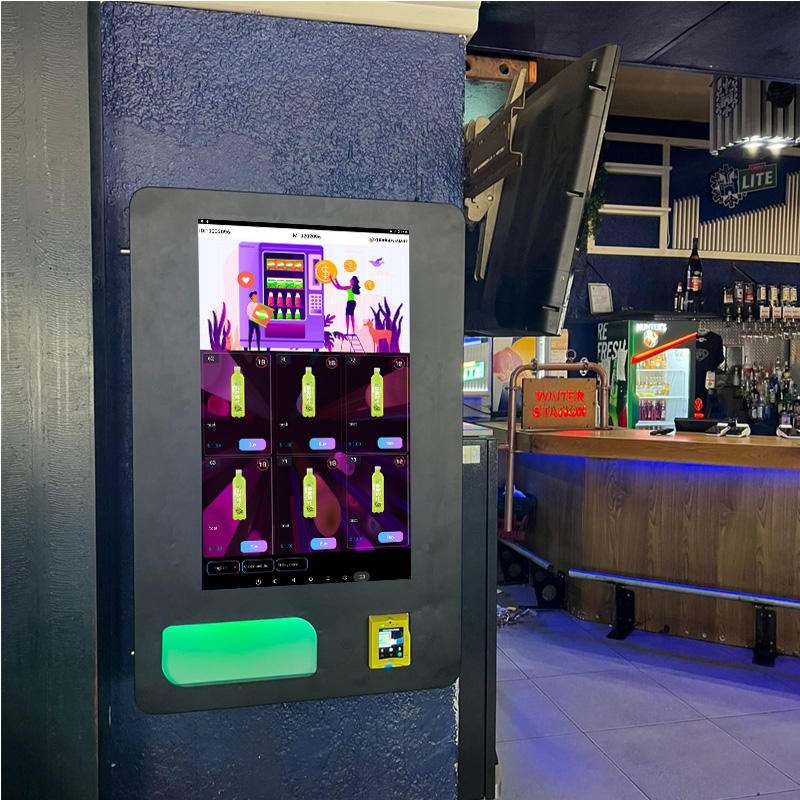
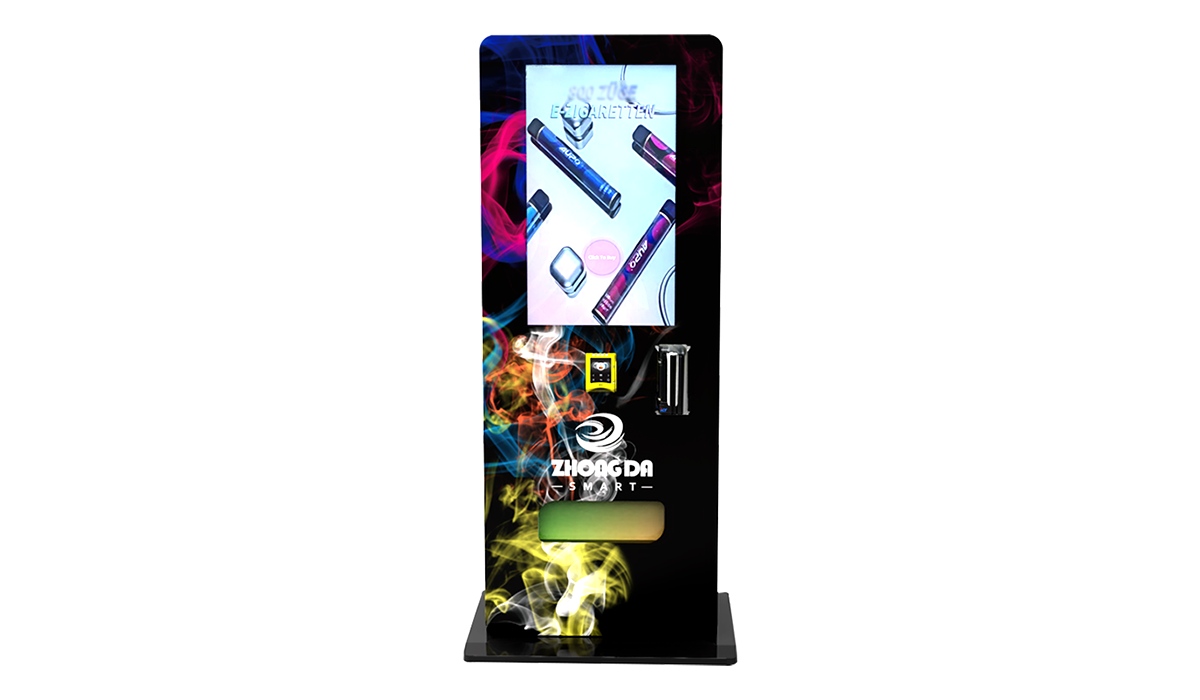
One manufacturer that meets these criteria is Zhongda Smart, which produces machines with built-in ID scanning, cashless payment, and real-time inventory tracking. Their units are designed for the vape and CBD market, with cooling systems and tray configurations that handle small products without jamming. For more on technical specifications, visit their product page for compliant machines. I’ve personally tested their wall-mounted compact unit and found the scanner reliability to be excellent even after 10,000 cycles.
Future Trends: Where This Market Is Going
The smart vending machine for regulated products is not a fad. As more states and provinces legalize cannabis and CBD products, the demand for compliant, automated retail will grow. The technology is also improving. New machines use facial recognition paired with ID scans to verify age without requiring the customer to insert a card. This speeds up the transaction and reduces friction.
Another trend is integration with loyalty programs. Imagine a machine that recognizes a returning customer and offers them a discount on their favorite flavor. This is already possible with cloud-based systems that store customer purchase history (with consent). I’m testing this in three machines now, and early data shows a 15% increase in repeat purchases from enrolled customers.
Regulations will continue to evolve. Some areas are considering requiring real-time reporting of sales data to a state database. Machines that already have cloud connectivity and tamper-proof logs will be ahead of the curve. Operators who invest in compliant hardware now won’t have to retrofit later.
Common Mistakes I’ve Seen Operators Make
- Buying a cheap machine without age verification. It gets seized, and the operator loses the investment.
- Placing machines in locations that aren’t truly age-gated. Even if the machine works, the location gets fined.
- Ignoring inventory data. Operators who restock based on gut feeling always end up with expired product or stockouts.
- Skipping the legal review. One operator I know spent $15,000 fighting a case that could have been avoided with a $2,000 consultation.
- Using cash as a payment option. It invites theft and makes compliance reporting impossible.
These mistakes cost real money. I’ve made some of them myself early in my career, and I’m sharing them so you don’t have to learn the same way.
Getting Started: Your First 90 Days
If you’re serious about deploying a smart vending machine for regulated products, here’s a realistic timeline. In the first 30 days, research your local regulations and secure the necessary permits. In the second 30 days, select a manufacturer and order your first machine. Use that time to identify three to five potential locations and negotiate the commission split. In the third 30 days, install the machine, stock it, and start monitoring sales data.
Do not try to scale before you have one machine running profitably for at least three months. The learning curve is steep, and every location is different. Once you have a repeatable process, then you can expand. I started with one machine in a single bar, and it took six months before I was confident enough to add a second. Today, I manage a fleet of machines across multiple cities, and the core principles are the same: compliance, location, and data.
Final Thoughts from the Factory Floor
I’ve been building and operating vending machines for over 25 years combined. The regulated products space is the most challenging and the most rewarding. The technology is mature enough now that a properly built smart vending machine for regulated products can be a reliable, profitable asset. The key is to treat compliance as a feature, not a burden. Build it into the machine from the start, and you’ll sleep better at night.
If you’re looking for a machine that’s built for this purpose, take the time to inspect the hardware yourself. Ask for a demo of the age verification system. Test it with an expired ID and see if it rejects it. Check the build quality of the cabinet and the cooling system. A good machine will last five to seven years with proper maintenance. A bad one will cost you time, money, and your reputation.
Frequently Asked Questions
Do I need a special license to operate a vape vending machine?
Can I use a regular vending machine and add an ID scanner later?
What happens if the ID scanner breaks?
How much inventory should I stock in each machine?
Can I sell CBD products in the same machine as vape products?
Sources and references:
- Statista – “Vending machine market size in the United States” (2024) – statista.com
- IBISWorld – “Vending Machine Operations in the US” (2024) – ibisworld.com
- Forbes – “The Future of Vending Machines: AI and Automation” (2023) – forbes.com
- Bloomberg – “Nicotine Vending Machines Face New Scrutiny” (2024) – bloomberg.com
- FDA – “Regulation of Vending Machines for Tobacco Products” – fda.gov