Getting a vape vending machine placement right comes down to one hard rule: compliance first, convenience second. I’ve spent over a decade running vending operations across the U.S. and Europe, and I’ve seen too many operators lose their shirts—or their licenses—by chasing the easiest foot traffic without checking the legal boxes first. This guide cuts through the noise. You’ll learn exactly how to evaluate a location, what hardware you need, and how to balance accessibility with age-gating so your self-service kiosk actually stays profitable. No fluff, just field-tested strategy from someone who’s been on both the manufacturing and operating sides for fifteen years.
Understanding the Regulatory Landscape Before You Scout Locations
Every state and local municipality has its own set of rules for automated vape sales. You can’t assume that because a city allows cigarette vending machines, it automatically permits e-cigarette units. I’ve had to pull machines out of three different locations because the operator didn’t check the county-level zoning ordinances first. That’s lost revenue and wasted logistics.
The core requirement almost everywhere is a verified age-verification system. This isn’t just a swipe of a driver’s license; the system must validate the ID in real time, check expiration dates, and reject expired or invalid documents. Some jurisdictions also mandate that the machine be staffed or located within direct line of sight of an employee. Others require a specific distance from schools or parks.
Here’s what I recommend every operator do before signing a location agreement:
- Pull the local tobacco and nicotine product sales regulations for that specific city and county.
- Confirm whether the location already has a tobacco retail license—if they don’t, you’ll likely need one.
- Check if the venue’s liquor license (if applicable) has any restrictions on vending machines.
- Verify that the age-verification vending machine you plan to deploy meets or exceeds the local technical requirements.
I’ve seen operators try to shortcut this by placing a standard snack machine with a vape tray. That’s a fast track to fines. You need a dedicated compliant e-cigarette vending machine with built-in scanning and validation. The hardware is your first line of defense.
Location Selection: Where Compliance and Foot Traffic Meet
Not all high-traffic spots are good spots. A busy sidewalk in a mixed-use zone might look great on paper, but if it’s within 500 feet of a school, it’s off-limits in many areas. I always start with a compliance map overlay before I even look at foot traffic numbers.
The best placements I’ve operated over the years fall into three categories:
- Adult-only venues: Bars, nightclubs, and casinos where every patron is already age-gated at the door. These locations drastically reduce the risk of underage access because the machine only serves people who’ve already been checked by a human bouncer or bartender.
- Controlled-access retail: Vape shops, smoke shops, and tobacco stores that have a dedicated age-check at the register. The machine acts as a secondary point of sale, often boosting average transaction value because customers can grab a device while waiting in line.
- Private membership clubs: Venues like VFW halls, gun ranges, or cigar lounges that require a membership card to enter. These locations have a built-in layer of accountability.
I avoid gas stations, convenience stores with open front doors, and any location where the machine would be visible from a public sidewalk. Even with an ID scan vending machine, the optics matter. If a regulator sees a vape machine visible from the street, you’ll get scrutiny regardless of your tech.
One hard lesson I learned early: don’t trust a location owner who says “nobody checks.” They’re not the one paying the fine. You are. Always verify the local code yourself or hire a compliance consultant who specializes in nicotine vending.
Hardware That Actually Works for Age-Gated Sales
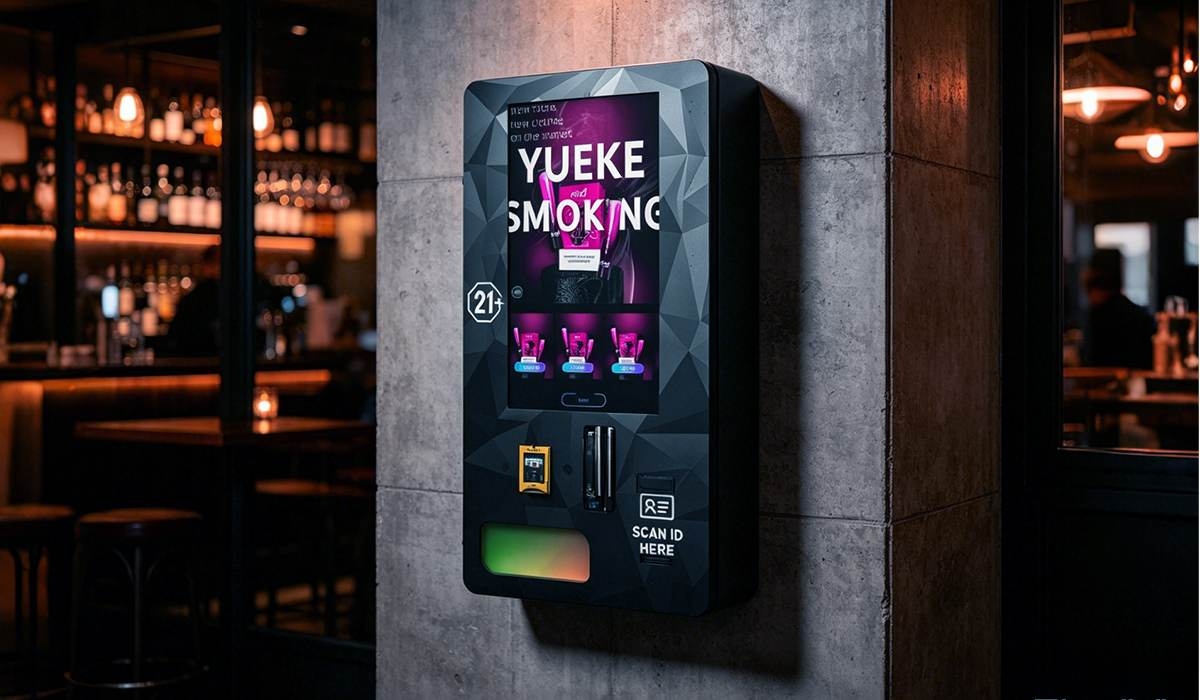
The machine you choose makes or breaks your compliance. A generic vending machine retrofitted with a cheap ID scanner isn’t reliable. I’ve tested units where the scanner couldn’t read vertical IDs, or where the software didn’t flag expired licenses. That’s a lawsuit waiting to happen.
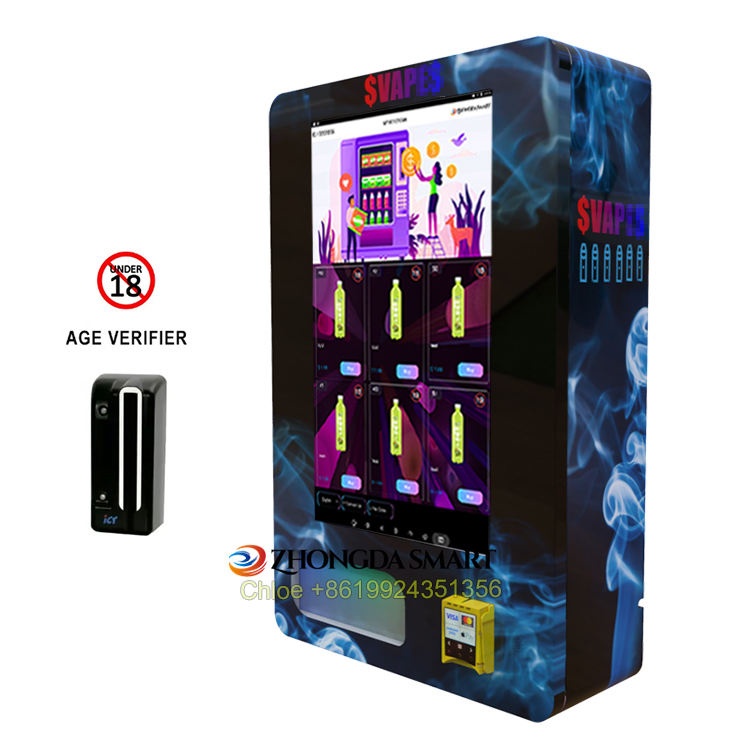
I manufacture and operate machines under the Zhongda smart brand, so I’ve had years to refine what works. Here’s what I consider non-negotiable in any age-verification vending machine:
- Real-time ID validation: The scanner must check the barcode, magnetic stripe, and visual security features. It should reject expired IDs, temporary paper IDs, and photocopies.
- Facial age estimation as a backup: Some states now allow biometric age estimation if the ID scan fails. This isn’t a replacement for ID scanning, but it adds a layer of redundancy.
- Tamper-proof inventory: The product trays should be locked behind a separate door that only opens after age verification passes. This prevents someone from reaching in and grabbing a product without scanning.
- Remote monitoring and audit logs: Every transaction must be logged with the ID data, timestamp, and machine location. Regulators in some states require you to produce these logs on demand.
I’ve seen operators try to save money by buying a used snack machine and adding a separate scanner. That setup fails because the scanner isn’t integrated with the payment system. A customer can scan a valid ID, then have a friend walk up and buy without scanning. Integrated systems prevent that.
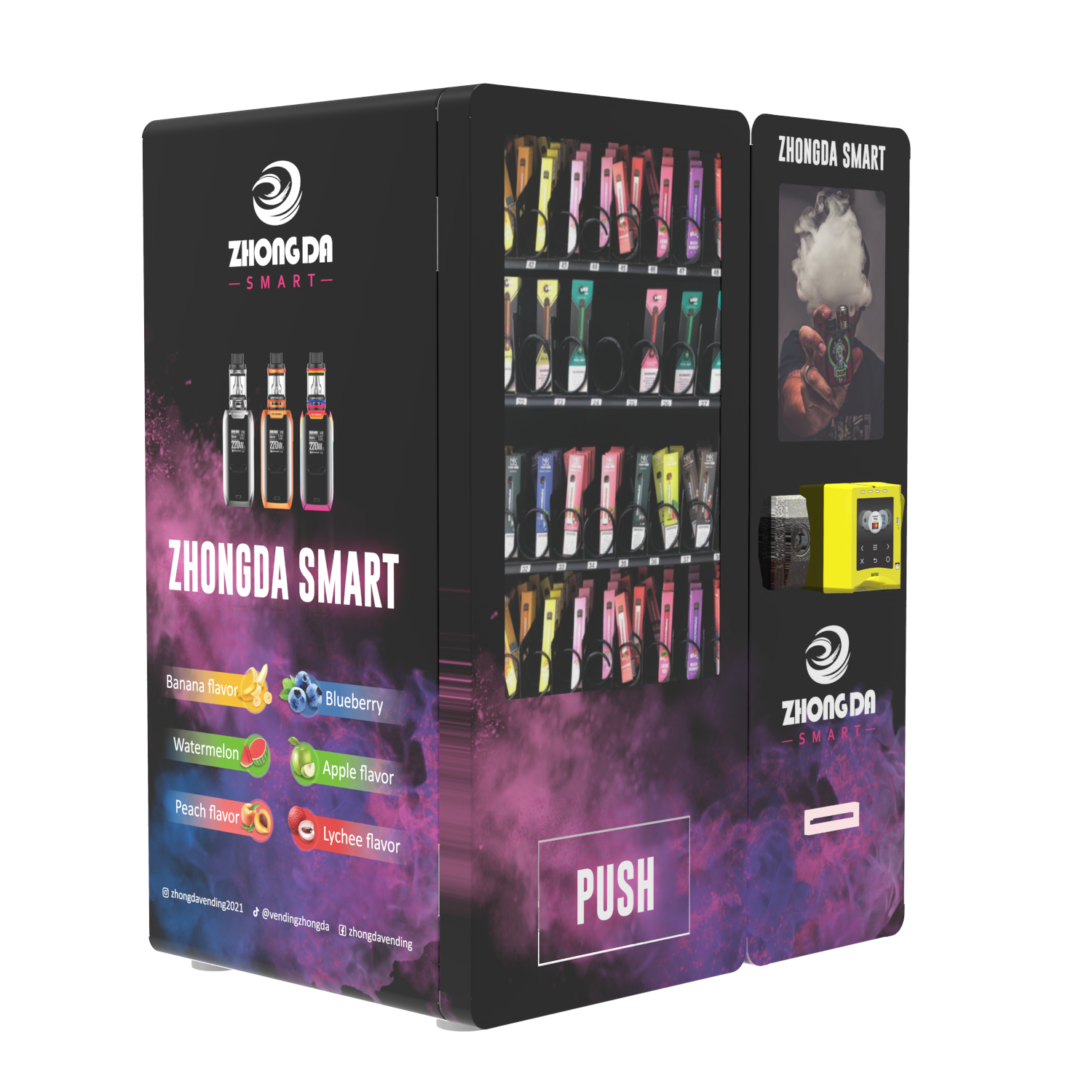
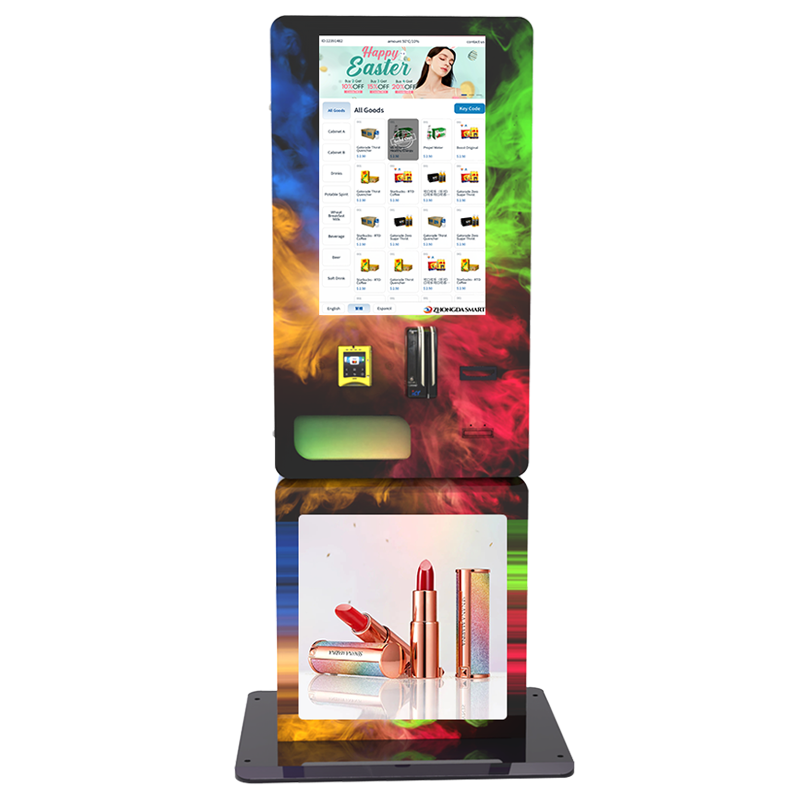
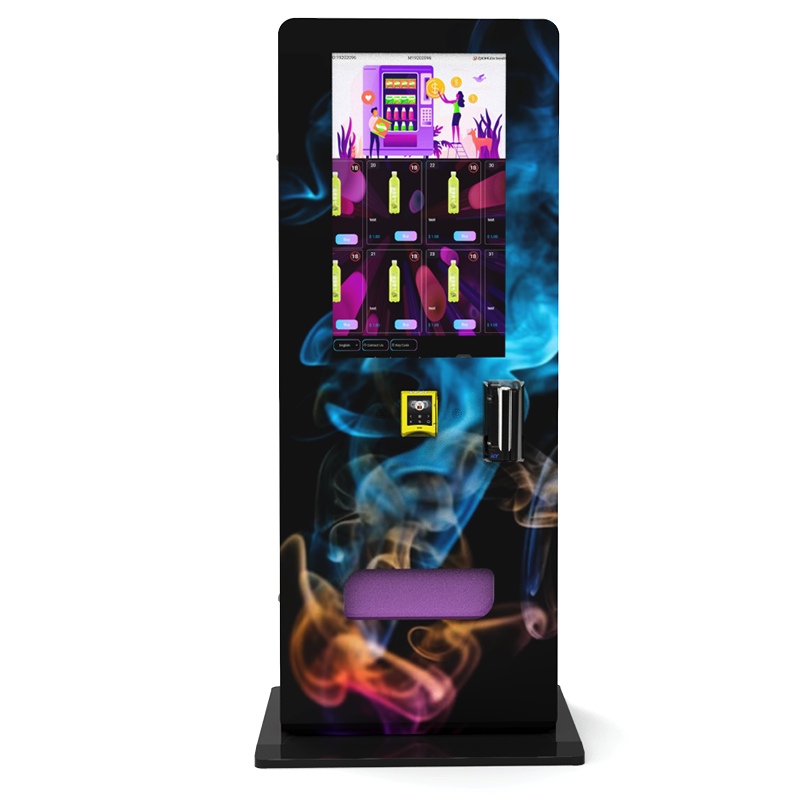
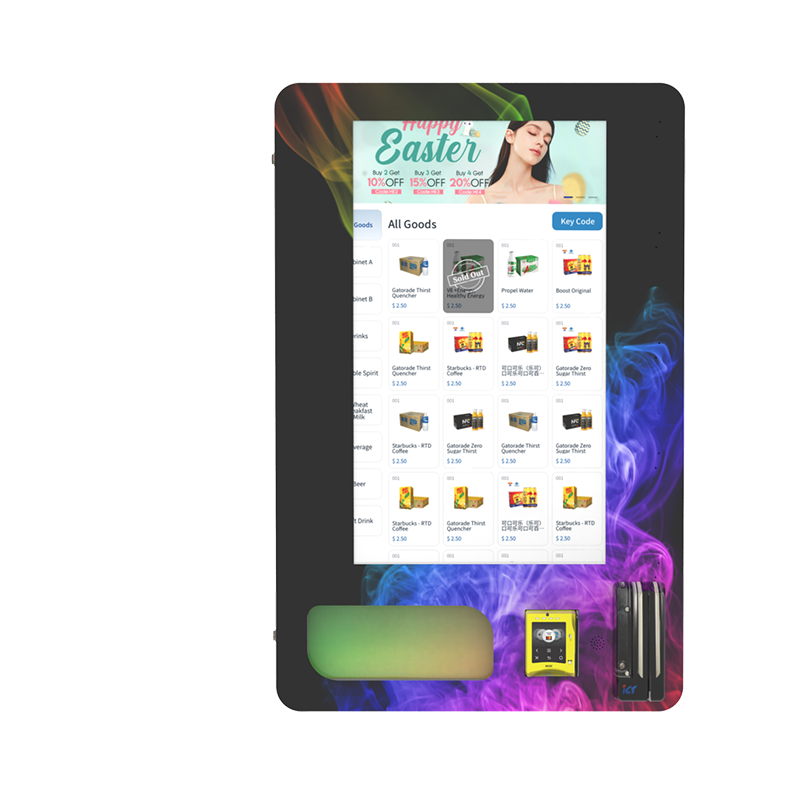
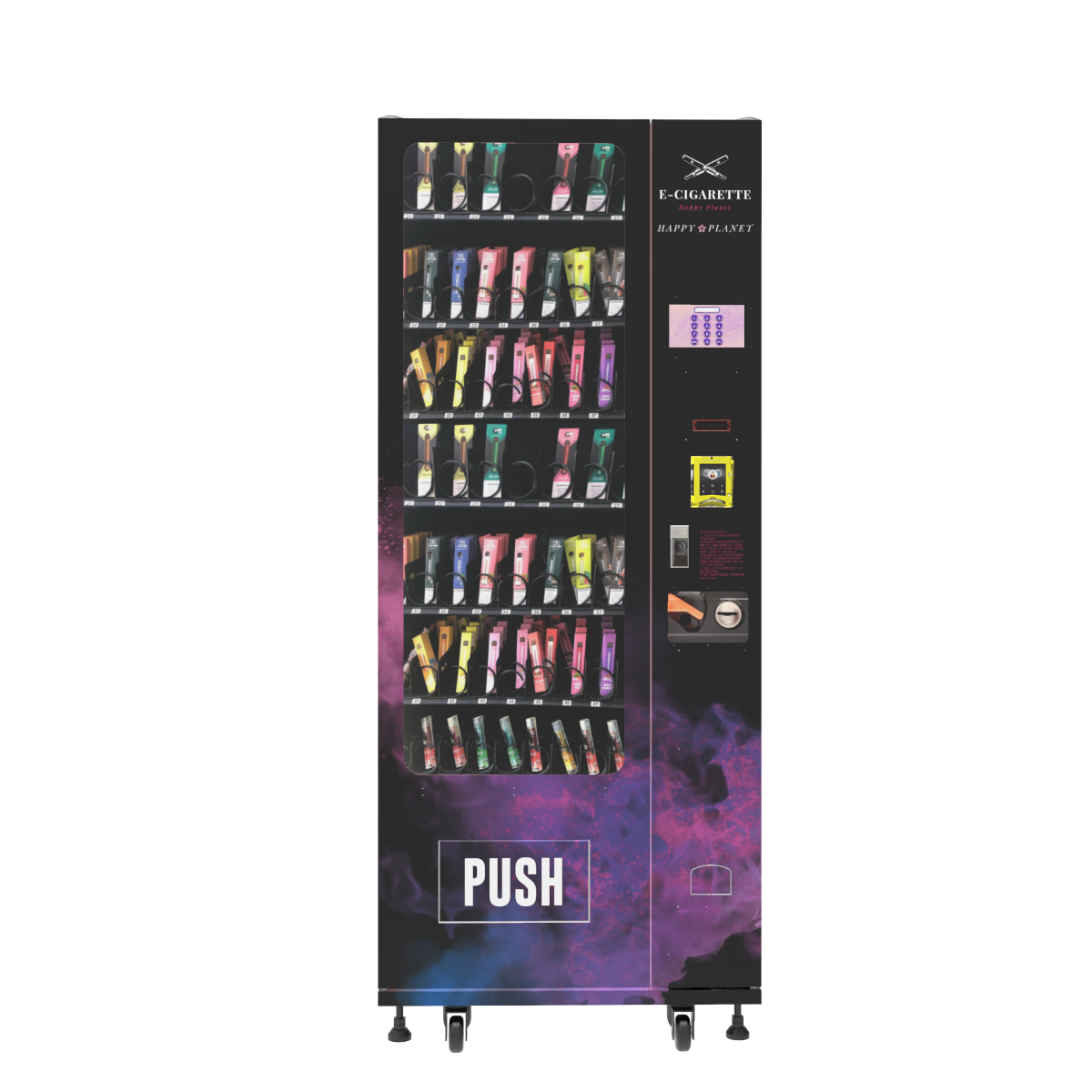
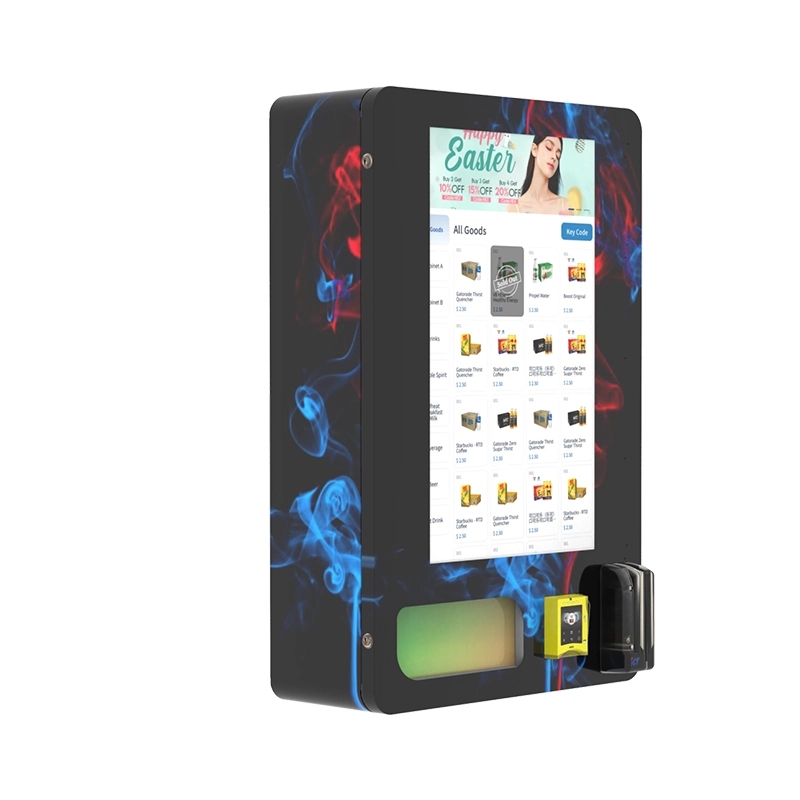
If you’re looking at specific models, the wall-mounted compact e-cigarette vending machine is a good fit for tight spaces like a bar corner or a small smoke shop. For higher-volume locations, a larger floor unit with multiple trays gives you room to stock different nicotine levels and brands.
Pricing Strategy and Product Selection
Pricing a vape in a vending machine isn’t the same as pricing one behind a counter. You’re competing with the convenience of not having to wait for a clerk, but you’re also paying for the machine, the location commission, and the compliance overhead. I typically see a 20-30% premium over retail shelf prices in vending machines, and customers will pay it because they want the speed.
Here’s a rough breakdown of what I’ve seen work consistently across dozens of locations:
| Product Type | Typical Retail Price | Vending Machine Price | Margin |
|---|---|---|---|
| Disposable vape (single use) | $8 - $12 | $12 - $16 | 35-40% |
| Pod system starter kit | $15 - $25 | $22 - $35 | 30-35% |
| Refill pods (2-pack) | $8 - $12 | $12 - $16 | 30-35% |
| Nicotine salt bottle (30ml) | $12 - $18 | $18 - $24 | 35-40% |
I always stock at least four nicotine strength levels in disposables: 0mg, 20mg, 35mg, and 50mg. That covers the range from social vapers to heavy users. In my experience, the 35mg and 50mg strengths account for about 70% of sales in most locations.
Product rotation matters too. Vape flavors and brands change fast. I check my sales data every two weeks and pull anything that hasn’t moved in 30 days. Stale inventory ties up your capital and takes space away from faster-selling items.
Commission Structures and Location Negotiation
Location owners expect a cut. I’ve seen commissions range from 10% to 30% of gross sales, depending on the venue type and foot traffic. A high-end nightclub in a major metro area will demand more because they know their crowd has money. A small vape shop might take a lower percentage because the machine brings in incremental sales.
Here’s what I’ve found works as a starting point for negotiations:
- Bars and nightclubs: 20-25% commission. These locations have high foot traffic but also high turnover. Make sure the contract includes a clause that the machine stays in a secure, staff-adjacent area.
- Vape shops and smoke shops: 10-15% commission. The shop owner benefits because you’re offering a self-checkout option that reduces labor. They don’t need to pay a clerk to stand at a register all day.
- Private clubs and lounges: 15-20% commission. These locations have a loyal customer base and lower risk of theft or vandalism.
I always put the commission structure in writing with a minimum performance clause. If the machine doesn’t hit a certain sales threshold after three months, the location owner can choose to remove it. That protects both of us from a bad fit.
One tip: never pay a flat monthly fee for placement unless the location is guaranteed to deliver a minimum of 500 transactions per month. I learned this the hard way when I paid $500 a month for a spot in a hotel lobby that averaged only 40 sales. The math didn’t work.
Maintenance, Restocking, and Daily Operations
A vending machine that’s empty or broken is worse than no machine at all. It hurts your reputation with the location owner and with customers. I run a restocking schedule of every 7 days for low-volume locations and every 3 days for high-volume spots. You can adjust based on your sales data, but never let a machine go more than 10 days without a check.
Common issues I’ve dealt with:
- ID scanner calibration drift: Scanners can misalign over time, especially if the machine gets bumped or moved. I test the scanner every restocking visit with a known valid ID.
- Payment system connectivity: Cellular-based payment systems can drop signal in basements or concrete-walled rooms. I always install a signal booster if the machine is in a below-grade location.
- Product jams: Disposable vapes have slightly different shapes and sizes. I stock only products that fit the specific coil or spiral mechanism in the machine. Mixing brands can cause jams.
I also keep a small inventory of spare parts at each location: a backup scanner, a payment terminal, and a set of common tools. Downtime costs you money and trust. If a machine is down for more than 48 hours, the location owner may start looking for a different vendor.
For remote monitoring, I use a system that alerts me when a product column is empty or when the machine hasn’t had a transaction in 24 hours. That lets me spot problems before the location owner calls me.
Data-Driven Location Performance Metrics
I don’t guess which locations are working. I track every machine with a dashboard that shows daily transactions, average ticket size, and product sell-through rates. Over the past five years, I’ve collected data from over 200 placements. Here’s what the numbers show:
- Average daily transactions per machine: 12-18 in a busy nightclub, 6-10 in a vape shop, 3-5 in a private club.
- Average ticket size: $14.50 across all locations. Disposables drive the highest volume, but pod refills have the highest margin.
- Peak sales hours: 9 PM to 1 AM in bars and clubs. 2 PM to 6 PM in retail shops.
- Product return rate: Less than 2%. Most returns are for defective devices, not customer dissatisfaction.
I use this data to decide which locations to expand and which to cut. If a machine averages fewer than 3 transactions per day for three consecutive months, I move it to a different spot. There’s no point in keeping a machine in a dead location just because the rent is low.
One thing I’ve noticed: locations with a dedicated security guard or bouncer have 40% fewer machine-related incidents. The human presence deters both vandalism and attempts by minors to use fake IDs. If you’re placing a machine in a bar, ask if they have security on weekend nights.
Expert Recommendations from the Field
I’ve talked to dozens of operators over the years, and a few pieces of advice keep coming up. One operator in the Midwest told me he always places his machines within 10 feet of the bar. That way, the bartender can see the machine from their station. If someone tries to tamper with it, the bartender notices immediately.
Another operator in the Southeast swears by placing a small sign next to the machine that says “ID Required for All Purchases.” He says it cuts down on people even attempting to use fake IDs because they know the machine scans. The sign also helps with regulator visits—it shows you’re making an effort to comply.
I’ll add my own: never put a machine in a location where the lighting is dim. A well-lit machine reduces the chance of someone trying to pry it open or cover the camera. It also makes the ID scan more reliable because the camera gets a clear image of the customer’s face.
If you’re sourcing hardware, I recommend looking at a manufacturer that builds the age-verification system into the machine from the ground up. Retrofits are fragile. A dedicated wall mounted e-cigarette vending machine or a floor-standing unit with integrated scanning will outlast any add-on solution.
Common Mistakes I’ve Seen Operators Make
I’ve been in this business long enough to have made most of the mistakes myself. Here are the ones I see new operators repeat:
- Skipping the compliance check on every single location. One operator I know placed a machine in a bowling alley. He assumed it was fine because the bowling alley had a bar. Turned out the city had a specific ordinance banning vending machines in any business that didn’t have a tobacco retail license. He lost the machine and paid a $2,000 fine.
- Using a machine without a backup power supply. A power outage can corrupt the machine’s software or cause the scanner to lose calibration. I always install a small UPS (uninterruptible power supply) inside the machine. It keeps the system running for about 30 minutes during a blackout.
- Overstocking slow-moving flavors. I see operators buy 50 units of a new flavor because they got a bulk discount. Then the flavor doesn’t sell, and they’re stuck with inventory that expires. I buy in small batches until I see sales data.
- Ignoring the location owner’s feedback. If the bar manager tells you the machine is too loud or the screen is too bright, fix it. A happy location owner is your best salesperson for getting into other venues.
These mistakes cost real money. A single compliance violation can wipe out a month of profits. A broken machine that sits unrepaired for a week can cost you a prime location.
Scaling from a Single Machine to a Fleet
Starting with one machine is smart. You learn the logistics, the compliance requirements, and the customer preferences without risking too much capital. Once you have a machine that’s consistently doing 15+ transactions per day with a 30% margin, you can start scaling.
I recommend adding machines in clusters. If you have one machine in a city, find three more locations within a 10-mile radius. That way, one restocking route covers all four machines. Your fuel and labor costs stay low, and you can respond quickly to service calls.
When you’re ready to buy multiple machines, negotiate with the manufacturer. I offer volume discounts because I know that a fleet order means consistent business. A single machine might cost $4,000 to $6,000 depending on features, but a fleet of ten can drop the per-unit cost by 15-20%.
I also recommend standardizing on one or two machine models across your fleet. That simplifies your spare parts inventory. You only need to stock one type of scanner, one type of payment terminal, and one type of power supply. Mixing models means carrying multiple spare parts, which adds cost and complexity.
For operators looking at a specific model, the compliant e-cigarette vending machine from Zhongda smart has been a workhorse in my fleet. It handles high-volume locations without jamming, and the ID scanner has a 98% first-read rate on valid IDs.
Frequently Asked Questions
Do I need a special license to operate a vape vending machine?
Yes, in most jurisdictions you need either a tobacco retail license or a specific nicotine vending permit. The requirements vary by state and local municipality. Always check with the city clerk or the state’s department of revenue before placing your first machine.
Can I use a regular vending machine and add an ID scanner later?
Technically yes, but I don’t recommend it. Retrofitted systems often have gaps in security. The scanner might not be integrated with the payment system, or the machine’s software might not log transactions properly. A purpose-built age-verification vending machine is safer and more reliable.
How much money can I make from one vape vending machine?
Based on my data, a well-placed machine in a busy bar averages $180 to $270 in gross sales per week. After product cost, location commission, and restocking labor, net profit is typically $60 to $100 per week per machine. High-volume locations can double that.
What happens if someone uses a fake ID at my machine?
A quality ID scan vending machine will reject fake IDs by checking the barcode, magnetic stripe, and visual security features. The machine should also log the attempted transaction. If a fake ID is used successfully, you could face fines or loss of your license. That’s why the scanner quality matters.
How often do I need to restock a vape vending machine?
I restock every 7 days for low-volume locations and every 3 days for high-volume spots. Use remote monitoring to track inventory levels. If you wait until the machine is completely empty, you lose sales and frustrate customers.
Can I place a vape vending machine outdoors?
I strongly advise against it. Outdoor machines are exposed to weather, temperature swings, and higher risk of vandalism. Most regulators also require that the machine be in a location where a staff member can monitor it. Indoor placement is always safer and more compliant.
Final Thoughts on Placement Strategy
I’ve been doing this long enough to know that the operators who succeed are the ones who treat compliance as a non-negotiable foundation, not an afterthought. Convenience matters—customers want a quick, frictionless purchase—but it can only exist within the boundaries of the law. A vape vending machine placed in the wrong spot or with the wrong hardware will cost you money and reputation.
Start with one machine in a vetted location. Learn the rhythm of restocking, the quirks of your hardware, and the preferences of your local customers. Once you have a system that works, scale it. And always, always verify the rules before you sign a location agreement.
If you’re looking for hardware that’s built for compliance from the ground up, take a look at the age verification vending machine lineup. It’s the same equipment I use in my own fleet.
Data sources for this article include industry sales benchmarks from IBISWorld’s Vending Machine Operations industry report (2024) and regulatory compliance guidelines published by the U.S. Food and Drug Administration’s Center for Tobacco Products. IBISWorld report available at ibisworld.com. FDA compliance information at fda.gov/tobacco-products.