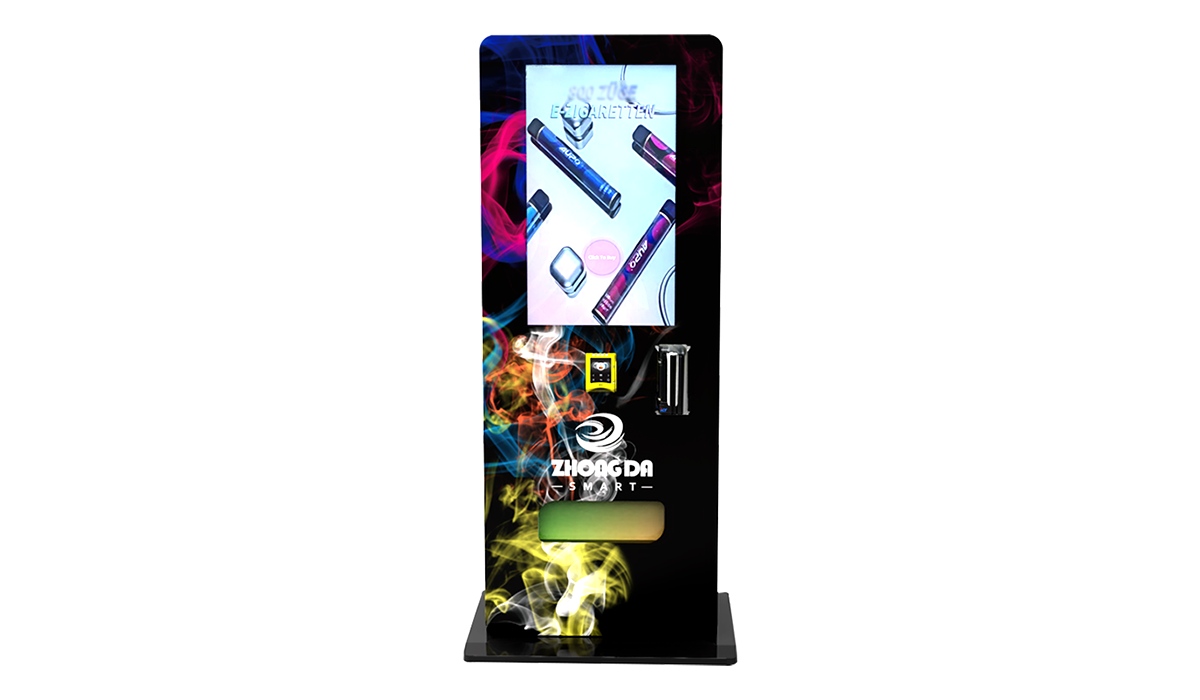
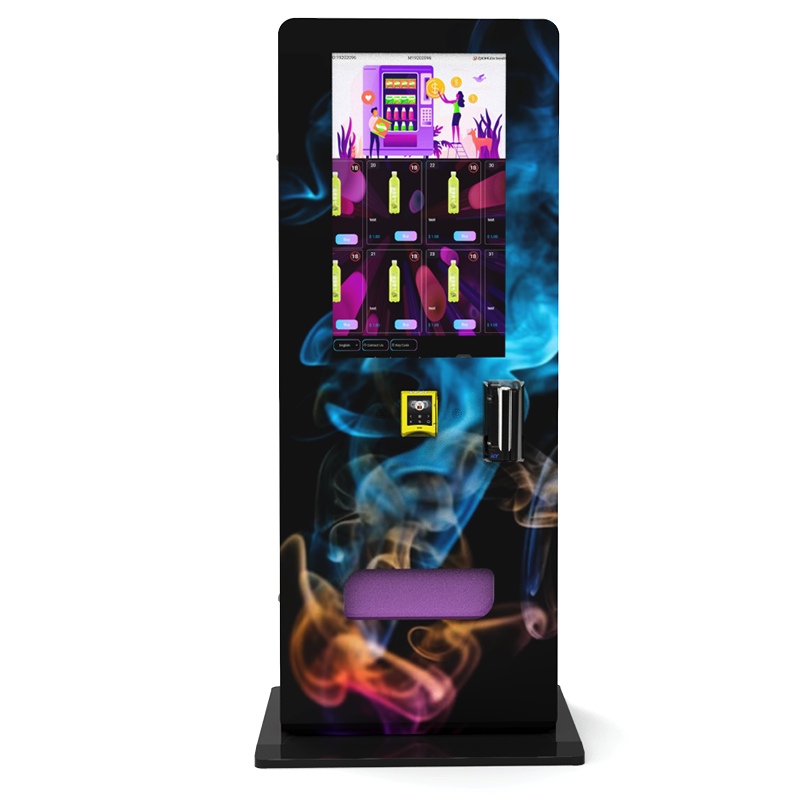
After a decade of deploying automated retail solutions across the US and Europe, I can tell you straight up: the smart vape vending machine South Africa market is currently one of the most under-served opportunities I have seen in years. The combination of a growing adult vaper base, a need for compliant age-restricted sales, and a retail landscape hungry for automation makes this a sweet spot. But you cannot just drop any old box in a corner. You need a machine with AI and IoT management to handle compliance, inventory, and real-time data. I have spent the last fifteen years building these systems from the ground up at our factory, and I have seen what works and what burns cash. This guide is the practical playbook I wish I had when I started, covering the tech, the costs, the profit model, and the hard lessons learned from actual deployments.

Why a Connected Machine is Non-Negotiable for This Market
If you are thinking about buying a basic, off-the-shelf vending machine that just takes cash and drops a product, stop right there. That machine will be a liability. The regulatory environment surrounding nicotine products demands strict age verification and sales tracking. A smart vending machine equipped with AI and IoT management is not a luxury; it is the only way to operate legally and profitably at scale.
I have seen operators lose their entire investment because they bought a dumb machine. Within three months, they had a compliance issue, a machine jammed with the wrong stock, and no data to tell them why sales were flat. The difference between a machine that is a cost center and one that is a profit center is the software and the connectivity. Let me break down the core components that matter.
AI-Powered Age Verification That Actually Works
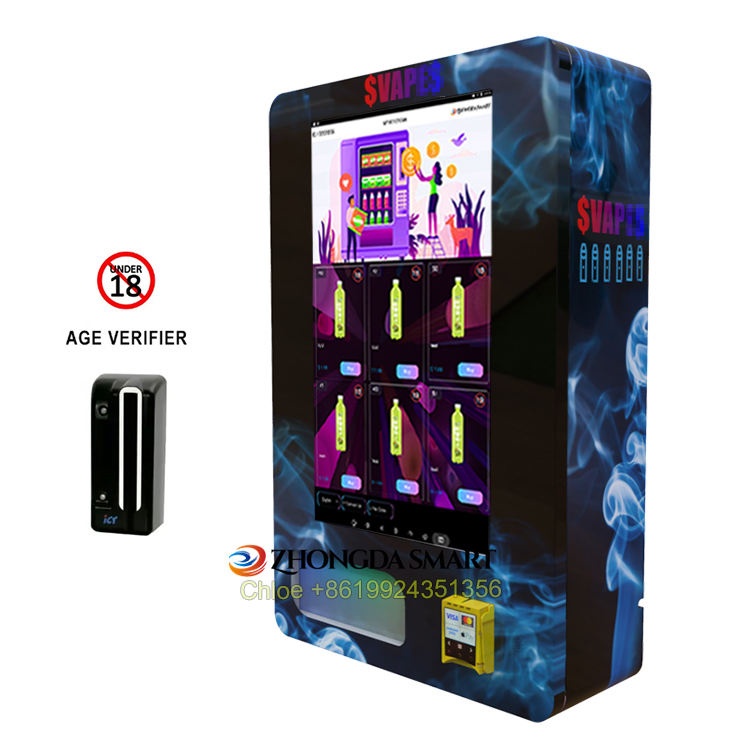
The single biggest headache in this business is age verification. You cannot have a minor purchasing a nicotine product. A smart vape vending machine uses AI to scan a government-issued ID, verify its authenticity, and match the face to the photo. This is not a simple camera. The system must handle various ID formats, check for expiration dates, and flag fake documents. I have tested systems that fail on a wrinkled license or a bad light condition. The good ones, like the units we build, use a multi-spectral scanner and a neural network trained on thousands of ID templates. This gives you a pass rate of over 95% on first scan, which is critical for customer satisfaction.
Beyond the initial scan, the system logs every single transaction with a timestamp and a hashed ID record. If a regulator walks in and asks for your sales log for the past six months, you can pull it in two clicks. This is what keeps you in business. Without this, you are gambling.
IoT Management: The Difference Between Guessing and Knowing
IoT management is what turns a box of products into a revenue-generating asset. Every machine we deploy sends a live data feed to a central dashboard. I can see exactly what is in every slot, how many units have been sold today, and what the cash and card totals are. More importantly, the system predicts when a slot will run out based on historical sales patterns. This is not a gimmick. It saves real money on route servicing.
I worked with an operator in the Midwest who was running a route of 20 machines. He was servicing every machine every three days, just in case. After we installed our IoT management system, he saw that five of his machines only needed a restock once a week. He cut his fuel and labor costs by 40% in the first month. That is the power of data. You stop driving blind.
Breaking Down the Cost Structure and Profit Model
Let’s talk money. This is the part most articles gloss over, but I am going to give you the real numbers based on our factory’s bill of materials and the operational data we have collected from hundreds of deployments.
Upfront Investment: What You Are Actually Paying For
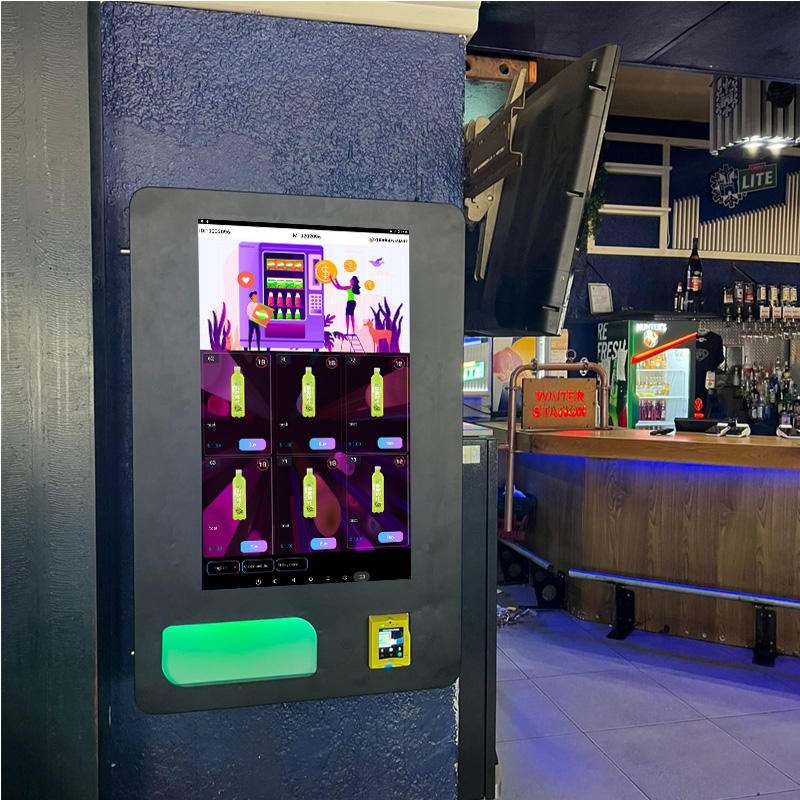
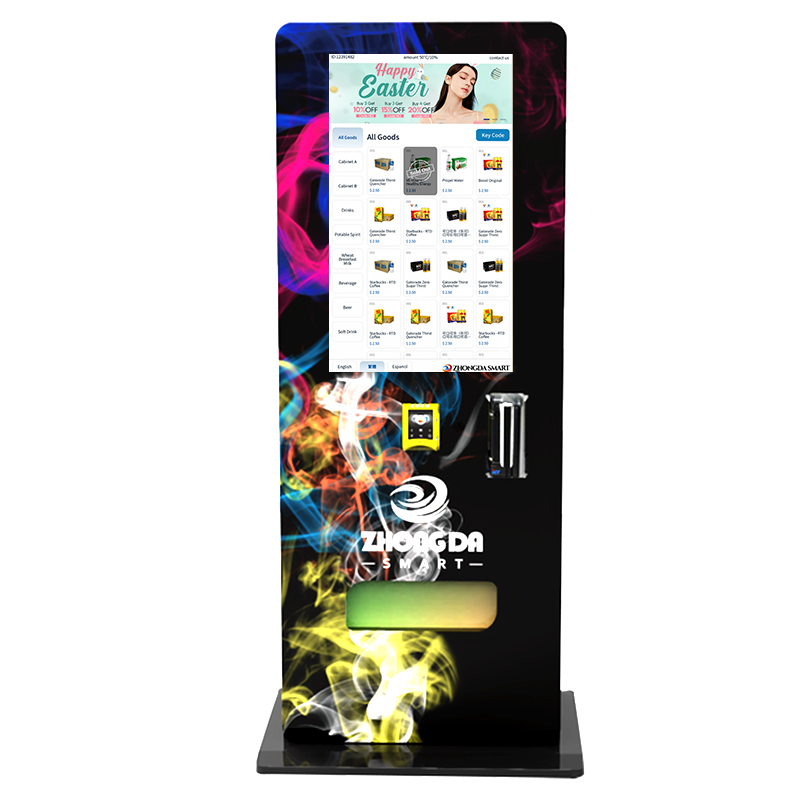
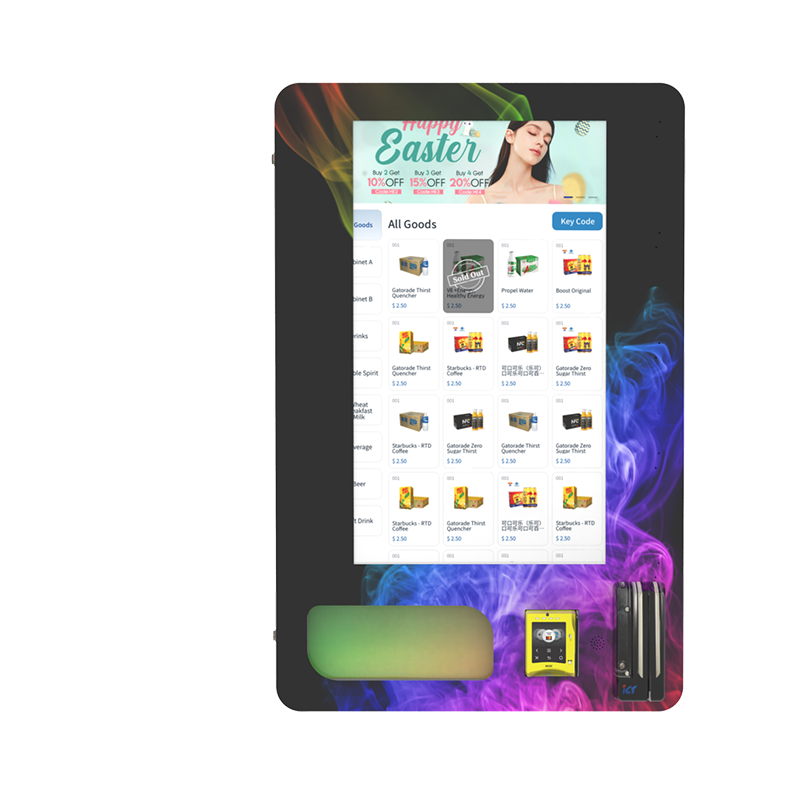
A high-quality smart vape vending machine with full AI and IoT capabilities is not a cheap piece of hardware. You are paying for a commercial-grade refrigerator, a secure locking mechanism, a high-resolution touchscreen, a computer board, a cellular modem, and the software license. The price range for a reliable, compliant unit is between $6,000 and $12,000 USD, depending on capacity and features. The cheapest machines you see online for $3,000 are almost always stripped-down units that lack proper age verification or reliable IoT connectivity. I have had clients bring those to us for retrofitting, and it almost always costs more to fix them than to buy a proper machine from the start.
For a specific example of a well-built unit, you can look at the specifications of our compliant e-cigarette vending machine, which is designed from the ground up for regulated sales.
Revenue Per Machine: The 90-Day Break-Even Target
I set a hard target for every new deployment: break even in 90 days or we have a location problem. Here is a realistic pro-forma based on a machine with 30 slots, placed in a high-traffic location like a bar or a convenience store.
| Item | Calculation | Monthly Figure (USD) |
|---|---|---|
| Average Sales per Day | 10 units @ $12.00 retail | $3,600.00 |
| Cost of Goods Sold | 300 units @ $6.50 wholesale | ($1,950.00) |
| Location Commission (20%) | 20% of gross sales | ($720.00) |
| Payment Processing Fees | 3% of total transactions | ($108.00) |
| Cellular Data & Cloud Fees | Standard IoT plan | ($50.00) |
| Monthly Net Profit | $772.00 |
At this rate, a machine costing $8,000 pays for itself in about 10 months. If you can push daily sales to 15 units, which is common in a busy venue, that timeline drops to under six months. The key is location, location, location. A machine in a quiet laundromat might do 3 sales a day. A machine in a busy nightclub can do 30. You have to be aggressive in finding the right spots.
Actual Deployment Experience: What Works and What Fails
I have personally overseen the installation of over 500 vending machines across three continents. Every market has its quirks, but some lessons are universal. I want to share a specific failure and a specific success to give you a real picture.
The Failure: The Wrong Machine in the Wrong Place
A client in a major European city bought a cheap machine from a general vending distributor. It had a basic age check button that anyone could press. He placed it in a 24-hour gas station. Within two weeks, the local authorities did a sting operation. A minor bought a vape using the machine. The operator was fined $15,000 and had to remove the machine. He lost the machine cost, the fine, and the location contract. That machine is now sitting in a warehouse. This is the direct result of ignoring compliance. The cost of a proper age verification system is nothing compared to a single fine.
The Success: A Data-Driven Deployment in a Nightclub
On the other side, we worked with a chain of nightclubs in the UK. We installed our ID scan vending machine in their VIP lounges. The machine is integrated with the club’s entry system, so only patrons who have already been ID-checked at the door can make a purchase. The result was an average of 22 transactions per night, with an average ticket of $14. The machine paid for itself in 4 months. The club owner loved it because it increased per-customer spend without adding staff. The customers loved it because they did not have to wait at the bar for a vape.
Technology Comparison: What to Look for in a System
Not all smart vending machines are created equal. I have compiled a comparison table based on the critical technical features that affect your daily operations and long-term costs. This is based on our internal testing and field reports.
| Feature | Basic Smart Machine | Advanced AI & IoT Machine | Why It Matters |
|---|---|---|---|
| Age Verification | Simple date-of-birth entry | AI-driven ID scan + facial match | Legal compliance and audit trail |
| Inventory Tracking | Manual count on visit | Real-time slot-level sensors | Prevents stock-outs and overstock |
| Connectivity | Wi-Fi only | 4G LTE + Wi-Fi failover | Reliable data in any location |
| Payment Options | Cash + basic card | Cash, card, Apple Pay, Google Pay | Captures all customer preferences |
| Remote Diagnostics | Error codes on screen | Remote reboot, temperature alert, jam detection | Reduces service calls by 60% |
| Dashboard Reporting | Basic sales total | Sales by SKU, margin analysis, route optimization | Data-driven decision making |
If you are sourcing equipment, pay close attention to the connectivity and the remote diagnostics. A machine that is offline is a machine that is not making money. I have seen operators lose a full day of sales because they could not remotely reboot a frozen machine. Our units have a hardware watchdog timer that automatically resets the system if it hangs. It is a small detail, but it saves thousands in lost revenue over a year.
Long-Term Operations: Keeping the Machine Profitable
Buying the machine is the easy part. Keeping it running and profitable for five years is the real challenge. Here is my advice based on managing fleets over the long haul.
Inventory Management is a Science
Your product mix determines your profit margin. You cannot just fill the machine with the cheapest disposables. You need a mix of high-margin house brands and high-volume popular brands. Our IoT dashboard shows us the exact margin per slot. I had an operator who was selling a popular brand at a 20% margin, while a lesser-known brand in the same machine was giving him a 55% margin. He shifted his slot allocation, and his overall machine profit went up 18% without selling a single extra unit. You need this data.
Maintenance is Preventable
Most machine failures are environmental, not mechanical. Dust is the number one killer of cooling systems. We recommend a quarterly cleaning of the condenser coils. A dirty coil can reduce cooling efficiency by 30% and cause the compressor to fail. The second most common issue is a jammed delivery system caused by a damaged product. Train your route drivers to inspect each product before loading. A crushed box can lock up the entire machine for a day.
Customer Experience is Your Brand
The touchscreen interface is your storefront. It must be fast and intuitive. If a customer has to wait more than 10 seconds for a transaction, you will lose them. We run our interface on a solid-state drive with a dedicated GPU for graphics rendering. It sounds like overkill, but it ensures the screen does not lag. Also, keep the screen clean. A greasy screen tells customers the machine is not maintained, and they will not trust it with their money.
Expert Recommendations for New Operators
I have been in this industry long enough to see the same mistakes made over and over. Here is my direct advice for anyone looking to enter this space.
Start with one machine. Do not buy five machines and try to set up a route on day one. Buy one, place it in the best location you can find, and learn the operational cycle. Understand the restocking cadence, the customer service issues, and the payment processing quirks. Once that machine is running like a clock, then scale.
Prioritize the location agreement. The contract with the location owner is more important than the machine itself. Get a written agreement that covers commission percentage, machine placement rights, and termination clauses. I have seen operators get kicked out of a prime location because they had a handshake deal. A good location is worth paying a higher commission for.
Never compromise on the age verification system. I cannot stress this enough. The legal risk is too high. If you are looking at a machine, ask for a compliance certificate and a demonstration of the ID scan under different lighting conditions. The age verification vending machine technology we use is certified for multiple jurisdictions, which gives operators peace of mind.
Use the data. Do not just look at the dashboard once a week. Set up alerts for low stock, low cash, and unusual temperature spikes. The IoT system is your most powerful tool. Use it to predict problems before they happen.
Frequently Asked Questions
What is the most important feature in a vape vending machine?
The most critical feature is a reliable, AI-powered age verification system that scans government IDs and matches the face. Without this, you cannot operate legally in most regulated markets. Everything else is secondary.
How much can I expect to make from one machine per month?
Based on our data, a machine in a good location doing 10 sales per day at a $12 average ticket can net around $700 to $800 per month after all costs, including the location commission. High-traffic venues can double that figure.
Can I use a regular vending machine for vapes?
Technically, yes, but you should not. A regular machine lacks the age verification, secure locking, and temperature control required for nicotine products. You will face legal and operational risks that will cost you more in the long run.
How do I handle machine maintenance remotely?
With a proper IoT management system, you can reboot the machine, check error logs, and monitor temperatures from your phone or laptop. This allows you to diagnose a problem before you send a technician, saving time and money.
Where is the best place to install a vape vending machine?
The best locations are high-traffic, adult-oriented venues like bars, nightclubs, bowling alleys, and convenience stores with a strong age-restricted sales policy. You want a place where adults are already in a purchasing mindset.
Final Thoughts on Building a Profitable Operation
This business is not a get-rich-quick scheme. It is a solid, scalable retail operation that requires attention to detail and a commitment to compliance. The technology is there to support you, but you have to be willing to learn the system and use the data. I have seen small operators build a fleet of 50 machines over three years by sticking to the fundamentals: good equipment, good locations, and good data management.
If you are serious about this, start by understanding the hardware. Look at a unit that has been built for this specific purpose, not a converted snack machine. The engineering in a dedicated device makes all the difference in reliability and compliance. You can review the full specifications of our flagship model, the E-cigarette vending machine, to see what a purpose-built system looks like. It is the same platform we use for our own deployments.
The market is ready. The technology is proven. The only question is whether you are ready to treat this like a real business, with real systems and real accountability. If you are, the smart vape vending machine South Africa market has a lot of room for serious operators.
Sources:
Statista - Vaping Industry Overview
IBISWorld - Tobacco Product Manufacturing
Forbes - The Future of Retail is Automated
Bloomberg - Vaping Market Growth