For buyers evaluating a vape vending machine advertising screen in South Africa, the practical value is the combination of a commercial digital display, remote content management, cashless payment support and optional age-verification hardware in one vending platform. Zhongda Smart supplies configurable vending machine systems for digital retail, but South African buyers should confirm the latest legal requirements before any vape vending deployment because the regulatory framework is still changing.
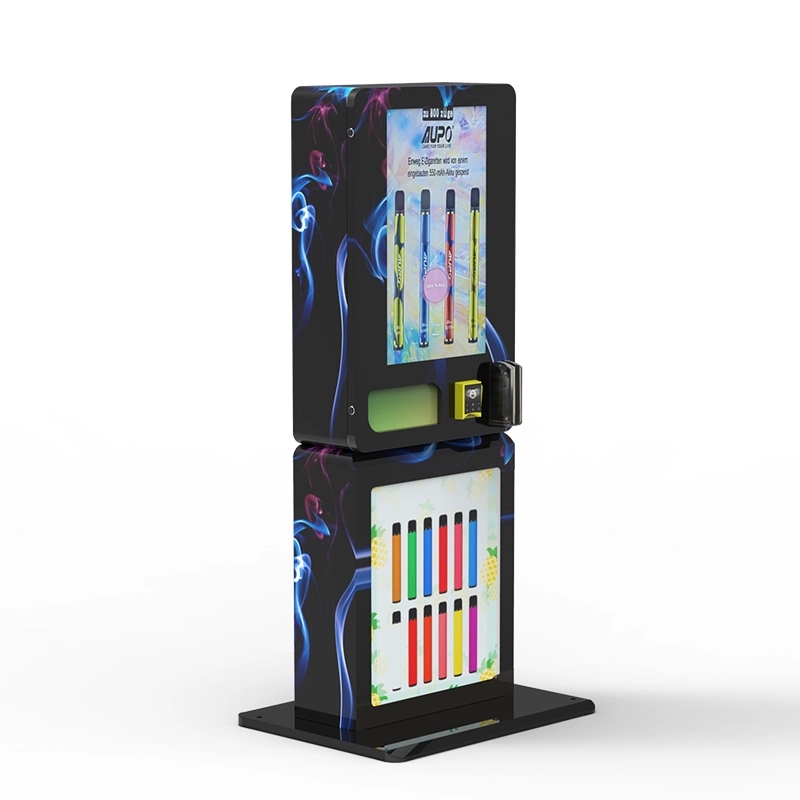
What a Vape Vending Machine Advertising Screen Does
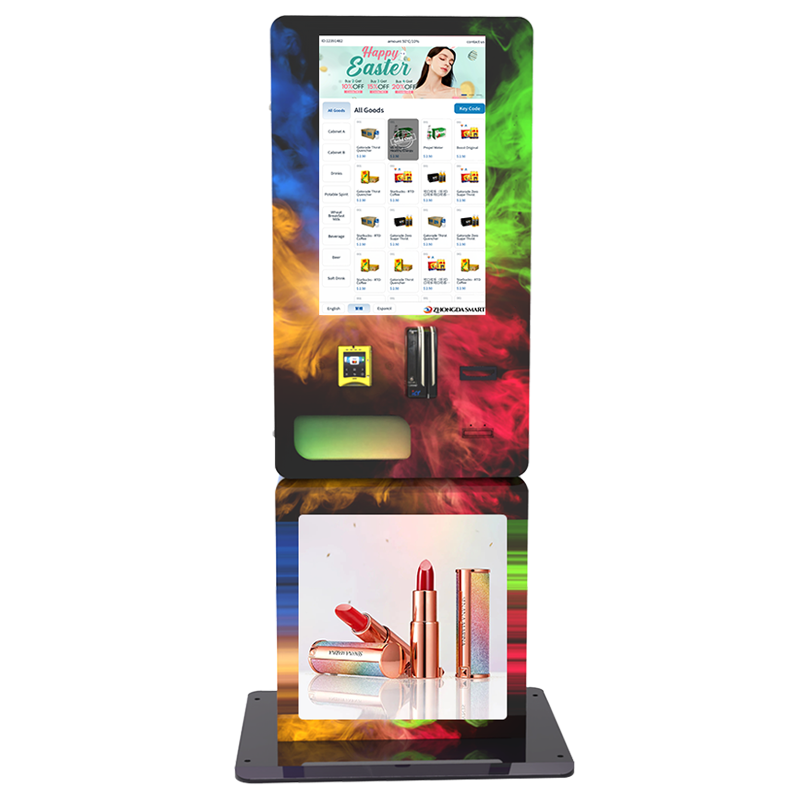
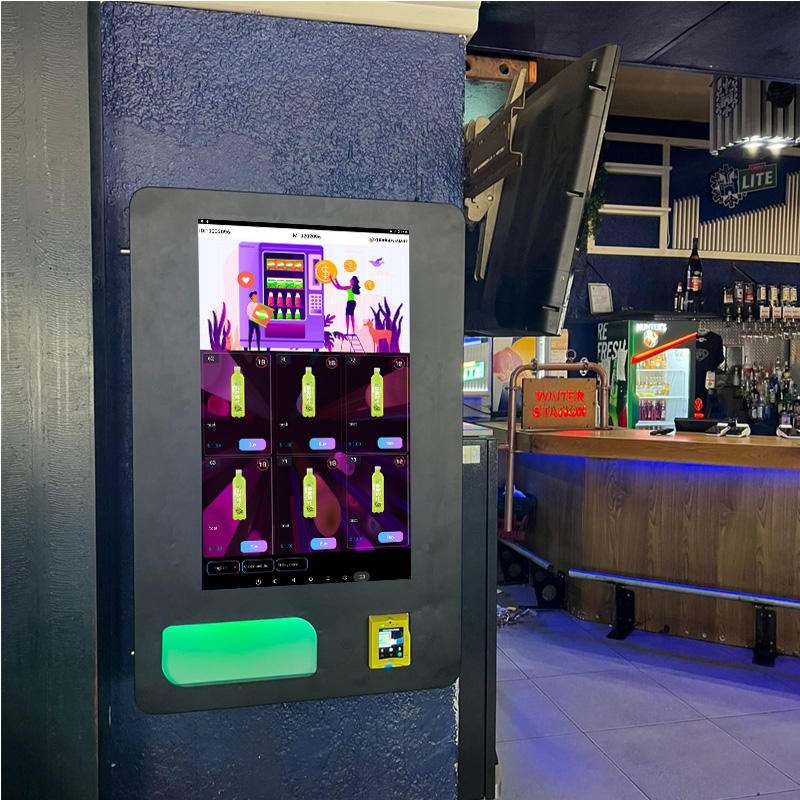
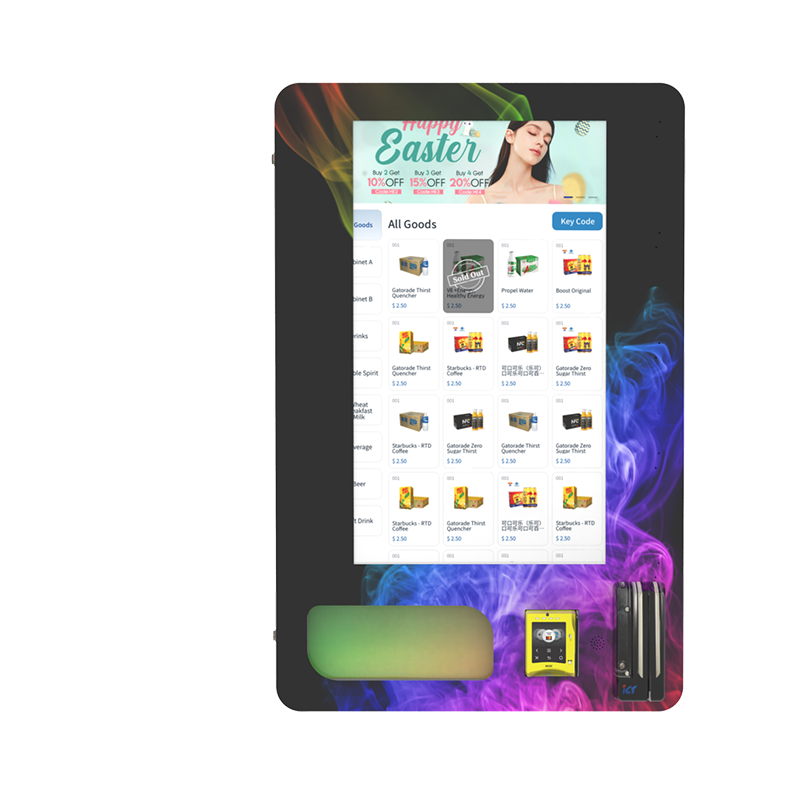
A modern vending screen is more than a product menu. It can present product categories, purchase instructions, age-verification steps, payment guidance, venue information and permitted promotional content from a centrally managed interface. For operators with several machines, remote screen management can also reduce the need to visit every location simply to update images, prices or on-screen instructions.
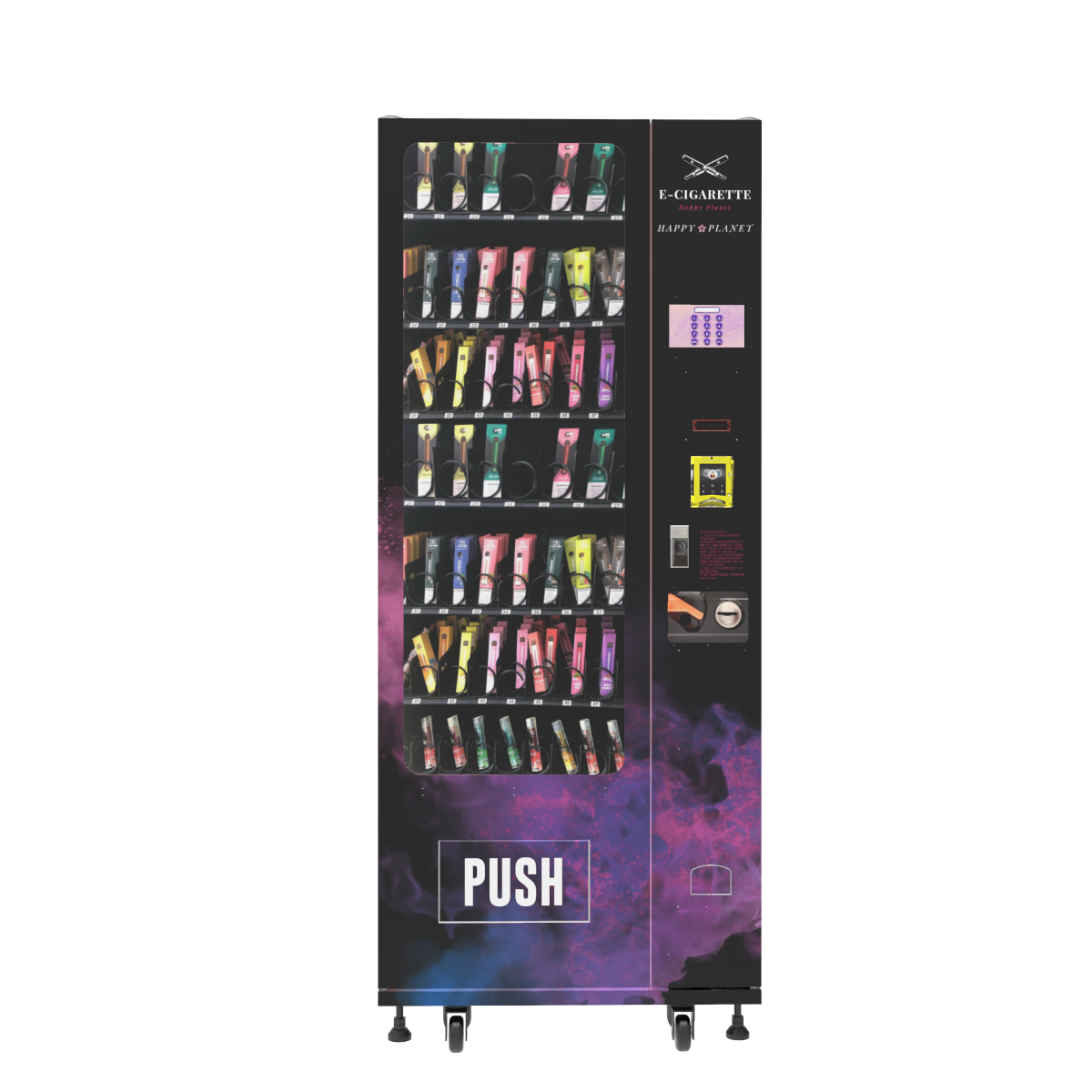
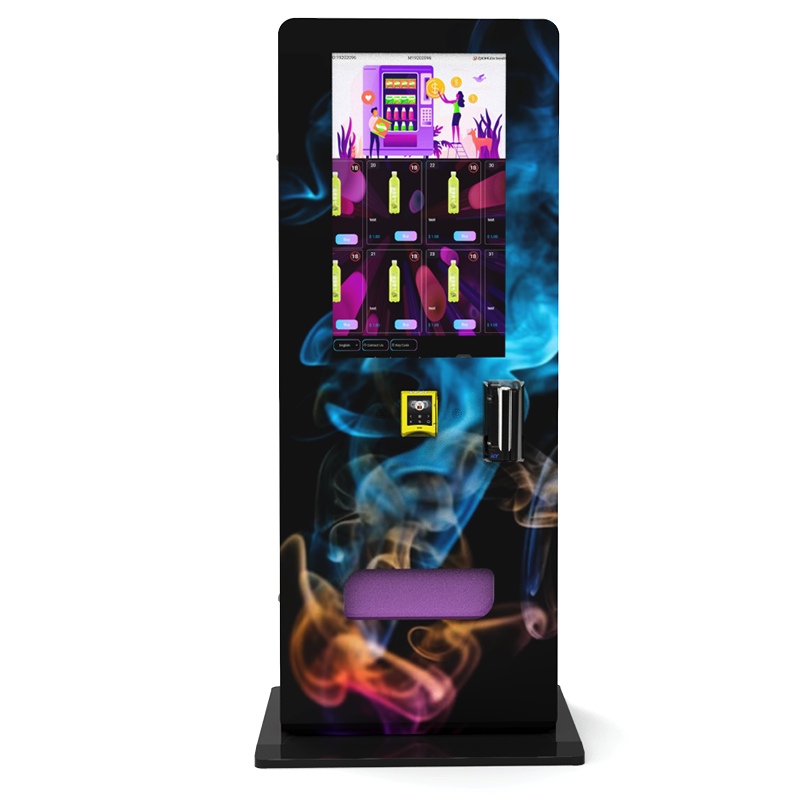
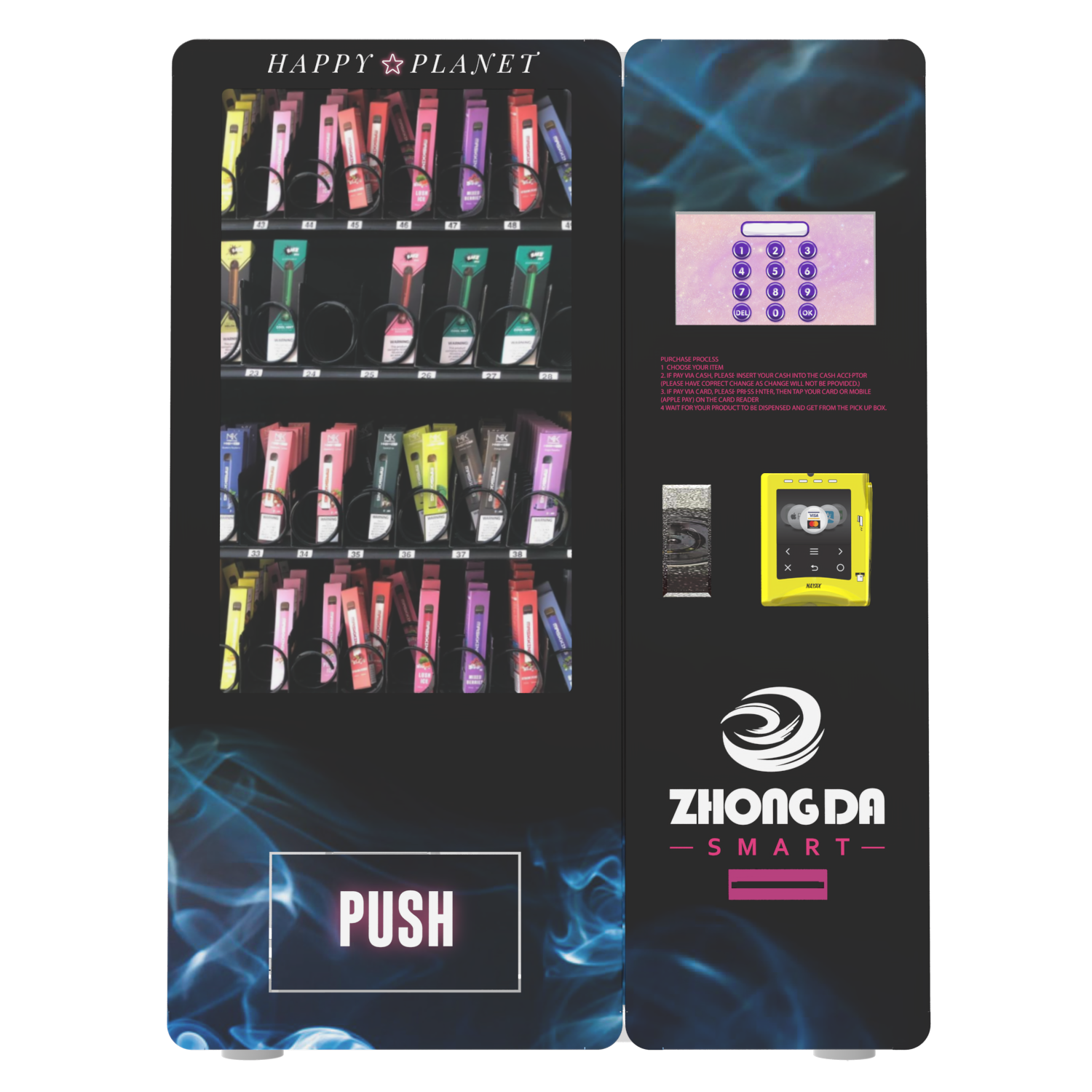
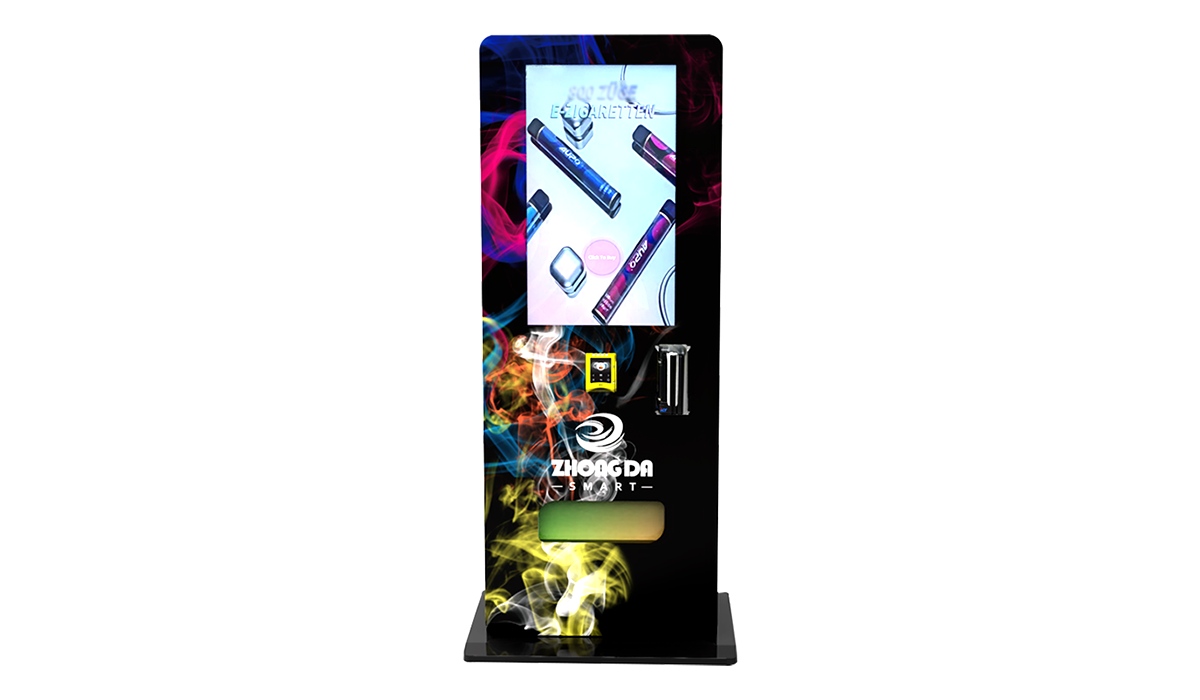
The most useful configuration depends on the location. A compact machine may prioritize a simple product interface, while a larger floor-standing unit may use a bigger display for digital signage and customer guidance. Zhongda Smart offers configurable vape vending machine platforms that can be specified around screen size, product capacity, payment hardware, connectivity and identity-verification requirements.
South Africa Regulatory Note for 2026
Important: age-verification technology does not by itself make a vape vending deployment legal.
As of September 2026, South Africa's Tobacco Products and Electronic Delivery Systems Control Bill [B33-2022] is still being processed by Parliament. The bill proposes, among other measures, prohibiting the sale of tobacco products and electronic delivery systems by vending machines. Buyers should verify the current national and local position before purchasing, importing, installing or operating a machine. The same caution applies to advertising content shown on the screen.
For that reason, a South Africa purchasing decision should focus on hardware flexibility and regulatory readiness rather than assuming that an ID scanner or camera automatically creates legal permission to sell. Requirements may change, and permitted use can depend on the product, venue and final legislation.
Key Features to Compare Before Buying
1. Commercial-Grade Digital Display
A vending display should be designed for extended daily operation and remain readable under the lighting conditions of the intended venue. Screen size, brightness, viewing angle and touch responsiveness matter more than decorative specifications. For digital retail, Full HD resolution is normally sufficient for menus, instructions and short-form media, while larger displays can provide more room for category navigation and venue messaging.
2. Remote Content Management
A remote content management system can make a multi-machine network easier to operate. Useful functions include uploading images or videos, changing screen layouts, scheduling content, updating prices and publishing the same interface to several machines. Buyers should also ask how the machine connects to the management platform and what happens when the network connection is interrupted.
3. Age-Verification Options
Depending on the configuration, age-control hardware can include an ID reader, camera-based identity checks or other verification modules. The purpose of these systems is to support an operator's age-control workflow before dispensing is enabled. They should be evaluated together with local legal requirements, privacy obligations and data-retention policies.
Zhongda Smart also provides an ID scan vending machine configuration for buyers who need identity verification integrated into the vending workflow. The exact verification process should be confirmed for the target market before ordering.
4. Cashless Payment and Transaction Control
Digital retail locations increasingly depend on card and mobile payment. When comparing hardware, check payment-terminal compatibility, supported protocols, local acquiring requirements and whether the machine can confirm a successful dispense before completing the transaction. Payment support can vary by country and payment provider, so this should be verified during configuration rather than assumed from a generic specification sheet.
5. Remote Monitoring and Inventory Visibility
Remote inventory and machine-status data can help operators identify low stock, failed dispensing, connectivity issues and service requirements. For a network of machines, this is usually more valuable than an oversized screen because it directly affects uptime and restocking efficiency.
Digital Screen Use Cases in Retail
Where permitted, the display can support several functions without relying on aggressive advertising claims. It can explain how to use the machine, show available categories, display responsible-use or age-restriction notices, highlight venue services, present operator contact details and rotate approved brand or promotional material. This makes the screen useful even when local rules limit nicotine or tobacco advertising.
| Screen Use | Operational Value | What to Check |
|---|---|---|
| Product navigation | Makes product selection easier | Touch response, layout and language options |
| Age-control instructions | Explains the verification process before purchase | Local legal and privacy requirements |
| Venue messaging | Uses the screen when the machine is idle | Content scheduling and remote updates |
| Promotional content | Can support approved campaigns where legally permitted | Advertising restrictions in the target market |
| Support information | Provides refund or service instructions | Operator phone, QR code or service workflow |
Need a Vape Vending Machine Configuration for Your Market?
Tell Zhongda Smart your target country, screen size, product capacity, payment method and age-verification requirements. The team can recommend a machine configuration for your project and provide a factory quotation.
Request a Configuration & QuoteChoosing a Screen Size and Machine Format
There is no single screen size that is right for every installation. The best format depends on viewing distance, cabinet size, product capacity and the role of the screen. A compact wall-mounted vending machine may use a smaller interface because customers stand close to the unit. A full-size machine can support a larger display that remains visible from farther away.
| Machine Format | Typical Screen Role | Best Fit |
|---|---|---|
| Compact / wall-mounted | Product selection and transaction guidance | Locations with limited floor space |
| Standard floor-standing | Product interface plus digital signage | Higher-capacity digital retail projects |
| Custom cabinet | Brand-specific interface and tailored workflow | OEM, distributor and multi-location projects |
What to Ask a Manufacturer Before Ordering
Instead of comparing machines only by purchase price, ask for a complete configuration sheet. This makes quotations easier to compare and reduces surprises during installation.
Screen: size, resolution, brightness, touch capability and expected duty cycle.
CMS: remote publishing, scheduling, user permissions and offline behavior.
Age verification: available ID-reading or camera modules and supported markets.
Payment: terminal interface, local payment-provider compatibility and cashless options.
Dispensing: product dimensions, tray or spiral configuration and delivery detection.
Connectivity: Ethernet, Wi-Fi, cellular options and remote monitoring.
Power: voltage, plug type and installation requirements for the destination country.
Branding: cabinet graphics, screen interface and other OEM requirements.
Support: spare parts, remote diagnostics, software updates and warranty terms.
Shipping: packing method, dimensions, weight, lead time and destination port.
Zhongda Smart Vending Platform: What Buyers Can Configure
Zhongda Smart is a vending machine manufacturer offering configurable systems for unattended retail. For vape-related projects, available configurations can combine a digital display with vending hardware, cashless payment interfaces, remote management and optional identity-verification modules. Final specifications depend on the model, destination market and buyer requirements.
| Brand | Zhongda Smart |
|---|---|
| Product Category | Commercial vending machines and configurable unattended retail systems |
| Vape Vending Options | Digital screen, configurable dispensing layout, payment interface, remote management and optional ID-verification hardware |
| Typical Buyers | Vending operators, distributors, retailers and OEM project buyers, subject to local law |
| Product Information | Zhongda Smart Vape Vending Machines |
| Project Contact | Contact Zhongda Smart |
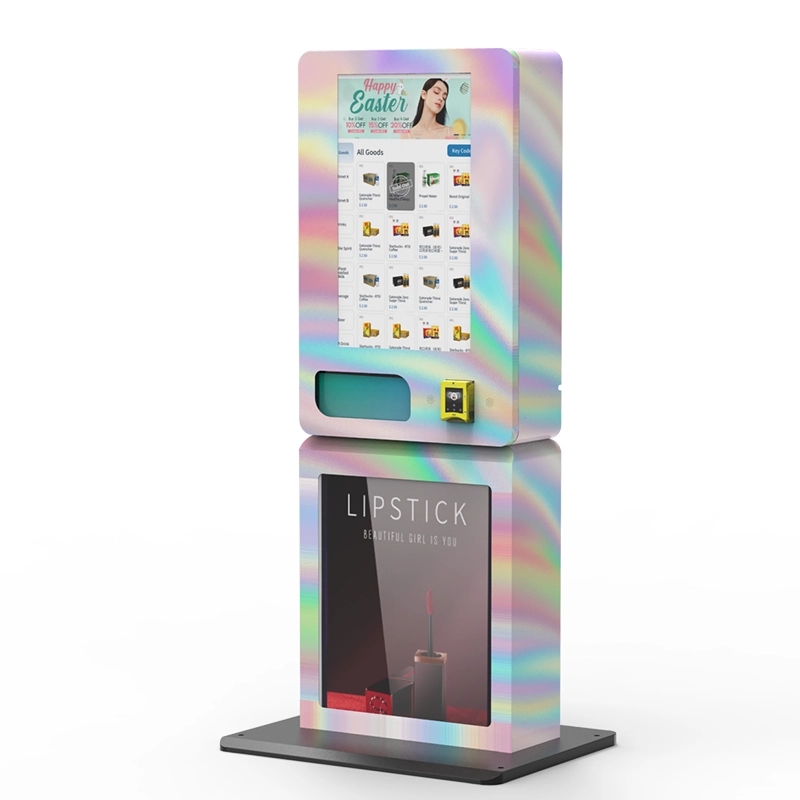
Planning a South Africa Digital Retail Project
A practical project brief should separate the hardware requirement from the legal deployment decision. The manufacturer can help configure the cabinet, display, payment interface, dispensing system and optional age-control hardware. The local operator or importer should confirm whether the intended product can legally be sold through a vending machine and whether the planned screen content is permitted.
This distinction is particularly important in South Africa in 2026 because the proposed Tobacco Products and Electronic Delivery Systems Control Bill is still moving through the legislative process. A machine that is technically capable of verifying age may still be unsuitable for a local vape-sales deployment if the final law prohibits that sales channel.
Frequently Asked Questions
Are vape vending machines legal in South Africa in 2026?
The regulatory position is evolving. As of September 2026, Parliament is still processing the Tobacco Products and Electronic Delivery Systems Control Bill [B33-2022], which proposes prohibiting sales of tobacco products and electronic delivery systems through vending machines. Confirm the latest law and implementation status before deployment.
Does age verification make a vape vending machine legal?
No. Age verification can support an age-control process, but it does not override a law that restricts or prohibits a sales channel. Legal eligibility and technical verification are separate questions.
What can the advertising screen be used for?
The screen can handle product navigation, operating instructions, age-verification prompts, payment guidance, venue information and other permitted digital content. Promotional use should be reviewed against the advertising rules that apply in the target country.
Can the screen content be updated remotely?
Remote content management is available on suitable configurations. Buyers should confirm the CMS functions, connectivity method and any software-service requirements when requesting a quotation.
What information should I send Zhongda Smart for a quotation?
Provide the destination country, intended use, preferred machine format, approximate product dimensions and capacity, screen requirements, payment method, connectivity, age-verification needs and branding requirements. This gives the factory enough information to recommend a more accurate configuration.
Can Zhongda Smart customize the machine for an OEM or distributor project?
Zhongda Smart supports configurable vending projects. The available level of customization depends on the machine platform, order specification and required hardware or software integration. Contact the factory with a project brief for confirmation.
Get a Machine Specification for Your Project
Send your required screen size, capacity, payment system, verification method and destination market to Zhongda Smart. You will receive a configuration recommendation based on your project requirements.
Contact Zhongda SmartFactory configuration, quotation and project discussion
Sources and Update Note
Regulatory status checked in September 2026. For the latest South African legislative status, see the official Parliament of South Africa bill page and related committee updates. This article is general product and market information, not legal advice.