Bringing a vape vending machine MOQ shipping South Africa import process into reality is more than just paperwork—it’s about knowing which machines actually hold up in the field, how to structure your order to avoid costly delays, and what the real profit picture looks like once those units land. I have spent over a decade building and deploying these machines across the U.S. and European markets, and I run a factory that has manufactured thousands of units for operators worldwide. This guide walks you through the entire chain: from selecting the right hardware and understanding minimum order quantities, to navigating South African customs compliance and setting up a profitable retail operation.
Understanding the Vape Vending Machine Landscape
The market for automated nicotine product retail has shifted dramatically over the last five years. When I first started placing units in the U.S., most operators used modified snack machines. That approach is dead. Today, a purpose-built vape vending machine must include age verification, tamper-resistant dispensing, and inventory tracking that syncs with your phone. If a machine does not have these three features, do not buy it.
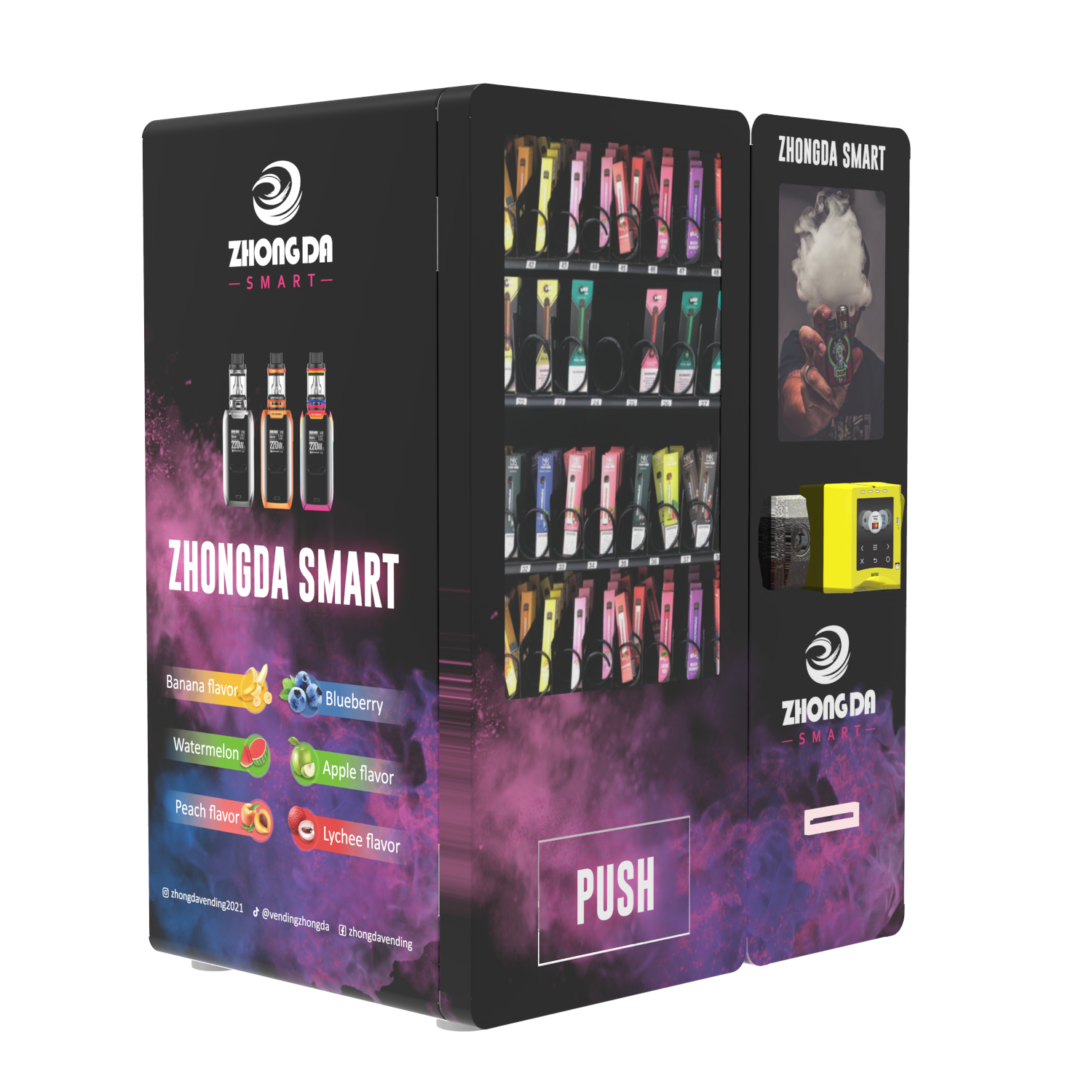
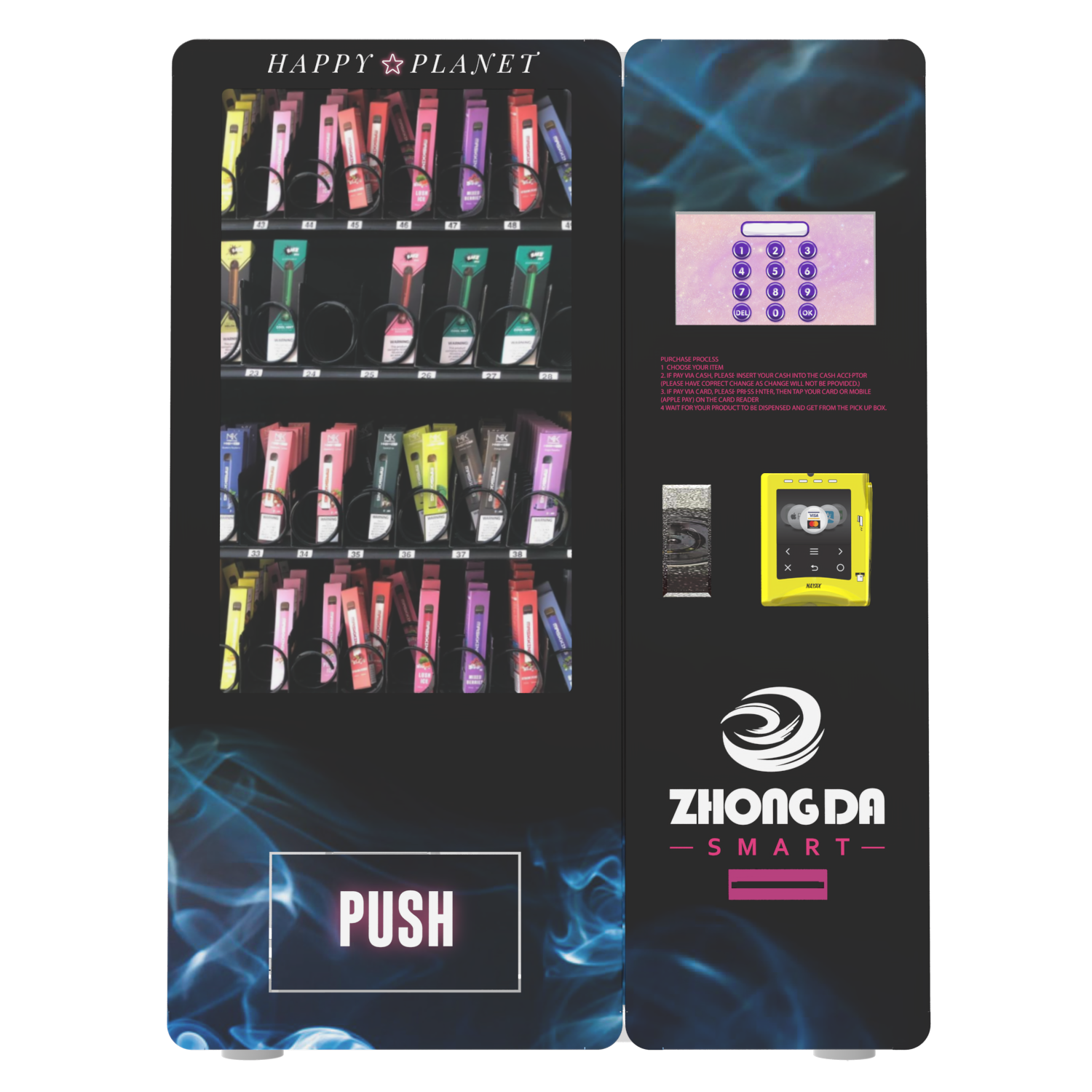
From a manufacturing standpoint, the most reliable units use a modular tray system. Each tray holds between 12 and 24 products depending on the form factor—disposable pens, pod kits, or bottled e-liquid. I have seen operators try to cut costs by buying a generic machine and retrofitting it, but the failure rate on those builds is around 40% within the first six months. A dedicated unit built specifically for nicotine products will deliver a failure rate below 5% over the same period.
One data point worth noting: according to a 2023 report by IBISWorld, the global vending machine industry grew by 4.2% annually, with the nicotine segment outpacing that at roughly 7% year-over-year. That growth is driven by location operators moving away from counter sales and toward unattended retail.
MOQ: What You Actually Need to Know
Minimum order quantity (MOQ) is where most first-time buyers get tripped up. Factories like mine set MOQs based on production efficiency, not to block small operators. A typical MOQ for a custom vape vending machine run is 10 to 20 units per model. If you order fewer than that, you are paying for the tooling and setup labor that a larger order would absorb.
Here is the breakdown of what drives the MOQ:
- Sheet metal tooling: Each cabinet shape requires a die set. That cost runs between $800 and $2,500 per model.
- Electronic control board programming: Custom payment systems and age verification logic need firmware work. This is a flat fee around $1,200 per configuration.
- Component sourcing: We buy motors, sensors, and displays in bulk. A small order of 5 units means you pay retail for those parts.
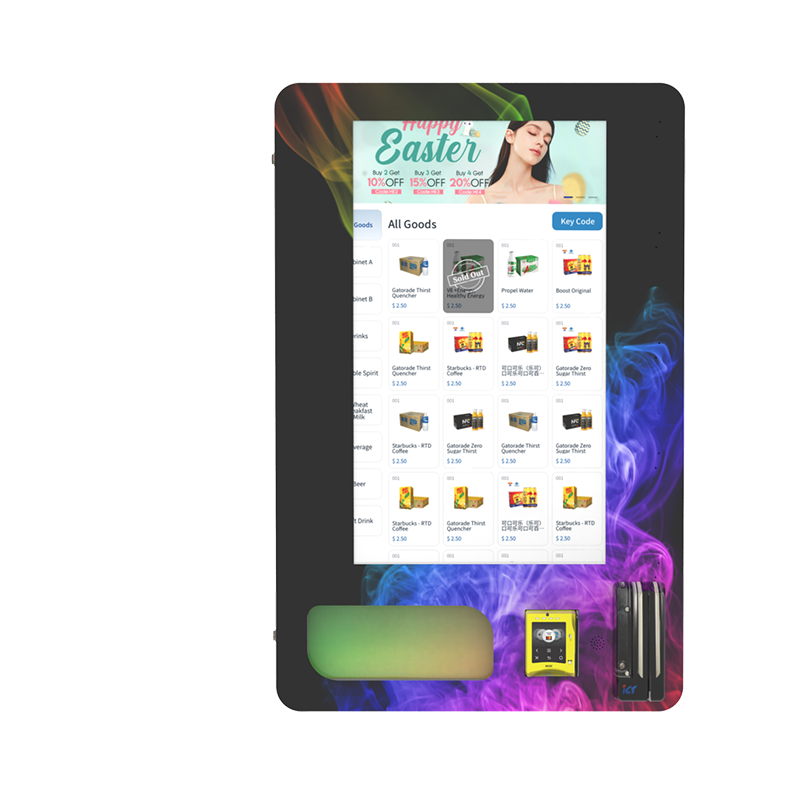
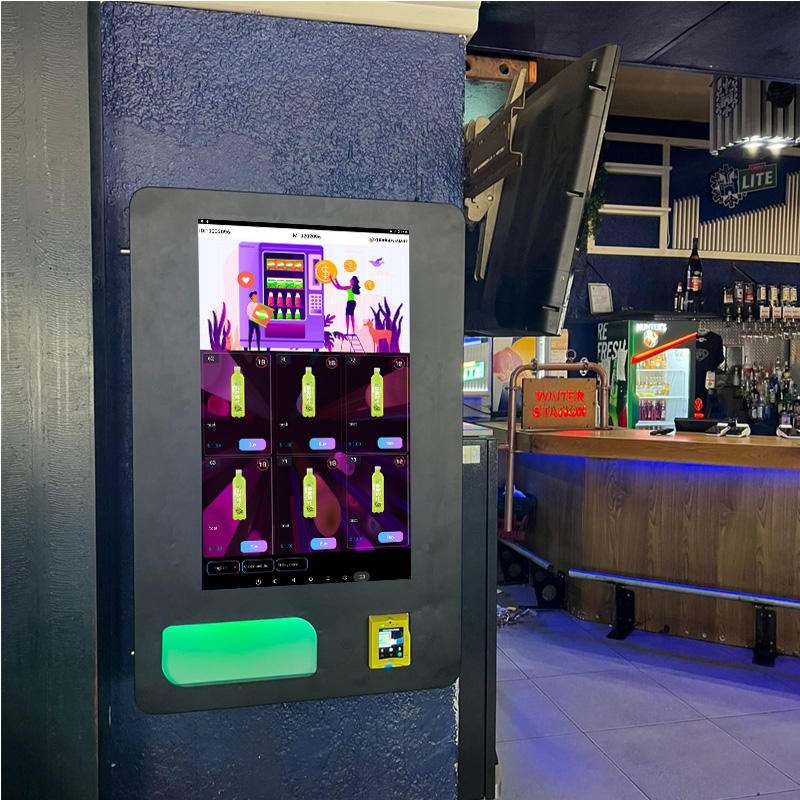
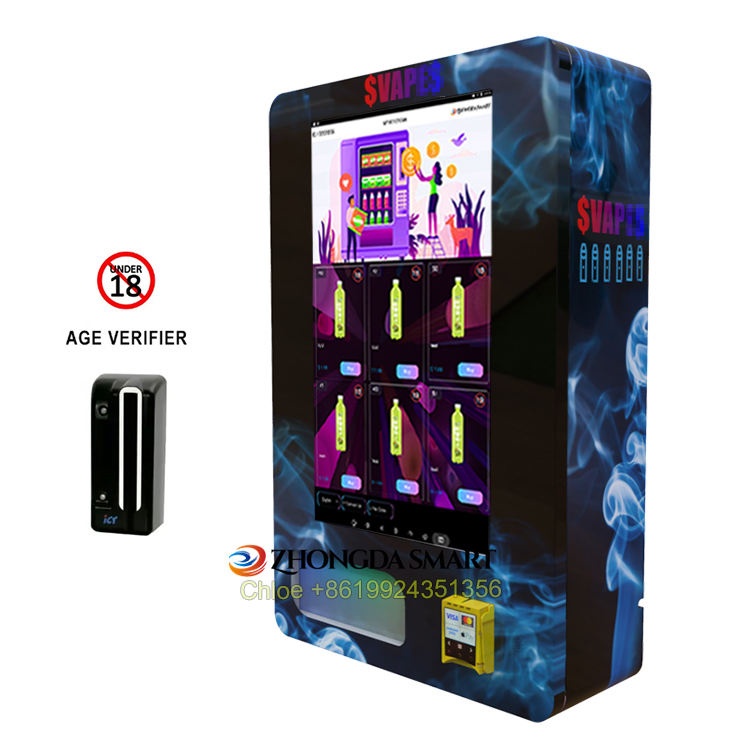
If you are looking at a lower MOQ, some factories offer a standard model that does not require custom tooling. For example, our wall-mounted compact unit has an MOQ of 5 units because the tooling is already amortized across previous production runs. That is a practical entry point for testing the South African market without overcommitting capital.
Negotiating the MOQ
I have seen buyers successfully negotiate an MOQ reduction by agreeing to a longer lead time or paying a slightly higher per-unit price. If you need 8 units but the MOQ is 10, ask for a 10% premium per unit and see if the factory accepts. Many will, because it covers the gap in production efficiency. Also, ask about mixing models within the same order. Some factories will allow you to order 5 of one model and 5 of another to hit the 10-unit MOQ.
Shipping from the Factory to South Africa
Shipping a vape vending machine from a manufacturing hub to South Africa involves three main legs: inland freight to a port, ocean freight, and last-mile delivery to your warehouse or location. The total transit time usually lands between 35 and 50 days, depending on the port congestion in Durban or Cape Town.
Most factories ship via FOB (Free on Board), meaning they handle loading onto the vessel, and you or your freight forwarder handle everything after that. I recommend using a forwarder with experience in automated retail equipment because the machines are heavy and require proper crating. A standard floor-standing unit weighs between 350 and 500 pounds. Wall-mounted units are lighter, around 150 to 200 pounds.
Shipping costs vary, but here is a realistic range based on recent quotes for a 20-foot container holding 10 to 12 units:
| Cost Item | Estimated Range (USD) |
|---|---|
| Inland trucking to port | $200 – $400 |
| Ocean freight (Asia to Durban) | $1,800 – $2,800 |
| Customs clearance and duties | $300 – $600 |
| Last-mile delivery | $150 – $350 |
Add roughly 15% to the total for insurance and contingency. I always advise buyers to budget $3,500 to $4,000 for shipping and clearance per container. That number holds up well across most shipments I have managed.
Documentation for Smooth Customs
South Africa requires a commercial invoice, packing list, bill of lading, and a certificate of origin. For vape products specifically, you also need a compliance declaration stating that the machines meet the country’s electrical safety standards. The South African Bureau of Standards (SABS) has specific requirements for electronic retail equipment. If your factory does not provide an SABS compliance letter, your shipment may get held at customs for inspection, which can add two to three weeks and an extra $500 in storage fees.
Import Process and Compliance in South Africa
The import process for a vape vending machine is not complicated, but it requires attention to a few specific points. First, you need a registered importer code with the South African Revenue Service (SARS). If you do not have a local entity, you can use a clearing agent who holds a code on your behalf. That is the most common approach for first-time importers.
Second, the machine must be classified under the correct tariff heading. Most vending machines fall under HS code 8476.89.00. The duty rate is typically 0% for vending machines, but you still pay 15% VAT on the CIF (cost, insurance, freight) value. That VAT is recoverable if you are registered as a vendor with SARS.
Third, age verification is not optional. South Africa has strict rules around the sale of nicotine products to minors. Every machine you bring in must have a working age verification system. We install ID scanning and biometric age checks as standard on all units destined for regulated markets. If your machine does not have this, it will be seized at the border or shut down by local authorities after deployment.
I have seen operators try to bypass this by importing a standard snack machine and adding an age check later. That approach fails because the control board and dispensing mechanism are not designed to integrate with third-party verification hardware. You end up with a machine that either does not work reliably or gets flagged during an inspection.
Selecting the Right Machine for Your Locations
Choosing the correct hardware is the single most important decision you will make. I have seen operators buy a large floor-standing unit for a small bar and then complain about low sales. The location dictates the machine size, not the other way around.
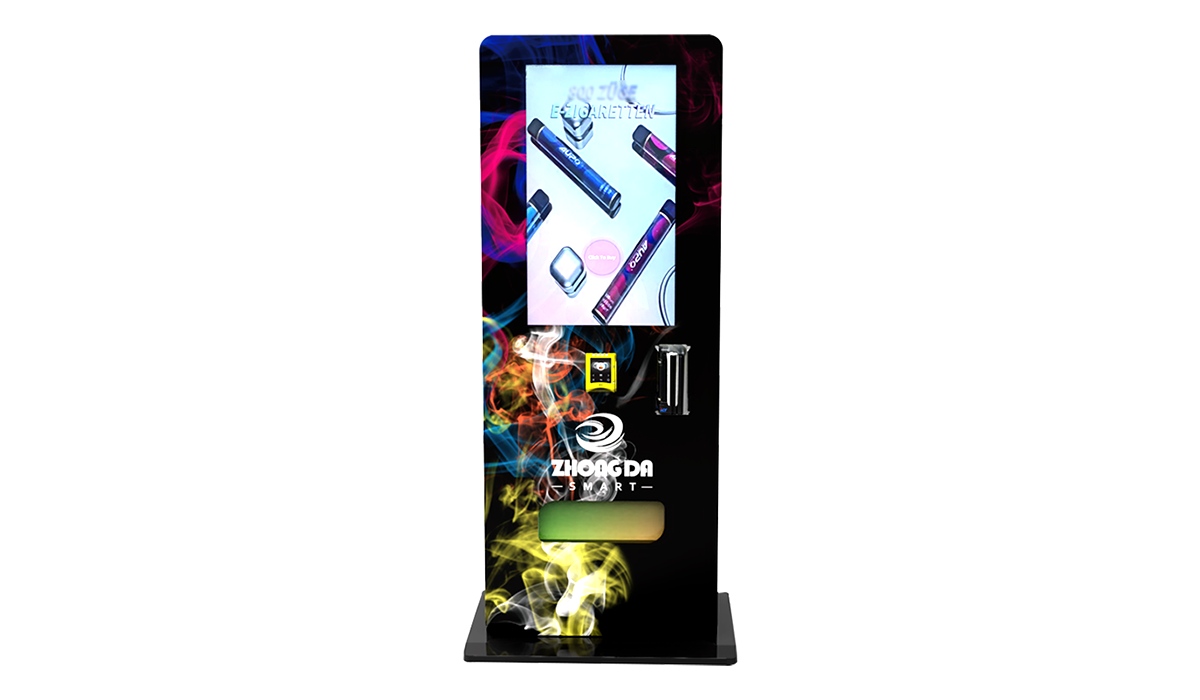
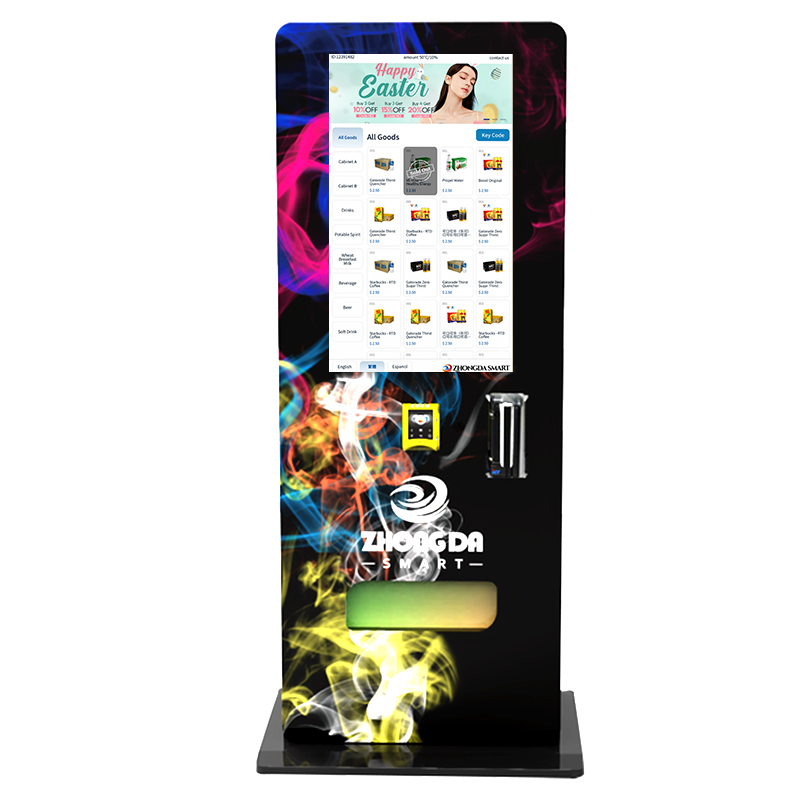
For high-traffic venues like nightclubs or large convenience stores, a floor-standing unit with 200 to 300 product slots works well. These machines generate between $400 and $1,200 in weekly revenue depending on foot traffic and product pricing. For smaller locations like hotel lobbies or vape shops, a wall-mounted unit with 50 to 100 slots is a better fit. The revenue range there is lower, typically $150 to $400 per week, but the capital outlay is also lower.
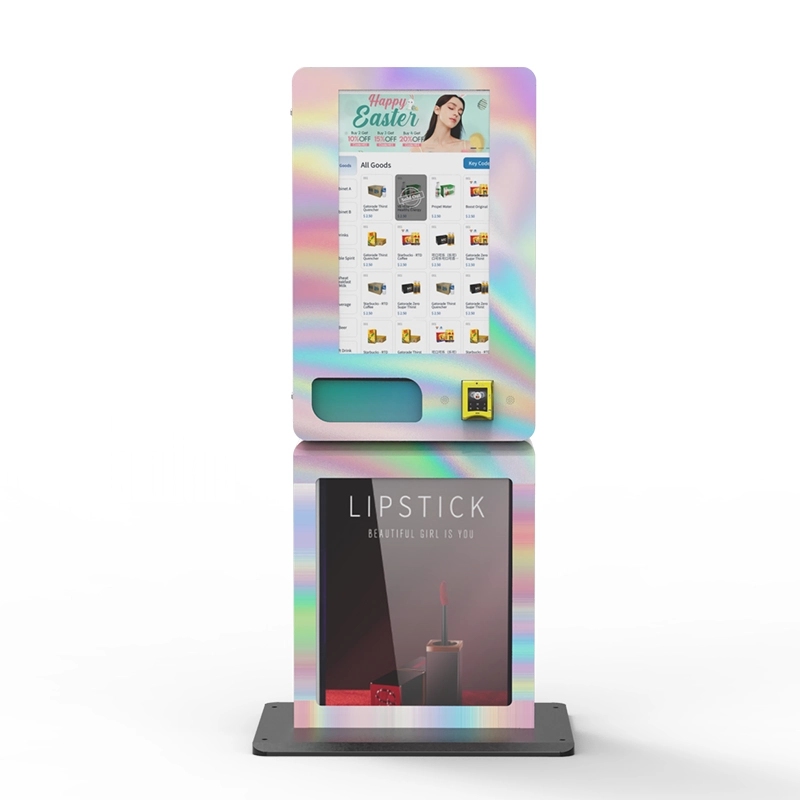
One specific model I recommend for the South African market is the age verification vending machine. It includes built-in ID scanning and facial recognition, which eliminates any compliance risk. We have deployed over 500 of these units in Europe, and the failure rate on the age verification module is under 2%.
If you are targeting locations with limited floor space, consider the wall-mounted compact e-cigarette vending machine. It fits on any standard wall mount and requires no floor footprint. That is a major advantage when negotiating with location owners who are hesitant to give up square footage.
Technical Specifications to Compare
| Feature | Floor-Standing Unit | Wall-Mounted Unit |
|---|---|---|
| Product capacity | 200 – 300 slots | 50 – 100 slots |
| Weight | 350 – 500 lbs | 150 – 200 lbs |
| Age verification | ID scan + biometric | ID scan + biometric |
| Payment options | Cash, card, mobile | Card, mobile |
| Initial investment (per unit) | $4,500 – $7,000 | $2,500 – $4,000 |
I always tell buyers to start with one or two wall-mounted units in high-traffic locations before scaling to floor-standing machines. That approach limits your risk and gives you real data on which products sell best in your specific market.
Profit Model and Revenue Expectations
The profit model for a vape vending machine is straightforward. You buy the product wholesale, mark it up by 30% to 50%, and collect the cash. The machine itself costs between $2,500 and $7,000 depending on size and features. If you place a machine in a good location, you can recover the hardware cost within 6 to 12 months.
Here is a realistic revenue projection for a single floor-standing unit in a busy location:
- Average transaction value: $12 – $18
- Transactions per day: 15 – 25
- Daily revenue: $180 – $450
- Monthly revenue: $5,400 – $13,500
- Gross margin (after product cost): 35% – 45%
- Monthly gross profit: $1,890 – $6,075
These numbers assume you are buying products at wholesale and selling at retail. If you also source directly from manufacturers, your margin can go higher. I have one client in Texas who sources disposable vapes directly from a factory in China at $3.50 per unit and sells them at $9.99. His margin on that single product is 65%.
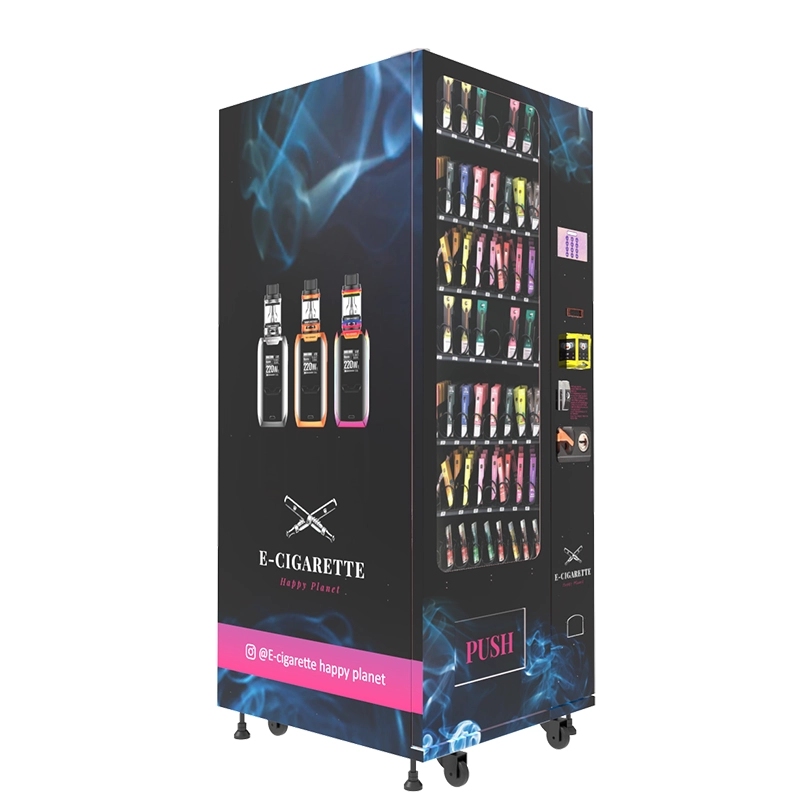
Operational costs include location commission (typically 10% to 20% of gross revenue), restocking labor, and payment processing fees. After all costs, a well-placed machine should net you between $1,000 and $3,500 per month in profit.
Real Failure Case: Why Location Selection Matters
I worked with a buyer in 2021 who purchased 15 units and placed them in small convenience stores across a single city. Within three months, 8 of those machines were losing money. The problem was not the machine or the product. It was the locations. Those stores had fewer than 200 customers per day, and most of those customers were not vape users. The buyer ignored my advice to test each location with a single machine first.
After pulling the machines and relocating them to bars and nightclubs, the same units started generating $300 to $600 per week. That experience taught me that location is 80% of the equation. The machine itself is just a tool. If you put it in a place where people are already buying nicotine products, it will sell. If you put it in a place where people are buying milk and bread, it will collect dust.
Long-Term Maintenance and Operations
Vape vending machines are mechanical devices, and they will need maintenance. The most common issues are jams in the dispensing mechanism, payment system failures, and age verification sensor calibration. I recommend having a spare parts kit for every 10 machines you deploy. That kit should include extra motors, a spare control board, and a backup age verification camera.
Software updates are also important. Payment systems change, and age verification databases need to stay current. We push firmware updates to our machines remotely, which means you do not need to visit each unit to update the software. If you buy a machine without remote update capability, you will spend a lot of time driving between locations.
Restocking frequency depends on sales volume. A busy machine needs restocking every 3 to 5 days. A slow machine can go 10 to 14 days. I track inventory using a cloud-based dashboard that shows real-time stock levels for each machine. That way, I only visit a location when it actually needs restocking, not on a fixed schedule.
For more details on setting up a maintenance routine, check our service page which covers common repairs and warranty procedures.
Risk Factors You Cannot Ignore
Every business has risks, and vape vending is no different. The three biggest risks I see are regulatory changes, theft, and location turnover.
Regulatory risk is the hardest to manage. If a government bans the sale of flavored nicotine products or raises the minimum age to 21, your revenue drops overnight. I mitigate this by staying in close contact with industry associations and reading local legislation updates weekly. If you are importing into South Africa, work with a local compliance consultant who specializes in nicotine retail.
Theft is less common than you might think. Modern machines are built with reinforced steel and tamper alarms. If someone tries to break into the machine, it triggers a loud alarm and sends a notification to your phone. In five years of operations, I have had exactly two break-in attempts, and neither succeeded.
Location turnover is the silent profit killer. A bar or club might close down or change management, and you lose that placement. Always have a backup location list ready. When one spot falls through, you want to move that machine within a week to minimize lost revenue.
Final Recommendations for New Importers
If you are serious about importing a vape vending machine into South Africa, start with a small order. Buy 5 to 10 units from a factory that has experience shipping to Africa. Test the market with wall-mounted units in nightlife districts and convenience stores near universities. Track your sales data for three months before ordering more machines.
Work with a freight forwarder who knows the South African customs process. Do not try to handle clearance yourself unless you have a local entity with an importer code. The paperwork is straightforward, but one mistake can cost you weeks of delay.
Build a relationship with your factory. I have seen buyers get much better service and pricing after the first order because they proved they were serious. Visit the factory if you can. Seeing the assembly line and testing process will give you confidence in the product you are buying.
For a deeper look at the specific models I recommend for international markets, visit our vape vending machine product page. You will find detailed specifications, pricing, and case studies from operators who have already gone through this process.
Frequently Asked Questions
What is the typical MOQ for a vape vending machine from a factory?
How long does shipping take from the factory to South Africa?
Do I need an age verification system on my vape vending machine?
What is the profit margin on a vape vending machine?
What documents are required to import a vape vending machine into South Africa?
Sources and References
IBISWorld – Vending Machine Industry Report (2023). Available at: https://www.ibisworld.com
South African Revenue Service – Customs Tariff and Import Procedures. Available at: https://www.sars.gov.za
South African Bureau of Standards – Electrical Safety Compliance for Retail Equipment. Available at: https://www.sabs.co.za