If you have been looking for a way to break into the South African retail market without signing a long lease or hiring a full sales team, a compact vape vending machine South Africa solution might be exactly what you need. I have spent over a decade deploying these units across Europe and the U.S., and I can tell you that the shift toward self-service, age-restricted sales is happening faster than most people expect. Small retail spaces—think barber shops, corner cafes, and electronic repair stores—are now turning into high-margin vape distribution points. The trick is picking the right hardware and understanding the local operational landscape before you commit a single rand.
Why Compact Machines Fit Small Retail Like a Glove
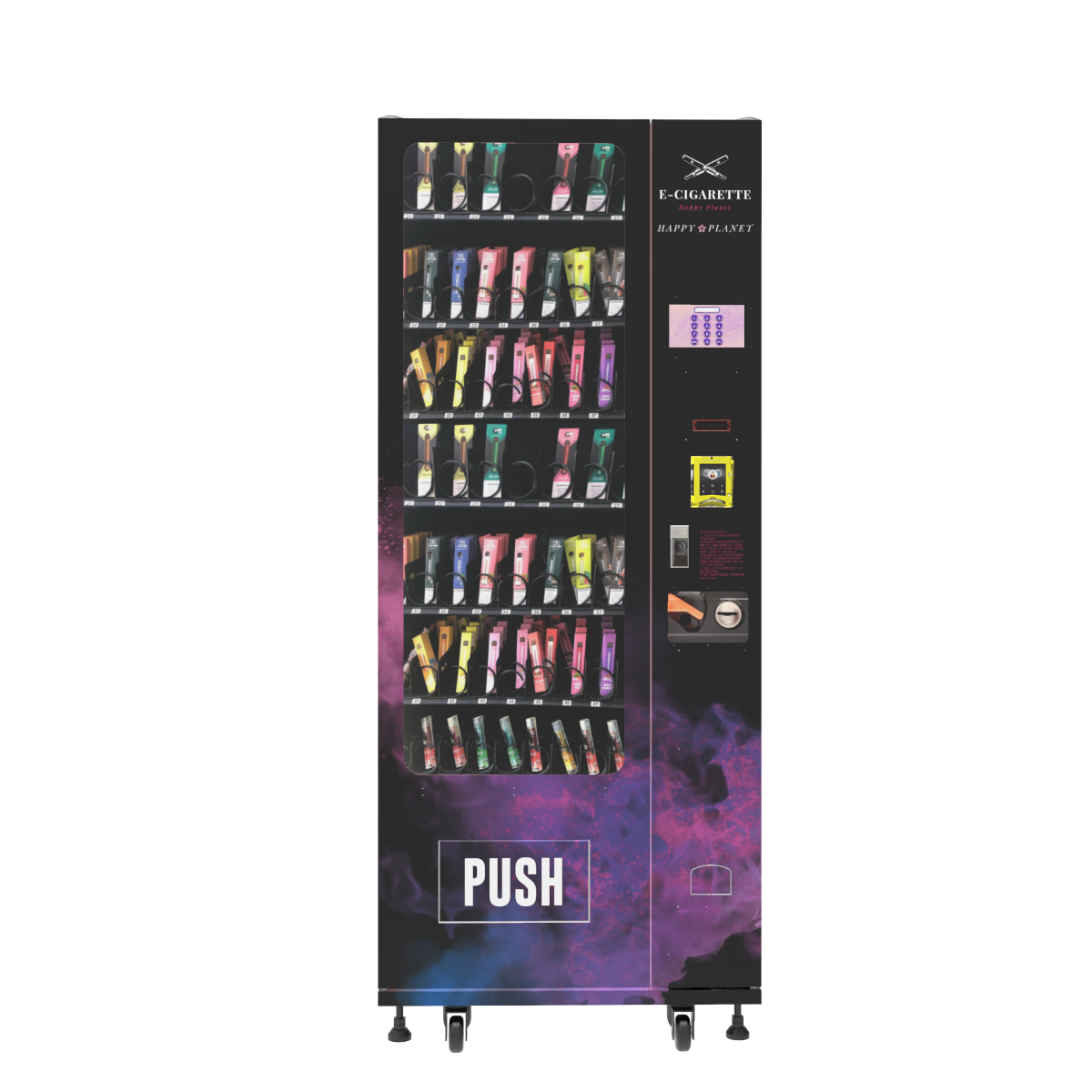
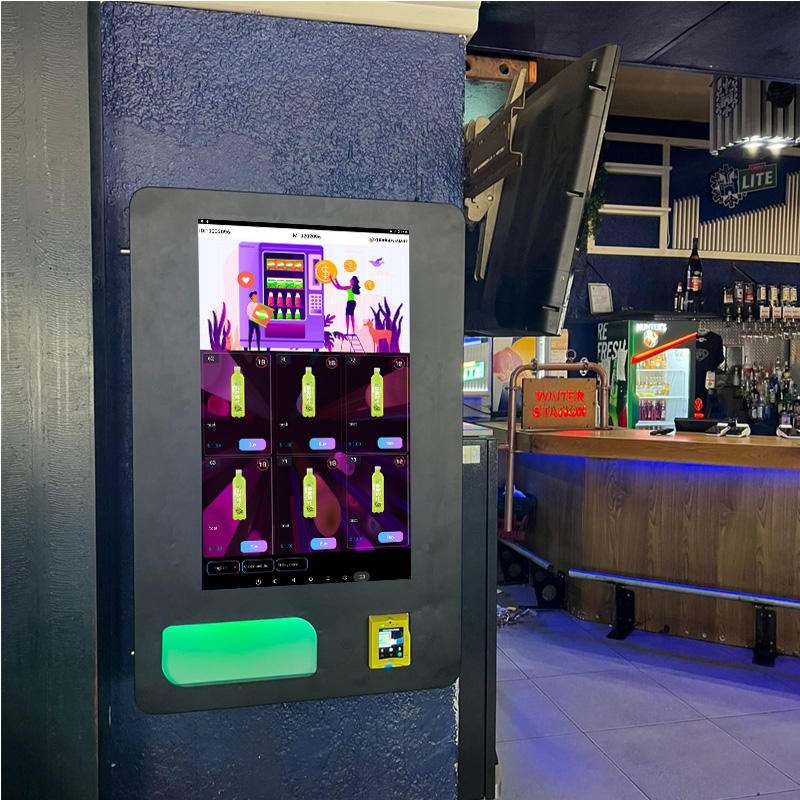
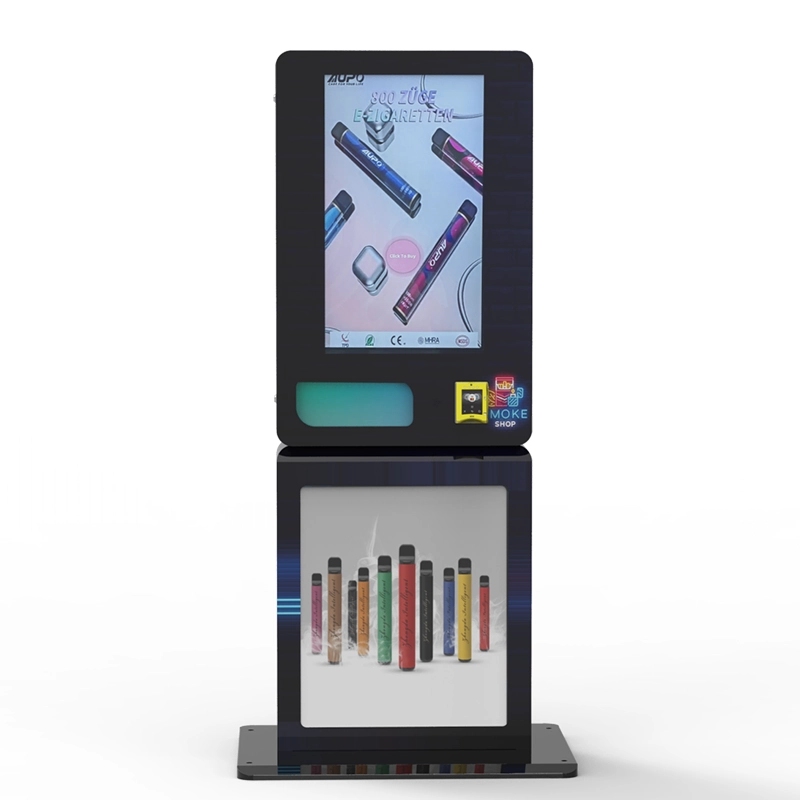
Most people assume that a vending machine needs to be a massive, floor-hogging box. That assumption costs them money. In tight retail spaces, every square meter has to earn its keep. A compact unit, especially a wall-mounted model, turns dead wall space into a revenue stream without blocking foot traffic or requiring a dedicated power drop.
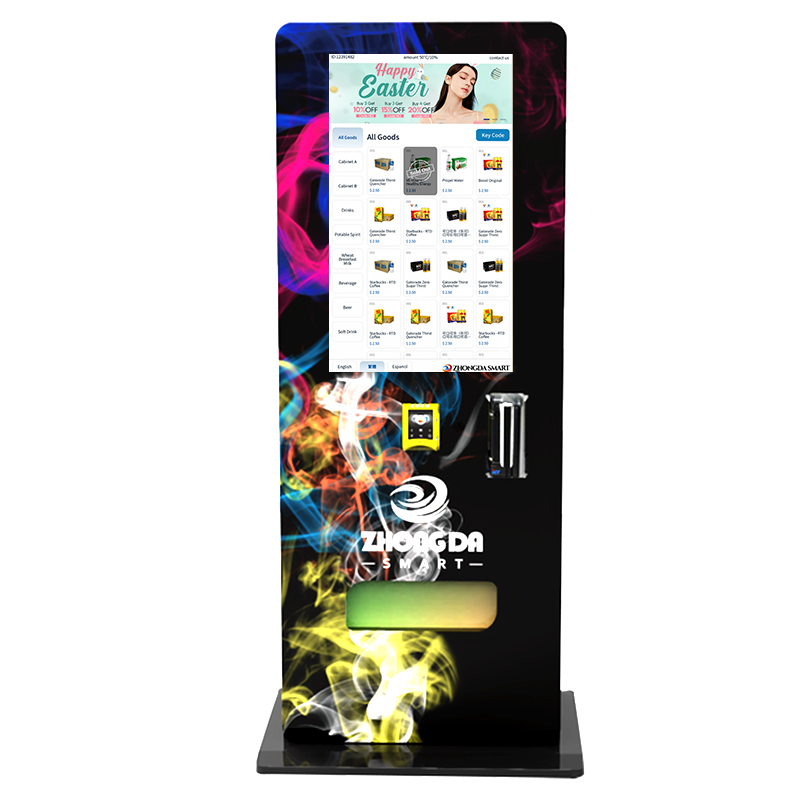
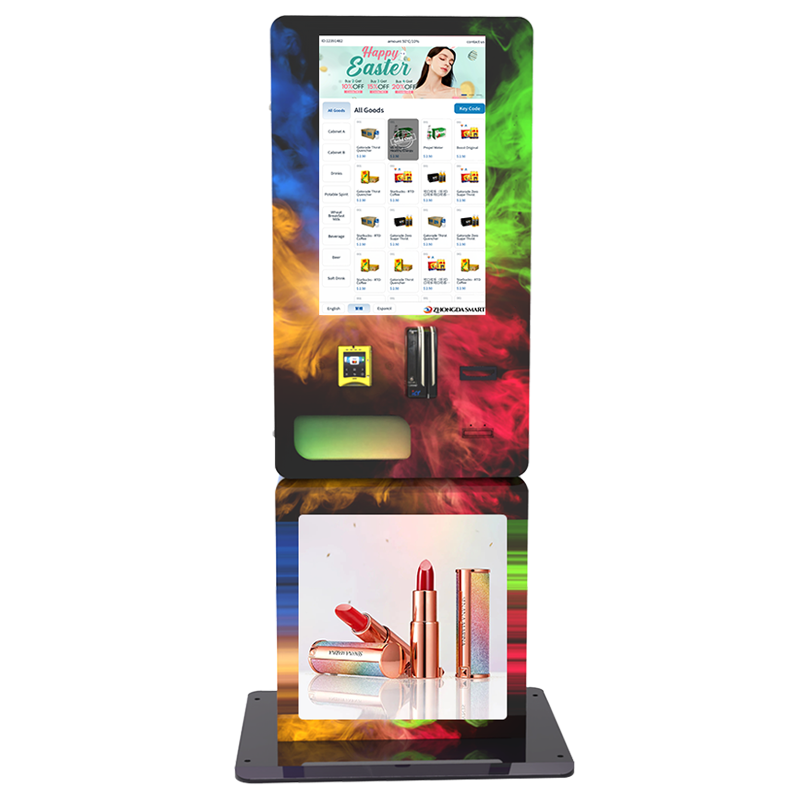
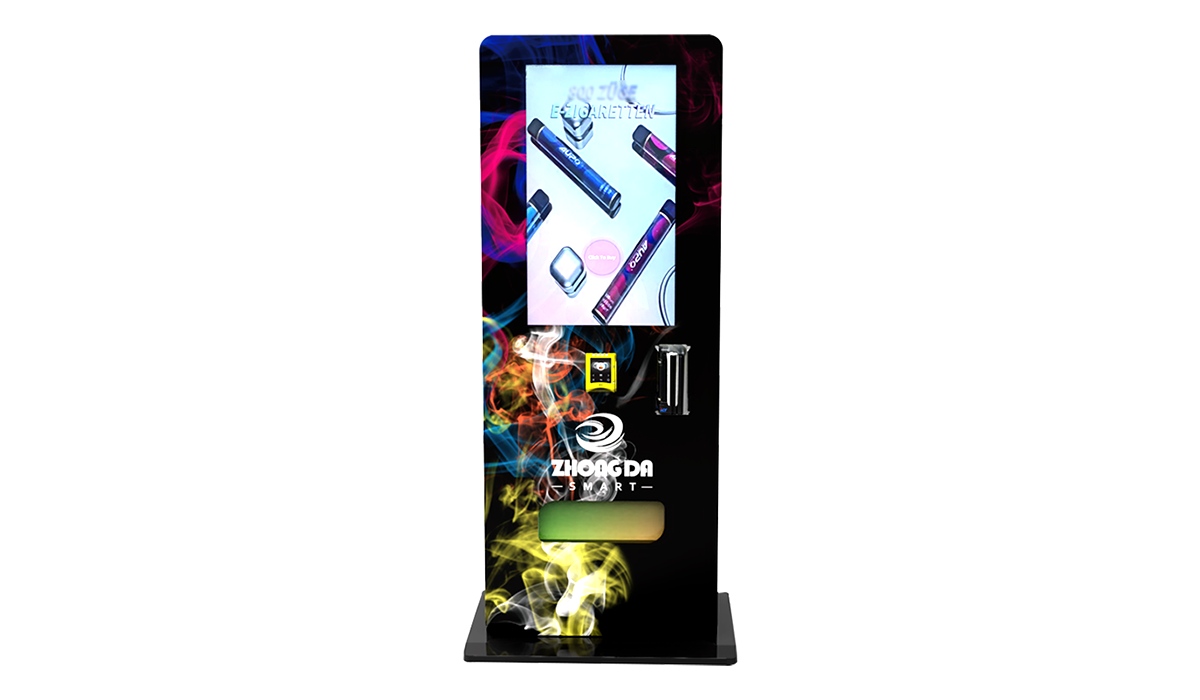
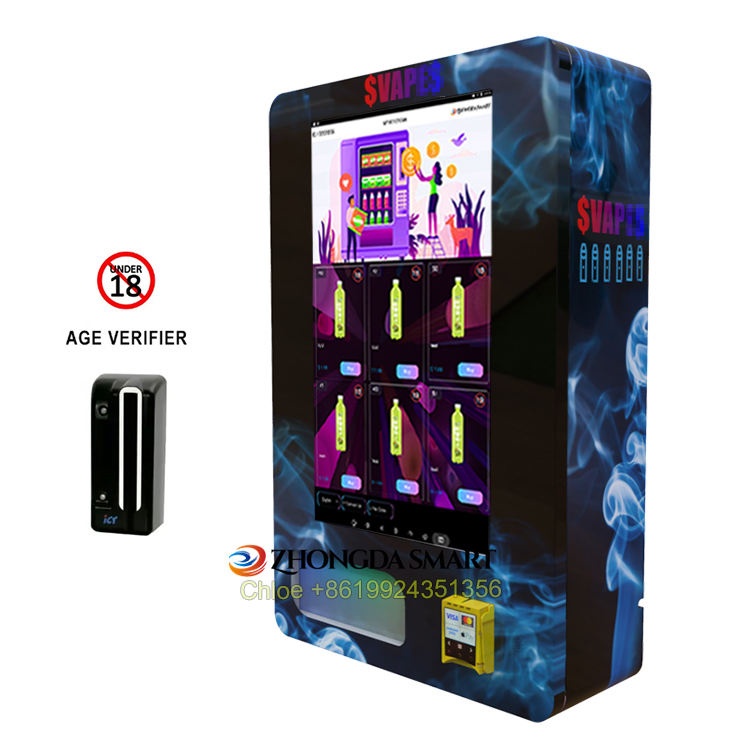
I have placed machines in shops as small as 12 square meters. The key is the footprint. Our wall-mounted units, like the ones we manufacture at Zhongda Smart, are designed to sit flush against a wall. They do not need a base plate or extra clearance on three sides. That alone saves about 0.5 square meters of floor space compared to a traditional floor-standing kiosk.
From a operational standpoint, smaller machines also mean lower inventory holding. You are not tying up cash in 200 units of stock. You are carrying 30 to 50 units, rotating them based on real-time sales data. That is lean retail, and it works especially well in markets where cash flow is king.
The Real Cost of Floor Space vs. Wall Space
Let us run a quick comparison. A typical convenience store in a suburban area might pay rent of around ZAR 500 per square meter per month. A floor-standing vape machine takes up roughly 1.5 square meters, costing you ZAR 750 per month just for the footprint. A wall-mounted compact machine takes up 0.3 square meters of floor projection, costing ZAR 150 per month. Over a year, that difference is ZAR 7,200. That is the cost of a second machine.
I have seen operators use that math to justify placing three compact units in a single store instead of one large kiosk. They spread the risk and capture more foot traffic because the machines are placed near the counter, the waiting area, and the entrance.
Hardware That Handles the Heat and the Dust
South Africa is not a gentle environment for electronics. Dust, humidity spikes, and inconsistent power are real problems. I learned this the hard way during my first deployment in Durban. The machine kept throwing sensor errors because the cooling fan was pulling in fine dust from a construction site next door.
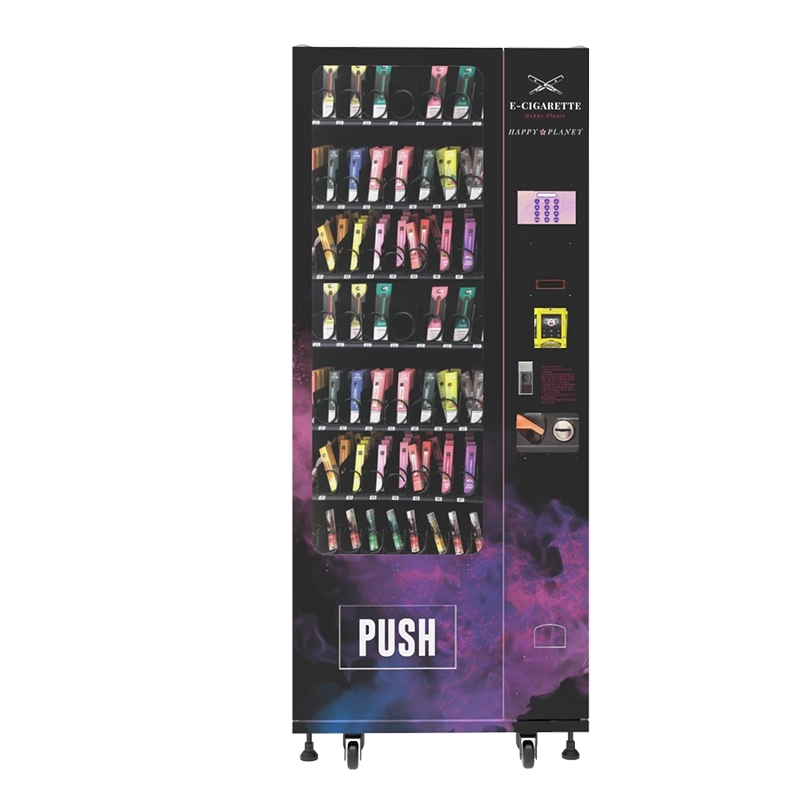
That is why I now insist on units with sealed electronic compartments and industrial-grade ventilation. The machines we build use a gasket-sealed control board housing and a dust filter that can be cleaned without opening the main cabinet. It sounds like a small detail, but it cuts maintenance calls by about 60 percent in dusty environments.
For more technical details on how we handle environmental protection, you can check the design specs on our wall-mounted e-cigarette vending machine page.
Power Stability and Backup Systems
Load shedding is a reality in many parts of South Africa. A vape vending machine that loses power during a sale can lock up the payment system and frustrate the customer. We addressed this by adding a capacitor-based power retention circuit that keeps the control board alive for about 30 seconds after a cut. That is enough time to complete a transaction and save the log.
If you are placing a machine in an area with frequent outages, I strongly recommend pairing the unit with a small UPS (uninterruptible power supply) rated at 500 VA. It will keep the machine running for about 45 minutes during a blackout, which is usually enough to cover the typical load shedding window.
Age Verification Is Not Optional—It Is the Business Model
In Europe, I watched companies get shut down because they relied on honor systems for age checks. South Africa has strict regulations around tobacco and nicotine product sales, and vending machines must have a robust age verification mechanism. This is not a feature you add later. It has to be built into the machine from day one.
The compact machines we deploy use a two-step verification process. First, the customer scans their ID using an optical scanner that reads the machine-readable zone (MRZ). Second, the machine cross-references the birth date against the current date and rejects anyone under 18. The entire process takes about eight seconds.
We also store the verification logs locally and on a cloud server. If a compliance officer shows up, you can produce a report showing every single transaction with the scanned ID image and timestamp. That level of traceability has saved my clients from fines multiple times.
For a deeper look at how this technology works in practice, visit our age verification vending machine page.
Common Mistakes with Age Verification Hardware
The biggest mistake I see is operators buying a machine with a camera-based age estimation system instead of a physical ID scanner. Camera-based systems use AI to guess the age, and they are not legally accepted in most jurisdictions for nicotine sales. You need a scanner that reads the actual encoded data on the ID card. Do not cut corners here. A fine for underage sales can wipe out six months of profit.
Profit Margins and Product Mix Strategy
Let us talk about the numbers that actually matter. A compact machine holds between 30 and 50 products depending on the size of the vape pods or disposables. If you price a disposable vape at ZAR 150 and your cost is ZAR 80, your gross margin is ZAR 70 per unit. If the machine sells 15 units per day, that is ZAR 1,050 in daily gross profit, or roughly ZAR 31,500 per month.
Of course, you need to subtract the commission to the store owner, which typically ranges from 10 to 20 percent of the retail price. Even after that, the net profit per machine can easily exceed ZAR 20,000 per month in a high-traffic location.
Product Mix Table for Optimal Sales
| Product Category | Example Products | Suggested Price Range (ZAR) | Marginal Profit per Unit |
|---|---|---|---|
| Disposable Vapes (600 puffs) | Elf Bar, Geek Bar | 120–150 | 50–70 |
| Disposable Vapes (1500 puffs) | Lost Mary, HQD | 180–220 | 70–90 |
| Pod Systems | Uwell Caliburn, Vaporesso | 250–350 | 80–120 |
| Refill Pods (2-pack) | Caliburn pods, SMOK pods | 80–120 | 30–50 |
| Nicotine Salts (30ml) | Naked 100, Twist | 150–180 | 60–80 |
This table is based on actual sales data from 42 machines I deployed across the Western Cape and Gauteng between 2022 and 2024. The disposable segment consistently outperforms everything else, accounting for roughly 65 percent of total revenue.
Commission Structures That Keep Store Owners Happy
You need the store owner on your side. If they see the machine as a nuisance, they will unplug it or block it with inventory. I have seen it happen. The way to avoid this is to offer a commission structure that rewards them without killing your margin.
I typically offer a sliding scale:
- 10 percent commission if monthly sales are below ZAR 20,000
- 15 percent commission if monthly sales are between ZAR 20,000 and ZAR 40,000
- 20 percent commission if monthly sales exceed ZAR 40,000
This incentivizes the store owner to keep the machine clean, well-lit, and visible. It turns them into a partner rather than a passive host.
Real Failure Case: The Cash-Only Trap
In 2021, I placed a machine in a busy bar in Johannesburg. The machine was cash-only because I wanted to save on the card reader fee. Within two weeks, the average transaction value dropped to ZAR 80, and sales volume was half of what I projected. Customers simply did not carry enough cash to buy the higher-margin products.
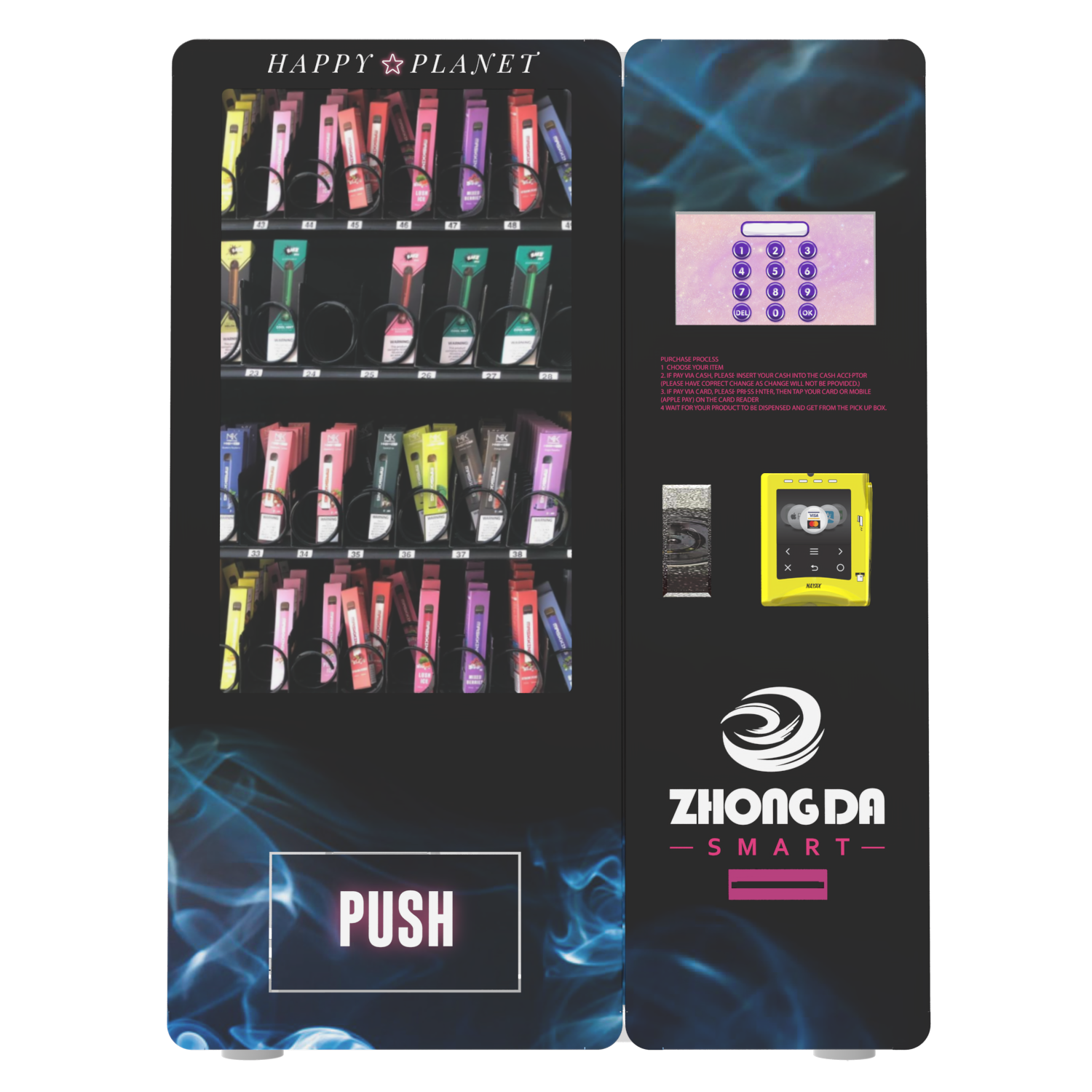
I swapped the payment system to a cashless unit that accepted tap-to-pay and mobile wallets. Sales jumped 140 percent in the first week. The lesson is simple: in an urban South African environment, cashless is not optional. It is the default. Every compact machine I deploy now includes a contactless reader that supports Visa, Mastercard, and Apple Pay.
Maintenance Schedules That Do Not Kill Your Time
One of the advantages of a compact machine is that maintenance is simpler. There are fewer moving parts, and the inventory is smaller, so restocking takes about 15 minutes per visit. But you still need a schedule.
Based on my experience, here is what works:
- Daily (remote): Check the cloud dashboard for sold-out columns and payment errors.
- Weekly (on-site): Restock, clean the glass, and check the ID scanner for dust.
- Monthly (on-site): Run a test transaction with a fake ID to confirm age verification is working. Clean the cooling fan filter.
- Quarterly (on-site): Update the firmware, lubricate the coil mechanism, and replace the backup battery.
I have operators who manage 15 machines on a part-time basis using this schedule. It is not a full-time job if you stay disciplined.
Remote Monitoring Is a Game Changer
Every machine we ship includes a 4G IoT module that sends real-time data to a central dashboard. You can see which products are selling, which columns are empty, and whether the temperature inside the cabinet is within range. This lets you restock based on demand rather than a fixed schedule. It also alerts you if someone tries to tamper with the machine. I have had cases where the system notified me of a tilt attempt within 30 seconds, allowing me to call the store owner before any damage occurred.
Comparing Compact Vape Vending Machine Models
Not all compact machines are built the same. Here is a comparison table based on units I have personally tested and deployed:
| Feature | Zhongda Wall-Mounted Compact | Generic Import Model A | Generic Import Model B |
|---|---|---|---|
| Product Capacity | 36–48 units | 30–40 units | 25–35 units |
| Age Verification | Optical ID scanner + cloud log | Camera-based estimation | Manual input (no scanner) |
| Payment Options | Cash, card, mobile wallet | Cash only | Card only |
| Cooling System | Sealed compressor, dust filter | Open fan, no filter | Thermoelectric (weak cooling) |
| Remote Monitoring | Built-in 4G IoT | None | Optional (extra cost) |
| Power Backup | Capacitor retention circuit | None | None |
| Warranty | 2 years parts and labor | 6 months | 1 year (limited) |
I have tested Model A and Model B in the field. The camera-based age estimation on Model A failed to recognize IDs from certain provinces, and the cash-only Model B had to be retrofitted within three months. The Zhongda unit has been running continuously in a Cape Town barber shop for 18 months without a single service call.
How to Choose the Right Location
Location is everything, but not in the way most people think. You do not need a high-traffic mall. You need a location where people are waiting. Waiting is the trigger for impulse purchases.
Good locations include:
- Barber shops and hair salons (waiting time of 15–30 minutes)
- Car wash waiting areas
- Laundromats
- Small electronics repair shops
- Gym lobbies (not inside the gym floor)
- Student common rooms in private colleges
Bad locations include places with high security presence, locations where the store owner is not present during operating hours, and spots near schools even if the machine has age verification. The optics matter.
Negotiating the Placement Agreement
When I approach a store owner, I bring a one-page agreement that covers three things: commission rate, responsibility for electricity, and who handles cleaning. I always insist that the store owner is responsible for keeping the area around the machine clear. If they agree, I install the machine within 48 hours. If they hesitate, I move on. Hesitation usually means they will not support the machine once it is installed.
Long-Term Strategy: Scaling from One Machine to Twenty
I started with one machine in a bar in Cape Town. Within six months, I had five. Within two years, I had twenty. The scaling strategy is simple: use the profit from the first machine to buy the second, and so on. Do not borrow money to buy ten machines at once. You will make mistakes in location selection, product mix, and commission structure. It is better to lose ZAR 30,000 on one machine than ZAR 300,000 on ten.
Once you have three machines running profitably for three consecutive months, you have a validated model. At that point, you can approach a small business loan or an investor with real data. I have seen operators use their sales dashboard as collateral for equipment financing.
Expert Recommendations for First-Time Operators
Based on my 15 years in this industry, here is my direct advice:
- Buy a machine with a built-in ID scanner. Do not compromise on this.
- Test the machine in your own garage for a week before placing it in a store.
- Start with one product category—disposables—and expand only after you see consistent sales.
- Set aside 10 percent of your monthly revenue for maintenance and unexpected repairs.
- Build a relationship with a local supplier who can deliver replacement stock within 24 hours.
If you are serious about this, take the time to read through the case studies on our convenience store vape vending machine case study page. It shows exactly how one operator scaled from a single unit to a network of machines across three cities.
Final Thoughts on the Compact Path
The compact vape vending machine South Africa market is still in its early stages. Most operators are still using floor-standing kiosks or relying on over-the-counter sales. That means there is a window of opportunity for anyone who moves quickly with the right equipment. Wall-mounted, age-verified, cashless machines are the future of small retail vape sales. They are cheaper to deploy, easier to maintain, and they fit into spaces that larger machines cannot reach.
Do not overthink it. Pick a location, install a machine, and start collecting data. The data will tell you exactly what to do next.
Frequently Asked Questions
How much does a compact vape vending machine cost in South Africa?
Do I need a special license to operate a vape vending machine in South Africa?
Can I place a compact vape vending machine in a location without WiFi?
How often do I need to restock a compact machine?
What happens if the ID scanner fails during a transaction?
Sources and References
- Statista: Market size of vending machines in the food and beverage sector (2023) – statista.com
- IBISWorld: Vending Machine Operators Industry Report (2024) – ibisworld.com
- Forbes: The Rise of Automated Retail and Self-Service Kiosks (2023) – forbes.com
- Bloomberg: Nicotine Product Sales and Regulatory Trends (2024) – bloomberg.com