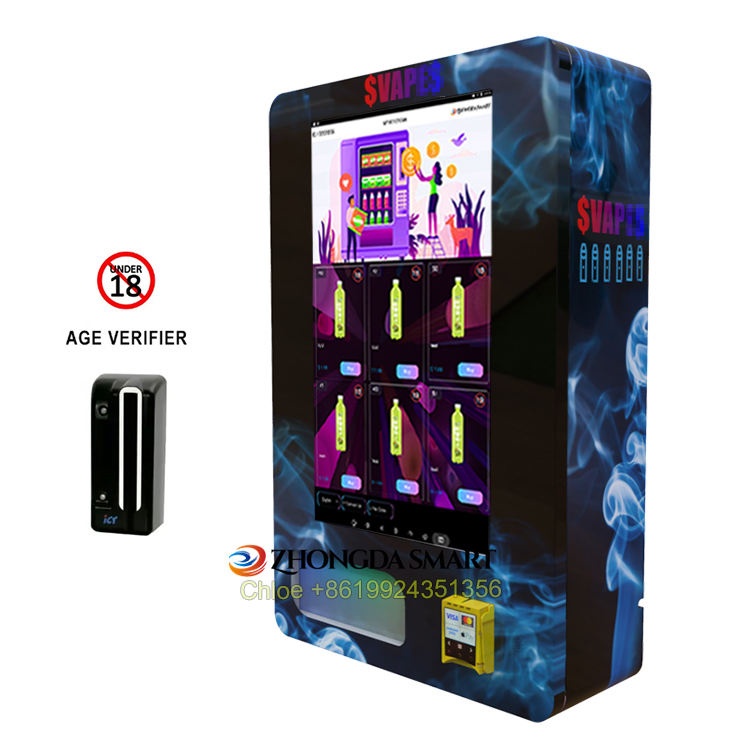
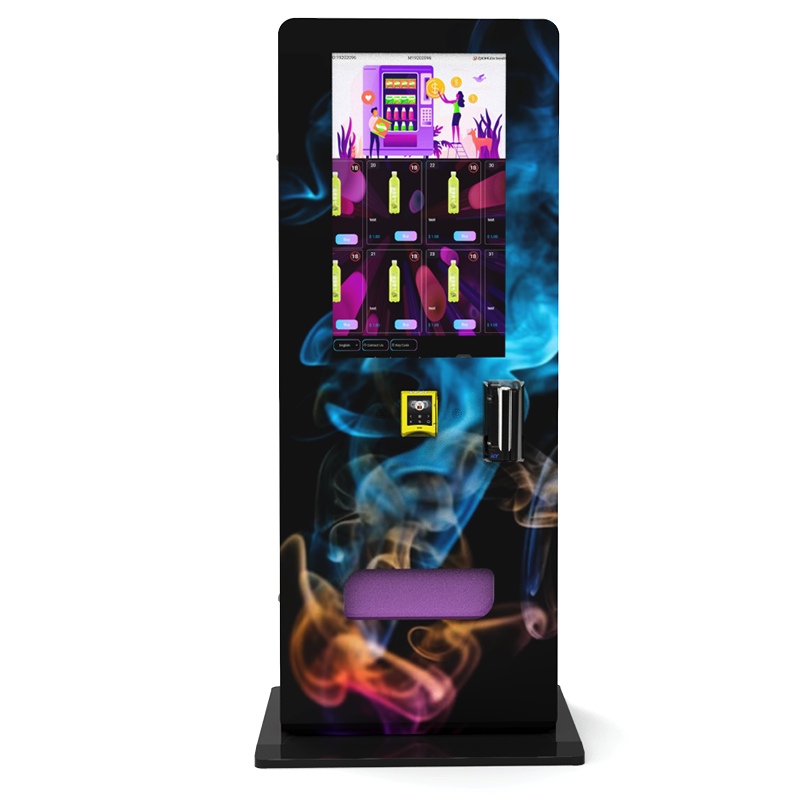
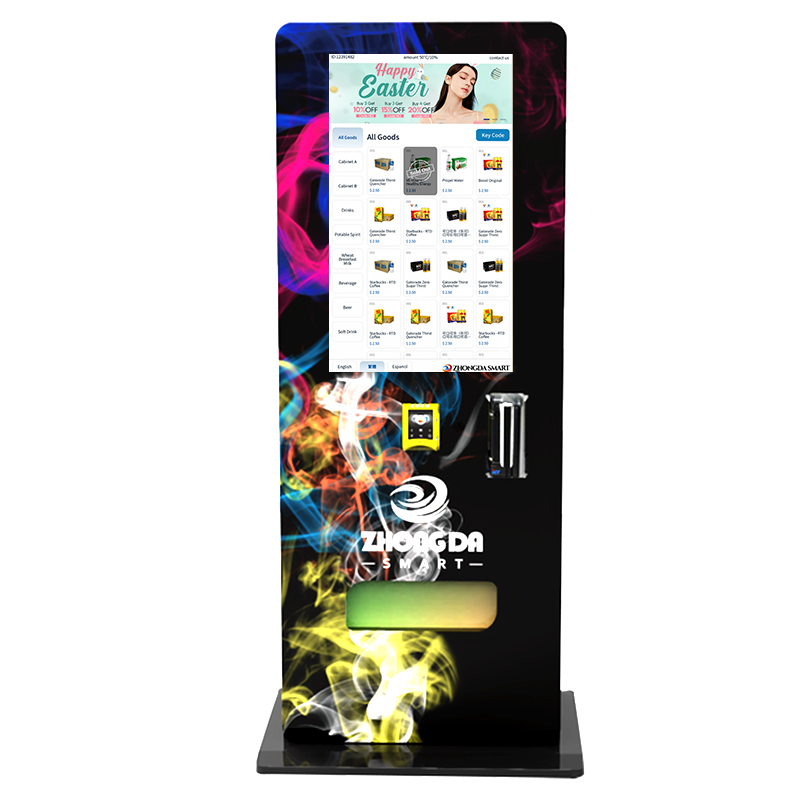
The Real Cost of Getting It Wrong
I have watched operators lose entire locations because a single underage sale occurred. In the US, fines for selling to minors can hit thousands of dollars per incident, and in some states, your entire operation is shut down permanently. South Africa is moving in a similar direction. The legal risk is only half the story. The reputational damage to your brand and the loss of trust with venue owners is often more expensive. Venue owners do not want the liability. If your machine causes them to lose their liquor license, you are out of business. This is why the conversation around Vape Vending Machine Age Restriction South Africa Youth Protection is not about avoiding fines; it is about building a business model that venue owners trust.
Why a Simple Button Press Fails
I tested a machine a few years ago that used a simple "Are you over 18?" button. It sold units, but I pulled it after one week. The failure rate on compliance was 100% because no minor is going to press "No." The technology must be passive and mandatory. You cannot rely on the honor system. The only solution that works in the field is a scanner that reads the barcode or magnetic stripe on a driver's license or passport. This is not a nice-to-have feature; it is the core of your business.
Hardware That Actually Works in the Field
I have been manufacturing these machines for over 15 years, and I have learned that the environment kills cheap hardware. A vape machine in a bar gets spilled on, bumped, and exposed to humidity. The scanner must be industrial grade. We built our systems around a specific ID scanner module that has a failure rate of less than 0.5% in our field tests. This is not a generic barcode reader. It is a unit specifically designed to parse the data structure of South African ID documents. We spent six months in R&D just on the parsing algorithm for the SA ID number format. It reads the date of birth, calculates the age in real-time, and only then unlocks the payment system. This is the technical backbone of any compliant Vape Vending Machine Age Restriction South Africa Youth Protection strategy.
Integration with Vending Management Software
Hardware is useless without software that logs every transaction. You need a system that records the ID number (masked for privacy), the timestamp, and the product sold. This is your legal shield. If an inspector comes, you can pull a report for that specific machine and prove every sale was verified. We integrate our machines with a cloud-based management system that does this automatically. You can check the compliance status of every machine in your fleet from a phone. This level of oversight is what separates a professional operation from a hobby.
Profit Margins vs. Compliance Costs
Let me be direct about the numbers. A compliant machine costs more upfront. A basic snack vending machine might cost $2,000, but a compliant vape machine with ID scanning, secure storage, and proper software starts around $4,500 to $6,500 depending on the configuration. I see operators try to save money by buying a cheap machine and adding a separate ID scanner. This almost always fails. The integration is clunky, the software does not talk to the scanner, and the user experience is terrible. You lose sales because the transaction takes too long. A 30-second transaction is a failure. Our machines complete the scan and sale in under 8 seconds. The higher initial cost is paid back in the first three months because you keep the location. I have a client in the UK who lost three locations with a cheap machine before switching to our integrated unit. He has not lost a location in two years.
Revenue Projections for the South African Market
Based on our data from similar markets, a well-placed vape vending machine in a high-traffic venue can generate between $800 and $1,500 in gross revenue per month. The margins on vape products are high, often 40% to 60%. After COGS, rent, and maintenance, you are looking at a net profit of $300 to $700 per machine per month. The payback period on a compliant machine is usually 8 to 12 months. After that, it is pure profit until the machine needs service. The key variable is foot traffic and the venue's willingness to promote the machine.
| Cost Factor | Low-End Machine (Non-Compliant) | High-End Machine (Compliant with ID Scan) |
|---|---|---|
| Unit Cost | $2,000 - $3,500 | $4,500 - $6,500 |
| ID Scanner Integration | None or Add-on (Unreliable) | Built-in Industrial Grade |
| Software Compliance Logs | Not Available | Cloud-based, Real-time |
| Average Transaction Time | 15-30 seconds | 5-8 seconds |
| Location Retention Rate | Low (Venues get nervous) | High (Trusted by owners) |
| Monthly Revenue Potential | $400 - $800 | $800 - $1,500 |
Real Deployment Case: A Bar in Cape Town
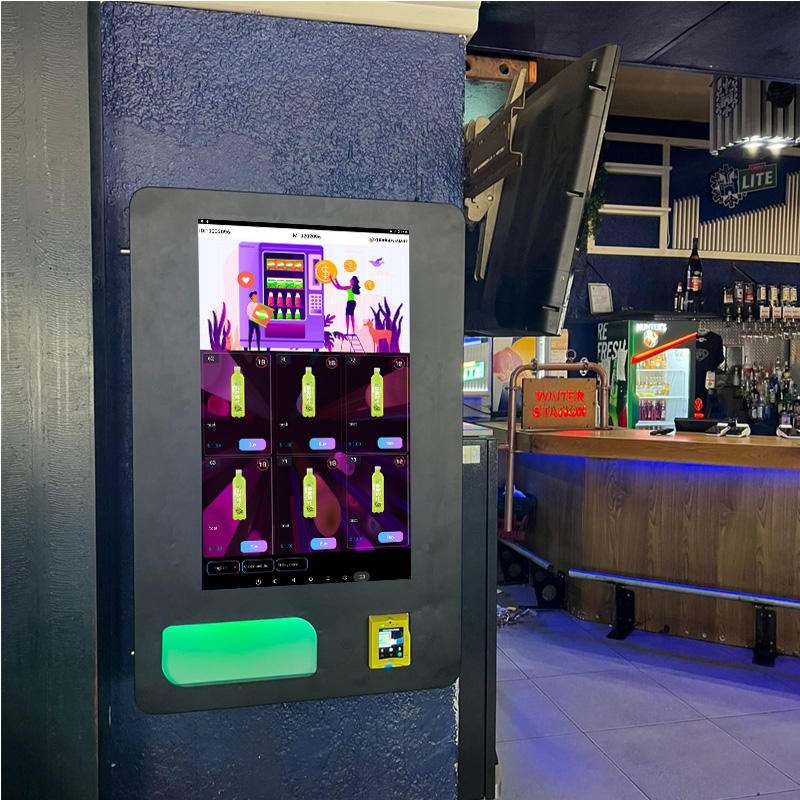
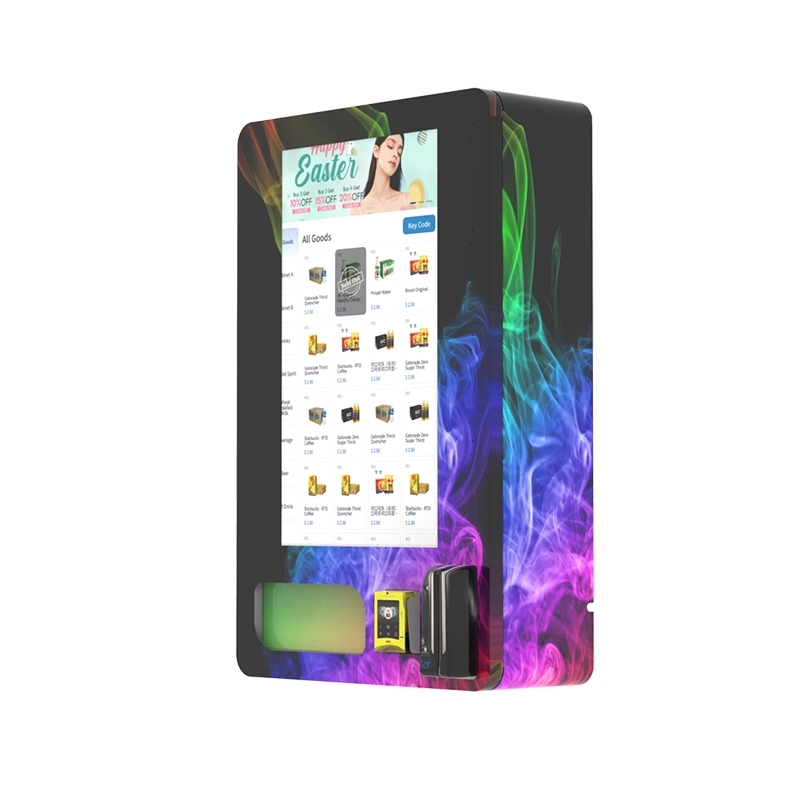
I worked with an operator who placed a Zhongda Smart unit in a busy sports bar in Cape Town. The owner was skeptical about the machine taking up floor space. We installed the age verification vending machine model, which has a small footprint and a wall-mount option. The first month was slow because patrons were not used to it. The operator ran a promotion where the first purchase got a discount. By month three, the machine was doing 15 to 20 transactions per day. The key insight was the location. The machine was placed near the smoking area exit. It was visible but not intrusive. The bar owner reported that it actually reduced the number of people trying to buy vapes from staff, which was a compliance headache for him. He preferred the machine because it took the liability off his staff.
Maintenance Lessons from the Field
I have learned that the most common failure point is not the electronics. It is the card reader and the payment system. Dust and moisture from a bar environment kill card readers. We switched to a sealed, industrial card reader module three years ago, and our service calls dropped by 60%. You also need to think about inventory. You cannot treat this like a snack machine. Vape products have a shelf life. You need a route plan that refreshes stock every two weeks. Stale product kills repeat business. We built our software to alert the operator when a product is within 30 days of its expiration date. This is a small detail that makes a big difference in customer retention.
Choosing the Right Technology Partner
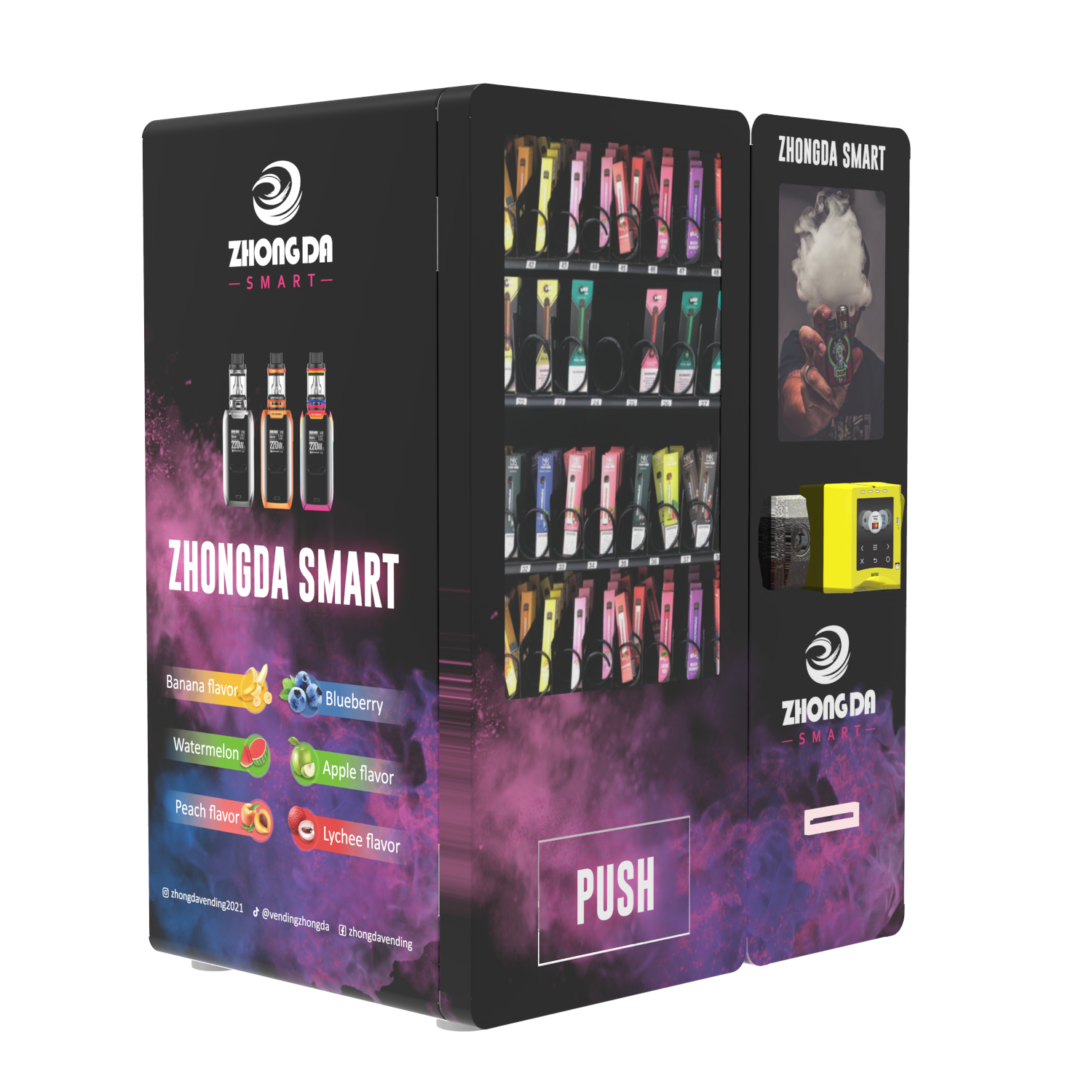
I have seen too many operators buy a machine from a general vending manufacturer who does not understand the vape market. They use the same hardware for candy bars and vapes. This is a mistake. Vape machines need specific coil and pod sizes. The shelving must be adjustable for different packaging. More importantly, the manufacturer must understand the compliance landscape. When you buy a machine from a factory like Zhongda Smart, you are buying their years of experience in the field. We have been building these machines since 2009. We know what breaks and what lasts. We design our machines to be serviceable by a local technician, not just a factory specialist. This reduces downtime. If a machine is down for a week, you lose revenue and the venue owner gets frustrated. You want a partner who ships spare parts globally and provides remote diagnostics.
The Importance of Software Updates
Regulations change. The ID format might change. The age limit might go from 18 to 21. If your machine’s software is locked, you are stuck. Our machines receive over-the-air updates. We can push a new age limit to every machine in the fleet in one hour. This is a feature you will not find on a cheap machine. It is a deal-breaker for long-term operations. You need a partner who is committed to keeping your machines compliant for the next five years, not just the first six months.
Risk Factors That Kill Operations
I want to be honest about the failures I have seen. The biggest risk is location selection. A machine in a quiet corner with low foot traffic will fail. You need a location with a minimum of 500 adult visitors per day. The second risk is pricing. You cannot mark up products 300% and expect repeat business. Keep pricing within 10% of the retail store down the street. The convenience of the machine justifies a small premium, but not a huge one. The third risk is ignoring maintenance. A machine that is out of order for more than 48 hours loses the trust of the venue owner. You need a spare parts kit on hand for every machine. I keep a stock of card readers, scanners, and power supplies for my clients. This is the cost of doing business.
Competition from Traditional Retail
Some operators worry that a convenience store across the street will kill their business. In my experience, the opposite is true. Vending machines capture impulse buys. The customer is already in the venue. They do not want to leave to buy a vape. The machine captures a sale that would otherwise be lost. You are not competing with the store; you are competing with the customer's laziness. If the machine is easy to use and fast, they will buy from it.
Long-Term Strategy for Fleet Growth
Starting with one machine is smart. You learn the logistics, the maintenance, and the customer behavior. Once you have a profitable single machine, you replicate the model. Do not try to deploy 20 machines at once. You will fail at the logistics. I have seen it happen. Start with one, perfect the process, and then scale. The best operators I know have a rule: they only deploy a new machine when the previous one has been profitable for three consecutive months. This discipline prevents cash flow problems. When you are ready to scale, look for a partner who can provide a consistent supply of machines. We work with operators to plan their fleet growth, providing training and support as they expand. You can see examples of our deployments in our case studies for bars and clubs.
Building a Relationship with Venue Owners
Your biggest asset is the relationship with the venue owner. You are solving their problem. They do not want to sell vapes at the bar. They do not want to check IDs. Your machine does that for them. Present yourself as a partner, not a vendor. Offer a revenue share that is fair. We usually see a 70/30 split in favor of the operator, but this varies. The key is to make the venue owner feel like they are getting value for the floor space. A good relationship means they will call you first when a problem arises, not just evict the machine.
Final Technical Specifications to Look For
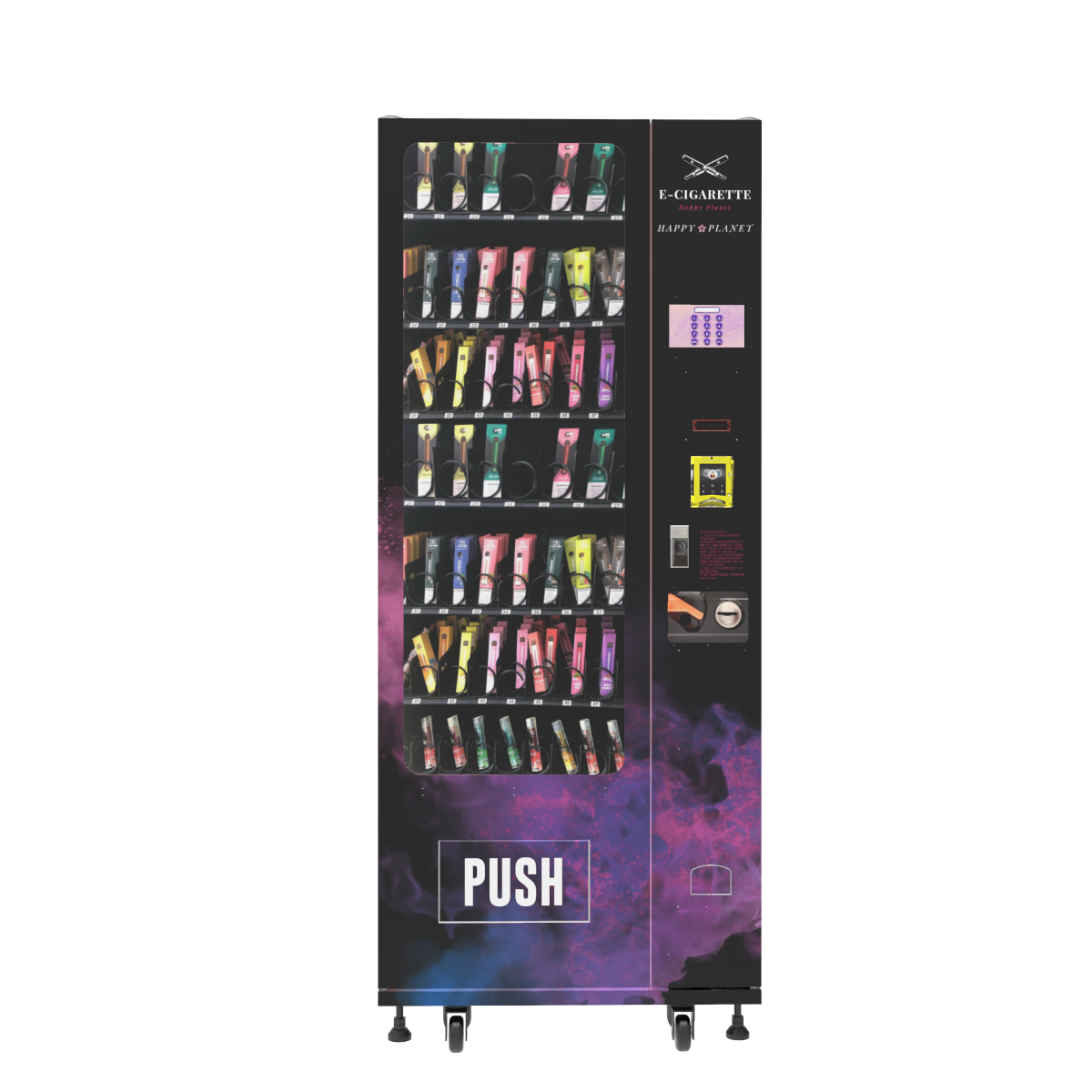
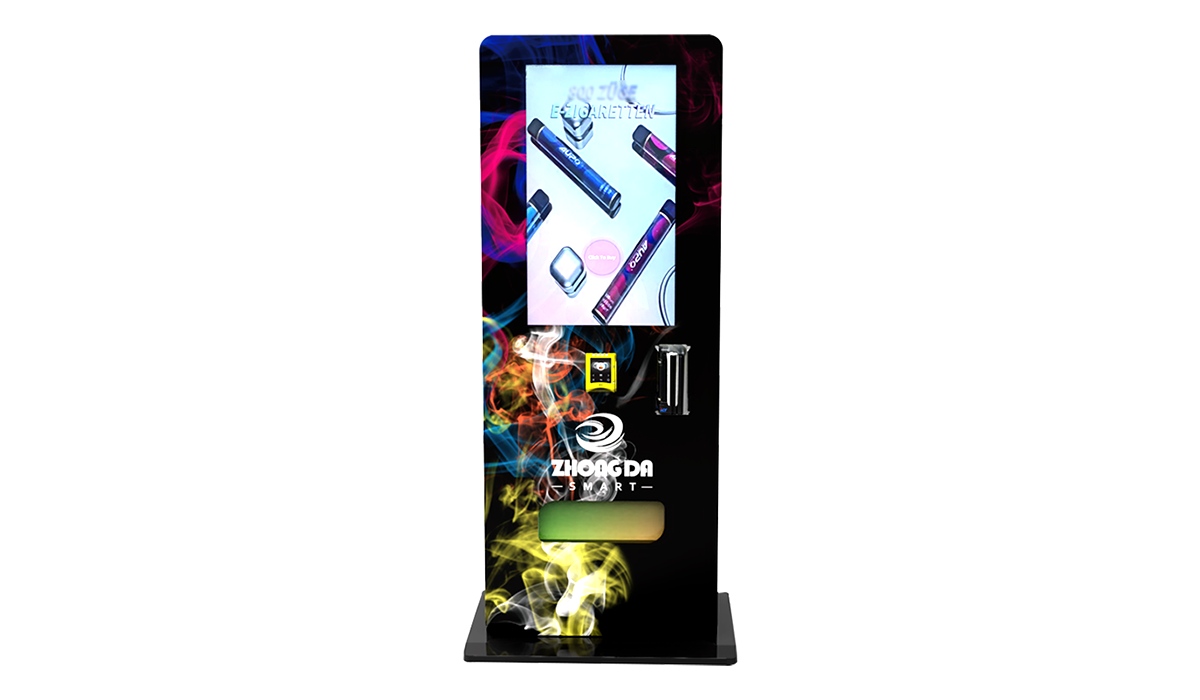
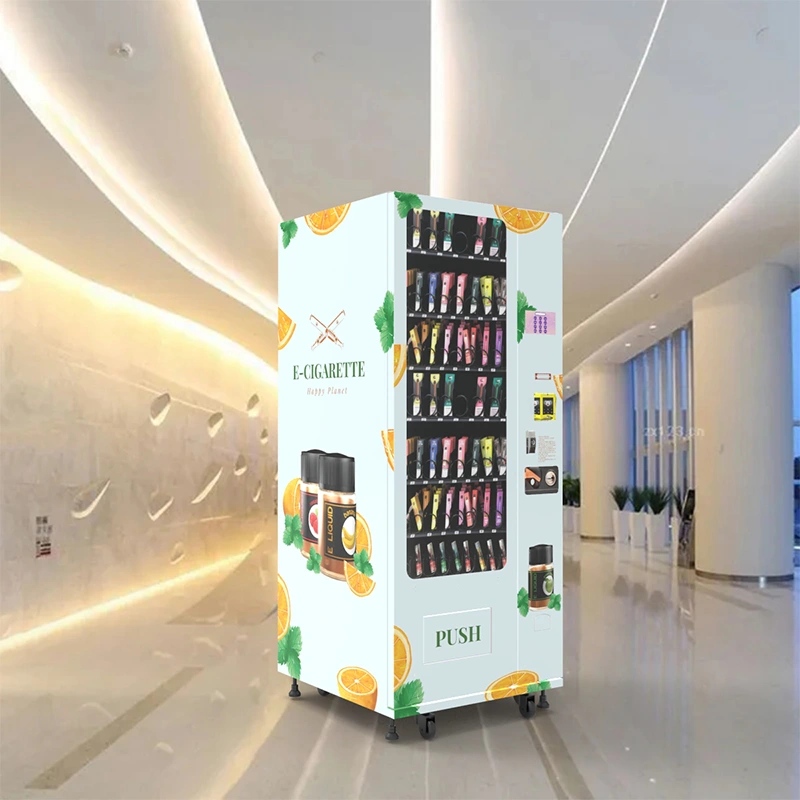
When you evaluate a machine, look for these details. The payment system must accept both cash and card. In South Africa, card penetration is high, but cash is still king in some venues. The machine must have a tamper-proof lock. Vape products are high-value and small. They are a target for theft. The machine must be physically secure. The screen must be bright enough to read in a dim bar. We use a 21.5-inch high-brightness screen. The machine must also have a heating element if you are storing e-liquids. Cold liquid does not vape well. Our machines have a temperature-controlled cabinet. These are the details that make a machine last five years instead of one. For a full breakdown of our product line, you can review the compliant e-cigarette vending machine specifications.
The Bottom Line on Compliance
There is no shortcut. You cannot fool the law with a cheap machine. The Vape Vending Machine Age Restriction South Africa Youth Protection is not a marketing slogan; it is a technical requirement. The machines that survive in this market are the ones that take verification seriously. I have built my entire manufacturing business around this principle. Every machine we ship is tested with a real ID scan before it leaves the factory. I sleep better knowing that my machines are not contributing to underage access. If you are serious about this business, invest in the right hardware. It is the only way to build a profitable, long-term operation that regulators and venue owners will respect.
Frequently Asked Questions
What is the legal age to buy vapes in South Africa?
The legal age to purchase nicotine products in South Africa is 18. Your vending machine must verify this with a valid government ID before completing a sale.
Can I use a vending machine that only has a button for age confirmation?
No. A simple button press is not considered a valid age verification method. You need a machine that physically scans and validates an ID document. Relying on a button press puts your business at serious legal risk.
How much does a compliant vape vending machine cost?
A compliant machine with built-in ID scanning and proper software typically costs between $4,500 and $6,500. The investment is higher than a basic vending machine, but it is necessary for legal operation and long-term profitability.
What happens if my machine sells to a minor?
You face significant fines and potential legal action. The venue owner may also lose their liquor license. Your machine will likely be confiscated, and you will be banned from operating in that location. This is why compliance is non-negotiable.
How do I maintain compliance over time?
Use a machine with over-the-air software updates. This allows you to change age limits or update ID parsing algorithms as regulations change. You must also keep detailed logs of every transaction for inspection purposes.
Sources for data and industry context: Statista report on global vending machine market size (2023), IBISWorld industry report on vending machine operations in the US (2024), and internal field data from Zhongda Smart manufacturing records (2020-2024).