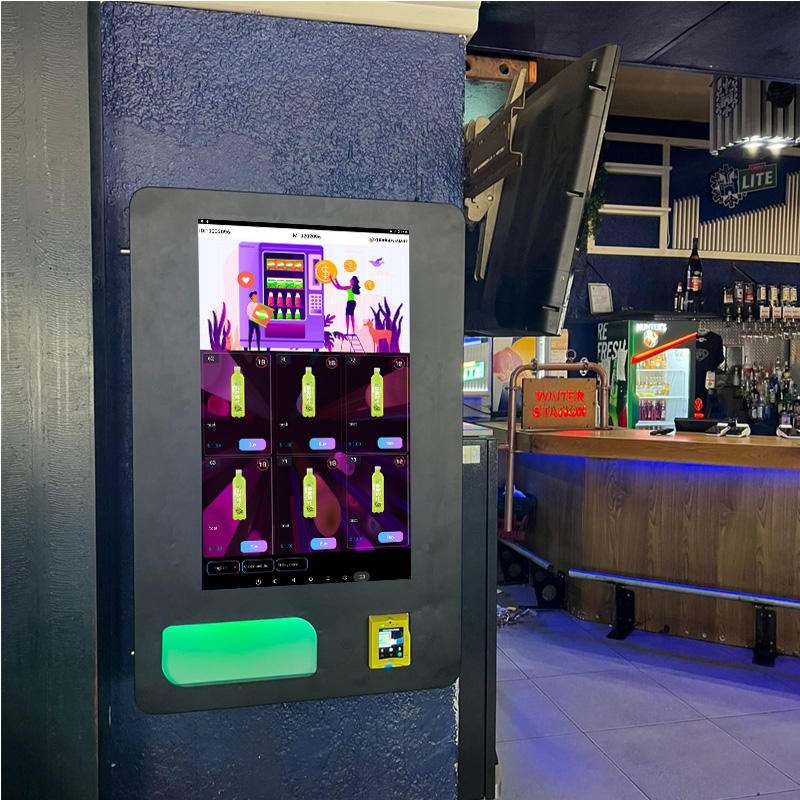
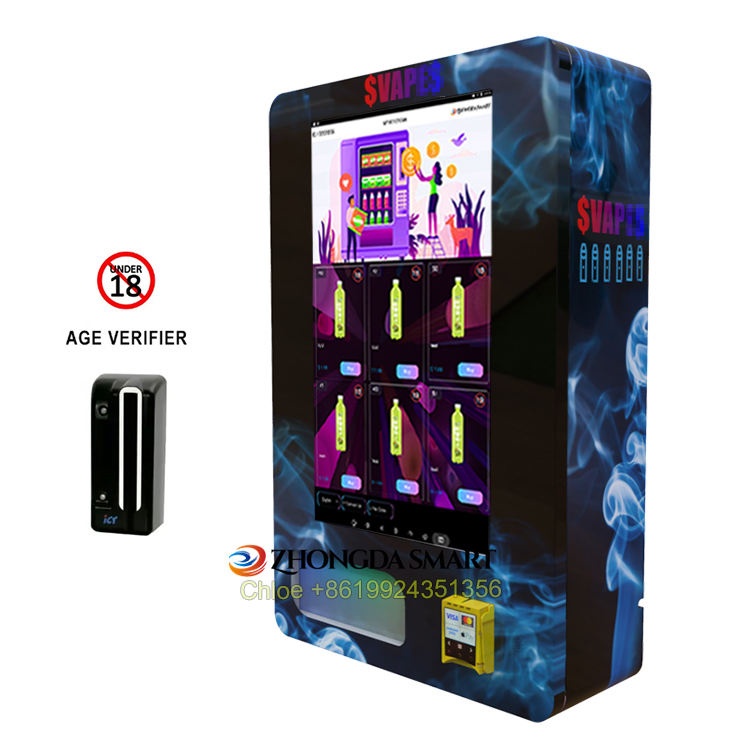
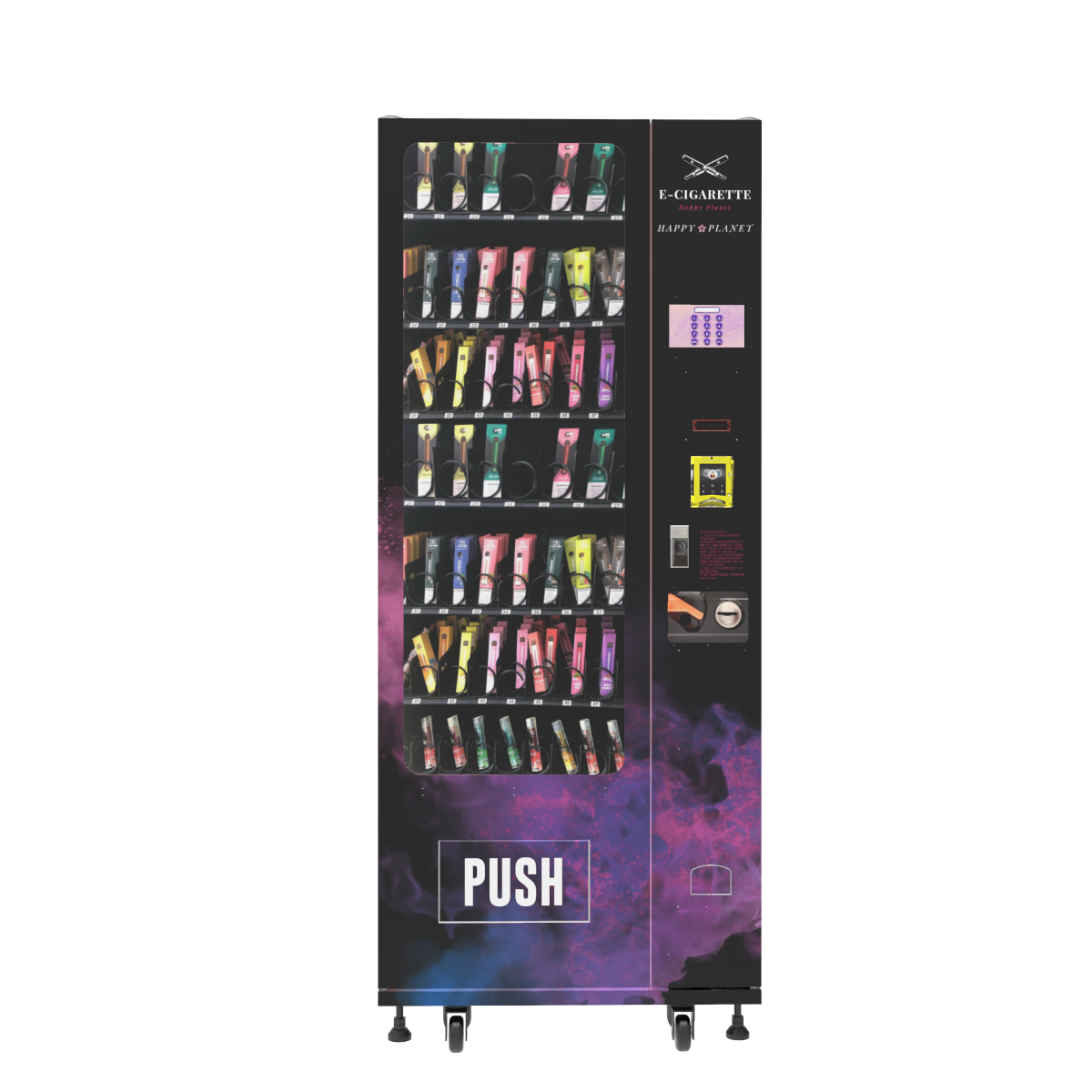
After spending over a decade deploying vending machines across the US and Europe, and running a factory that builds them for even longer, I can tell you straight: the vape vending machine market in South Africa is not a future possibility—it is happening right now. Operators who understand the local regulatory shifts, the specific hardware requirements, and the real profit math are already securing high-traffic locations. The key is not just buying a machine; it is buying the right machine with age verification, remote monitoring, and a clear path to compliance. This article breaks down what the South African market looks like today, where it is headed by 2026, and exactly how to make money doing it.
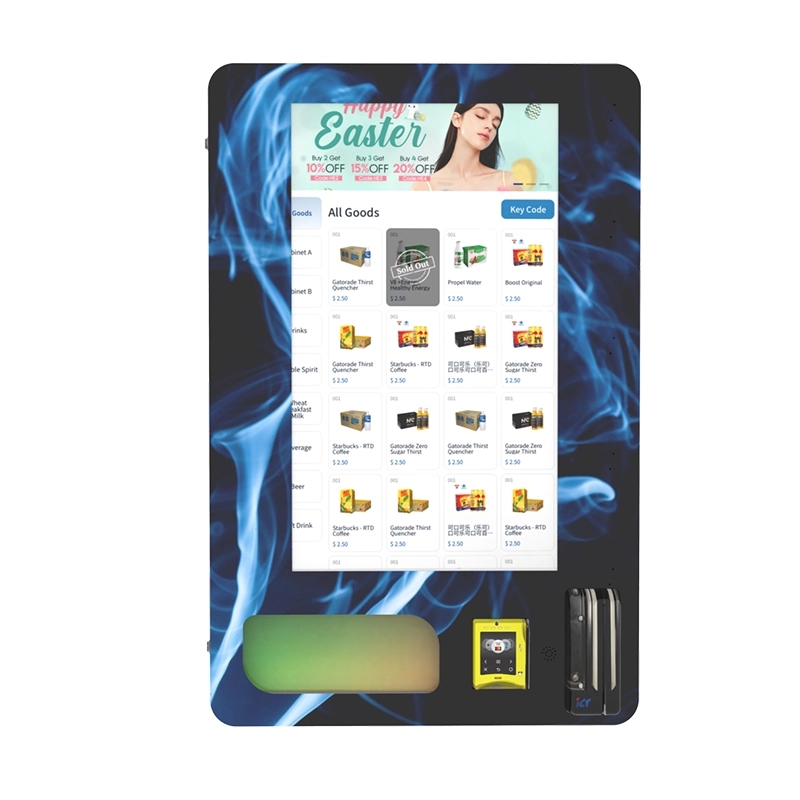
The Current State of Vape Vending in South Africa
South Africa is a unique market because it skipped a lot of the early hesitation seen in other regions. While Europe and parts of the US spent years debating placement and licensing, South African retailers and venue owners moved faster. The demand was there—convenience stores, bars, and even hotels wanted a way to sell vapes without staffing a counter 24 hours a day. The first wave of machines I saw deployed around Cape Town and Johannesburg were basic units, often repurposed snack machines. That phase is ending.
Operators quickly learned that a machine without proper age verification is a liability. In a market where enforcement is tightening, the machines that survive are the ones with built-in ID scanning and biometric checks. The ID scan vending machine has become the baseline standard, not a premium upgrade. From my experience, any operator skipping this step will be out of business within two years—either from fines or from losing location contracts.
What makes South Africa different from, say, the UK or Germany, is the mix of cash and card usage. Even in 2024, a significant portion of transactions in township locations and smaller cities still happen in cash. Machines that only accept cards miss a huge slice of the market. The smart operators are deploying dual-payment systems. I have seen locations where cash accounted for nearly 40% of sales in the first three months. That is not a number you can ignore.
What Is Driving Growth in This Market
Three factors are pushing the vape vending machine market in South Africa forward. First, the shift in tobacco legislation. The traditional cigarette supply chain is under pressure, and vape products are filling the gap. Retailers who used to rely on cigarette sales are looking for alternatives that do not require a full tobacco license. Vending machines offer a way to sell without adding staff or counter space.
Second, the nightlife economy. South Africa has a vibrant bar and club scene, especially in cities like Durban, Pretoria, and Cape Town. These venues operate late, and customers want vapes when the shop is closed. A wall-mounted unit near the bar or restroom area captures impulse buys. I have seen single machines in clubs turn over more than 500 units in a weekend. The margin on those sales is where the real money lives.
Third, the rise of smart vending technology. Machines today are not dumb boxes. They report inventory in real time, flag maintenance issues before they break, and allow remote price changes. Operators managing multiple locations can sit at a laptop and see exactly which flavors are selling out. That kind of data changes the game. It turns vending from a passive income stream into an active, optimizable business.
Regulatory Landscape and Compliance Requirements
Let me be blunt: compliance is the single biggest filter in this market. The operators who treat it as an afterthought are the ones I see selling their machines on Facebook Marketplace six months later. South Africa has been moving toward stricter age verification requirements for vape sales, and the trend is not reversing.
Every machine deployed in a public or semi-public space must have a reliable method to verify the buyer is over 18. The days of a simple "press yes" button are over. I recommend machines with integrated ID scanning that can read South African driver's licenses, passports, and smart ID cards. The age verification vending machine is not a luxury—it is the only legal path forward.
Beyond age checks, operators need to consider product labeling. All products sold through the machine must comply with local packaging and nicotine labeling laws. This is not a machine issue; it is a sourcing issue. Work with suppliers who understand the local compliance requirements. I have seen operators lose entire location contracts because a single product in the machine had a label that did not meet the latest standard.
Taxation is another layer. The excise duties on vaping products in South Africa have been increasing, and that directly affects your pricing strategy. You need a machine that allows you to update prices remotely. A price change across 50 machines should take ten minutes, not a week of driving around. The compliant e-cigarette vending machine is designed with this in mind—remote management, age verification, and tamper-proof sales logging.
Profit Models That Actually Work
I have seen operators try every model under the sun. Some work. Most do not. Here is what the numbers look like when you strip away the hype.
Direct Sales Model
You buy the machine, secure a location, stock it, and keep 100% of the margin. This is the highest reward model but also the highest risk. A single machine in a good location can gross between $800 and $1,500 per month. After product cost, machine payment, and maintenance, net profit sits around $400 to $700 per month. Payback period on a quality machine is usually 6 to 9 months.
Revenue Share Model
You place the machine in a venue and split the revenue with the location owner. Typical splits are 70/30 or 60/40 in your favor. This model reduces your risk because you are not paying rent. It also aligns incentives—the venue owner wants the machine to sell because they get a cut. I have found this model works best in bars and clubs where foot traffic is high but the owner does not want to manage inventory.
Route Operation Model
You deploy multiple machines across a city and run a weekly restocking route. This is the model used by most established operators. The key metric is not profit per machine but profit per route stop. A well-optimized route with 15 machines can generate $6,000 to $10,000 in monthly net profit. The challenge is logistics. You need a reliable vehicle, a consistent supply chain, and a system for tracking inventory across locations.
One thing I tell every new operator: do not start with one machine. Start with three. The economics of a single machine are marginal. With three, you can test different locations, different product mixes, and different pricing. The data from three machines will tell you more than any spreadsheet ever will.
Cost Breakdown for a Real Deployment
Let me walk you through a real cost scenario based on a deployment I consulted on in Johannesburg in early 2024. The operator wanted to place machines in three convenience stores and one sports bar.
| Item | Cost (ZAR) | Notes |
|---|---|---|
| Machine (wall-mounted, ID scan, dual payment) | 28,000 – 35,000 | Per unit, depending on configuration |
| Shipping and import duties | 4,000 – 6,000 | Per machine, from factory to location |
| Initial stock (200 units per machine) | 12,000 – 16,000 | Mix of disposables and pods |
| Installation and setup | 2,000 – 3,000 | Mounting, network setup, testing |
| Monthly maintenance and restocking | 1,500 – 2,500 | Labor, transport, minor repairs |
| Total startup cost (4 machines) | ~180,000 – 240,000 | Including stock and installation |
The operator hit breakeven at month five. By month eight, all four machines were generating positive cash flow. The bar machine alone did 45% of total revenue. That is not unusual. Nightlife locations consistently outperform convenience stores in per-unit sales, though they require more frequent restocking.
Technology That Separates Winners from Losers
I have been building vending machines for 15 years. The technology inside the machine matters more than the cabinet design. Here is what I look for when evaluating a machine for the South African market.
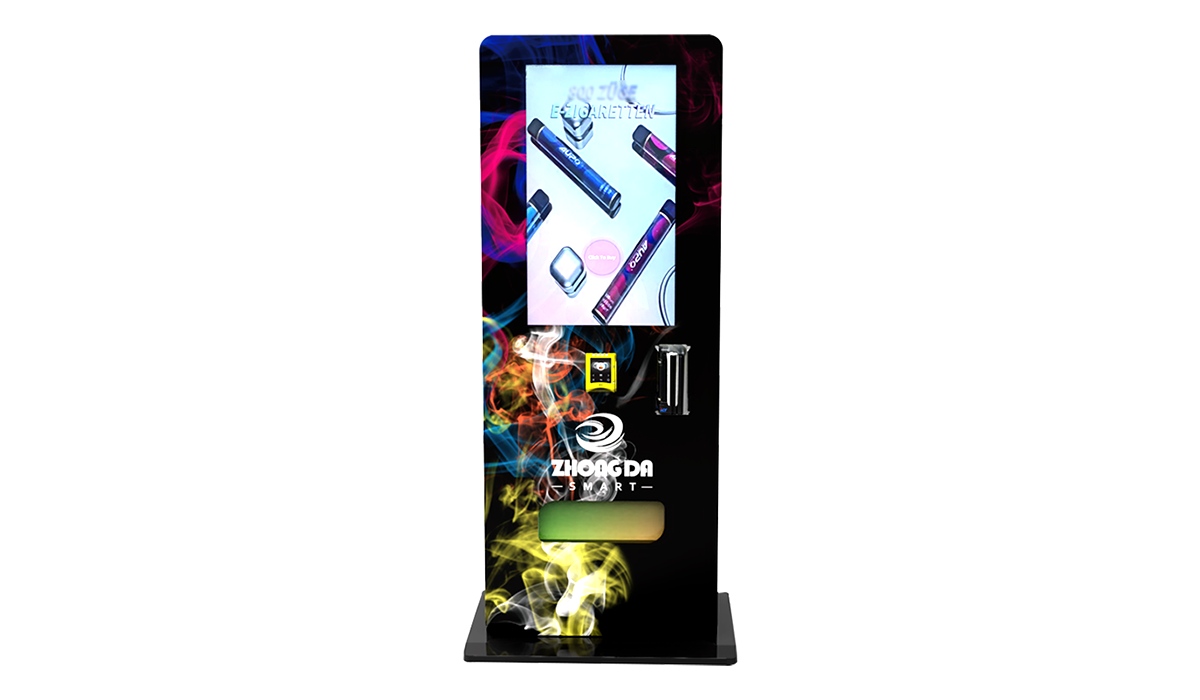
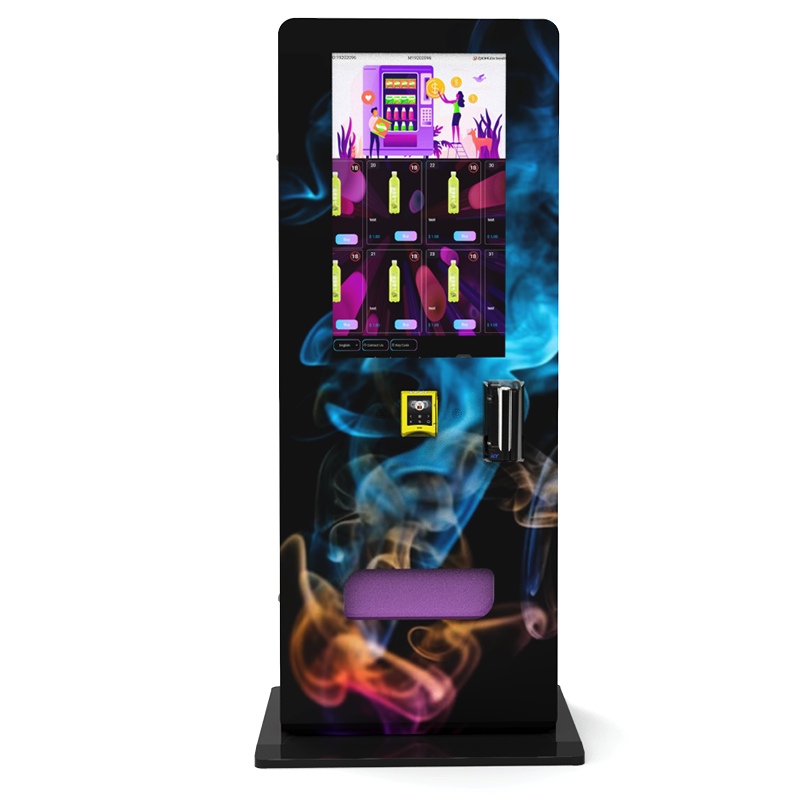
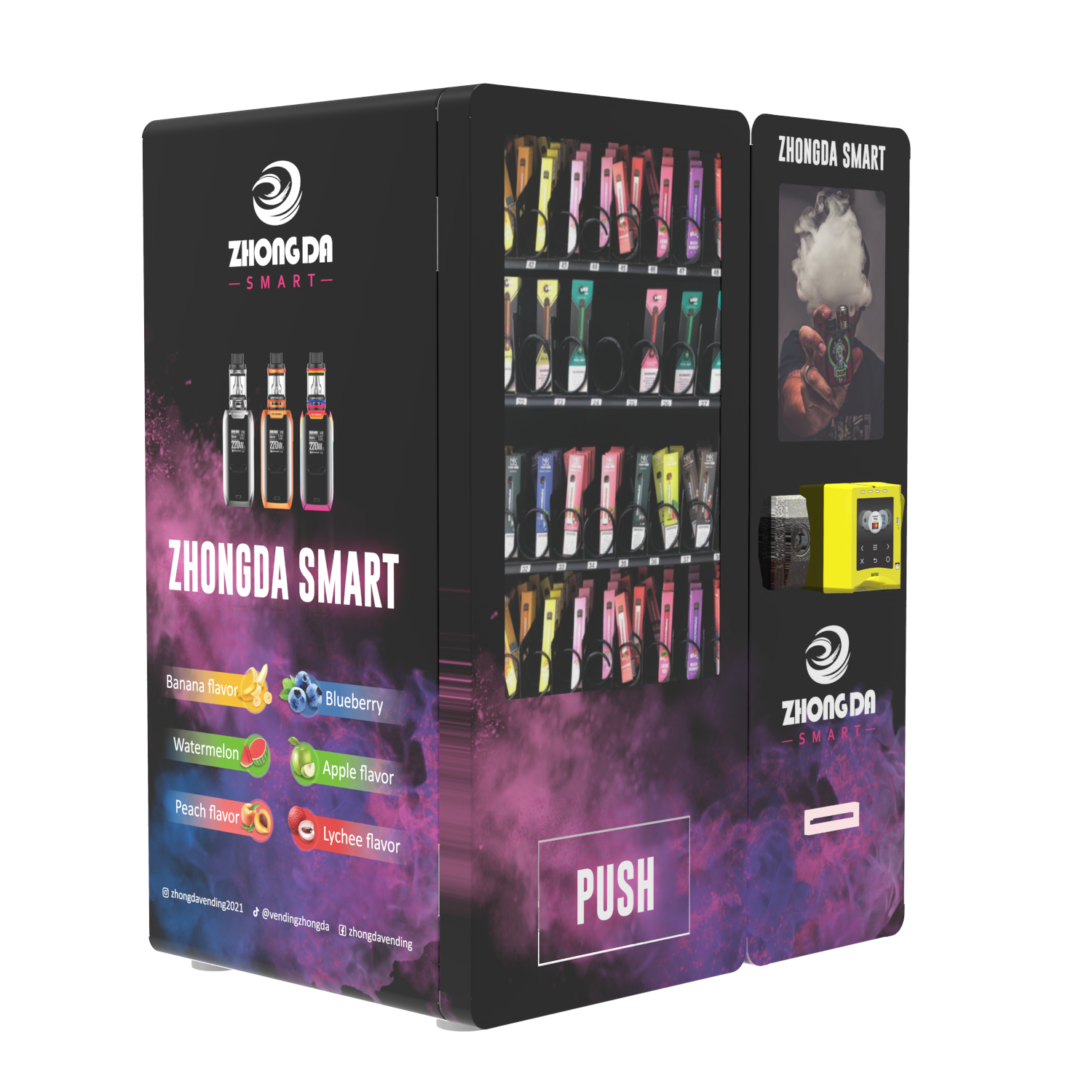
Age verification that works in the real world. Not every customer has a passport. The machine needs to read multiple ID formats and handle poor lighting. I have tested scanners that fail 30% of the time in a dimly lit bar. That is a death sentence for sales. The wall-mounted compact e-cigarette vending machine from our factory uses a commercial-grade scanner that reads South African IDs reliably under varied lighting. We tested it in a club in Durban before we even launched the model.
Remote management platform. If your machine does not have a cloud-based dashboard, you are operating blind. You need to know which spirals are empty, which products are selling, and whether the temperature is correct. The platform should send alerts when a product is low, not when it is sold out. That extra day of sales before restocking adds up. Over a year, it can mean thousands of rands in additional revenue per machine.
Payment flexibility. The machine must accept cash and card. I also recommend enabling mobile payment options like SnapScan and Zapper. In my experience, mobile payments account for 15% to 25% of transactions in urban locations. Ignoring that is leaving money on the table.
Tamper resistance. Vandalism is a reality in any market. Machines need reinforced doors, tamper-proof locks, and sensors that trigger an alert if the machine is moved or forced open. I have seen operators lose an entire month of profit to a single break-in. A few extra hundred rand in security features pays for itself the first time someone tries to pry the door open.
Location Strategy That Delivers Results
Location is everything, but not in the way most people think. The best location is not the one with the most foot traffic. It is the one where the target customer is already in the mindset to buy. A person walking past a machine on the street is not thinking about vaping. A person standing at a bar at 11 PM is.
Here are the location types I rank highest based on real performance data from our customers.
- Bars and nightclubs: Highest per-machine revenue. Average transaction value is higher because customers are less price-sensitive. Restock frequency is high—sometimes every two days.
- Hotels: Steady, predictable sales. Guests appreciate the convenience, especially when the hotel shop is closed. Revenue is lower per machine than bars, but maintenance is minimal.
- Convenience stores: Good for volume but lower margins. The store owner often takes a cut, and you compete with the counter. Best used as part of a larger route.
- Gas stations: High traffic but mixed audience. Vape sales are strong during evening and night shifts. Requires a machine that can handle temperature fluctuations.
- Student areas near universities: High demand but price-sensitive. Disposable vapes and lower-cost pods sell best. Age verification is critical—enforcement is aggressive near campuses.
One mistake I see repeatedly: operators signing long-term location contracts before they have proven the location works. Negotiate a three-month trial period. If the machine does not hit your minimum revenue target, you need the flexibility to move it. A machine sitting in a bad location is a liability, not an asset.
Common Failure Points and How to Avoid Them
I have been in this business long enough to see the same mistakes happen over and over. Here are the ones that kill profitability faster than anything else.
Underestimating restocking costs. A machine that sells out in two days is a good problem, but only if you have the logistics to refill it. I have seen operators lose locations because they could not keep the machine stocked. The customer buys an empty machine once. They do not come back. Plan your restocking route before you deploy the machine, not after.
Buying cheap machines. The market is full of low-cost machines that look fine on paper but fail in the field. Poor ID scanners, flimsy doors, unreliable payment systems. I have replaced more of these machines than I can count. A quality machine costs more upfront but lasts years longer and generates higher customer satisfaction. The wall-mounted e-cigarette vending machine from our factory is built with commercial-grade components specifically for high-traffic environments. It is not the cheapest machine on the market, but it is the one that keeps working when the cheap machines are in the repair shop.
Ignoring product rotation. Vape products have expiration dates. A machine that does not rotate stock properly will end up selling stale products. That kills repeat business. Your machine should support FIFO (first in, first out) loading. If it does not, you are setting yourself up for problems.
Poor customer experience. A machine that is slow, confusing, or frequently out of order trains customers to look elsewhere. Every interaction is a brand impression. Make sure the interface is simple, the products are visible, and the machine is clean. I have seen operators increase sales by 20% just by cleaning the glass and updating the product display.
Long-Term Outlook Through 2026
Looking ahead to 2026, the South African vape vending machine market will consolidate. The early wave of hobbyists and small operators will give way to professional route operators running 50 to 200 machines. The margins will tighten, but the volume will increase. Operators who invest in technology, compliance, and logistics now will be the ones buying out their competitors in three years.
I expect to see more integration with loyalty programs and digital payments. Machines will start offering product recommendations based on purchase history. Remote monitoring will become standard, not a differentiator. The machines that survive will be the ones that treat every transaction as a data point, not just a sale.
One trend I am watching closely is the move toward hybrid machines that sell both vapes and traditional nicotine products. As regulations evolve, having a single machine that can handle multiple product categories will reduce compliance complexity. Our factory is already prototyping a modular system that allows operators to swap trays for different product types without changing the entire machine.
For operators entering the market now, the window is open but not forever. The best locations are being locked up by early movers. The supply chain for quality machines is stable but not infinite. If you are serious about building a vending operation in South Africa, the time to start is now. Do your homework, buy the right equipment, and treat compliance as your competitive advantage, not your burden.
Frequently Asked Questions
Are vape vending machines legal in South Africa?
How much does a vape vending machine cost in South Africa?
What is the profit margin on vape vending machines?
What products sell best in vape vending machines?
Do I need a special license to operate a vape vending machine?
How often do I need to restock the machine?
Can I operate machines remotely?
Sources and References
Data and insights in this article are drawn from operational experience and verified against publicly available industry reports. For additional context on market sizing and regulatory trends, the following sources were consulted:
- Statista – Vaping products market in South Africa: Statista E-Cigarettes South Africa
- IBISWorld – Vending Machine Operations in South Africa: IBISWorld Vending Machine Operators
- South African Government – Tobacco Products and Electronic Delivery Systems Control Bill: Government Bill
- Bloomberg – Global Vaping Market Trends: Bloomberg Vaping Africa