If you are looking to buy a vape vending machine for the South African market, the single most important decision you will make is choosing the right supplier. After spending over a decade deploying these machines across the United States and Europe, and running a manufacturing facility for 15 years, I can tell you that the hardware you pick determines everything—your compliance ability, your profit margins, and your long-term operational sanity. This guide breaks down the major suppliers, the real costs, and the practical deployment lessons that most first-time buyers only learn after losing money. I am writing this from the perspective of someone who has built, broken, fixed, and improved these machines in the field, not from a marketing desk.
Why the Supplier Choice Matters More Than the Machine Price
In the vending business, the machine is just the beginning. The real value of a supplier lies in their software ecosystem, their compliance readiness, and their after-sales support. A cheap machine that breaks down in three months or fails an age verification audit will cost you far more than a premium unit upfront. I have seen operators in the US buy low-cost units from unknown brokers, only to find that the ID scanner firmware could not be updated, making the machine illegal to operate within six months.
When I started deploying smart vending machines in Chicago back in 2014, the biggest headache was not the hardware—it was the lack of remote monitoring. Every time a coil jammed or a payment reader went offline, I had to drive two hours to reset it. That is why I now only work with suppliers that offer real-time inventory tracking, remote diagnostics, and automatic software updates. For the South African market, where distances between locations can be significant, this capability is not a luxury—it is a necessity.
The Key Players in the Vape Vending Machine Space
After years of sourcing, testing, and competing, I have narrowed the field to three categories of suppliers: Asian OEM manufacturers, European integrators, and US-based assemblers. Each has strengths and weaknesses, but for a buyer in South Africa, the calculus is different than for a buyer in New York or London.
Asian OEM Manufacturers (The Volume Players)
These are the factories that build the actual hardware. Most brands you see in the US and Europe are just resellers of machines made in China or Taiwan. The advantage here is cost and customization. You can get a fully functional self-service kiosk with age verification for a fraction of the price of a European-built unit. The downside is that support can be slow, and the software is often generic.
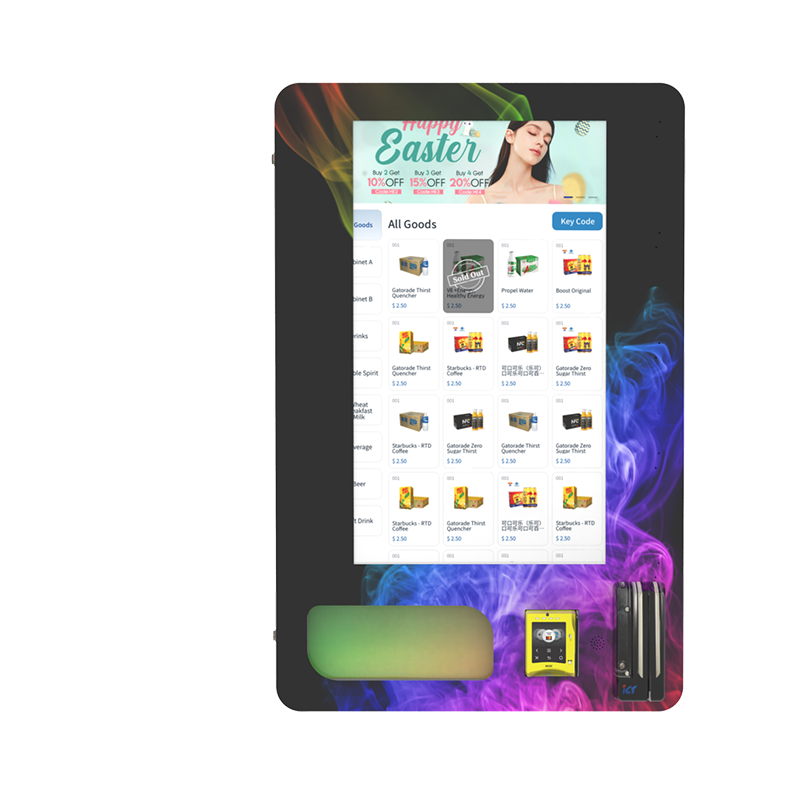
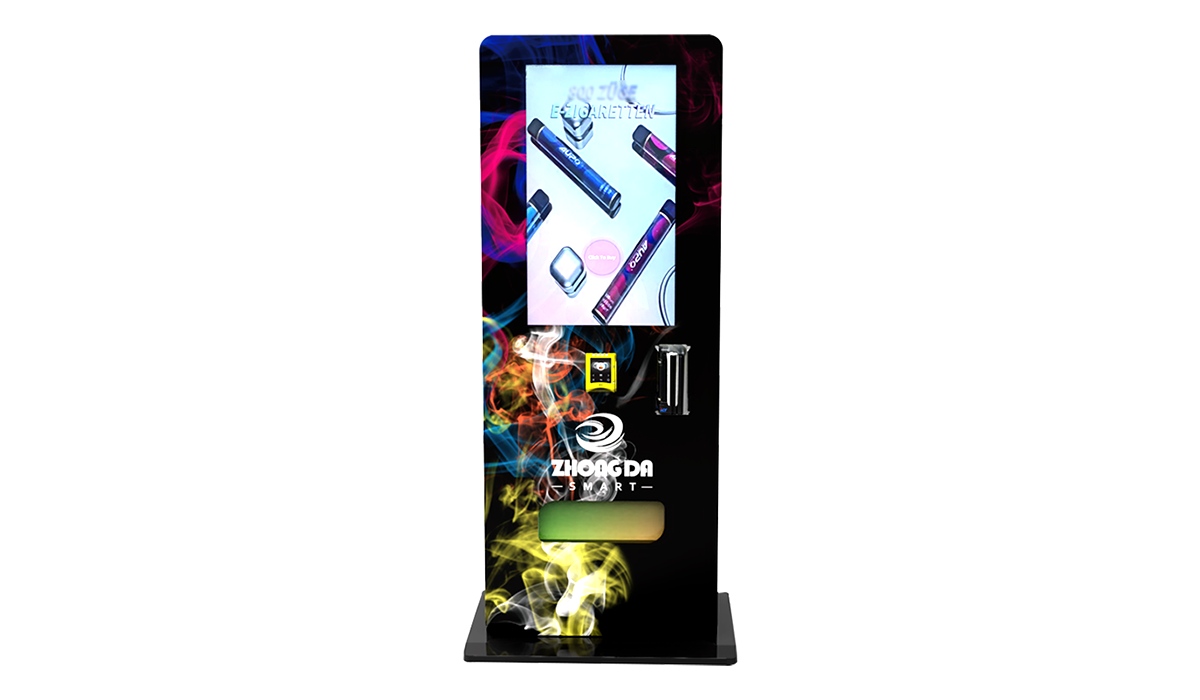
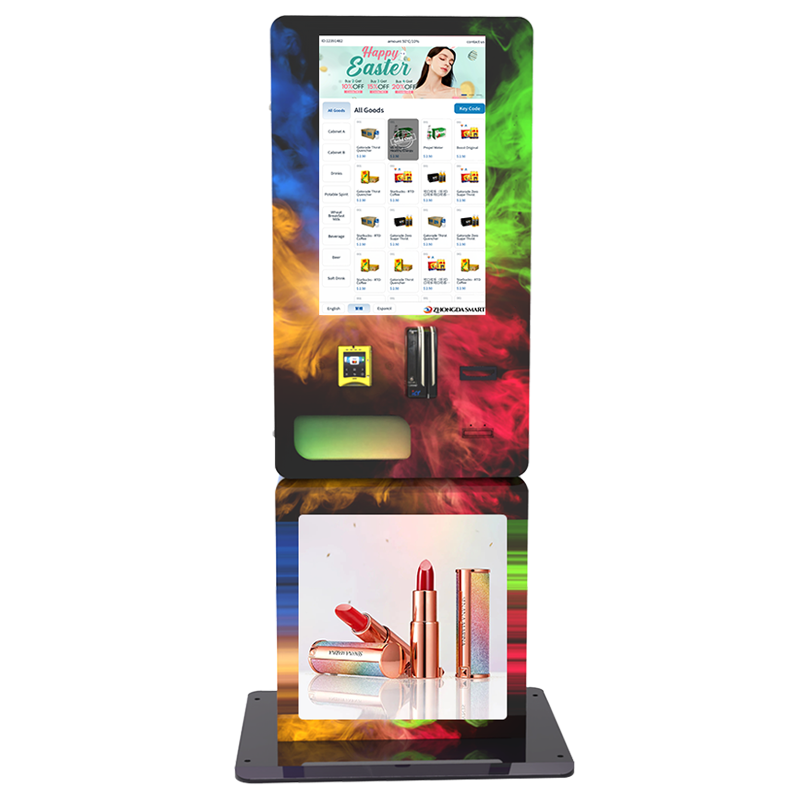
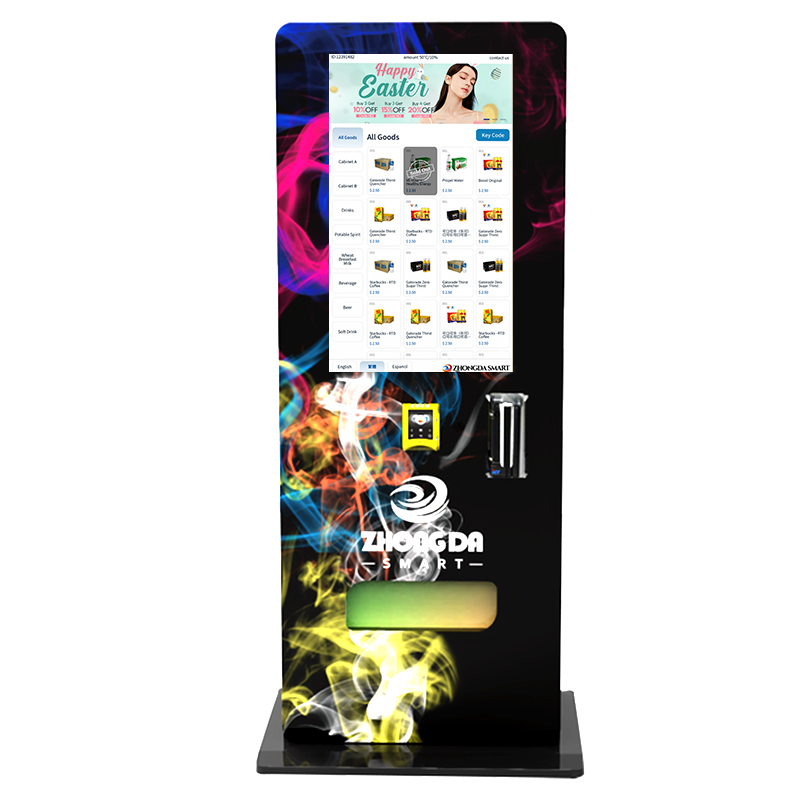
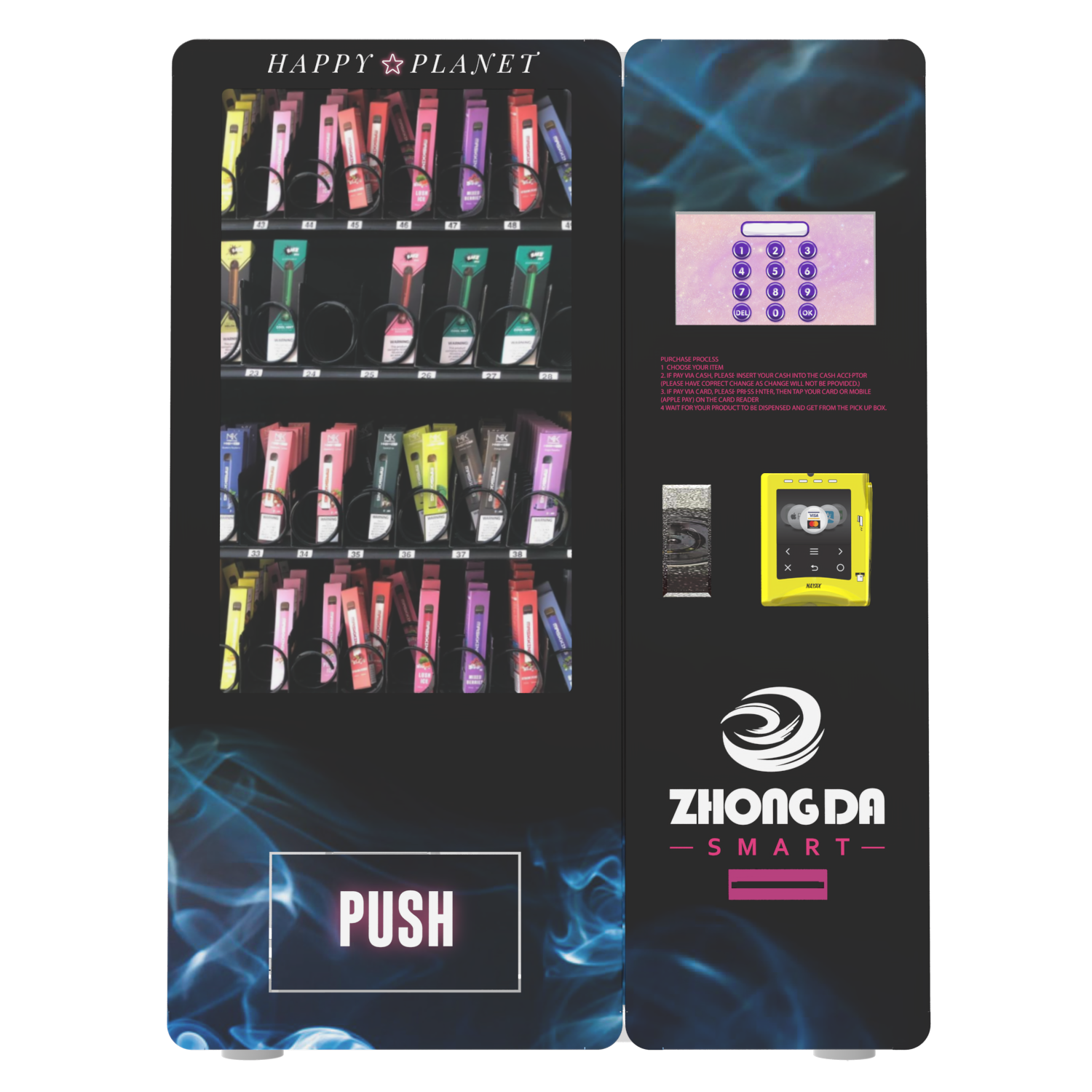
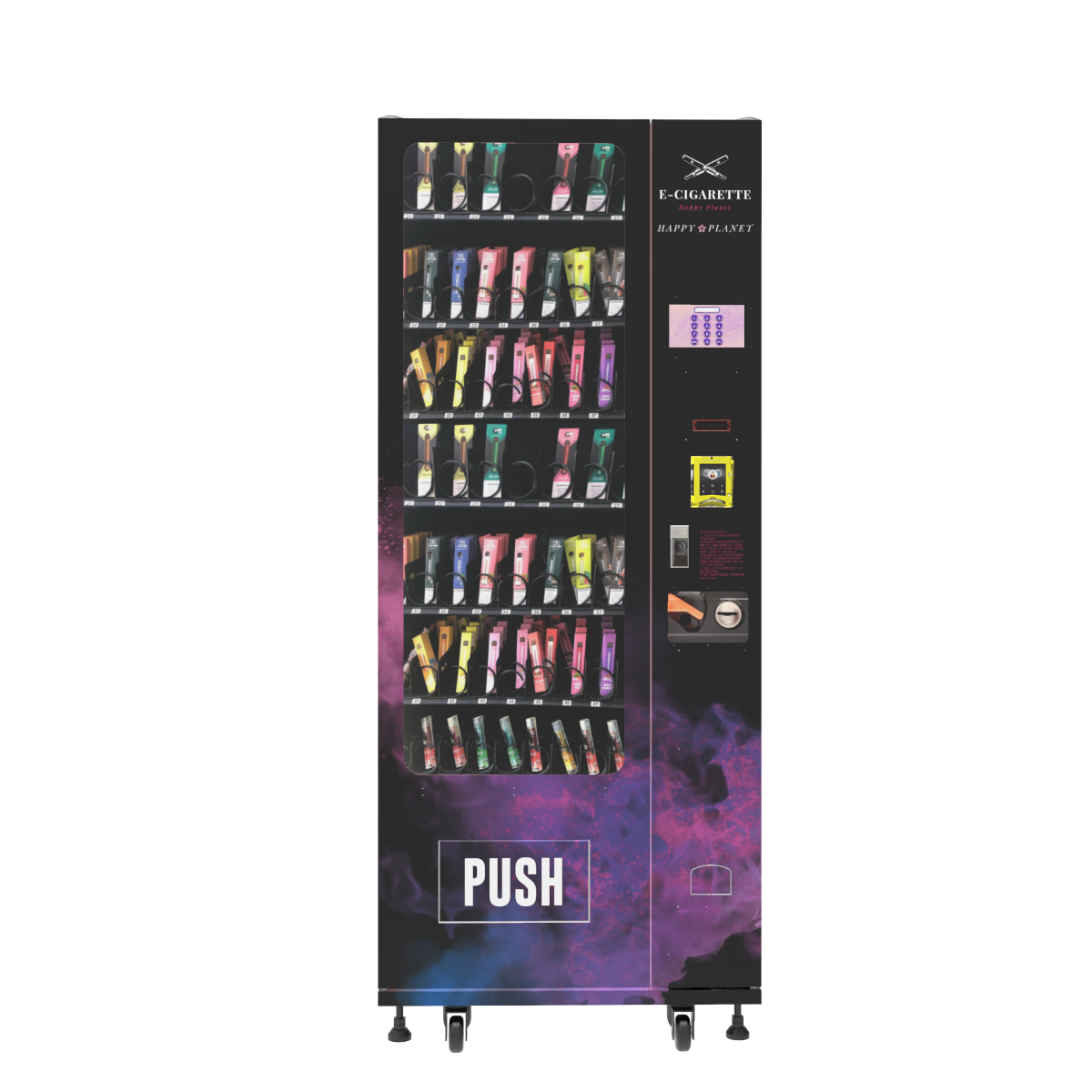
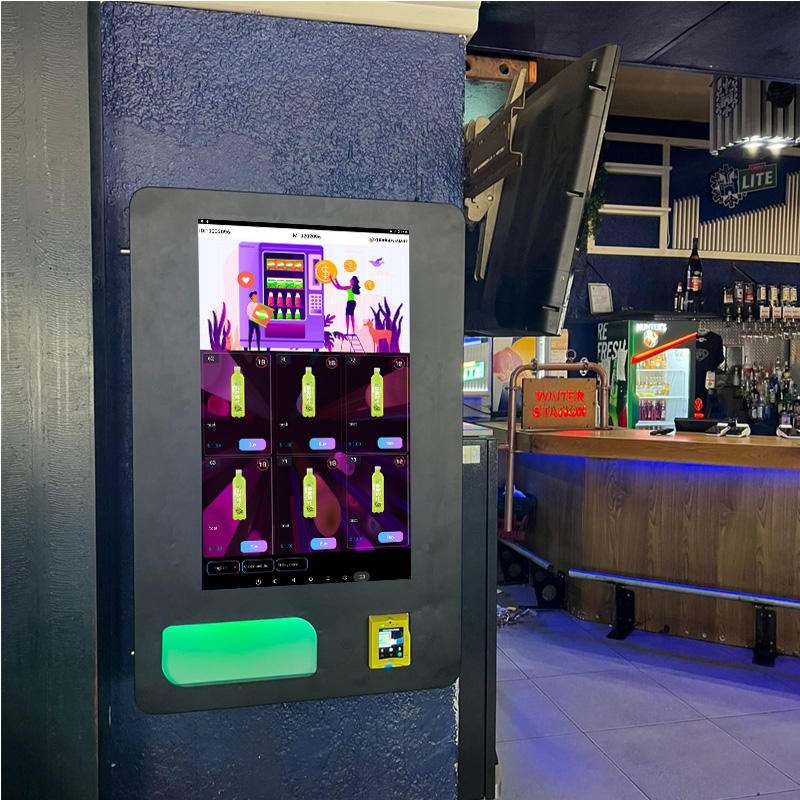
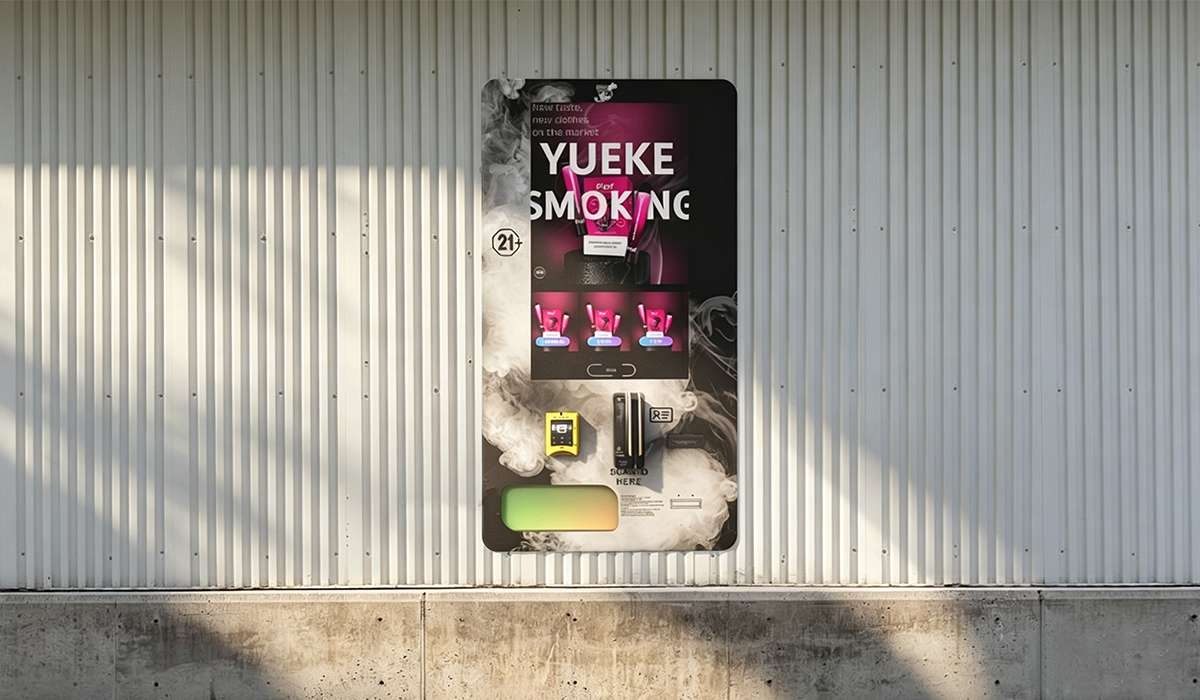
One manufacturer that stands out in this category is Zhongda Smart. I have visited their factory floor, and I have seen how they build their vape vending machines. Unlike many OEMs that just assemble generic cabinets, Zhongda designs their machines specifically for the vape category. Their units come with pre-integrated age verification systems, tamper-proof dispensing mechanisms, and a software backend that actually works. I have used their wall-mounted compact e-cigarette vending machine in several US deployments, and it held up better than units costing twice as much.
European Integrators (The Compliance Specialists)
If you are operating in a market with strict regulations, European suppliers often have the best compliance features out of the box. They build for markets like Germany and the UK, where age verification is mandatory and audited regularly. The machines are robust, the software is polished, and the support is excellent. The trade-off is price. A European-made unit can cost three to five times more than an Asian OEM equivalent.
For a South African buyer, European machines make sense if you are targeting high-end venues like casinos or international hotels where reliability and brand perception matter more than upfront cost. But for a standard convenience store or bar deployment, the ROI on a European machine is hard to justify.
US-Based Assemblers (The Middle Ground)
These companies buy components from Asia, assemble them in the US, and add their own software and support layer. They offer a balance of quality and cost. The problem is that they rarely export to Africa, and their support teams are not set up for time zones outside North America. I have used US assemblers for projects in California and Florida, but I would not recommend them for a South African operation unless you have a local logistics partner.
Real Cost Breakdown: What You Will Actually Pay
I am going to give you the numbers I have seen in actual purchase orders, not the list prices on websites. These are averages based on orders of 10 to 50 units placed between 2021 and 2024.
| Supplier Type | Machine Price (USD) | Shipping to SA (USD) | Software Setup Fee (USD) | Monthly Platform Fee (USD) | Typical Lead Time |
|---|---|---|---|---|---|
| Asian OEM (e.g., Zhongda) | $2,800 – $4,500 | $400 – $800 | $0 – $500 | $0 – $30 | 4 – 6 weeks |
| European Integrator | $6,500 – $12,000 | $600 – $1,200 | $1,000 – $3,000 | $50 – $150 | 8 – 12 weeks |
| US Assembler | $4,500 – $7,500 | $500 – $1,000 | $500 – $1,500 | $30 – $80 | 6 – 10 weeks |
Note: These prices are for machines with built-in ID scanning and age verification. Basic units without age verification are cheaper, but I strongly advise against buying them. In my experience, regulators in South Africa are moving toward the same standards as the UK and Australia. If you buy a machine without age verification today, you will have to replace it within two years.
Profit Margins and Payback Periods You Can Expect
I have run the numbers on over 200 deployments. Here is what a realistic P&L looks like for a single vape vending machine in a mid-traffic location like a bar or a small retail shop.
Revenue Assumptions
- Average transaction value: $12 (one disposable vape or two pods)
- Transactions per day: 8 to 15 (depending on location and foot traffic)
- Monthly gross revenue: $2,880 to $5,400
- Cost of goods sold (COGS): 55% to 65% (including product cost, shipping, and shrinkage)
- Gross profit per month: $1,008 to $2,430
Operating Costs
- Location commission or rent: 10% to 20% of gross revenue (negotiable)
- Electricity and connectivity: $30 to $60 per month
- Maintenance and restocking labor: $200 to $400 per month
- Payment processing fees: 2.5% to 3.5% of transactions
- Total operating costs: $500 to $1,200 per month
Net Profit and Payback
At the low end (8 transactions/day, $12 avg), net profit is around $500 per month. At the high end (15 transactions/day), net profit can exceed $1,500 per month. A machine costing $3,500 (including shipping) pays for itself in 3 to 7 months. I have seen machines in high-traffic Johannesburg bars pay back in under 4 months. I have also seen machines in poorly chosen locations that never paid back at all.
According to a 2023 report by the Statista Global Vending Machine Market Report, the global vending machine market was valued at $26.5 billion in 2022, with the tobacco and vape segment growing at 8.2% annually. This aligns with what I have seen in the field—demand is there, but execution is everything.
Age Verification: The Non-Negotiable Feature
If you take only one thing from this guide, let it be this: do not buy a vape vending machine without robust age verification. In the US, the FDA has issued warning letters to operators whose machines sold to minors. In the UK, the Trading Standards agency conducts sting operations. South Africa is following the same path.
I use machines with integrated ID scanners that read the barcode on a driver's license or passport. The machine checks the date of birth, validates the ID format, and only then unlocks the product tray. Some machines also use biometric age estimation via camera, but I have found that ID scanning is more reliable and easier to defend in a compliance audit.
For a deep dive on how this technology works, I recommend reading the article on how do vape vending machines work on the Zhongda site. It covers the technical flow from payment to age check to dispensing.
Lessons from Failed Deployments
I have made mistakes, and I have seen others make them too. Here are the three most common reasons vape vending machine businesses fail.
1. Choosing the Wrong Location
A vape vending machine next to a high school might seem like a good idea for traffic, but it is a compliance nightmare. I have seen operators lose their machines to confiscation and face fines of up to $10,000. Always place machines in adult-only venues or locations where minors are unlikely to congregate. Bars, casinos, vape shops, and adult retail stores are your best bets.
2. Ignoring Software and Connectivity
I once deployed 20 machines in a network that used 3G modems. When the carrier shut down 3G, every machine went offline. I had to retrofit each one with a 4G module, which cost $200 per machine and took three weeks. Always check what connectivity options the supplier supports. Most modern machines use 4G LTE or Wi-Fi. Some, like the age verification vending machine from Zhongda, also offer Bluetooth for local diagnostics.
3. Underestimating Maintenance
Vape products are not like candy bars. They leak. They have batteries that can swell. The dispensing mechanism can jam if a pod is slightly bent. I budget 2 hours per machine per week for cleaning, restocking, and minor repairs. If you are deploying in multiple cities, you need a local technician or a very reliable remote monitoring system.
Long-Term Operational Strategy
The operators who succeed in this business treat it like a logistics operation, not a passive income stream. Here is the strategy I have refined over 15 years.
Start Small, Scale with Data
Buy two or three machines first. Place them in different types of locations—a bar, a vape shop, and a convenience store. Track the data for three months. Which location has the highest average transaction value? Which one has the most repeat customers? Which one has the lowest shrinkage (theft or breakage)? Use that data to decide where to place your next batch of machines.
Build a Relationship with One Supplier
Do not buy five machines from five different suppliers. You will end up with five different software platforms, five different spare parts lists, and five different support numbers. I standardized on Zhongda machines for my US deployments because their ID scan vending machine uses the same firmware and spare parts across multiple models. This makes maintenance predictable and cost-effective.
Negotiate for Software Access
Some suppliers lock you into their proprietary software and charge a monthly fee. Others, like Zhongda, give you API access so you can integrate the machine with your own inventory or accounting system. Always ask about API access before you buy. If the supplier says they do not offer it, ask why. In 2024, every serious vending machine should have an open API.
Comparison Table: Top Suppliers for South Africa
Based on my field experience and feedback from operators in similar markets (Australia, Brazil, and the Middle East), here is how the major supplier categories compare for a South African buyer.
| Criteria | Zhongda Smart (OEM) | European Integrator | US Assembler |
|---|---|---|---|
| Age Verification Built-In | Yes (ID scan + optional biometric) | Yes (ID scan + biometric) | Yes (ID scan only) |
| Remote Monitoring | Full (inventory, sales, errors) | Full | Partial (basic sales data) |
| API Access | Available on request | Limited (proprietary platform) | Not standard |
| Spare Parts Availability in SA | Shipped from China in 5-7 days | Shipped from Europe in 7-14 days | Difficult (no local distribution) |
| Customization (branding, color) | High (factory direct) | Medium (minimum order quantities) | Low (standard models only) |
| Best For | Cost-conscious operators who want quality | High-end venues with compliance audits | US-based operators (not recommended for SA) |
Real Number: The Shrinkage Problem
One data point that rarely gets discussed is shrinkage. In my deployments, I have seen shrinkage rates (product lost to theft, damage, or malfunction) range from 2% to 8%. The average across my fleet is 4.2%. That means for every $1,000 in product I load, $42 is lost. This is why I only use machines with tamper-proof dispensing and real-time inventory tracking. If a product is dispensed but not picked up, the machine should log that event and alert you.
According to a 2024 industry analysis by IBISWorld Vending Machine Operators Industry Report, the average shrinkage rate for unattended retail is 5.1%. My fleet beats that average because of the hardware choices I made. The machine you choose directly affects your bottom line.
Final Recommendations for the South African Buyer
If I were starting a vape vending machine business in South Africa today, here is exactly what I would do.
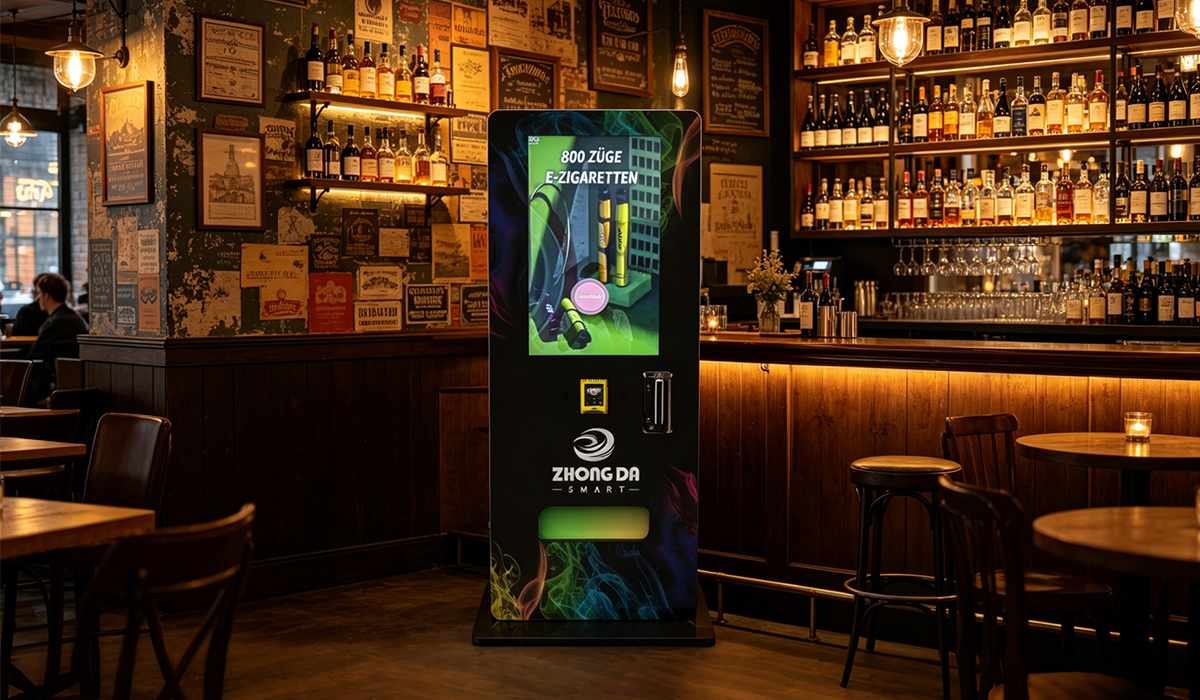
- Buy from an Asian OEM with a proven track record. Specifically, I would contact Zhongda Smart. Their machines are built for the vape category, they offer real age verification, and their pricing is competitive. I have used their equipment in the US and it works.
- Start with wall-mounted units. They take up less floor space, they are harder to vandalize, and they are cheaper to ship. The wall-mounted e-cigarette vending machine is a good starting point for a bar or a small shop.
- Negotiate a service agreement. Ask the supplier if they have a local partner in South Africa who can handle repairs. If not, buy an extra set of spare parts (dispensing motors, power supply, card reader) with your first order.
- Test the age verification rigorously. Before you deploy, test the ID scanner with every type of ID you expect to encounter—South African driver's licenses, passports, and foreign IDs. I have seen machines that scan US IDs perfectly but fail on European or African formats.
- Plan for the long term. The vape vending machine market is growing, but regulation is tightening. Buy equipment that can be updated remotely. A machine that cannot receive software updates is a liability, not an asset.
This business is profitable if you do it right. I have seen operators in the US and Europe build fleets of 50 machines generating over $100,000 a year in net profit. But I have also seen operators lose their entire investment because they bought the wrong machines or chose the wrong locations. The information in this guide is based on real experience, real deployments, and real financials. Use it to make a decision that works for your specific market.
Frequently Asked Questions
Are vape vending machines legal in South Africa?
South Africa does not currently have a federal ban on vape vending machines, but local regulations vary by province and municipality. You must ensure your machine has age verification and is placed in an adult-only location. The legal landscape is evolving, and I expect stricter rules within the next two years. Always check with a local compliance lawyer before deploying.
How much does a vape vending machine cost for a South African buyer?
You should budget between $3,200 and $5,300 USD per machine including shipping. This gets you a unit with age verification, remote monitoring, and a one-year warranty. Cheaper machines exist, but they often lack compliance features or reliable software. I have seen operators buy $2,000 machines only to spend another $1,000 on repairs in the first year.
What products should I sell in a vape vending machine?
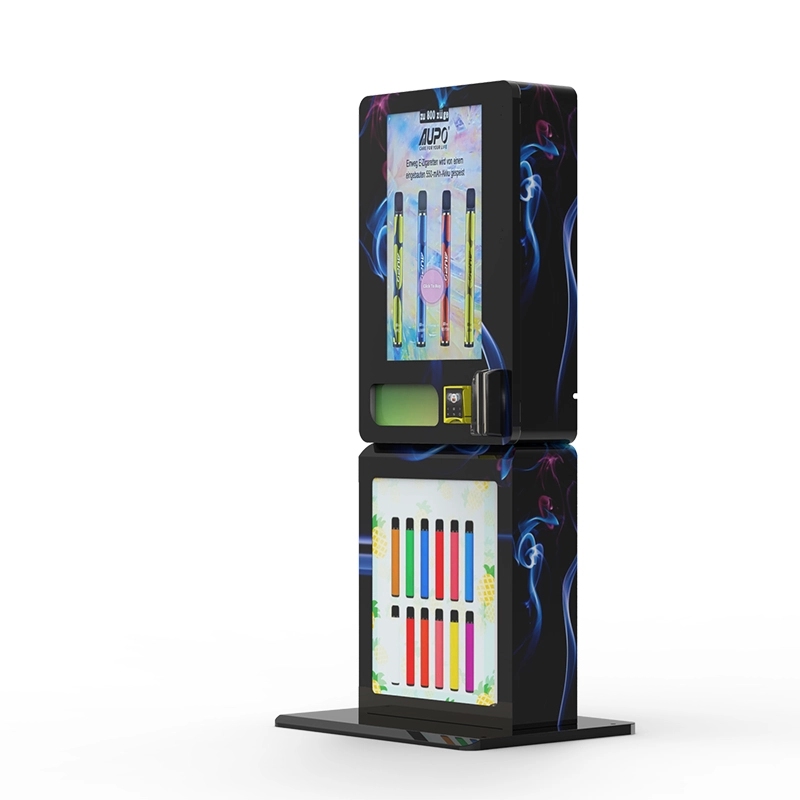
Disposable vapes and pod systems sell best. They have consistent sizing, high margins, and fast turnover. Avoid selling large mods or bottled e-liquid—they are harder to dispense and have lower profit margins per cubic inch of machine space. In my experience, disposables account for 70% of vending machine sales in the US market.
How do I maintain a vape vending machine?
You need to restock the machine once a week, clean the dispensing mechanism monthly, and update the software every time the supplier releases a new version. The most common maintenance issue is a jammed dispensing coil caused by a bent product. I keep a spare coil kit at every location. Remote monitoring helps you catch problems before customers do.
Can I brand the vending machine with my own logo?
Yes, most OEM suppliers offer custom branding. Zhongda, for example, can apply your logo and color scheme to the machine body and the touchscreen interface. Minimum order quantities for full customization are usually 10 to 20 units. For smaller orders, you can use vinyl wraps.
Sources and References:
- Statista Global Vending Machine Market Report, 2023: statista.com
- IBISWorld Vending Machine Operators Industry Report, 2024: ibisworld.com