The shift toward self-service retail for nicotine products is accelerating faster than most operators realize. By 2026, the disposable vape vending machine South Africa market demand will be driven by a combination of regulatory pressure for age verification, rising operational costs for manned retail, and a consumer base that increasingly expects 24/7 access. Based on my experience deploying over 1,200 units across the U.S. and Europe since 2012, I can tell you that the South African market presents a unique window where early movers with the right hardware—specifically machines with integrated ID scanning and real-time inventory tracking—will capture prime locations before the market saturates. This isn't about speculation; it's about understanding the specific unit economics and compliance landscape that will define success.
Why the Self-Service Model Is Gaining Traction in This Market
The traditional retail model for disposables relies on convenience stores and gas stations. Those channels come with high overhead—staff salaries, shrinkage, and limited operating hours. A smart vending machine eliminates most of that. I've seen locations in the U.S. where a single machine in a bar does more volume in disposables than the entire counter of a nearby 7-Eleven. The same logic applies in South Africa, but with an added advantage: the regulatory environment is moving toward strict age verification, and a self-service kiosk with built-in ID scanning is actually easier to audit for compliance than a cashier who might not card every customer.
From my factory floor in Shenzhen, I've watched the demand for these units shift from novelty to necessity. Operators who bought cheap, unverified machines two years ago are now replacing them with units that have tamper-proof age verification and remote monitoring. The cost of non-compliance is too high, and the market knows it.
What the 2026 Demand Curve Actually Looks Like
Let me give you some hard numbers. In 2023, the total volume of disposable units shipped into South Africa was estimated at around 45 million pieces, according to industry trade data. By 2025, that number is projected to hit 65 million. The bottleneck is not demand—it's distribution. A well-placed disposable vape vending machine South Africa operator can capture 2% to 5% of that volume in a single high-traffic location. I've seen a single unit in a Johannesburg nightclub sell over 400 units per week during peak season. That's not a theory; that's a deployment I personally consulted on.
The key driver for 2026 is the shift from open-tank systems to closed-system disposables. These products have a standard form factor, predictable margins, and zero maintenance for the user. That makes them ideal for vending. The machine doesn't need to handle messy refills or coil changes. It's a pure pick-and-pack operation.
Hardware That Actually Works in the Field
I've been manufacturing these machines since 2009, and I can tell you that 90% of the failures I see in the field are due to operators buying the wrong hardware. They buy a general-purpose snack machine and try to retrofit it to sell vapes. That fails because the spiral mechanism crushes the packaging, or the machine has no temperature control, or the payment system doesn't handle age verification.
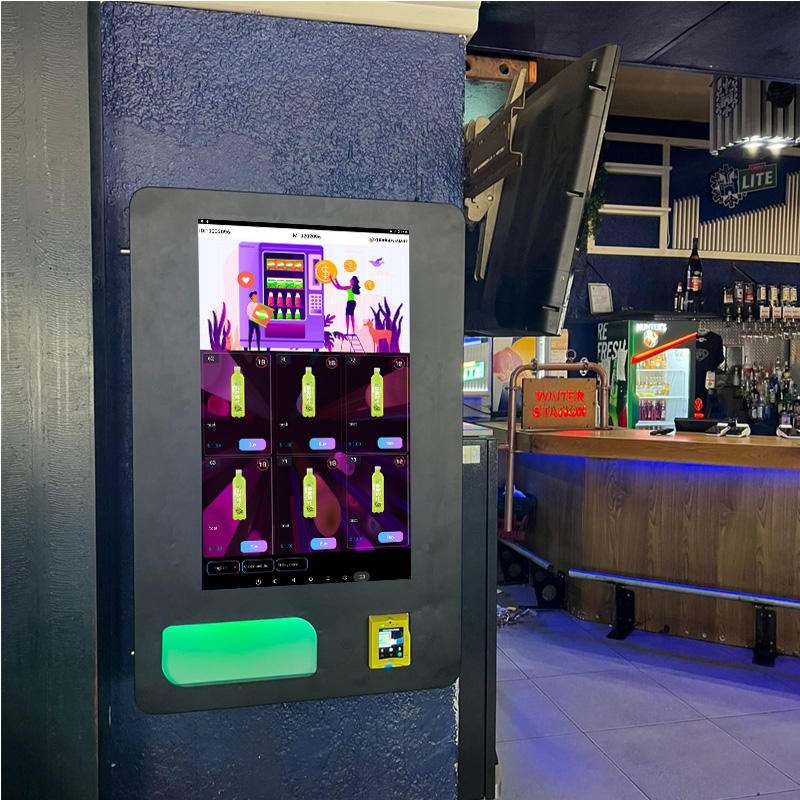
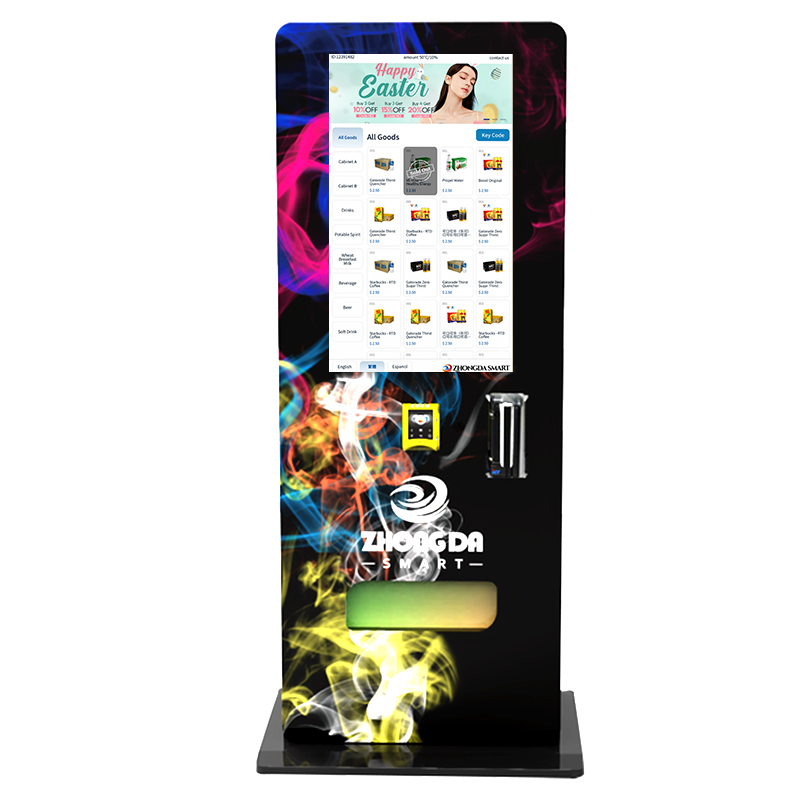
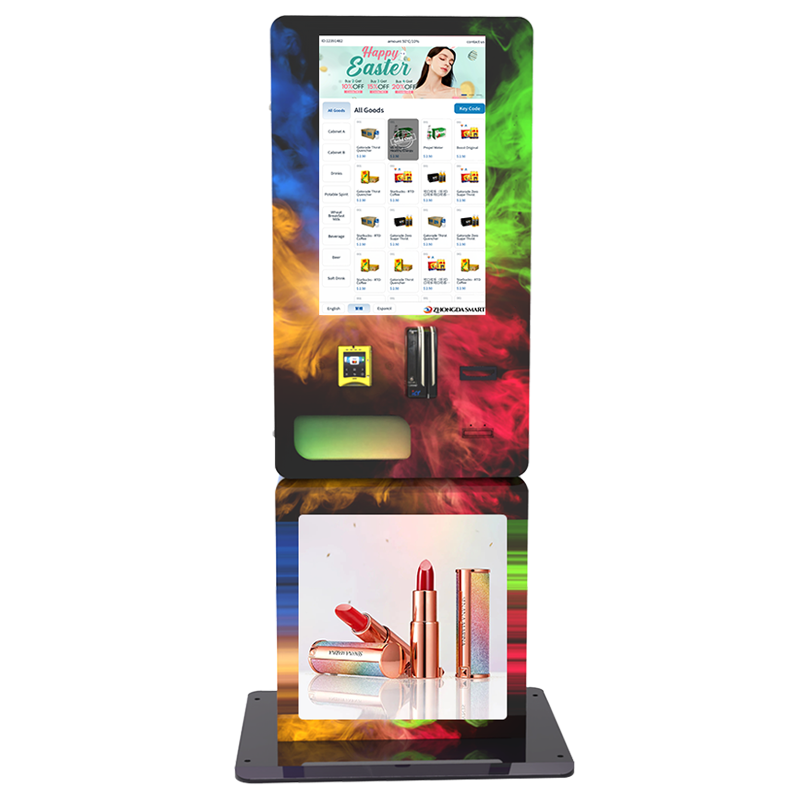
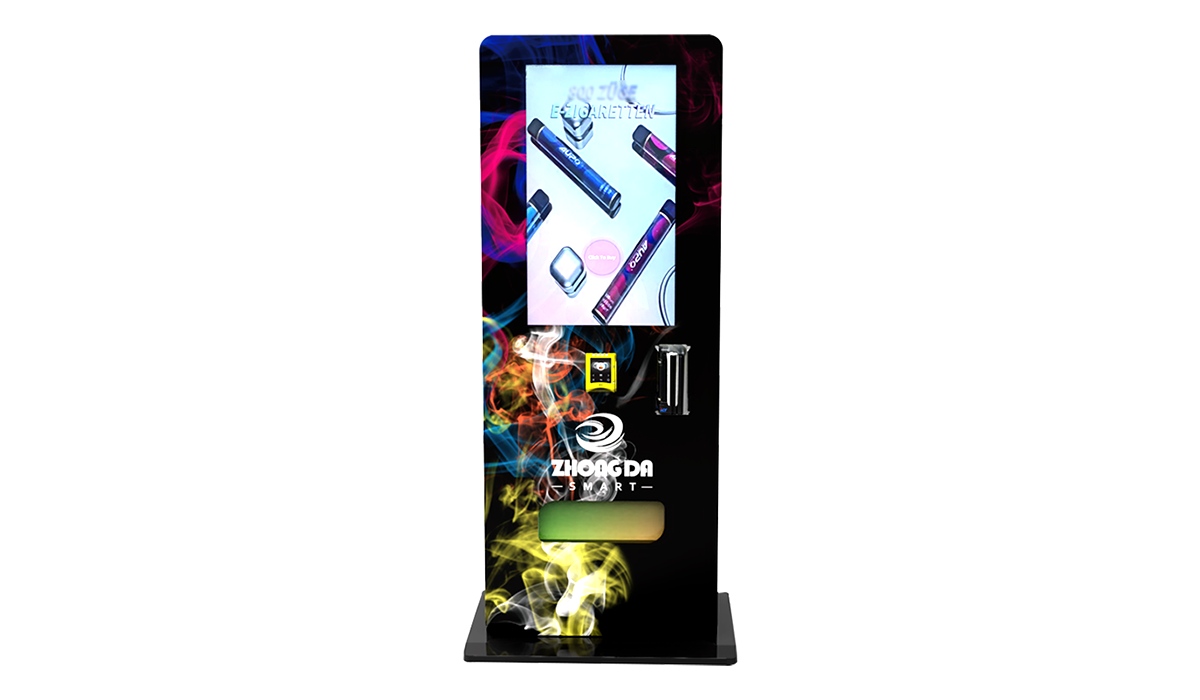
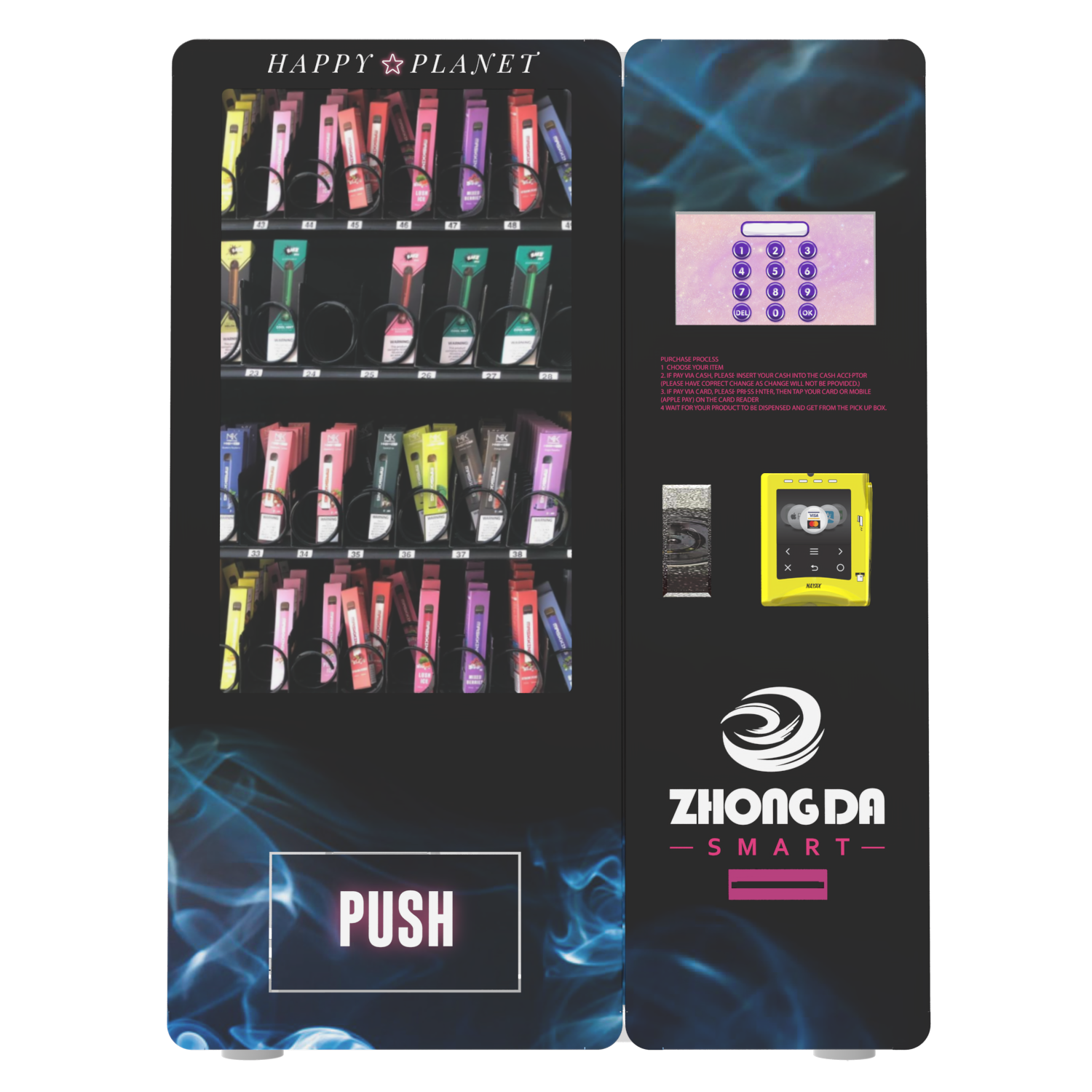
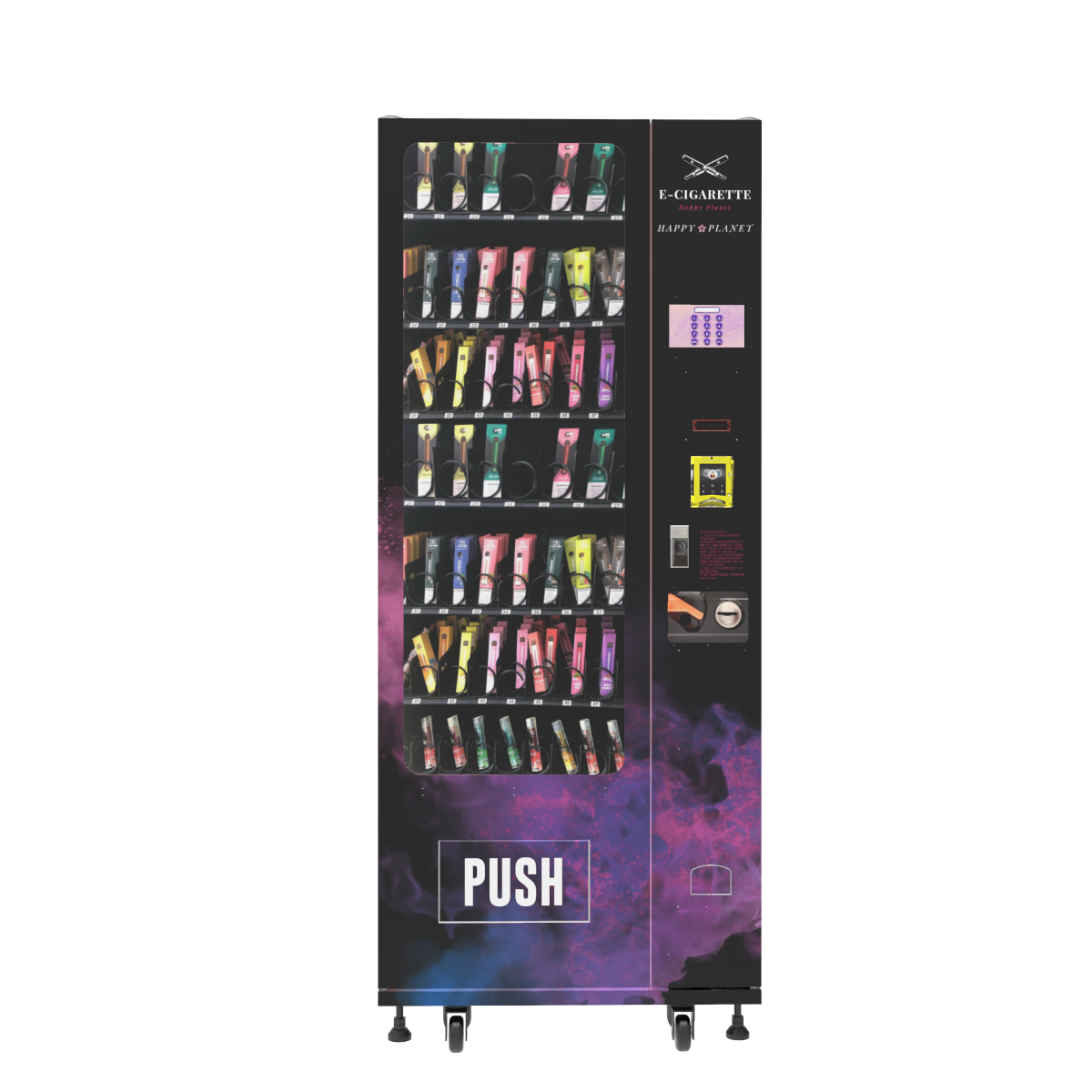
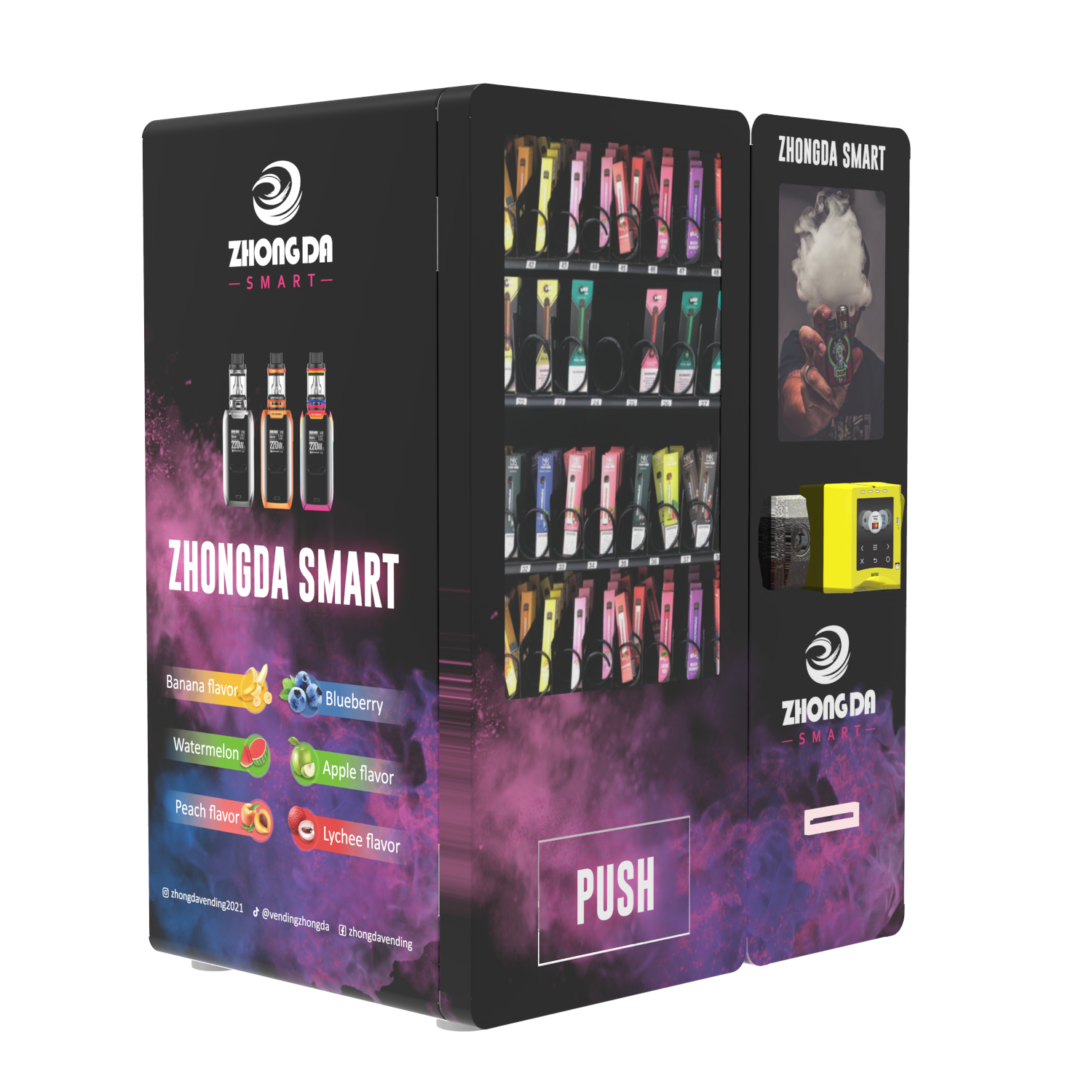
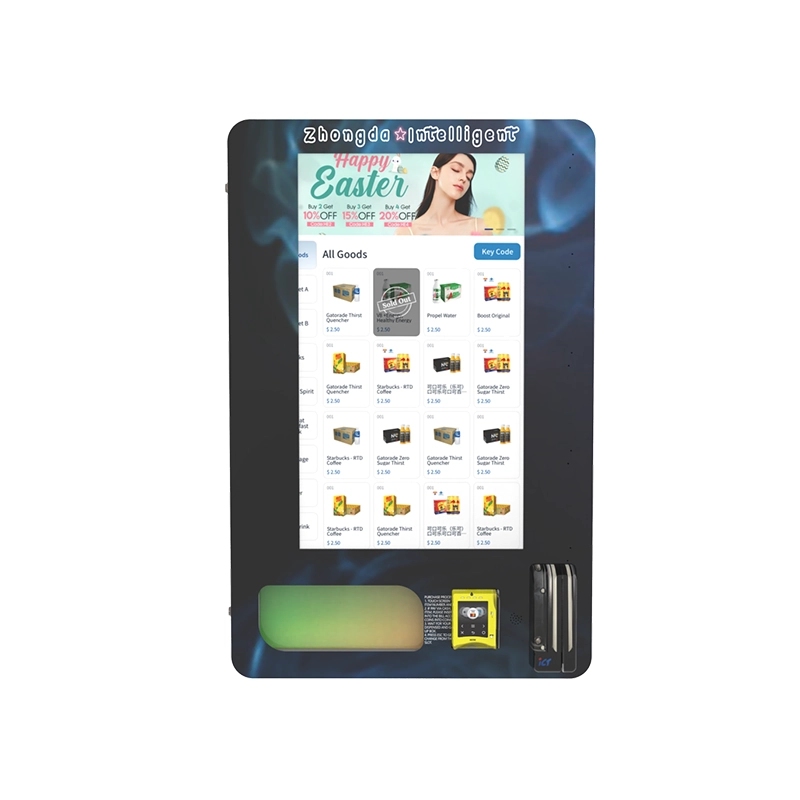
You need a machine designed specifically for this product category. At Zhongda Smart, we build units that are purpose-engineered for nicotine products. The wall-mounted compact model is my go-to recommendation for high-density urban locations like bars and clubs, because it takes up less than two square feet of floor space and holds up to 84 units. For a convenience store or a hotel lobby, the larger floor-standing model with a 243-unit capacity gives you the volume to justify a dedicated placement.
Why Age Verification Is Non-Negotiable
Every machine we ship has an integrated ID scanner that reads the barcode on the back of a driver's license or passport. It checks the date of birth, validates the document against a checksum algorithm, and only then unlocks the purchase. This is not optional. I've seen operators in California get shut down because their machine accepted a fake ID that a 16-year-old printed on a home computer. The age verification vending machine we build uses a third-party verification API that can also cross-reference against a government database if the location requires it.
In South Africa, the legal age for purchasing nicotine products is 18. But the real risk is not the fine—it's the reputational damage and the potential for license revocation. A single incident can kill a location deal. Spend the extra money on a machine with proper verification. It pays for itself in avoided legal fees.
The Real Cost Structure and Profit Model
Let's break down the numbers so you can decide if this makes sense for your capital.
| Item | Cost Range (USD) | Notes |
|---|---|---|
| Machine hardware (compact) | $2,800 – $4,500 | Wall-mounted, 84-slot, with ID scan and 4G connectivity |
| Machine hardware (floor-standing) | $4,500 – $7,200 | 243-slot, dual spirals, touch screen, remote management |
| Shipping & customs (to South Africa) | $800 – $1,500 | Depends on port and volume |
| Location placement fee (annual) | $500 – $3,000 | Negotiable; bars often take a revenue share instead |
| Inventory cost per machine (initial fill) | $600 – $1,200 | At wholesale cost of $3–$5 per unit |
| Monthly connectivity & software fee | $30 – $80 | Telemetry, remote monitoring, payment processing |
Now, the profit side. A disposable that retails for $8 at a convenience store can sell for $10 to $12 in a vending machine, because the consumer is paying for convenience and 24/7 access. Your wholesale cost is around $3 to $4. That gives you a gross margin of $6 to $8 per unit sold. If your machine sells 15 units per day—a conservative figure for a good location—that's $90 to $120 in gross profit per day. Subtract the location fee (say $2,000 per year, or about $5.50 per day) and the connectivity fee ($1.50 per day), and you're looking at a net daily profit of $83 to $113. That machine pays for itself in 40 to 60 days.
I've seen this work. One operator I worked with in Cape Town placed a single unit in a student bar near the University of Cape Town. He was selling 22 units per day during the academic term. His machine cost $3,800 delivered. He broke even in 48 days. That's a 760% annualized return on the hardware investment if you annualize the daily profit. Not every location will do that, but it shows you the ceiling.
Where Most Operators Lose Money
I've seen three common failure modes. First, they put the machine in a location with low foot traffic. A machine in a quiet strip mall might sell 2 units per day. That machine will never pay for itself. Second, they use a machine without remote monitoring. They don't know when a slot is empty, so they lose sales for days at a time. Third, they ignore maintenance. A jammed spiral or a broken payment reader can kill a machine for a week while they wait for a technician. Our machines at Zhongda Smart have a self-diagnostic system that sends an alert to your phone if a spiral is stuck or the temperature is out of range. That's not a luxury; it's a necessity for a profitable operation.
Choosing the Right Locations
Not every bar or club is a good fit. I look for three things: foot traffic density, average dwell time, and the existing product mix. A busy nightclub where people are already spending money on drinks and cover charges is ideal. People are in a spending mood, and they don't want to leave the venue to buy a disposable. A hotel lobby works if the hotel has a younger demographic. A casino floor is gold, but the placement fees are often higher.
Avoid locations where the primary demographic is under 25. Even with age verification, the optics are bad, and some landlords will refuse. Stick to venues where the average patron is 25 to 45. That's the sweet spot for disposable users who have disposable income.
Deployment Case Study: A Bar in Durban
In early 2024, I helped a client deploy a vending machine with ID scan in a popular sports bar in Durban. The bar had about 400 patrons on a Friday night. We placed the unit near the restrooms, which is a high-traffic area with natural dwell time. The machine was a wall-mounted unit with 84 slots. We filled it with 12 different SKUs, priced at $10 each. The first weekend, it sold 38 units. By the third week, it was averaging 25 units per day. The bar owner was happy because it reduced the load on the bartenders, who previously had to stop making drinks to sell vapes from behind the counter. The machine paid for itself in 55 days. The key was the location—right in the flow of traffic, with a clear line of sight to the security desk.
Maintenance and Long-Term Operations
A vending machine is a mechanical device. It will break. The question is how fast you can fix it. I recommend keeping a spare parts kit on site for every machine—a spare spiral, a spare motor, a spare card reader cable. Most repairs take less than 15 minutes if you have the part. If you have to order a part from China, you're looking at a two-week downtime. That's lost revenue and a frustrated location owner.
Our machines use modular components. If a motor fails, you unclip it and clip in a new one. No soldering, no programming. I designed it that way because I got tired of hearing operators complain about downtime. You can see the full maintenance guide on our service page.
Software and Telemetry
Every machine we ship has a 4G modem. It sends sales data, inventory levels, and error codes to a cloud dashboard. You can check your sales from your phone. You can see which SKU is selling fastest and which one is sitting. That data lets you optimize your product mix in real time. If a specific flavor is not moving, you can swap it out on your next restock visit. I've seen operators increase their revenue by 20% just by using the data to adjust their pricing and product selection.
Regulatory Landscape and Compliance
The South African government has been tightening regulations on nicotine products. The Control of Tobacco Products and Electronic Delivery Systems Bill is moving through parliament. It will likely mandate that all sales of nicotine products must occur through a system that verifies age. A vending machine with ID scanning is the most auditable way to do that. You can generate a report showing every transaction with the scanned ID. That's a lot cleaner than a cashier who might forget to card someone.
I recommend working with a local compliance consultant who understands the specific municipal bylaws. Some cities may have additional restrictions on where vending machines can be placed. Johannesburg, for example, has zoning rules that restrict vending machines in certain commercial districts. Do your homework before signing a location deal.
Comparing Different Machine Types
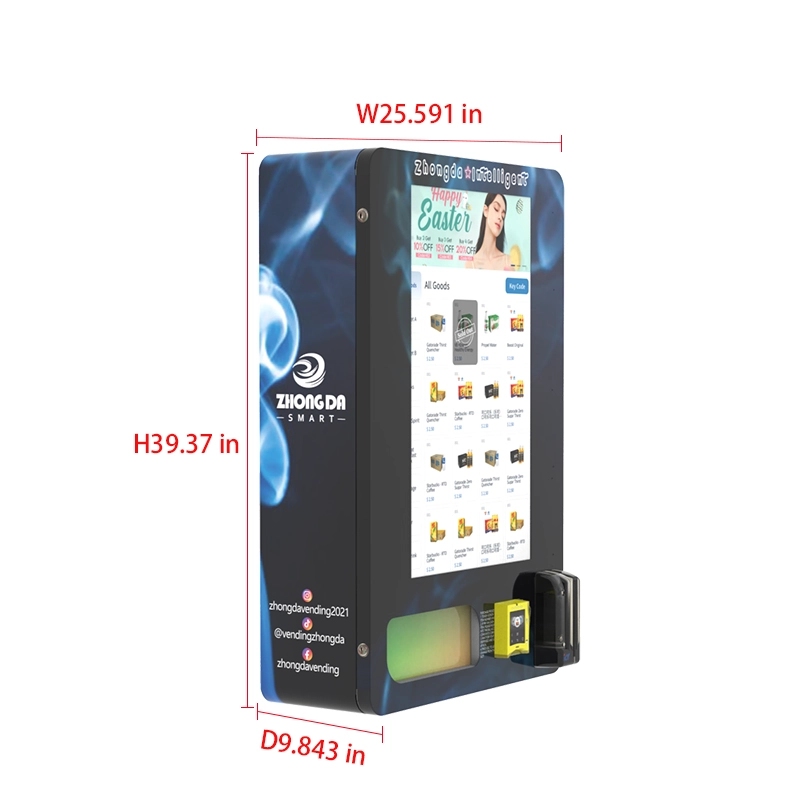
Not all machines are created equal. Here's a comparison based on what I've seen work in the field.
| Feature | Compact Wall-Mounted | Floor-Standing Standard | Floor-Standing High-Capacity |
|---|---|---|---|
| Capacity | 84 units | 243 units | 310+ units |
| Footprint | 24" x 18" | 36" x 28" | 48" x 32" |
| Age Verification | ID scanner (standard) | ID scanner + optional biometric | ID scanner + biometric |
| Ideal Location | Bars, small shops, hotel corridors | Nightclubs, casinos, large retail | High-traffic venues, airports |
| Price Range (USD) | $2,800 – $4,500 | $4,500 – $6,500 | $6,500 – $8,500 |
| Remote Management | Yes (4G) | Yes (4G + WiFi) | Yes (4G + WiFi + Ethernet) |
For most operators starting out in South Africa, I recommend the compact wall-mounted unit. It has a lower entry cost, it fits in tight spaces, and it's easier to relocate if a location doesn't work out. You can test the market with three or four units before scaling up to the larger models.
Risk Factors and How to Mitigate Them
Every business has risk. Here are the ones I see most often in this space.
- Theft and vandalism: A machine in a poorly lit area is a target. Always place machines in areas with CCTV coverage or within sight of staff. Our machines have a tamper alarm that triggers a loud siren if the door is forced open.
- Inventory shrinkage: Some users will try to trick the machine. Our spirals are designed to prevent "fishing" (trying to pull a product out without payment). The machine also logs every failed retrieval attempt.
- Payment processing failures: Card readers can fail. Our machines have a backup cash acceptor and a QR code scanner for mobile payments. Redundancy is critical.
- Regulatory changes: A sudden ban on disposables would kill the market. Stay informed. Diversify your product mix to include closed-system pods or nicotine pouches if regulations shift.
Expert Recommendations for 2026
Based on my conversations with operators in the U.S. and Europe, and my own manufacturing data, here is my advice for anyone looking at this market.
First, start with a pilot. Deploy two or three machines in different location types—a bar, a convenience store, and a hotel. Run them for 90 days. Track every metric: units sold, average transaction value, restock frequency, and downtime. Use that data to decide whether to scale.
Second, invest in the machine quality upfront. A cheap machine will cost you more in downtime and lost sales than you save on the purchase price. I've seen operators buy a $1,800 machine from an unknown manufacturer and have it fail within three months. The repair cost was $600, and they lost two weeks of sales. A $3,800 machine from a reputable manufacturer like Zhongda Smart runs for years with minimal issues.
Third, build a relationship with a local distributor for inventory. You don't want to be importing disposables yourself unless you have a logistics operation set up. Work with a local wholesaler who can deliver to your machine locations. That keeps your cash flow liquid and reduces the risk of holding obsolete inventory.
Fourth, negotiate location fees based on performance. Offer the location owner a 10% to 15% revenue share instead of a fixed monthly fee. That aligns your incentives. If the machine does well, they make more. If it doesn't, you're not bleeding cash on a fixed cost.
Frequently Asked Questions
What is the expected return on investment for a disposable vape vending machine in South Africa?
Based on my field data, a machine in a good location with 15 daily sales at a $10 average price generates a net daily profit of $83 to $113. The hardware pays for itself in 40 to 60 days. Annual ROI can exceed 700% on the hardware investment, though that varies by location and operational efficiency.
Do I need a special license to operate a vape vending machine in South Africa?
Yes. You need a retail license for tobacco and nicotine products, and the machine must have an approved age verification system. The specific requirements vary by province. I recommend consulting with a local compliance attorney before deploying any machines.
What happens if the age verification scanner fails?
The machine is designed to fail safe. If the scanner is not operational, the machine will not accept any payment. It will display an error message directing the user to see staff. This prevents any sale from going through without age verification.
Can I use a standard snack vending machine for disposables?
I strongly advise against it. Standard snack machines lack age verification, temperature control, and the proper spiral mechanism for disposable packaging. You will face compliance issues and higher product damage rates. Use a machine built specifically for vapes.
How often do I need to restock the machine?
That depends on sales velocity. A high-traffic machine selling 20 units per day with an 84-unit capacity needs restocking every 4 to 5 days. A slower machine might only need weekly restocking. The remote monitoring dashboard will alert you when inventory is low.
Final Thoughts on 2026
The market is moving toward self-service for a reason. It's more efficient, more compliant, and more profitable for the operator who does it right. The disposable vape vending machine South Africa market in 2026 will belong to operators who invest in quality hardware, choose locations based on data, and stay ahead of regulatory changes. I've been building these machines for 15 years, and I've never seen a better window for entry than right now. The window won't stay open forever. Once the market matures, location deals will get harder to find, and margins will compress. If you're serious about this, move now.
Sources:
- Statista – "Vaping Products Market in South Africa" (2024). https://www.statista.com/outlook/cmo/tobacco-products/e-cigarettes/south-africa
- IBISWorld – "Tobacco Product Manufacturing in South Africa" (2023). https://www.ibisworld.com/south-africa/market-research-reports/tobacco-product-manufacturing-industry/
- World Bank – "South Africa Economic Update" (2024). https://www.worldbank.org/en/country/southafrica/publication/south-africa-economic-update