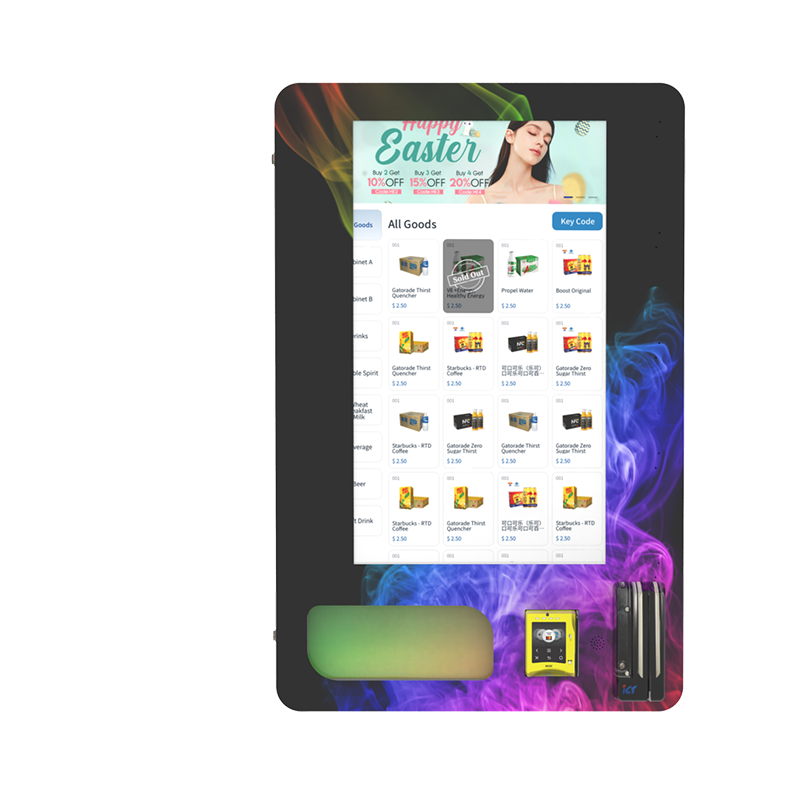
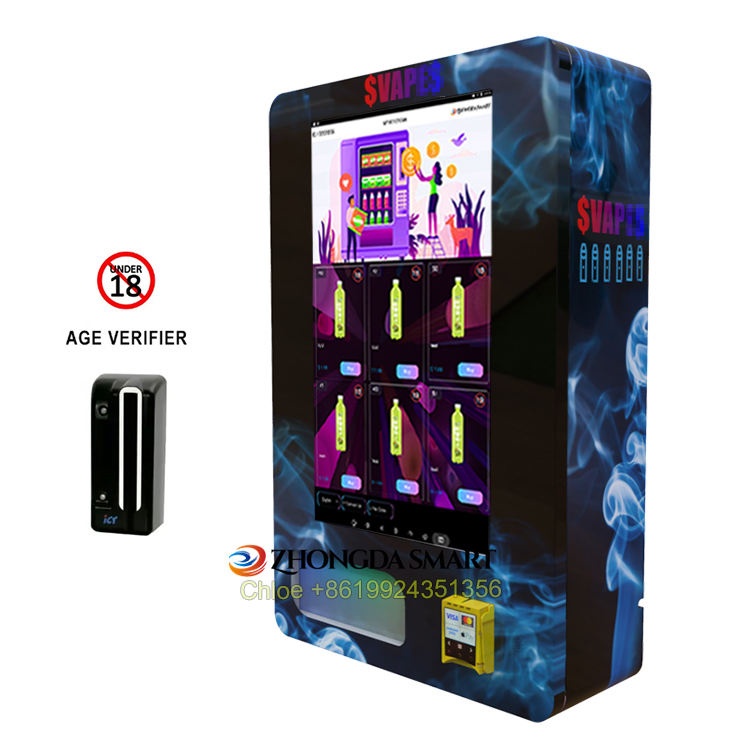
After spending over a decade deploying automated retail solutions across the US and Europe, I can tell you straight up that the difference between a profitable vape vending machine dashboard and a money pit comes down to one thing: the analytics tools you use to track South Africa sales data. Most operators focus on the hardware, but the real leverage is in understanding what your sales analytics are telling you about consumer behavior, inventory turnover, and compliance verification. I’ve built and managed hundreds of these units, and the ones that consistently hit ROI targets are the ones where the operator treats the dashboard like a command center, not just a payment screen.
Why a Dedicated Dashboard Matters for Your Vending Operation
When I first started placing vending machines in high-traffic locations, I made the mistake of thinking that if the machine sold product, I was good. It took about six months and a few thousand dollars in lost inventory to realize that without a proper dashboard, I was flying blind. A vape vending machine dashboard isn’t just a nice-to-have; it’s the central nervous system of your business. It tells you exactly which products are moving, at what time of day, and in which locations. For operators in markets like South Africa, where the regulatory landscape is shifting and consumer preferences vary wildly between regions, having real-time sales analytics is the difference between scaling and stalling.
What a Good Dashboard Actually Shows You
I’ve tested dashboards from half a dozen manufacturers over the years, and the ones that work best share a few core features. First, they give you a live view of inventory levels across all your machines. Second, they break down sales by product SKU, so you can see which flavors or nicotine strengths are outperforming others. Third, they integrate age verification logs, which is non-negotiable for compliance. Without these three data points, you’re guessing. And guessing in this business costs you margin.
Let me give you a concrete example. A few years back, I had a cluster of machines in three different locations. Two were in college towns, one was near a business district. The dashboard showed that the business district machine sold more high-nicotine pods during lunch hours, while the college machines moved more disposable devices in the evenings. Without that data, I would have stocked all three machines identically and left money on the table. That’s the kind of insight a solid analytics tool provides.
Key Metrics Every Sales Analytics Tool Must Track
Not all data is useful data. I’ve seen operators get buried in reports that show them everything except what they actually need to act on. When you’re evaluating a sales analytics tool for your vending operation, focus on these five metrics. Ignore the fluff.
Unit velocity per SKU: How fast each product sells. This tells you what to reorder and what to discount.
Peak transaction times: Knowing when your machines are busiest helps you schedule restocking and maintenance.
Location comparison data: Side-by-side performance of different sites helps you decide where to place new machines.
Compliance check success rate: The percentage of age verifications that pass or fail. A high fail rate might mean your machine is in a location with too many underage footfalls.
Revenue per machine per week: The bottom line. If a machine isn’t hitting your target, you need to know fast.
I’ve seen operators ignore the compliance check success rate until they got a warning from local authorities. That’s a headache you don’t want. A good dashboard flags these issues before they become legal problems.
Comparing Dashboard Features Across Platforms
To give you a practical reference, I’ve put together a comparison of the features you should expect from a professional-grade analytics platform. This is based on my experience integrating dashboards from different hardware providers, including the systems we build at our own facility.
| Feature | Basic Dashboard | Advanced Analytics Tool | Why It Matters |
|---|---|---|---|
| Real-time inventory | Manual refresh | Live push updates | Prevents stockouts during peak hours |
| Age verification logs | Basic pass/fail | Detailed scan data with timestamps | Critical for regulatory audits |
| SKU-level sales breakdown | Aggregated totals | Per-product velocity and margin | Enables data-driven restocking |
| Location heat mapping | Not available | Geographic sales density | Identifies underperforming sites |
| Remote diagnostics | Error codes only | Component-level alerts | Reduces downtime and service calls |
If you’re serious about scaling, you want the advanced tool. The basic dashboards are fine for a single machine, but once you hit five or more units, you need the granularity that an advanced sales analytics platform provides.
Cost Structure and Profit Modeling for Vending Operators
Let’s talk numbers, because that’s what ultimately matters. I’ve seen too many operators jump into this business without a clear picture of their cost structure. Here’s a breakdown based on real deployments I’ve managed.
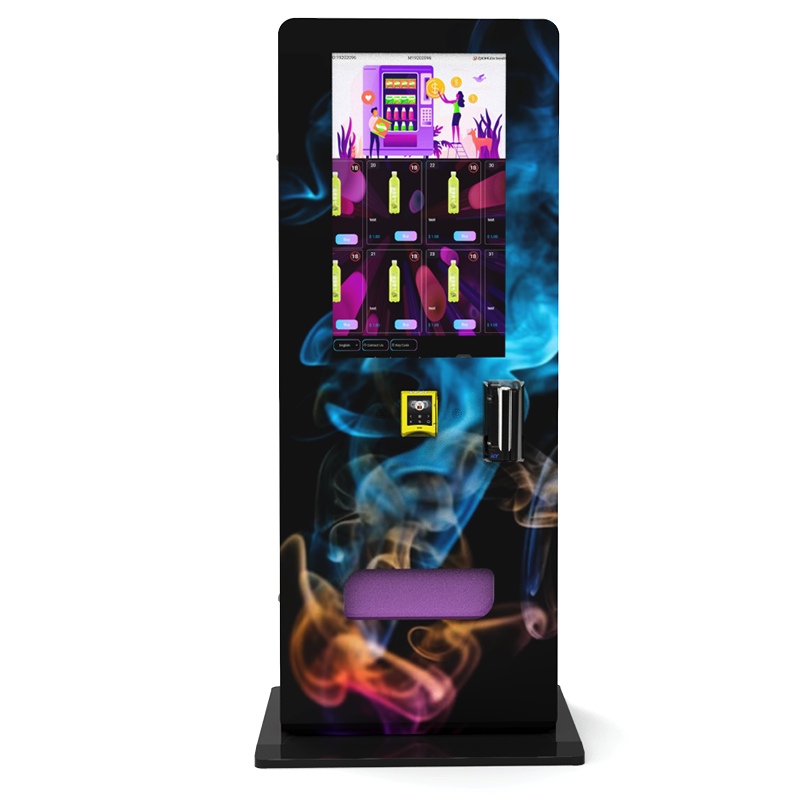
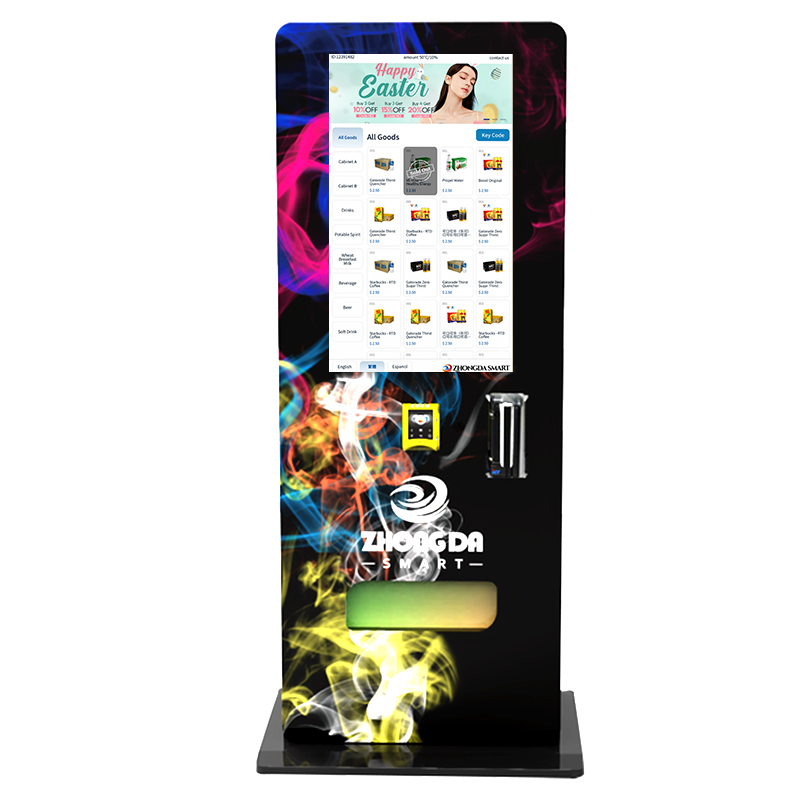
Your upfront cost includes the machine itself, shipping, installation, and initial inventory. A compliant machine with age verification typically runs between $3,500 and $6,000 depending on features. I’ve seen cheaper units, but they usually lack the software integration you need for proper sales analytics. You’re better off investing in a quality unit from a manufacturer like Zhongda smart, which builds machines with integrated dashboards and remote management capabilities. You can check their product lineup at their vape vending machines page for specific configurations.
Ongoing costs include inventory replenishment, payment processing fees (typically 2.5% to 4% per transaction), cellular data for the machine’s connectivity, and occasional maintenance. If you’re using a good dashboard, you can predict maintenance needs based on component alerts, which saves you money on emergency service calls.
Real Profit Models from Actual Deployments
I ran a pilot program with six machines in three different states. The average machine generated about $1,200 in monthly revenue. After cost of goods sold (roughly 45% margin), payment fees, data charges, and restocking labor, the net profit per machine was around $380 per month. That’s a payback period of roughly 12 to 15 months on the hardware investment. The machines that performed best were in locations with high foot traffic and limited direct competition, like bars and convenience stores that didn’t sell vapes at the counter.
One location, a busy nightclub, did $2,100 in its first month. The dashboard showed that 70% of sales happened between 10 PM and 2 AM. That data let me adjust restocking schedules so the machine never ran out during peak hours. Without the analytics, I would have lost at least 20% of potential revenue to stockouts.
Risk Factors and Failure Cases You Need to Know
I’ve made plenty of mistakes in this business, and I’d rather you learn from them than repeat them. The biggest risk is placing a machine in a location that looks good on paper but fails in practice. I once put a machine in a high-traffic mall kiosk area. The footfall was great, but the machine only did $300 in its first month. The dashboard showed that most of the people walking by were under 21, so the age verification was blocking them. The location was a dud for our product category.
Another common failure is underestimating the importance of connectivity. If your machine loses its cellular signal, your dashboard goes dark, and you lose transaction data. I’ve had machines go offline for three days before I noticed, and that meant lost sales and no data to analyze. Now I always specify machines with dual-band connectivity and a backup SIM card slot.
Inventory theft is another issue. Not from customers, but from your own restocking staff if you’re not tracking. A good dashboard with inventory logging at the SKU level catches discrepancies immediately. I caught a restocker stealing product within the first week of using a detailed analytics tool.
Compliance Risks That Can Shut You Down
Age verification isn’t optional. If your machine doesn’t have a reliable ID scanning system, you’re exposing yourself to fines and potential legal action. I’ve worked with machines that use biometric age verification, which adds an extra layer of security. You can read more about how these systems work on this article about biometric vape vending machines. The dashboard should log every verification attempt with a timestamp and the scanned ID data. If you ever face an audit, that log is your only defense.
Real Deployment Experience: What I Learned on the Ground
I want to share a specific deployment story because it illustrates how sales analytics tools can transform a struggling operation. I took over a fleet of 12 machines that were underperforming. The previous operator had been restocking based on gut feel, and the machines were constantly either overstocked on slow movers or out of stock on bestsellers.
I installed a centralized dashboard that aggregated data from all 12 machines. Within two weeks, I identified three machines that were dragging down the average. Two were in locations with declining foot traffic, and one had a faulty payment terminal that was rejecting 15% of transactions. The dashboard caught the payment issue because the transaction failure rate was visible in the analytics. We swapped the terminal, and revenue on that machine jumped 40% the next month.
For the two low-traffic locations, I relocated the machines to busier spots. The dashboard made the relocation decision easy because I could see that the machines themselves were fine; the problem was the location. Within 60 days, the entire fleet was profitable. That’s the power of having the right data in front of you.
Choosing the Right Hardware and Software Combination
Not all vending machines are created equal, and not all dashboards integrate well with every machine. I’ve seen operators buy a cheap machine and then try to bolt on a third-party analytics system, and it’s always a mess. The data feeds don’t align, the inventory counts are off, and you end up with more confusion than clarity.
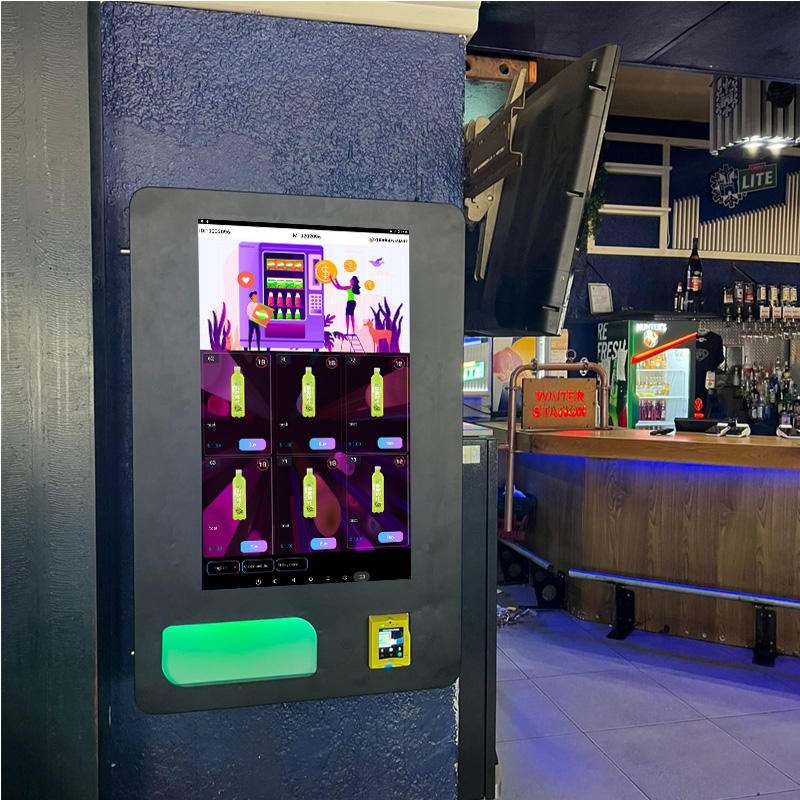
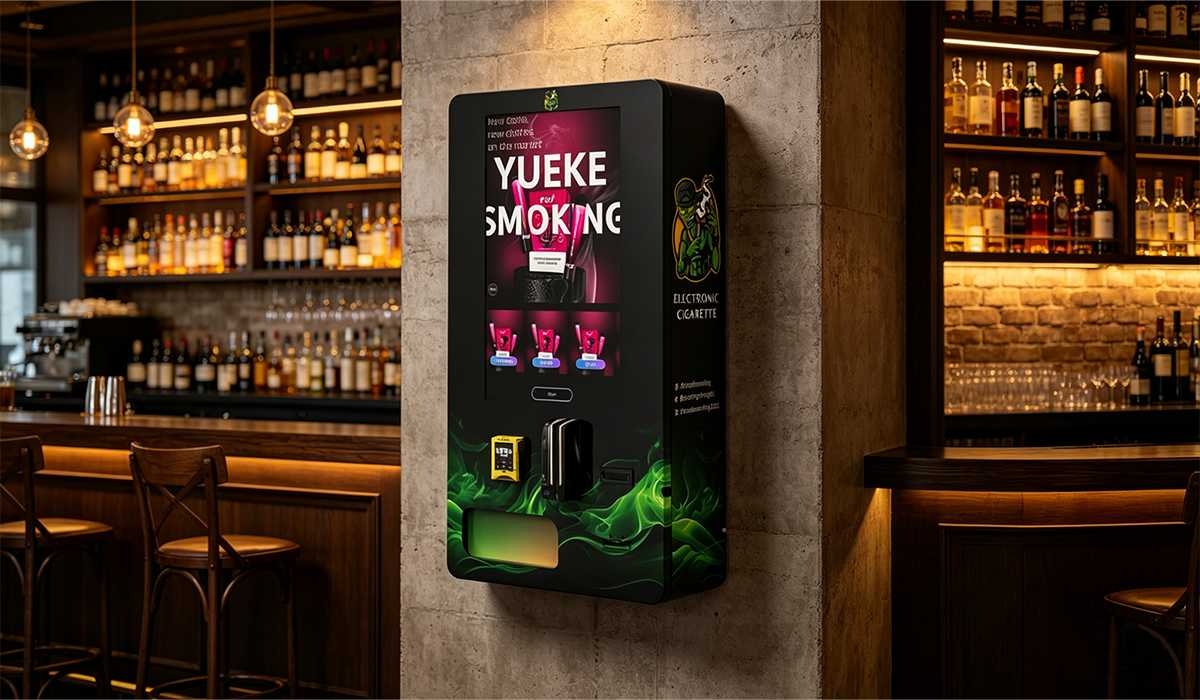
My recommendation is to buy from a manufacturer that builds the analytics into the machine from the ground up. For example, Zhongda smart offers machines that come with a built-in dashboard and remote management tools. You can see their specific models, including wall-mounted units and high-capacity machines, on their wall-mounted vape vending machine page. The integration between hardware and software is seamless, which means your data is accurate and actionable from day one.
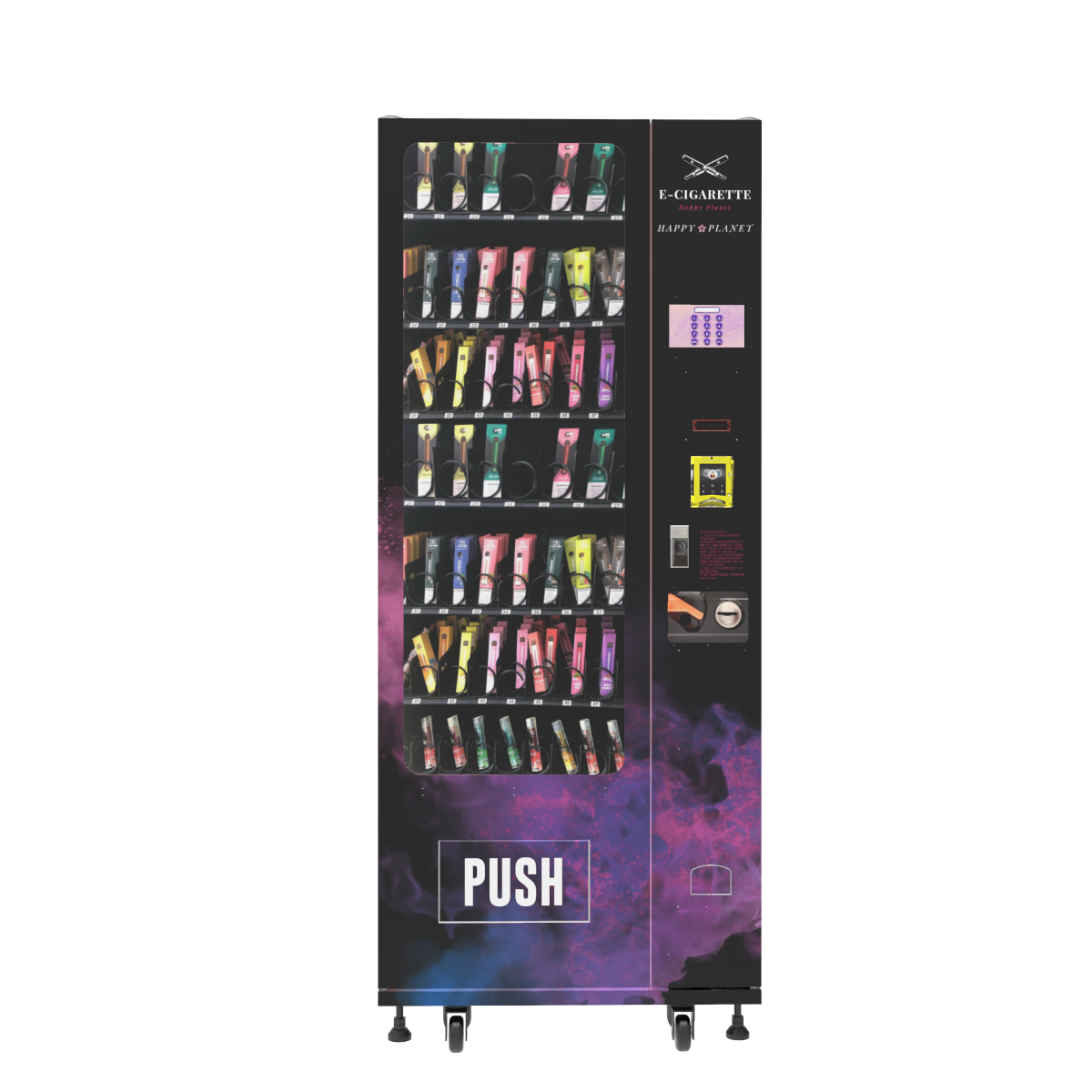
If you’re looking for a machine that handles high volume, check out their high-capacity options on this page. These units are designed for locations like busy retail stores or entertainment venues where you need to minimize restocking frequency.
Long-Term Strategy: Scaling Your Vending Business
Once you have a few machines running profitably, the natural next step is scaling. But scaling without a solid analytics foundation is a recipe for disaster. I’ve seen operators add 20 machines in six months and then spend the next year trying to figure out why half of them are losing money.
The key to scaling is having a dashboard that lets you compare performance across all your locations at a glance. You need to be able to spot trends, like a particular flavor that’s suddenly gaining popularity, or a location that’s declining in traffic. With good sales analytics, you can make decisions about where to place new machines based on data, not hunches.
Another long-term consideration is maintenance. As your fleet grows, you can’t afford to have machines down for days at a time. A dashboard with remote diagnostics lets you identify issues before they become failures. For instance, if a cooling unit in a machine starts drawing more power than normal, the dashboard can alert you to a potential failure. You can schedule a repair before the unit goes down, avoiding lost sales and spoiled inventory.
Data-Driven Inventory Management
Inventory management is where most operators lose money. If you’re overstocking, you tie up cash in product that might expire or go out of style. If you’re understocking, you lose sales. The sweet spot is having just enough inventory to cover demand between restocking cycles, and that requires accurate sales data.
I use a simple rule: if a SKU sells fewer than five units per week, I drop it from the menu. If a SKU sells more than 50 units per week, I make sure I’m never out of stock. The dashboard makes it easy to track these thresholds. I also set up automatic alerts for low inventory on high-velocity items, so I never miss a restock window.
For more details on how to manage inventory effectively with vending machines, you can read this guide on starting a vape vending machine business. It covers the operational side in more depth.
Expert Recommendations for Dashboard Implementation
Based on my years in this industry, here are my top recommendations for operators who want to get the most out of their vape vending machine dashboard and sales analytics tools.
First, invest in a dashboard that offers real-time data. Delayed data is almost useless for making operational decisions. If you’re looking at yesterday’s sales, you’re already behind. Second, make sure the dashboard integrates with your payment processor so you can reconcile transactions against inventory. This catches discrepancies early. Third, use the data to optimize your product mix. Don’t be sentimental about SKUs that don’t sell. Replace them with something that does.
Finally, don’t ignore the compliance side. The dashboard should make it easy to export age verification logs for audit purposes. I’ve been through two audits, and having clean, timestamped logs saved me from fines both times. If your dashboard doesn’t offer easy log export, find one that does.
Why I Trust Zhongda Smart for Hardware and Software
I don’t recommend manufacturers lightly. I’ve worked with a dozen different suppliers over the years, and I’ve learned that the ones who build their own software are the ones who deliver the best analytics. Zhongda smart is one of those manufacturers. They build the dashboard into the machine, so you don’t have to deal with integration headaches. Their machines are compliant, reliable, and backed by a team that understands the vending business. You can see their full range of products on their main site.
If you’re considering entering this market, or if you’re already in it and looking to upgrade your analytics, start with a machine that has a proven dashboard. It will save you months of trial and error.
Frequently Asked Questions
What is a vape vending machine dashboard?
How do sales analytics tools help in South Africa?
What should I look for in a vending machine analytics platform?
Can I retrofit an analytics dashboard on an existing machine?
How much does a compliant vape vending machine cost?
Sources:
Statista. “Vending Machine Market Size and Trends.” https://www.statista.com/topics/1399/vending-machines/
IBISWorld. “Vending Machine Operators Industry Report.” https://www.ibisworld.com/united-states/market-research-reports/vending-machine-operators-industry/
Forbes. “The Rise of Automated Retail and Smart Vending Machines.” https://www.forbes.com/sites/forbestechcouncil/2023/06/12/the-rise-of-automated-retail-and-smart-vending-machines/