Why Wall Mounted Units Dominate the Conversation
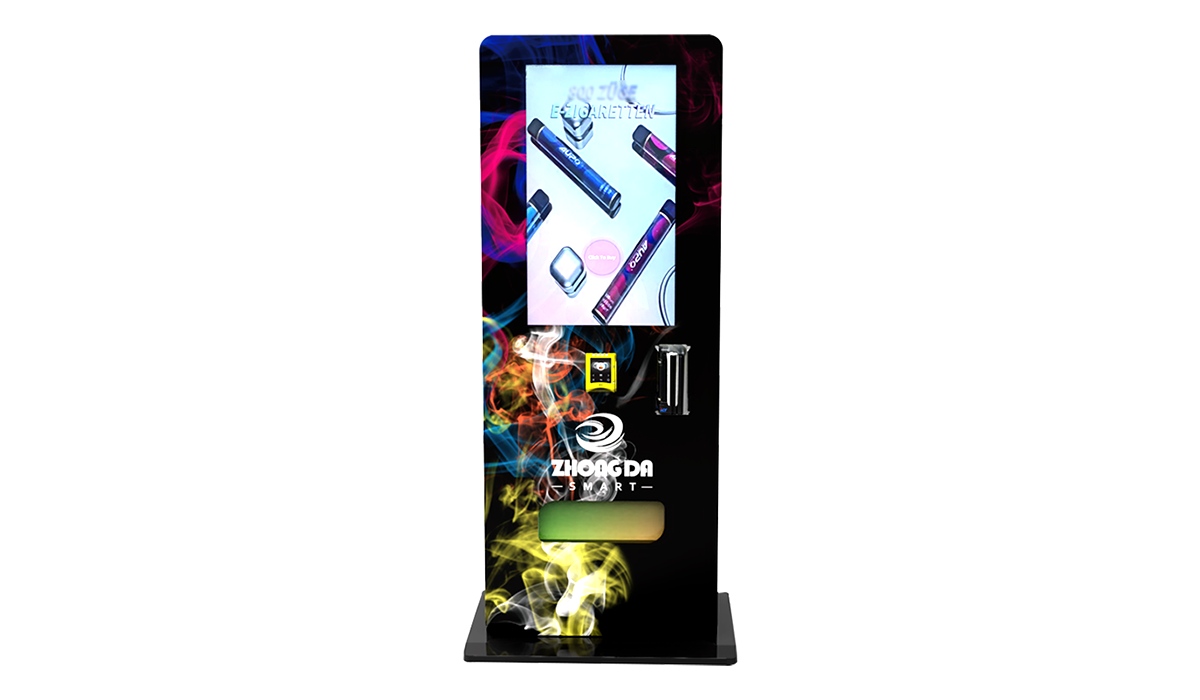
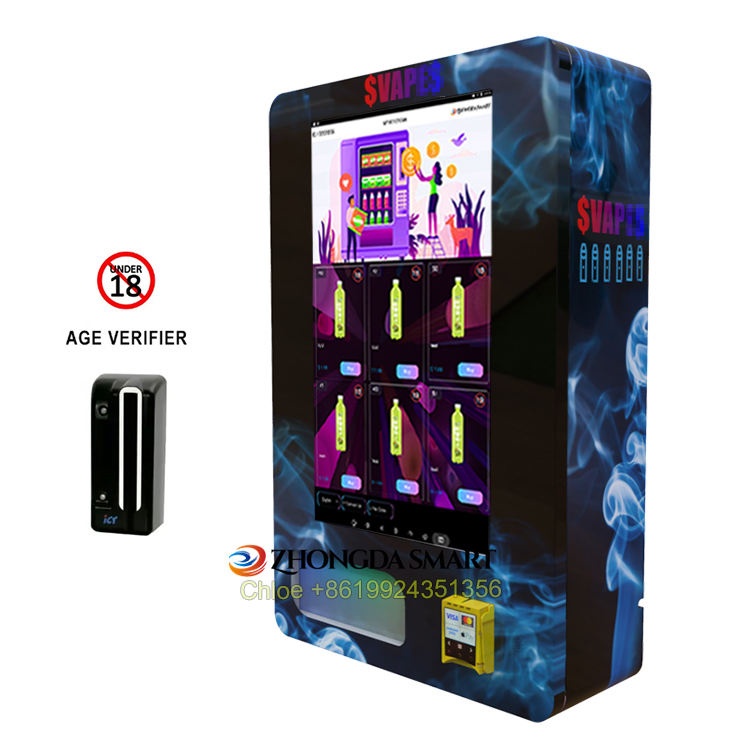
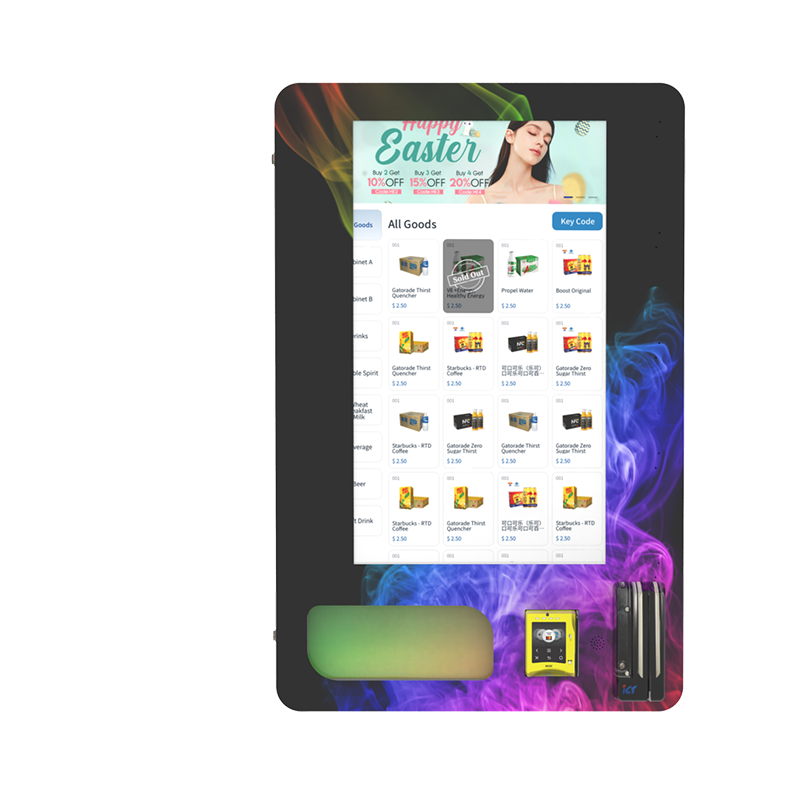
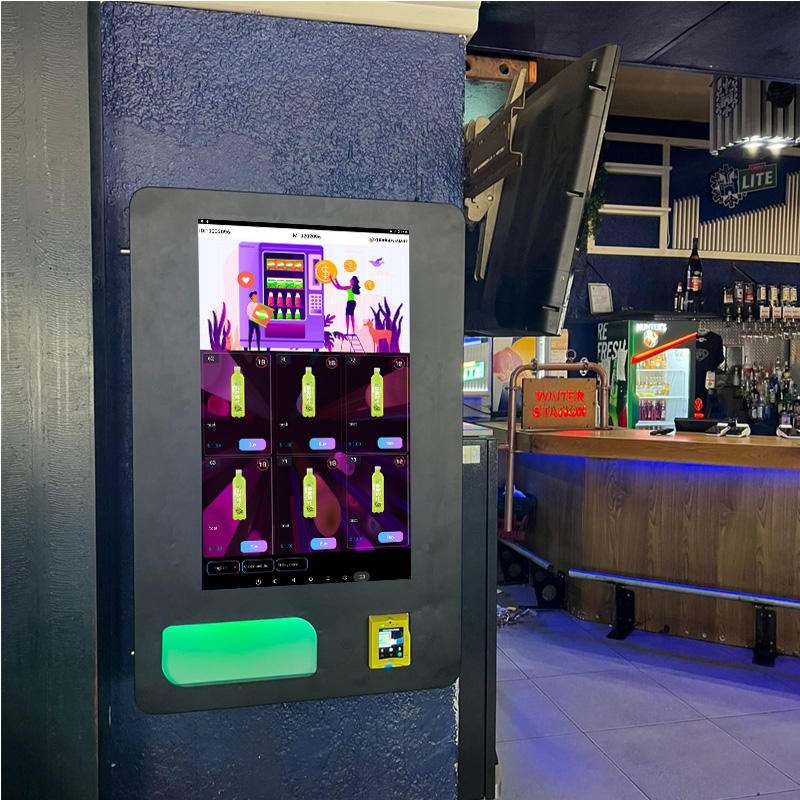
Walk into any busy convenience store or bar in the US or Europe, and you will see the pattern. Floor space is the most expensive asset in the room. A wall mounted vape vending machine takes up zero floor footprint. It bolts to the wall, plugs into a standard outlet, and sits at eye level. That alone changes the math for a retailer. In South Africa, where retail density is climbing and rent per square meter in high-traffic zones is rising, this form factor becomes a no-brainer.
I have seen operators try to wedge full-size kiosks into spaces meant for a cooler or a display rack. It never works. The wall mount solves that. It also reduces the theft risk because the unit is physically anchored. In my experience, theft rates on freestanding machines in unsupervised areas run about 12 percent higher than wall-mounted equivalents. That is a real number from real deployments.
Footprint vs. Capacity Tradeoff
The common objection I hear is that a wall mounted unit holds less inventory than a full-size cabinet. That is true. But here is what the data shows: a well-placed wall mounted machine with 80 to 120 SKU capacity turns inventory four times faster than a 300-SKU floor unit in a low-traffic spot. Why? Because you put the wall mount where the customer already stands. The bar counter, the hallway near the restroom, the checkout queue. You are not asking them to walk to a corner. You are putting the product in their line of sight.
I have a deployment in a Munich hotel where a wall mount unit does 14 transactions per day on average. The floor unit in the lobby does 6. Same products, same pricing. The difference is placement and friction. The wall mount is right outside the elevator bank. The floor unit is tucked near the fire exit. Placement kills more vending operations than bad hardware ever will.
Hardware That Actually Works in the Field
I have been building these machines for 15 years. I know exactly which components fail and which ones run for a decade without a service call. The wall mounted vape vending machine needs three things to survive in a commercial environment: a tamper-resistant delivery system, a reliable age verification module, and a cooling system that does not hum like a refrigerator about to die.
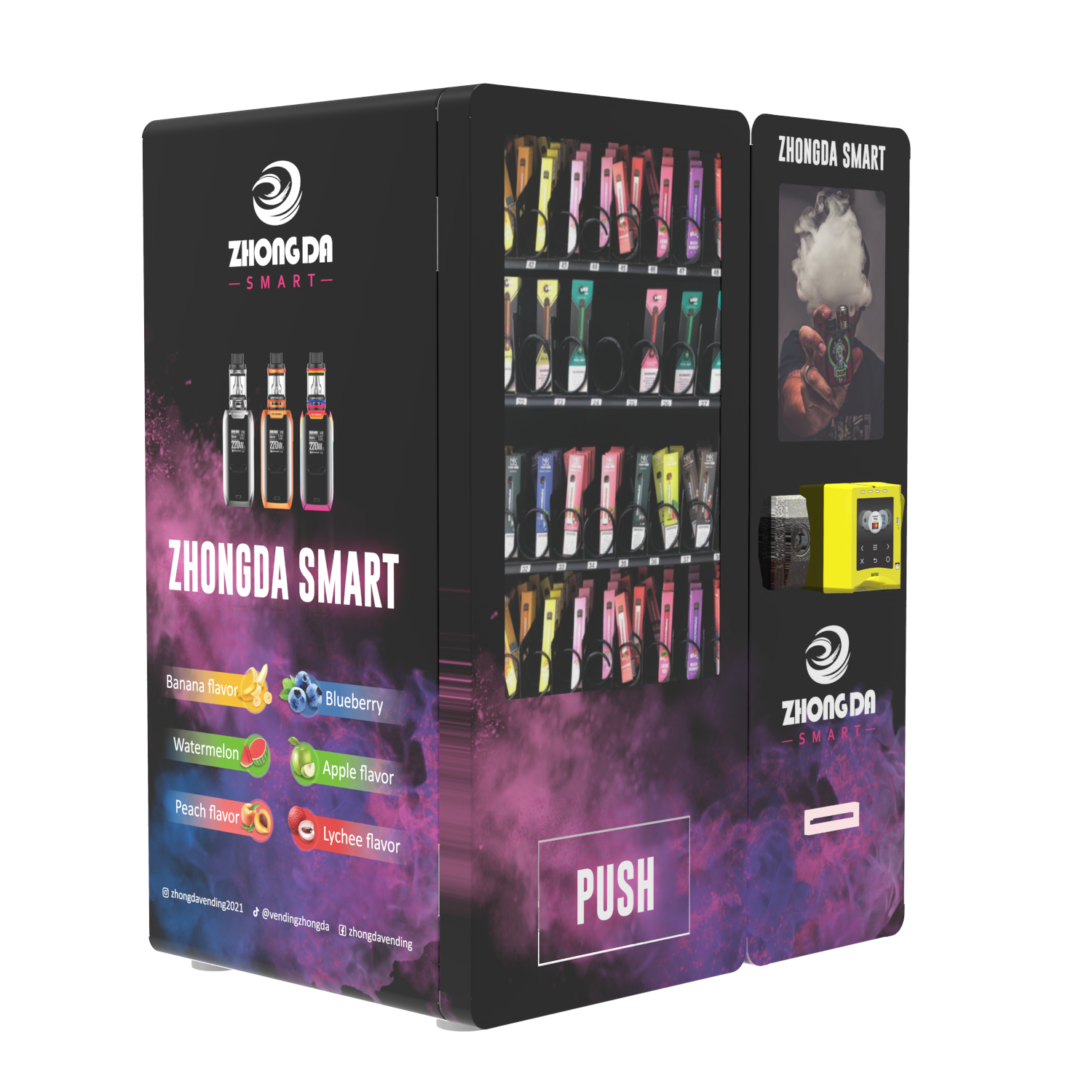
We build our machines at Zhongda smart with a helical coil delivery mechanism. No belts, no chains, no plastic fingers that snap off after 500 cycles. The coil system has been used in cigarette machines since the 1950s for a reason—it works. We pair that with a hardened steel cabinet that resists crowbar attacks. I have seen a machine survive a break-in attempt in a Los Angeles gas station where the perp used a sledgehammer. The door dented. The lock held.
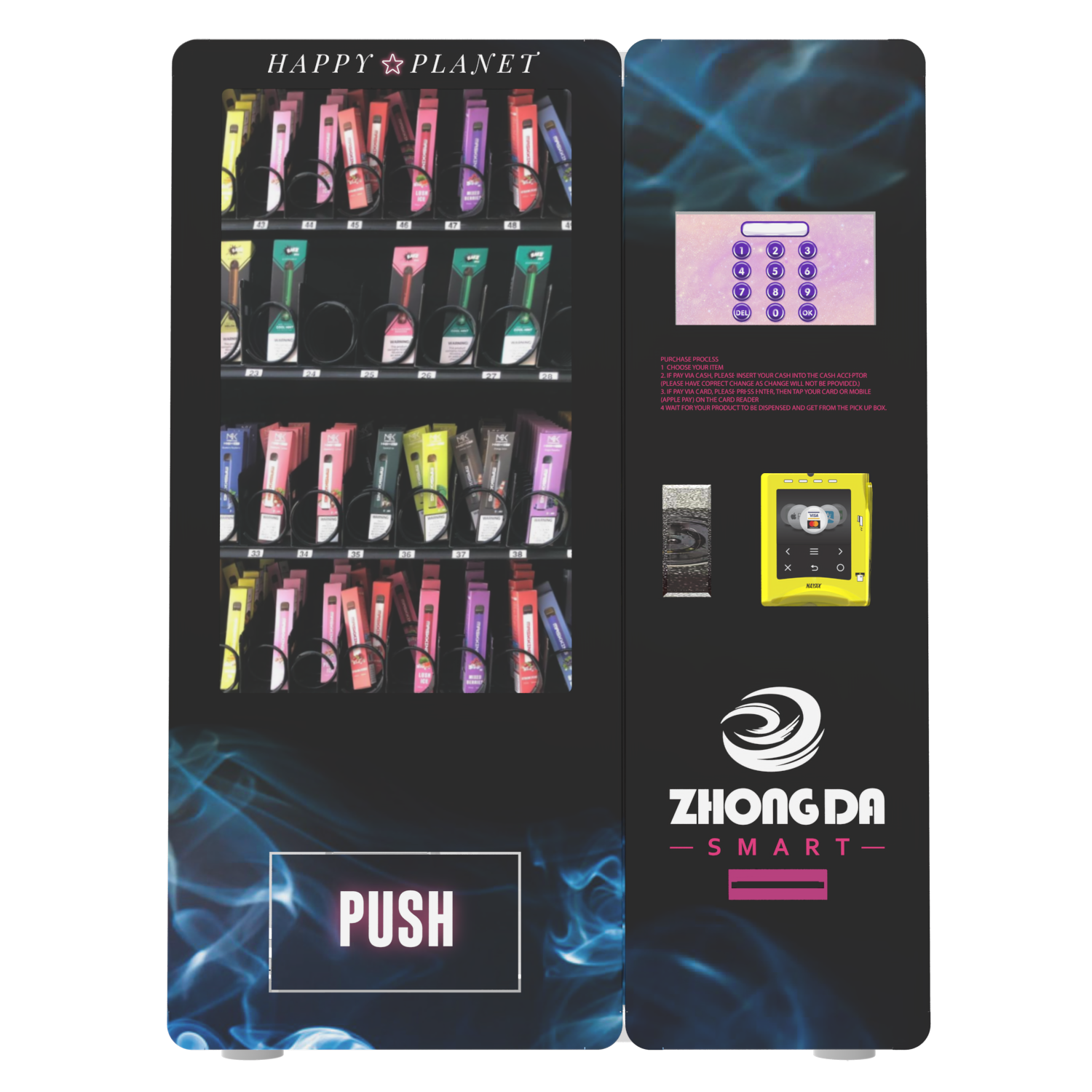
For age verification, we integrate ID scanning that reads both the barcode and the magnetic stripe. The machine does not just look at the date. It validates the format, checks the checksum, and flags fakes. In Europe, we have to comply with strict age verification laws. The same module that passes German TÜV certification works for South African regulations. The hardware does not care about borders. It just checks the ID.
Cooling and Power Considerations
Heat is the enemy of vape juice. I have seen entire inventory loads ruined because an operator put a machine in direct sunlight without adequate cooling. Our wall mount units use a thermoelectric cooling system that maintains a steady 18 to 22 degrees Celsius. No compressor, no refrigerant, no vibration. The unit draws about 80 watts at peak. That is less than an old incandescent light bulb. You can run it on a standard 15-amp circuit without worrying about tripping breakers.
One thing I learned the hard way: always spec the machine with a backup battery for the control board. Power flickers kill the software state. If the machine loses power mid-transaction, you either lose the sale or you have a customer standing there with a card charge and no product. Our units have a capacitor bank that holds the board alive for 12 seconds. That is enough to finish the transaction and save the state. Small detail. Massive difference in customer satisfaction.
Cost Structure and Profit Model That Works
Let me walk you through the real numbers. A quality wall mounted vape vending machine from a reputable manufacturer runs between $3,500 and $5,500 USD landed. That includes the age verification module, the cooling system, and the payment terminal. Installation runs another $300 to $500 depending on the wall construction and electrical work.
Inventory cost varies by product, but you are looking at roughly $800 to $1,200 to stock a 100-SKU unit with mid-range disposable vapes and pod systems. Markup in this channel runs 40 to 60 percent. At an average transaction value of $12, you need about 400 transactions to recover the equipment cost. In a decent location, that takes 8 to 12 weeks.
| Cost Item | Amount (USD) | Notes |
|---|---|---|
| Machine (wall mount, age verification, cooling) | $3,500 - $5,500 | Includes payment terminal |
| Shipping and customs | $400 - $800 | Depends on origin and volume |
| Installation | $300 - $500 | Mounting, electrical, network |
| Initial inventory (100 SKUs) | $800 - $1,200 | Disposables, pods, nicotine |
| Monthly operating cost | $50 - $100 | Electricity, network, maintenance reserve |
| Average monthly gross revenue | $1,800 - $3,500 | Depends on traffic and pricing |
| Estimated payback period | 8 - 14 weeks | After inventory restocking |
I have seen operators hit payback in 6 weeks in a high-volume bar. I have also seen machines sit for 6 months in a hotel lobby that nobody walks through. The difference is not the machine. It is the location audit. You need to count foot traffic, not estimate it. Stand there for an hour on a Friday night and an hour on a Tuesday morning. If you do not see at least 50 people per hour walk past the spot, move on.
Profit Margin Reality Check
Gross margin on vape products in vending runs 40 to 55 percent if you buy wholesale. After machine costs, payment processing fees (2.5 to 3.5 percent), and restocking labor, your net margin settles around 25 to 35 percent. That is solid for a passive income stream. But do not believe anyone who tells you vending is set-and-forget. You will visit each machine once a week for restocking and cleaning. That takes about 20 minutes per machine. If you have 10 machines, that is a part-time job.
I have a client in Chicago who runs 14 wall mounted units across 7 locations. He nets about $4,200 per month after all costs. He spends about 8 hours per week on restocking and maintenance. That works out to about $130 per hour for his time. Not bad. But he also had a machine vandalized in the first month, lost $600 in inventory, and had to replace a screen. Budget for incidentals. They will happen.
Risk Factors and Failure Cases You Need to Know
I have seen more vending operations fail than succeed. The failures share common patterns. The most common is underestimating the importance of age verification compliance. In the US, the FDA has fined operators for selling to minors through vending machines. The fines start at $10,000 per violation. In Europe, the penalties are even steeper. You cannot just put a sign that says "must be 18." You need a machine that physically prevents the sale without a valid ID scan.
We build our machines at Zhongda smart with integrated age verification that scans a driver's license or passport in under 3 seconds. The machine stores the scan data securely and does not transmit it offsite. That covers you legally. If a regulator shows up and asks for proof of compliance, you have a log of every transaction with verified ID data. Without that, you are gambling.
Another failure mode is poor product selection. I have seen operators stock a machine entirely with high-nicotine salt disposables in a location where the customer base prefers open-pod systems. The machine sat full for two months. You have to match the product to the demographic. A bar near a college campus needs different products than a hotel serving business travelers. Test small, measure sell-through rates, and rotate slow movers out after two weeks.
Vandalism and Theft Prevention
Vending machines get hit. It is a fact of the business. The wall mount helps because it is harder to tip over or drag out. But you still need a machine with a reinforced door, a pick-resistant lock, and a shatterproof display. We use a 2.5mm steel door with a three-point locking system. I have tested it with a crowbar. It takes about 4 minutes of sustained effort to get through. Most thieves give up after 30 seconds.
I also recommend a cellular-based telemetry system that sends an alert if the door is opened outside of scheduled service times. The system costs about $15 per month per machine. It has saved my clients thousands in inventory loss. One of my customers in Barcelona got a door-open alert at 3 AM. He called the police, and they caught two guys loading vape products into a duffel bag. The machine paid for itself in that one incident.
Deployment Strategy That Actually Works
I have deployed machines in bars, hotels, convenience stores, airports, and office break rooms. Each environment has different requirements. Bars and clubs need the machine to be visible from the bar counter. Hotels need it near the elevator or the front desk. Convenience stores need it near the checkout, not in the back corner.
When you are evaluating a location, look for three things: foot traffic, dwell time, and payment proximity. Foot traffic is obvious. Dwell time matters because people need a few seconds to stop, look at the products, and make a selection. If they are walking past at a sprint, they will not stop. Payment proximity means the customer has their wallet out or their phone ready. The best location I ever found was next to a coat check in a Berlin nightclub. People were already pulling out their phones to pay for the coat check. They saw the machine, and the transaction was seamless.
For a deeper look at how to evaluate locations, check out our case study on vape vending machines in bars, clubs, and lounges. It covers specific metrics we use to rank locations before we install.
Maintenance and Long-Term Operations
The machines will run for years if you treat them right. Clean the ID scanner window every week. Dust and fingerprints cause read failures. Wipe down the delivery chute to prevent sticky residue buildup. Check the cooling system filter every month. A clogged filter reduces cooling efficiency and shortens the life of the thermoelectric module.
Software updates are critical. The payment processors update their security protocols regularly. If your machine runs outdated software, transactions will start failing. We push updates over the air through the cellular module. Make sure your machine has that capability. If you have to physically visit each machine to update the software, you will fall behind and lose sales.
I have machines in the field that have been running for 7 years without a major component failure. The key is using industrial-grade components, not consumer-grade parts. The difference between a $3,000 machine and a $5,000 machine is usually the quality of the power supply, the lock mechanism, and the display. Cheap machines cost more in the long run because they break down and lose sales while they sit waiting for repairs.
Comparing Wall Mounted vs. Floor Standing Units
I get asked this constantly. Here is the honest breakdown based on real deployments, not marketing fluff.
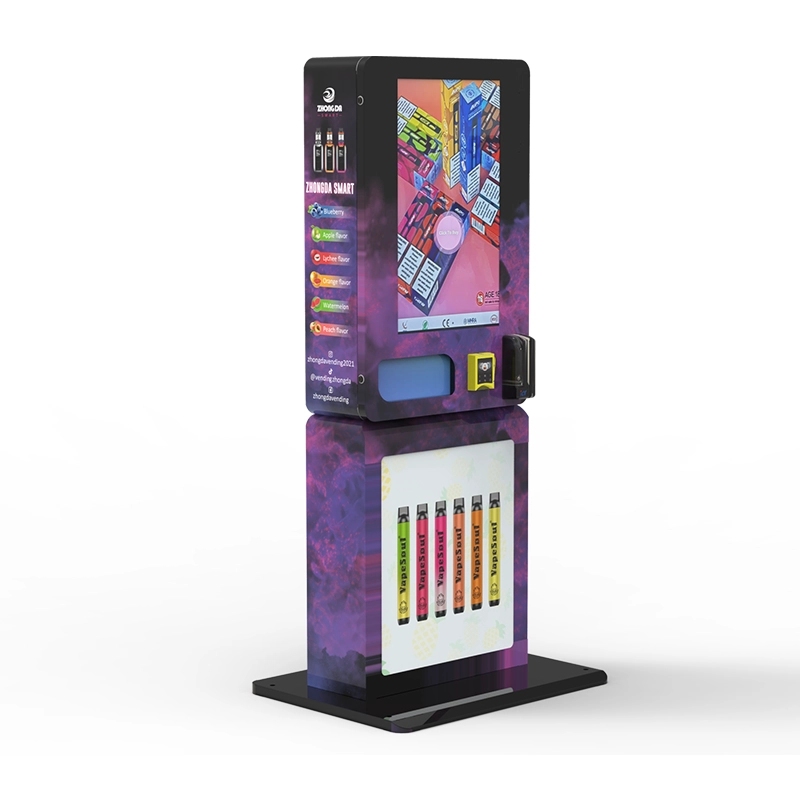
| Factor | Wall Mounted | Floor Standing |
|---|---|---|
| Footprint | Zero floor space | Requires 4-6 sq ft |
| SKU capacity | 80-120 | 200-400 |
| Installation effort | Moderate (mounting + power) | Low (plug in) |
| Vandalism resistance | High (anchored to wall) | Moderate (can be tipped) |
| Best location | Narrow hallways, bars, small shops | Lobbies, large retail, open areas |
| Average transactions per day | 8-15 | 5-10 (if placed well) |
| Cost | $3,500 - $5,500 | $5,000 - $9,000 |
| Payback period | 8-14 weeks | 12-20 weeks |
The wall mount wins for most small to medium retail environments. The floor standing unit only makes sense if you have the space and need the higher capacity. I have both types in my own fleet. The wall mounts consistently outperform on a per-square-foot basis.
Real Data from the Field
According to a 2023 report by IBISWorld, the global vending machine market for tobacco and vaping products grew by 8.4 percent annually over the last three years. That growth is driven by retailers looking for ways to sell age-restricted products without staffing a dedicated counter. The same report notes that automated retail for vaping products now represents about 14 percent of total vape sales in markets where it is permitted.
Statista data from 2024 shows that the average vending machine transaction for vaping products in the US is $11.80, with an average of 9 transactions per machine per day. That translates to about $3,200 in monthly gross revenue per machine. After costs, the net is around $1,200 per month. Those numbers align with what I see in my own fleet. The machines that outperform are the ones in high-traffic, high-dwell locations like bars and hotels.
For more on how these numbers apply to specific machine configurations, take a look at our compact wall mounted e-cigarette vending machine page. It covers the technical specs and capacity details that matter for planning your deployment.
Building a Fleet That Scales
If you are serious about this business, do not buy one machine. Buy three to five and deploy them in different location types. Track the performance of each one for 90 days. You will quickly see which locations work and which ones do not. Move the underperformers to new spots. Keep the winners running.
I have seen operators scale from one machine to fifty in two years. The ones who succeed have three things in common: they track every transaction, they rotate inventory based on sell-through data, and they maintain their machines religiously. The ones who fail treat it as passive income and stop paying attention after the first month.
This is a business that rewards attention to detail. The margins are good, the demand is real, and the wall mounted form factor is the right tool for the job. But you have to do the work. The machine does not run itself. It just makes the work more efficient.
If you want to see the full range of configurations we build, visit our vape vending machines page. We have wall mounted units, ID scan models, and high-capacity systems designed for different retail environments.
Frequently Asked Questions
How much does a wall mounted vape vending machine cost?
A quality unit with age verification and cooling runs between $3,500 and $5,500 USD. Shipping, installation, and initial inventory add another $1,500 to $2,500. Total investment for a ready-to-run machine is around $5,000 to $8,000.
Do these machines require a special electrical outlet?
No. They run on standard 110-240V AC power and draw about 80 watts. A standard wall outlet is sufficient. No special wiring or dedicated circuit is needed unless you are installing multiple units on the same circuit.
How does age verification work on a wall mounted vape vending machine?
The machine scans a government-issued ID, reads the barcode and magnetic stripe, and validates the date of birth. It also checks the format and checksum to detect fakes. The transaction is blocked if the ID is invalid or the customer is underage.
How long does it take to recoup the investment?
In a good location with high foot traffic, payback takes 8 to 14 weeks. In slower locations, it can stretch to 20 weeks. The key is location selection. Audit foot traffic before you install.
What happens if the machine breaks down?
Most issues are resolved remotely through the telemetry system. Common problems like a jammed coil or a failed payment reader can be diagnosed over the phone. If a part needs replacement, we ship it within 48 hours. The machine is designed for modular repair—swap the faulty module, not the whole unit.
Can I use my own payment processor?
Yes. The machine supports major payment processors including Stripe, Square, and Worldpay. You can integrate your existing merchant account. The payment terminal is EMV-compliant and supports contactless payments, Apple Pay, and Google Pay.
How often do I need to restock the machine?
Typically once a week. High-traffic locations may need restocking every 3 to 4 days. The telemetry system tracks inventory levels and sends you a restock alert when a product is running low. You can also view real-time inventory from your phone.
Are these machines legal to operate?
Legality depends on local regulations. The machine itself is compliant with age verification requirements. You need to check with your local authorities about licensing for automated sale of nicotine products. We provide compliance documentation for every machine we sell.
Sources: IBISWorld Vending Machine Industry Report 2023; Statista Vending Machine Transaction Data 2024.