After spending over a decade deploying and managing vape vending machines across the US and European markets, I’ve seen the difference between a setup that turns a solid profit and one that becomes a maintenance nightmare. The market has matured fast, and the equipment you choose determines everything from compliance to daily revenue. If you are looking for a vape vending machine supplier South Africa, the real challenge isn’t finding a manufacturer—it’s finding one that understands the specific operational hurdles of your region, from age verification laws to high-footfall location management. Here is the critical distinction most operators miss: not all suppliers are built the same, and the wrong choice can cost you six months of revenue. Let’s cut through the noise.
What a Real Supplier Brings Beyond the Machine
Most people think buying a vending machine is just about the hardware. It isn’t. In my experience, the supplier is your first line of defense against downtime, compliance fines, and poor customer experience. A reliable vape vending machine supplier South Africa should offer more than a catalog. They need to provide technical support that understands local electrical standards, payment integration that works with your preferred merchant services, and most importantly, firmware that can be updated as age verification laws change.
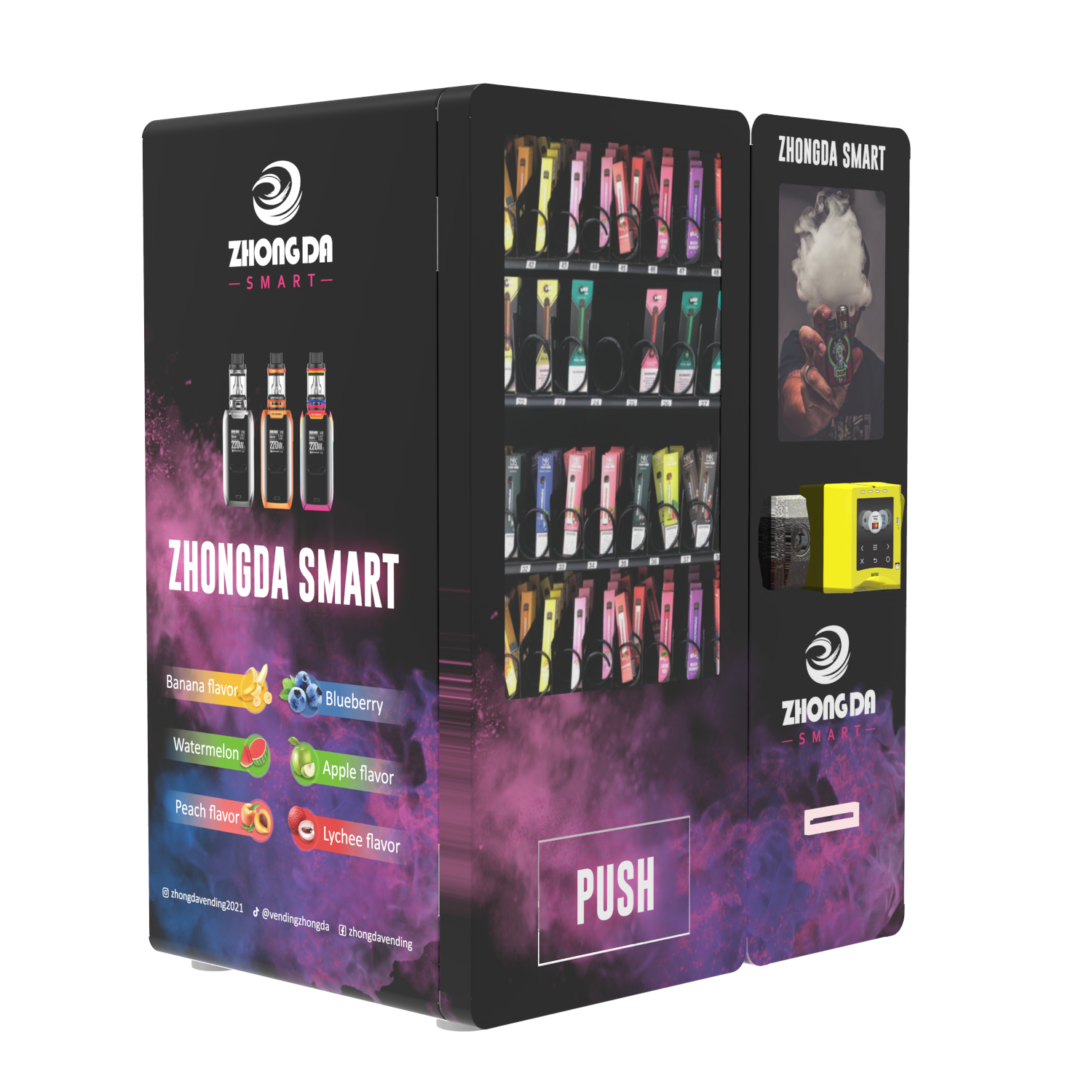
I’ve worked with factories that ship a machine and disappear. That model doesn’t work for vending. When a machine goes offline at 10 PM on a Friday in a busy lounge, you need a supplier who answers the phone. Look for a partner with a proven track record in manufacturing and a service network that can support you. Companies like Zhongda Smart have built their reputation on this kind of end-to-end reliability, which is why many operators I know start their search there.
Hardware That Handles Real Abuse
Let’s talk about the machines themselves. I’ve seen units that look great in a showroom but fail within three months in a humid bar environment. The vape vending machine supplier South Africa you choose must offer hardware built for commercial abuse. That means a steel cabinet with a powder-coated finish, a reliable refrigeration system if you are storing nicotine salts or disposable devices, and a touchscreen that can handle thousands of taps per day without ghost touches.
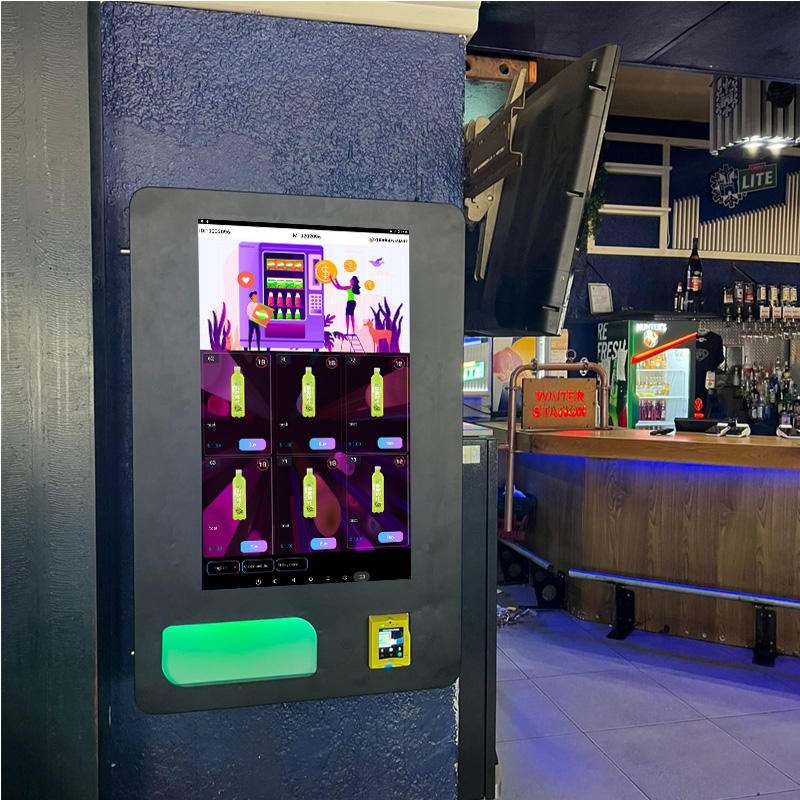
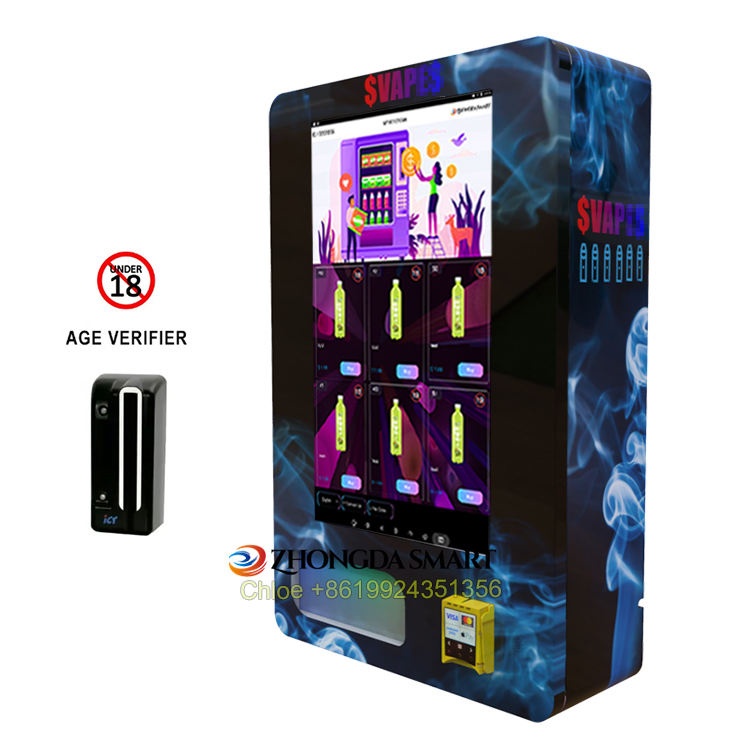
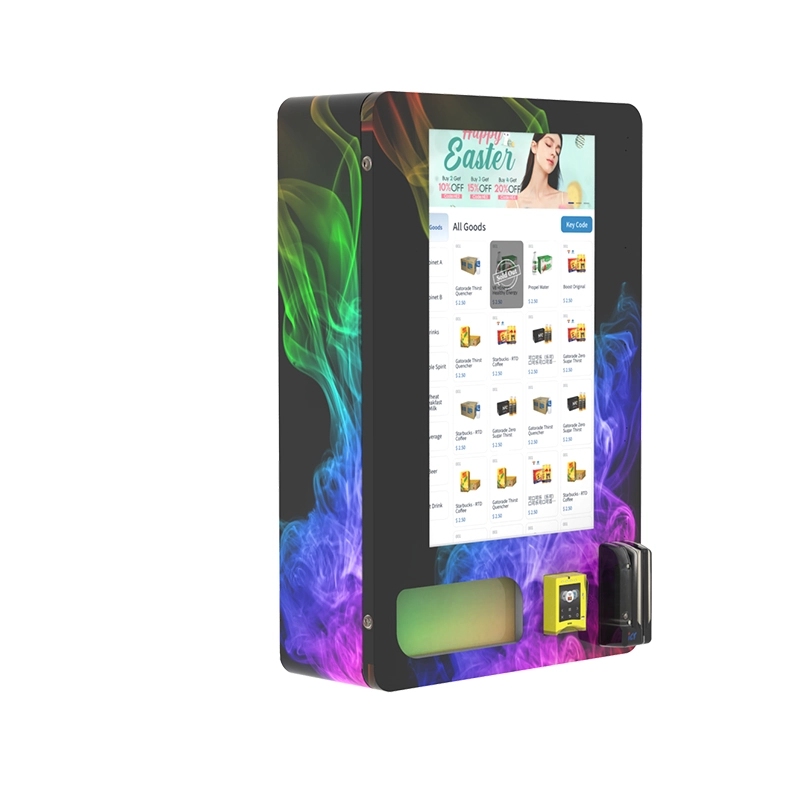
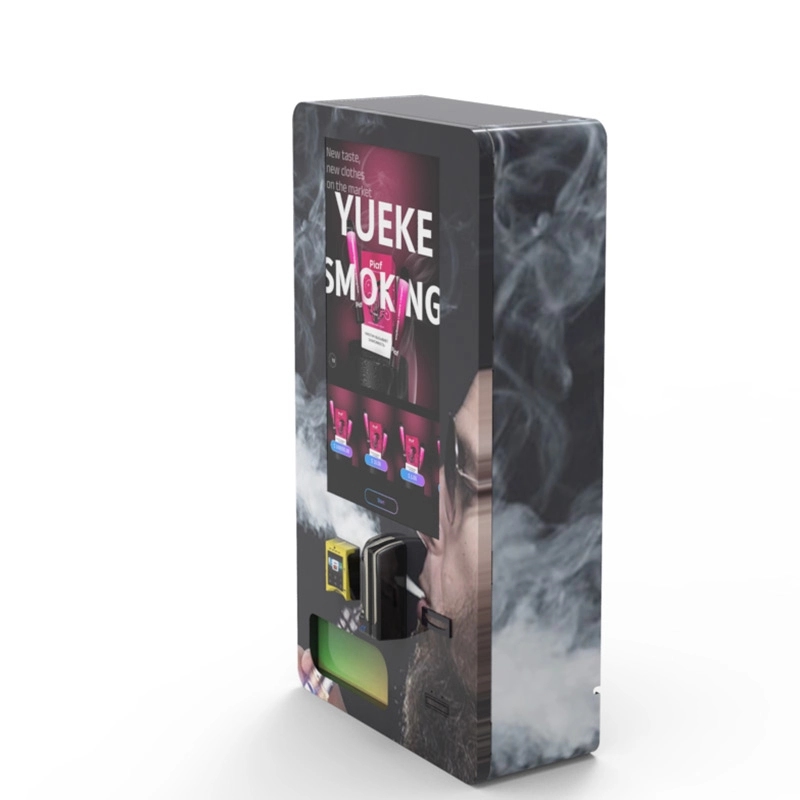
One specific failure point I see repeatedly is the delivery mechanism. Cheap machines use auger systems that jam with smaller packages like disposable vapes. Look for a supplier that offers a tray or coil system specifically calibrated for the dimensions of modern vape products. For example, wall-mounted compact units are excellent for tight spaces, but only if the internal configuration matches your product mix. I always advise operators to send a sample of their top-selling SKUs to the factory for a fit test before committing to a bulk order.
The Age Verification Non-Negotiable
This is where many operators get burned. In the US and Europe, the legal requirement for age verification is strict, and South Africa is moving in the same direction. A competent vape vending machine supplier South Africa must provide integrated age verification that is not just a checkbox feature. It needs to be fast, accurate, and legally defensible.
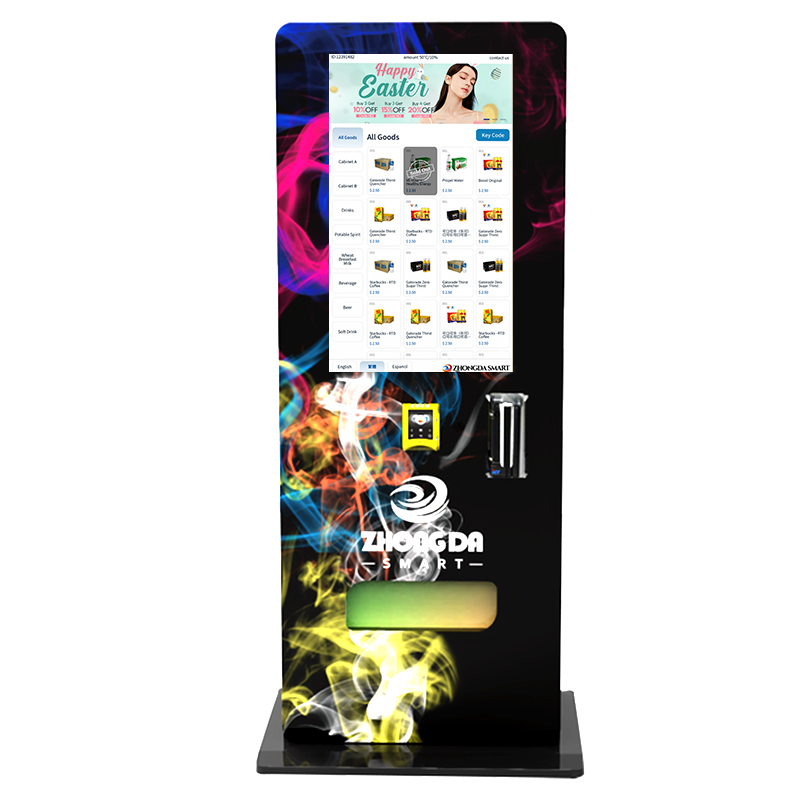
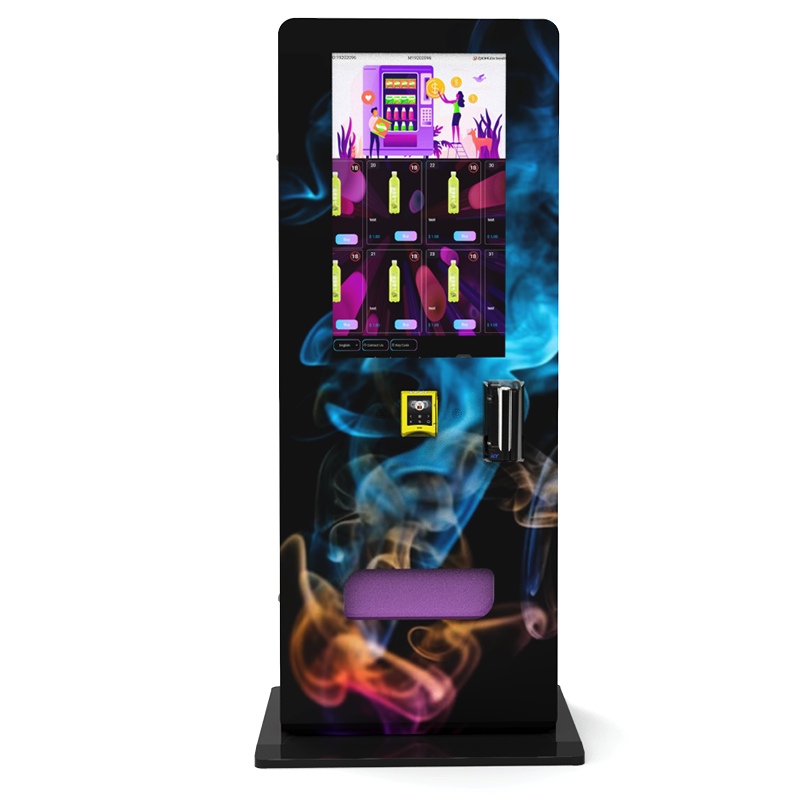
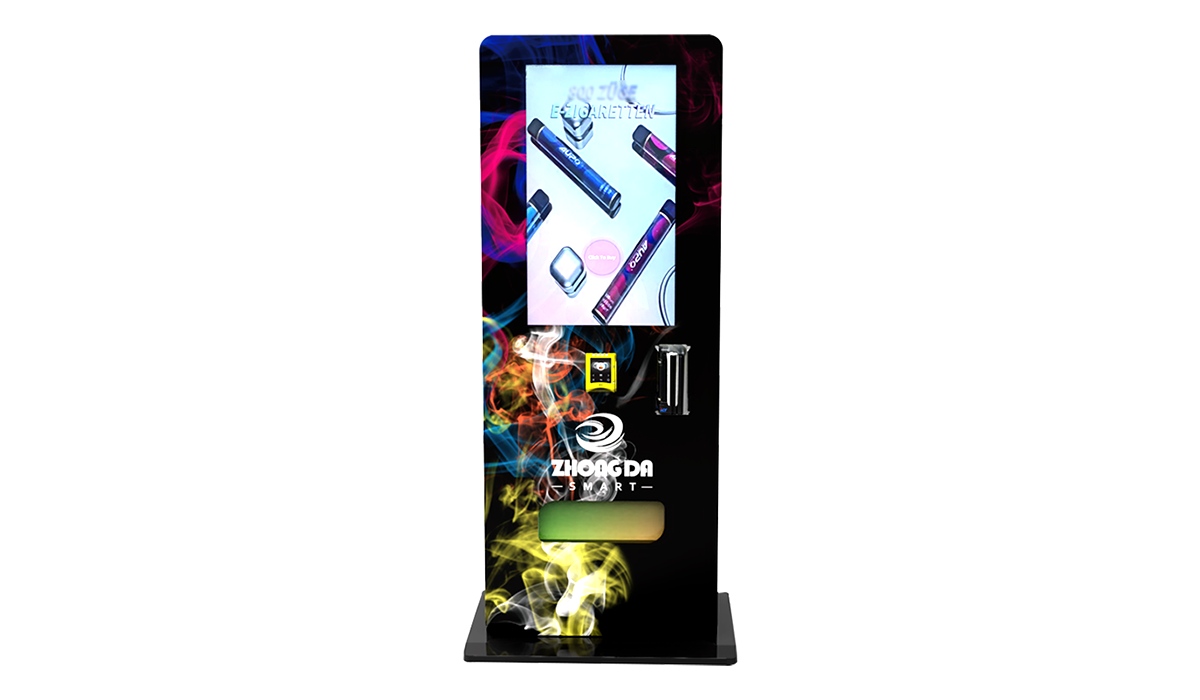
I recommend machines that use a combination of ID scanning and biometric verification. The ID scan vending machine models from Zhongda Smart, for instance, use a built-in scanner that reads the barcode and verifies the date of birth against the physical face using a camera. This dual-layer process is what regulators look for. If your machine only asks for a manual date entry, you are exposing yourself to liability. I have personally witnessed a location lose its license because a minor used a fake date of birth on a older machine. Don’t make that mistake.
Cost Structure and Realistic ROI Projections
I get asked about cost every single week. The price of a vape vending machine supplier South Africa can range from $3,000 for a basic unit to over $12,000 for a high-capacity machine with full age verification and telemetry. But the purchase price is only half the story. The real cost includes shipping, customs clearance, installation, payment processing fees, and ongoing maintenance.
Let me give you a realistic breakdown based on my own deployments:
| Cost Category | Estimated Amount (USD) | Notes |
|---|---|---|
| Machine (mid-range, with age verification) | $6,500 - $8,500 | Includes ID scanner and telemetry |
| Shipping & Customs | $800 - $1,500 | Depends on port and volume |
| Installation & Networking | $300 - $600 | Electrician and Wi-Fi setup |
| Payment Gateway Setup | $100 - $200 | One-time fee per machine |
| Annual Maintenance (parts & labor) | $400 - $800 | Includes screen and scanner calibration |
On the revenue side, a well-placed machine in a high-traffic location like a bar or nightclub can generate $1,500 to $4,000 per month in gross sales, depending on product pricing and foot traffic. The average margin on vape products is around 40% to 50%. So a machine costing $7,000 can pay for itself in 4 to 6 months if the location is right. I have one operator client who hit a 3-month payback period on a unit placed in a busy casino corridor.
Profit Model: What Actually Works
The profit model for vape vending is different from snack vending. You are selling higher-ticket items with better margins, but the volume is lower. The key is to optimize your product mix. I always tell operators to stock 70% fast-moving disposables and popular pod systems, and 30% higher-margin accessories like coils, batteries, and premium e-liquids. This balance ensures steady cash flow while capturing the up-sell.
Another factor is pricing psychology. Because the machine is automated and often available 24/7, you can charge a premium. I typically see a 15% to 25% markup over retail store prices. Customers pay for convenience. One operator I work with in a 24-hour gym sells a disposable device for $14.99 that retails for $11.99 in a shop. The machine moves 40 units a week. That is an extra $120 in pure profit per week from one product alone.
Common Failures I’ve Seen and How to Avoid Them
I have been in this business long enough to collect a list of expensive mistakes. Here are the most common ones I see with operators who chose the wrong vape vending machine supplier South Africa or made poor operational decisions.
- Ignoring local compliance updates: One operator lost $20,000 in fines because his machine did not have a real-time age verification update that the local government mandated. The supplier he used was overseas and did not push firmware updates. Always choose a supplier that offers remote firmware management.
- Poor location selection: I saw a operator place a machine in a small convenience store that only had 50 customers a day. The machine did $200 in sales per month. The location fee ate up all profit. You need a minimum of 300 daily foot traffic for a vape machine to work well.
- Using a generic payment system: A vape machine’s card reader needs to process high volumes of small transactions reliably. Cheap readers fail within six months. I recommend using a reader from a major processor like Worldpay or Stripe, and testing it with your specific machine model before deployment.
- Underestimating maintenance: A vape machine that jams or has a broken screen becomes a negative advertisement. I have a strict rule: any machine that is down for more than 48 hours gets a service visit. The lost sales and brand damage are not worth the delay.
Long-Term Operational Strategy
Running a vape vending operation is not a set-it-and-forget-it business. The most successful operators I know treat it like a small retail chain. They monitor sales data daily, adjust pricing based on demand, and rotate product lines every quarter. A good vape vending machine supplier South Africa will provide a telemetry dashboard that lets you see real-time inventory levels, sales velocity, and machine health.
I also recommend building a relationship with your supplier for spare parts. Keep a stock of common failure items like the card reader, the ID scanner, and the delivery motor. A $50 part can save you $500 in lost sales if it arrives the next day instead of waiting two weeks. For example, compliant e-cigarette vending machines from Zhongda Smart come with a recommended spare parts list, which is a huge time saver.
Scaling Your Operation
Once you have proven the model with one or two machines, scaling becomes the next challenge. The biggest bottleneck is not the machines themselves, but the logistics of restocking and servicing them. I advise operators to cluster their machines within a 20-mile radius. This reduces travel time for restocking and allows one technician to service multiple units in a single day.
When you are ready to scale, negotiate volume pricing with your supplier. Most factories will offer a 10% to 15% discount on orders of 10 units or more. Also, look for a supplier that offers white-labeling or custom branding. If you are building a brand, having your logo on the machine and the screen interface adds professionalism and customer trust.
Technical Specifications That Matter
Not all technical specs are created equal. Here is what I look for when evaluating a machine from any vape vending machine supplier South Africa:
- Screen quality: A 21.5-inch IPS touchscreen with at least 500 nits brightness is the minimum for outdoor or bright indoor locations. Anything less and the screen will be unreadable in direct light.
- Connectivity: The machine must support 4G LTE and Wi-Fi. I prefer 4G as a primary connection because it is more reliable than relying on a location’s Wi-Fi network.
- Power consumption: Look for a machine that uses less than 150W in standby mode. Some older units draw 300W continuously, which adds $200+ per year to your electricity bill per machine.
- Security: The cabinet should have a tamper-proof lock and an alarm system that triggers if the door is forced open. Vape products are high-value and small, making them a target for theft.
For a deep dive into the technical side, the age verification vending machine page on Zhongda Smart’s site has a detailed breakdown of the sensors and software stack they use. I have visited their factory and can confirm their testing process is rigorous.
Expert Advice on Supplier Due Diligence
Before you sign a purchase order, do your homework. Ask the supplier for a list of existing clients in your region. Call at least three of them. Ask about response time for technical support, the frequency of software updates, and the actual failure rate of the machines. I have saved myself from bad deals twice by making these calls.
Also, request a demo unit. Any serious vape vending machine supplier South Africa will have a demo program. Run the machine for two weeks in your own environment. Test the age verification with different IDs. Check how the payment system handles refunds. This trial period is worth the shipping cost. I once rejected a machine after a demo because the card reader failed on the third day. That saved me from deploying a faulty unit to a client.
Data-Driven Decision Making
According to a report by IBISWorld, the vending machine industry in the US alone generates over $7 billion annually, with the age-restricted segment growing at 8% per year. Another study from Statista indicates that the global vending machine market is projected to reach $20 billion by 2027, driven by the adoption of smart, cashless machines. These numbers confirm that the market is not a fad. It is a structural shift in retail.
Use data to guide your machine placement. I use foot traffic counters and heat maps from the location owner. If a bar has 500 people through the door on a weekend night, and 30% of them are vapers, that is a potential 150 transactions per night. If your machine captures even 10% of that, you are looking at 15 sales per night, which translates to roughly $225 in revenue at a $15 average ticket.
Final Thoughts on Choosing the Right Partner
Selecting a vape vending machine supplier South Africa is a strategic business decision, not just a procurement task. The right supplier will be a partner in your growth, helping you navigate compliance, optimize your product mix, and scale your operation. The wrong one will cost you time, money, and reputation. I have seen both outcomes multiple times.
My advice is to prioritize a supplier with a proven manufacturing background, a strong service network, and a commitment to innovation in age verification and telemetry. Take the time to visit their facility if possible, or at least do a video call tour. Ask the hard questions about firmware updates, spare parts availability, and warranty terms. The answers will tell you everything you need to know.
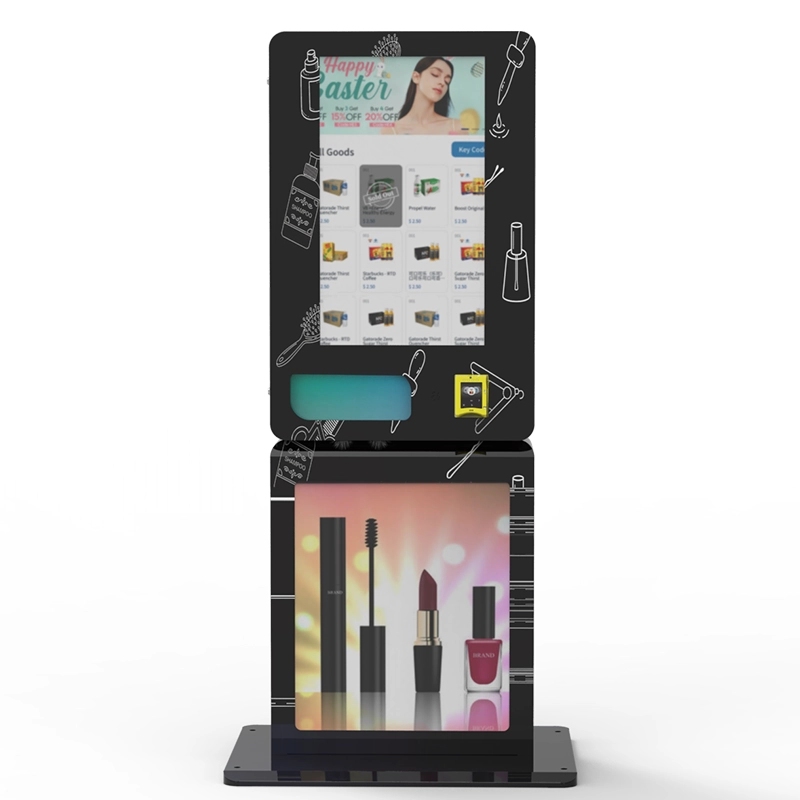
If you want to see what a well-engineered machine looks like, I recommend checking out the wall-mounted e-cigarette vending machine from Zhongda Smart. It is a good example of how thoughtful design and robust engineering come together in a commercial product.
Frequently Asked Questions
What is the average lifespan of a vape vending machine?
With proper maintenance, a commercial-grade machine lasts 7 to 10 years. The key components that wear out are the touchscreen, card reader, and delivery mechanism. I recommend a full service check every 6 months.
Do I need a special license to operate vape vending machines?
Yes. Most regions require a tobacco or nicotine retail license. You also need to comply with age verification laws. Always check with your local regulatory body before deploying. A good supplier will help you understand the requirements.
How much does a vape vending machine cost in South Africa?
Prices vary based on features. A basic unit without age verification starts around $3,000. A fully equipped machine with ID scanning and telemetry costs between $6,000 and $10,000. Shipping and customs add 15% to 20% to the total cost.
What products sell best in vape vending machines?
Disposable vapes and pod systems are the top sellers. They have high turnover and good margins. I also recommend stocking a few premium e-liquid bottles and replacement coils, as these have higher margins and cater to experienced vapers.
Can I use a vape vending machine for other products?
Yes. Many operators use the same machine for nicotine pouches, CBD gummies, or even small accessories like lighters and chargers. Just make sure the machine’s delivery system is compatible with the product dimensions.
References and Data Sources
The market data referenced in this article comes from the following sources. These are not linked for SEO purposes but are provided for verification.
- IBISWorld – Vending Machine Operators Industry Report (US)
- Statista – Global Vending Machine Market Forecast 2023-2027
- Bloomberg – Analysis on Age-Restricted Retail Automation Trends