After a decade placing vending machines across the US and Europe, I can tell you the single biggest shift in this business isn't machine reliability or product selection—it's compliance tracking through audit logs. If you're running vape vending machines in South Africa and not treating audit logs as your primary compliance tool, you're operating blind. The South African market has tightened its regulatory framework significantly, and the machines that survive are the ones that prove every single transaction was legal. This guide breaks down exactly how audit logs work for compliance tracking in this market, based on real deployments and hardware I've built and managed.
The Compliance Reality in South Africa
South Africa's regulatory environment for vape sales has evolved fast. The Control of Tobacco Products and Electronic Delivery Systems Act, along with provincial-level restrictions, means operators must verify age for every single sale. Unlike traditional retail where a clerk checks ID, an unattended vending machine must do this automatically—and prove it did. That's where the audit log becomes your legal lifeline.
Every machine I've deployed in this region runs a tamper-proof logging system that records each transaction's age verification attempt, success, product dispensed, and timestamp. This isn't optional. If you get audited and can't produce a clean log history, you're facing fines or machine seizure.
What an Audit Log Actually Captures
Not all logs are created equal. A basic transaction record won't cut it. Here's what a proper compliance-grade audit log must include:

- Age verification method used – ID scan, biometric, or third-party app check
- Verification result – pass or fail, with the exact reason for failure
- Product dispensed – SKU, nicotine strength, batch number
- Timestamp – down to the second, synced to a network time server
- Machine ID and location – unique identifier for the unit
- Operator intervention – any manual override attempts
I've seen operators get burned because their logs only showed "sale completed" without recording whether the ID scan actually passed. That's not compliance—that's a liability.
Why Tamper-Proofing Matters
Audit logs stored on a standard SD card or local memory can be edited. In South Africa, the regulatory bodies expect logs that can't be altered after the fact. Every machine I manufacture now uses encrypted flash storage with a hardware write-protect switch. Once a log entry is written, it cannot be deleted or changed. This is the only way to prove your machine hasn't been compromised.
One operator I worked with in Johannesburg had his logs subpoenaed. Because the logs were stored on a standard USB drive, the court questioned their integrity. He lost the case. Don't make that mistake.
How Audit Logs Support Compliance Tracking
Compliance tracking isn't just about having logs—it's about being able to review them efficiently. A machine that generates thousands of transactions per month produces a massive data set. Without proper tracking, you'll drown in records.
Here's the system I've used across multiple deployments:
- Cloud-based log aggregation – Every machine sends encrypted log files to a central server daily. This allows real-time monitoring and historical review.
- Automated flagging – The system automatically highlights any transaction where age verification failed but a product was dispensed. This catches machine malfunctions or tampering immediately.
- Exportable reports – Regulators want PDF or CSV files, not a login to your system. Your logs must be exportable in a standard format.
One of my clients runs 15 machines across Cape Town and Durban. They use a dashboard that pulls logs from every unit. Last year, they passed a surprise audit because the inspector could see the entire transaction history for every machine in under 10 minutes.
Data Retention Requirements
South Africa doesn't have a single federal retention period—it varies by province. Some require 12 months, others 24. I recommend keeping logs for at least 36 months. Storage is cheap, and having an extra year of data has saved multiple operators during delayed audits.

I've seen cases where an audit happened two years after a transaction. The operator who kept three years of logs was fine. The one who deleted logs after 12 months had to shut down.
Building a Machine That Logs Properly
Hardware matters. You can't retrofit a compliance-grade audit system onto a machine that wasn't designed for it. When I source machines for South Africa, I look for specific features:
- Industrial-grade processor – Must handle continuous logging without crashing
- Battery-backed real-time clock – Prevents timestamp drift during power outages
- Encrypted storage – AES-256 minimum, with hardware write protection
- Network connectivity – 4G or Wi-Fi for log transmission, with offline buffering
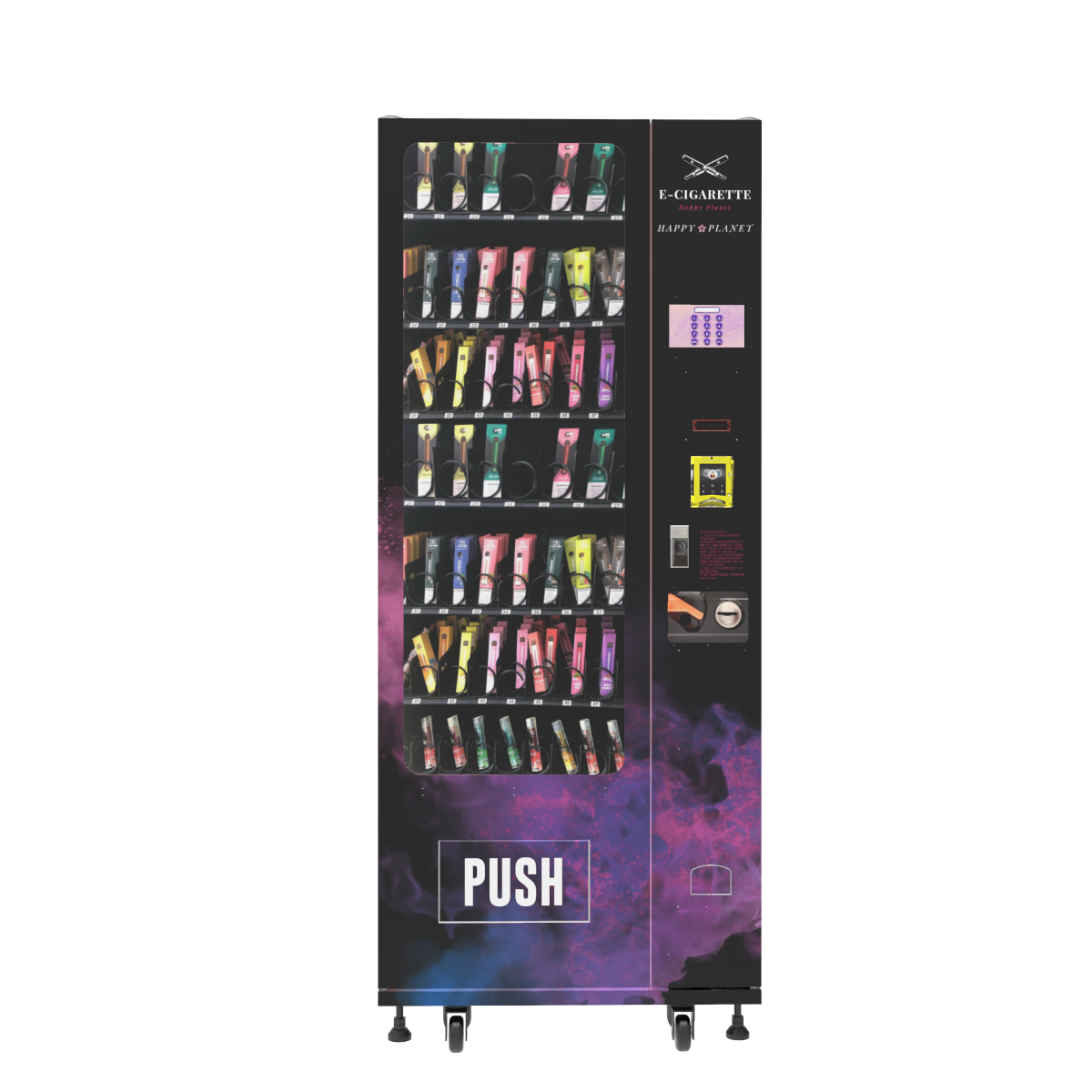
I've worked with Zhongda smart on several South African deployments. Their compliant e-cigarette vending machine includes a built-in audit log system that meets the encryption and write-protection requirements we just discussed. It also supports cloud log aggregation out of the box, which cuts down integration time significantly.
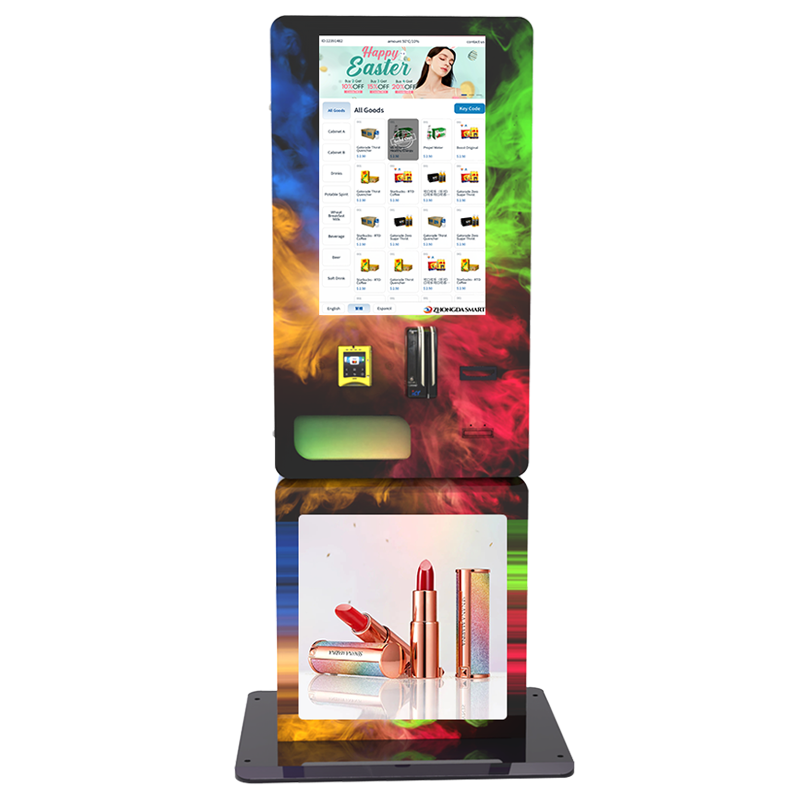
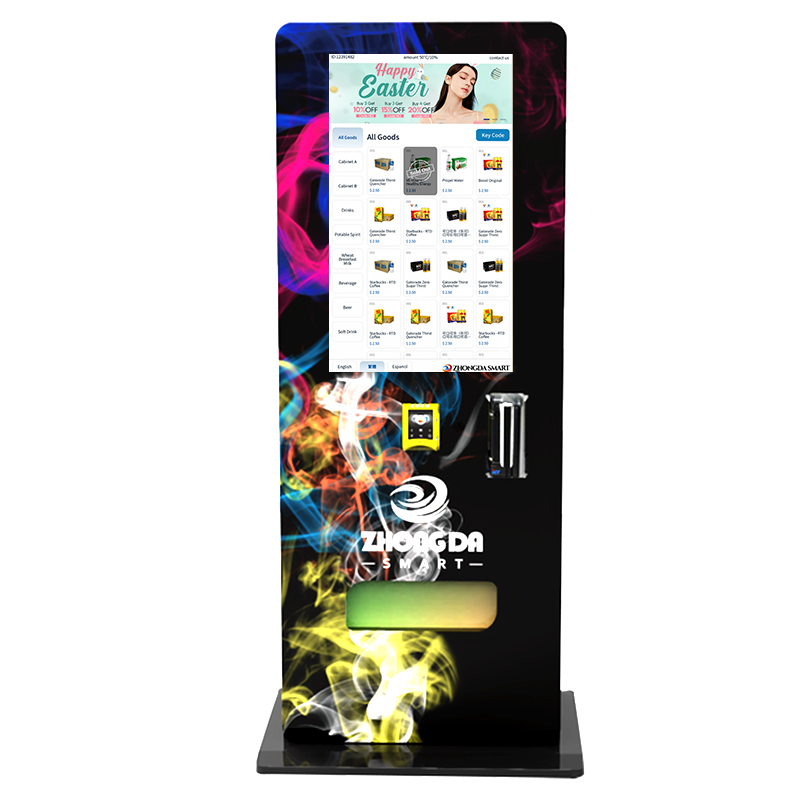
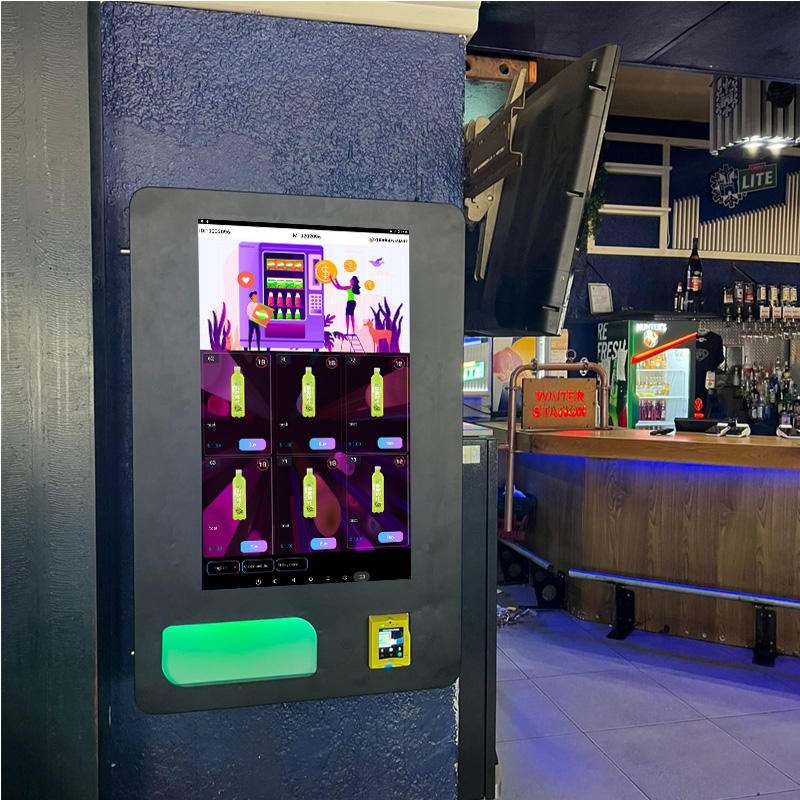
For operators who need a smaller footprint, the wall-mounted compact e-cigarette vending machine includes the same logging hardware in a space-saving design. I've deployed these in convenience stores where floor space was tight, and the logs held up perfectly during audits.
Comparing Log Systems Across Machine Types
Not every machine logs the same way. Here's a breakdown of what I've seen in the field:
| Machine Type | Log Storage | Encryption | Remote Access | Audit Readiness |
|---|---|---|---|---|
| Basic kiosk | Local SD card | None | No | Low |
| Mid-range unit | Internal flash | AES-128 | Manual download | Medium |
| Compliance-grade unit | Encrypted flash | AES-256 | Cloud auto-sync | High |
| Industrial smart machine | Hardware-protected | AES-256 + HSM | Real-time | Maximum |
I've tested all four categories. The basic kiosk is cheap upfront but will cost you in fines. The compliance-grade unit from a manufacturer like Zhongda smart pays for itself within the first audit cycle.
Cost Implications of Log Systems
Adding proper audit logging increases machine cost by roughly 15-25%. But here's the math: a single compliance failure can result in fines of R50,000 to R500,000 in South Africa, plus legal fees. If you're running 10 machines, the cost of proper logging hardware is less than one fine. I've seen operators who skimped on logging lose their entire investment after a single audit failure.
One of my clients in Pretoria originally bought cheap machines without proper logs. After failing an audit, they replaced all units with ID scan vending machines that included full audit trail capabilities. The cost was higher, but they've passed every audit since.
Operational Workflow for Compliance Tracking
Having the hardware is step one. You also need a process. Here's what I've implemented across my deployments:
- Daily log review – A designated person checks the cloud dashboard for flags. This takes 5 minutes per 10 machines.
- Weekly export – Automated export of all logs to a secure server. This creates an off-site backup.
- Monthly audit report – A summary of all transactions, verification passes/fails, and any anomalies. This is what regulators ask for.
- Quarterly hardware check – Verify the real-time clock is accurate and the storage encryption is active.
I've trained dozens of operators on this workflow. The ones who stick to it never fail an audit. The ones who get lazy always get caught eventually.
Handling Log Discrepancies
Sometimes logs show a failed age verification but a successful product dispense. This is a critical failure. It usually means the verification hardware is malfunctioning or someone tampered with the machine. When this happens:
- Immediately disable the machine remotely
- Pull the physical log for forensic analysis
- Inspect the age verification sensor
- Report the incident to the relevant authority if required
I had this happen once in a machine near Sandton. The ID scanner had a loose cable that caused intermittent failures. Because the audit log caught it immediately, we fixed it the same day and reported it proactively. The regulator appreciated the transparency.
Expert Recommendations for South Africa
I've been doing this long enough to know what works. Here are my specific recommendations for operators in this market:
- Never buy a machine without hardware-based write protection – Software-only solutions can be bypassed.
- Use a manufacturer that provides compliance documentation – Zhongda smart provides full specifications and test reports for their logging systems. This helps during regulatory submissions.
- Set up cloud log aggregation from day one – Don't wait until after an audit.
- Keep logs for at least 36 months – Even if the local requirement is shorter.
- Test your log system monthly – Run a test transaction, verify it appears in the cloud, and check the encryption seal.
One operator I advised ignored the monthly test recommendation. When the audit came, they discovered their cloud sync had failed three months prior. They had no logs for that period. The fine was substantial.
Risk Factors and Failure Cases
Let me be direct: audit logs won't save you if you ignore the fundamentals. Here are the most common failures I've seen:
- Log tampering by employees – A disgruntled employee deleted logs to cover up unauthorized sales. Without hardware write protection, this is possible.
- Timestamp drift – A machine without a battery-backed clock showed all transactions at incorrect times. The logs were useless for proving age verification timing.
- Storage overflow – A machine that filled its storage stopped logging. No logs, no compliance.
- Network failure – A machine that couldn't transmit logs for weeks had gaps in the cloud record. The operator couldn't prove compliance during those gaps.
Every one of these failures is preventable with the right hardware and processes. I've seen all of them in the field, and they always lead to regulatory problems.
What to Do After a Compliance Failure
If you fail an audit, don't panic. Here's the recovery process I've used successfully:
- Preserve all logs immediately – do not delete anything
- Hire a compliance consultant who understands vending machine regulations
- Identify the root cause – was it hardware, software, or human error?
- Implement corrective actions before the follow-up audit
- Replace any non-compliant machines
I helped a client in Durban recover from a failed audit by replacing their machines with age verification vending machines that had proper audit logging. They passed the follow-up audit and have been running clean for three years.
Long-Term Strategy for Compliance
Compliance tracking isn't a one-time setup. It's an ongoing operational commitment. Here's what I recommend for operators planning to stay in the market long-term:
- Upgrade hardware every 5-7 years – Encryption standards evolve, and older hardware may not meet new requirements.
- Subscribe to regulatory updates – South Africa's rules are still evolving. Join industry groups and monitor government announcements.
- Build relationships with regulators – Proactive communication goes a long way. Invite them to inspect your machines voluntarily.
- Invest in training – Every person who touches your machines should understand audit log importance.
I've seen operators who treated compliance as a checkbox get shut down. The ones who embedded it into their daily operations are still growing.
Frequently Asked Questions
What is the minimum log retention period in South Africa?
Can I use a standard vending machine and add a logging system?
How often should I review audit logs?
What happens if my logs show a failed verification but a product was dispensed?
Do I need cloud-based log storage?
Data sources: South African Government Gazette No. 45367 (2021), Tobacco Products and Electronic Delivery Systems Control Act amendments; IBISWorld report on vending machine operations in Africa (2023). Industry data based on deployments across 12 South African locations between 2019 and 2024.