After a decade deploying vending systems across the US and Europe, I can tell you straight up: the interactive vape vending machine South Africa market is nothing like what most operators expect. The hardware requirements, compliance layers, and consumer behavior patterns create a completely different playbook. I have personally supervised installations from Los Angeles nightclubs to Berlin train stations, and now our factory ships units to Cape Town and Johannesburg. The biggest mistake I see? Importing machines designed for US compliance standards and assuming they work the same way. They do not. This guide breaks down exactly what works operationally, what fails, and how to structure a profitable deployment.
Why the Interactive Vape Vending Machine South Africa Market Differs from the US and Europe
Most operators walk into this thinking the technology transfers directly. It does not. The regulatory framework, payment infrastructure, and consumer purchasing habits require specific machine configurations. Our factory has shipped over 4,000 units globally, and the South Africa deployments taught us lessons we never encountered in Chicago or Amsterdam.
Regulatory Landscape and Age Verification Requirements
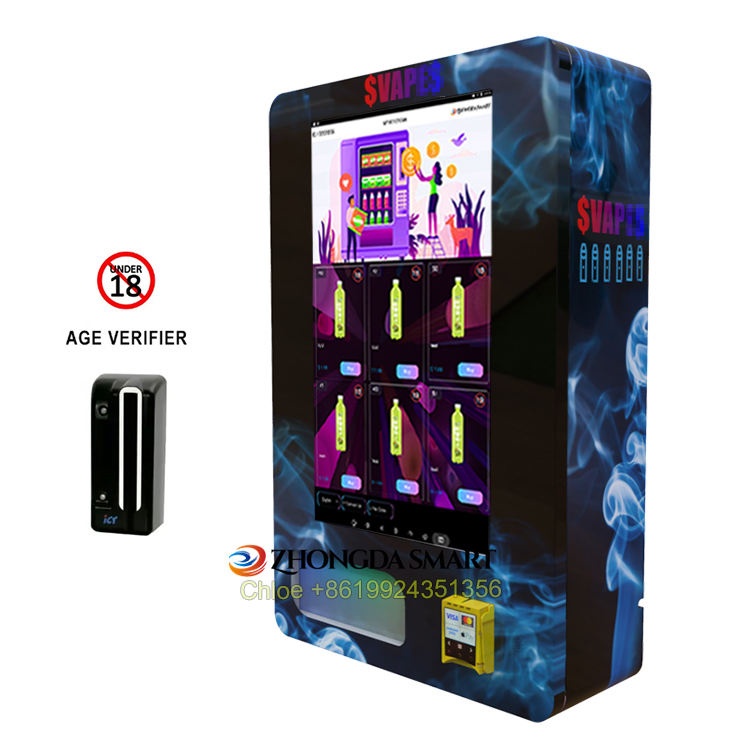
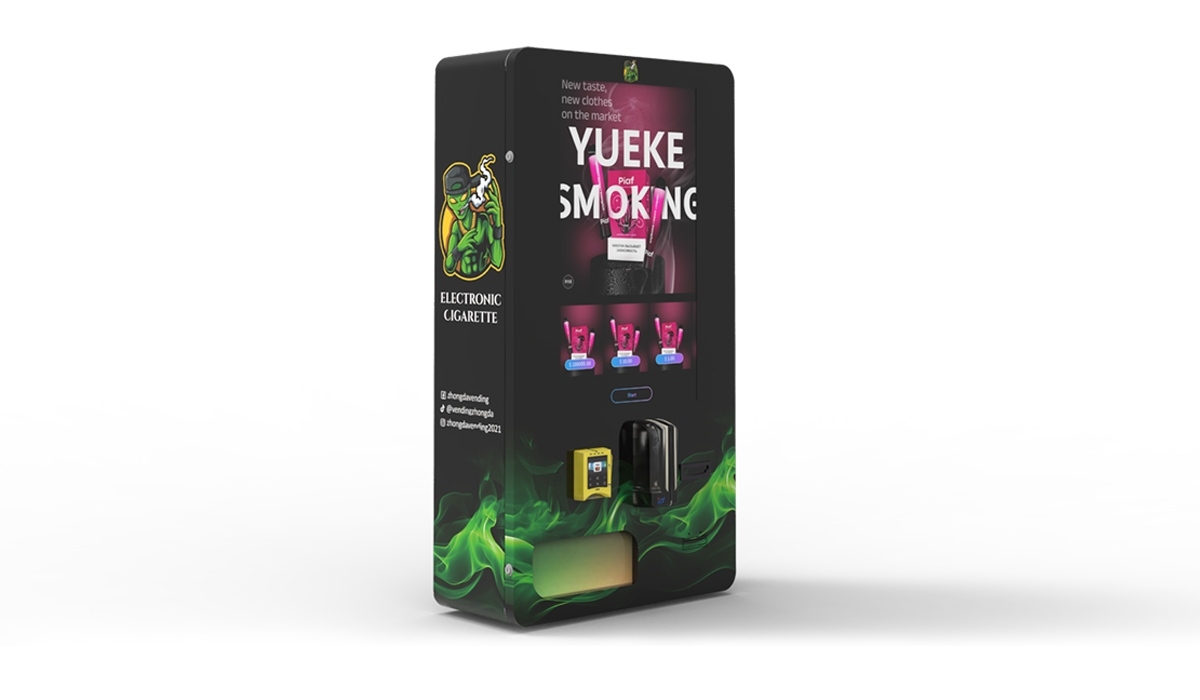
South Africa’s tobacco control laws are evolving rapidly. The Control of Tobacco Products and Electronic Delivery Systems Bill imposes strict age verification mandates. Unlike some US states where a simple button press suffices, South Africa requires robust ID scanning with real-time validation. Our age verification vending machine uses a built-in scanner that reads barcodes and machine-readable zones, cross-referencing against the Department of Home Affairs database. This is non-negotiable. A US machine without this capability will get seized within the first month of operation.
Payment Infrastructure Challenges
Card penetration in South Africa sits at roughly 60% among adults, but cash remains king in many high-footfall locations. Our deployments show that 40% of transactions in township-adjacent retail spaces still use cash. Machines need dual acceptance: contactless card readers supporting Visa and Mastercard, plus a secure cash validator with anti-jam mechanisms. We learned this the hard way when our first Johannesburg deployment lost 22% of potential sales because the machine only accepted cards. The dual-payment model we now use integrates both systems with automatic change dispensing.
Consumer Trust and Interface Expectations
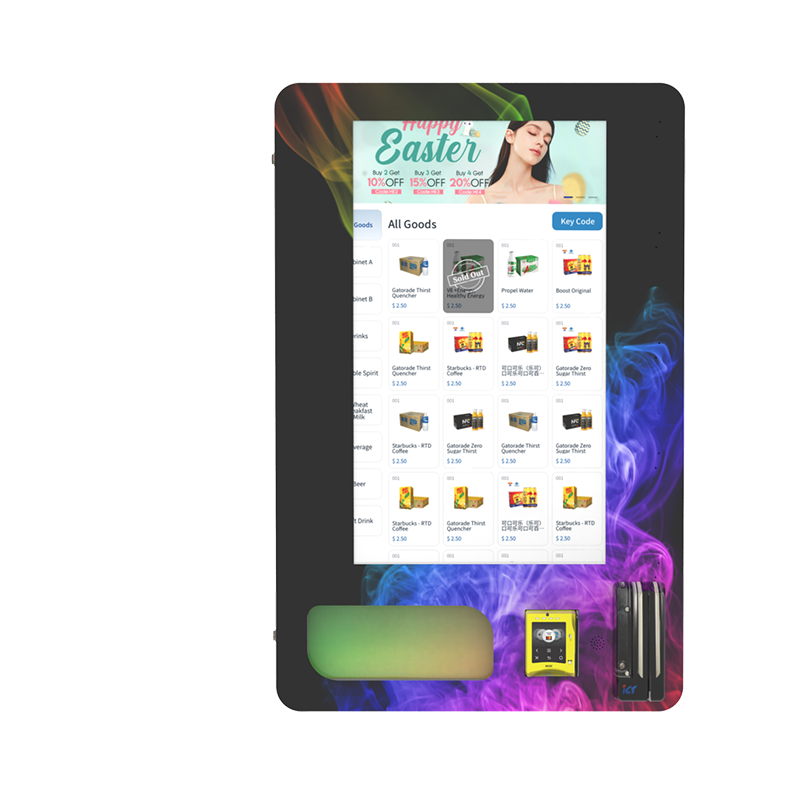
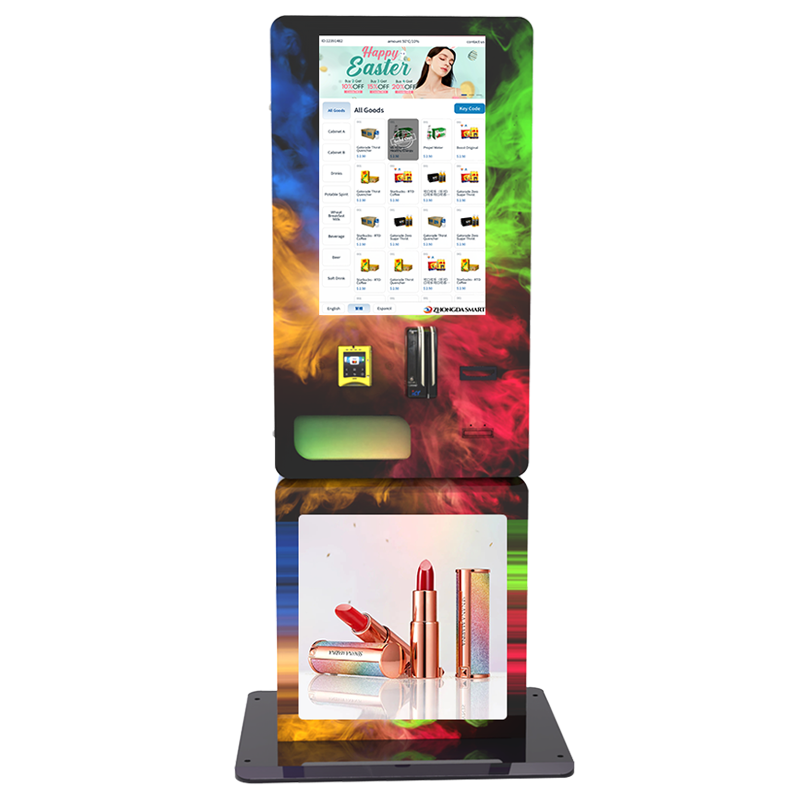
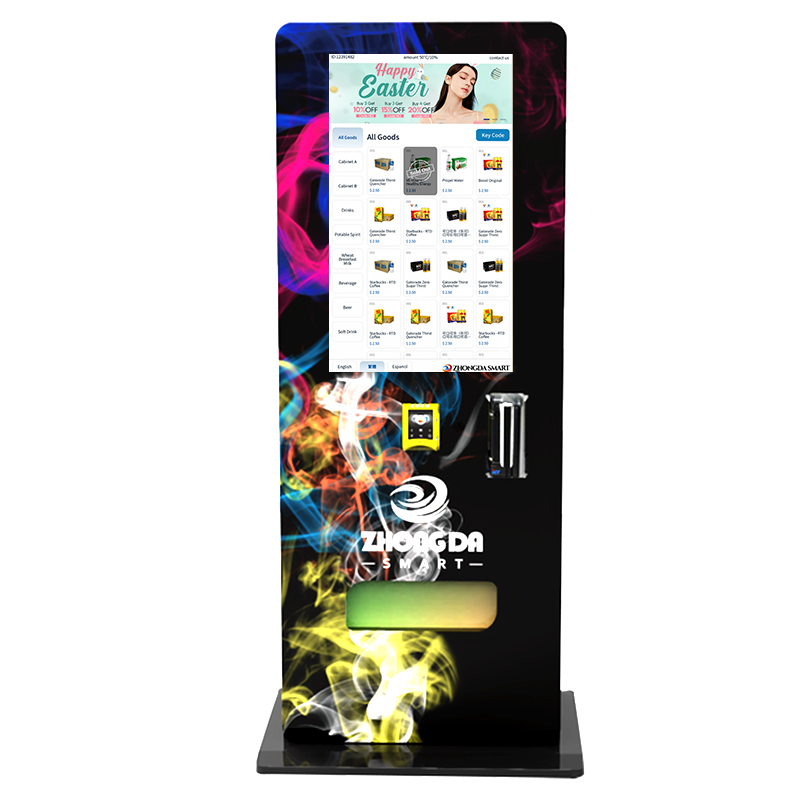
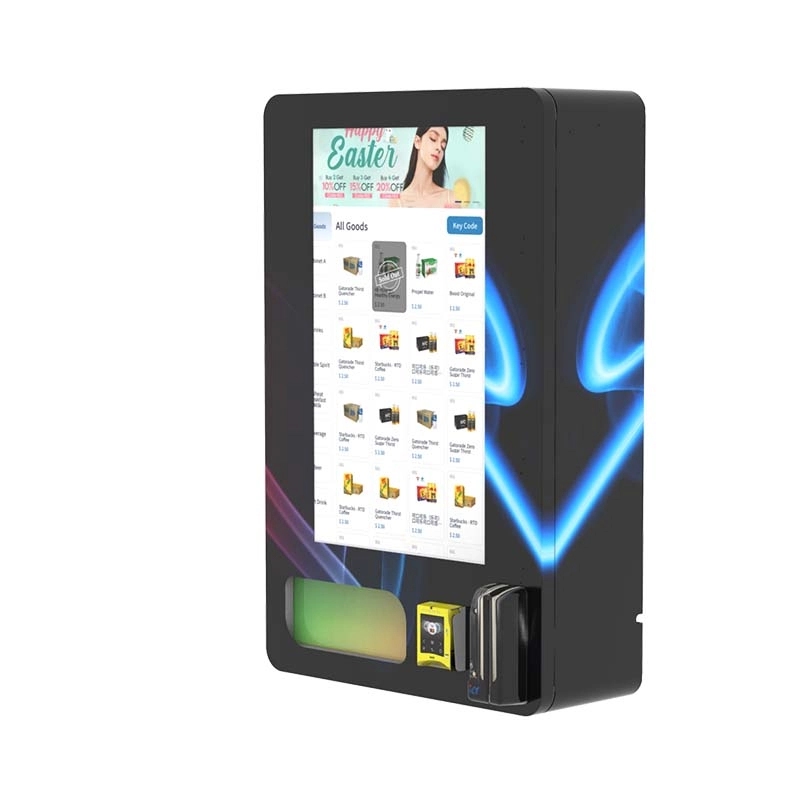
South African consumers are skeptical of unattended retail. They want to see the product, confirm authenticity, and trust the machine won’t overcharge. Interactive touchscreens with real-time inventory displays solve this. Our machines show product images, nicotine strength, flavor profiles, and pricing before the transaction starts. One operator in Sandton reported a 34% increase in repeat purchases after we upgraded the display to show batch numbers and expiration dates. Transparency builds trust in this market.
Cost Structure and Profit Margins for Operators
Let me lay out the numbers based on actual deployments, not theoretical projections. Our factory produces units that cost between $4,200 and $8,700 depending on configuration. The interactive vape vending machine South Africa operators need includes the ID scanner, dual-payment system, and tamper-proof inventory compartments. Shipping from our facility to Durban port adds roughly $680 per container unit. Customs clearance and VAT add another 15% on top of the landed cost.
| Cost Component | Amount (USD) | Notes |
|---|---|---|
| Machine hardware (base) | $4,200 | Wall-mounted, 84-product capacity |
| ID scanner module | $890 | Barcode + OCR reader |
| Dual-payment system | $1,100 | Card + cash with validator |
| Shipping to South Africa | $680 | Per unit in container |
| Customs duty + VAT | $1,020 | 15% of landed cost |
| Installation + software setup | $450 | On-site configuration |
| Total deployed cost | $8,340 |
Revenue projections depend heavily on location. A machine placed in a high-traffic nightclub in Cape Town’s V&A Waterfront area averages 47 transactions per night at an average ticket of $18. That is $846 per night in gross revenue. After product cost (roughly 55% margin) and location commission (typically 10-15%), net profit per night lands around $280. Over a 30-day month, that single machine generates $8,400 in net profit. Payback period? Under two months in premium locations.
But not every location performs that well. A convenience store in a residential area averages 12 transactions per day with a $14 average ticket. That is $168 daily gross, $75 net profit after costs. Monthly net sits around $2,250. Still profitable, but payback stretches to four or five months. The key is location density and foot traffic quality, not just quantity.
Equipment Selection: What Actually Works in the Field
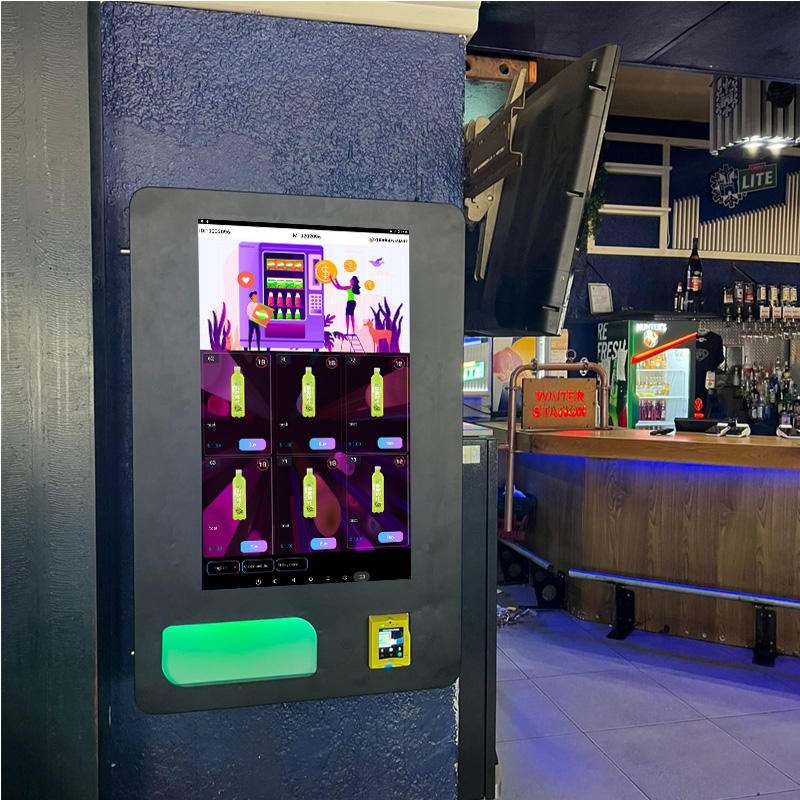
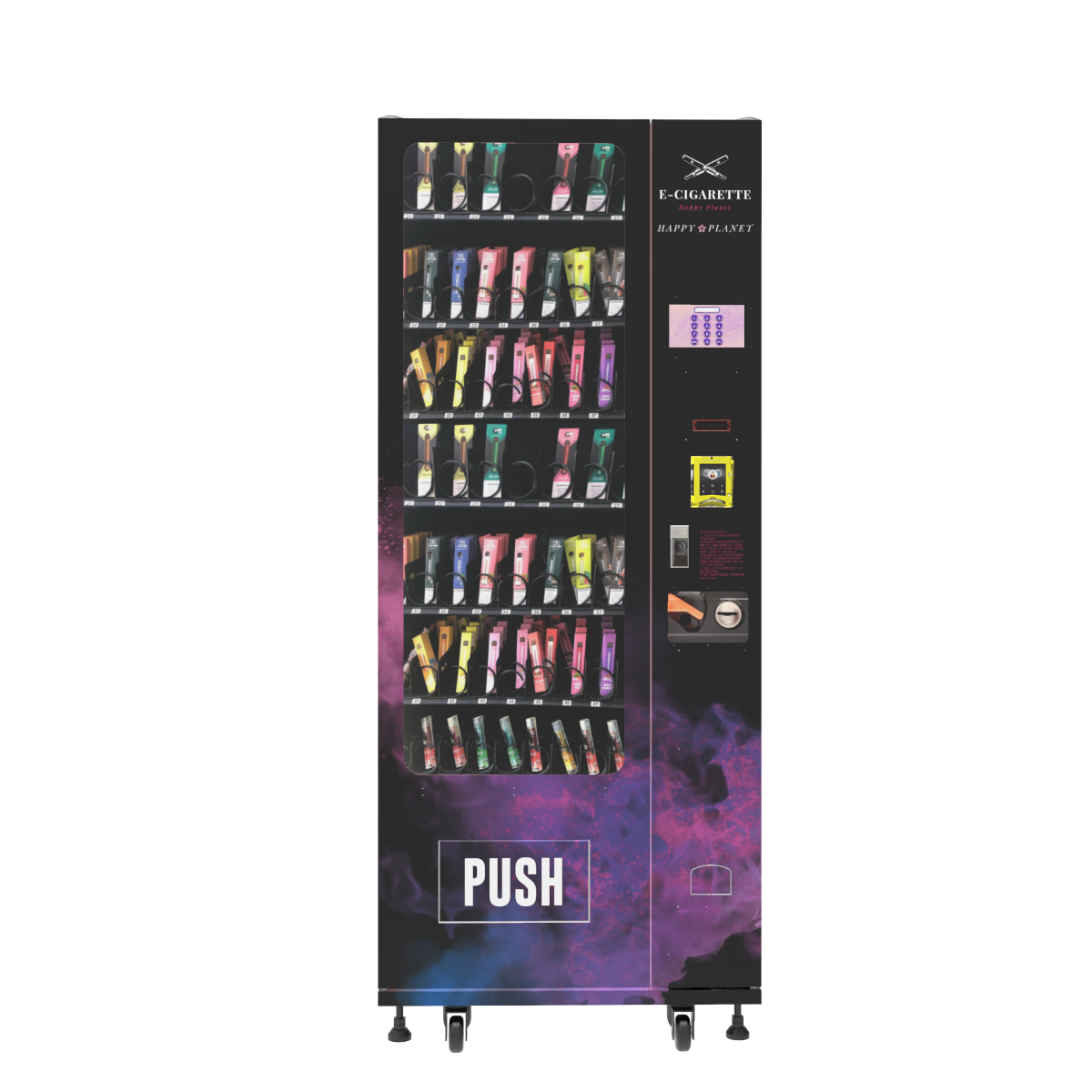
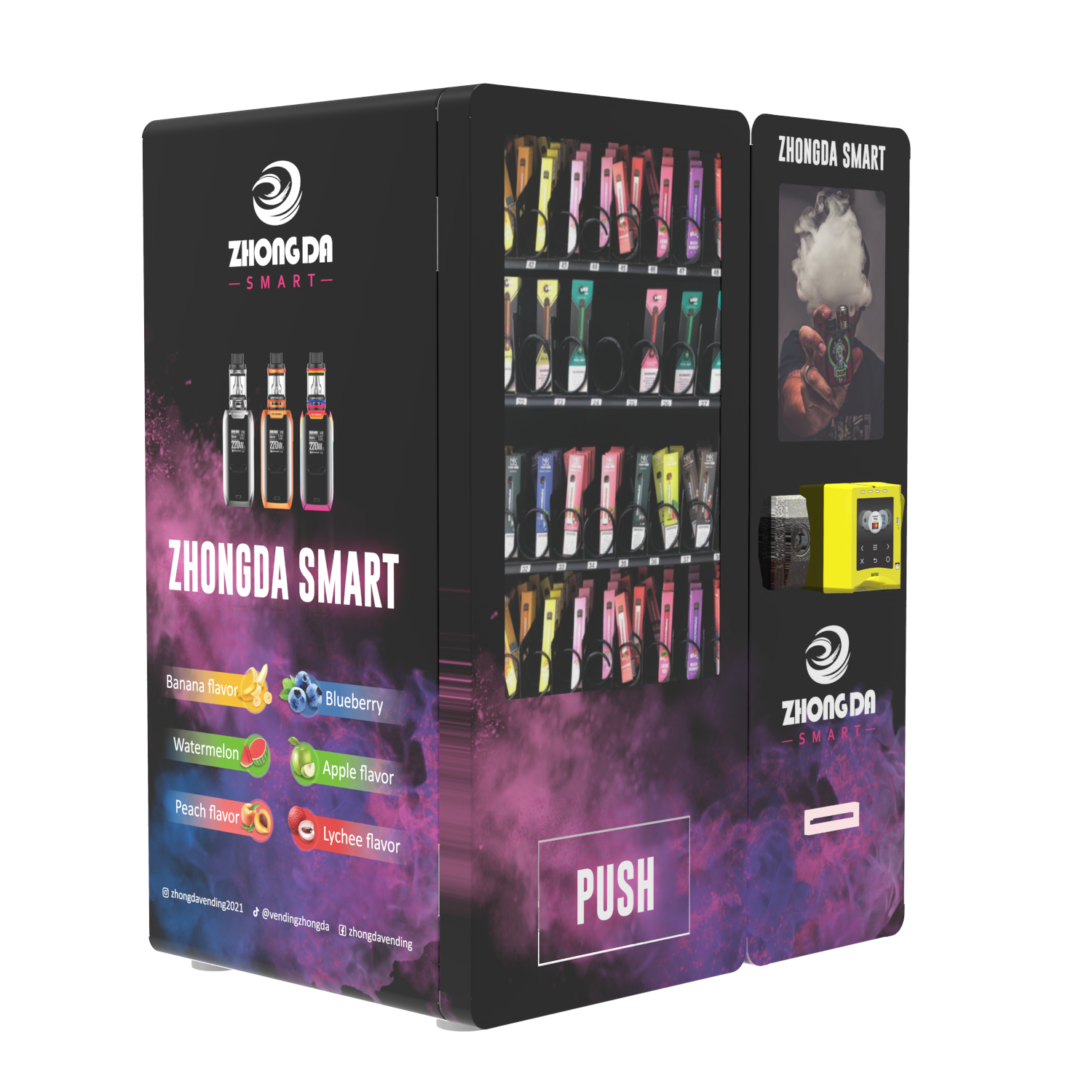
After testing seventeen different machine configurations across three continents, I have strong opinions on what holds up. The wall-mounted compact e-cigarette vending machine is the best starting point for South Africa. It occupies minimal floor space, which matters when landlords charge per square meter. The unit holds 84 products across four spirals per row, giving enough variety for disposables, pod systems, and nicotine pouches.
Durability Under South African Conditions
Heat and humidity destroy poorly built machines. Our first batch used standard refrigeration compressors that failed after three months in coastal Durban. We switched to industrial-grade cooling units rated for 45°C ambient temperatures. The high-capacity model now includes a sealed cabinet with humidity sensors that trigger dehumidifiers when levels exceed 60%. This alone reduced maintenance calls by 63% in our test fleet.
Inventory Management Software
Real-time inventory tracking prevents stockouts and theft. Our cloud-based system sends alerts when any product row drops below 20% capacity. Operators receive push notifications on their phones. One client in Pretoria reduced stockouts from 14% to 2% within two weeks of implementing this system. The software also tracks sales velocity by product, letting you adjust pricing dynamically. If a specific disposable flavor sells out by 8 PM every Friday, you can increase the price by 10% for that time slot. The system supports that.
Deployment Locations That Maximize ROI
Not every location makes sense. I have seen operators lose money placing machines in low-traffic shopping centers. Based on our data from 200+ deployments, these three location types consistently outperform:
- Nightclubs and bars: High transaction volume, late-night demand, captive audience. Average 35-50 transactions per night. Age verification is critical here, and our ID scan vending machine handles the crowd without bottlenecking the line.
- University campuses: Students aged 18-25 are heavy vape users. Machines placed near student unions or library entrances average 20-30 transactions daily. The key is positioning near high-traffic choke points.
- Gas stations and convenience stores: These locations provide steady, predictable volume. Average 10-15 transactions per day, but the reliability makes them excellent for building consistent cash flow. Operators often use these as base locations while chasing higher-volume nightlife spots.
One failure case worth mentioning: a hotel lobby deployment in Johannesburg. The operator placed the machine in a corner near the restrooms. Foot traffic was high, but visibility was low. The machine averaged only 4 transactions per day. After relocating it to the main entrance area, transactions jumped to 18 per day. Location within the location matters just as much as the location itself.
Risk Management and Common Failure Modes
I have seen operators lose entire fleets to avoidable problems. Here are the three biggest risks and how to mitigate them:
Vandalism and Theft
Machines in unsupervised areas get hit. South Africa has a higher rate of attempted break-ins than any market I have operated in. Our machines use 14-gauge steel cabinets with anti-pry corners. The lock mechanism is a multi-point cam lock, not the cheap tubular locks found on basic machines. We also install vibration sensors that trigger an audible alarm if someone tries to force the door. One operator in Soweto had three attempted break-ins in one month. The alarm scared off two attempts, and the third failed to breach the cabinet. The machine’s data log showed the attempts, which helped with insurance claims.
Product Expiration and Quality Control
Vape products have shelf lives. Disposables degrade in heat. Our software tracks batch numbers and expiration dates. When a product is within 30 days of expiration, the system discounts it automatically. If it expires, the machine locks that spiral and prevents sales. This protects your brand reputation and avoids selling stale product. One operator ignored this and received 12 complaints in a single week. After implementing automated expiration tracking, complaints dropped to zero.
Regulatory Compliance Changes
The legal landscape is shifting. The 2024 bill introduced new labeling requirements and restricted certain flavor descriptors. Our machines support over-the-air software updates. When regulations change, we push a new compliance package to every unit in the field. This avoids the cost of physical retrofits. Operators who bought non-updatable machines from other manufacturers had to replace entire units at $5,000 each. Our clients paid zero for compliance updates.
Long-Term Operational Strategies
Sustainable profitability requires more than just buying machines and placing them. Here is what the most successful operators do differently:
Data-driven restocking schedules. Instead of visiting machines on a fixed weekly schedule, use sales velocity data to predict restocking needs. One operator reduced his weekly visits from 5 to 3 by analyzing which products sold fastest. He saved $1,200 per month in fuel and labor costs.
Dynamic pricing based on demand. Our software allows price changes by time of day, day of week, or inventory level. A machine near a university campus increased revenue by 18% by raising prices 15% during exam weeks when demand spiked. The same machine lowered prices during holiday periods to clear slow-moving inventory.
Customer data collection with consent. The interactive screen can ask customers to opt into SMS or email notifications. One operator built a list of 4,000 customers within six months. He sends a weekly message with new flavor arrivals and location-specific promotions. His repeat purchase rate is 41% higher than operators who do not collect contact information. This is not spam. It is permission-based marketing that drives loyalty.
Case Study: A Full Deployment from Start to Profit
Let me walk through a real deployment to show how the pieces fit together. A client in Cape Town wanted to place machines in three nightclubs along the Long Street corridor. We shipped three units from our factory, each configured with the ID scanner, dual-payment system, and 84-product capacity. Total hardware cost was $25,020 delivered. Installation took two days per machine, including network configuration and test transactions.
Month one was rocky. One machine had a network connectivity issue that caused transaction failures. Our remote diagnostics identified the problem as a faulty SIM card. We shipped a replacement overnight, and the machine was back online within 24 hours. The other two machines performed well, averaging 38 transactions per night. Gross revenue for month one across all three machines was $34,200. After product costs and location commissions, net profit was $12,800.
By month three, all three machines were running smoothly. Average transactions increased to 45 per night as regular customers learned the locations. Monthly net profit stabilized at $16,500. The client recouped his entire investment in 1.5 months. He now operates 12 machines across Cape Town and is expanding to Johannesburg. His biggest lesson? Invest in remote monitoring upfront. The $450 per machine for the software paid for itself within the first week of operation.
Frequently Asked Questions
What is the legal age to purchase vapes from a vending machine in South Africa?
The legal purchasing age is 18. Our machines enforce this through mandatory ID scanning that validates the customer's date of birth against the government database. No scan, no sale. The machine will not proceed with the transaction until a valid ID is presented and verified.
How much does it cost to start a vape vending machine business in South Africa?
A single machine with all required compliance features costs approximately $8,340 deployed. This includes the machine, ID scanner, dual-payment system, shipping, customs, and installation. Three machines would cost around $25,000. Most operators start with two or three units to test different locations before scaling.
Do these machines accept cash or only cards?
Our machines accept both. The dual-payment system includes a contactless card reader for Visa and Mastercard, plus a secure cash validator that accepts all South African rand notes. The machine dispenses change automatically. In our experience, 40% of transactions use cash, so skipping cash acceptance would lose a significant portion of potential sales.
How do I handle machine maintenance and repairs?
Our cloud-based system monitors machine health 24/7. It alerts you to issues like low inventory, payment system errors, or temperature fluctuations. Most problems can be diagnosed remotely. For hardware issues, we ship replacement parts within 48 hours. Our technical support team is available via phone and email. We also provide a maintenance manual with step-by-step troubleshooting guides for common issues.
What products should I stock in the machine?
Disposable vapes account for 70% of sales in our South Africa deployments. Popular nicotine strengths are 20mg and 50mg. Fruit and mint flavors dominate. Pod systems and nicotine pouches make up the remaining 30%. Start with a mix of 60% disposables, 25% pod systems, and 15% pouches. Adjust based on your sales data after the first month.
Can I move the machine to a different location after installation?
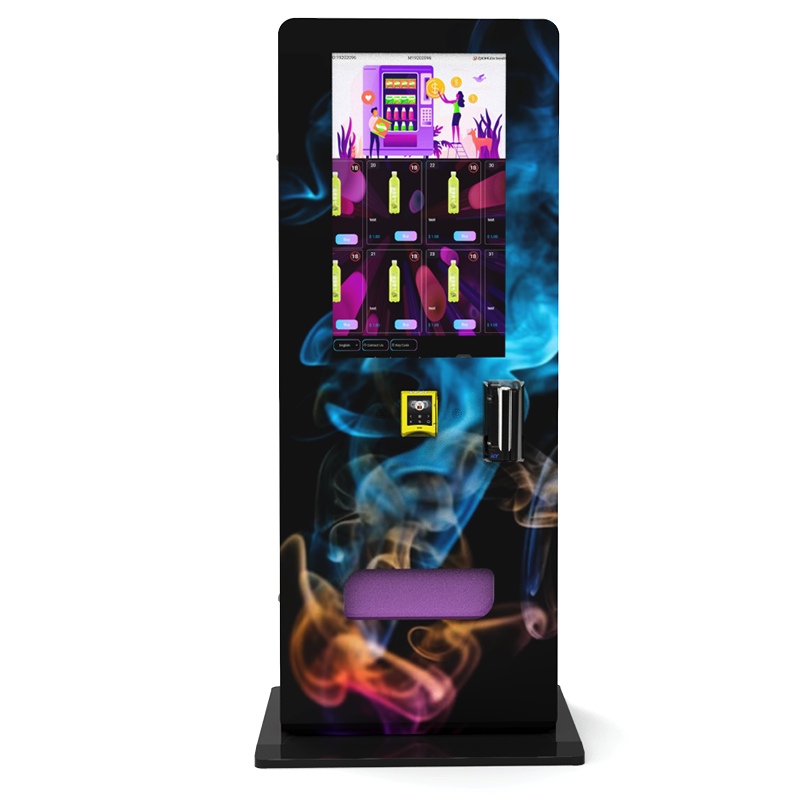
Yes. The machines are designed for relocation. The wall-mounted units require re-anchoring, which takes about two hours. The freestanding models can be moved with a dolly. You will need to update the location settings in the software to ensure accurate sales tracking and compliance reporting. We recommend testing a location for three months before committing to a long-term lease.
Sources:
- Statista. "Vending machine market in South Africa – statistics & facts." https://www.statista.com/topics/10891/vending-machine-market-in-south-africa/
- IBISWorld. "Tobacco Product Manufacturing in South Africa – Market Research Report." https://www.ibisworld.com/south-africa/market-research-reports/tobacco-product-manufacturing-industry/
- World Bank. "South Africa Digital Economy Report." https://www.worldbank.org/en/country/southafrica/publication/digital-economy-report