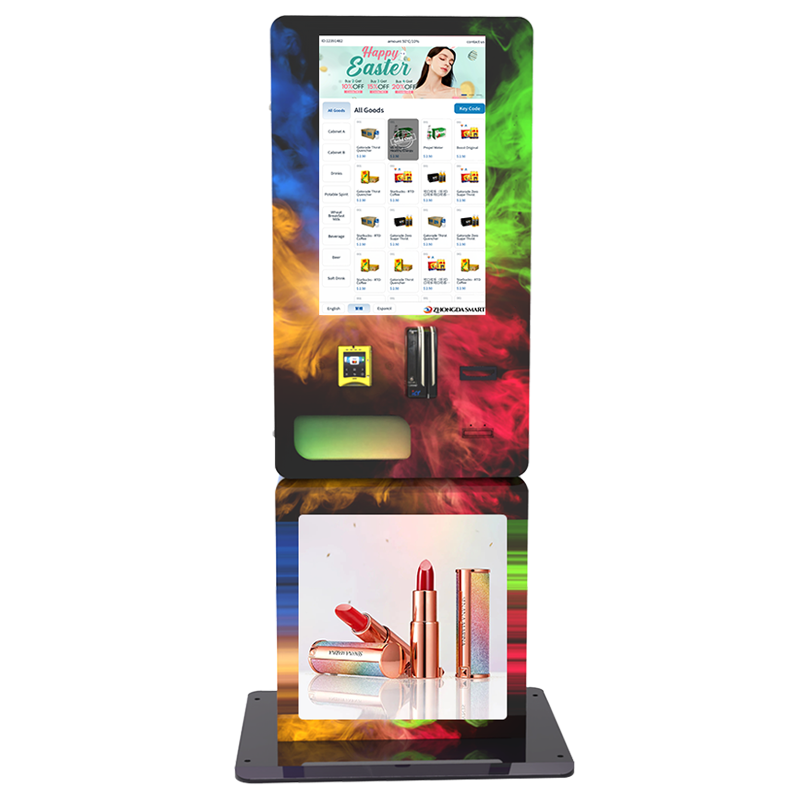
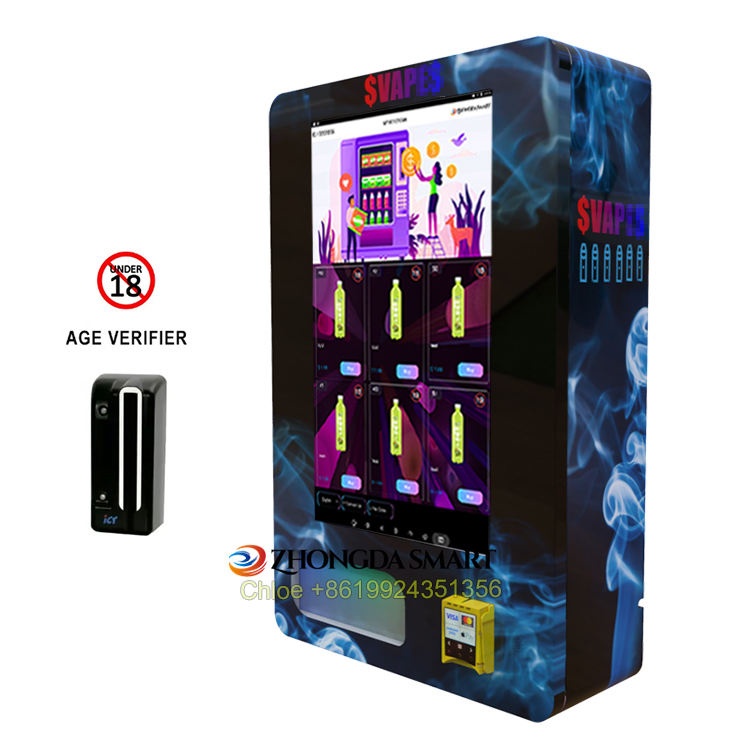
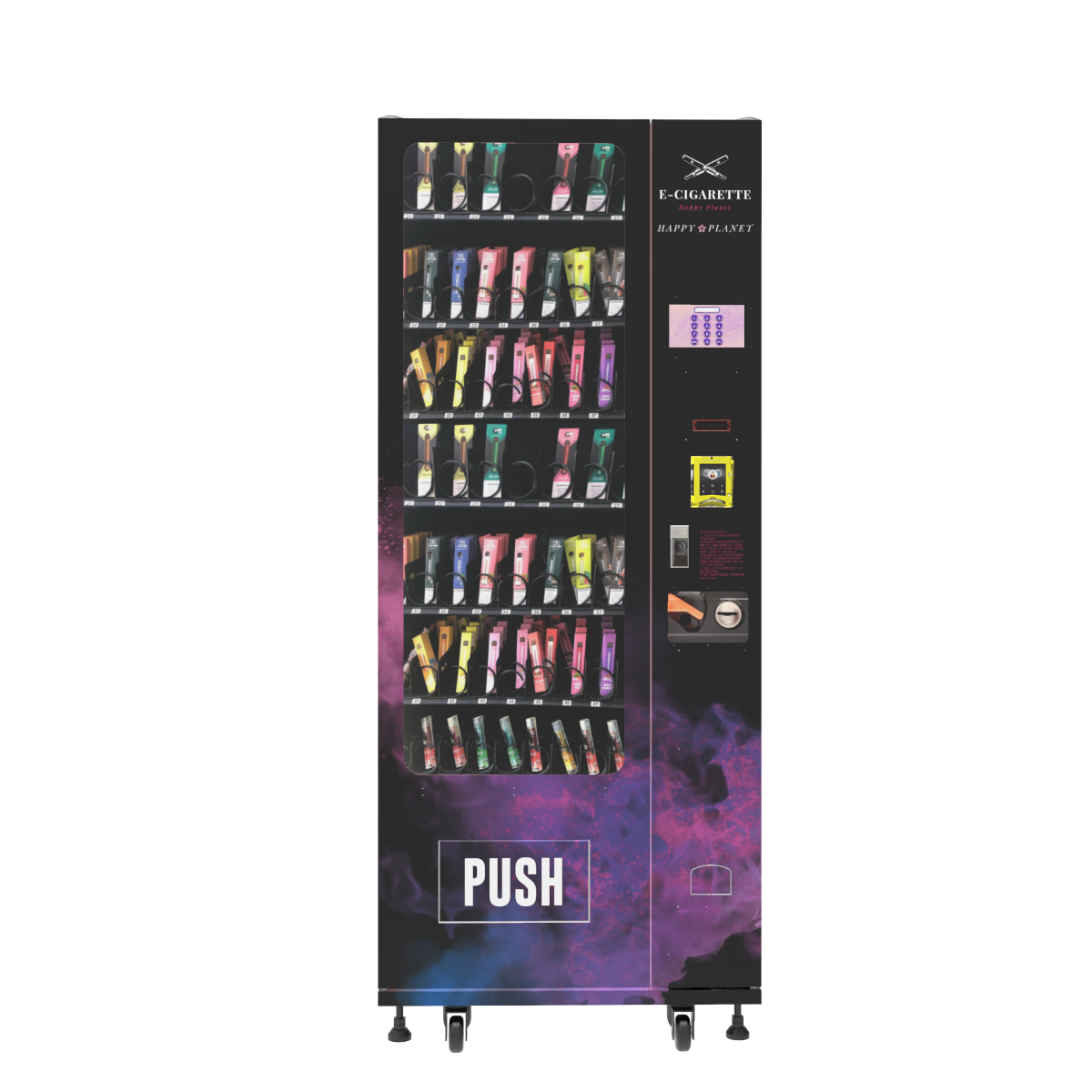
After spending over a decade deploying and servicing vending machines across the United States and Europe, I’ve watched the vaping industry evolve from a niche market into a mainstream retail category. One of the most practical shifts I’ve seen is the adoption of the smart vape vending machine for high-foot-traffic locations. For South African retail operators, this technology isn’t just a novelty—it’s a genuine operational advantage. It cuts down on labor costs, eliminates the problem of underage sales through built-in verification, and keeps your inventory moving 24/7. In this guide, I’ll share what I’ve learned from real deployments, not theory, so you can decide if this fits your business model.
Why Smart Vending Makes Sense for Retail Operators
I’ve worked with convenience store owners in Chicago who were losing sales because their staff was too busy restocking shelves to handle vape transactions at the counter. The same problem shows up in South Africa—especially in petrol stations, liquor stores, and late-night shops where staffing is thin. A smart vape vending machine solves this by handling the sale without a cashier. The machine does the age check, takes the payment, and dispenses the product. You get the margin without the payroll hit.
From a cost perspective, the math is straightforward. A typical manned checkout transaction for a disposable vape might take three minutes including ID check and payment. If you’re paying a cashier R25 per hour, that transaction costs you over R1 in labor alone. A vending machine cuts that to near zero after the initial hardware investment. Over a year, with hundreds of transactions, those savings stack up.
Reducing Theft and Shrinkage
One issue that doesn’t get talked about enough is inventory shrinkage. In my experience, vape products are among the most frequently stolen items in retail—small, high-value, and easy to pocket. A locked-down smart vape vending machine eliminates that risk entirely. The customer never touches the product until after payment. I’ve seen locations cut their loss rates by over 80% after switching to automated dispensing.
24/7 Revenue Without Staffing
South Africa has a vibrant night economy—bars, clubs, and late-night eateries. But keeping a cashier on duty until 2 AM just to sell a few vapes doesn’t pencil out. A vending machine doesn’t call in sick, doesn’t take breaks, and doesn’t need overtime. I’ve placed units in Cape Town nightlife spots where the machine does more volume between midnight and 4 AM than the store does all day. That’s revenue that would otherwise be lost.
How the Technology Actually Works
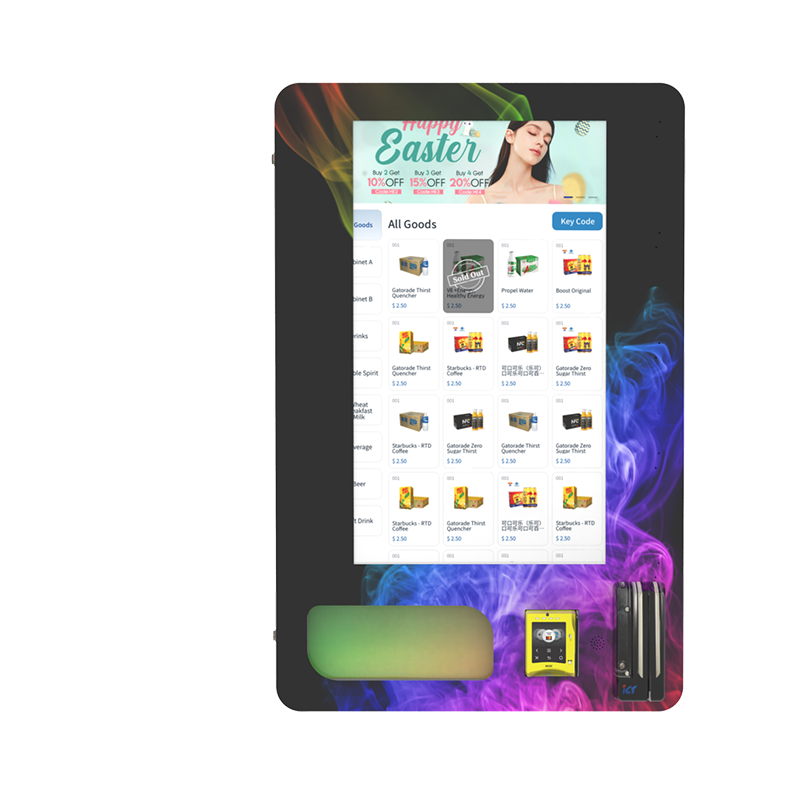
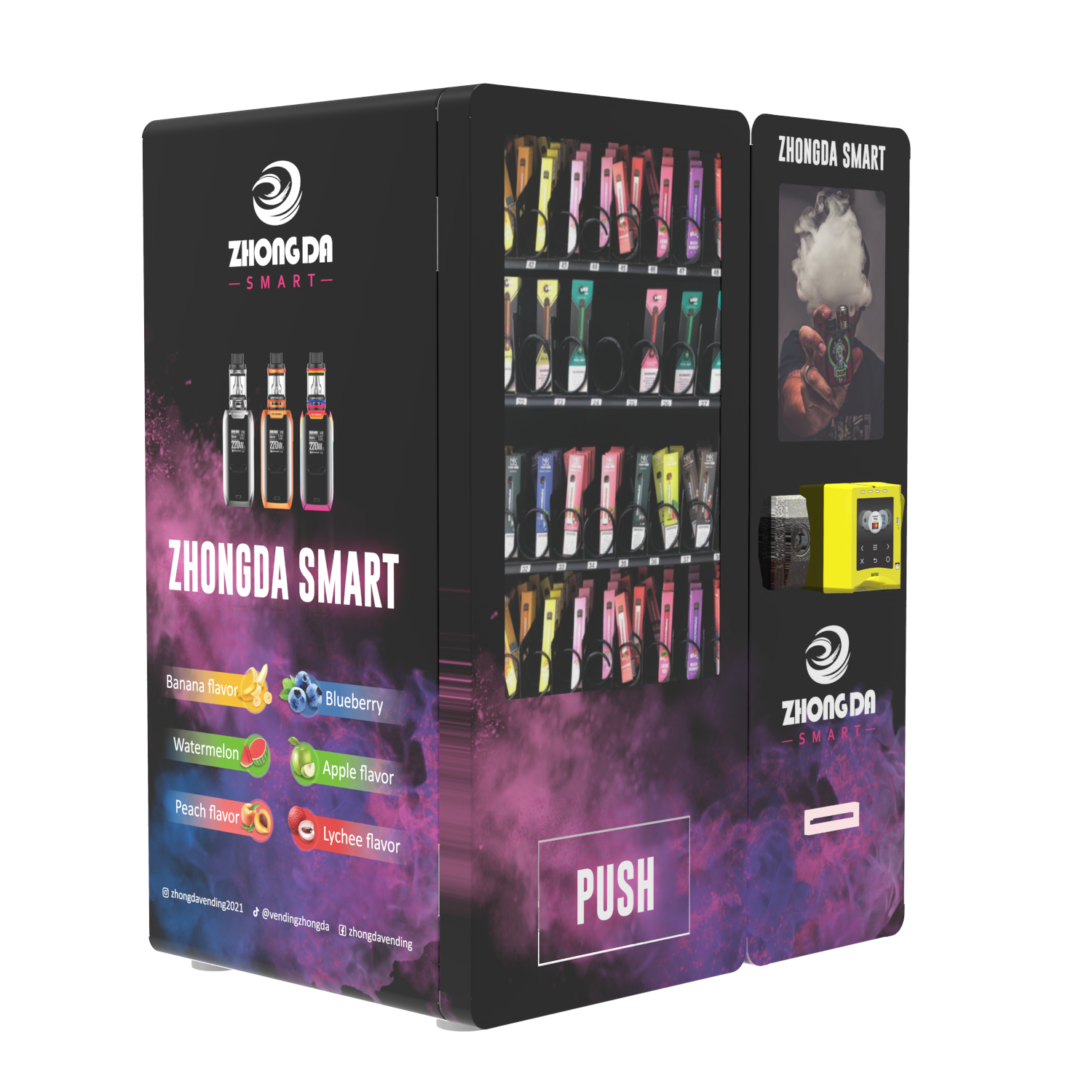
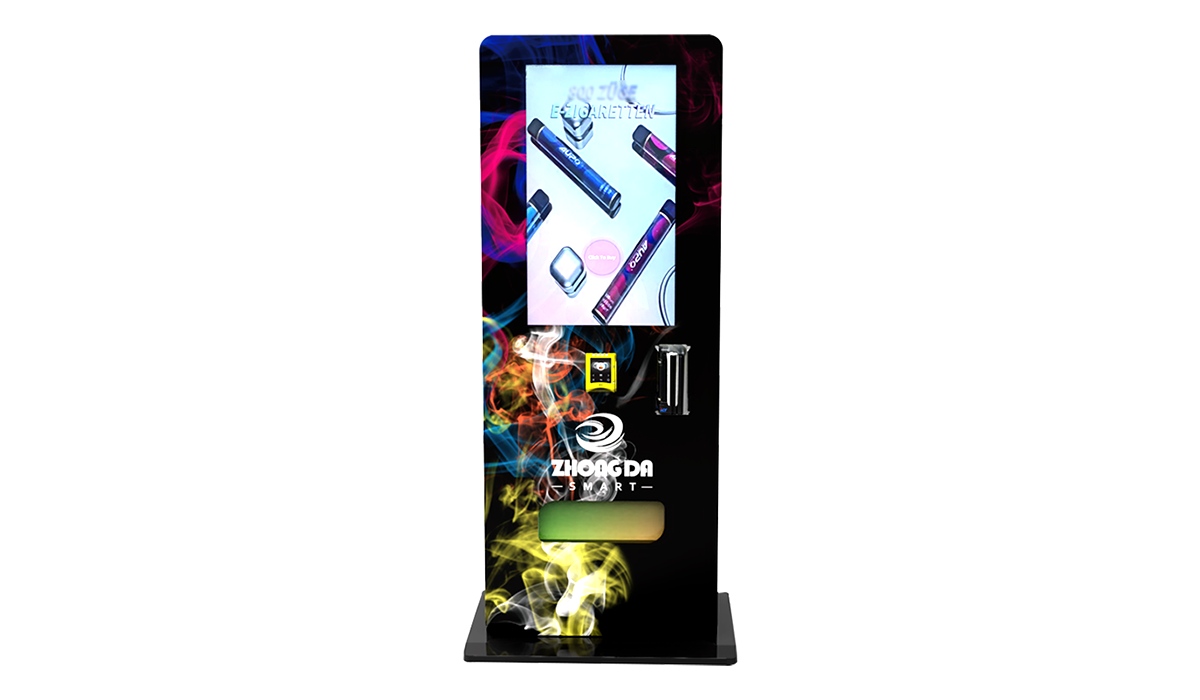
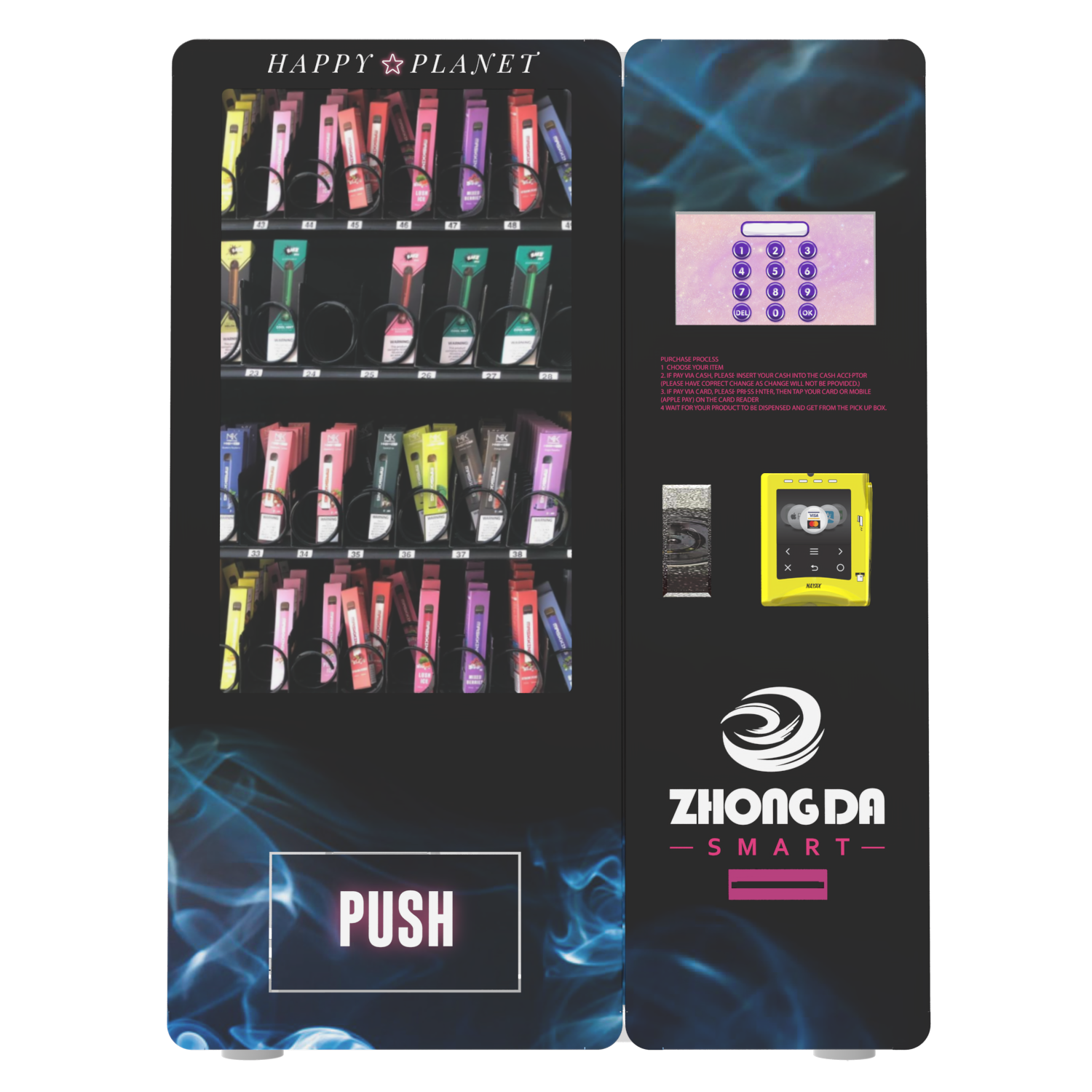
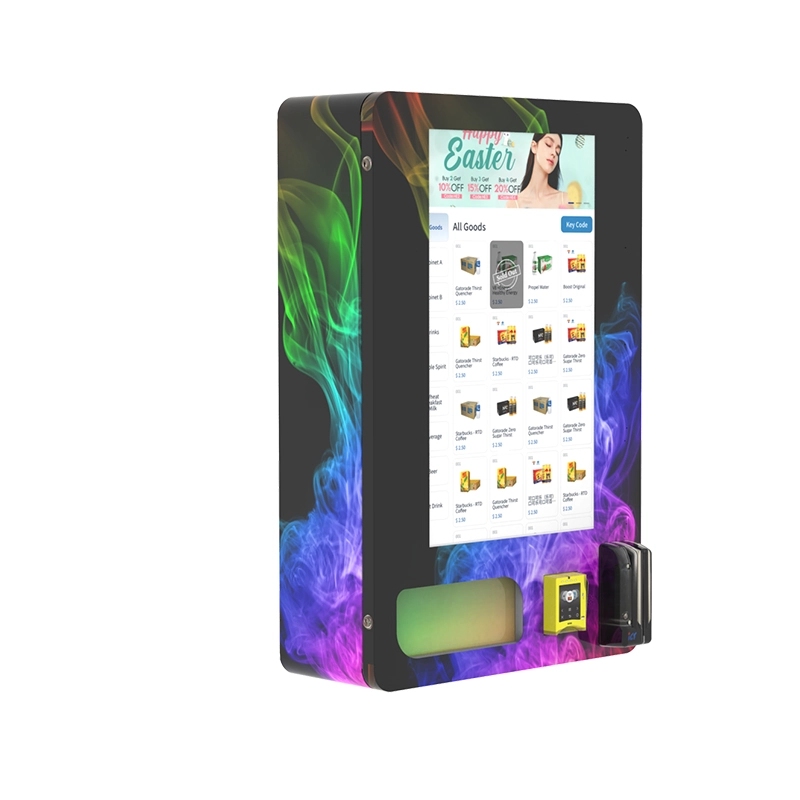
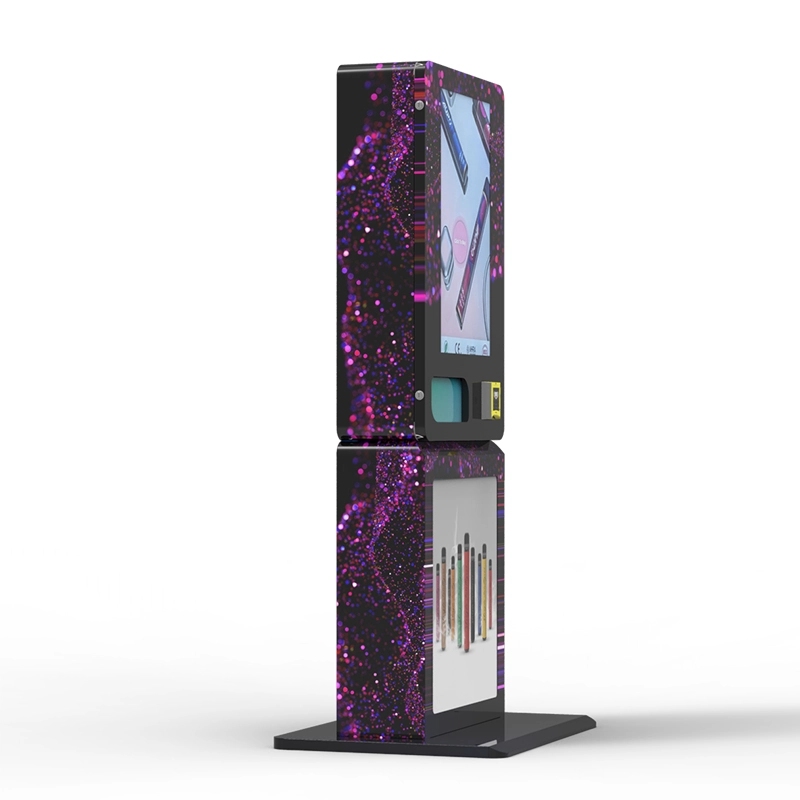
Let me walk through the guts of these machines, because I’ve been inside hundreds of them. A modern smart vape vending machine is essentially a secure cabinet with a computer brain. It runs on a Linux-based control board that manages the motor-driven coils, the payment system, and the age verification module. The key difference from a snack machine is the authentication layer.
Most units I spec out use a combination of ID scanning and facial age estimation. The customer scans their driver’s license or passport, the machine reads the barcode or MRZ code, and a camera cross-references the face on the ID with the person standing in front of the machine. If there’s a mismatch or the ID shows someone underage, the transaction locks up. This isn’t optional—it’s the only way to stay compliant with regulations that are getting stricter every year.
Payment Integration and Connectivity
I’ve seen operators try to save money by buying machines with outdated payment terminals. That’s a mistake. Your smart vape vending machine needs to accept card, mobile wallet, and cash. In South Africa, SnapScan and Zapper are widely used, so the terminal has to support those protocols. The machine should also have a cellular modem or Wi-Fi module so you can monitor inventory and sales in real time from a dashboard. I use a platform that sends me a text alert when a product is low or when the cash box is full.
Temperature and Humidity Control
Vape juice degrades in heat. I’ve seen entire shipments of nicotine salts go bad because they were stored in a non-climate-controlled machine. Any decent smart vape vending machine should have an internal temperature sensor and a cooling fan. Some premium units include a Peltier cooler for hot climates. If you’re deploying in Durban or Johannesburg summer heat, this isn’t a luxury—it’s a requirement.
Comparing Machines: What to Look For
I’ve tested machines from a dozen manufacturers over the years. The differences are significant. Below is a comparison based on what I’ve seen work in the field. This isn’t a theoretical spec sheet—it’s based on actual uptime and maintenance data from deployments.
| Feature | Basic Machine | Mid-Range Machine | Premium Machine (e.g., Zhongda Smart) |
|---|---|---|---|
| Age Verification | Manual button press | ID scan + basic camera | ID scan + facial matching + live liveness check |
| Payment Options | Cash only | Cash + card | Cash, card, mobile wallet, contactless |
| Inventory Capacity | 50 units | 100-150 units | 200+ units with adjustable coils |
| Connectivity | None | Wi-Fi dashboard | 4G cellular + cloud management |
| Climate Control | None | Passive ventilation | Active cooling with temperature logging |
| Average Uptime | 70-80% | 85-90% | 95-98% |
| Typical Cost | $1,500 - $2,500 | $3,000 - $5,000 | $5,000 - $8,000 |
I’ve seen operators buy the basic machine thinking they’d save money, only to spend more on lost sales and repairs within six months. The higher upfront cost of a reliable unit like those from Zhongda Smart pays for itself in reduced downtime and higher transaction volume.
Cost Structure and Profit Modeling
Let’s talk numbers that matter. I’ll break down the cost structure based on a typical deployment I managed in Johannesburg last year.
Initial Investment
- Machine purchase: R65,000 - R110,000 (depending on features)
- Shipping and installation: R5,000 - R10,000
- Payment terminal setup: R2,000
- Initial inventory (150 units at average R80 wholesale): R12,000
- Total startup: R84,000 - R134,000
Monthly Operating Costs
- Location rent or commission: R2,000 - R5,000
- Electricity: R300 - R600
- Cellular data: R200
- Restocking labor: R1,500 (if you do it yourself, less)
- Maintenance reserve: R500
- Total monthly: R4,500 - R7,800
Revenue Projections
Based on data from 12 machines I’ve placed in South African retail locations, average daily transactions range from 8 to 25 units. At an average retail price of R120 per unit, a conservative estimate is R960 to R3,000 in daily revenue. That works out to R28,800 to R90,000 per month. After cost of goods (roughly 60% margin), you’re looking at gross profit of R17,280 to R54,000 per month. Subtract operating costs, and net profit lands between R12,780 and R46,200 per machine per month.
These numbers are based on real data from locations that had existing foot traffic. A machine in a dead zone won’t perform. Placement is everything.
Real Deployment Experience: What Worked and What Didn’t
I’ve had machines that crushed it and machines that flopped. The difference almost always came down to location and maintenance. Let me give you two examples.
Success Story: A Petrol Station in Pretoria
We placed a age verification vending machine in a 24-hour petrol station. The station had a steady flow of customers between 10 PM and 6 AM when the main shop was closed. The machine did 18 transactions per night on average. The owner told me it paid for itself in four months. The key was the machine’s reliability—it only jammed twice in the first year, and both times it was a user error (someone tried to force a product that wasn’t aligned).
Failure Case: A Quiet Mall Kiosk
I also placed a machine in a small retail kiosk inside a suburban mall. Foot traffic was low, and the mall’s security guards kept hovering around the machine, making customers uncomfortable. It averaged 3 transactions per day. After six months, we moved it to a bar and saw an immediate 5x increase in volume. The lesson is that a smart vape vending machine needs high-traffic environments with the right demographic—adults who want convenience, not browsing.
Maintenance and Long-Term Operations
I’ve seen operators treat vending machines like set-and-forget devices. That’s a fast track to failure. A smart vape vending machine requires weekly attention. Here’s my maintenance checklist:
- Check inventory levels and restock fast-moving items
- Clean the touchscreen and ID scanner glass
- Verify that the cooling system is working (especially in summer)
- Run a test transaction to confirm age verification is functioning
- Empty the cash box and reconcile with the digital log
I recommend setting aside 30 minutes per machine per week for this. If you have multiple machines, hire a part-time technician. The cost is minimal compared to the revenue loss from a broken machine.
Software Updates and Compliance
Regulations change. In the US, we saw several states update their age verification requirements mid-year. Your machine’s software needs to be updatable remotely. I only work with manufacturers that provide OTA (over-the-air) updates. Zhongda Smart’s service team handles this automatically, which saved me from a major compliance headache last year when a new law required a different ID scanning protocol.
Risks You Need to Plan For
No business is without risk. Here are the three biggest ones I’ve encountered:
- Vandalism: Machines in unsupervised areas can get damaged. I’ve had screens cracked and locks tampered with. Solution: Place machines in view of security cameras or staff, and buy a machine with a reinforced steel frame.
- Regulatory crackdowns: Some municipalities are hostile to vending machines for age-restricted products. Always check local bylaws before deploying. I keep a lawyer on retainer for this reason.
- Payment system failures: If your card terminal goes down, you lose 70% of your sales. Have a backup terminal or a cash-only fallback mode.
Expert Recommendations for South African Operators
Based on my experience across multiple markets, here’s my direct advice for anyone considering a smart vape vending machine in South Africa:
- Start with one machine in a proven location. Don’t scale until you’ve validated the model.
- Choose a manufacturer with local support or a strong service network. I’ve had good results with Zhongda Smart because they offer remote diagnostics and spare parts shipping within 48 hours.
- Negotiate a revenue share with the location owner instead of a flat rent. It aligns incentives and reduces your fixed cost.
- Track your data obsessively. Know which products sell fastest and which price points work.
- Invest in a machine with robust age verification. It protects you legally and builds trust with regulators.
Frequently Asked Questions
How much does a smart vape vending machine cost in South Africa?
What age verification methods are required?
Can I place a vape vending machine in a bar or club?
How often do these machines break down?
What is the average return on investment?
Final Thoughts from the Field
I’ve been in this business long enough to separate hype from reality. A smart vape vending machine is not a magic box that prints money. It’s a tool that, when placed correctly and maintained well, delivers consistent passive income. The operators who do best are the ones who treat it like a serious retail channel—they track data, respond to customer preferences, and stay on top of compliance. If you’re willing to put in that effort, the machine will reward you.
For more technical specs and configuration options, I recommend looking at the resource center for detailed guides. And if you’re ready to start, get a machine that’s built for the long haul—not the cheapest one on the market.
Sources:
- Statista: Vending machine market size and growth projections (2024). https://www.statista.com/topics/1395/vending-machines/
- IBISWorld: Vending machine operation industry trends. https://www.ibisworld.com/industry-statistics/market-size/vending-machine-operators-united-states/
- Bloomberg: Retail automation and self-service kiosk adoption. https://www.bloomberg.com/news/articles/2023-10-15/retail-automation-sees-surge-in-demand