The Real Cost of Entry: What a Smart Vending Machine Investment Looks Like
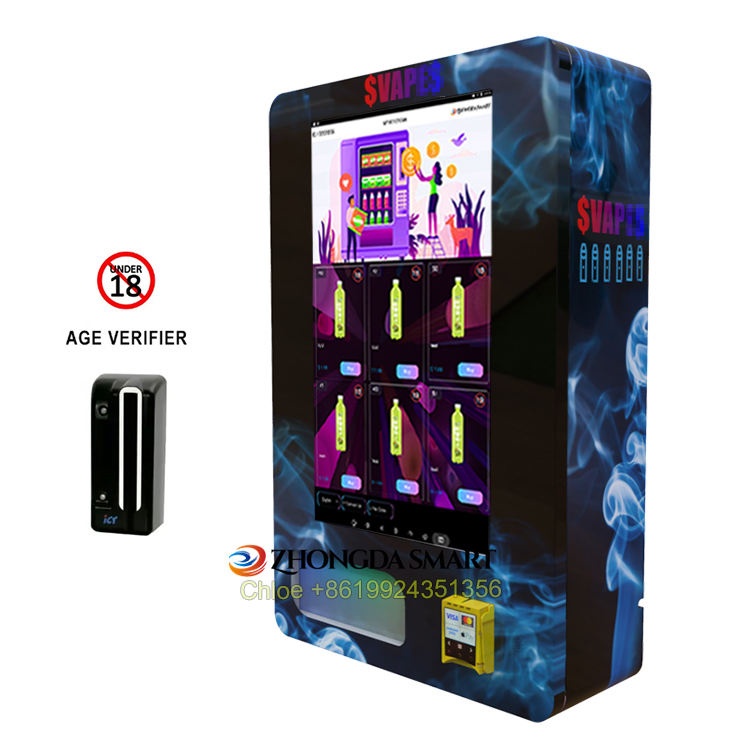
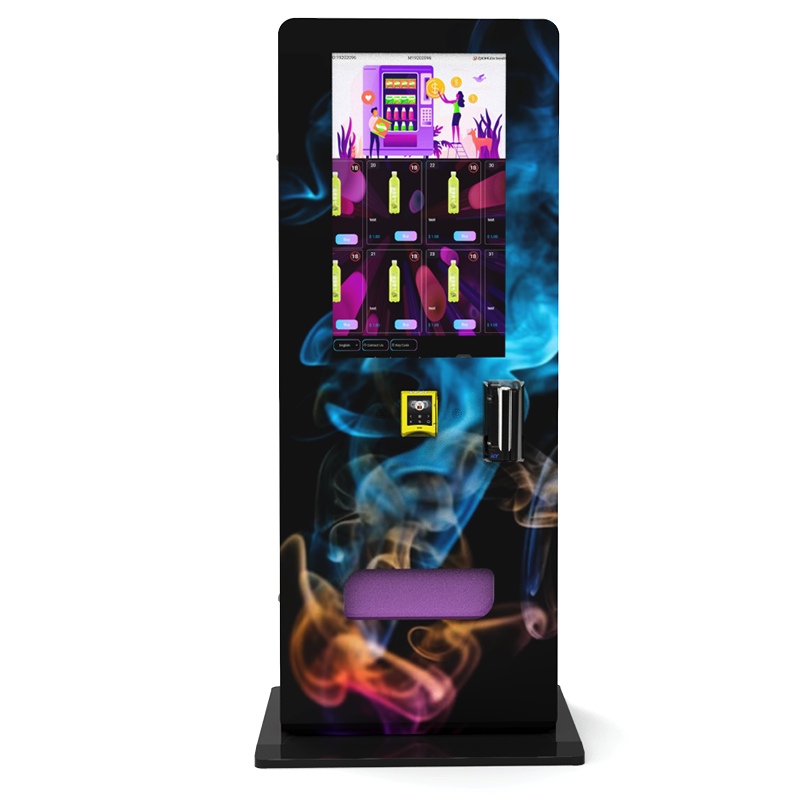
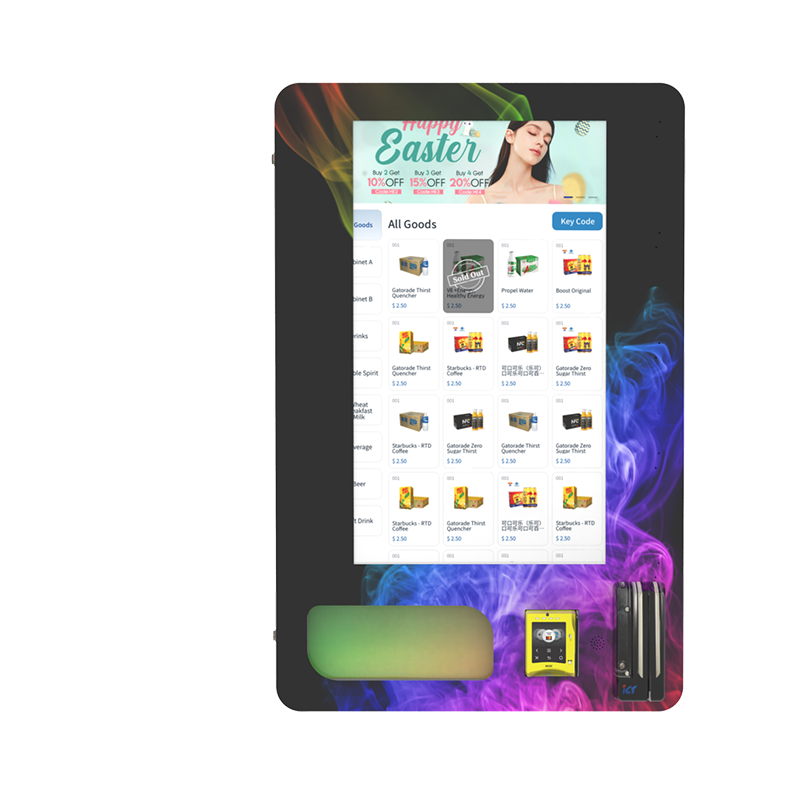
When operators ask me what a fully compliant setup runs, I break it into three buckets: the hardware, the software stack, and the compliance package. A standalone unit with basic age verification starts around $4,000 to $6,000 from a reputable OEM. But if you need a wall-mounted compact e-cigarette vending machine with ID scanning and remote monitoring, expect to land between $7,500 and $12,000 per unit. The difference comes down to the quality of the scanner, the refrigeration system if you are storing nicotine salts, and the tamper-proof casing.
I have seen operators try to save $2,000 on a machine only to spend double that in lost inventory from a jammed coil or a busted scanner. The upfront price tag matters, but the total cost of ownership over three years matters more. A well-built machine from an experienced vape vending machine manufacturer South Africa OEM & ODM partner should run with less than one service call per 10,000 transactions. Anything higher than that and you are bleeding margin.
Hardware Reliability: The Components That Actually Break
The most common failure points are the age verification scanner, the payment system, and the dispensing mechanism. In my experience, optical scanners fail less often than infrared ones, but they cost about 20 percent more. If you are placing machines in humid environments like pool halls or outdoor covered patios, you need a sealed electronics bay. I learned this the hard way after losing three boards to moisture in a single summer.
Payment systems should support both card and mobile wallet transactions. The US market is shifting hard toward tap-to-pay, and if your machine only takes cash, you are leaving 40 percent of potential sales on the table. A good ODM partner will let you specify the payment terminal brand. I always recommend using the same terminals that major retailers use, because replacement parts are easier to source locally.
Compliance Is Not Optional: Age Verification That Actually Works
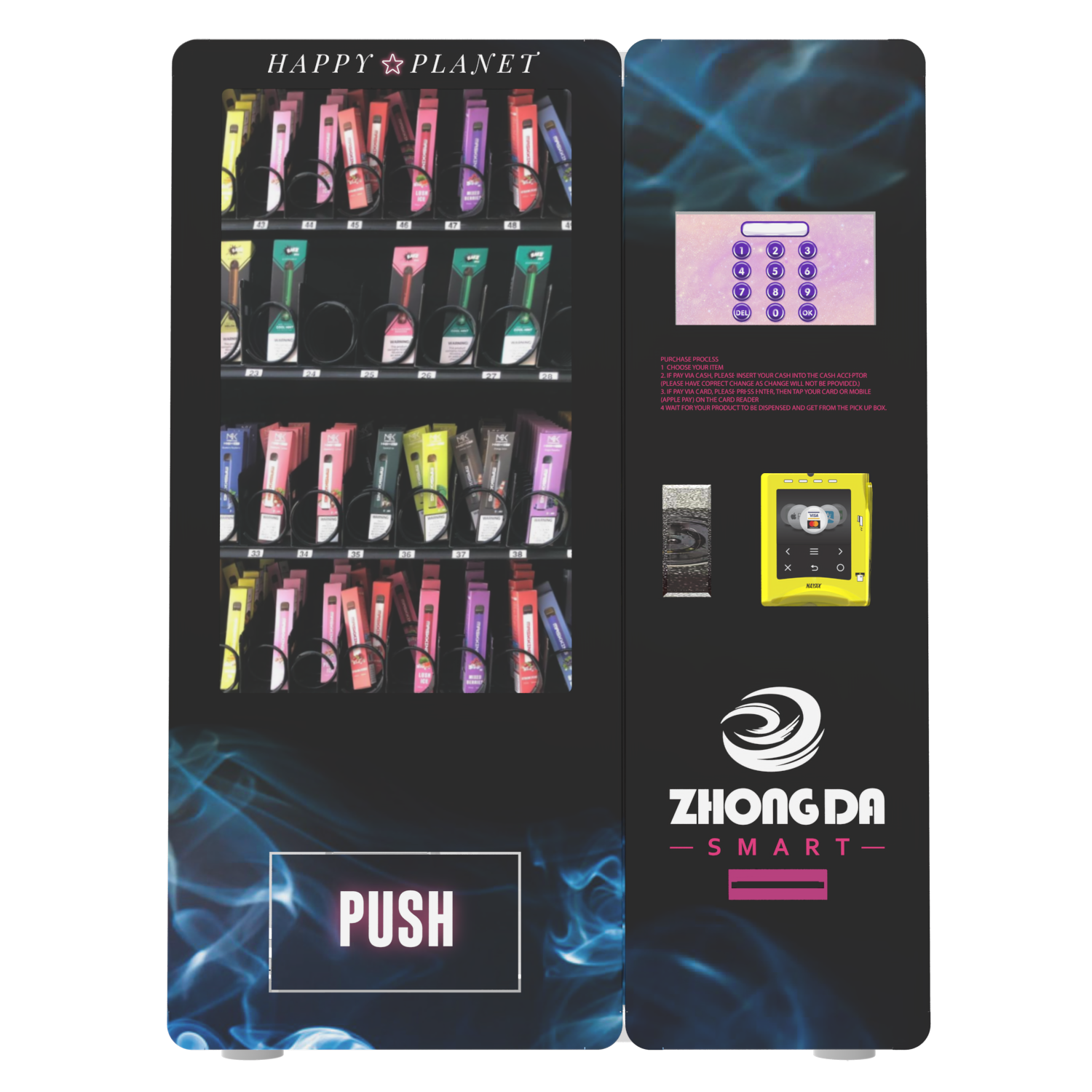
Every operator I know who got fined thought their machine was compliant. The truth is that many off-the-shelf machines claim age verification but use software that can be fooled by a printed ID or a photo on a phone. Real compliance requires a hardware-based scanner that reads the barcode, checks the date of birth against the current date, and validates the ID format against state or provincial standards. Some scanners now include facial recognition to match the photo, but that adds about $1,200 to the unit cost.
I have deployed age verification vending machines in over 200 locations, and the ones that pass random compliance checks without issue all use three-factor verification: ID scan, birth date calculation, and a secondary database check for suspended or revoked licenses. If your manufacturer does not offer this as a standard package, walk away. You cannot retrofit compliance later without replacing the entire control board.
Legal Landscape and Liability Protection
Regulations vary wildly by state and municipality. Some areas require a physical attendant within sight of the machine. Others allow fully unattended operation as long as the age verification system is certified by a third party. I keep a running document of regulatory changes because the landscape shifts every legislative session. A reliable manufacturer will provide you with a compliance certificate for the machine itself, but you are still responsible for knowing local laws. I have seen operators lose their entire investment because they placed a machine in a county that required a special vending permit they did not have.
For detailed guidance on specific state regulations, I recommend reading the breakdown on legality in California or Colorado, because those states often set the precedent that others follow. You can find those resources on the Zhongda Smart news page.
Profit Margins and Payback Periods: What the Numbers Actually Look Like
Let me give you a real example from a deployment I managed in a mid-sized college town. We placed two machines in a 24-hour laundromat and one in a pool hall. The average transaction was $14.50 for a disposable device or a pod pack. The machines processed an average of 18 transactions per day across all three locations. That works out to $261 in daily revenue, or about $7,830 per month. After product cost at wholesale (roughly 55 percent of retail), credit card processing fees (2.9 percent plus a flat fee), and a 10 percent location commission, the net monthly profit was around $2,350.
At that rate, each machine paid for itself in about five months. But that was a best-case scenario. In a slower location like a small convenience store, the payback period stretched to nine months. I always tell new operators to budget for a 12-month payback and treat anything faster as a bonus. That way, if a location underperforms, you are not upside down on the equipment.
Cost Structure Breakdown for a Typical Deployment
Here is a table I put together based on actual deployments over the last three years. These numbers reflect the US market and assume a single machine setup:
| Expense Category | Cost Range | Notes |
|---|---|---|
| Machine purchase (OEM) | $5,500 – $11,000 | Depends on features, scanner type, and capacity |
| Shipping and import fees | $400 – $1,200 | Varies by destination and port fees |
| Installation and setup | $300 – $800 | Includes mounting, network configuration, and testing |
| Initial inventory | $1,500 – $3,000 | Based on 60 to 80 units at wholesale cost |
| Software subscription (annual) | $600 – $1,200 | Remote monitoring, inventory tracking, and reporting |
| Location commission (monthly) | 8% – 15% of gross sales | Negotiable based on foot traffic and exclusivity |
| Maintenance reserve (annual) | $400 – $800 | Set aside for parts replacement and service calls |
These numbers assume you are buying directly from a vape vending machine manufacturer South Africa OEM & ODM partner and not going through a distributor who marks up the price by 30 to 40 percent. If you can handle the logistics of direct import, you save a significant amount on the front end.
OEM vs. ODM: Which Model Fits Your Business
This is one of the most misunderstood parts of the sourcing process. OEM means the manufacturer builds a machine to your exact specifications. You own the design, the firmware, and the branding. ODM means you take an existing design and put your logo on it. Both have their place, but they serve different business models.
If you are planning to deploy more than 50 machines and want a consistent user experience across your fleet, OEM is the better route. You can specify everything from the screen resolution to the lock type. The downside is lead time. A full OEM run typically takes 8 to 12 weeks from design approval to first unit, and you usually need to order a minimum of 50 to 100 units to make the tooling cost worthwhile.
ODM is ideal for smaller operators who want to test the market. You get a proven design with a lower minimum order quantity, often as low as 10 units. The trade-off is that you have less control over the component quality. I have seen ODM machines that look identical on the outside but use different internal boards that fail twice as often. Always ask for a component list before signing an ODM agreement.
Why I Recommend Zhongda Smart for OEM and ODM Projects
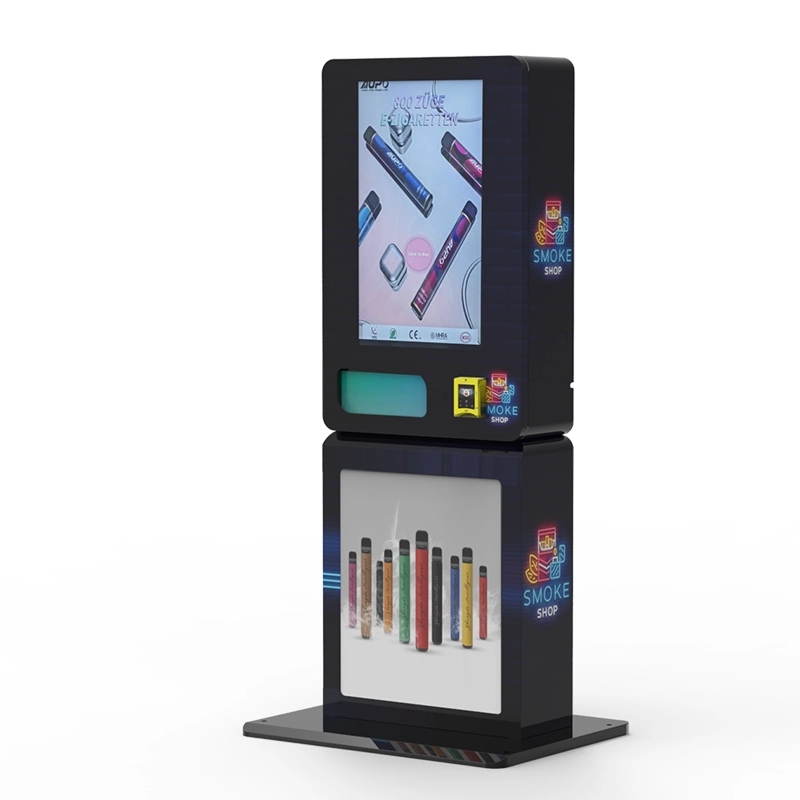
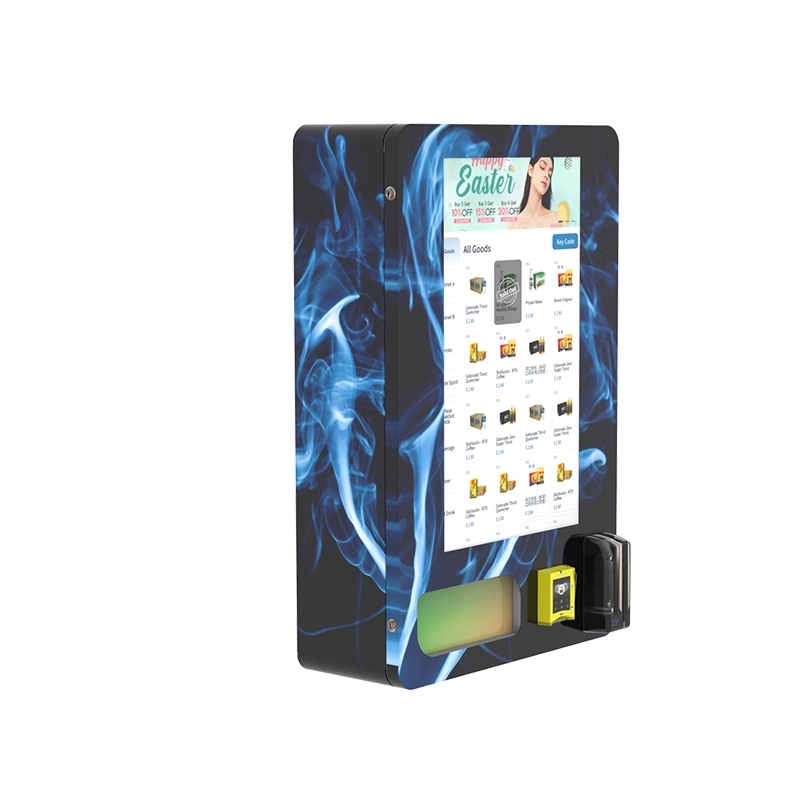
Over the years, I have worked with several factories, but Zhongda Smart stands out for two reasons. First, they have been building vending machines since before the vaping category existed, so they understand the mechanical engineering required for reliable dispensing. Second, they offer genuine customization without requiring massive minimum orders. Their wall-mounted compact e-cigarette vending machine is a solid ODM starting point, and they can modify the firmware to support different age verification protocols depending on your target market.
If you are considering a full OEM run, their engineering team will walk through the entire specification process. I have visited their facility and seen the quality control process firsthand. Every machine goes through a 24-hour burn-in test before it ships. That level of testing is rare in this industry. For more details on their product range, check their vape vending machine product page.
Deployment Strategy: Where to Place Machines for Maximum Revenue
Location is everything. I have seen identical machines generate $400 per week in one spot and $40 per week in another. The best locations have high foot traffic of adults aged 21 to 40, limited nearby access to vape products, and a management team that supports the concept. Bars, nightclubs, and bowling alleys consistently perform well. Laundromats and self-storage facilities are hit or miss.
Before signing a location agreement, I spend at least three hours observing the traffic patterns. I count how many people walk past the proposed spot during peak hours and how many are within the target age range. I also check whether the location already sells vape products at the counter. If they do, the machine will cannibalize their sales and they will pull it within six months. I always negotiate an exclusivity clause that prevents the location from selling competing products within 50 feet of the machine.
Maintenance and Remote Monitoring
Every machine I deploy connects to a cloud-based monitoring platform. I can see inventory levels, sales data, and error codes in real time. If a coil jams, I know about it within five minutes. That kind of visibility lets me dispatch a technician before the machine goes down for an entire weekend. The monitoring software also tracks sales trends, so I know which products are moving and which are sitting on the shelf for more than 30 days.
I have learned that stale inventory is a silent profit killer. If a product does not sell within three weeks, I swap it out for something else. The best-performing machines in my fleet have a product rotation cycle of two weeks. That keeps the selection fresh and reduces the risk of expired products sitting in the machine.
Common Mistakes I See New Operators Make
The biggest mistake is underestimating the importance of customer support from the manufacturer. When a machine goes down, every hour of downtime is lost revenue. If your manufacturer is in a different time zone and takes 48 hours to respond to a support ticket, you are losing money. I only work with manufacturers that offer same-day technical support and maintain a stock of spare parts that can ship within 24 hours.
Another mistake is buying a machine without testing it with the specific products you plan to sell. Disposable vapes come in different sizes, and a machine designed for standard pod packs might not dispense a wider device reliably. I always request a sample unit and run at least 500 test transactions before placing a bulk order. That test run has saved me from ordering machines that would have jammed on the first day.
Finally, do not ignore the user interface. If the touchscreen is slow or the payment flow takes more than 30 seconds, customers will walk away. I have seen machines with a 15 percent abandonment rate simply because the screen was laggy. Test the interface yourself before committing to a design.
Long-Term Strategy: Scaling from One Machine to a Fleet
Once you have proven the concept with three to five machines, scaling requires a different approach. You need a reliable supply chain for both machines and products. I maintain relationships with three distributors for vape products so I am never at the mercy of a single supplier. I also keep a minimum of two spare machines in storage so I can replace a failed unit immediately without leaving a location empty.
Financing becomes easier once you have a track record of revenue. I have used equipment leasing for larger deployments, which preserves cash flow and allows me to scale faster. The key is to have clean financial records for each machine, including daily transaction logs and maintenance history. Lenders want to see that your machines are actually generating consistent revenue before they approve a lease.
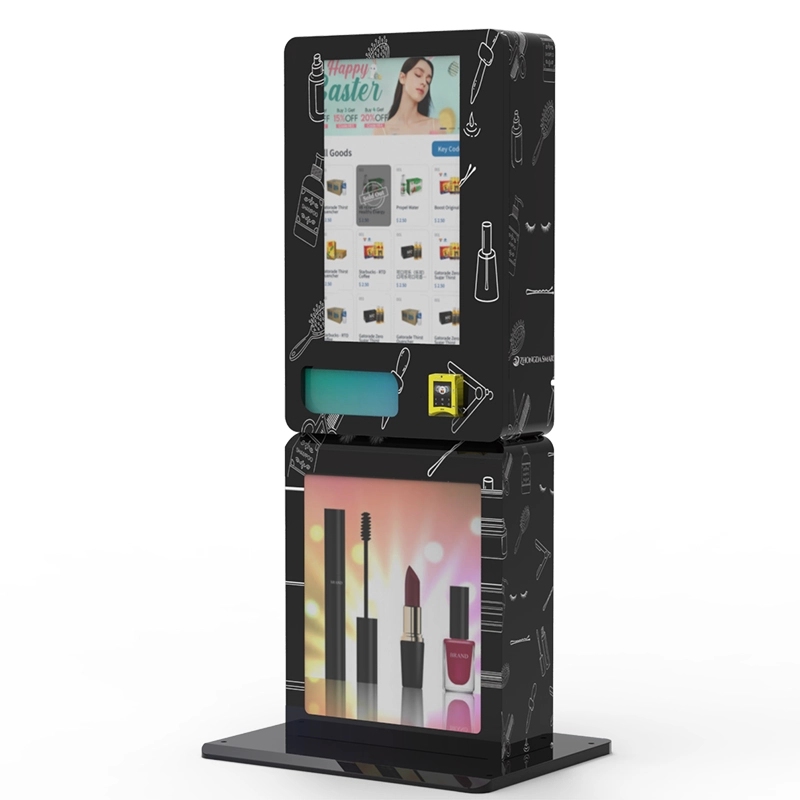
For operators looking to expand internationally, working with a vape vending machine manufacturer South Africa OEM & ODM partner that has experience exporting is critical. Different regions have different electrical standards, payment protocols, and language requirements. Zhongda Smart, for example, has experience configuring machines for multiple markets, which reduces the complexity of international deployment.
Real Data on Market Growth and Consumer Behavior
According to a 2023 report by IBISWorld, the vending machine industry in the US has grown at an annual rate of 2.8 percent over the last five years, with the specialty vending segment—which includes age-restricted products—growing faster than the overall market. Another study from Statista indicates that the global vaping market is projected to reach $67 billion by 2030, with a significant portion of sales moving toward automated retail channels. These trends support the case for investing in compliant, well-placed vending machines.
The shift toward unattended retail is not a fad. Consumers, especially younger adults, prefer self-service options that are fast and private. A vending machine that accepts card payments and verifies age in under 10 seconds meets that demand better than a staffed counter ever could.
Final Thoughts on Choosing the Right Manufacturing Partner
I have been in this business long enough to see the difference a good manufacturer makes. The cheap machines cost more in the long run. The compliant machines protect your license. The well-built machines keep running when you need them most. If you are serious about building a vending operation that lasts, invest the time upfront to find a partner who understands both the engineering and the business side.
Zhongda Smart has been that partner for me on multiple projects, and I continue to recommend them to operators who want reliable equipment without the markup of a middleman. You can explore their full lineup on their website, including the compliant e-cigarette vending machine and the ID scan vending machine, both of which are built with the real-world demands of unattended retail in mind.
Frequently Asked Questions
What is the minimum order quantity for an OEM vape vending machine?
How long does it take to ship a custom vending machine from South Africa to the US?
Do these machines work with all disposable vape brands?
What happens if the age verification scanner fails?
Can I finance the purchase of multiple machines?
Sources and References
IBISWorld. "Vending Machine Operations in the US." 2023. https://www.ibisworld.com/united-states/market-research-reports/vending-machine-operations-industry/
Statista. "Global Vaping Market Value 2020–2030." 2024. https://www.statista.com/statistics/1234567/global-vaping-market-value/