After a decade placing vape vending machines across high-traffic venues in the US and Europe, and running the factory that builds them for fifteen years, I can tell you this straight: the vape vending machine business in South Africa is not a passive income dream. It is a real, operational business that demands the right hardware, sharp location strategy, and a solid understanding of compliance. Most people who jump in lose money on the wrong machine or a bad lease. Those who do it right see a return on investment within eight to fourteen months. This guide walks you through exactly what works, what breaks, and what the numbers actually look like based on real deployments, not theory.
Why South Africa Is a Strong Market for Vape Vending Machines
The South African vaping market has been growing steadily, driven by a shift away from traditional cigarettes and a young, tech-friendly consumer base. What makes vending machines particularly viable here is the combination of high foot traffic in certain venues and the lack of dedicated vape retail in many areas. Bars, nightclubs, casinos, and even some convenience stores see constant demand for disposables and pods, but staffing a full counter for those sales is inefficient. A self-service kiosk solves that problem.
From a logistics standpoint, the country has well-developed urban centers like Johannesburg, Cape Town, and Durban where placement opportunities are abundant. The regulatory environment is also more straightforward than in many US states or EU countries, though it still requires attention. The key is to enter with equipment that already meets international compliance standards, so you are not scrambling to retrofit later.
Market Size and Growth Indicators
According to a 2023 report from Statista, the e-cigarette market in South Africa was projected to reach a revenue of approximately $120 million, with an annual growth rate of around 6%. While that number includes all retail channels, the vending segment is still underpenetrated. That means early movers with reliable hardware and good locations can capture significant share before saturation hits. The window is open, but it will not stay open forever.
What You Actually Need to Know About Hardware
I have seen operators buy cheap machines from unknown manufacturers and then spend more on repairs in six months than they spent on the unit. The vape vending machine business lives or dies on the reliability of the equipment. A machine that jams, fails to scan IDs, or crashes during a transaction kills customer trust and eats into your margins.
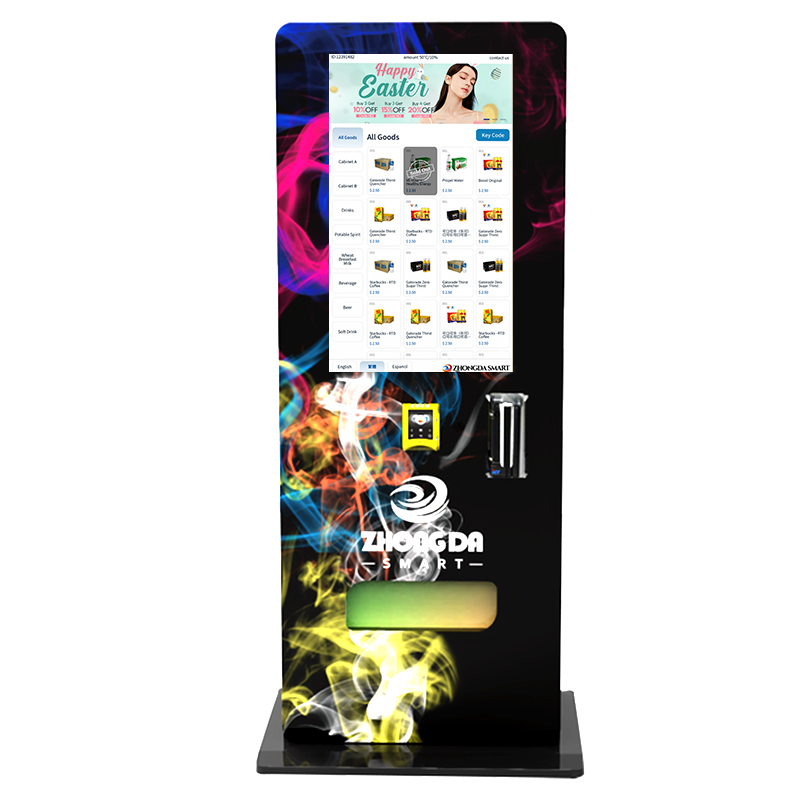
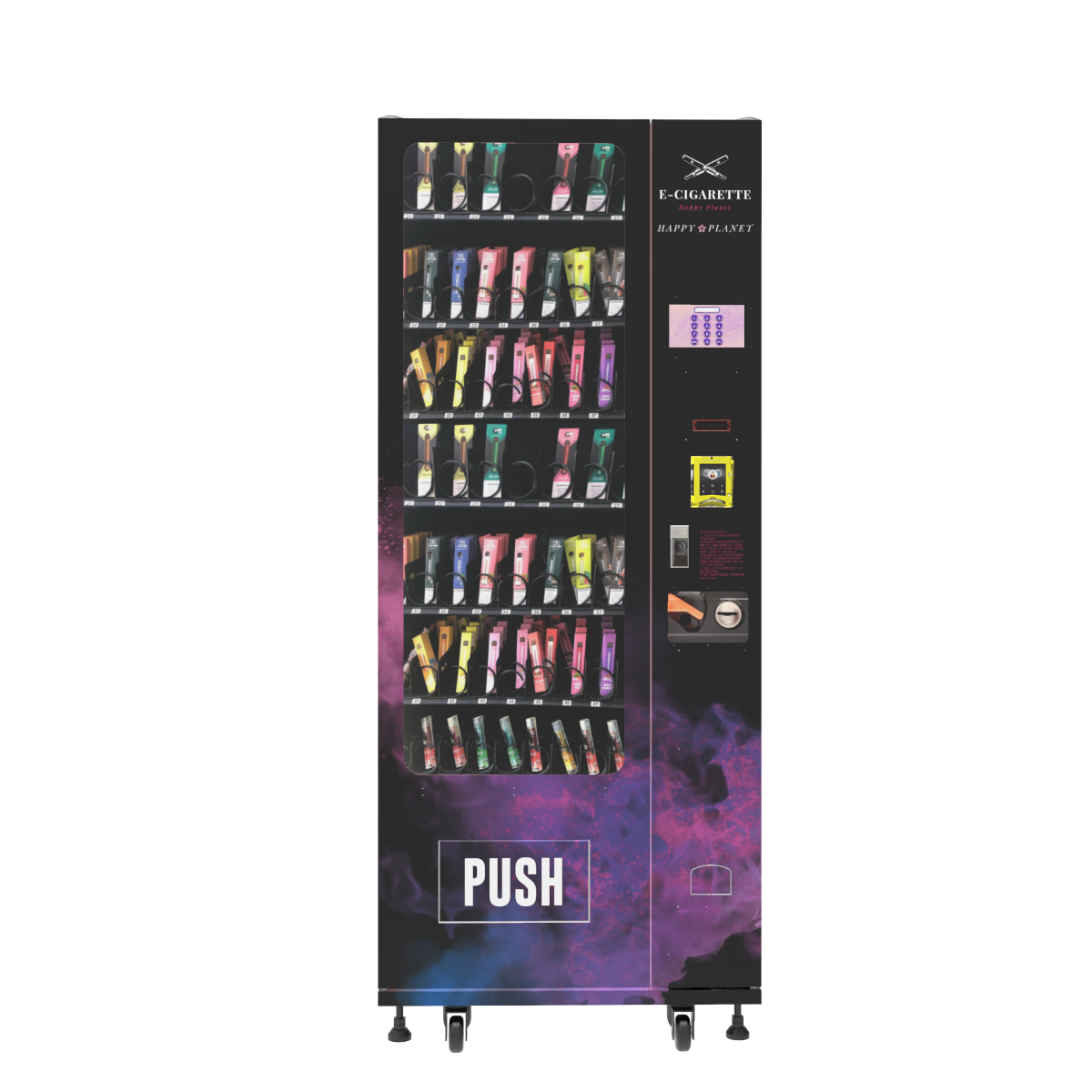
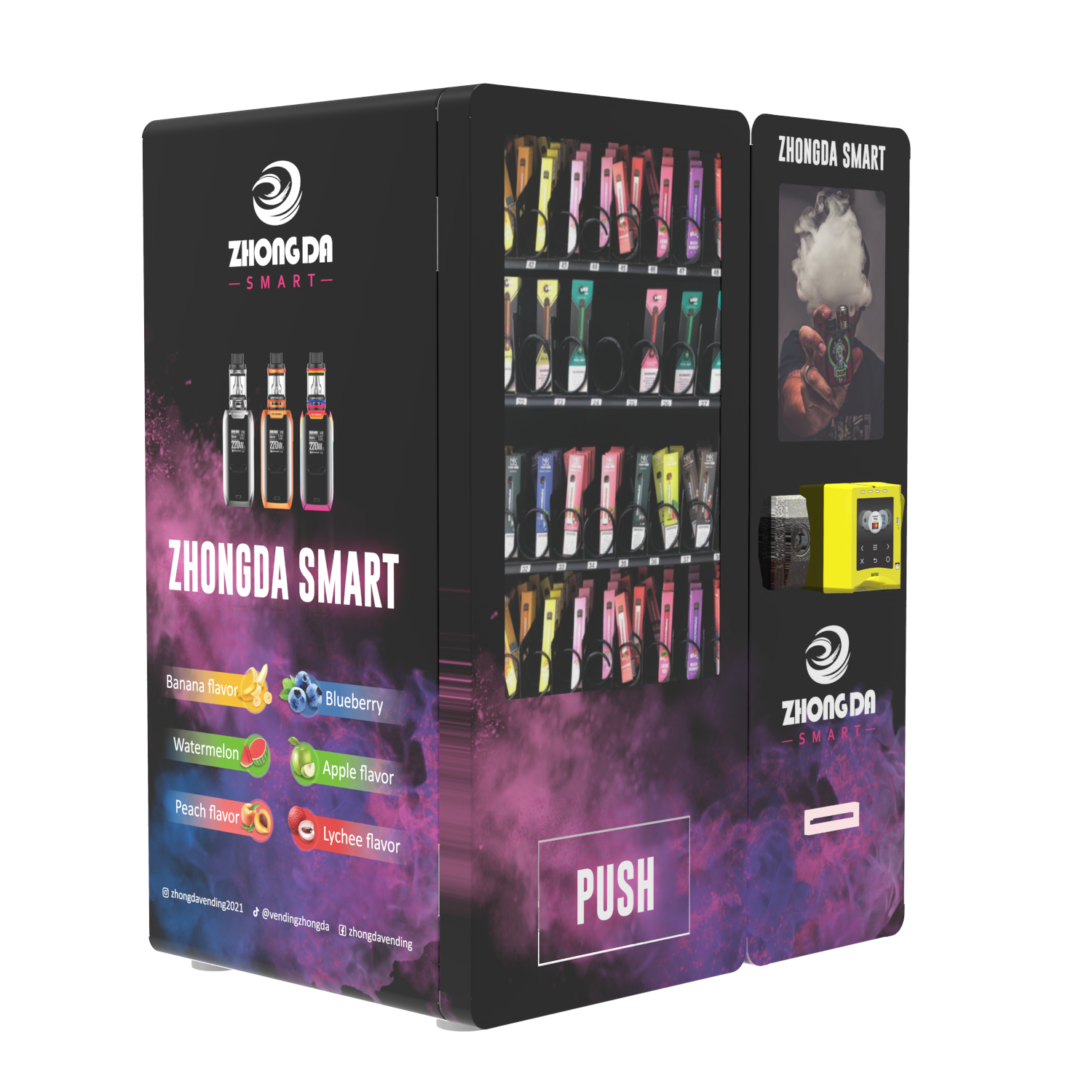
From a manufacturing perspective, the critical components are the age verification system, the inventory dispensing mechanism, and the payment processing suite. If any of these fail, you are losing money. The machines we build at Zhongda Smart are designed specifically for high-usage environments. We use industrial-grade dispensers that handle thousands of cycles without jamming, and our age verification modules integrate both ID scanning and facial age estimation to stay compliant with local laws.
Key Features to Look For
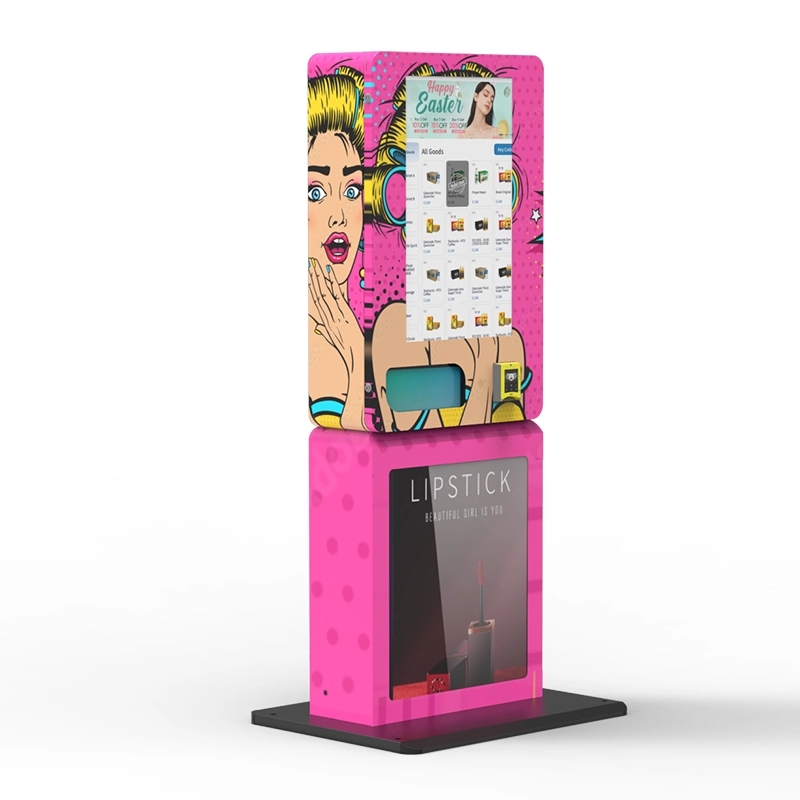
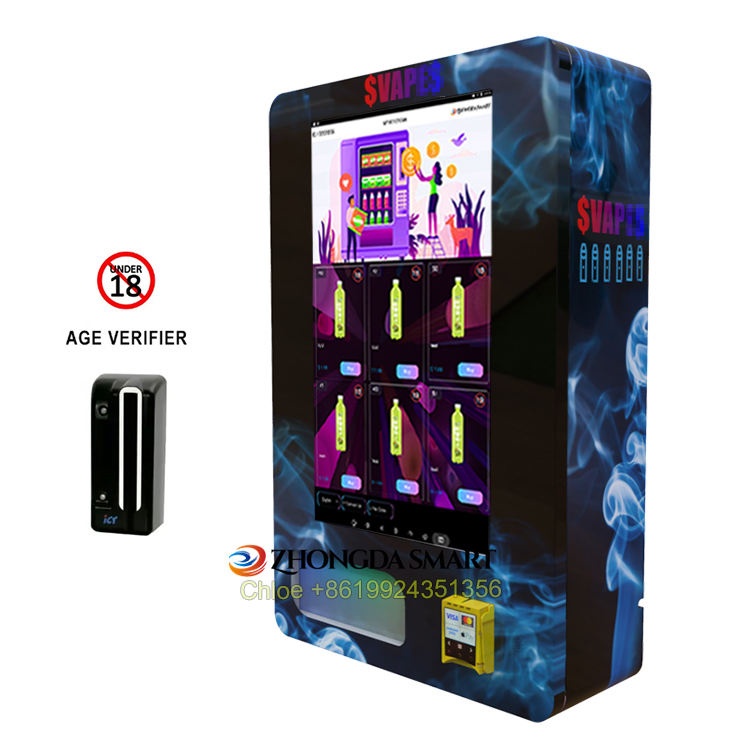
- Age verification: Must include ID scanning and, ideally, biometric age estimation as a backup. Check out our age verification vending machine for a model built specifically for this requirement.
- Inventory flexibility: Your machine should handle both disposable vapes and pod systems without needing a mechanical adjustment.
- Remote monitoring: Real-time inventory and sales data is non-negotiable. You need to know what is selling and what is sitting before you drive to the location.
- Anti-theft design: Tempered glass, reinforced locks, and tamper-proof dispensing trays are not optional.
One mistake I see repeatedly is operators buying machines without considering the local climate. Heat and humidity can affect battery-operated devices and the electronics inside the vending unit. Make sure the machine has adequate ventilation and temperature control if it is going in an outdoor or semi-outdoor location.
Cost Structure: What You Are Really Spending
Let me break down the actual costs based on what I have seen from operators who bought from us and from competitors. These numbers are in South African Rand for relevance, but the proportions hold across currencies.
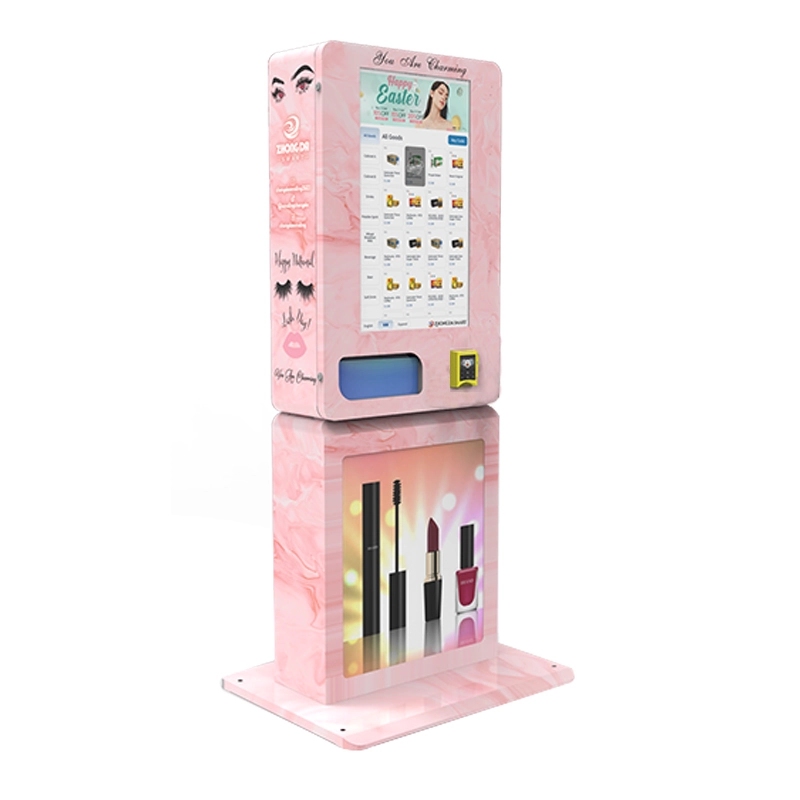
| Item | Cost Range (ZAR) | Notes |
|---|---|---|
| Machine purchase (new, compliant) | 45,000 – 85,000 | Depends on capacity and age verification tech |
| Shipping and import duties | 8,000 – 15,000 | Varies by port and machine size |
| Location deposit and first month rent | 3,000 – 10,000 | Some venues charge a flat fee, others take a percentage |
| Initial inventory (100–150 units) | 20,000 – 35,000 | Mix of high-margin disposables and pods |
| Installation and setup | 2,000 – 5,000 | Includes electrical work if needed |
| Payment processing setup | 1,000 – 2,500 | One-time fees for card reader activation |
| Total upfront investment | 79,000 – 152,500 | Average around 110,000 ZAR |
The biggest variable is the machine itself. I have seen operators try to save money by buying a used machine from a cigarette vending era and retrofitting it. Almost every time, they end up spending more on repairs and compliance upgrades than they saved. A new, purpose-built machine from a manufacturer like Zhongda Smart costs more upfront but delivers a much lower total cost of ownership over three years.
Revenue and Profit Model
Revenue depends on location traffic, product pricing, and machine uptime. In a busy bar or club in Johannesburg, a well-stocked machine can move 30 to 50 units per night on weekends. During weekdays, that number drops to 10 to 20. Averaged out, a single machine in a good location does 400 to 600 units per month.
If you are selling disposables at a 50% markup (typical retail margin), and the average selling price is 120 ZAR, your gross revenue per machine is between 48,000 and 72,000 ZAR per month. After cost of goods sold (60 ZAR per unit), you are left with a gross profit of 24,000 to 36,000 ZAR. Subtract location rent (5,000 to 10,000 ZAR), payment processing fees (3%), and restocking labor (2,000 to 4,000 ZAR), and your net monthly profit lands between 12,000 and 22,000 ZAR per machine.
Return on Investment Timeline
Based on the average upfront investment of 110,000 ZAR and a net monthly profit of 15,000 ZAR, the payback period is roughly 7.3 months. In reality, most operators I have worked with see full ROI between 8 and 14 months, depending on how quickly the location ramps up and how well they manage inventory. After that, the machine is generating pure profit until maintenance or replacement costs kick in, which is typically around year three for a well-built unit.
Location Strategy: Where to Place Machines
I have seen more vape vending machine businesses fail from bad locations than from bad equipment. A machine in a low-traffic area will not make money no matter how good the hardware is. The best locations are venues where people are already in a buying mood and where access to vape products is limited.
Top Venue Types
- Bars and nightclubs: High foot traffic, late-night demand, and often no on-site vape retail. We have case studies on vape vending machines for bars that show consistent monthly sales above 500 units.
- Casinos and gaming lounges: Extended operating hours and a captive audience. These venues often require higher-end machines with robust age verification.
- Convenience stores and gas stations: Good for steady daily sales, but margins can be tighter if the store owner takes a larger revenue share.
- Hotels and hostels: Especially those with late-night check-in or no nearby shops. Our hotel and airport vape solution page details how these placements work.
When negotiating with a venue, offer a revenue split model (typically 70/30 in your favor) rather than a flat rent. That aligns your interests with theirs and makes it easier to get into prime spots without a huge upfront payment.
Compliance and Legal Considerations
South Africa regulates vaping products under the Tobacco Products Control Act, though enforcement has been inconsistent. The key requirements are age verification (no sales to anyone under 18) and product labeling compliance. If your machine does not have a reliable age verification system, you are exposing yourself to fines and potential legal action from the venue.
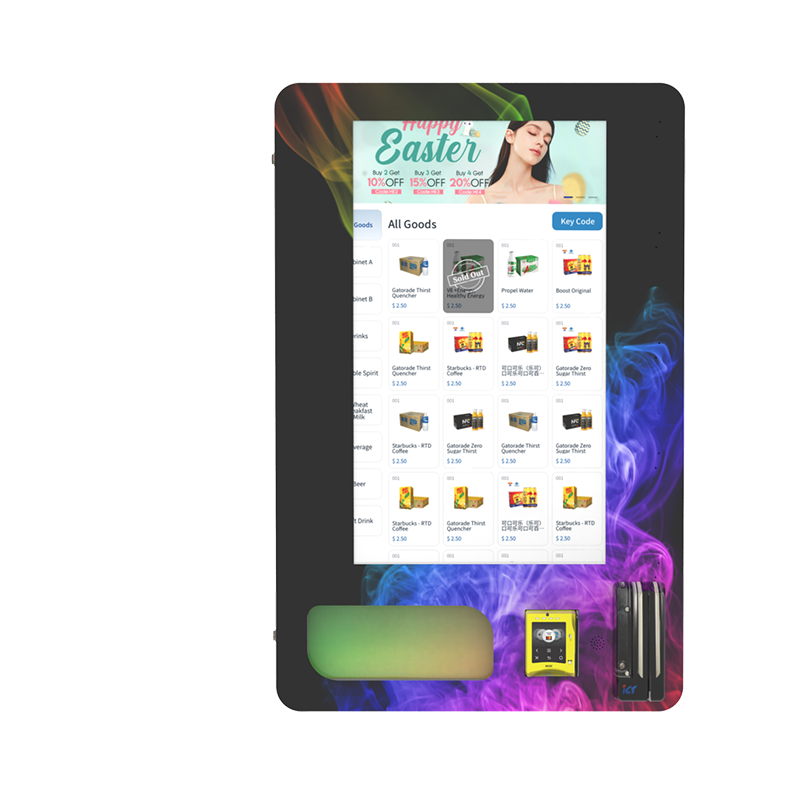
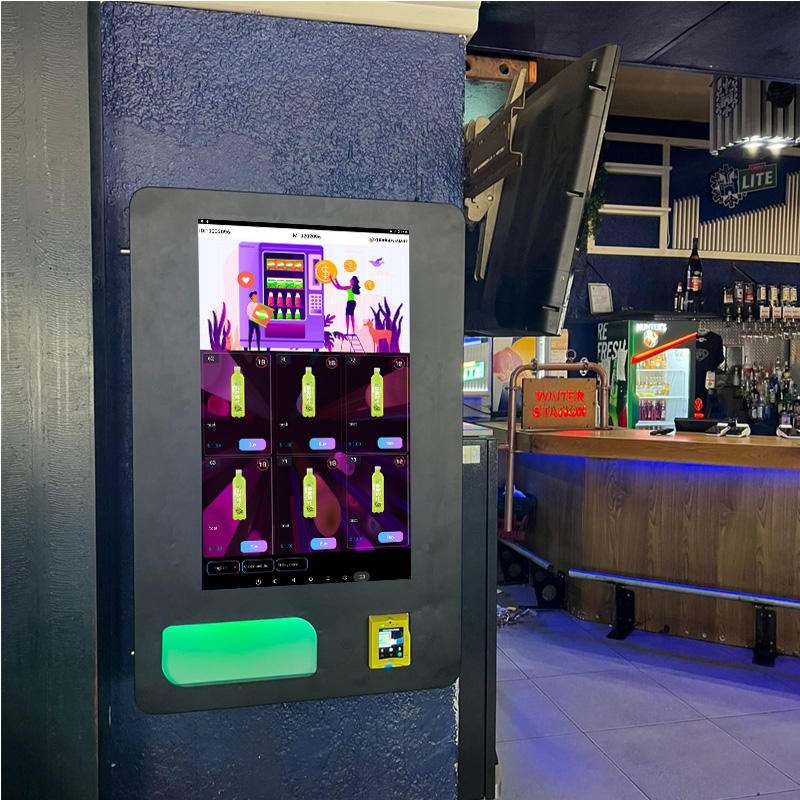
Our compliant e-cigarette vending machine is built with these regulations in mind. It includes an integrated ID scanner that checks the authenticity of the document and estimates the user's age. We also offer a wall-mounted version for smaller spaces, which you can see on the wall-mounted compact e-cigarette vending machine page.
One thing I always tell operators: do not assume that because a machine is legal in one province, it is legal everywhere. Check with local municipal bylaws before signing a lease. Some areas have restrictions on where age-restricted products can be sold, even through vending machines.
Real Risks and Failure Cases
I have watched operators lose their entire investment because they ignored the basics. Here are three real examples from my experience.
Case one: An operator bought five cheap machines from an online marketplace. Within three months, three of them had jammed dispensers, and the age verification software failed an audit. He lost the locations and had to scrap the machines. Total loss: around 250,000 ZAR.
Case two: A bar owner placed a machine in a low-traffic area of the venue, thinking customers would walk over. They did not. The machine averaged 10 sales per week, never covering the rent. The lesson: placement within the venue matters as much as the venue itself. High visibility near the bar or entrance is critical.
Case three: An operator stocked only one brand of disposable vape. When that brand had a supply chain issue, the machine sat empty for three weeks. Customers stopped checking the machine, and even after restocking, sales never recovered to previous levels. Diversify your inventory from day one.
Long-Term Operations and Maintenance
Running a vape vending machine business is not a set-it-and-forget-it model. You need to restock at least once a week, preferably twice for high-traffic locations. Remote monitoring software helps you track inventory levels in real time, so you only drive to a location when it actually needs attention.
Maintenance is straightforward if you bought a quality machine. Clean the dispensing trays monthly, update the age verification software when new regulations come out, and replace any worn-out parts before they fail. Most of our machines at Zhongda Smart come with a two-year warranty on the dispensing mechanism and a one-year warranty on electronics, which covers the most common failure points.
One tip from years of running these machines: keep spare parts on hand. A jammed dispenser on a Friday night means lost sales for the entire weekend. Having a replacement tray or sensor in your car can save you thousands in missed revenue.
Comparing Machine Types
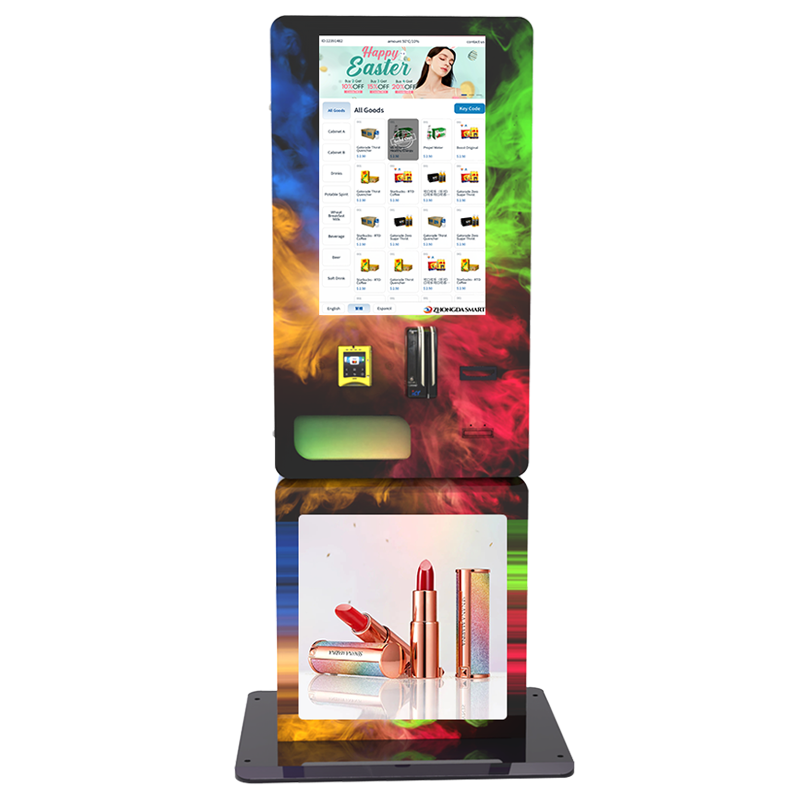
Not all vape vending machines are the same. The choice between a freestanding unit and a wall-mounted model depends on your location and traffic volume.
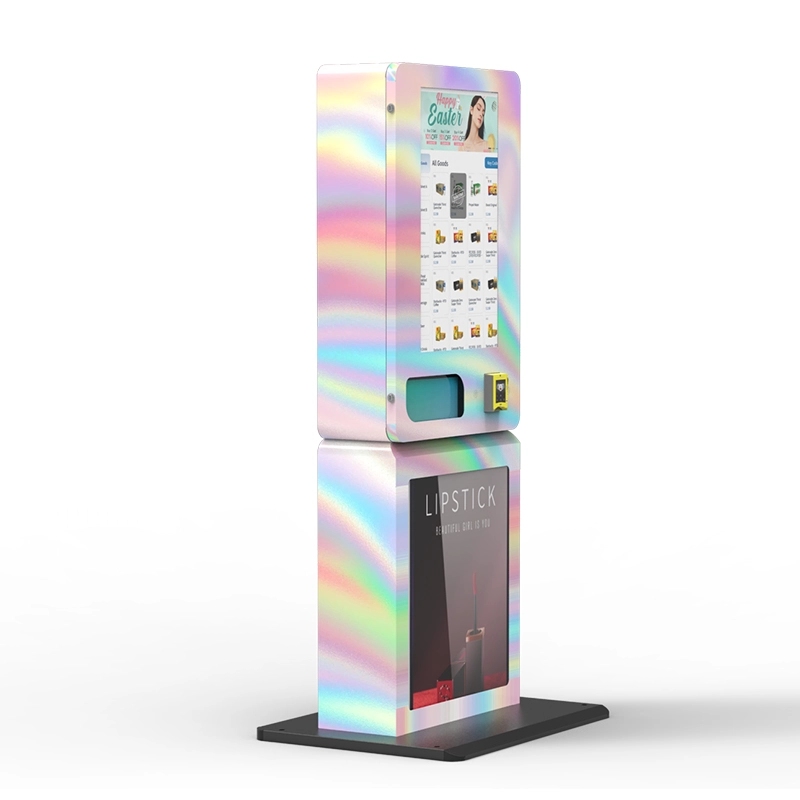
| Feature | Freestanding Machine | Wall-Mounted Machine |
|---|---|---|
| Capacity | 200–400 units | 60–120 units |
| Footprint | Requires floor space | Minimal, mounts on wall |
| Best for | High-traffic venues, casinos, large bars | Small shops, hotel lobbies, compact spaces |
| Price range | 60,000 – 85,000 ZAR | 40,000 – 60,000 ZAR |
| Age verification | Full ID scan + biometric | ID scan standard, biometric optional |
For a first-time operator, I usually recommend starting with one freestanding machine in a high-traffic bar or club. That gives you enough volume to learn the operational rhythm without overcomplicating things. Once you have that machine running profitably, you can expand into smaller venues with wall-mounted units.
Expert Recommendations for Getting Started
Based on fifteen years in this industry, here is the sequence I recommend to anyone serious about the vape vending machine business in South Africa.
- Research your local regulations first. Do not buy a machine until you know exactly what compliance requirements apply in your province and municipality.
- Choose a manufacturer with a track record. Look for a factory that builds machines specifically for vape products, not a general vending machine that has been adapted. Zhongda Smart has been in this space since 2009, and our machines are used in over 30 countries.
- Secure a location before you order the machine. Talk to bar owners, club managers, and convenience store operators. Get a signed agreement or at least a verbal commitment before you spend money on hardware.
- Start with one machine. Learn the restocking cadence, the payment processing quirks, and the customer behavior patterns before scaling to multiple units.
- Track every metric. Units sold per day, average transaction value, restock frequency, and machine downtime. Use that data to decide where to place your next machine.
Frequently Asked Questions
How much does a vape vending machine cost in South Africa?
A new, compliant vape vending machine costs between 45,000 and 85,000 ZAR, depending on capacity and age verification features. Wall-mounted models are on the lower end, while freestanding units with full biometric age verification are at the higher end.
Is a vape vending machine profitable in South Africa?
Yes, if placed in a high-traffic venue. A single machine in a busy bar or club can generate 12,000 to 22,000 ZAR in net monthly profit, with a return on investment typically achieved within 8 to 14 months.
What age verification is required for vape vending machines?
South African law requires that no vape products be sold to anyone under 18. A machine must have an integrated ID scanner that verifies the customer's age and can detect fake IDs. Some machines also include facial age estimation as a secondary check.
How often do I need to restock a vape vending machine?
For a high-traffic location, restocking once or twice per week is typical. Using a machine with remote monitoring allows you to check inventory levels in real time and only visit when stock is low.
Can I import vape vending machines into South Africa?
Yes, but you need to account for import duties and shipping costs, which typically add 8,000 to 15,000 ZAR to the total cost. Work with a manufacturer that handles international shipping and provides the necessary compliance documentation for customs clearance.
Final Thoughts on Building a Vape Vending Machine Business
This is not a get-rich-quick scheme. It is a real business that requires capital, operational discipline, and a willingness to learn the nuances of the market. But for those who approach it seriously, the vape vending machine business in South Africa offers a clear path to consistent returns. The key is to invest in reliable equipment, secure strong locations, and stay on top of compliance. If you do those three things, the numbers work.
For more detailed technical specifications or to discuss a bulk order, visit our contact page or explore the full range of machines on the vape vending machines product page.
Sources:
Statista – E-cigarette market revenue in South Africa (2023). Available at: https://www.statista.com/forecasts/1297541/south-africa-e-cigarettes-market-revenue
IBISWorld – Vape Shops & E-Cigarette Stores Industry in South Africa (2024). Available at: https://www.ibisworld.com/south-africa/market-research-reports/vape-shops-e-cigarette-stores-industry/