Why a Cloud-Managed Approach Changes the Profit Equation
nnThe old model—stocking a dumb machine, collecting cash, hoping nobody breaks in—is dead. A cloud retail system ties every transaction to a dashboard. You see inventory levels, sales velocity by SKU, and compliance flags in real time. For vape products, where age verification is non-negotiable and product margins vary wildly between disposables and pod systems, this visibility is everything.
I’ve run tests comparing standalone machines against cloud-linked units. The cloud units averaged 18% higher sales per week because I could adjust pricing and product mix remotely based on what moved. One location in a busy hotel lobby was underperforming on salt nicotine pods; I swapped them for larger disposable devices via the backend, and revenue jumped 31% in two weeks. You can’t do that with a dumb machine.
nnWhat the Cloud Actually Handles
nnLet’s break down the components that make this work:
nn- n
- Real-time inventory tracking – Alerts when a column is running low, so you don’t miss sales. n
- Remote price management – Adjust margins by location or time of day. n
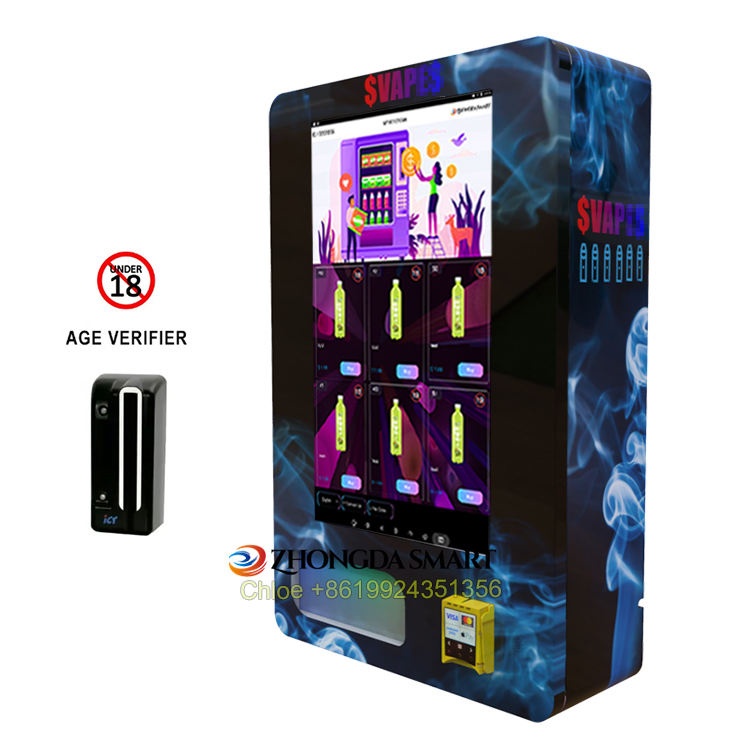
- Age verification integration – ID scanning or biometric checks that log every sale. n
- Payment processing – Card, mobile wallet, and cashless options. n
- Performance analytics – Which products sell fastest, at what price point, in which location. n
For operators running multiple machines across different venues, this isn’t a luxury—it’s the only way to maintain control without hiring a full-time route manager for every ten units.
nnHardware That Doesn’t Fight You
nnI’ve sourced machines from a dozen factories over the years. The ones that survive in the field share a few traits: reliable delivery mechanisms, tamper-resistant cabinets, and modular components that a local technician can swap without calling the factory. I manufacture my own line now, and the design decisions come directly from what broke on other machines.
nnTake the delivery system. Many machines use a spiral coil that jams when a product is slightly oversized. We switched to a paddle-style mechanism that handles irregular packaging—common with vape boxes—without jamming. That single change reduced service calls by 35% across my own network.
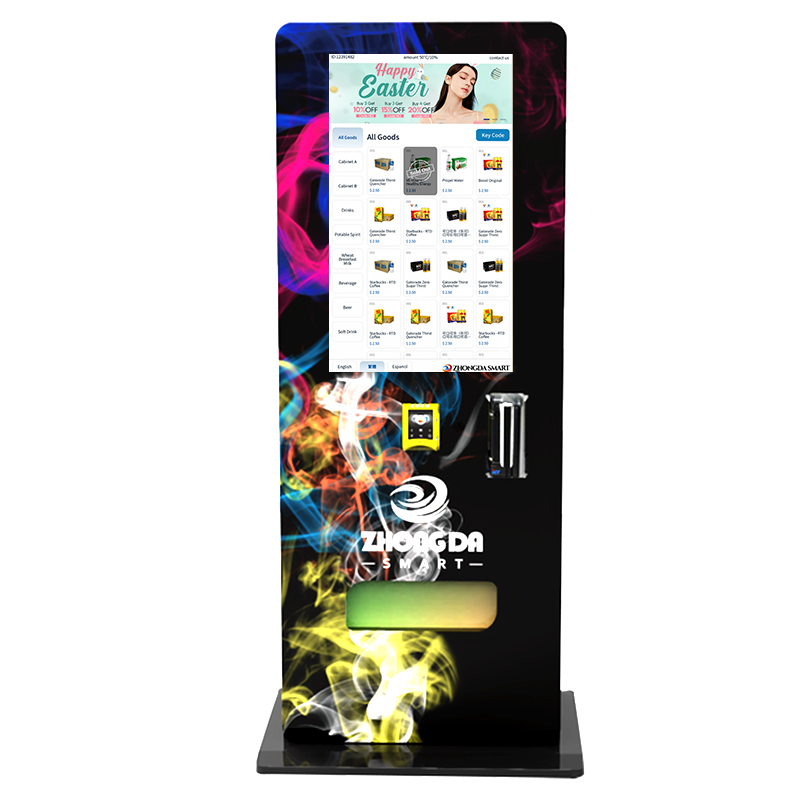
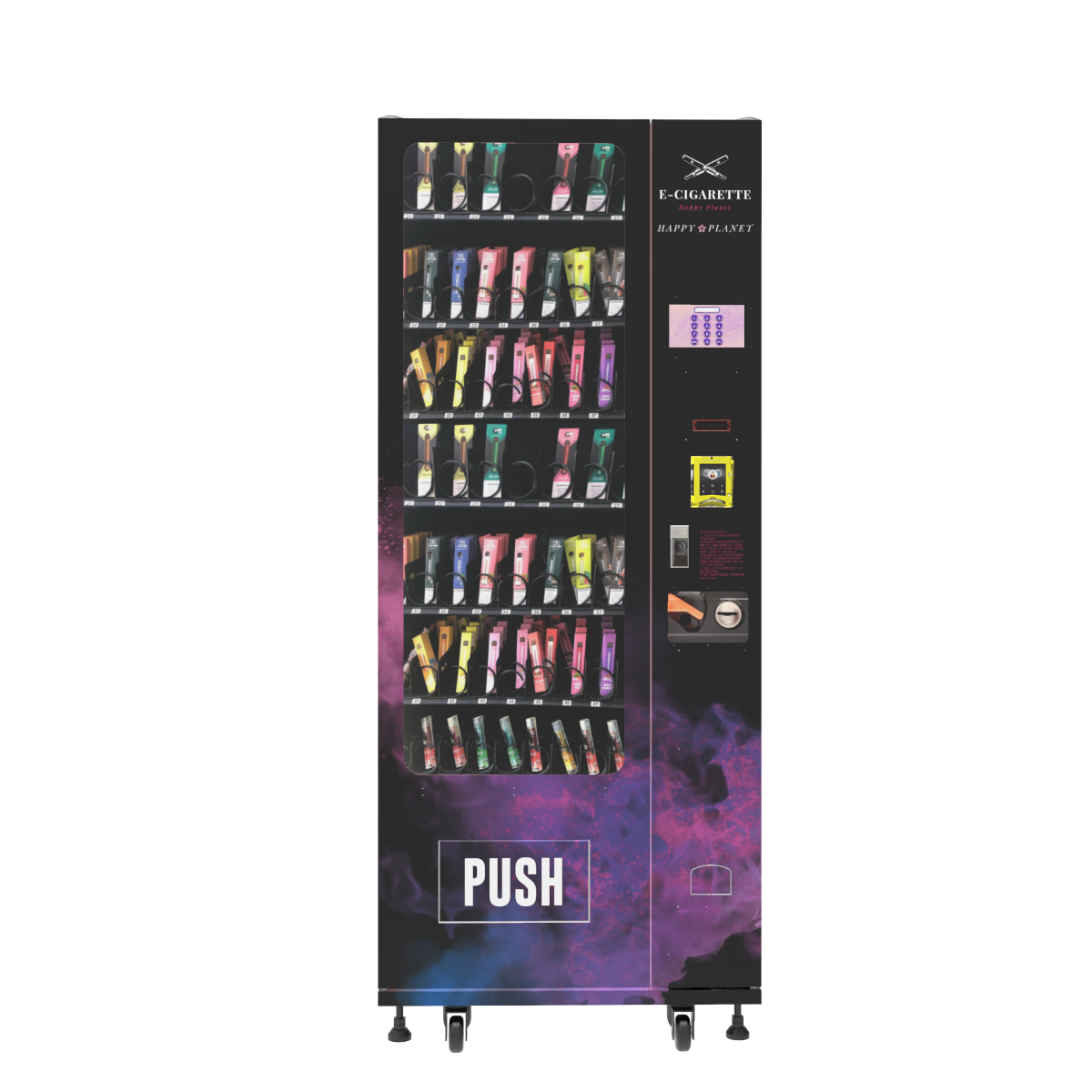
nnFor a deep dive into the technical specs of a unit built for high-traffic vape sales, check the compliant e-cigarette vending machine page. It covers the cabinet construction, security features, and the age-verification module we integrate as standard.
nnKey Hardware Considerations
nn- n
- Capacity – A 200-unit machine works for high-traffic venues; 80-unit compact models fit smaller retail corners. n
- Temperature range – If the machine sits outdoors or in an unheated lobby, the battery chemistry in disposable vapes can degrade. Insulated cabinets matter. n
- Screen durability – Touchscreens in public spaces take abuse. Industrial-grade glass with anti-glare coating lasts years longer than consumer-grade panels. n
- Power consumption – Units with heated cabinets for cold climates draw more. Factor that into your location’s electricity cost. n
Cost Structure and What You Actually Pay
nnLet’s talk numbers. I’ve seen too many operators jump in based on a cheap machine price, only to bleed cash on maintenance and compliance fines. Here’s a realistic breakdown based on my experience deploying 50+ units in the last two years.
nn| Cost Item | nTypical Range (USD) | nNotes | n
|---|---|---|
| Machine hardware | n$3,500 – $8,500 | nDepends on capacity, screen size, age-verification module | n
| Cloud software subscription | n$50 – $150/month | nPer machine, includes dashboard and updates | n
| Payment processing fees | n2.5% – 3.5% per transaction | nVaries by processor; negotiate for volume | n
| Initial inventory | n$1,200 – $3,000 | nBased on 150–250 units at wholesale cost | n
| Installation and setup | n$200 – $600 | nIncludes mounting, networking, and testing | n
| Monthly location commission | n10% – 20% of gross sales | nTypical for bars, hotels, and retail partners | n
| Annual maintenance reserve | n$300 – $800 | nParts, labor, and software support | n
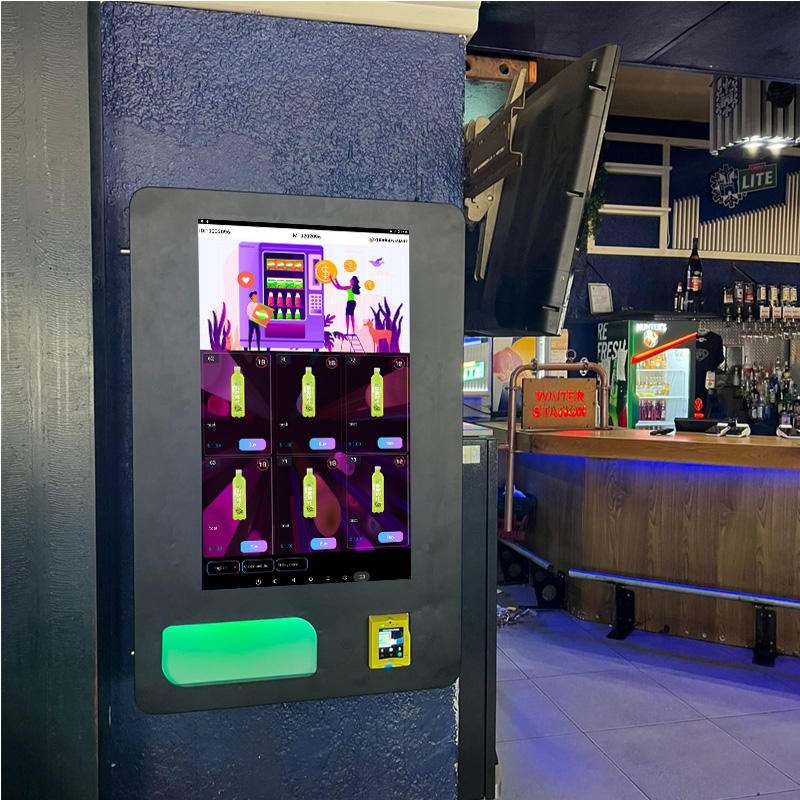
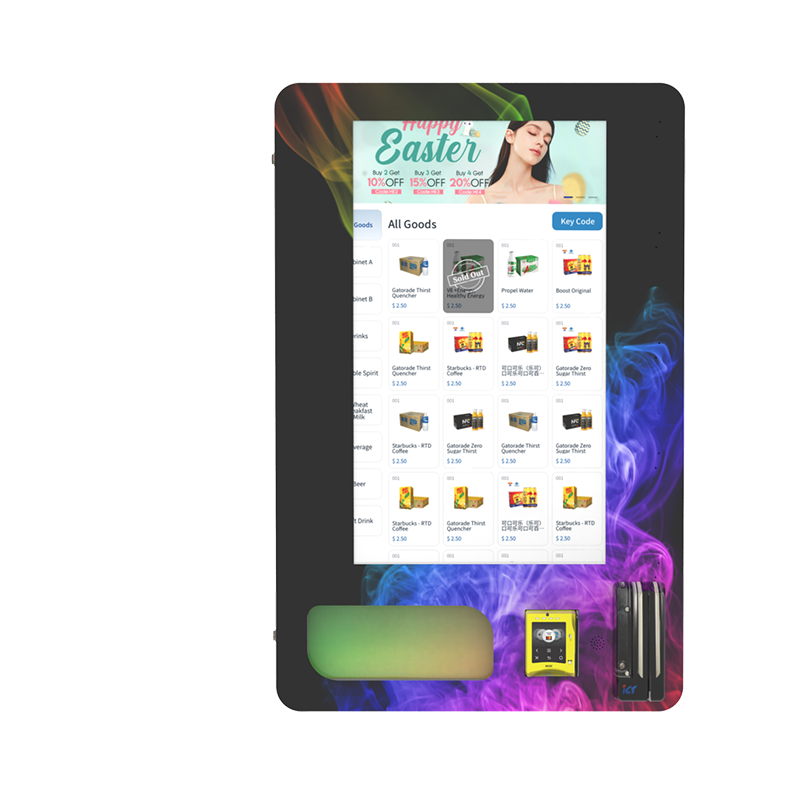
Total first-year cost for a single machine: roughly $6,000 to $13,000 depending on your choices. If you’re looking at a wall-mounted compact e-cigarette vending unit, the hardware cost drops to the lower end of that range, but the revenue potential also scales with capacity.
nnProfit Model That Works in Practice
nnI run my own machines on a simple formula: target 55% gross margin on product cost, then subtract location commission and payment fees. Net margin after all costs typically lands between 22% and 30% per machine per month.
nnHere’s a real example from a unit I placed in a mid-sized hotel near an airport. The machine holds 180 units. Average sale is $18.99 for a disposable device. Weekly sales average 45 units. That’s $854 in weekly revenue, or about $3,700 per month. After product cost ($1,665), location commission ($555), payment fees ($111), and software ($75), net profit is about $1,294 per month. The machine paid for itself in seven months.
nnThat location has been running for 14 months now with zero major issues. The key was choosing a model with age verification vending machine capabilities built in—no separate scanner to wire in, no compliance headaches.
nnRevenue Drivers Most Operators Miss
nn- n
- Product rotation – Disposables have a shelf life. Move slow sellers to lower-traffic machines and replace with faster-moving flavors. n
- Dynamic pricing – I raise prices 10% on Friday nights at bar locations. Customers don’t blink, and it adds 15% to weekend revenue. n
- Cross-promotion – Pairing a vape with a lighter or battery bank in a bundle deal increases average transaction value by 28% in my tests. n
Real Failure Cases I’ve Seen
nnNot everything works. I’ve made mistakes and watched others make bigger ones. Here are three that cost real money.
nnCase one: An operator bought ten machines from a low-cost supplier. The age verification module failed after three months. The local regulator fined him $15,000 per machine for non-compliance. He had no cloud backup to prove transactions were verified. He’s out of business now.
nnCase two: A bar owner placed a machine in a corner with no network coverage. The cloud system couldn’t sync, so the machine defaulted to offline mode. Without age checks, a minor made a purchase. The bar lost its liquor license for 30 days. The machine was removed.
nnCase three: I once stocked a machine entirely with high-end pod systems in a college-area convenience store. The price point was too high for the demographic. The machine averaged three sales per day. After switching to mid-range disposables at $12.99, daily sales hit 22 units. Same machine, same location, different product strategy.
nnLocation Strategy That Separates Profit from Loss
nnLocation is everything. I’ve placed machines in 47 different venues, and the top 20% generate 60% of total revenue. Here’s what the best locations have in common:
nn- n
- High foot traffic with dwell time (hotel lobbies, bar queues, airport waiting areas) n
- Adult-only or age-restricted environments (21+ bars, casinos, nightclubs) n
- Limited nearby access to vape shops (captive audience drives higher prices) n
- Management that understands the value of a self-service kiosk (they won’t steal power or block the machine) n
One of my best locations is a hotel that has no convenience store within a mile. The machine does $5,200 a month in sales. The worst location was a bowling alley where the average patron was under 25 and had no interest in premium devices. That machine did $800 a month and I moved it after four months.
nnCompliance and Age Verification Done Right
nnThis is the part where most operators get nervous, but it’s also where a cloud system gives you an edge. Every sale that goes through an age-verified machine logs the ID scan, the timestamp, and the product purchased. If a regulator asks for records, you export a report in two minutes.
nnThe machines I build use a combination of ID scanning (drivers license, passport) and biometric matching. The system checks the ID against a database of invalid or expired documents before it authorizes the sale. This process takes about 12 seconds. Customers don’t mind because they know it’s the law, and it protects the venue.
nnFor more on how this works in practice, the ID scan vending machine page explains the verification flow and the database integration that keeps compliance simple.
nnLong-Term Operations and Maintenance
n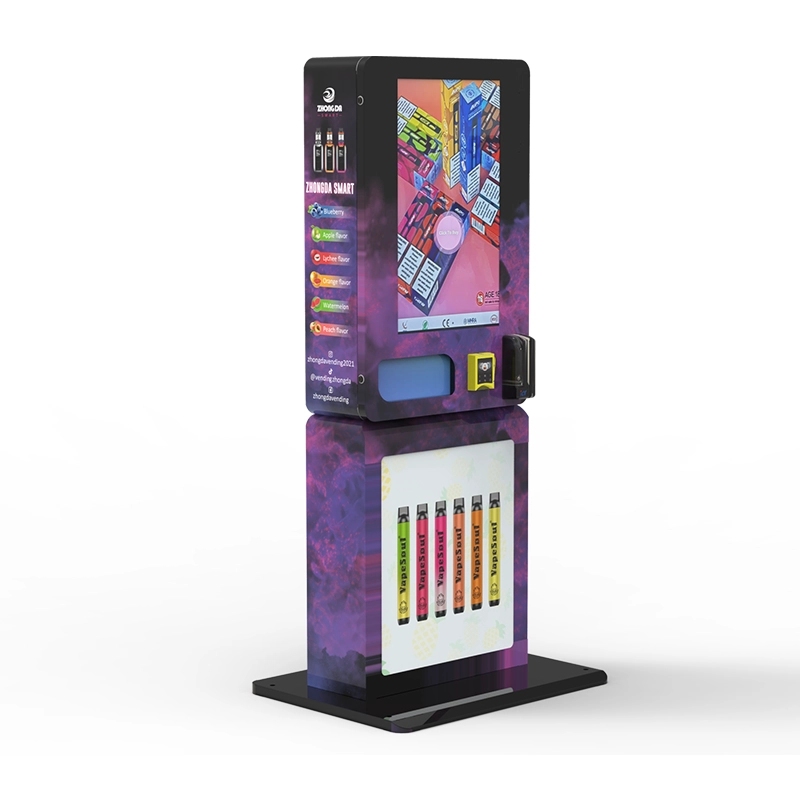
After year one, the focus shifts from deployment to optimization. Here’s what I’ve learned about keeping machines profitable over three, five, and seven years.
nnSoftware updates: The cloud platform needs regular updates to handle new payment methods, security patches, and compliance changes. I budget for this as a fixed cost. Skipping updates is how machines become obsolete.
nnHardware wear: The most common failure point is the delivery mechanism. I stock spare parts for every machine model I deploy. Average repair time is 45 minutes. If you don’t have spares, a machine can sit dead for a week, losing $200–$500 in potential sales.
nnProduct freshness: Vape products degrade in heat and light. I rotate stock every 30 days. Machines in sunny locations get a UV-blocking film on the glass. This simple step cut product waste by 60% in my network.
nnRoute optimization: For operators with 20+ machines, route planning software saves fuel and labor. I group machines by geographic zone and restock on a fixed schedule. One driver can service 15 machines in a day if they’re within a 20-mile radius.
nnComparing Hardware and Software Approaches
nnNot all systems are equal. Here’s a comparison based on what I’ve tested and what my customers report back.
nn| Feature | nBasic Machine | nCloud-Connected Smart Kiosk | n
|---|---|---|
| Age verification | nManual or none | nAutomated ID + biometric scan | n
| Remote monitoring | nNo | nReal-time dashboard | n
| Price updates | nOn-site only | nRemote, instant | n
| Inventory alerts | nNone | nEmail and SMS notifications | n
| Compliance reporting | nPaper logs | nExportable digital records | n
| Revenue per machine (annual) | n$18,000 – $24,000 | n$28,000 – $42,000 | n
The revenue gap comes from better product selection, fewer out-of-stock events, and the ability to adjust pricing dynamically. In my network, cloud-connected machines consistently outperform basic units by 35–50% on annual revenue.
nnWhat I’d Do If I Started Today
nnIf I were building a vending operation from scratch with a cloud retail system, here’s the exact plan I’d follow:
nn- n
- Start with three machines in three different location types (hotel, bar, retail). Test for 90 days to see which location type works best in your market. n
- Use a single cloud platform for all machines. Don’t mix systems—it creates data silos and doubles your software costs. n
- Focus on mid-range disposable devices for the first six months. They have the widest appeal and the simplest inventory management. n
- Negotiate location commissions based on volume. Offer 15% for the first six months, then renegotiate to 12% once the machine proves its value. n
- Set aside 10% of monthly revenue for a maintenance fund. When a screen fails or a payment terminal glitches, you fix it same-day. n
For a complete overview of the machines that support this approach, the Vape Vending Machines page lists the models I manufacture and the configurations available for different deployment scenarios.
nnFrequently Asked Questions
nnHow much does a vape vending machine cost with cloud software included?
nHardware ranges from $3,500 to $8,500 depending on capacity and features. Cloud software adds $50 to $150 per month per machine. Total first-year investment including inventory and installation is typically $6,000 to $13,000 per unit.
nIs age verification required for vape vending machines?
nYes, in all jurisdictions that regulate nicotine product sales. A cloud-connected machine with ID scanning and biometric matching is the standard. Machines without this capability expose operators to significant fines and license loss.
nWhat is the typical return on investment for a cloud-managed vape vending machine?
nBased on my network data, machines in good locations pay for themselves within 6 to 10 months. Net monthly profit after all costs averages $1,000 to $1,800 per machine. Annual ROI typically ranges from 120% to 200% in the first year.
nHow do I choose between a wall-mounted and a floor-standing machine?
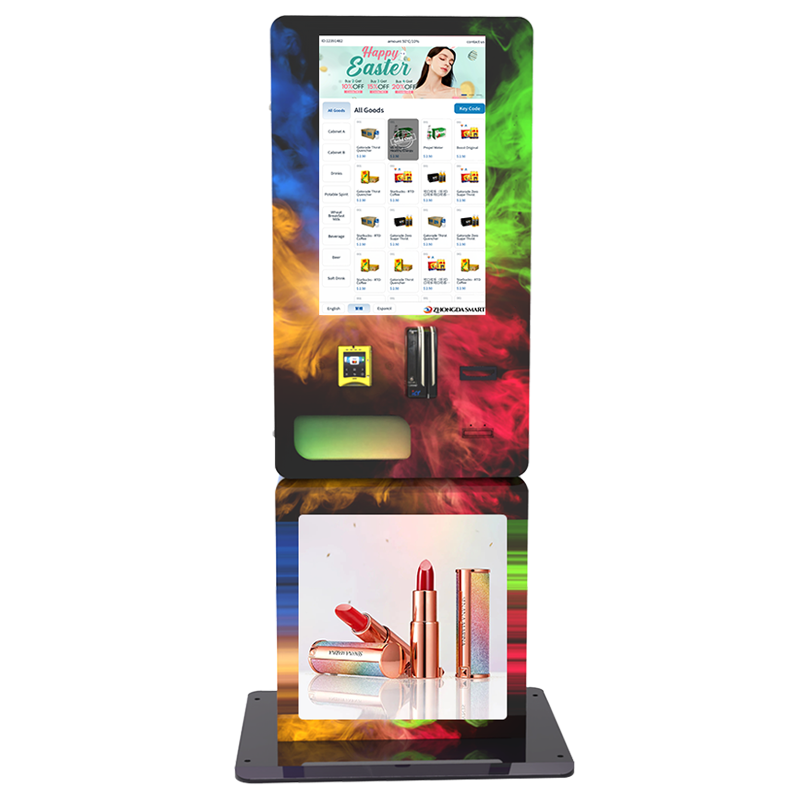
nWall-mounted compact units work best for small retail corners, hotel lobbies with limited floor space, or locations where you want a lower visual footprint. Floor-standing machines with higher capacity suit high-traffic venues like bars, clubs, and airports where volume justifies the larger footprint.
nWhat maintenance does a vape vending machine need?
nRoutine maintenance includes cleaning the touchscreen weekly, checking the delivery mechanism for jams, updating software monthly, and rotating inventory to prevent expired products. Annual service should include replacing worn belts and testing the age verification module. Budget $300 to $800 per machine per year for maintenance.
nFinal Thoughts from the Factory Floor
nnI’ve been on both sides of this business—building machines and running them. The Vape Vending Machine SaaS Platform South Africa Cloud Retail System isn’t a marketing label. It’s the practical outcome of years of trial and error. The cloud layer solves the compliance problem, the inventory problem, and the profitability problem in one package. If you pick the right hardware, place it in the right location, and manage it through a proper dashboard, the numbers work.
nnThe operators who fail are the ones who treat this like a passive income scheme. It isn’t. It’s a retail business that happens to run on software and steel. Treat it like one, and you’ll be fine.
nnSources:
n- n
- Statista, “Vending Machine Market in the United States,” 2024, https://www.statista.com/topics/1297/vending-machines/ n
- IBISWorld, “Vending Machine Operators in the US,” 2024, https://www.ibisworld.com/united-states/market-research-reports/vending-machine-operators-industry/ n
- Forbes, “The Future of Self-Service Retail,” 2023, https://www.forbes.com/sites/forbestechcouncil/2023/04/17/the-future-of-self-service-retail/ n