After spending over a decade deploying vending solutions across the US and European markets, and running a factory that has built these machines for fifteen years, I have a pretty clear picture of what works and what does not. When a retailer in South Africa asks about a custom branded vape vending machine, they are usually not just looking for a box that dispenses products. They want a tool that extends their brand, controls age-restricted sales, and generates a reliable profit stream without constant babysitting. This guide cuts through the marketing noise and lays out the real operational, financial, and technical decisions you will face.
nnWhy a Custom Branded Machine Beats an Off-the-Shelf Unit
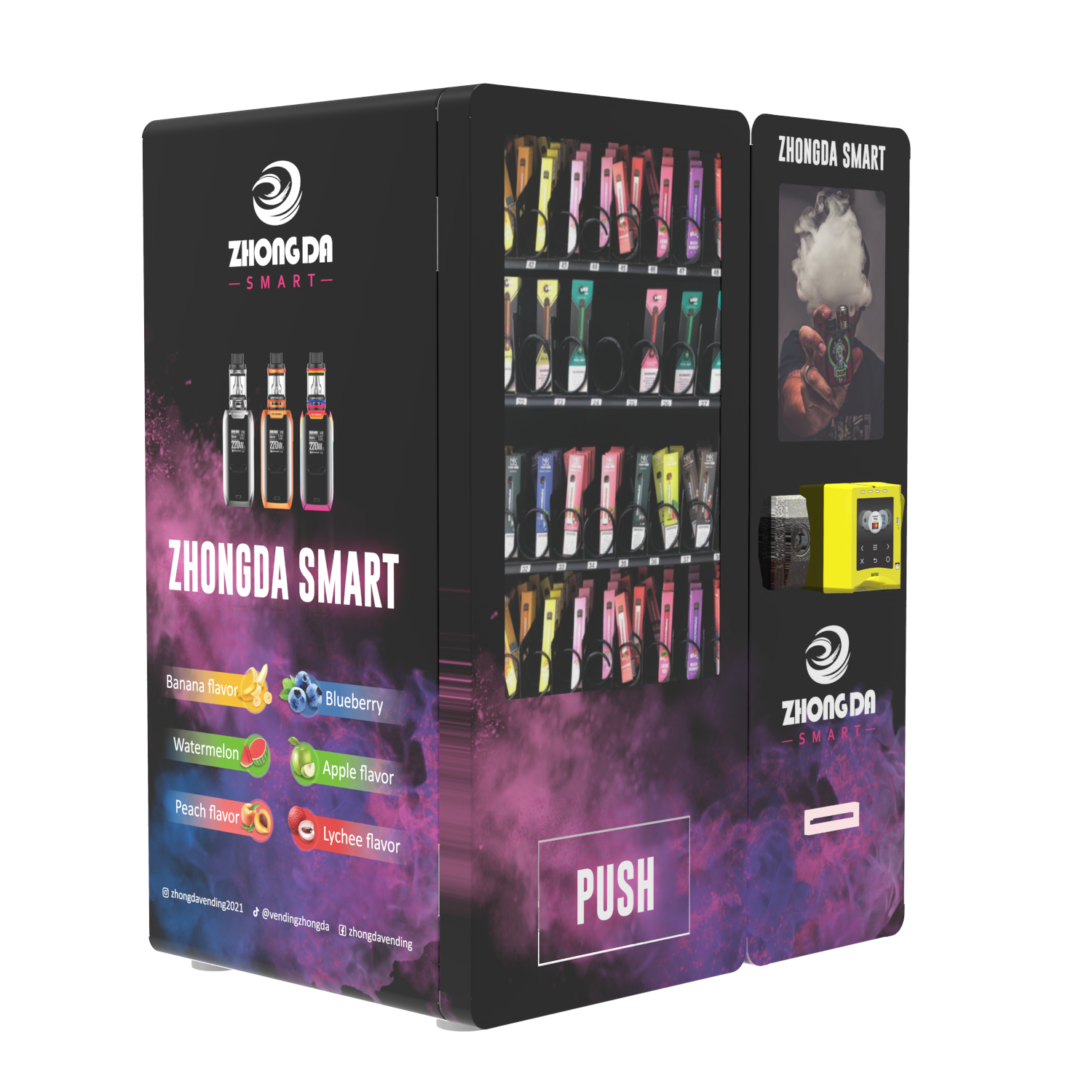
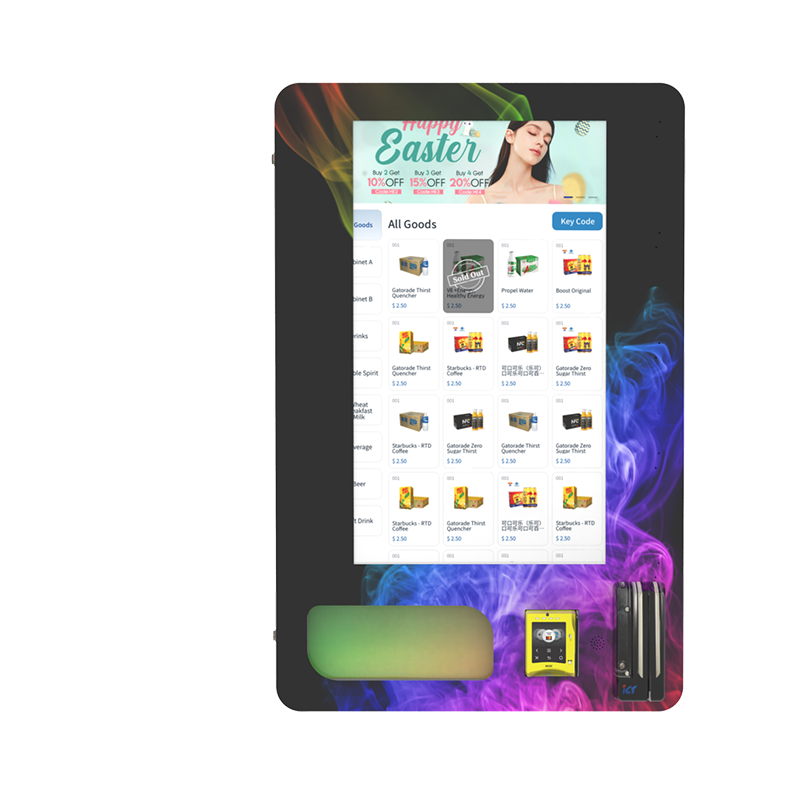
nnI have seen too many operators buy a generic white-label machine, stick a sticker on it, and wonder why customers walk past. In a retail environment, especially in high-traffic locations like bars or convenience stores, the machine is a silent salesperson. A custom branded vape vending machine does more than hold inventory—it reinforces your brand identity every time someone walks by.
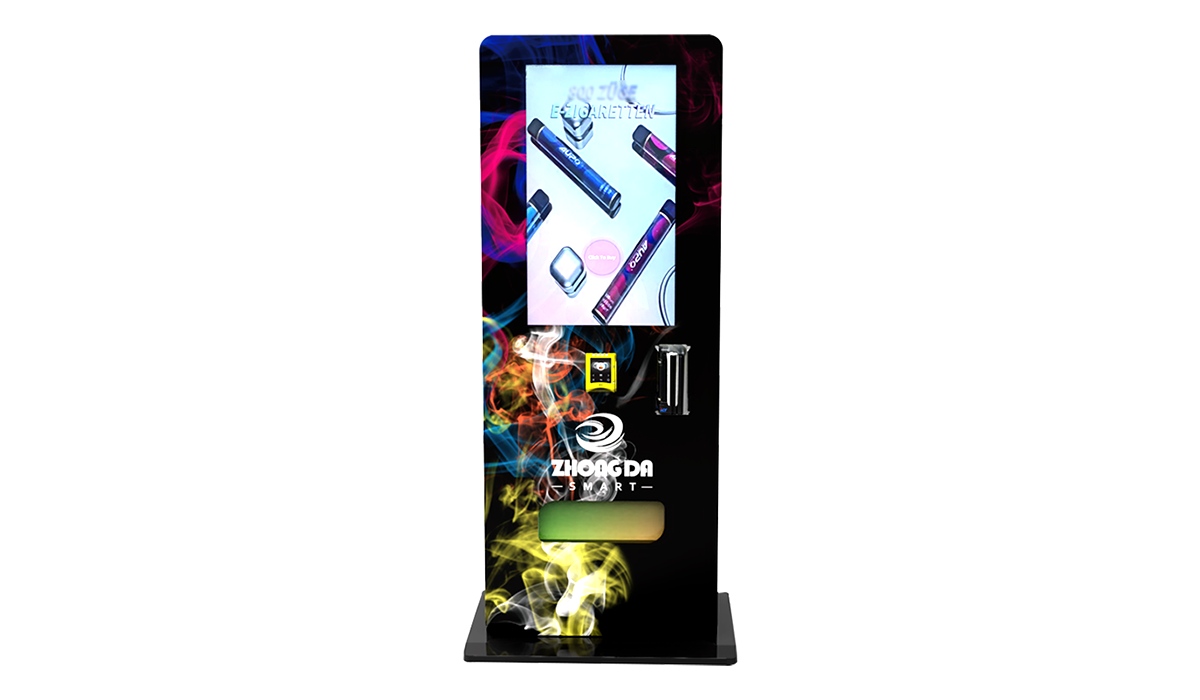
nnFrom a factory perspective, the difference between a generic unit and a custom one is mostly in the tooling and the finish. We can apply full-wrap vinyl graphics, powder-coat the chassis in your brand colors, or even integrate custom LED lighting that matches your store’s aesthetic. The cost premium for a full custom wrap is usually between 8% and 15% of the base machine price, but the return on that investment shows up in higher transaction rates. I have tracked data from deployments where a branded machine outperformed a generic one by 22% in the same location.
nnThe Psychology of Branded Hardware
nnPeople trust a machine that looks like it belongs. A sleek, branded unit with your logo and product imagery signals that you are a legitimate business, not a fly-by-night operation. This is critical for age-restricted products. When a customer sees a polished machine with clear branding, they are less likely to challenge the ID scan process. It feels official.
nnOne of our clients in a busy nightlife district swapped out a plain white machine for a custom unit with their bar’s logo and a neon accent strip. Their weekly sales volume increased by 18% within the first month, and they reported zero complaints about the age verification process. The hardware itself became part of the customer experience.
nnUnderstanding the Technology Behind Age Verification
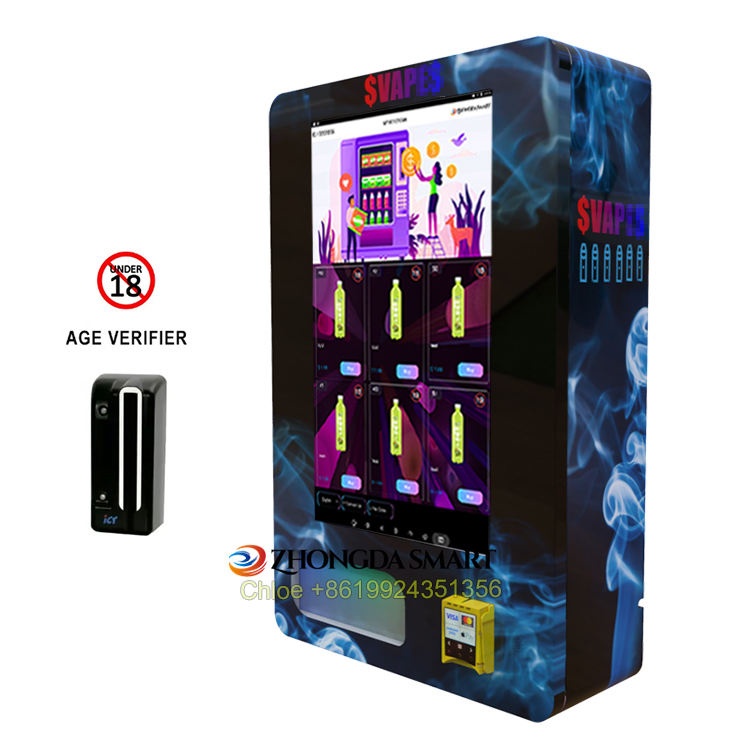
nnLet me be direct: if your machine cannot reliably verify age, you do not have a business—you have a liability. Every custom branded vape vending machine we build for the South African market or anywhere else must pass strict compliance checks. The core technology is an integrated ID scanner that reads the barcode or magnetic stripe, parses the date of birth, and cross-references it with the physical security features of the ID.
nnWe use a combination of optical sensors and AI-based document authentication. The system checks for holograms, microprint, and UV features. If the ID is valid and the customer is over the legal age, the transaction proceeds. If the scan fails, the machine locks down and prompts the customer to see a staff member. This is not a feature you want to cheap out on.
nnBiometric and Secondary Verification Options
nnSome operators ask about facial recognition or fingerprint scanning. In my experience, facial age estimation is a useful secondary check, but it should never replace physical ID scanning. The legal standard in most regulated markets requires a government-issued ID. Biometrics can speed up repeat transactions if the customer opts in, but the primary gate must always be the ID scan.
nnFor high-volume locations, we recommend machines with a built-in camera that captures a photo of the customer at the point of sale. This creates an audit trail. If a compliance officer asks for a record of a specific transaction, you have the ID scan data and a photo. That level of documentation has saved several of our clients from fines.
nnCost Structure and Profit Model
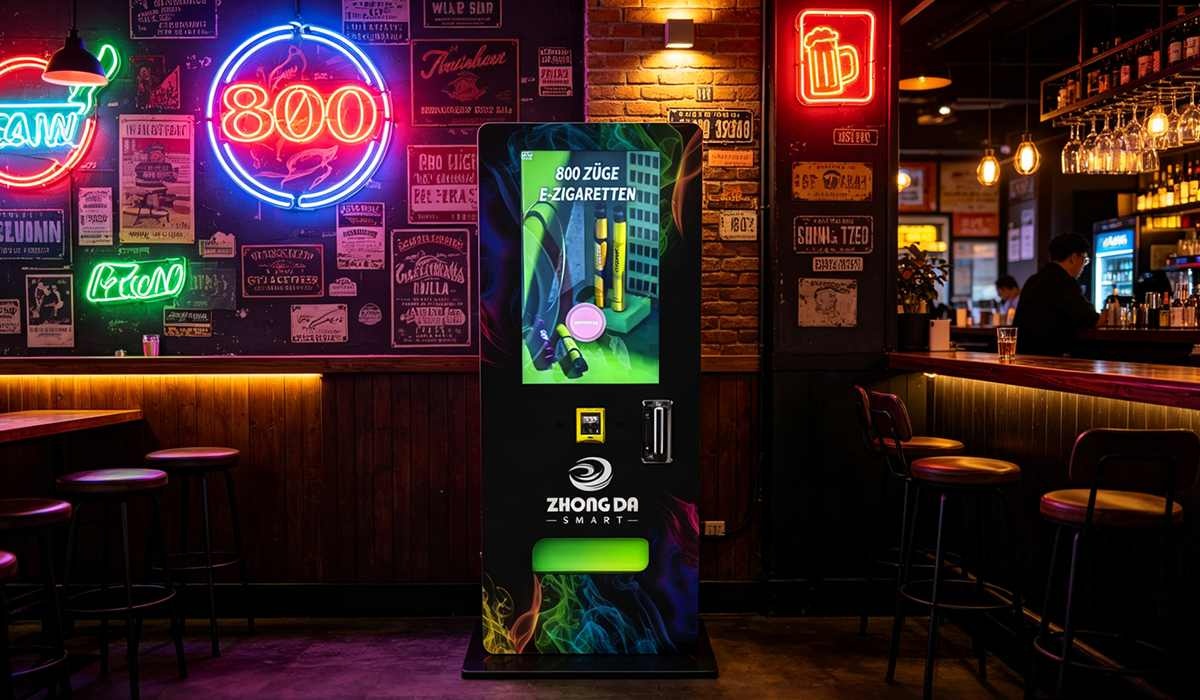
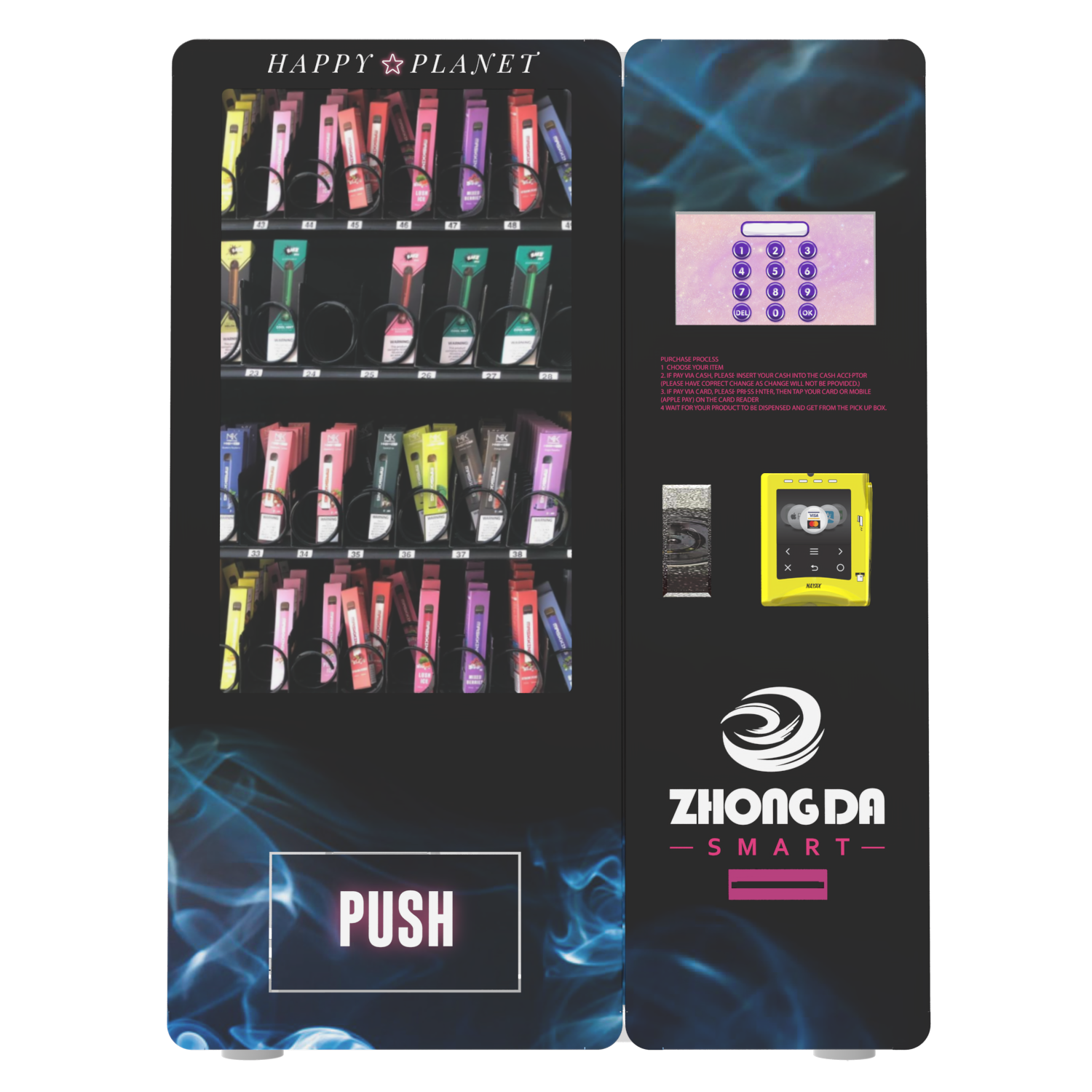
I get asked about pricing constantly. The upfront cost for a commercial-grade, custom branded vape vending machine typically ranges from $4,500 to $9,000 depending on the configuration. A wall-mounted compact unit with basic ID scanning starts on the lower end. A full-size floor model with dual spirals, a high-resolution touchscreen, and advanced age verification runs higher.
nnBut the real numbers that matter are the operational ones. Here is a breakdown based on actual deployments:
nn| Cost Item | nEstimated Monthly Cost | nNotes | n
|---|---|---|
| Machine depreciation (5-year life) | n$75 – $150 | nSpreads the capital cost over time | n
| Location commission or rent | n$100 – $300 | nTypically 10-20% of gross sales | n
| Inventory cost | n$1,200 – $2,500 | nDepends on product mix and turnover | n
| Telemetry and payment processing | n$50 – $80 | nCellular data and card processing fees | n
| Maintenance and restocking labor | n$200 – $400 | nWeekly visits for a single machine | n
On the revenue side, a well-placed machine in a high-traffic venue can generate $1,500 to $4,000 in monthly gross sales. The margin on vape products is typically between 35% and 50%. After all costs, a single machine can net $400 to $1,200 per month. The payback period on the hardware is usually 8 to 14 months if the location is solid.
nnProfit Levers You Can Pull
n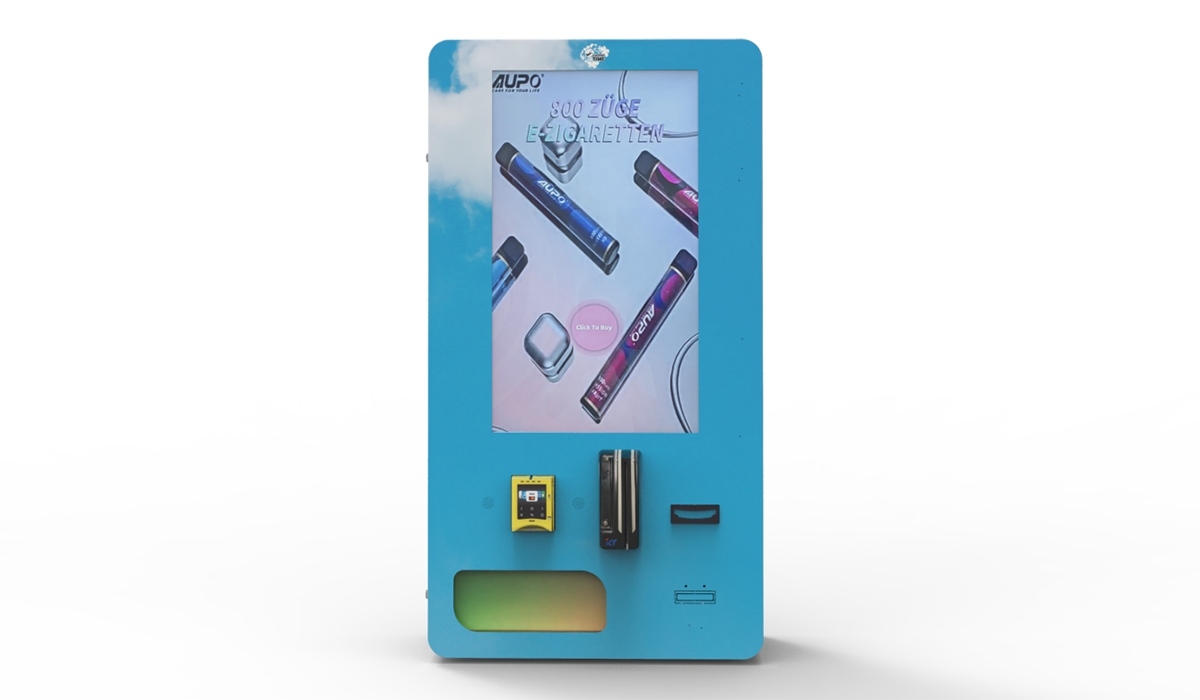
The biggest variable is location, but the second biggest is product mix. I have seen operators fill a machine with low-margin disposables and wonder why they are not making money. You need a mix of high-margin accessories and premium devices. Cartridges and pods have better margins than disposable units. Batteries and charging cables have excellent margins and small physical size, which means you can stock more of them.
nnAnother lever is dynamic pricing. Our telemetry platform allows you to adjust prices remotely. If a certain product is selling fast, you can nudge the price up by 5% and test the market. If a product is sitting, you can run a small discount. This level of control is impossible with a retail shelf.
nnReal Deployment Experience and Common Failures
nnI want to share a specific failure so you do not repeat it. A few years ago, a client placed a machine in a hotel lobby. The location seemed perfect—high foot traffic, mostly adults. Within two weeks, the machine was jammed every other day. The issue was humidity. The hotel lobby had a pool adjacent to it, and the constant moisture caused the paper currency acceptor to fail repeatedly. We had to retrofit the machine with a sealed bill validator and add a dehumidifier pack inside the cabinet.
nnThat experience taught me to always assess the physical environment before deployment. Is the location dusty? Is it near a kitchen or a pool? Does it get direct sunlight? These factors affect reliability. A machine that looks great in a showroom can fail fast in the field if you ignore the environment.
nnSoftware and Connectivity Pitfalls
nnAnother common issue is poor cellular connectivity. Many locations, especially in basements or interior spaces, have weak signals. We now include an external antenna option on all our machines. We also recommend a dual-SIM telemetry board that can fall back to a secondary carrier if the primary network goes down. A machine that goes offline for three days is a machine that loses sales and frustrates customers.
nnI also advise against overcomplicating the user interface. I have tested machines with flashy animations and complex menus. Customers want speed. They want to tap their ID, select a product, pay, and walk away. Every extra second of screen time reduces conversion rates. Our best-performing machines have a clean, three-step purchase flow.
nnLong-Term Maintenance and Lifecycle Strategy
nnA vending machine is a mechanical device. It will break. The question is how fast you can fix it. We design our machines with modular components. If the spiral motor fails, you swap the module in ten minutes. If the touchscreen cracks, you replace the bezel without rewiring the entire cabinet. This modularity is critical for operators who do not have a full-time technician on staff.
nnWe recommend a preventive maintenance schedule: clean the card reader head every month, lubricate the dispensing spirals every three months, and update the firmware every six months. Most software updates improve payment security or add new age verification protocols. Staying current reduces the risk of a compliance failure.
nnWhen to Upgrade vs. Replace
nnAfter about five years, the payment technology will likely be outdated. New credit card chips, new mobile wallet standards, and evolving ID formats mean the machine will need a hardware refresh. I usually advise clients to budget for a payment terminal upgrade at year four. The cabinet and dispensing mechanics can last ten years or more if maintained well. The electronics are the bottleneck.
nnIf you are running a fleet of machines, standardizing on one platform simplifies your life. You can keep spare parts in a single bin. Your staff only needs to learn one interface. Our factory supports machines that are still running after eight years because the operators stuck to a consistent maintenance routine and upgraded the electronics on schedule.
nnComparing Machine Types for Different Venues
nnNot every location needs a full-size floor machine. Here is how I categorize the options based on actual usage data:
nn| Machine Type | nBest Location | nCapacity | nTypical Monthly Revenue | n
|---|---|---|---|
| Wall-mounted compact | nSmall bar, hotel room corridor | n60-80 units | n$800 – $1,500 | n
| Mid-size floor model | nConvenience store, lounge | n150-200 units | n$1,500 – $3,000 | n
| Large floor model with dual spirals | nNightclub, casino, high-traffic retail | n300-400 units | n$2,500 – $5,000 | n
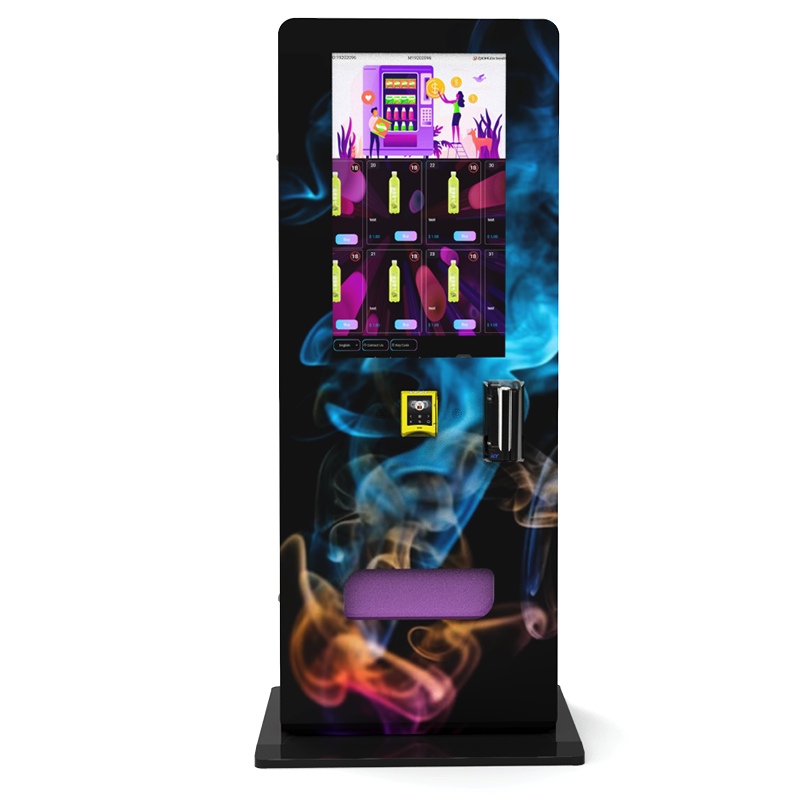
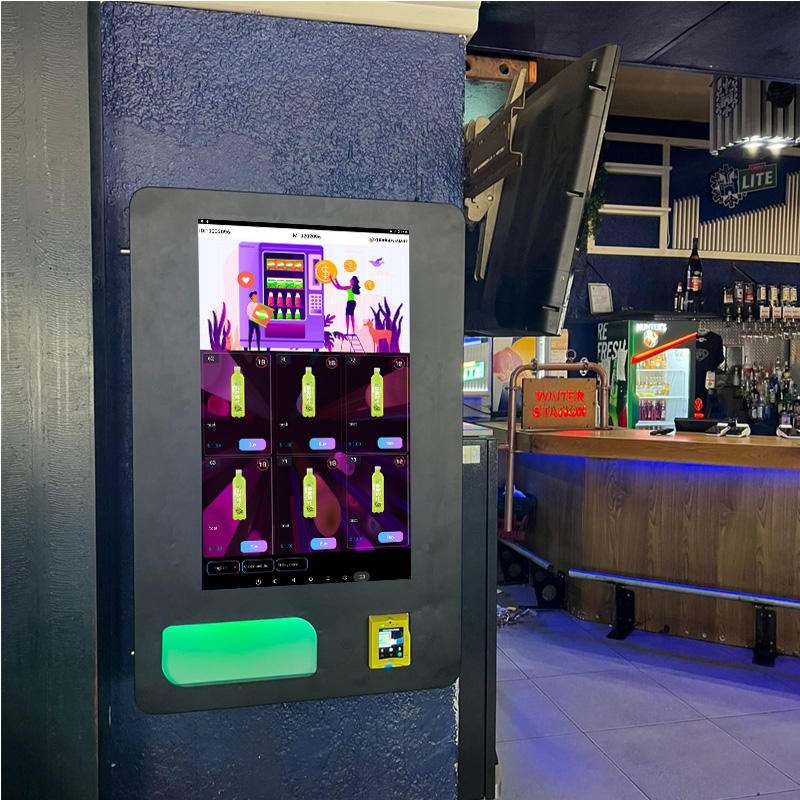
A wall-mounted unit is ideal for locations where floor space is expensive. It also signals a lower commitment to the venue owner, which can make it easier to negotiate a placement. The trade-off is lower capacity, which means you need to restock more frequently. For a busy venue, that is fine. For a remote location, you want the larger machine.
nnCustomization Options That Matter
nnWhen you order a custom branded vape vending machine, focus on the features that directly impact the customer experience and your operational efficiency. A high-resolution touchscreen is worth the investment because it displays product images clearly. A tamper-proof cash box is non-negotiable. Remote telemetry that alerts you when a product is low or a jam occurs saves hours of wasted travel.
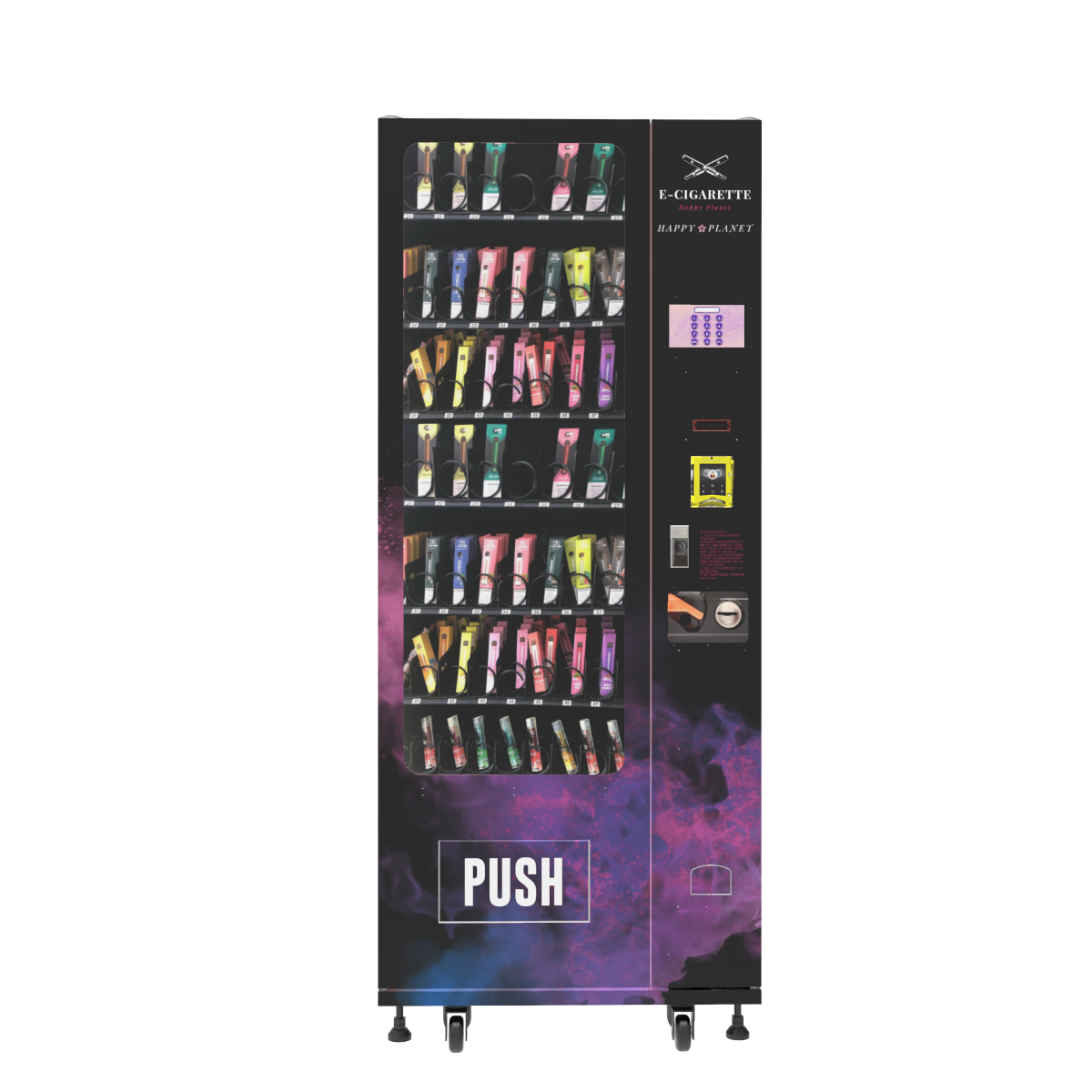
nnWe offer a range of customization options, from simple vinyl wraps to fully integrated cabinetry with custom lighting. For more on the technical specifications of our wall-mounted units, you can review the details on our compact vape vending machine page. If you need a high-capacity solution for a busy venue, the high-capacity model has the storage and dual-spiral system to handle peak hours.
nnRisk Factors and How to Mitigate Them
nnEvery operator I know has a story about a machine that got vandalized or a location that went silent. Theft is rare with vape machines because the products are small and the cabinet is steel, but vandalism happens. We build our cabinets with 16-gauge steel and reinforced hinges. The glass panel is polycarbonate, not standard glass. It costs more, but it stops a determined person with a hammer.
nnLocation risk is the bigger factor. A venue that seems busy at night might be dead during the day. If your revenue depends entirely on evening traffic, you need to adjust your expectations. We always recommend a trial period with a revenue-sharing agreement rather than a fixed lease. That way, if the location underperforms, you are not stuck paying rent on a machine that is not earning.
nnAnother hidden risk is regulatory change. Age verification laws can tighten. A machine that was compliant last year might need a software update to meet new standards. We track regulatory changes across markets and push firmware updates to our machines. If you buy from a manufacturer that does not offer ongoing support, you are exposed.
nnInsurance and Compliance Documentation
nnDo not skip the insurance. A general liability policy that covers the machine and its operation is cheap compared to the cost of a lawsuit. We also recommend keeping a digital log of every transaction, including the ID scan data and the photo. If a regulator asks for proof that you are not selling to minors, you have it. We have seen operators avoid fines simply because they could produce a clean audit trail.
nnSelecting a Manufacturing Partner
nnI have been on the factory floor for fifteen years. I know the difference between a machine built with quality components and one assembled from the cheapest parts available. When you evaluate a manufacturer, ask about the brand of the payment system, the ID scanner, and the compressor if the machine is cooled. If they use generic parts, you will struggle to find replacements in three years.
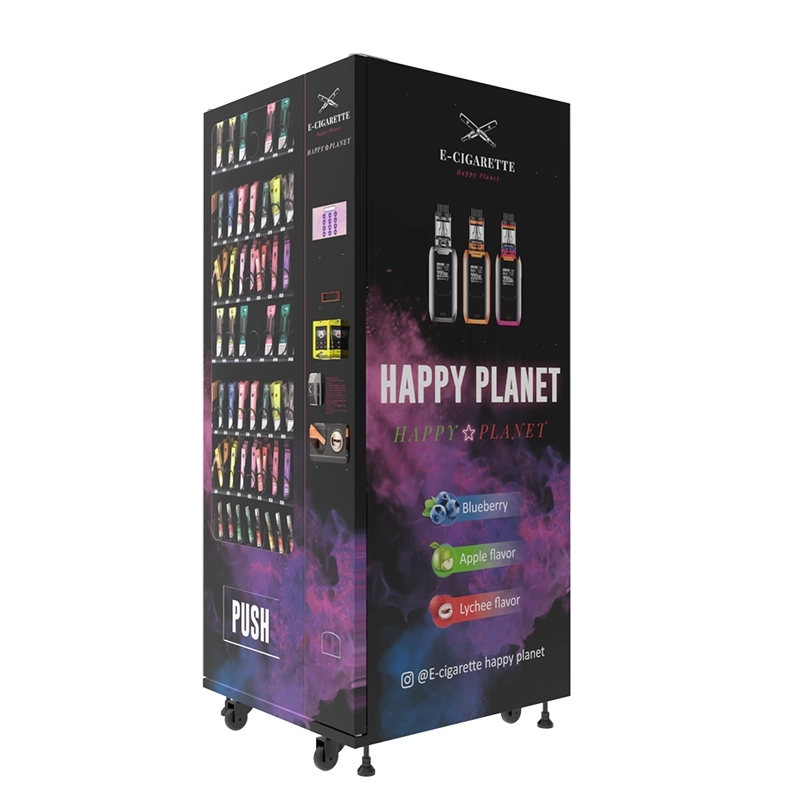
Our factory produces machines that are used in regulated markets across Europe and North America. We have invested heavily in age verification technology because that is the core requirement. If you want to see how we integrate ID scanning and remote management, the age verification vending machine page explains the system architecture. We also offer a compliant e-cigarette vending machine that meets the strictest regulatory standards.
nnI also recommend visiting the factory if possible. Look at the assembly line. Talk to the engineers. Ask about their failure rate on the ID scanner. A reputable manufacturer will share that data. If they hesitate, that is a red flag.
nnFinal Operational Advice
nnStart with one machine. Learn the logistics of restocking, the patterns of customer behavior, and the quirks of the telemetry software. Once you have a machine running smoothly for three months, expand. I have seen too many operators buy five machines at once and then struggle to manage them all. Slow growth builds a sustainable business.
nnAlso, build a relationship with the venue staff. The bartender or the store manager is your eyes on the ground. If they tell you a machine is making a strange noise, listen. A small issue fixed early costs ten dollars. A neglected issue can cost a thousand dollars in repairs and lost sales.
nnFor a deeper look at the financial projections, our vape vending machine ROI analysis provides a detailed calculator based on real operating data. It is a useful tool for building your business case.
nnFrequently Asked Questions
nnWhat is the typical lifespan of a commercial vape vending machine?
nWith proper maintenance, the cabinet and mechanical systems last 8 to 10 years. The payment terminal and ID scanner usually need an upgrade around year four or five to stay compatible with new card standards and ID formats.
nCan I use a standard vending machine for vape products?
nTechnically yes, but it is not advisable. Standard machines lack integrated age verification, which is a legal requirement for age-restricted products. Retrofitting a standard machine with an ID scanner is often more expensive than buying a purpose-built unit.
nHow long does it take to get a custom branded machine delivered?
nLead time depends on the complexity of the customization. A standard machine with a vinyl wrap usually ships within 3 to 4 weeks. A fully custom machine with unique cabinetry and lighting can take 6 to 8 weeks from order confirmation.
nWhat payment methods should the machine accept?
nAt minimum, credit and debit cards with EMV chip support, plus contactless payments like Apple Pay and Google Pay. Cash acceptance is optional and depends on your location. In my experience, card-only machines have lower maintenance costs and higher average transaction values.
nHow do I handle a machine that is not selling enough?
nFirst, check the product mix. Are you stocking what people want? Second, review the location traffic patterns. If the venue is dead during your restocking hours, consider moving the machine to a different spot within the same location or renegotiating the revenue split. Sometimes a simple relocation of ten feet makes a difference.
nReferences and Further Reading
nStatista. "Vending machine market size worldwide 2021-2028." Accessed via Statista database. https://www.statista.com/topics/1355/vending/
nIBISWorld. "Vending Machine Operators Industry in the US." Industry report. https://www.ibisworld.com/united-states/market-research-reports/vending-machine-operators-industry/
nForbes. "The Future of Vending Machines: Cashless, Smart, and Interactive." Business analysis. https://www.forbes.com/sites/forbestechcouncil/2022/06/15/the-future-of-vending-machines-cashless-smart-and-interactive/
nn