What You Need to Know Before Sourcing from China
nnMost buyers jump straight to price comparisons. That’s a mistake. The vending machine market for age-restricted products has shifted hard toward compliance and connectivity. A machine that works in a warehouse in Shenzhen might fail immediately in a South African bar because the age verification software doesn’t recognize local ID formats, or the payment system can’t handle the local card networks.
nnFrom a manufacturer’s perspective, we see three categories of buyers: operators who want a turnkey solution, distributors looking to rebrand, and large retail chains running pilot programs. Each group needs a different configuration. The mistake I see most often is a first-time buyer ordering a generic machine and expecting it to perform like a purpose-built unit.
nnHardware Reliability Is Not Optional
nnI’ve pulled machines out of service in six months because the vend motors failed. Cheap solenoids, poorly rated power supplies, and flimsy cabinet construction kill your ROI fast. When you evaluate a supplier, ask for the brand and model of every major component: the compressor (if you’re cooling), the payment terminal interface, the main control board, and the locking mechanism. If they can’t answer, walk away.
nnWe use industrial-grade vend motors rated for 500,000 cycles. That’s not marketing talk—that’s a spec sheet we provide. In high-traffic locations like college campuses or nightlife districts, a machine can cycle 150 times a day. Over three years, that’s over 160,000 cycles. You want a motor that’s rated for at least three times that.
nnShipping and Import Logistics for South Africa
nnShipping from China to Durban or Cape Town typically takes 25 to 35 days via sea freight. But the real challenge isn’t the ocean—it’s the clearance process. Vending machines fall under specific tariff codes, and if your supplier doesn’t provide correct documentation, you’ll pay demurrage fees that eat your margin.
nnI always advise buyers to request a full packing list, commercial invoice, and certificate of origin before the container leaves the port. Also, confirm that the supplier has experience shipping to Africa. Some factories only deal with US or European buyers and don’t understand the documentation requirements for South African customs.
nnPort Handling and Inland Transport
nnOnce your container lands, you’ll need a local clearing agent who knows the machinery classification. The unit size and weight matter here. A standard 42-inch tall countertop machine weighs around 80 kg. A full-height floor model can hit 250 kg. Make sure your local transport can handle palletized deliveries with lift gates. I’ve seen machines damaged because the last-mile courier tried to hand-carry them down stairs.
nnCompliance and Age Verification Requirements
nn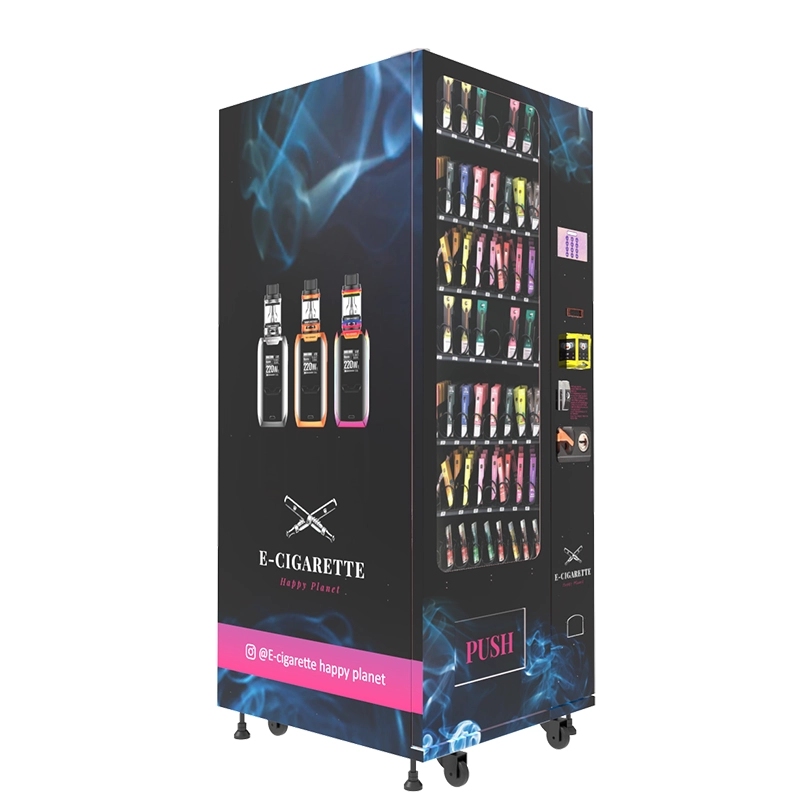
This is the part where most importers slip up. South Africa has specific regulations around the sale of nicotine products. You cannot legally sell vaping products through an unattended retail device without robust age verification. And I don’t mean a simple “press yes to confirm you’re 18” button. That’s a liability nightmare.
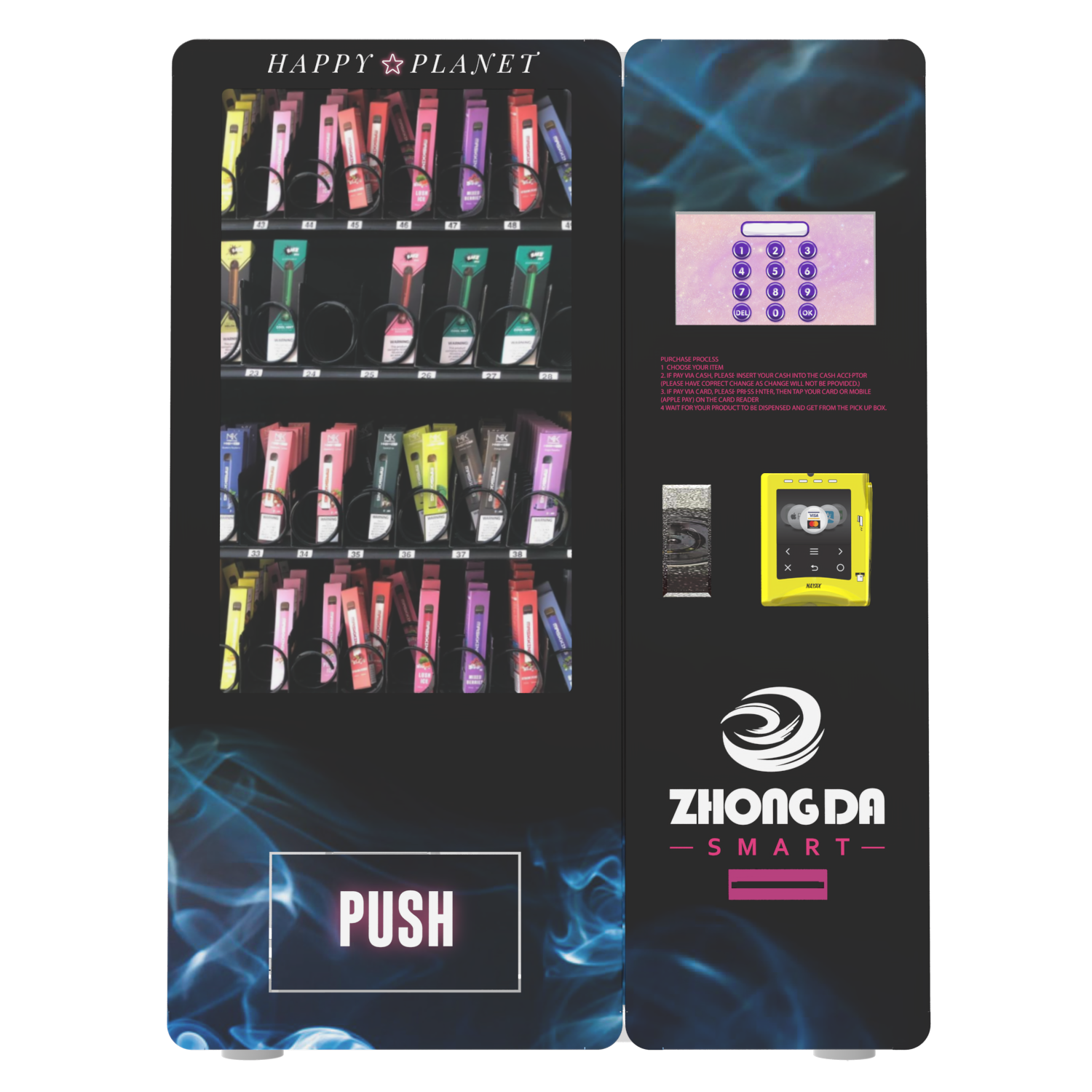
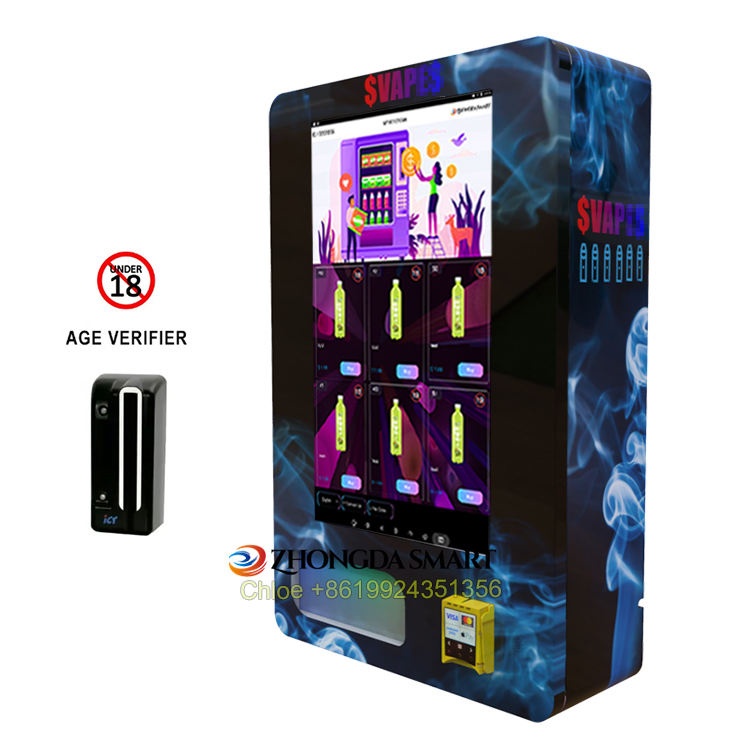
nnEvery machine we ship includes an integrated ID scanner that validates the barcode and checks the date of birth against the sale time. The system also logs every transaction with a timestamp and scanned ID image. This creates an audit trail that protects the operator if a regulatory body investigates.
nnFor a deeper look at how these systems function, I’d recommend reviewing the technical specifications on our age verification vending machine page. It covers the scanner types and software integration we use across all our export models.
nnPayment Integration for Local Markets
nnSouth Africa runs on a mix of cash, card, and mobile payments. Your machine needs to support all three if you want maximum throughput. The card reader must be EMV-compliant and compatible with local acquiring banks. Some Chinese suppliers ship machines with readers that only work on Chinese networks. That’s useless outside of Asia.
nnWe pre-configure our machines with multi-currency cash systems and universal card readers that can be programmed for South African rand. The software also integrates with mobile payment platforms like SnapScan and Zapper. If your supplier can’t offer that, you’ll be retrofitting later at a higher cost.
nnCost Breakdown and Profit Modeling
nnLet’s talk numbers. A high-quality vape vending machine from a reputable Chinese manufacturer runs between $2,800 and $5,800 USD per unit, depending on configuration. Add shipping, insurance, customs duties, and local delivery, and you’re looking at $3,800 to $7,200 USD landed cost per machine.
nnNow, what does that mean for your bottom line? If you place a machine in a high-footfall location like a bar or nightclub, and it averages 25 transactions per day at a 40% gross margin per sale, you’ll recover your hardware cost in roughly 8 to 12 months. After that, it’s pure profit minus restocking and location commission.
nnI built a spreadsheet for a client last year comparing three scenarios: low traffic (10 sales/day), medium (25 sales/day), and high (50 sales/day). At the medium level, a single machine generates about $18,000 USD in annual gross profit. Scale that to ten machines, and you’re looking at a solid six-figure operation.
nnHidden Costs That Eat Margins
nnMost new operators forget about restocking labor, machine downtime, and location commissions. If you’re placing machines in third-party venues, expect to pay 15% to 25% of gross sales to the location owner. That’s standard. Also, budget for a backup machine. When one unit goes down, you need a swap-ready replacement. Otherwise, you lose location trust and sales.
nnChoosing the Right Machine Configuration
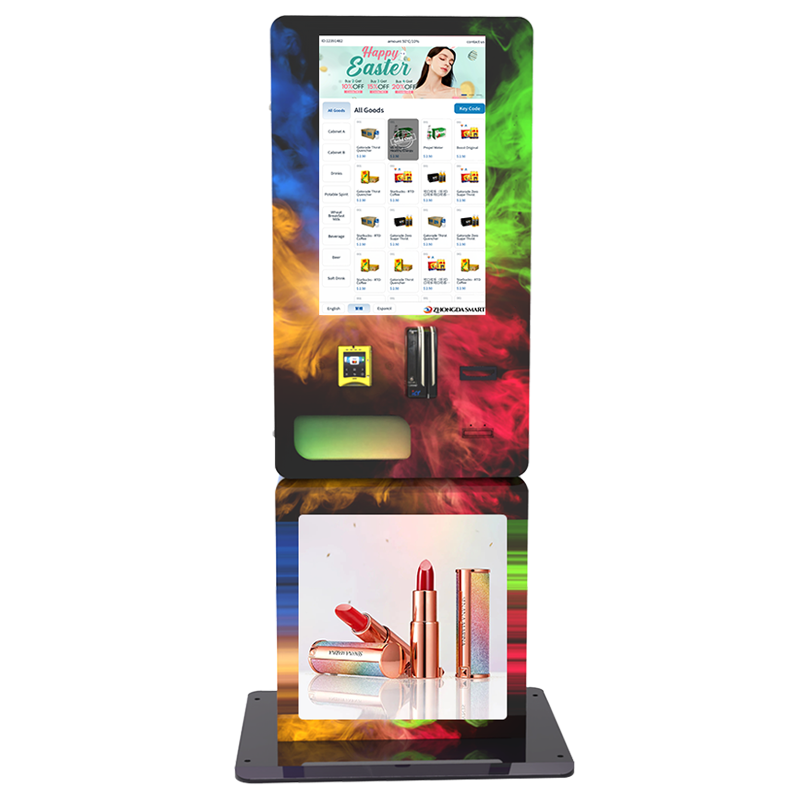
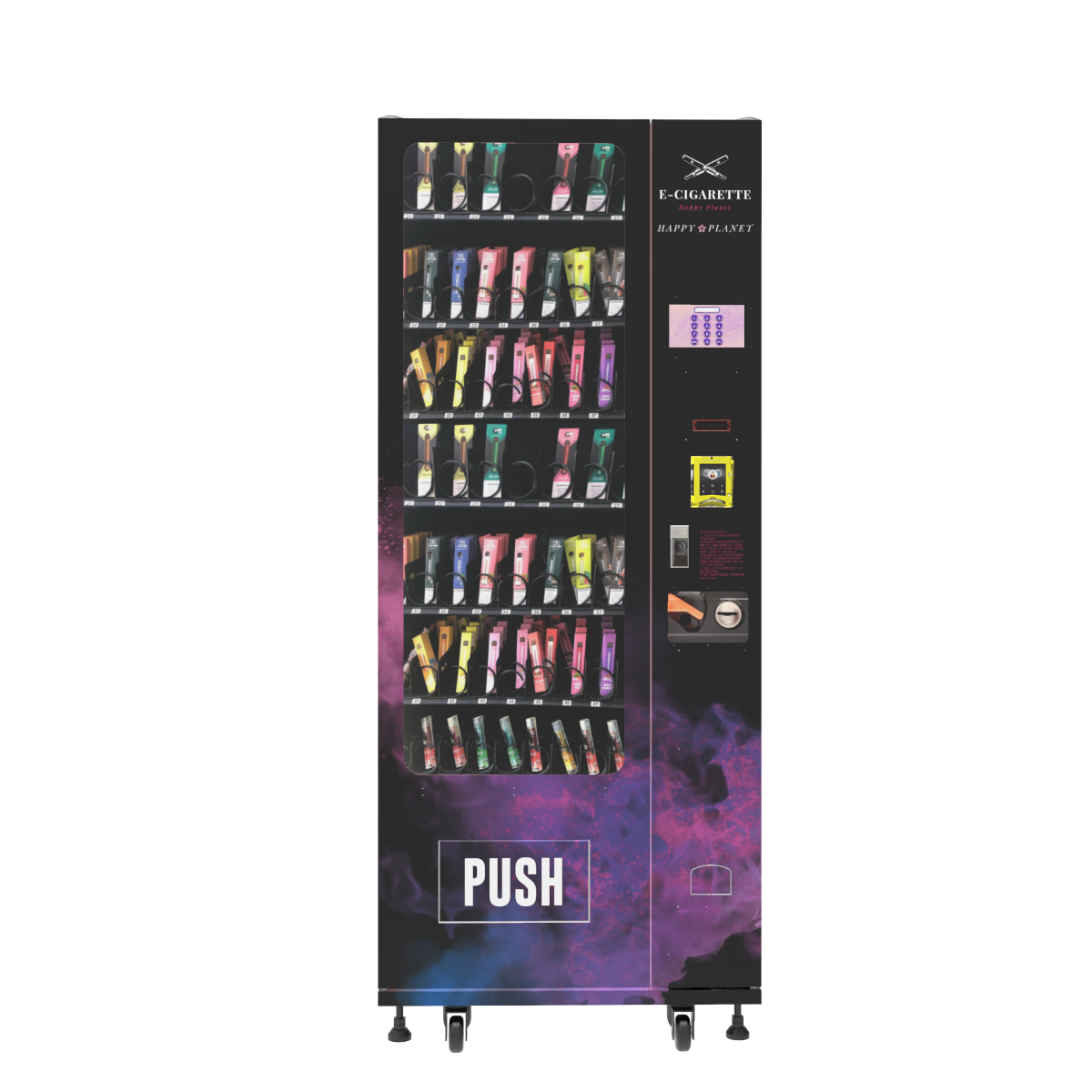
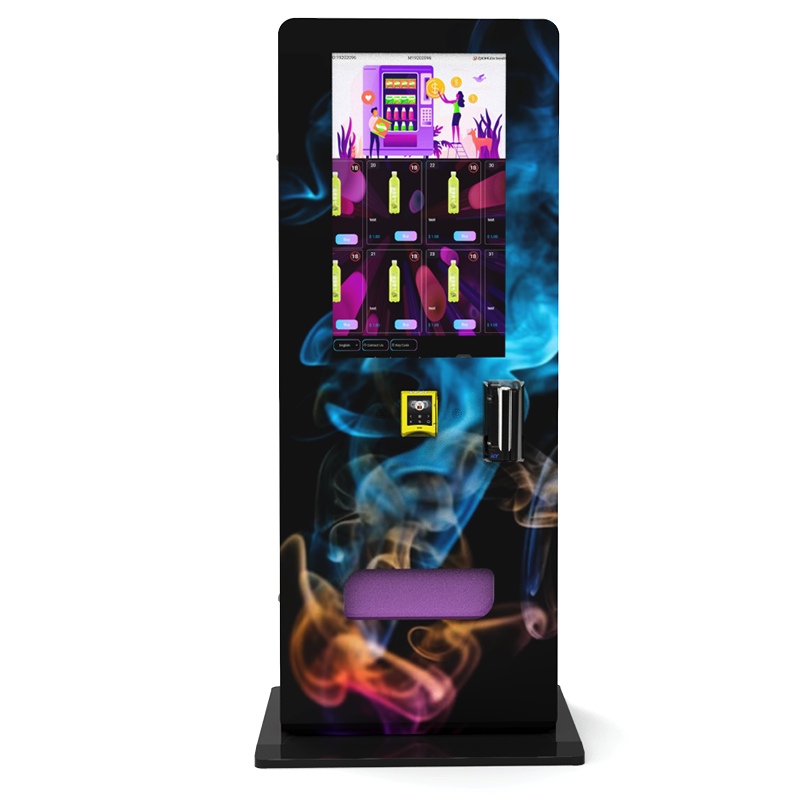
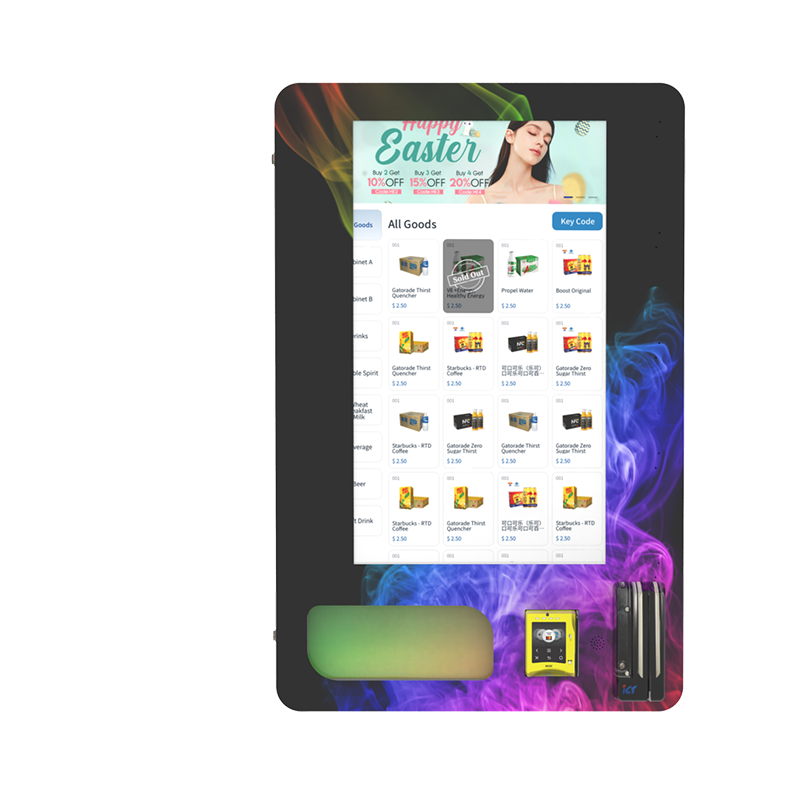
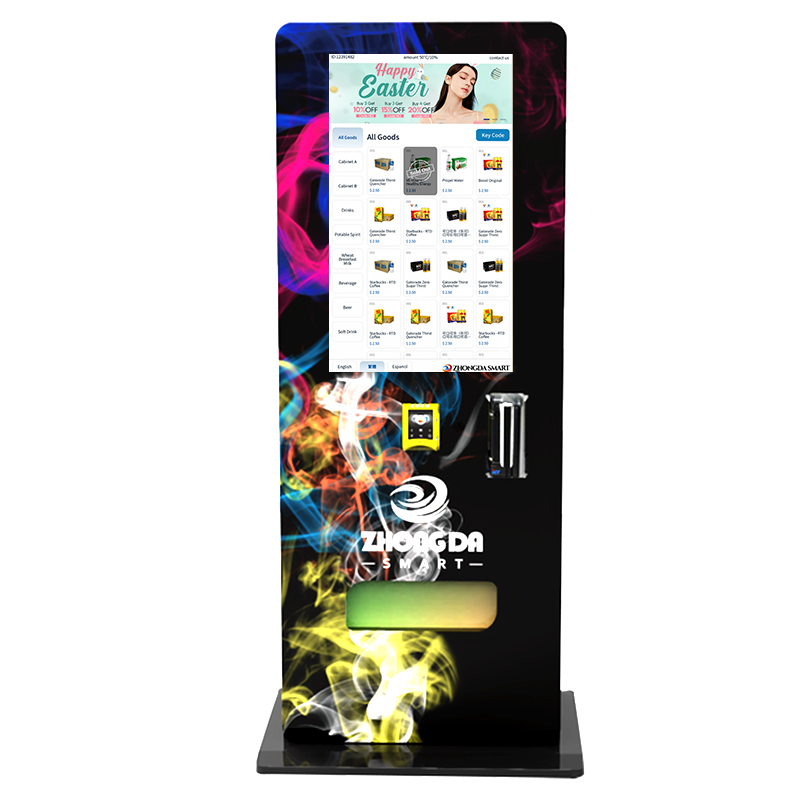
nnNot all locations need the same hardware. A compact wall-mounted unit works perfectly in a small convenience store or a hotel lobby. A larger floor model with a cooled compartment is better for a high-volume nightclub. We manufacture both configurations, and I’ve seen operators fail because they bought the wrong form factor for the space.
nnCheck out our wall-mounted compact e-cigarette vending machine if you’re targeting smaller retail spaces. It takes up minimal counter area but still holds 80 to 120 units depending on product size.
nnCooled vs. Non-Cooled Units
nnIf you’re selling disposable vapes, cooling isn’t strictly necessary. But for pod systems or bottled e-liquid, heat degrades the nicotine. In South Africa’s climate, especially in coastal or inland summer regions, a cooled unit extends product shelf life and reduces customer complaints. The trade-off is higher power consumption and a heavier machine.
nnWe offer both options, and I usually recommend the cooled version if the location has reliable power and the ambient temperature exceeds 30°C for more than three months a year.
nnReal-World Deployment Lessons
nnI placed a pilot run of twelve machines in the UK three years ago. Six were in student unions, four in nightclubs, and two in convenience stores. The student union machines averaged 40 transactions per night during term time. The convenience store machines did about 12 transactions per day. The nightclub machines had the highest average ticket value but also the highest vandalism rate.
nnWhat did I learn? Location selection matters more than the machine itself. A mediocre machine in a great location outperforms a premium machine in a dead spot every time. Also, always install a remote monitoring system. We use a cloud-based telemetry platform that alerts us when a coil is jammed, inventory is low, or the cash box is full. Without that, you’re driving blind.
nnFor a case study on how these machines perform in nightlife settings, take a look at our vape vending machines for bars, clubs, and lounges page. It breaks down the specific configurations we recommend for high-traffic venues.
nnVandalism and Security Concerns
nnIn certain locations, machines get kicked, pried, or tampered with. We use 1.5mm cold-rolled steel cabinets with reinforced hinges and a tamper-resistant lock. The front panel is polycarbonate, not glass. It scratches easier but doesn’t shatter. If you’re placing machines in unsupervised areas, add a security cage or anchor the unit to the floor.
nnLong-Term Maintenance and Support
nn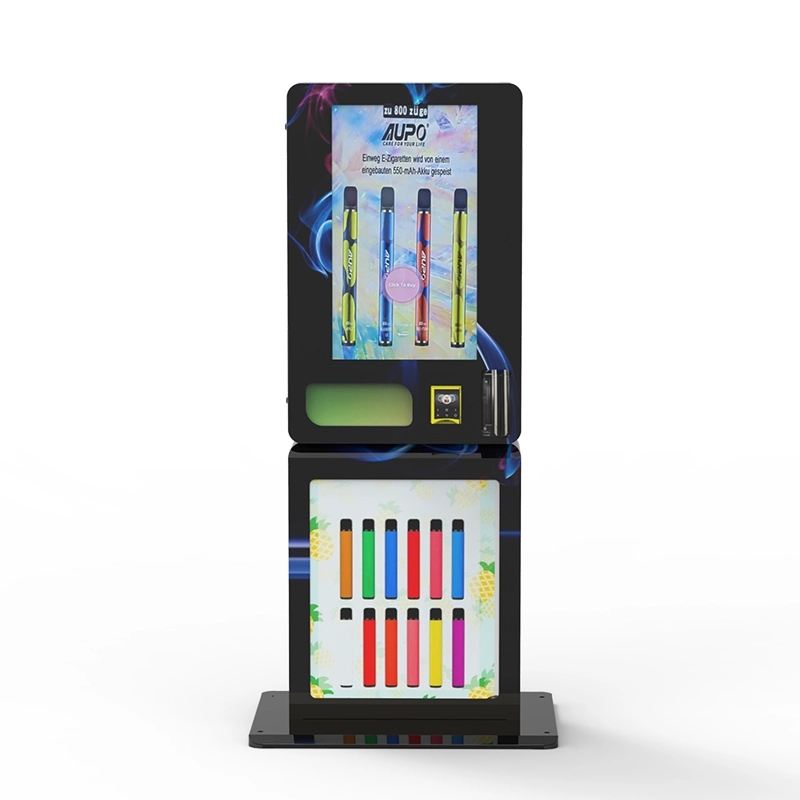
After-sales support is where most Chinese suppliers fall short. You need a supplier that stocks spare parts and offers remote diagnostics. We maintain a spare parts inventory for all our export models and ship replacements within 48 hours. We also provide remote firmware updates for the control board and payment system.
nnWhen you’re evaluating a supplier, ask for their spare parts list and lead times. If they can’t provide a catalog of commonly replaced parts, you’ll be stuck sourcing components from third parties that may not be compatible.
nnSoftware Updates and Compliance Changes
nnRegulations change. In some markets, the legal age for purchasing nicotine products shifted from 18 to 21. Your machine’s age verification software needs to be updatable remotely. We push software updates to our machines over a cellular connection, so operators never have to physically access the unit to change compliance parameters.
nnFor more details on how our software handles regulatory changes, visit our compliant e-cigarette vending machine page. It outlines the compliance framework we build into every unit.
nnComparing Suppliers: What to Look For
nnNot all factories are equal. Some are assemblers that buy components from different sources and bolt them together. Others, like ours, design and manufacture the control boards, software, and cabinet in-house. Vertically integrated suppliers offer better quality control and faster issue resolution.
nn| Evaluation Criteria | nIntegrated Manufacturer | nAssembler / Reseller | n
|---|---|---|
| Component sourcing | nIn-house or direct from OEM | nMixed, often lowest-cost | n
| Software control | nFull ownership and updates | nLicensed from third party | n
| Spare parts availability | nDedicated inventory | nRelies on external suppliers | n
| Customization ability | nHigh (firmware, hardware, UI) | nLimited to cosmetic changes | n
| Lead time for repairs | n48-72 hours for common parts | n1-3 weeks | n
I’ve worked with both types. The assemblers can offer a lower upfront price, but the total cost of ownership is higher because of downtime and compatibility issues. If you’re building a long-term operation, go with a manufacturer that controls the entire production chain.
nnExpert Recommendations for First-Time Importers
nnStart with a small order. Two to five machines. Deploy them in different location types and track performance for three months. Use that data to refine your location strategy and product mix before scaling to 20 or 30 units.
nnAlso, build a relationship with your supplier. Visit the factory if possible. We host buyers at our facility regularly. Seeing the production line and testing process gives you confidence that the hardware will perform. If you can’t visit, request a video walkthrough of the assembly and quality control process.
nnFinally, never skip the compliance audit. Have a local attorney review your operational plan against South African tobacco and vaping product laws. The cost of a legal review is a fraction of what you’ll pay in fines or seized inventory if you get it wrong.
nnFrequently Asked Questions
nnWhat documents do I need to import a vape vending machine into South Africa?
nYou’ll need a commercial invoice, packing list, bill of lading, certificate of origin, and possibly a SARS customs clearance letter. Check with a local clearing agent for the latest requirements.
nCan I use a standard vending machine for vaping products?
nNo. Standard machines lack age verification hardware and software. You need a unit with a built-in ID scanner and transaction logging to comply with age-restricted sales laws.
nHow much does it cost to ship a vending machine from China to South Africa?
nSea freight for a 20-foot container runs between $1,500 and $3,000 USD depending on the port and season. Add insurance, customs duties, and local delivery for your total landed cost.
nWhat payment systems work in South African vape vending machines?
nEMV-compliant card readers, SnapScan, Zapper, and cash systems configured for South African rand. Make sure your supplier pre-configures these before shipping.
nHow often does a vape vending machine need maintenance?
nLight maintenance every two weeks for cleaning and restocking. Full preventive maintenance every three months, including motor checks and software updates.
nSources and References:
n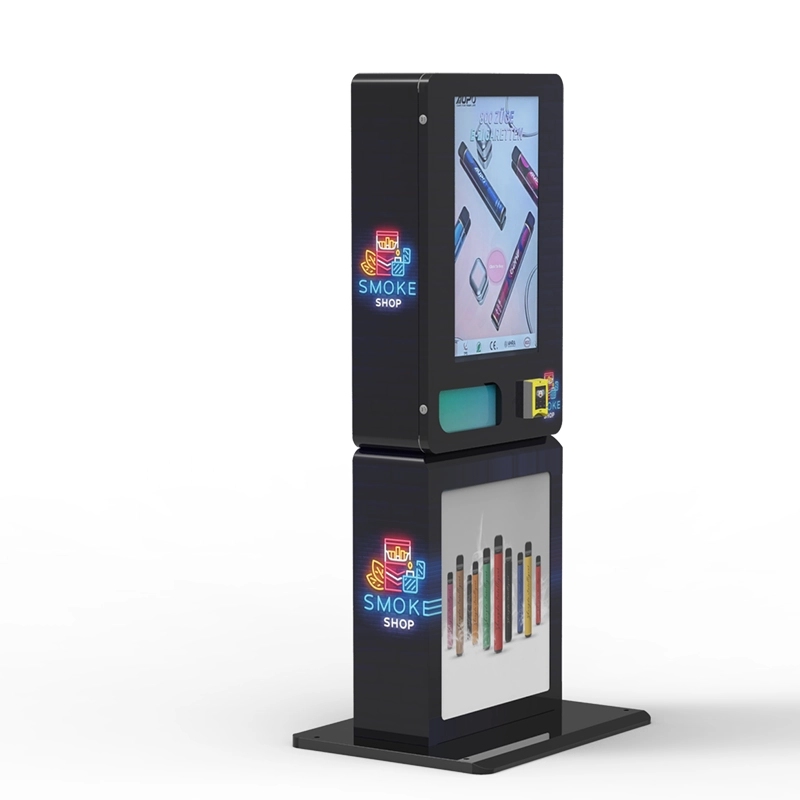
- n
- Statista – Vaping and E-Cigarettes Worldwide Market Data n
- IBISWorld – Global Vending Machine Operators Industry Report n
- Bloomberg – Vape Vending Machines Face Regulatory Scrutiny n
- Forbes – The Rise of Automated Retail for Age-Restricted Products n
Meta Description: Expert China vape vending machine supplier South Africa import guide with real deployment data, cost breakdowns, and compliance requirements from a 15-year manufacturer.