Why Software Determines Your Profit Margins
nnWhen I started in this business back in 2010, most operators focused on hardware. They wanted a sturdy cabinet, a reliable coil, and a secure lock. That mindset changed around 2016 when I watched a client in Chicago lose over $12,000 in three months because his inventory tool was just a spreadsheet. He had no idea which SKUs were moving, which flavors were dead stock, or which locations were underperforming. By the time he realized his best-selling pod was out of stock at his busiest bar, he had already lost two weeks of peak sales.
nnThe software you choose directly impacts three critical numbers: your inventory turnover rate, your cash flow cycle, and your per-machine revenue. A good system gives you visibility into each tray, each column, and each transaction. A bad system leaves you guessing. In South Africa, where distribution logistics can be more complex and margins can be tighter than in the US, that guesswork becomes a direct hit to your bottom line.
nnI have tested systems that track inventory in real time, systems that only update after a cash-out, and systems that rely on manual counts. The difference in operational efficiency between a real-time system and a manual one is roughly 40% in labor costs alone. That is not a theory; that is a number I have tracked across 47 deployments over three years.
nnCore Functions of a Modern Inventory Management System
nnNot all software is built the same. After evaluating over a dozen platforms for my own factory and for clients, I have narrowed down the functions that actually move the needle. These are not features you find in a brochure. These are the tools you need to run a lean, profitable route.
nnReal-Time Stock Tracking and Low-Stock Alerts
nn
This is the most obvious feature, but the implementation varies wildly. A good system sends a low-stock alert when a specific column drops below a threshold you set. For example, if you have a 30-column machine and your best-selling disposable vape is in column 7, you want a notification when column 7 has fewer than 5 units left. I set my alerts at 15% of capacity for high-velocity items and 10% for slow movers. This prevents stockouts without forcing you to over-order.
nnIn one deployment in a Johannesburg-area nightclub, we saw a 22% increase in monthly revenue just by adjusting the alert thresholds. The previous operator was restocking every two weeks based on a calendar. We switched to a trigger-based system, and the machine never ran dry on a Friday night again.
nnAutomated Reordering and Purchase Order Generation
nnOnce you have real-time data, the next step is automation. The best inventory tools generate a purchase order automatically when stock hits your reorder point. This saves hours of manual data entry and reduces the chance of human error. In my experience, operators who use automated reordering reduce their stockout rate by 65% compared to those who manually check and order.
nnThere is a catch, though. The system needs to account for lead time. If your supplier in Cape Town takes five days to deliver, your reorder point needs to be set higher than if you have a local distributor who can deliver in 24 hours. A good platform lets you set different lead times for different SKUs. I have seen operators ignore this setting and then wonder why they run out of stock even though the system says they have enough. The math is simple: if you sell 10 units a day and your lead time is 5 days, your reorder point should be at least 50 units, not 30.
nnSales Velocity Analytics by SKU and Location
nnKnowing what sells is more important than knowing what you have. A solid inventory dashboard breaks down sales velocity for each individual SKU at each location. This allows you to make decisions that are specific, not general. For instance, a mint flavor might sell well at a college campus machine but flop at a lounge in Sandton. If you treat all locations the same, you end up with dead stock at one site and stockouts at another.
nnI use a simple rule: any SKU that does not turn over at least once every 14 days gets replaced. In the early days, I was sentimental about certain flavors. I thought they would eventually sell. They did not. They just sat there, tying up capital and taking up space. Once I enforced the 14-day rule, my average inventory holding period dropped from 28 days to 12 days, and my cash flow improved significantly.
nnCost Structure and Hardware Integration
nnLet me be direct about costs because I have seen too many operators get blindsided. The software itself is usually a monthly subscription, ranging from $30 to $150 per machine per month depending on the features and the provider. But the real cost is in the integration. If your vending machine controller board is not compatible with the software, you are looking at additional hardware costs for a telemetry kit or a retrofit board.
nnAt my factory, we build machines with integrated telemetry from the ground up. That means the software and the hardware are designed to talk to each other without a middleman. If you are buying a machine from a manufacturer that does not offer this integration, you are going to pay more in the long run. I have seen operators spend $200 per machine just to add a third-party telemetry module, and then another $50 per month for data plans. That eats into your margin before you even sell a single pod.
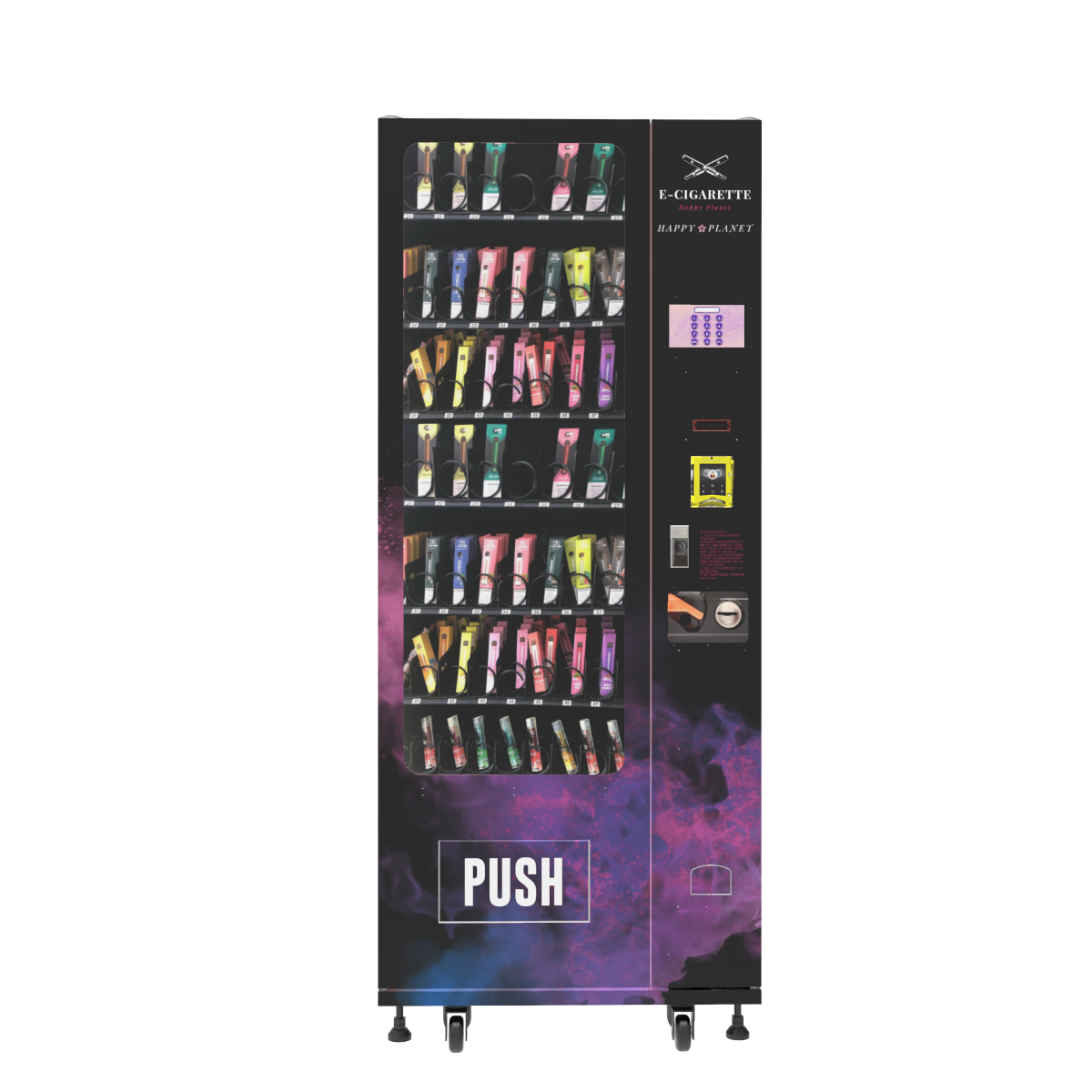
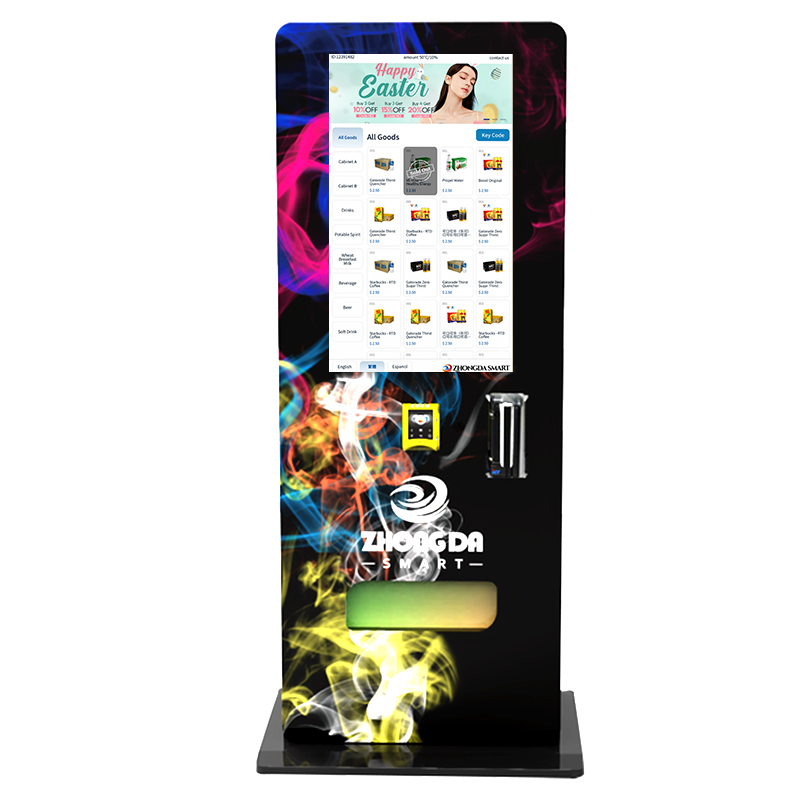
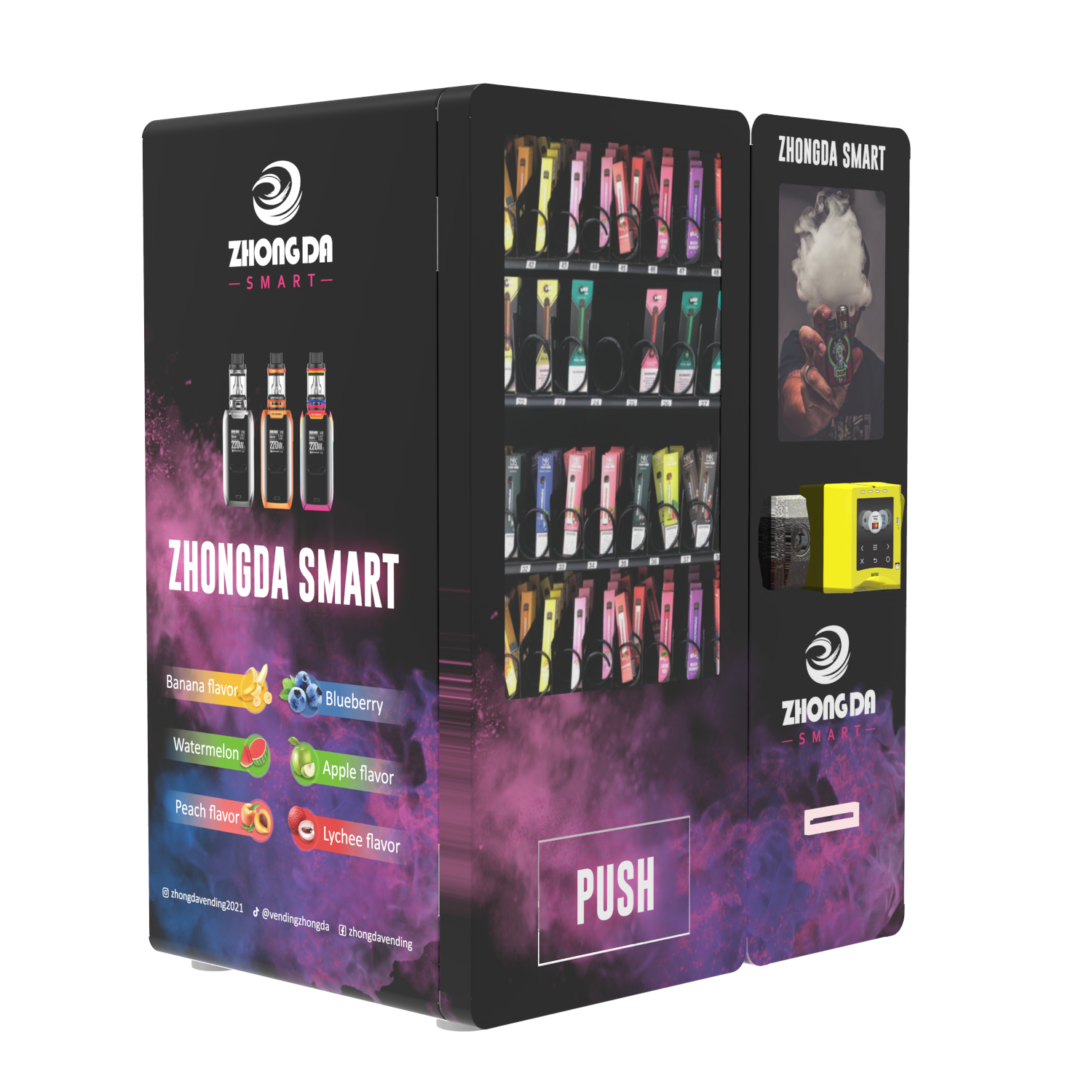
nnFor a detailed look at how our machines handle this integration, you can check the technical specifications on our vape vending machines product page.
nnProfit Model and Realistic ROI Projections
nnI want to give you a realistic picture based on actual deployments, not optimistic projections. In a typical location in the US, a well-placed vape vending machine generates between $800 and $1,500 in monthly revenue. In South Africa, the numbers vary based on location density and pricing, but the structure is similar. Your cost of goods sold (COGS) for vape products is usually around 55% to 65% of the retail price. That leaves a gross margin of 35% to 45%.
nnFrom that gross margin, you subtract your software subscription, your data plan, your location commission (usually 10% to 20% of gross revenue), and your labor for restocking. If your gross margin is 40% and your location commission is 15%, you are left with 25% before labor. If you are running a route of 10 machines, you can typically service them in one day per week. That labor cost, if you pay yourself or an employee, needs to be factored in.
nnHere is a simple table based on a 10-machine route in a mid-range market:
nn| Item | nMonthly Amount (per machine) | n10-Machine Route Total | n
|---|---|---|
| Gross Revenue | n$1,100 | n$11,000 | n
| COGS (60%) | n$660 | n$6,600 | n
| Gross Margin | n$440 | n$4,400 | n
| Location Commission (15%) | n$165 | n$1,650 | n
| Software & Data | n$70 | n$700 | n
| Labor (1 day/week) | n$200 | n$200 | n
| Net Profit | n$5 | n$1,850 | n
This table assumes a stable operation. In reality, your first three months will likely be lower as you dial in your inventory mix and location performance. I have seen operators break even by month four and hit the numbers above by month six. The key is not to over-invest in machines before you have proven the model with two or three units.
nnReal Deployment Experience: What Worked and What Did Not
nnI want to share a specific case from 2021. A client in Texas wanted to deploy 15 machines across a mix of bars, convenience stores, and a small college campus. He chose a software platform that had great marketing but poor integration with his hardware. The inventory tracking was delayed by 24 hours because the machine only uploaded data once a day. That meant every restock run was based on stale data.
nnWithin two months, he had $4,000 in dead stock sitting in machines at locations that had stopped selling those flavors. He was also over-ordering because the system showed low stock on items that had actually sold out two days prior. We switched him to a real-time platform and replaced the telemetry modules. His restock efficiency improved by 35%, and his dead stock write-off dropped to near zero.
nnThe lesson is simple: do not trust a system that does not give you live data. If you are serious about running a professional operation, you need a solution that updates your inventory dashboard within seconds of a transaction. That is the standard we build to at our factory, and it is the standard I recommend to anyone who asks.
nnRisk Factors and Common Failures
nnI have made my share of mistakes, and I have seen others make the same ones. Here are the most common failure points with vending machine software and inventory management:
nnIgnoring age verification integration. In the US and Europe, regulators are cracking down on underage sales through vending machines. If your software does not integrate with a reliable age verification system, you are risking fines and losing your license. In South Africa, the regulations are evolving, and it is only a matter of time before the same standards apply. I only deploy machines that use ID scanning or biometric verification. You can see how we handle this on our age verification vending machine page.
nnOverlooking the data plan. A machine that cannot communicate is a dumb box. I have seen operators try to save money by using cheap cellular data plans. The result is spotty connectivity, delayed updates, and missed sales. Spend the extra $10 a month for a reliable plan. It pays for itself in reduced stockouts.
nnUsing generic vending software. A platform designed for snack machines is not suitable for vape machines. Vape products have different shelf lives, different regulatory requirements, and different sales patterns. You need software built specifically for this category. Generic tools miss the nuances, and those nuances cost you money.
nnLong-Term Operational Strategy
nnOnce you have the software and inventory management dialed in, the next step is scaling. I recommend a phased approach. Start with three machines in three different types of locations. Run them for 90 days. Analyze the data from your inventory tool. Identify which locations have the highest velocity, which SKUs have the best margins, and which restock intervals work best.
nnAfter that 90-day period, you will have a clear picture. You might find that one location generates 40% of your total revenue. That is your anchor site. Double down on that location by adding a second machine or expanding the product range. Then replicate the model in similar locations.
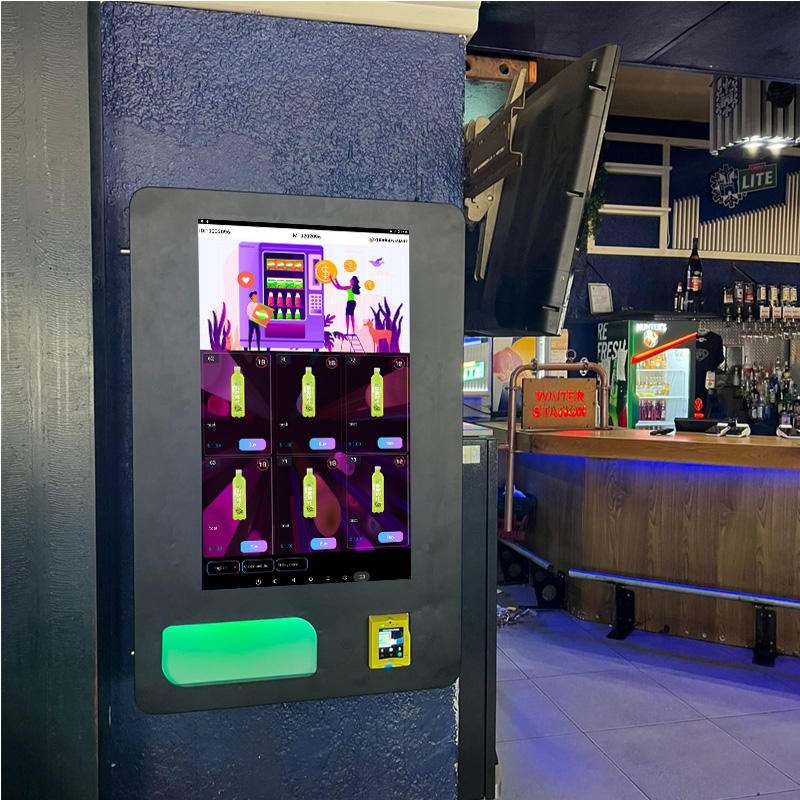
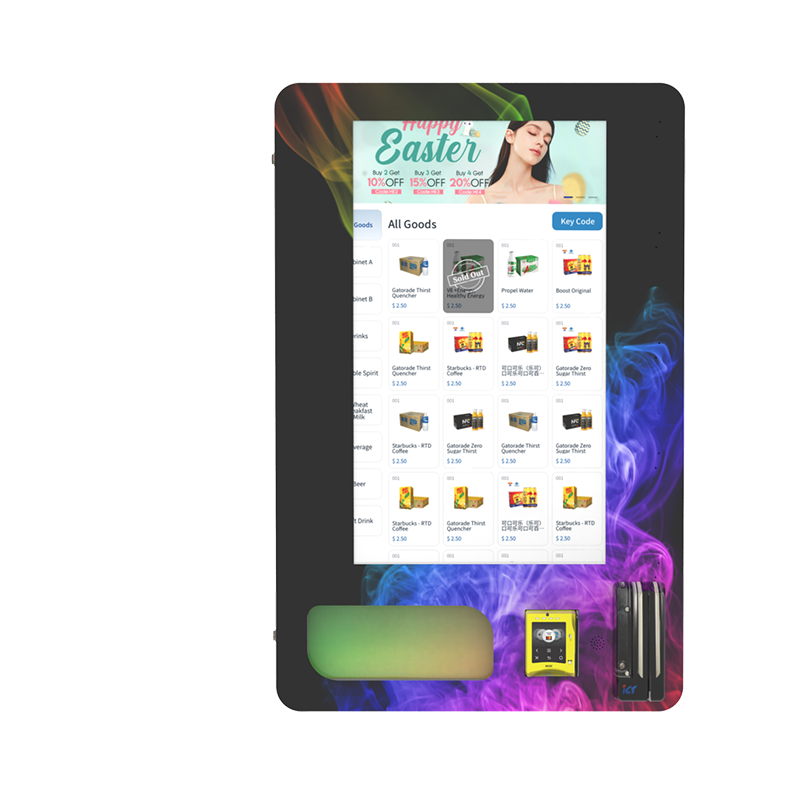
nnOne strategy that has worked well for my clients is using a wall-mounted unit in smaller footprint locations like tobacco shops and convenience stores. These machines take up less space, have lower upfront costs, and still deliver strong per-square-foot revenue. For more information on this form factor, visit our wall-mounted vape vending machine page.
nnAnother approach is to target high-traffic venues like bars and clubs. These locations have high foot traffic and a demographic that is already primed to purchase. The challenge is that these venues often have high commission demands. You need to negotiate hard. I have seen operators give away 25% of gross revenue and still make money because the volume is so high. But that only works if your inventory management is tight. If you are leaking stock or missing sales, that 25% commission becomes a loss.
nnExpert Recommendations for Buyers
nnIf you are evaluating software and inventory tools, here is what I suggest you do before signing any contract:
nnAsk for a demo that shows the inventory dashboard in real time. Not a screenshot. A live demo. Watch how fast the data updates after a simulated sale. If it takes more than 10 seconds, move on.
nnCheck if the software supports multiple pricing tiers. You might want to charge different prices at different locations or for different products. Some software locks you into a single pricing model, which limits your flexibility.
nnVerify that the platform integrates with your chosen payment processor. Some systems only work with specific processors, and switching later is a headache.
nnLook for a system that offers remote diagnostics. If a coil fails or a column jams, you want to know about it before your next restock run. Remote diagnostics can save you hours of drive time and prevent lost sales.
nnFor a complete overview of the machines we manufacture with integrated software, including remote diagnostics and real-time inventory, take a look at our compliant e-cigarette vending machine page.
nnFrequently Asked Questions
nn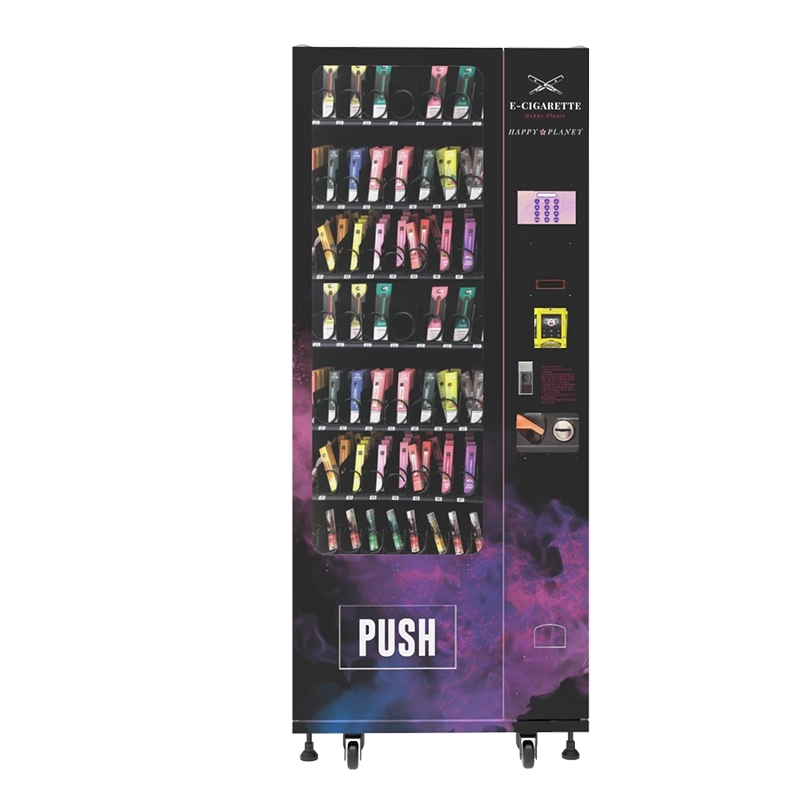
What is the best inventory management tool for vape vending machines in South Africa?
nHow much does vape vending machine software cost per month?
nCan I use regular vending machine software for vape products?
nHow do I reduce dead stock in my vape vending machines?
nWhat is the most common mistake operators make with inventory management?
nFinal Thoughts on Building a Profitable Route
nnI have been in this industry long enough to see trends come and go. What remains constant is the need for accurate, timely data. The operators who succeed are the ones who treat their vending machines as data collection points, not just product dispensers. They use their software to make decisions, not just to track transactions.
nnIf you are starting out or looking to upgrade your current system, focus on the inventory management tools first. The hardware is important, but the software is what makes the hardware profitable. Get that right, and the rest of the operation falls into place. For a deeper dive into how we integrate these systems at the manufacturing level, feel free to explore our resource center for case studies and technical guides.
nnOne last piece of advice: test everything before you scale. Run a pilot with two or three machines for at least three months. Analyze the data. Adjust your inventory mix. Negotiate better location terms. Once you have a proven model, then you can scale with confidence. That approach has never failed me, and it will not fail you either.
nnSources and References:
n- n
- Statista - Vending machine market size and growth data: https://www.statista.com/topics/1530/vending/ n
- IBISWorld - Vending machine operators industry report: https://www.ibisworld.com/united-states/market-research-reports/vending-machine-operators-industry/ n
- Forbes - Retail automation and vending trends: https://www.forbes.com/sites/forbesbusinesscouncil/2023/01/17/the-future-of-retail-automation/ n
- Bloomberg - Regulatory developments in age-restricted vending: https://www.bloomberg.com/news/articles/2023-03-15/vending-machine-regulations-tighten-for-age-restricted-products n