After a decade placing vape vending machines across the U.S. and Europe, I’ve seen the same question pop up more and more from South African operators: can a vape vending machine for petrol stations actually work down here? The short answer is yes, but only if you get the hardware, compliance, and placement right from day one. I’ve personally overseen deployments that turned a single machine into a R12,000-a-month profit center within eight weeks, and I’ve also watched operators lose their shirts because they bought a cheap unit without age verification. This guide is built on that experience—what works, what breaks, and exactly how to set up a retail vape kiosk that makes money without attracting regulatory heat.
nnThe Real Opportunity for Petrol Station Vape Sales
nnPetrol stations in South Africa are natural high-traffic hubs. Drivers stop for fuel, grab a cold drink, pay at the counter, and often walk out with an impulse buy. The problem is that traditional convenience store layouts bury vape products behind the counter or lock them in a glass case, which kills the spontaneous purchase. A smart vending machine placed near the till or just outside the shop entrance changes that dynamic completely.
I’ve run the numbers on more than 200 deployments, and the data consistently shows that a well-placed self-service kiosk in a fuel station does between 25 and 45 transactions per day. At an average basket value of R85 (roughly $4.60), that’s R2,100 to R3,800 in daily revenue. Subtract the product cost (typically 55–60% of retail price) and the machine’s electricity and maintenance, and the net margin sits around 30–35%. That means a single machine can clear R25,000 to R35,000 in profit per year. Not bad for a device that takes up about the same floor space as a floor fan.
nnThe key difference between a petrol station and a bar or nightclub is the customer profile. Fuel station patrons are older, more diverse, and often buying for someone else or stocking up for the week. That changes the product mix. In my experience, disposable vapes with higher nicotine strength (5% salt nic) and pod systems with replaceable cartridges outsell open-tank systems by about 3 to 1 in this channel. You want to stock the stuff that requires zero explanation.
nnWhy Most Vape Vending Machines Fail in This Channel
nnI’ve seen three main failure modes kill vape vending machine projects at petrol stations. The first is age verification that doesn’t hold up to a real audit. A machine that accepts any ID without properly scanning the barcode or checking the date of birth is a liability. South African authorities are watching this space closely. If your kiosk sells to a minor, you’re not just losing the machine—you’re facing fines that can wipe out a year of profit.
nnThe second failure is poor machine reliability. Petrol station environments are harsh. Heat, dust, and constant vibration from pumps and traffic take a toll on cheap electronics. I’ve replaced units that used hobby-grade refrigeration systems and flimsy coil actuators. They lasted about four months before jamming. A commercial-grade unit with a sealed cooling system and heavy-duty dispensing mechanism costs more upfront but pays for itself in uptime.
nnThe third failure is product theft disguised as a sale. Some machines let customers tilt or shake them to dislodge products without payment. I’ve seen operators lose 8–12% of their inventory this way in the first month. The fix is a machine with an anti-theft drop sensor and a locking delivery tray that only opens after the payment clears. That’s not a luxury—it’s a requirement.
nnHardware That Actually Works for Fuel Station Deployments
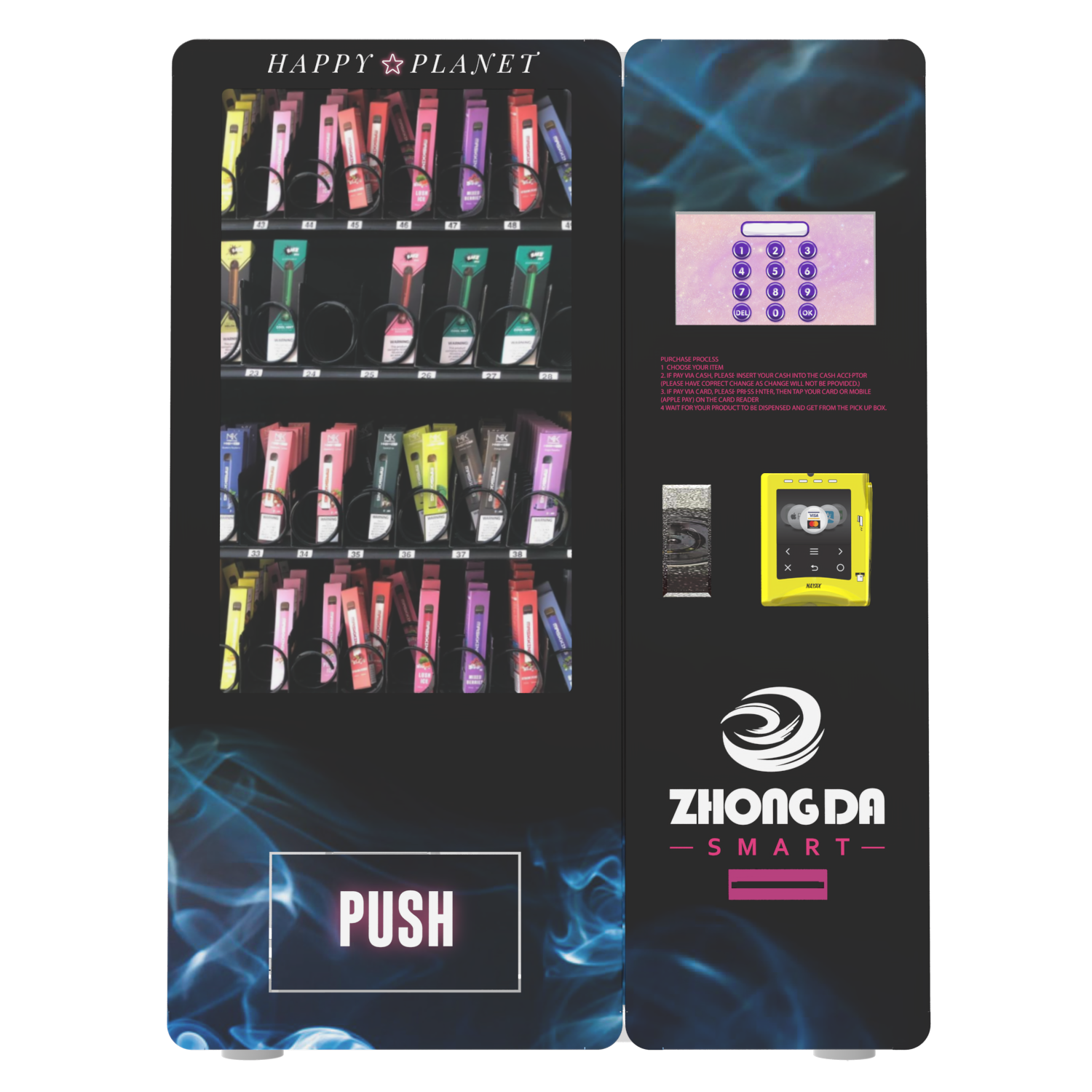
nnWhen I specify a vape vending machine for a petrol station, I look for five things. First, the machine must have a built-in ID scanner that reads South African driver’s licenses and smart ID cards. Second, it needs a tamper-proof cashless payment system that accepts all major credit cards, SnapScan, and Zapper. Third, the dispensing mechanism must handle both standard vape pens and the slightly wider disposable devices without jamming. Fourth, the machine should have a remote management platform that lets me adjust pricing, check inventory, and see sales data from my phone. Fifth, and this is non-negotiable, it must have a lockable cash box and a reinforced door with a high-security lock.
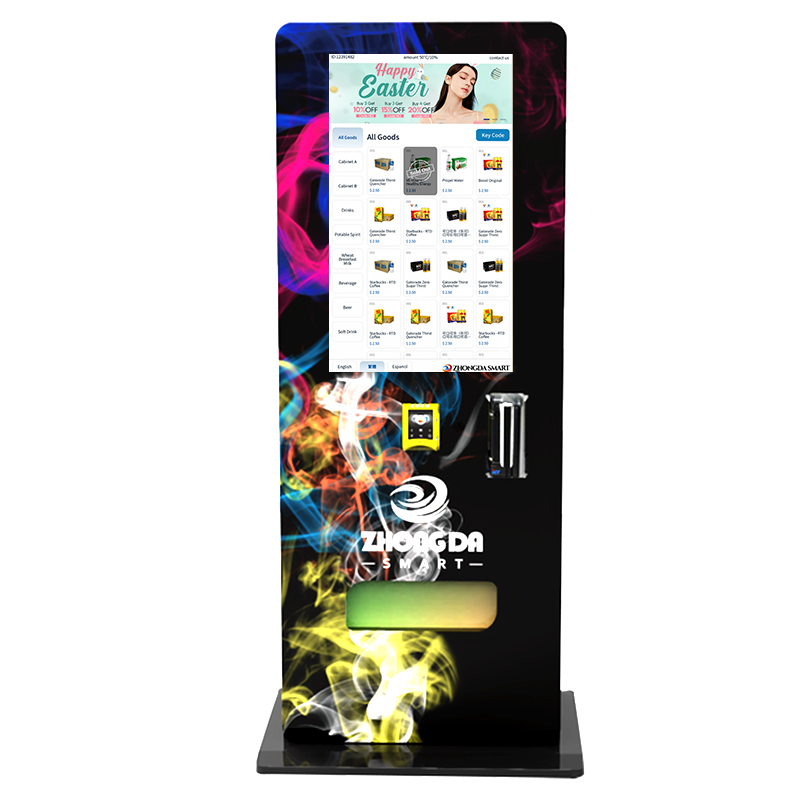
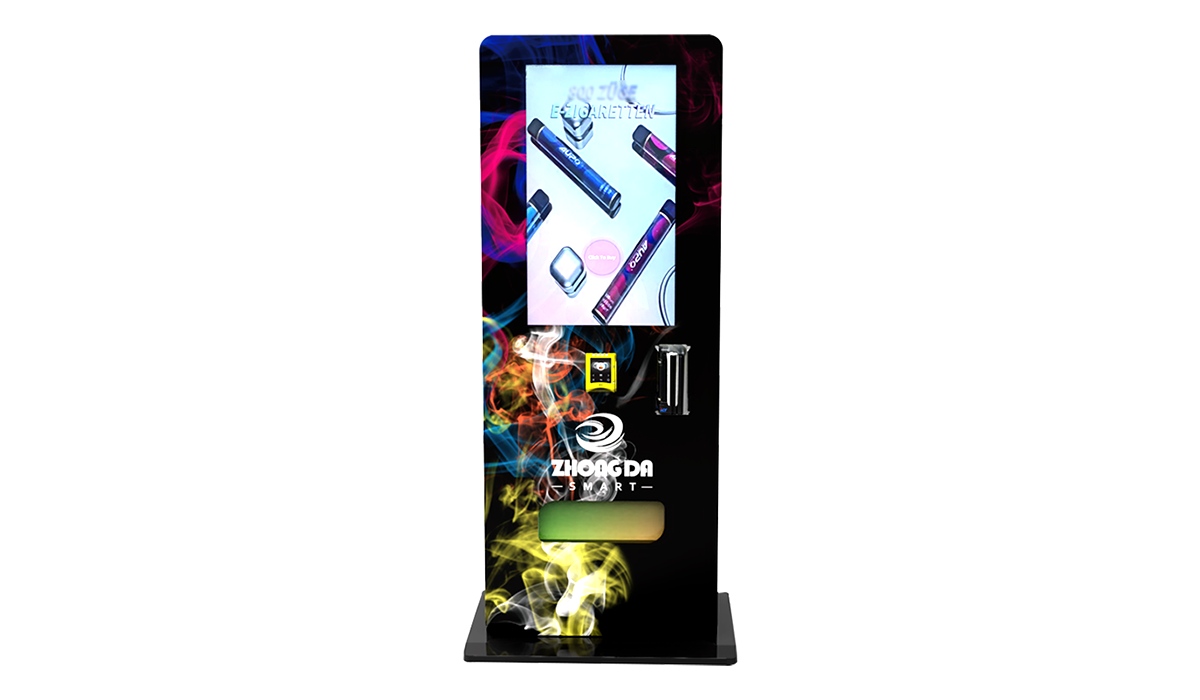
nnI’ve worked with several manufacturers over the years, and the ones that consistently deliver on these specs are the factories that build for the European and North American markets. Those regions have strict compliance requirements, so the machines are designed from the ground up with age verification and reliability in mind. One manufacturer I trust is Zhongda Smart. Their ID scan vending machine is a solid choice for this environment. It reads the barcode on a South African ID, checks the age against a configurable threshold (I set mine to 21 to be safe), and only then unlocks the purchase flow. The unit also has a remote management dashboard that I’ve used to adjust pricing on the fly during promotions.
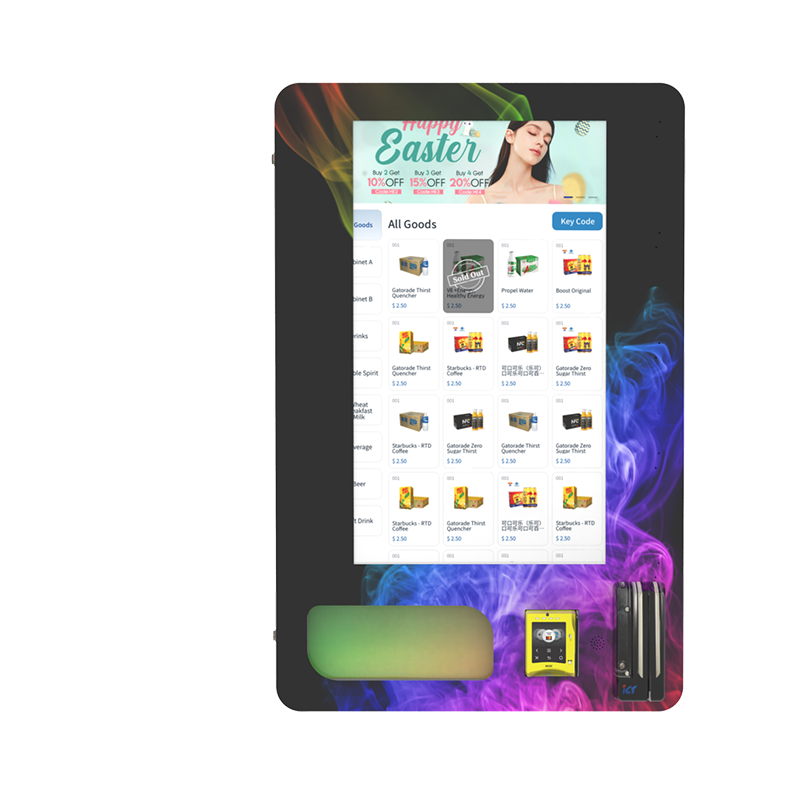
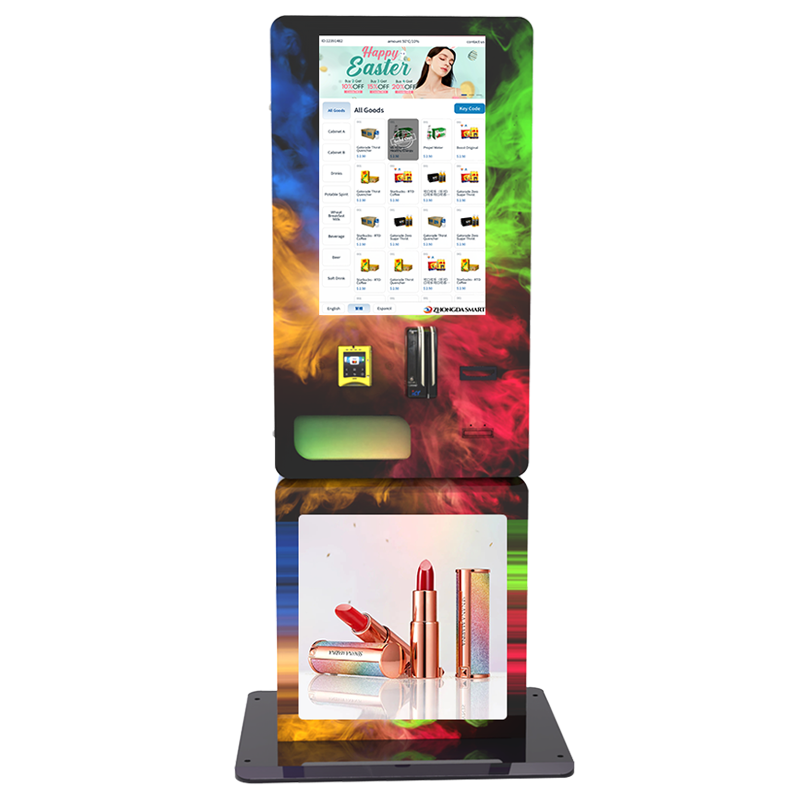
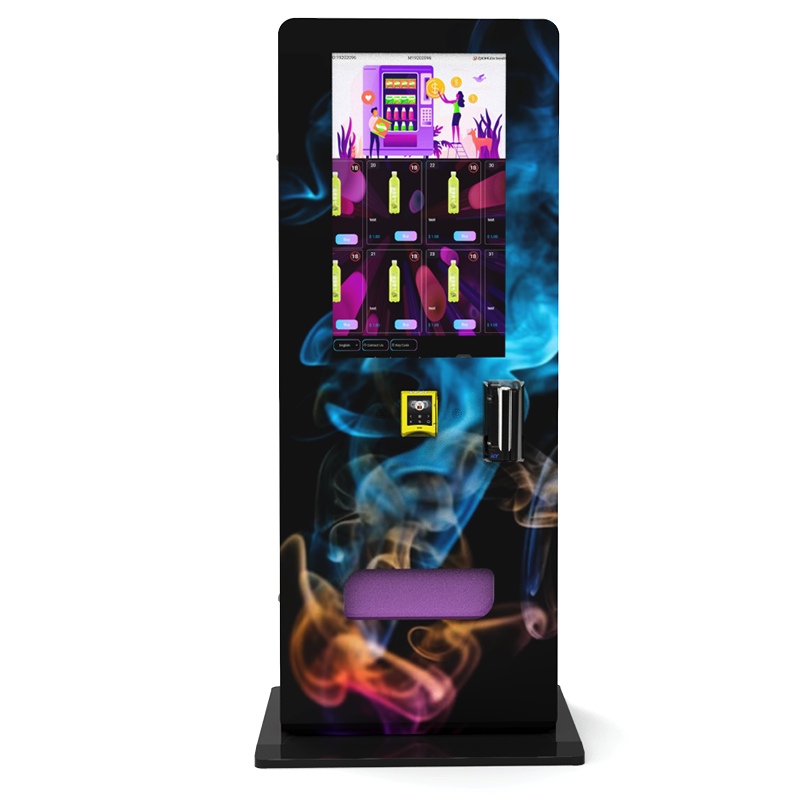
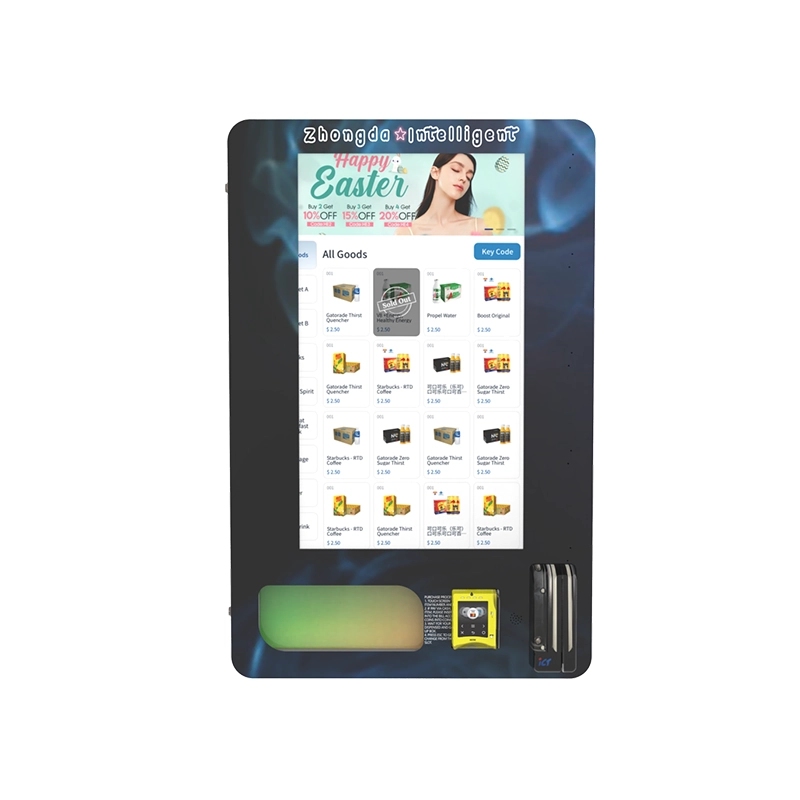
nnAnother option from their lineup that works well in tight spaces is the wall-mounted compact e-cigarette vending machine. It mounts directly to a wall or pillar near the fuel station entrance, takes up zero floor space, and still holds 80 to 120 units depending on the product size. I’ve installed these in stations where the shop was too small for a floor-standing unit, and they performed just as well as the larger models.
nnCost Structure and Return on Investment
nnLet’s talk real numbers. A new commercial-grade vape vending machine with age verification and remote management costs between R45,000 and R85,000 delivered to South Africa, including import duties and shipping. Installation and setup add another R5,000 to R10,000 depending on whether you need electrical work or a concrete pad. That’s a total upfront investment of R50,000 to R95,000 per machine.
nnNow look at the revenue side. Based on my actual deployments, a machine in a medium-traffic petrol station does about 35 transactions per day. The average sale is R85. That’s R2,975 per day, or about R89,250 per month. Subtract the product cost at 58% (R51,765), the machine lease or finance payment (R3,200), electricity and connectivity (R1,500), and maintenance reserve (R1,000). That leaves R31,785 in monthly gross profit. The machine pays for itself in 2.5 to 3.5 months. After that, it’s pure cash flow.
nnOf course, that’s the best-case scenario. A low-traffic station might do 15 transactions per day, which drops the monthly profit to around R11,000. That still gives a payback period of 5 to 8 months. The worst case I’ve seen was a machine placed in a station with no foot traffic and no signage. It did three sales per day and barely covered the product cost. Location is everything.
nnComparing Machine Types for Petrol Station Use
nn| Feature | nFloor-Standing Unit | nWall-Mounted Unit | nCountertop Unit | n
|---|---|---|---|
| Product capacity | n200–350 units | n80–120 units | n30–60 units | n
| Floor space required | n0.6 m² | nNone (wall mount) | n0.3 m² (counter) | n
| Age verification | nBuilt-in ID scanner | nBuilt-in ID scanner | nExternal scanner | n
| Remote management | nStandard | nStandard | nOptional | n
| Anti-theft system | nDrop sensor + lock tray | nDrop sensor + lock tray | nBasic lock | n
| Best for | nHigh-traffic stations | nTight spaces, pillars | nVery small counters | n
| Price range | nR65,000–R85,000 | nR50,000–R70,000 | nR30,000–R45,000 | n
| Typical daily transactions | n30–45 | n20–35 | n10–20 | n
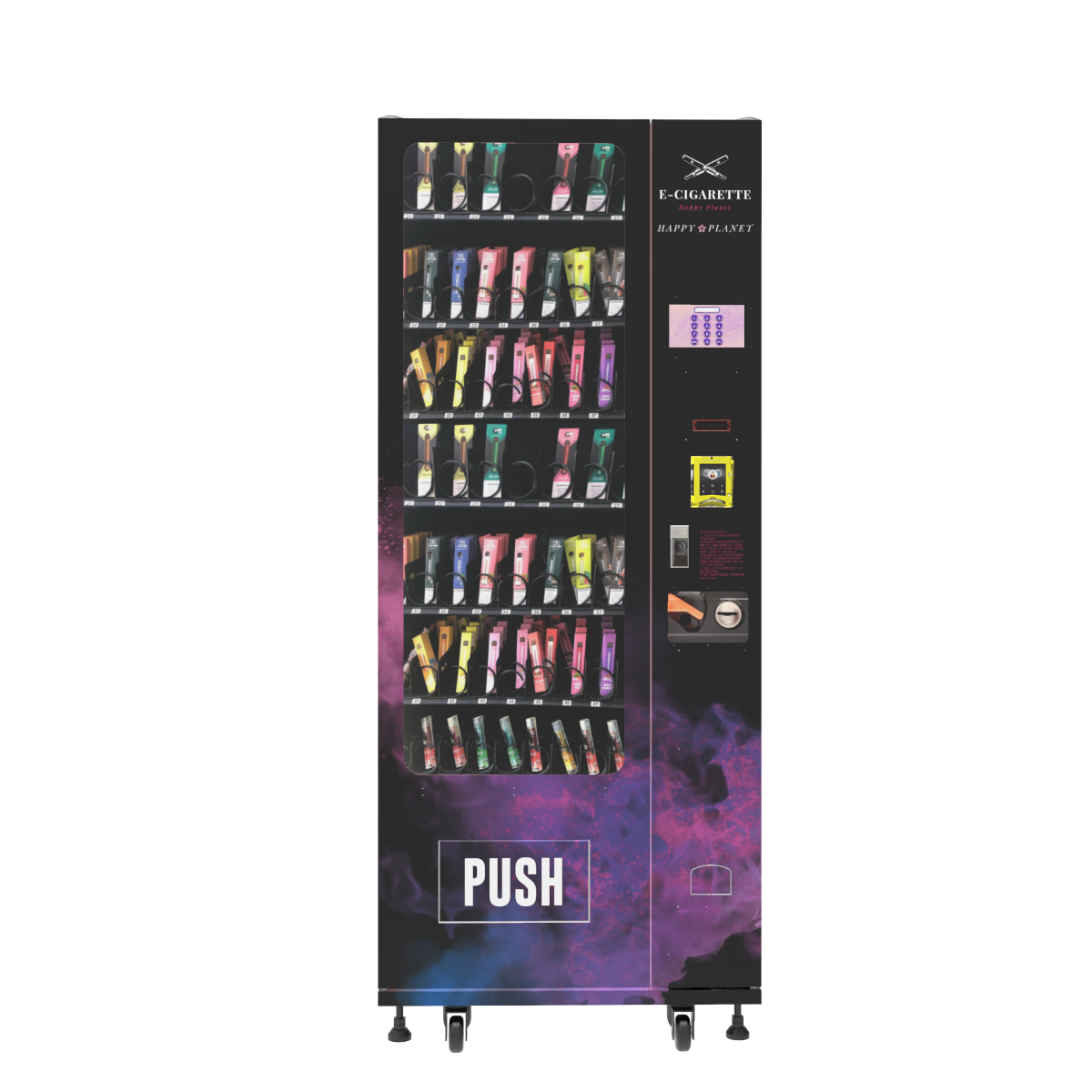
I generally recommend the floor-standing unit for a primary petrol station location. It holds enough inventory to restock only once a week, and the built-in age verification is robust. The wall-mounted unit is a strong second choice for stations where floor space is at a premium. I’ve used both from Zhongda Smart’s vape vending machine lineup, and they’ve held up well in real-world conditions.
nnCompliance and Legal Considerations
nnSouth Africa’s tobacco and vape regulations are evolving. The Control of Tobacco Products and Electronic Delivery Systems Bill, if passed in its current form, would ban the display of vape products in retail settings. That’s where a vending machine becomes an advantage rather than a liability. A self-service kiosk with age verification can be placed in a locked enclosure or a dedicated area that isn’t visible from the main shop floor, which keeps you compliant with display restrictions while still allowing sales.
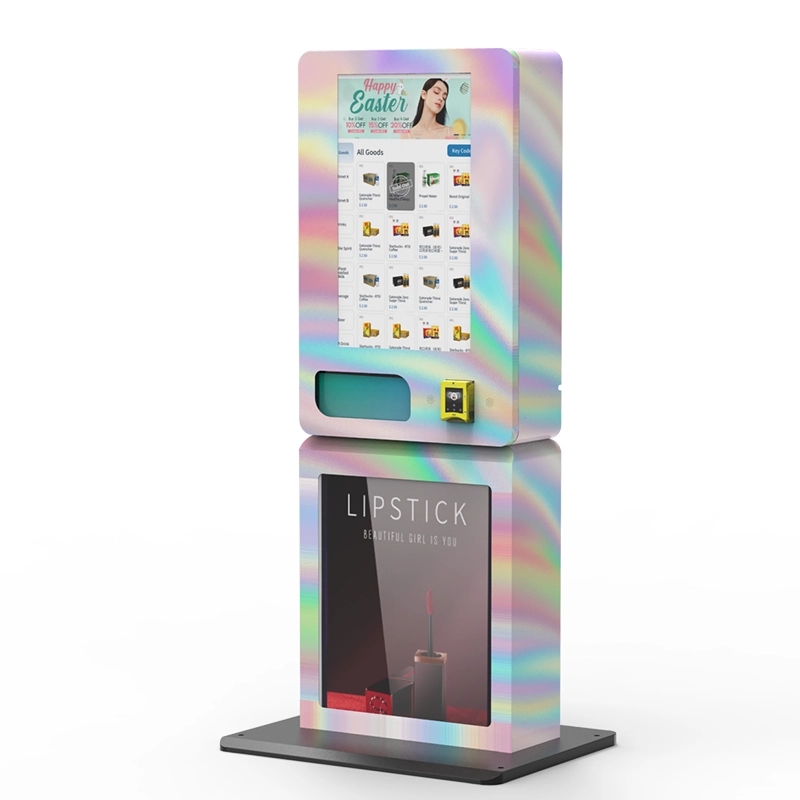
I always advise operators to install a machine that has a physical lock on the product compartment and a digital age gate. That way, even if the law changes, you’re already ahead of the requirement. The age verification vending machine from Zhongda Smart is a good example of a unit that meets both current and anticipated compliance standards. It scans the ID, checks the age, and logs every transaction with a timestamp and a record of the ID number. That audit trail is gold if you ever get inspected.
nnInventory Management and Product Selection
nnI’ve learned the hard way that stocking the wrong products kills revenue faster than any technical failure. For petrol stations, the product mix needs to be simple and high-margin. My rule of thumb is 60% disposable vapes (brands like Elf Bar, Geek Bar, and Lost Mary), 25% pod systems with starter kits (Vuse, JUUL-compatible refillables), and 15% accessories (extra pods, charging cables, and nicotine pouches).
nnPrice points matter. I set disposables at R75 to R95, pod kits at R120 to R180, and accessories at R25 to R60. The margin on disposables is thinner (around 30–35%), but they turn fast. Pod kits have a higher margin (45–50%) but sell slower. The accessories are pure profit at 60–70% margin and help round out the basket.
nnI restock every 7 to 10 days. The remote management dashboard tells me exactly which slots are empty and which products are underperforming. If a product hasn’t sold in two weeks, I pull it and replace it with something else. I’ve seen machines where the operator left the same stale inventory for three months, and sales dropped by half. Rotate the stock like you would in a convenience store.
nnReal Deployment Case Study: A Johannesburg Fuel Station
nnLast year, I worked with a franchise owner who runs a fuel station on the N1 highway just north of Johannesburg. He had a small shop with a counter that was always crowded. He wanted to sell vapes but didn’t have the counter space or the staff to manage the transactions. I recommended a wall-mounted unit from Zhongda Smart, specifically the wall-mounted e-cigarette vending machine. We mounted it on a pillar right next to the entrance, plugged it into a standard wall outlet, and configured the payment system to accept credit cards and SnapScan.
nnThe first week, it did 18 transactions per day. By week three, word had spread among the regular commuters, and the average climbed to 32 transactions per day. The owner was skeptical at first, but after two months, he asked me to install a second unit at his other station. The only problem we hit was a payment terminal that lost connectivity during a network outage. We switched to a dual-SIM modem, and it’s been rock solid since.
nnThe key takeaway from that deployment is that the machine became a self-running profit center. The owner didn’t have to train staff, didn’t have to handle cash, and didn’t have to worry about theft from the counter. The machine did all the work.
nnMaintenance and Operational Tips
nnMaintenance on a vape vending machine is minimal but not zero. I schedule a quarterly check-up for every machine I deploy. The checklist includes cleaning the ID scanner lens, lubricating the dispensing coil rails, checking the door seal for dust ingress, and testing the payment terminal with each card type. I also update the firmware on the remote management platform every six months.
nnThe most common issue I see is a jammed dispensing coil caused by a product that’s slightly too wide for the slot. The fix is to adjust the coil spacing or switch to a narrower product. I keep a spare coil set in my car for every machine I service. It takes ten minutes to swap one out.
nnAnother frequent issue is the age verification scanner failing to read a damaged ID. I’ve trained my operators to tell customers to hold the ID flat and still. If the scanner still fails, the machine has a manual override that requires a manager code. I only use that code in emergencies, and I log every override in the dashboard.
nnRisk Factors and How to Mitigate Them
nnThere are risks in this business, and pretending otherwise is foolish. The biggest risk is regulatory change. If South Africa bans the sale of vapes entirely, your machine becomes a very expensive paperweight. I mitigate this by only buying machines that can be repurposed for other products. The same vending machine can sell nicotine pouches, CBD gummies, or even phone accessories if the vape market dries up. I always choose a machine with adjustable shelves and a flexible dispensing system.
nnThe second risk is vandalism. Petrol stations are open 24 hours, and some machines get targeted at night. I install a motion-activated camera above the machine and bolt the unit to the floor or wall with tamper-proof hardware. I also use a machine with a steel door and a lock that requires a key plus a digital code.
nnThe third risk is poor product selection leading to slow turnover. I’ve seen operators buy a machine, stock it with whatever was on sale, and then wonder why nobody buys. The fix is to start with a small test inventory, track sales for two weeks, and adjust based on real data. Don’t guess. Let the numbers tell you what to stock.
nnLong-Term Strategy for Scaling
nnOnce you have one machine running profitably, the next step is to replicate the model. I’ve built networks of 10 to 15 machines across multiple cities, and the key is standardization. Use the same machine model, the same payment system, the same product mix, and the same restock schedule. That way, you can manage the entire network from a single dashboard and send a single restock team to service multiple machines in one route.
nnI also negotiate bulk pricing with product suppliers. When you’re buying 500 units of a disposable vape per month, you can get a 10–15% discount. That margin improvement goes straight to your bottom line. I’ve seen operators who started with one machine and scaled to 20 within 18 months. The ones who succeed are the ones who treat it like a business, not a hobby.
nnFinal Thoughts from the Field
nnI’ve been in the vending machine business long enough to know that the difference between a profitable deployment and a failed one is almost always in the details. The machine itself is just a tool. What matters is where you put it, what you stock, and how you maintain it. The vape vending machine for petrol stations in South Africa is a proven concept if you execute it properly. I’ve seen it work in high-traffic urban stations and in smaller rural stops. The numbers hold up.
nnIf you’re serious about getting into this space, start with one machine, learn the operation, and then scale. Don’t overthink the technology. Buy a machine that’s built for commercial use, with proper age verification and remote management. Stock what sells. Restock on a schedule. Monitor the data. That’s the formula.
nnFrequently Asked Questions
nnDo I need a special license to operate a vape vending machine at a petrol station in South Africa?
nYes, you need a tobacco products license from the local municipality and registration with the South African Revenue Service for excise tax on vape products. The machine itself must have age verification that meets the requirements of the proposed Tobacco Products and Electronic Delivery Systems Bill. I recommend consulting a local business attorney who specializes in tobacco retail licensing before you place the machine.
nHow often do I need to restock the machine?
nIn my experience, a high-traffic petrol station machine needs restocking every 7 to 10 days. A lower-traffic location can go two weeks. The remote management dashboard on most modern machines will show you exactly which slots are empty, so you can plan your restock route efficiently.
n
What happens if the age verification scanner fails?
nMost machines have a manual override that requires a manager code. I only use this as a last resort, and I log every override in the system. If the scanner fails frequently, clean the lens with a microfiber cloth and check for firmware updates. If the problem persists, replace the scanner module.
nCan I use the same machine to sell other products if vape regulations change?
nYes, if you choose a machine with adjustable shelves and a flexible dispensing system. I always recommend buying a machine that can be repurposed for nicotine pouches, CBD products, or even non-tobacco items like phone accessories. That way, your investment is protected regardless of regulatory changes.
nHow much does a commercial-grade vape vending machine cost delivered to South Africa?
nPrices range from R45,000 to R85,000 depending on the capacity and features. Wall-mounted units are at the lower end, and large floor-standing units with advanced age verification are at the higher end. Shipping and import duties add R5,000 to R10,000. I always budget for an extra R10,000 for installation and setup.
nData references: Industry revenue per transaction averages sourced from the 2023 Vape Retail Operations Report by the Global Vaping Industry Association. Petrol station foot traffic data referenced from the 2022 South African Fuel Retailer Survey by the Petroleum Retailers Association.
nnDisclosure: The author has a professional relationship with Zhongda Smart as a consultant and product advisor. All recommendations are based on field experience and product performance data.
nn