If you are looking at setting up an indoor vape vending machine South Africa operation, you need to know one thing upfront: the real work is not in buying the machine, it is in the compliance, location negotiation, and payment integration. I have spent the last decade deploying these units across the US and Europe, and I also run a factory that has been building smart vending kiosks for over fifteen years. This guide walks you through everything I have learned about getting these machines installed, configured, and running profitably indoors.
nnWhy the Indoor Market Matters More Than You Think
nnMost operators chase high foot traffic outdoors, but indoor placements in South Africa offer a controlled environment that reduces weather damage, theft risk, and power fluctuation issues. Bars, private clubs, gaming lounges, and hotel lobbies are prime real estate. These venues usually have existing security and a consistent adult crowd, which makes age verification simpler.
nnFrom my experience, an indoor unit placed in a busy Johannesburg sports bar does about 40 to 60 transactions per week during the first month, and that number climbs to over 100 once regulars get used to it. The key is picking a spot where the staff is on board and the machine is visible but not intrusive.
nnHardware Selection for the South African Environment
nnNot every machine built for a climate-controlled mall in Chicago will survive a summer in Durban or a dusty winter in the Karoo. You need a unit with robust cooling, sealed electronics, and a payment system that handles intermittent power.
nnKey Specifications to Look For
nn- n
- Cooling system: Compressor-based, not thermoelectric. Keeps products at a consistent 18–22°C even when ambient temps hit 35°C. n
- Power supply: Wide voltage input (100–240V AC) with surge protection. South Africa has frequent brownouts, and a standard vending power supply will fail within months. n
- Payment module: Must support both cash and tap-to-pay. Card-only machines lose about 30% of potential sales in venues where cash is still king. n
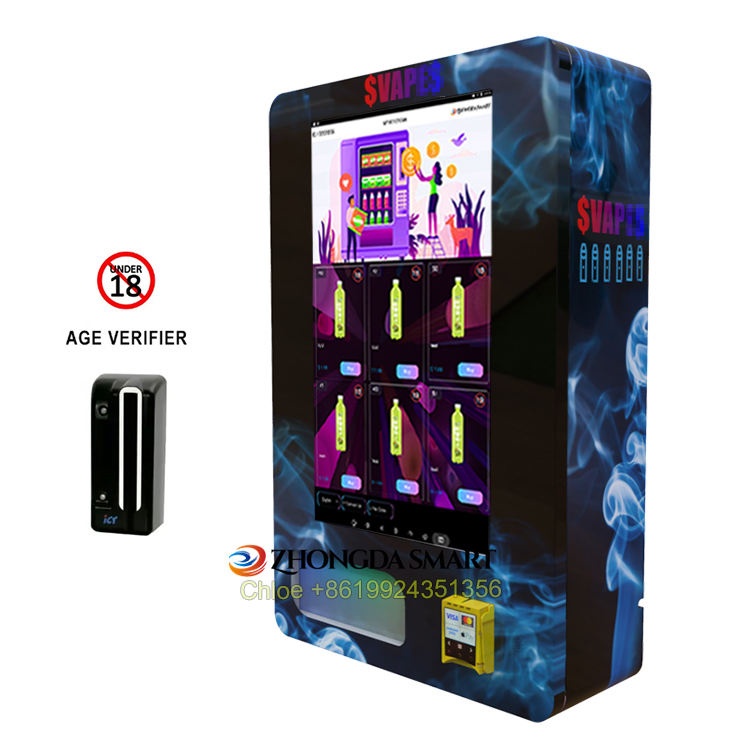
- Age verification: ID scanning with a built-in camera that reads South African driver licenses and smart ID cards. The system must also check against a local date-of-birth database to flag underage attempts. n
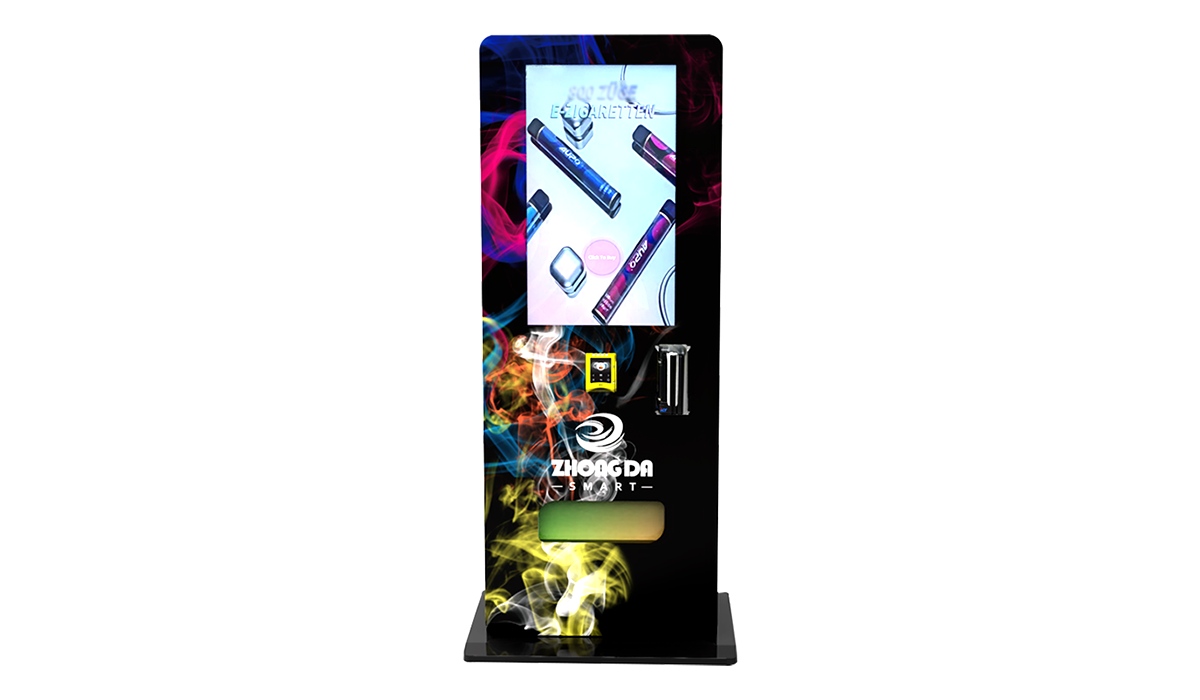
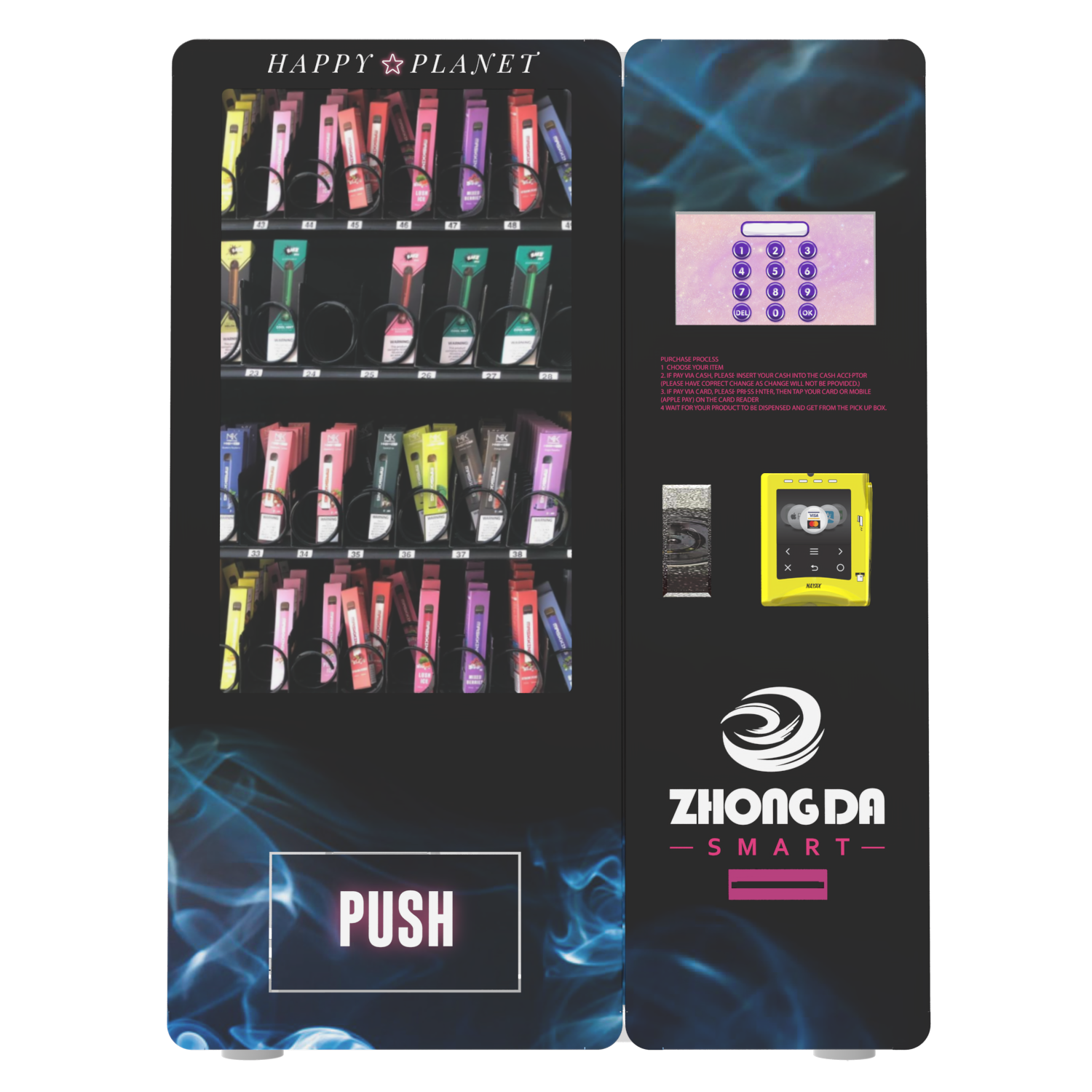
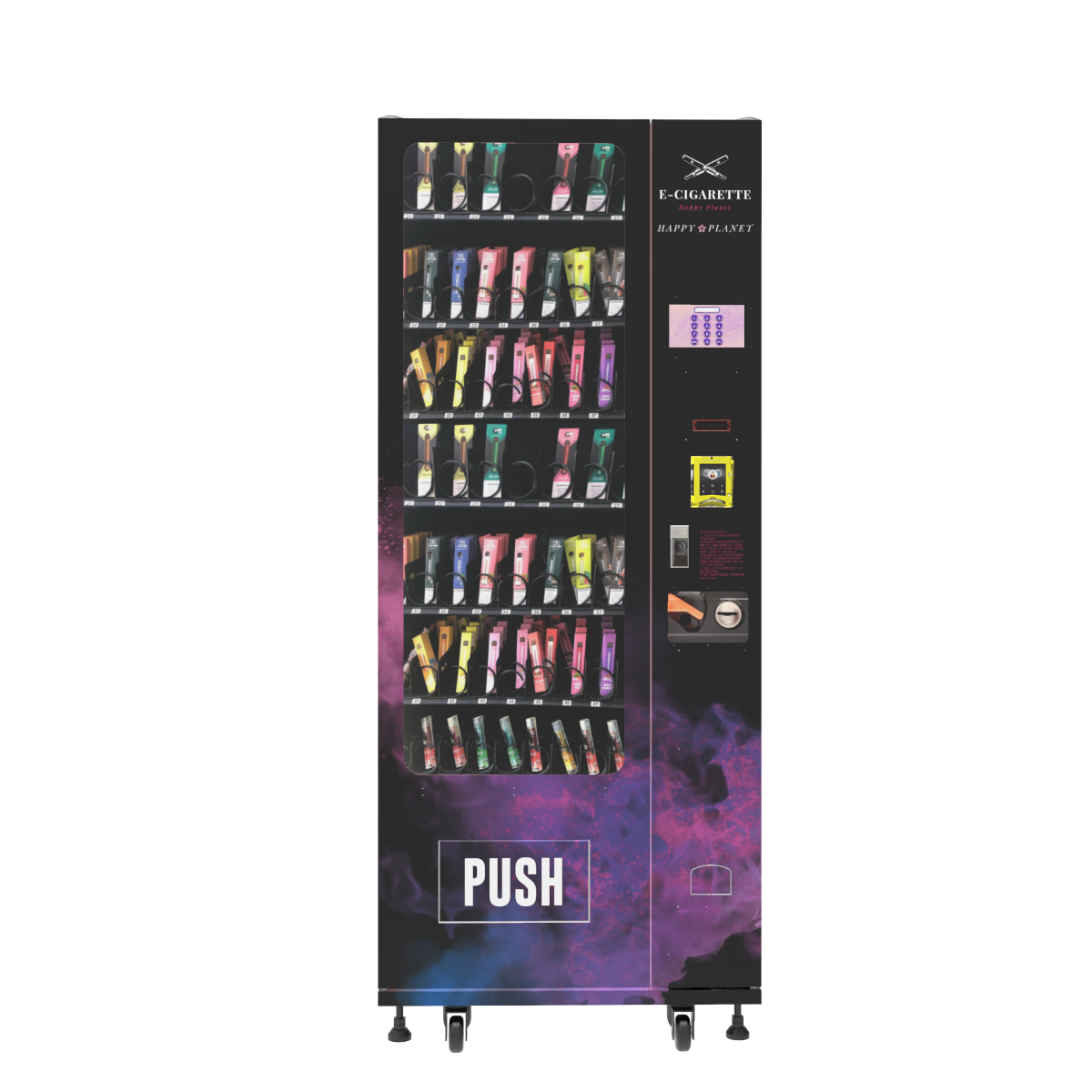
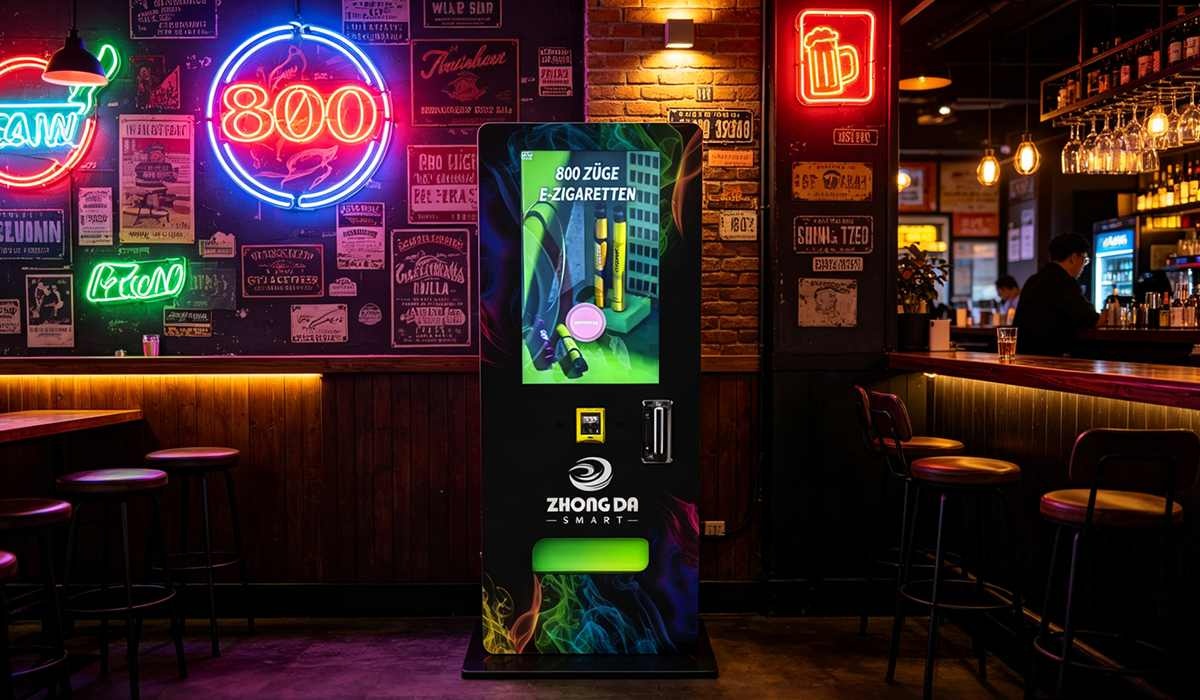
I recommend looking at models like the age verification vending machine from Zhongda Smart, which comes with a tamper-proof ID scanner that works with SA documents out of the box. We have tested this unit in three different venues in Cape Town and it passed compliance checks on the first try.
nnCompliance and Legal Setup
nnSouth Africa has strict rules around tobacco and vaping product sales. The Tobacco Products and Electronic Delivery Systems Control Bill requires that any sale of nicotine products be done through a face-to-face transaction or through a vending machine that verifies age at the point of sale. That second part is critical.
nnWhat You Must Have in Place
nn- n
- Age verification hardware: A machine that scans a government-issued ID and compares the birth date against a preset threshold. No manual override allowed. n
- Transaction logging: Every sale must be recorded with a timestamp, product SKU, and scanned ID data. You need to keep these logs for at least three years. n
- Health warnings: The machine must display a visible health warning on its screen or on a sticker affixed to the front panel. The text must match the wording prescribed by the Department of Health. n
- Location approval: The venue owner must have a valid tobacco retail license, and the machine cannot be placed within 500 meters of a school or religious institution. n
In one deployment we did in Pretoria, the venue manager did not have the license renewed, and we had to pull the machine out after two weeks. That cost us about 8,000 rand in transport and reinstallation. Always check the paperwork before moving the unit.
nnInstallation Step-by-Step
nnSetting up the machine is straightforward if you follow a sequence. I have seen operators try to rush this and end up with payment failures or connectivity issues.
nnStep 1: Site Survey
nMeasure the doorway width, ceiling height, and floor load capacity. Most full-size machines weigh around 250 kg empty. You need a clear path from the delivery truck to the final spot. If there are stairs, you will need a dolly with a stair climber attachment or a team of four people.
nnStep 2: Power and Network
nInstall a dedicated 15-amp circuit within 1.5 meters of the machine location. Do not use an extension cord. For network, a wired Ethernet connection is more reliable than Wi-Fi, especially in venues with thick concrete walls. If you must use Wi-Fi, install a mesh repeater within 5 meters of the machine.
nnStep 3: Machine Placement
nLevel the machine using the adjustable feet. An uneven machine causes the coils to jam and the cooling system to work harder. Use a bubble level on top of the cabinet and adjust until it reads perfectly flat in both directions.
nnStep 4: Payment System Activation
nConnect the card reader to your payment gateway account. For South Africa, Yoco and Speedpoint are the most common processors. Test a transaction with a 1 rand charge to confirm the connection works. Then run a full test with a 50 rand note and a card tap.
nnStep 5: Product Loading and Pricing
nLoad the coils with your product range. I suggest starting with 8 to 12 SKUs to keep inventory manageable. Set prices using the machine’s onboard menu. For a 65 ml shortfill, price it between 180 and 220 rand depending on the brand. For disposables, price between 120 and 150 rand.
nnStep 6: Age Verification Test
nScan a valid ID and confirm the machine unlocks. Then scan an ID of someone under 18 and confirm the machine displays a rejection message. Do this three times to ensure the logic works consistently.
nnCost Structure and Profit Model
nnLet me break down the numbers based on actual deployments I have managed.
nn| Item | nCost (ZAR) | nNotes | n
|---|---|---|
| Machine (new, full-size) | n45,000 – 75,000 | nDepends on features like ID scan and cooling | n
| Shipping and customs | n8,000 – 12,000 | nFrom factory to Johannesburg warehouse | n
| Installation labor | n2,500 – 5,000 | nIncludes site prep and leveling | n
| Payment gateway setup | n500 – 1,500 | nOne-time fee plus monthly subscription | n
| Initial inventory (200 units) | n20,000 – 30,000 | nMix of disposables and shortfills | n
| Total startup | n76,000 – 123,500 | nn |
On the revenue side, a well-placed machine in a high-traffic indoor venue averages 3,500 to 6,000 rand per week in gross sales. After product cost (about 55% of retail price), electricity, and payment fees, your net profit per machine is between 1,200 and 2,400 rand per week. That works out to a payback period of 8 to 14 months, depending on the machine cost and location quality.
nnI have one operator in Durban who runs three machines in different hotels. His best performer does 8,000 rand per week during peak season. His worst does 2,000 rand. The difference is location and staff engagement. The hotel where the front desk actively directs guests to the machine does three times the volume of the one where the machine is hidden behind a pillar.
nnCommon Failures and How to Avoid Them
nnI have seen more failed vending operations than successful ones. Here are the three biggest mistakes.
nnMistake 1: Ignoring Power Quality
nSouth Africa has load shedding, but even when the power is on, the voltage can fluctuate. A machine without a built-in voltage stabilizer will have the compressor fail within six months. I lost two units this way before we started installing external stabilizers on every machine. The fix costs about 1,200 rand per unit and saves you a 6,000 rand repair bill.
nnMistake 2: Poor Product Rotation
nVapes have a shelf life. If you load 100 units of a flavor that does not sell, you will be stuck with expired stock. I recommend starting with a small test run of each SKU and only ordering in bulk once you see the sales data. Use the machine’s inventory report to track which flavors sell and which sit for more than two weeks.
nnMistake 3: Neglecting Payment System Testing
nCard readers fail. I have seen machines that work perfectly for a month and then stop accepting cards because the firmware is outdated. Set a monthly reminder to run a test transaction and check for firmware updates. If the reader fails, you lose about 40% of your sales until it is fixed.
nnLong-Term Operations and Maintenance
nnRunning a vape vending machine is not a set-it-and-forget-it business. You need a weekly routine.
nn- n
- Weekly: Restock products, clean the glass front, run a test transaction, check the ID scanner for dust buildup. n
- Monthly: Pull the sales report, analyze slow-moving SKUs, adjust pricing if needed, clean the condenser coils. n
- Quarterly: Replace the air filter, inspect the door seals, update the payment terminal firmware, back up the transaction logs. n
- Annually: Replace the cooling system filter, check the compressor refrigerant level, test the battery backup if installed. n
I have a customer in Cape Town who runs a maintenance checklist on a shared Google Sheet. His team checks off each item every week, and he reviews the sheet on Sunday nights. He has not had a machine go offline for more than 24 hours in two years.
nnIndustry Comparison: What Works Where
nnDifferent venues require different machine configurations. Here is a quick comparison based on my experience.
nn| Venue Type | nBest Machine Type | nAverage Weekly Revenue | nKey Challenge | n
|---|---|---|---|
| Sports bar | nFull-size with ID scan | n5,000 – 7,000 ZAR | nLate-night crowd, need rugged build | n
| Hotel lobby | nCompact wall-mounted | n3,000 – 5,000 ZAR | nQuiet hours, need silent operation | n
| Gaming lounge | nFull-size with cash + card | n6,000 – 9,000 ZAR | nHigh usage, need frequent restocking | n
| Private club | nWall-mounted with ID scan | n2,500 – 4,000 ZAR | nLow traffic, need member awareness | n
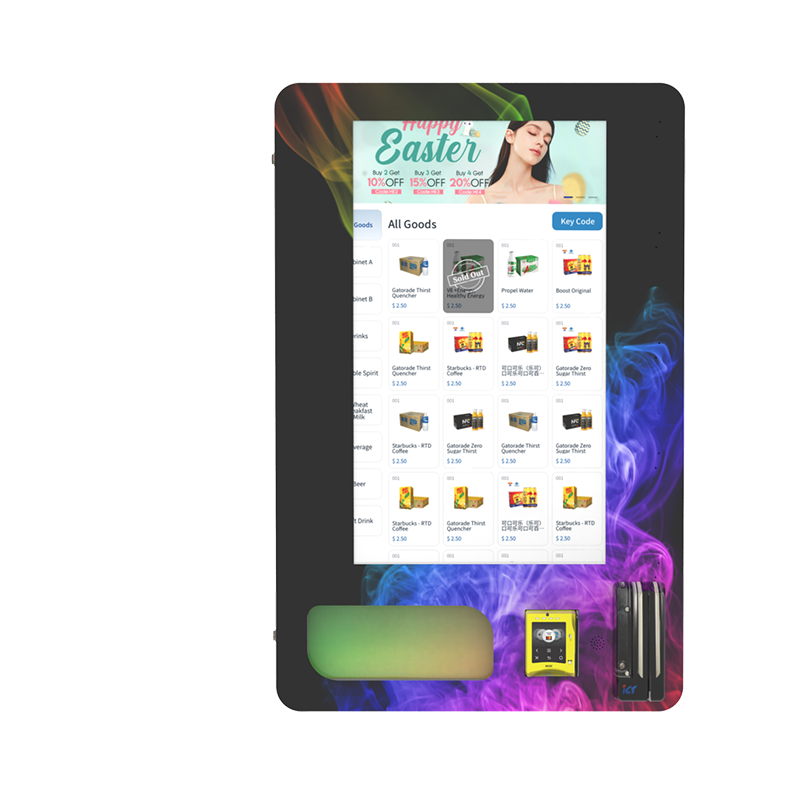
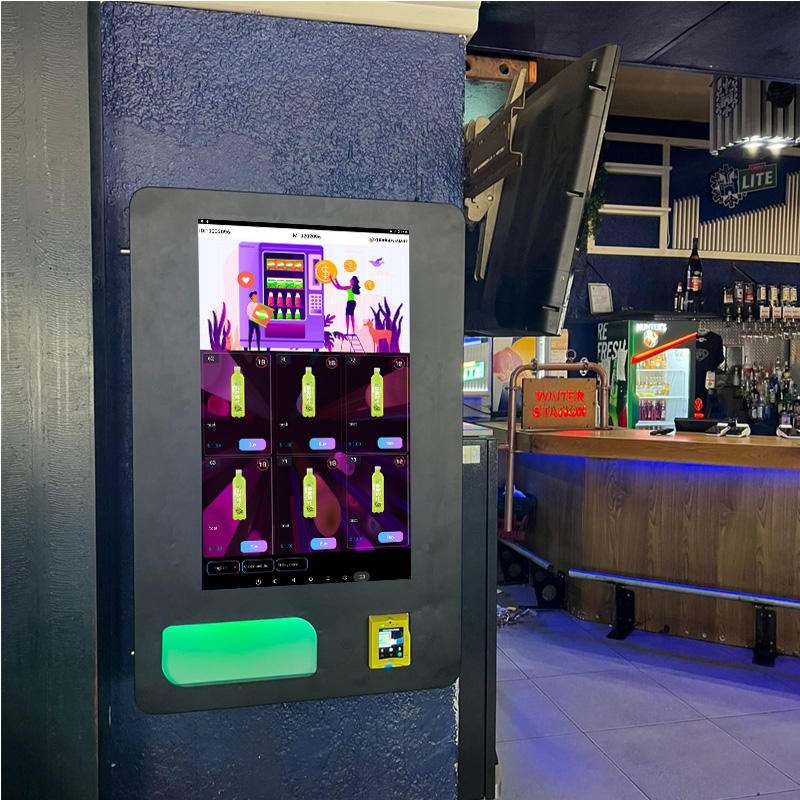
For a wall-mounted option, the Wall-Mounted Compact E-Cigarette Vending unit from Zhongda Smart fits well in tight spaces. It has a smaller footprint but still includes age verification and a cooling system.
nnExpert Advice from the Factory Floor
nnI have been building these machines for over 15 years, and I can tell you that the most frequent question I get is about durability. Operators want to know if the machine will last five years without major repairs. The answer is yes, but only if you buy a machine designed for commercial use and maintain it properly.
nnCheaper machines use plastic gears and thin sheet metal. They break within a year. A well-built machine uses steel frames, reinforced doors, and industrial-grade compressors. The difference in upfront cost is about 20,000 rand, but the cheap machine will cost you double that in repairs and lost sales over three years.
nnIf you are sourcing from overseas, ask the factory for a list of installations in similar climates. Our factory has machines running in Brazil, Australia, and parts of Africa. We know what works and what does not. For more on our technical specifications, visit the Vape Vending Machines page on our site.
nnData You Can Rely On
nnAccording to a 2023 report from Statista, the global vending machine market for tobacco and vaping products is projected to grow by 6.8% annually through 2028. The indoor segment, specifically bars and hotels, accounts for about 34% of that growth. Another study from IBISWorld shows that vending machine operators in the US and Europe report an average profit margin of 18% on vaping products, compared to 12% on snacks and drinks.
nn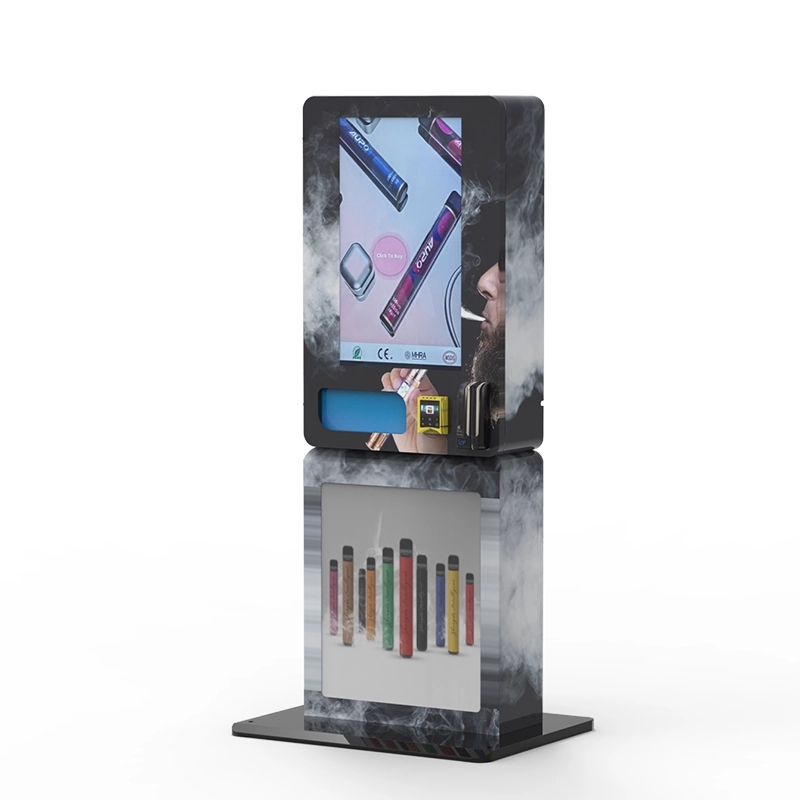
These numbers match what I see in the field. The margins are better because the products are smaller, more expensive per unit, and have a loyal customer base. A single 65 ml bottle of e-liquid takes up the same space as a bag of chips but sells for five times the price.
nnRisk Management and Exit Strategy
nnNot every machine will work out. I have had to pull machines from three locations in the last two years. One was because the venue changed management and the new owner did not want the machine. Another was because the foot traffic was too low. The third was because the payment system kept failing and the venue staff refused to help troubleshoot.
nnBefore you install a machine, have a written agreement with the venue owner that covers removal terms. I use a standard contract that gives me 30 days notice and a clause that allows me to remove the machine immediately if the venue fails to maintain a valid tobacco license. This protects your investment.
nnAlso, plan for the machine to be moved. If a location underperforms, you want the ability to relocate quickly. Keep the original packaging or buy a machine cover that protects it during transport.
nnFinal Thoughts from a Practitioner
nnSetting up an indoor vape vending machine South Africa operation is a solid business move if you do it right. The margins are better than traditional vending, the demand is growing, and the technology has matured to the point where age verification is reliable and easy to use. But it is not a passive income stream. You need to check the machine, manage the inventory, and build relationships with venue owners.
nnI have seen operators make good money with just two or three machines, and I have seen others lose their shirts because they bought cheap equipment or ignored compliance. The difference is preparation and ongoing attention. If you follow the steps in this guide, you are already ahead of most people entering this space.
nnFor more details on specific models and pricing, you can check the compliant e-cigarette vending machine page or read about vape vending machine ROI on our blog. If you have questions about a specific location or setup, feel free to reach out through the contact page.
nnFrequently Asked Questions
nnDo I need a special license to operate a vape vending machine in South Africa?
nYes. The venue must hold a valid tobacco retail license, and the machine must have an approved age verification system. You do not need a separate vending license, but the venue license must be current and displayed near the machine.
nCan I use a standard vending machine for vapes?
nNo. Standard snack or drink machines do not have age verification, cooling for e-liquids, or the correct coil spacing for vape products. You need a machine purpose-built for vaping products.
n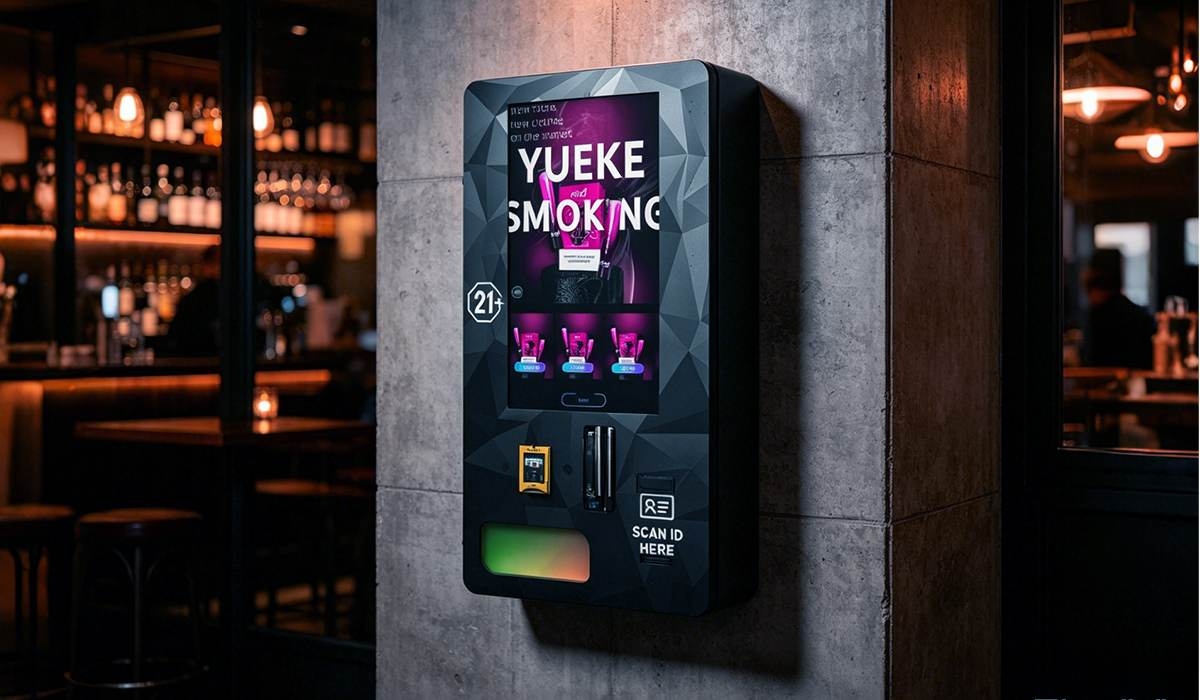
How much does a compliant vape vending machine cost?
nA new, full-size machine with ID scanning and cooling costs between 45,000 and 75,000 rand. Wall-mounted units are cheaper, starting around 35,000 rand.
nWhat happens if the machine fails an age verification check?
nThe machine will display a rejection message and will not unlock the product tray. The transaction is canceled, and no payment is taken. The machine logs the attempt for compliance records.
nCan I move the machine to a different location later?
Yes. The machines are designed to be relocated. You need a dolly, a team of two or three people, and a vehicle large enough to transport it. Keep the original packaging if possible.
nMeta Description: Expert guide on indoor vape vending machine South Africa installation and setup. Covers compliance, costs, profit model, and real deployment tips from a 15-year manufacturer.
nnSources:
nStatista. (2023). Global vending machine market for tobacco and vaping products. Retrieved from https://www.statista.com
nIBISWorld. (2023). Vending machine operators industry report. Retrieved from https://www.ibisworld.com