If you’re serious about getting into the automated retail space for nicotine products, the first number you need to lock in is the vape vending machine cost. After a decade of deploying these units across the U.S. and Europe, I can tell you that the price tag isn’t just about the hardware. It’s about compliance modules, payment integration, and the software that keeps you legal. A solid, compliant machine typically lands between $3,500 and $8,500, but the real story is what happens after you swipe the credit card. This guide breaks down the actual pricing tiers, the hidden operational costs, and the realistic return on investment based on real deployments, not manufacturer hype.
The Real Price Tag: What You’re Actually Paying For
When operators ask me about the cost of a smart vending machine for vapes, they’re usually surprised that the base unit is only half the story. I’ve seen too many people buy a cheap machine off a classifieds site and then spend double retrofitting it with age verification. Let’s break down where your money goes.
Hardware Tiers and Configurations
The market isn’t one-size-fits-all. You have three distinct tiers based on capacity and features:
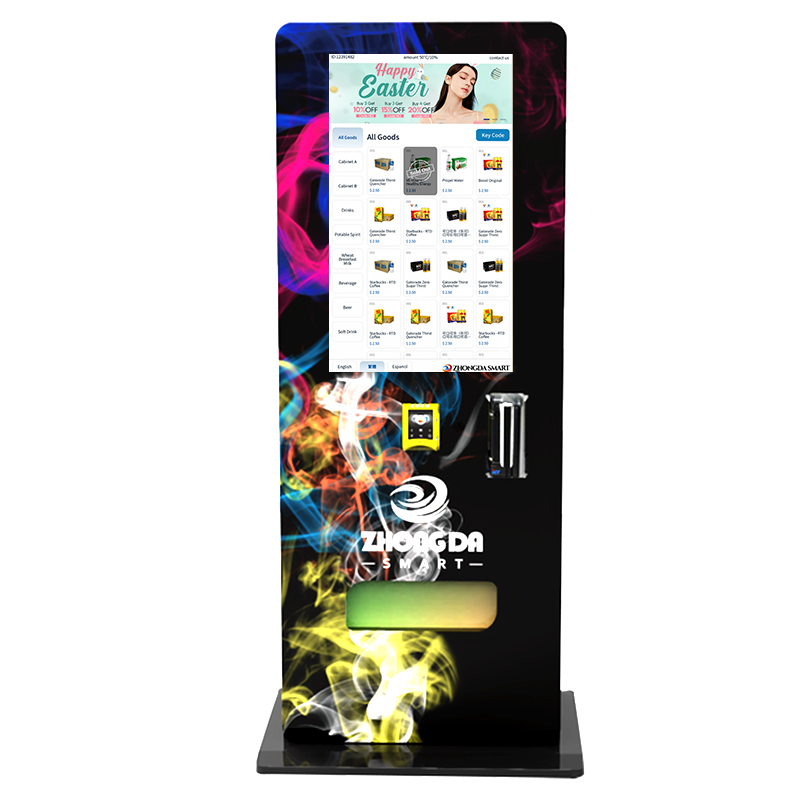
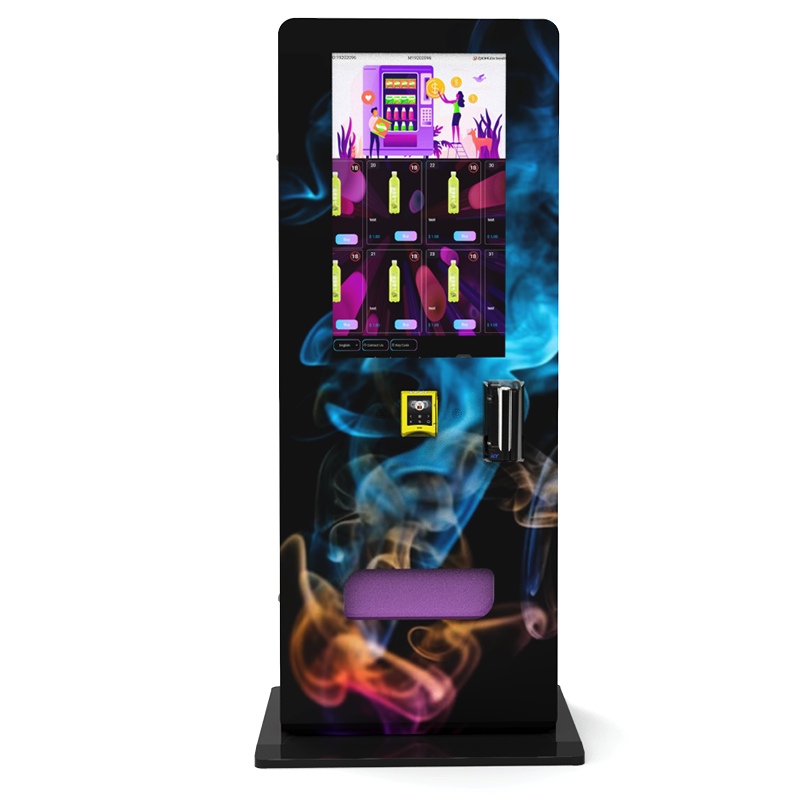
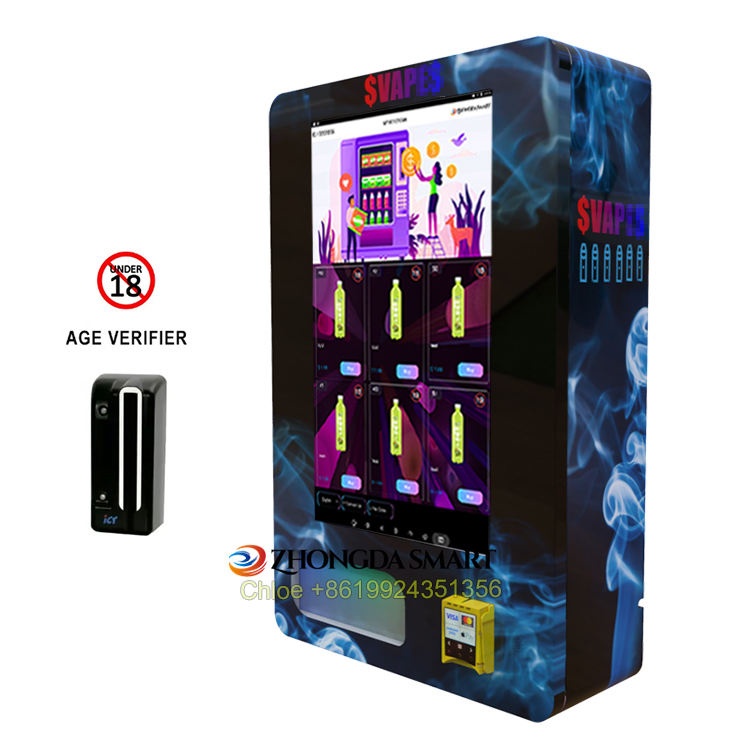
- Entry-Level Compact Units (Wall-Mounted): These run between $2,800 and $4,500. They hold 100 to 200 units. Perfect for a bar counter or a small lounge. The trade-off is limited inventory and usually a smaller screen. I’ve used units like the Wall-Mounted Compact E-Cigarette Vending Machine in tight spaces where floor real estate is gold.
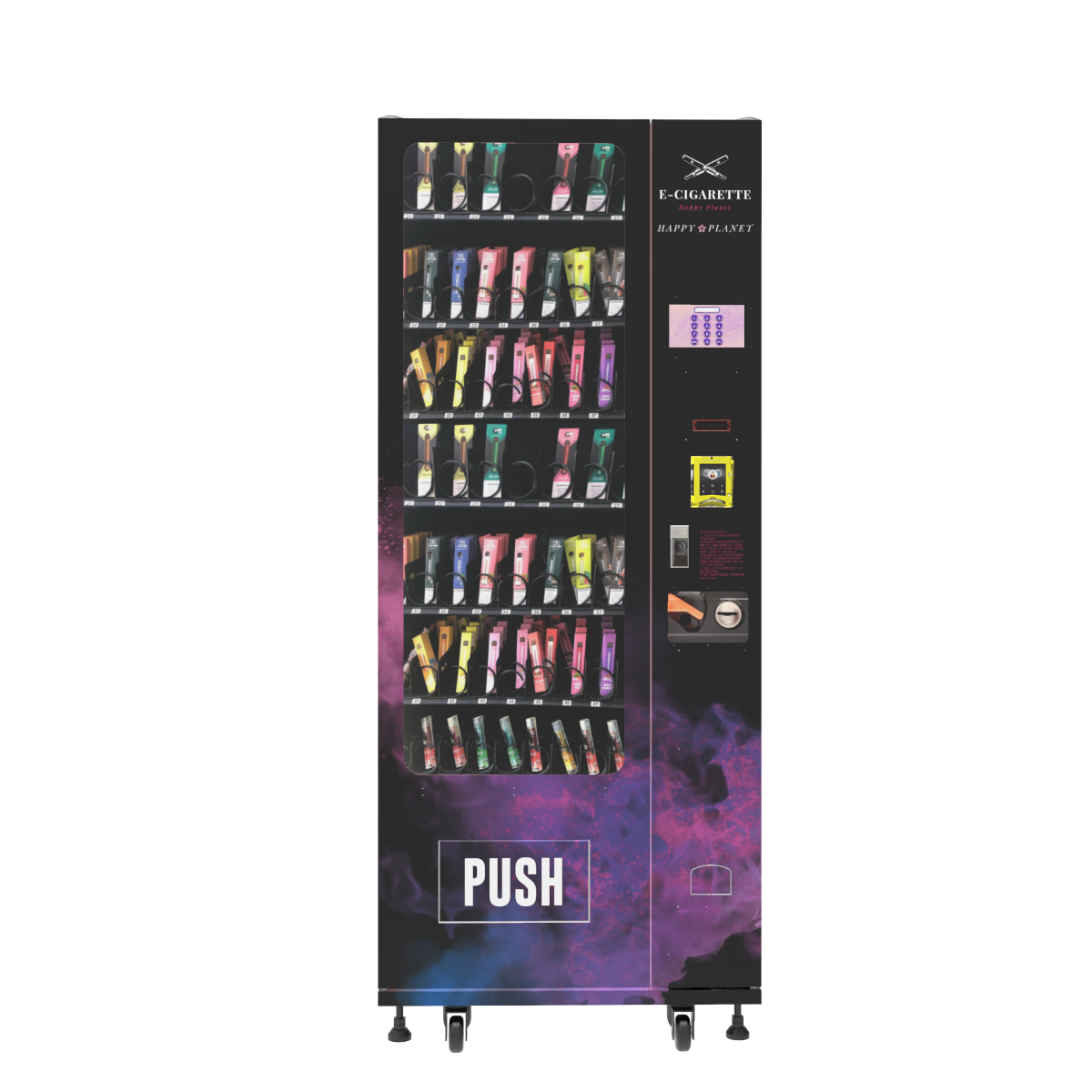
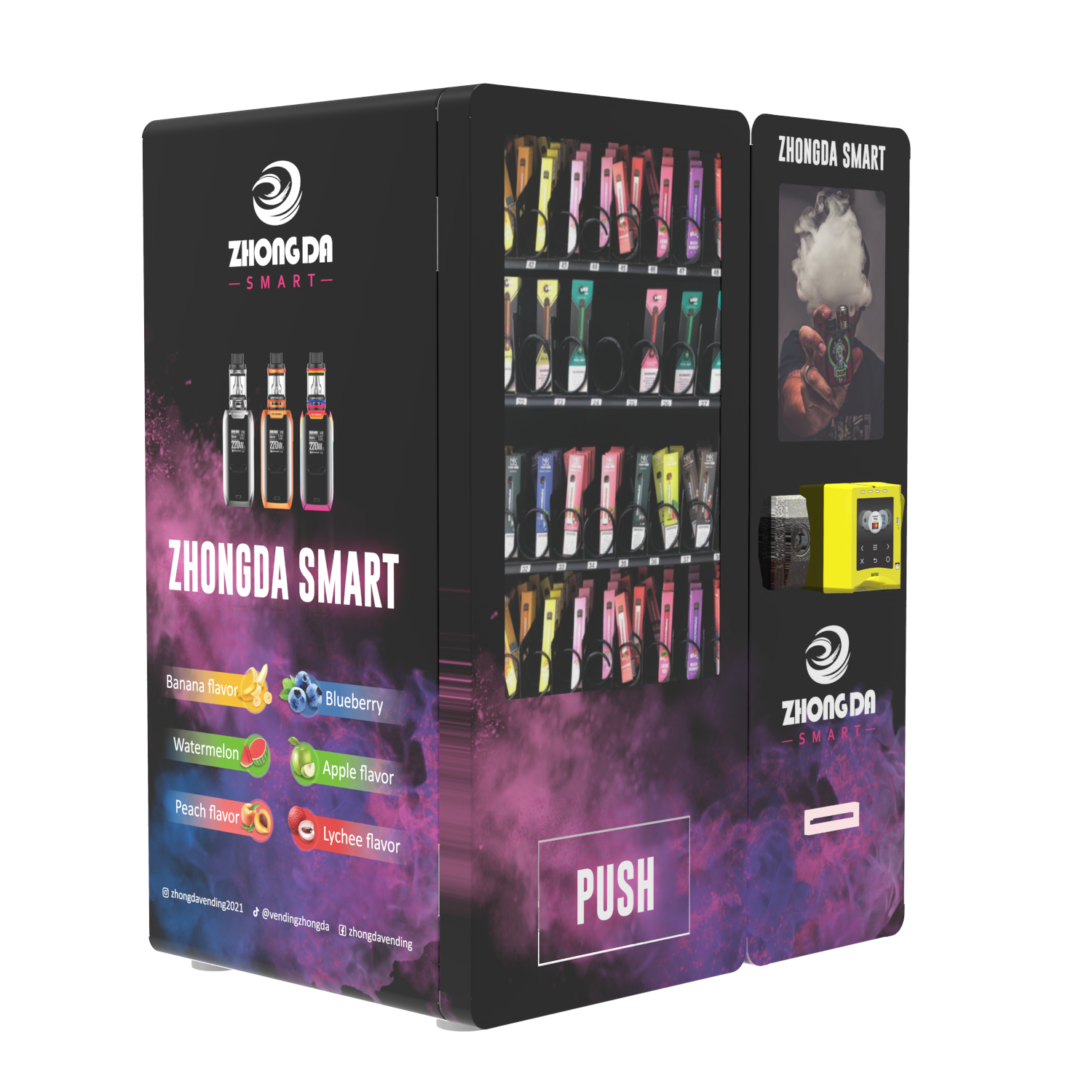
- Mid-Range Floor Models (High Capacity): Expect to pay $4,500 to $7,000. These hold 300 to 600 units. They come with a 21-inch or larger touchscreen and better cooling systems for keeping disposables fresh. This is the sweet spot for a busy convenience store or a vape shop.
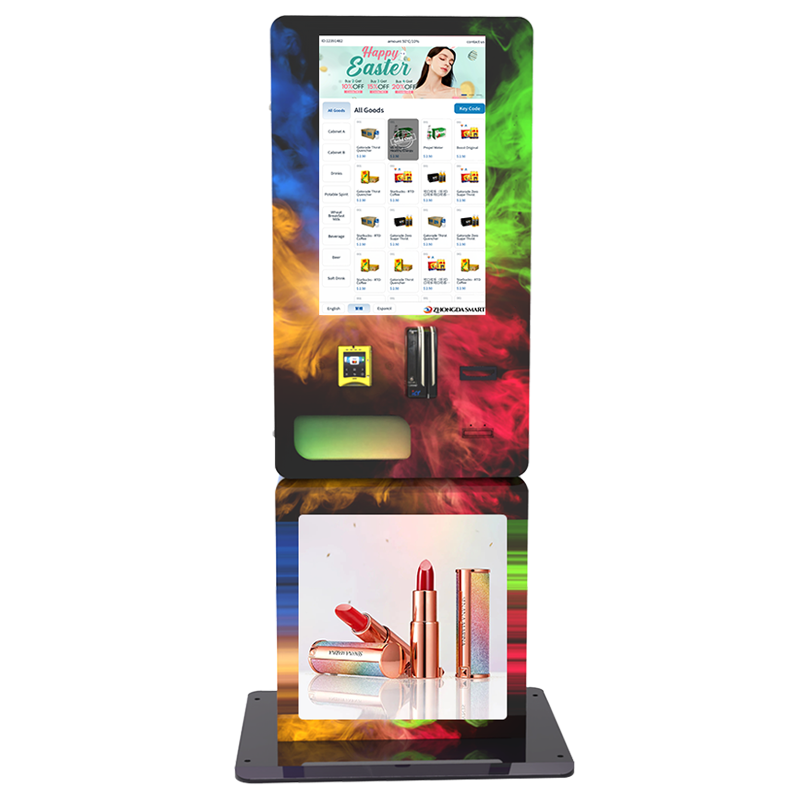
- Premium Kiosks with Integrated ID Scanning: These go from $6,500 to $9,000+. They include built-in age verification scanners that read driver’s licenses and passports. If you are placing a unit in a location with strict local ordinances, this is non-negotiable. A good example is the ID Scan Vending Machine which handles compliance automatically.
The Compliance Tax: Age Verification and Software
This is the part most new operators overlook. The physical machine is just a box. The software that verifies a customer’s age is where the real engineering lives. A basic system might just check a birth date. A robust system cross-references the ID barcode with a government database. This software integration adds roughly $500 to $1,200 to the upfront cost. Additionally, you’ll have a monthly fee for the cellular modem or Wi-Fi that keeps the age verification database updated. I’ve seen operators lose their location lease because they bought a machine without proper age-gating software. Don’t skip it.
Breaking Down the Operational Costs
Owning a self-service kiosk isn’t passive income. It’s active management with specific recurring bills. Here is a realistic monthly cost breakdown based on my own route operations.
| Expense Category | Estimated Monthly Cost (USD) | Notes |
|---|---|---|
| Location Commission (Bar/Store) | $150 – $400 | Usually 10-20% of gross sales or a flat fee. |
| Inventory (Wholesale Vape Products) | $800 – $2,500 | Depends on turn rate and product margin. |
| Connectivity (4G LTE / Wi-Fi) | $30 – $60 | Required for remote monitoring and age verification updates. |
| Payment Processing Fees | 2.5% – 3.5% of sales | Standard for credit card transactions. |
| Maintenance & Repairs | $50 – $150 | Average over a year. Includes jam clearing and sensor replacement. |
| Insurance (Liability) | $40 – $80 | Protects against product liability or machine damage. |
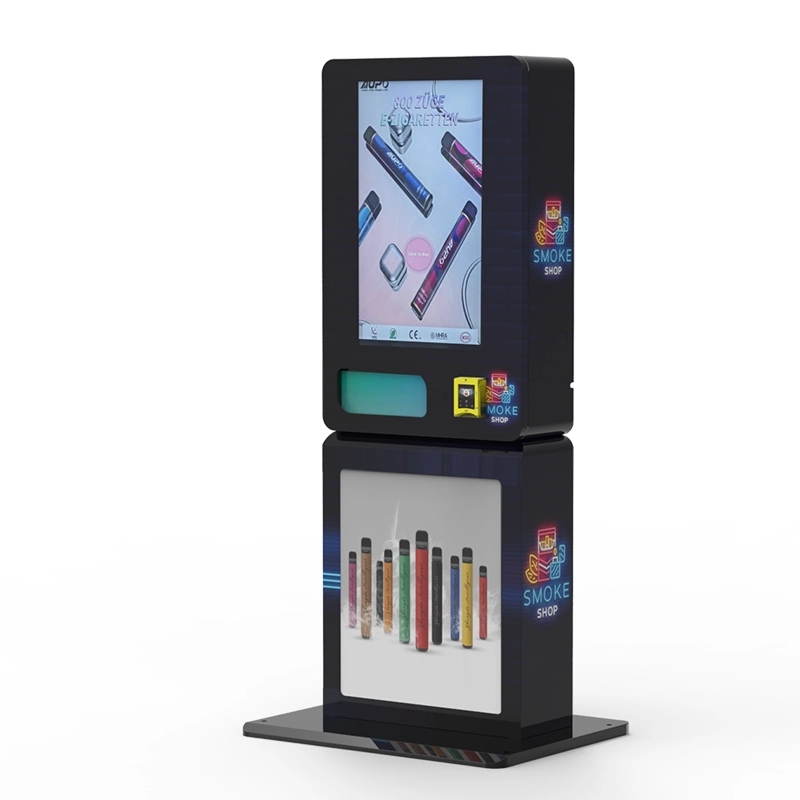
If you’re running a single machine, your monthly cash outlay is roughly $1,100 to $3,200 before you make a dollar in profit. The key is to keep your product margin above 40%.
Revenue and Profit: The ROI Reality Check
Let’s talk about the numbers that actually matter. I’ve seen operators claim they make $2,000 a month on a single machine. That’s possible, but it’s not the average. Here is the math from a typical deployment in a mid-traffic bar.
Revenue Model Based on Real Traffic
A single machine in a decent location can do 15 to 30 transactions per day. The average ticket for a disposable vape is $15 to $25. Let’s use a conservative average of $18 per sale.
- Daily Revenue (20 sales): $360
- Monthly Revenue (30 days): $10,800
- Cost of Goods Sold (55% margin): $4,860
- Gross Profit: $5,940
Now subtract the operational costs from the table above (let’s say $1,500 total). Your net profit is around $4,440 per month. With a machine cost of $6,000, you are looking at a payback period of roughly 1.5 to 2 months. That is a strong return, but it assumes you have the right product mix and zero downtime.
When the ROI Falls Apart
I’ve also seen machines that barely do 5 sales a day. That happens when the location is wrong or the product selection is stale. If you only gross $2,700 a month, your profit shrinks to under $1,000. At that rate, you’re better off investing in index funds. The difference between a 2-month payback and a 12-month payback is entirely dependent on foot traffic and product freshness.
Location Strategy: Where the Money Lives or Dies
I cannot stress this enough: the machine is a tool. The location is the business. I’ve placed units in high-end vape shops that did okay, but the real gold is in places where people cannot easily buy vapes—like bars, nightclubs, and hotels.
High-Traffic Venues vs. Niche Spots
- Bars and Nightclubs: This is the highest volume channel. People are out, they run out of vapes, and they will pay a premium for convenience. The downside is the late-night crowd can be rough on equipment. You need a rugged machine. I’ve had success deploying the Vape Vending Machines for Bars, Clubs & Lounges specifically because they are built for that environment.
- Convenience Stores: High traffic but lower margins because the store already sells vapes behind the counter. The machine works best here for after-hours sales. A case study on this is the Vape Vending Machine for Convenience Store deployment.
- Hotels and Airports: Lower volume but very high ticket prices. Travelers will pay $30 for a disposable that costs $12 at a shop. The key here is placement near the check-in or smoking areas.
The “Vape Shop Inside a Vape Shop” Trap
I made this mistake early on. I put a machine inside a busy vape shop thinking it would be a no-brainer. It failed. Why? Because the customer was already standing in front of a human selling the exact same products at the same price. The machine offered no convenience advantage. The machine only wins when it provides access that is faster or available when the store is closed.
Expert Advice: What I Learned from 200+ Deployments
After overseeing the installation of hundreds of units across the U.S. and Europe, a few hard truths stand out. First, never buy a machine that doesn’t have remote inventory tracking. You will waste hours driving to a machine that is half empty. Second, build a relationship with a manufacturer that understands the compliance landscape. Laws change every quarter. You need a partner who updates the software, not just ships a box.
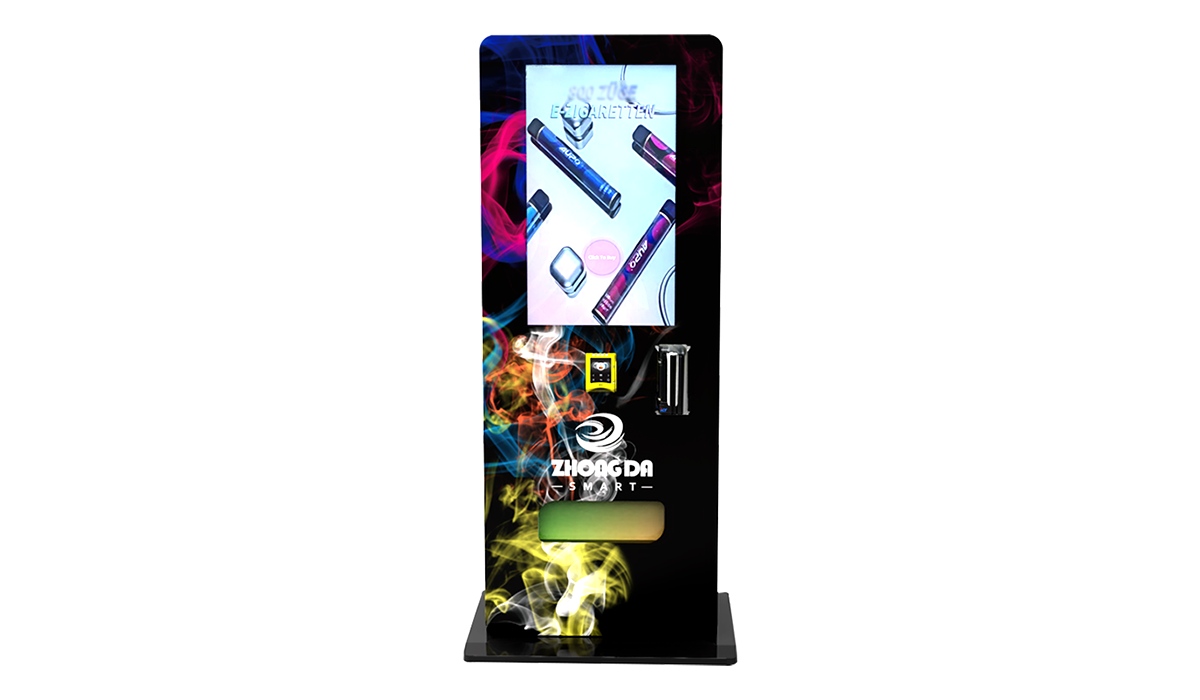
I work closely with Zhongda Smart because they don’t just build hardware; they build integrated systems. Their Compliant E-Cigarette Vending Machine is designed to pass audits in strict markets. When you are scaling a route, having a single point of contact for both the machine and the age verification system saves you from the nightmare of integrating three different vendors.
Another piece of advice: overstock your top 3 SKUs. In vending, 80% of your revenue comes from 20% of your products. For vapes, that is usually the top-selling disposable flavors. If you have 20 slots, fill 10 of them with your best sellers. Do not try to be a full catalog retailer. You are a convenience stop.
Comparing Machines: What to Look For in a Vendor
Not all vending machine manufacturers are created equal. Some are just cabinet makers who slapped a card reader on a fridge. Here is a comparison of what separates a professional solution from a hobbyist setup.
| Feature | Budget Machine | Professional Grade (e.g., Zhongda) |
|---|---|---|
| Age Verification | Basic calendar date check | ID barcode scanning + database cross-check |
| Cooling System | Passive or low-power fan | Active compressor cooling (maintains 68°F) |
| Payment System | Cash only or single card reader | Multi-currency, NFC, Apple Pay, Google Pay |
| Remote Management | None or basic SMS alerts | Full cloud dashboard with real-time inventory |
| Build Quality | Thin sheet metal | Reinforced steel frame, anti-vandal design |
| Compliance Updates | Manual firmware download | Over-the-air automatic updates |
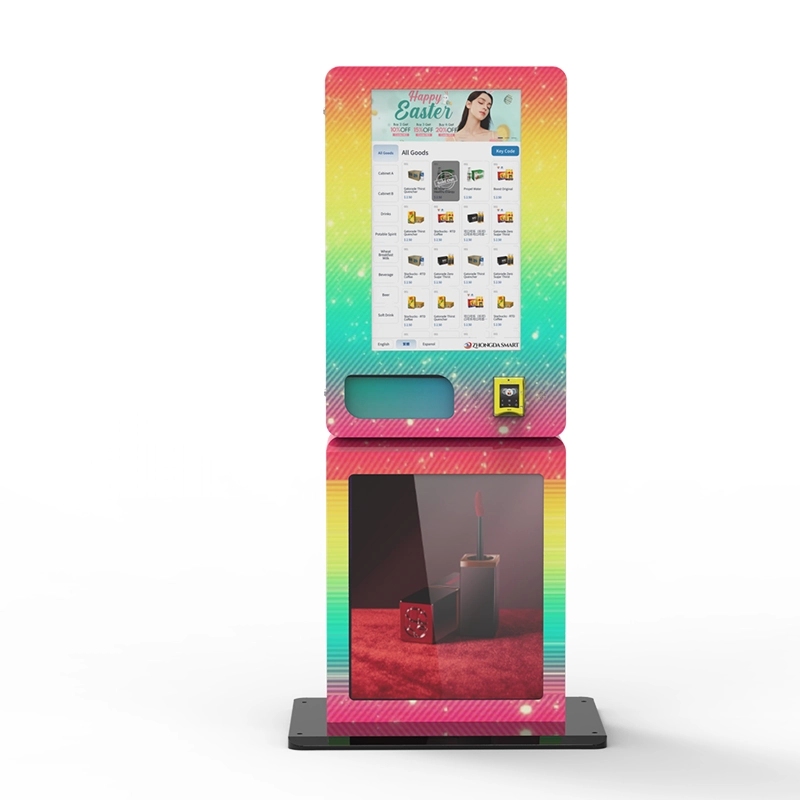
If you are placing a machine in a location that has a liquor license, the local authorities will check the age verification system. A budget machine will get you fined. Invest in the professional grade equipment from the start. For more technical details on the hardware specifications, you can review the Age Verification Vending Machine page which outlines the compliance hardware in detail.
Risk Mitigation and Legal Landmines
The biggest risk in this business isn’t theft or machine breakdown. It’s regulatory compliance. I have seen a successful route of 10 machines shut down overnight because a new city ordinance required a specific type of age verification that the operator’s machines didn’t have.
You need to understand the local laws where you deploy. Some states require a physical attendant within a certain distance of the machine. Others require the machine to be in direct line of sight of a security camera. Always check with a local attorney who understands tobacco retailing. The cost of legal compliance is an operational expense, not an optional upgrade.
Another hidden risk is product liability. If a minor gets a vape from your machine, you are personally liable in many jurisdictions. That is why you never, ever buy a machine that does not have a robust, auditable age verification log. You need a record of every single transaction showing that an ID was scanned and approved.
Long-Term Strategy: Scaling Your Route
Once you have one machine profitable, the temptation is to buy ten more immediately. Slow down. The most successful operators I know scale in batches of three. You learn from the first three, tweak the product mix, negotiate better location commissions, and then double down.
When you scale, think about logistics. You need a van, storage for inventory, and a system for rotating stock. Disposables have a shelf life. If you overbuy a flavor that doesn’t sell, you eat the loss. Use your remote management software to track which SKUs are moving and which are sitting. I check my dashboard every morning. If a product hasn’t sold in 3 days, I discount it or move it to a different machine.
Finally, build a relationship with a distributor who can provide consistent supply. The vape market has supply chain hiccups. If your best seller is out of stock, you need a backup plan. I keep a list of 5 alternative products that have similar margins and popularity. Never rely on a single supplier.
Frequently Asked Questions
What is the average vape vending machine cost for a new business?
For a new operator, you should budget between $4,500 and $7,500 for a reliable, compliant machine. This includes the age verification hardware. Do not buy a machine for under $3,000 unless you are prepared to spend another $1,000 on retrofitting it.
How much can I earn from a single vape vending machine?
In a good location, a single machine can generate $3,000 to $5,000 in net profit per month. In a bad location, you might struggle to break even. The location is the primary driver of revenue, not the machine itself.
Do I need a special license to operate a vape vending machine?
Yes. You typically need a tobacco retail license for the specific location of the machine. Some states also require a separate vending machine permit. Always check with your local health department or city clerk’s office before installation.
How does age verification work on these machines?
Most professional machines use a built-in scanner that reads the barcode on the back of a driver’s license. The software decodes the birth date and calculates the age. Some advanced systems also check the ID against a government database to prevent the use of fake IDs.
What is the payback period for a vape vending machine?
Based on industry averages and my own experience, the payback period ranges from 2 to 6 months. High-traffic locations like bars can see a payback in under 60 days. Lower-traffic locations may take up to a year.
Final Take: Is It Worth the Investment?
Yes, but only if you treat it like a business, not a passive income scheme. The vape vending machine cost is manageable, but the real investment is in your time for location scouting, compliance management, and inventory optimization. I have seen operators retire early because they built a route of 20 machines in the right spots. I have also seen people lose their savings because they bought cheap machines and put them in empty lobbies.
If you are ready to move forward, start with one machine from a manufacturer that offers full support, including compliance software and remote management. Test your location for a month. If the numbers work, scale from there. The market is still young, and the operators who get the fundamentals right today will own the territory tomorrow.
Data and industry context referenced from Statista Global Vending Machine Market Value and IBISWorld Vending Machine Operators Industry Report. These sources provide the broader market context for automated retail growth.