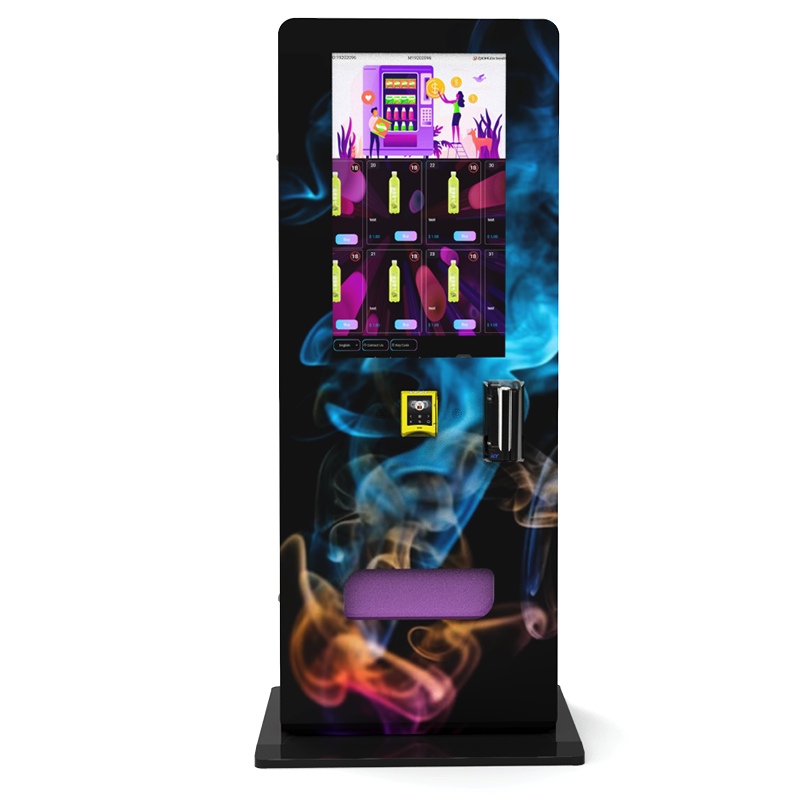
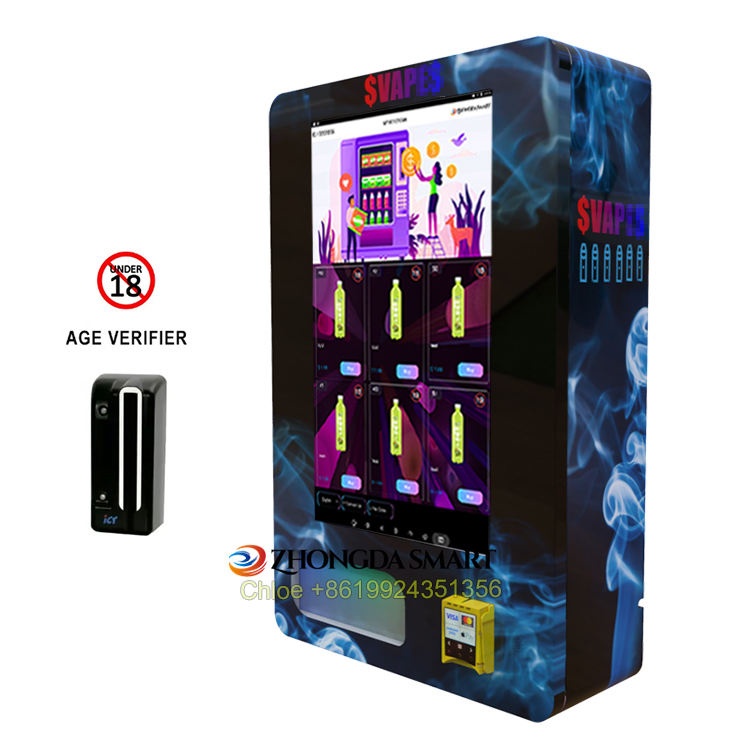
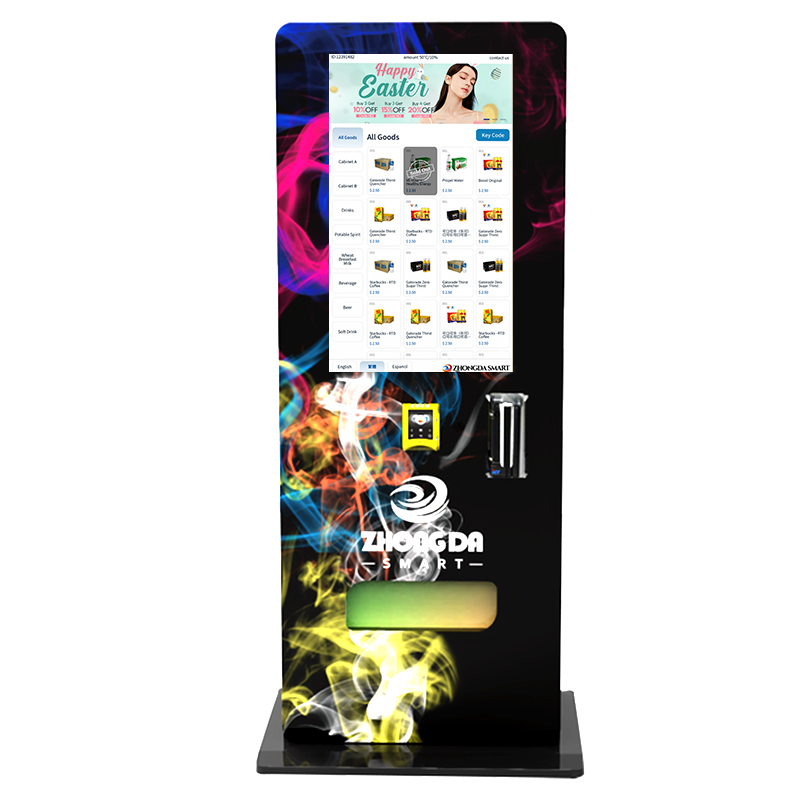
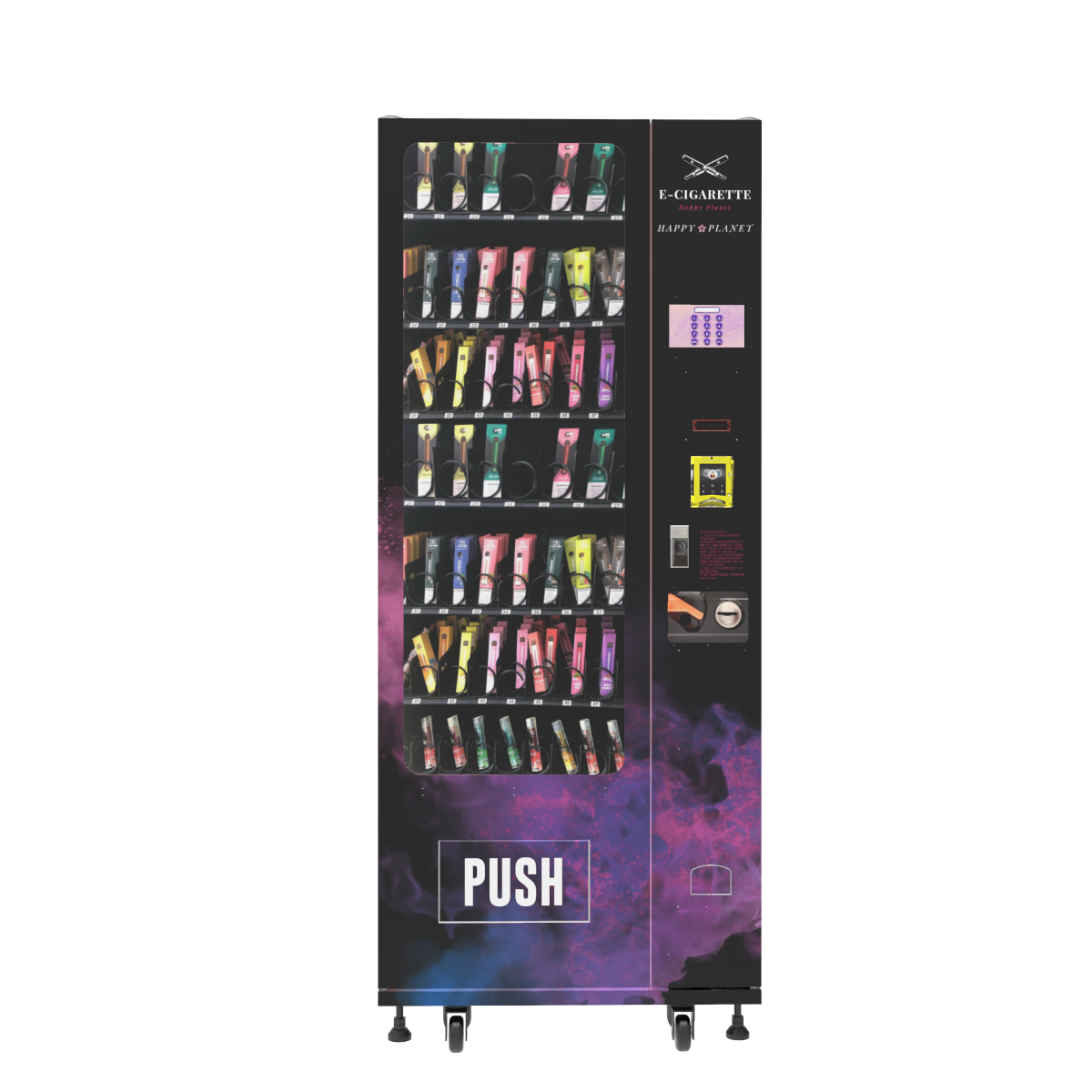
If you're looking to place a vape vending machine in a retail spot, a bar, or a hotel lobby, the first question that comes up is always about age verification. The short answer is yes, and it’s not optional. Across the U.S. and most of Europe, any self-service kiosk selling nicotine products must have a compliant age verification system built in. I’ve been manufacturing and operating these machines for over a decade, and I can tell you that skipping this step is the fastest way to get your equipment seized or your business shut down. This guide covers the hardware, the legal requirements, the real costs, and what I’ve learned from deploying hundreds of units.
Why Age Verification is Non-Negotiable for Vape Machines
When I started in this business back in 2012, cigarette vending machines were already heavily restricted. The transition to vape products didn’t change the regulatory landscape—it actually tightened it. The FDA’s Deeming Rule, which went into effect in 2016, classified e-cigarettes as tobacco products. That means any vending machine selling them must be in a location where minors are not allowed, or the machine must have a mechanism to verify age before a sale completes.
In practice, very few locations can legally operate an unrestricted machine. A bar that is 21+ only might qualify, but even then, most operators prefer to have a system in place to cover their liability. I’ve seen operators lose their contracts because a machine didn’t have proper ID scanning, and a local inspector flagged it during a routine check. The fine can run into thousands of dollars, and repeat offenses can lead to losing your business license entirely.
From a manufacturer’s perspective, building a machine without age verification is like building a car without brakes. It’s not just about compliance—it’s about protecting your investment. A machine that can’t verify age has very limited placement options, which kills your potential revenue. Every machine we ship from our factory includes either an integrated ID scanner or a connection port for third-party age verification hardware. There’s no reason to cut that corner.
How Age Verification Works in These Machines
The technology has evolved significantly. Early machines used a simple button that the cashier pressed to confirm the buyer was of age. That’s basically useless today. Modern vape vending machines use one of three primary methods:
- ID Scanner with Barcode Reading: The user swipes or inserts a driver’s license. The machine reads the 2D barcode or magnetic stripe, decodes the birth date, and compares it to the legal age. The sale only proceeds if the age passes.
- OCR (Optical Character Recognition) Scanning: A camera captures an image of the ID. The software extracts the date of birth and expiration date. This method works on international IDs but is slower and requires better lighting.
- Third-Party Verification Service: The machine scans the ID and sends the data to a service like AgeChecker or Veratad. They cross-reference the name, address, and ID number against government databases. This adds a layer of security but requires a monthly subscription fee.
In my experience, the ID scanner with barcode reading is the sweet spot for reliability and cost. It’s fast—under three seconds for a transaction—and doesn’t require an internet connection for the basic age check. We use this system in our age verification vending machine models, and I’ve seen it work flawlessly in high-traffic bars where speed matters.
Biometric and Mobile-Based Options
Some newer machines are experimenting with biometrics—fingerprint or facial recognition—but these are still rare in the vape segment. The main issue is privacy concerns and the cost of the hardware. Mobile-based verification, where the user scans a QR code and uploads their ID through a mobile website, is gaining traction. It works well for unattended locations like apartment lobbies, but it adds friction to the transaction. Every extra step reduces conversion rates by about 15-20%, based on our deployment data.
I’ve tested both systems in field trials. For a busy nightclub, a dedicated ID scanner is the only option that keeps the line moving. For a hotel vending area, mobile verification is acceptable because the volume is lower. The key is matching the technology to the environment. Don’t install a slow system in a high-volume location—you’ll lose sales.
Legal Requirements Across Different Markets
The rules vary, but the core principle is the same: you must prevent sales to anyone under 21 in the U.S., and under 18 or 19 in most European countries. Let’s break down the specifics.
United States Regulations
The federal minimum age for tobacco and vape products is 21, established by the Tobacco 21 law in 2019. Individual states can be stricter. For example, California requires that vending machines be in locations where minors are not present, or the machine must have a remote control mechanism that allows an employee to authorize the sale. In practice, most operators choose the age verification route because it’s simpler to manage.
I’ve had clients in Florida and Texas who tried to rely on the “employee authorization” method. They placed machines in convenience stores where the cashier could see the machine and press a button to approve the sale. The problem is that cashiers don’t always check IDs carefully. One operator I know lost his machine in a compliance sting because the cashier approved a sale to a minor. The machine was confiscated, and he faced a $10,000 fine. That’s why I always recommend an automated system that doesn’t rely on human judgment.
For a detailed look at state-specific rules, check our guide on vape vending machine legality in California and the broader legal framework for vape vending machines.
European Union and UK Standards
The EU Tobacco Products Directive (TPD) sets the baseline, but individual countries add their own requirements. In the UK, the age of sale is 18, and machines must be in staffed areas or have an age verification system. Germany requires that the machine be connected to a system that verifies age via a government-issued ID or a bank card with age verification. France has similar rules, and the fines for non-compliance are steep—up to €75,000 for a business.
I’ve supplied machines to distributors in the UK and Germany for years. The biggest challenge is the variety of ID formats across different countries. A scanner that works perfectly on a UK driver’s license might fail on a German Personalausweis. That’s why we configure our compliant e-cigarette vending machine with multi-region software that can be updated remotely. It saves a lot of headaches when regulations change.
Cost Breakdown of Age Verification Systems
Let’s get into the numbers because this is what operators care about most. The cost of adding age verification to a vape vending machine varies depending on the technology.
| Component | Cost Range (USD) | Notes |
|---|---|---|
| Basic ID Scanner (Barcode) | $200 – $400 | Hardware only, no subscription |
| OCR Scanner with Camera | $500 – $800 | Works with international IDs |
| Third-Party Verification Service | $50 – $150/month | Per machine, plus setup fee |
| Biometric (Fingerprint/Facial) | $1,200 – $2,000 | Rarely used in vape machines |
| Mobile Verification Software | $0 – $200 setup | Ongoing per-transaction fee (~$0.10) |
From a manufacturing standpoint, the hardware cost is a small fraction of the total machine price. A complete vape vending machine with a built-in scanner typically costs between $3,000 and $6,000. The scanner adds about 5-10% to the total cost. I’ve seen operators try to save money by buying a machine without a scanner and adding a third-party device later. It almost always ends up costing more because of integration issues and the need for custom wiring.
If you’re looking at the total investment, the age verification system pays for itself within the first few months. A single compliance violation can wipe out months of profit. I’ve done the math for dozens of clients, and the ROI on a good scanner is clear. For a detailed look at the full cost, read our article on how much a vape vending machine costs.
Real-World Deployment: What Works and What Doesn’t
I’ve personally overseen the installation of over 400 vape vending machines across different types of locations. Here’s what I’ve learned about age verification in practice.
High-Volume Bars and Nightclubs
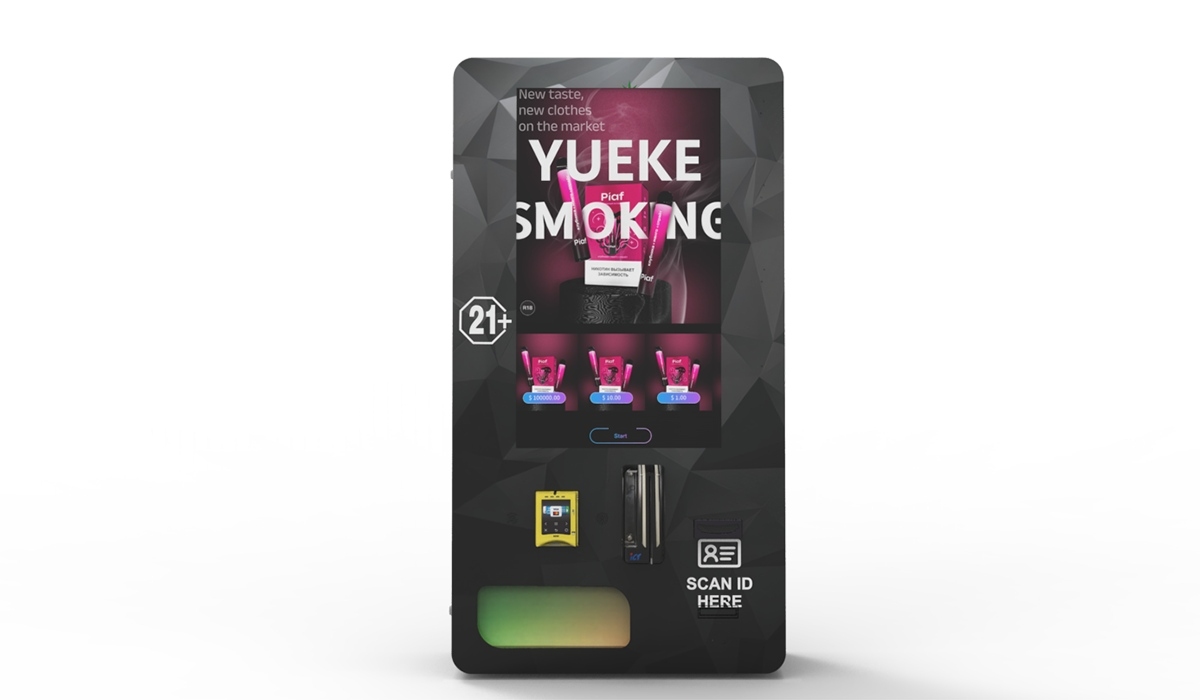
These are the best locations for revenue, but they’re also the highest risk. A busy Friday night means a line of customers. If your age verification system takes more than 5 seconds, people will walk away. I’ve seen it happen. The solution is a dedicated ID scanner with a fast barcode reader. We use a scanner that reads the 2D barcode on the back of a U.S. driver’s license in under 2 seconds. The user inserts the card, the machine reads it, and the transaction proceeds. No waiting for a server, no mobile app.
One of my clients operates 12 machines in a chain of nightclubs in the Midwest. They tried a mobile verification system for three months. The conversion rate dropped by 22% compared to the scanner-equipped machines. They switched back and saw immediate recovery. In a high-volume environment, speed is everything.
Convenience Stores and Smoke Shops
In these locations, the machine is usually within sight of the cashier. Some operators think they can skip the scanner and rely on the cashier to verify age. That’s a mistake. Cashiers are busy, distracted, and sometimes don’t care. I’ve had multiple cases where a cashier was fired for not checking IDs, and the store owner lost their vending machine contract.
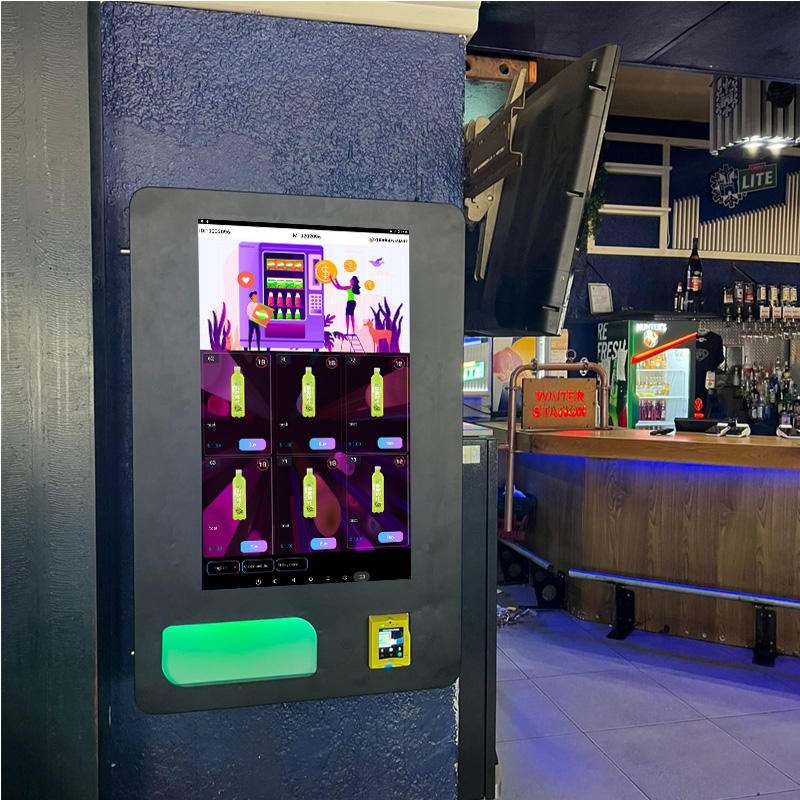
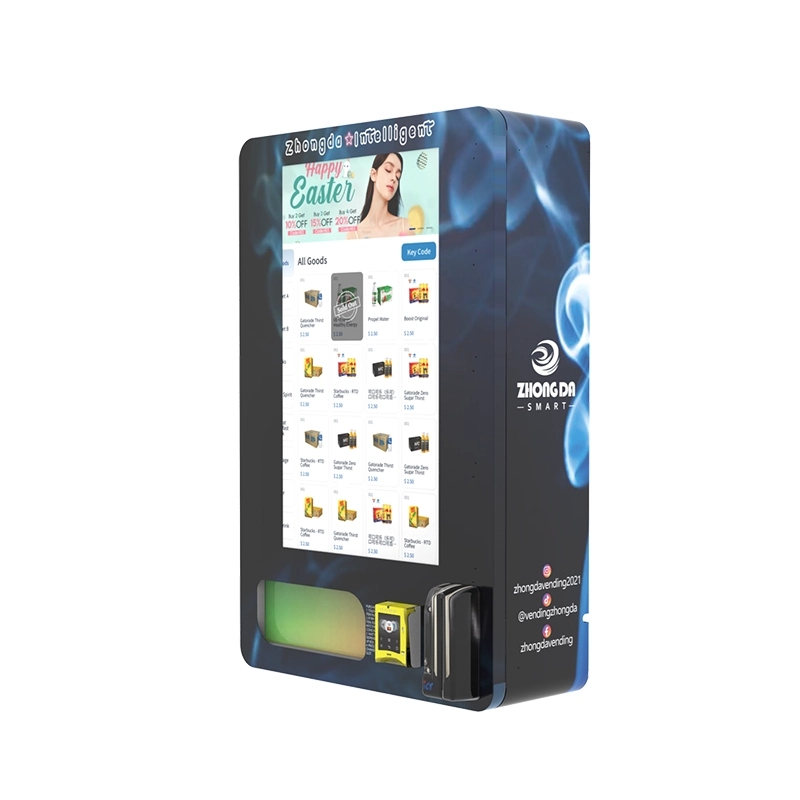
The best setup for a convenience store is a machine with an integrated scanner that works independently of the cashier. The customer scans their own ID, the machine approves or rejects the sale, and the cashier doesn’t need to intervene. This removes human error from the equation. We’ve deployed wall-mounted e-cigarette vending machines in dozens of convenience stores, and this setup has been the most reliable.
Hotels and Airports
These are unattended locations where no staff is present to monitor the machine. Age verification is absolutely critical here. Hotels often have a mix of international guests, so the scanner must handle passports and foreign IDs. OCR scanners are better for this, but they’re slower. I recommend a hybrid approach: a barcode scanner for U.S. IDs and an OCR camera as a fallback.
We installed machines in a hotel chain in Florida. The first batch used only barcode scanners. They had a 30% failure rate on international IDs because the barcode format was different. We upgraded to a dual-system scanner, and the failure rate dropped to under 5%. The hotel management was happy because they didn’t have to deal with guest complaints about the machine not working. For more on this, see our case study on hotel and airport vape solutions.
Common Mistakes Operators Make
After years in this industry, I’ve seen the same mistakes repeated. Here are the ones to avoid.
- Buying the cheapest scanner available: Cheap scanners have high failure rates. They can’t read damaged IDs, and they break after a few months. Spend the extra $100 and get a reliable unit.
- Ignoring software updates: ID formats change. States update their license designs. If your scanner’s software isn’t updated, it will stop working. Choose a manufacturer that offers remote updates.
- Not testing the system regularly: I recommend testing the age verification system every week. Use a test ID that is underage and make sure the machine rejects it. You’d be surprised how many operators assume the system works without checking.
- Placing the machine in a dead zone: If the machine requires an internet connection for third-party verification, make sure the location has reliable Wi-Fi or cellular signal. I’ve seen machines fail because they were placed in a basement with no signal.
One operator I know lost $15,000 in revenue because he placed a machine in a location where the third-party verification service couldn’t connect. The machine was offline for two weeks before he noticed. A simple cellular backup modem would have solved the problem.
Profitability and ROI of Age-Verified Vape Machines
Let’s talk about the money. A well-placed vape vending machine with proper age verification can generate $500 to $2,000 per month in gross profit. The margin on vape products is typically 30-50%, depending on the brand and pricing strategy. The age verification system adds a small upfront cost, but it enables placement in high-revenue locations that would otherwise be off-limits.
Here’s a simple ROI calculation for a typical installation:
- Machine cost with scanner: $4,500
- Monthly gross profit: $1,000
- Monthly expenses (restocking, credit card fees, verification subscription): $300
- Net monthly profit: $700
- Payback period: 6.4 months
After the payback period, the machine generates pure profit. I’ve seen machines in busy bars pay for themselves in under 4 months. The key is choosing the right location and maintaining the machine properly. For a deeper dive into the numbers, read our analysis on vape vending machine ROI.
Choosing the Right Machine and Manufacturer
Not all vape vending machines are built the same. When you’re evaluating a machine, look for these features related to age verification:
- Integrated scanner: Avoid machines that require an external scanner. Integrated units are more reliable and easier to maintain.
- Multi-format support: The scanner should handle driver’s licenses, passports, and military IDs from different states and countries.
- Offline capability: The basic age check (reading the birth date) should work without an internet connection. Only the database cross-check should require a connection.
- Remote management: You should be able to check the machine’s status and update the software remotely.
As a manufacturer, I’ve designed our machines to meet these criteria. Our ID scan vending machine models include all of these features. We also offer custom configurations for specific markets, such as the wall-mounted compact e-cigarette vending machine for tight spaces. The key is to work with a manufacturer who understands the regulatory landscape and can provide ongoing support.
Future Trends in Age Verification for Vending
The technology is moving toward more seamless verification. Facial recognition and age estimation software are being tested in some markets. These systems use AI to estimate a person’s age based on their face. If the AI estimates the person is over 25, the sale proceeds without an ID scan. If it’s uncertain, it prompts for an ID. This reduces friction for older customers.
I’ve tested a prototype of this system. It works well for people over 30, but it struggles with younger adults who look older than their age. The false positive rate is still too high for regulatory compliance. It will likely be another 3-5 years before this technology is reliable enough for mainstream use. For now, ID scanning is the gold standard.
Another trend is the use of digital IDs stored on smartphones. Several states are rolling out digital driver’s licenses. Machines that can read these digital IDs via NFC or QR code will become more common. We’re already building NFC readers into our newer models. It’s a good idea to future-proof your investment by choosing a machine that supports hardware upgrades.
Frequently Asked Questions
Can I operate a vape vending machine without age verification?
Technically, yes, but only in locations where minors are legally prohibited from entering, such as a 21+ bar or a locked smoking lounge. In practice, most operators install age verification to reduce liability and expand placement options. Without it, you’re severely limiting your potential locations and risking fines.
What happens if my machine sells to a minor?
Penalties vary by jurisdiction. In the U.S., fines can range from $500 to $10,000 per violation. Repeat offenses can lead to business license revocation and even criminal charges. The machine itself may be confiscated. This is why a reliable age verification system is a must.
How often do I need to update the age verification software?
It depends on how often ID formats change. In the U.S., states typically update their driver’s license designs every 5-10 years. Our machines receive remote updates whenever a new format is detected. I recommend checking for updates quarterly.
Can the age verification system work offline?
Yes, for basic age checks. The scanner reads the birth date from the ID and compares it to the legal age without needing an internet connection. However, if you use a third-party verification service that cross-references government databases, an internet connection is required for that step.
What is the best age verification method for a small business?
For a small business with one or two machines, an integrated ID scanner with barcode reading is the most cost-effective and reliable option. It doesn’t require a monthly subscription, and it works well in most locations. Avoid mobile verification for small setups because it adds transaction friction.
Do I need a special license to operate a vape vending machine?
Yes, in most jurisdictions. You typically need a tobacco retail license in addition to any local business permits. The requirements vary by state and city. Check with your local health department or alcohol and tobacco enforcement agency before purchasing a machine.
Final Thoughts from the Factory Floor
I’ve been building vape vending machines for over 15 years, and I’ve seen the industry change dramatically. Age verification is no longer an optional add-on—it’s a core component of the machine. If you’re serious about operating a vape vending machine business, invest in a quality system from the start. It will save you money, protect your business, and give you peace of mind. The technology is reliable, the cost is reasonable, and the alternative is simply too risky.
If you have specific questions about your market or need help choosing the right machine, feel free to reach out. We’ve helped hundreds of operators get started, and we can help you too.
References and Further Reading
- FDA Deeming Rule and Tobacco 21: FDA.gov
- EU Tobacco Products Directive: European Commission
- Vending Machine Market Data: Statista
- State-by-State Vaping Laws: Public Health Law Center
- Age Verification Technology Standards: AgeChecker.net