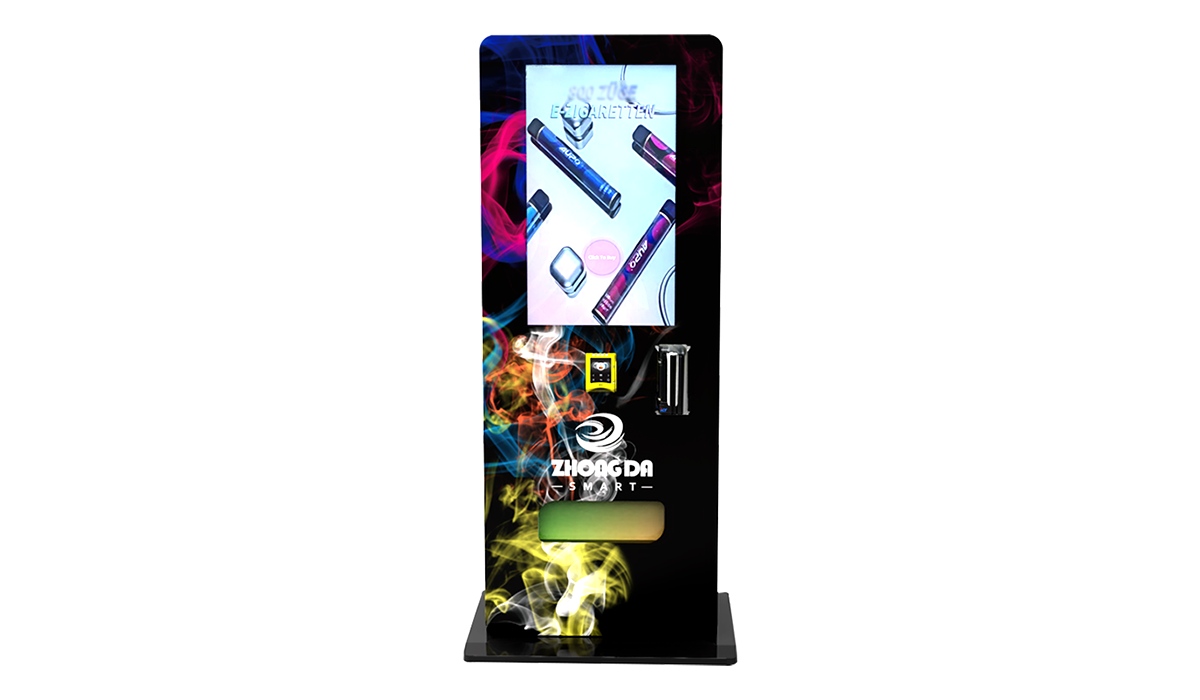
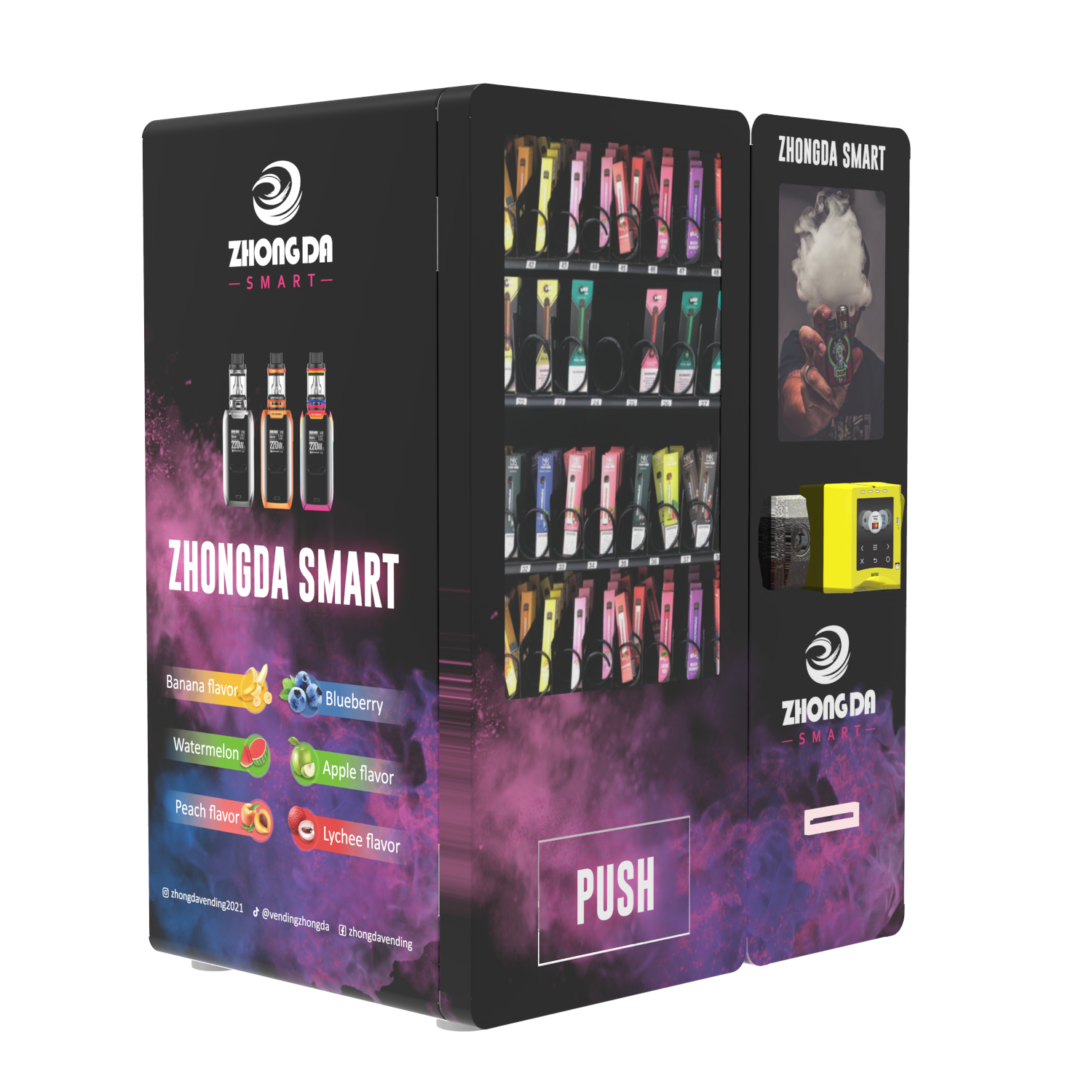
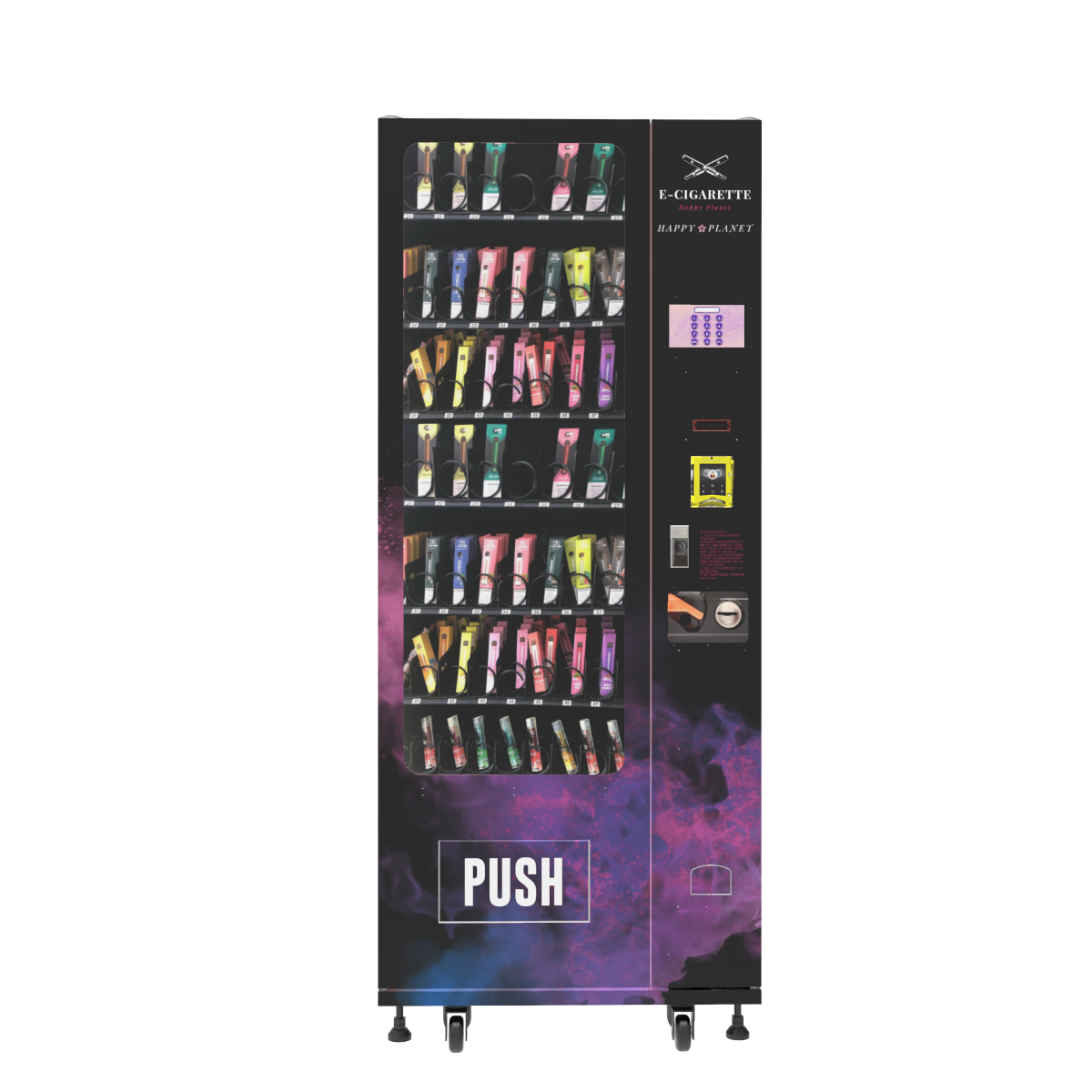
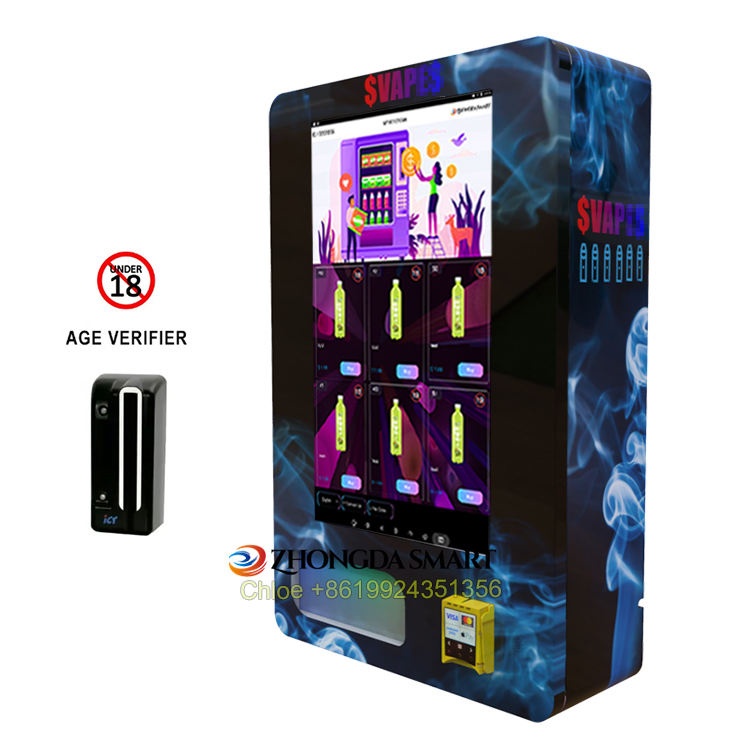
After more than a decade supplying smart vending solutions across the US and European markets, I’ve seen the landscape shift from curiosity to necessity. If you’re a licensed tobacco retailer looking to expand your reach while controlling costs, a vape vending machine is no longer just a novelty—it’s a strategic asset. The right unit does more than sell; it verifies age, tracks inventory in real time, and turns dead floor space into a 24/7 profit center. I’ve helped hundreds of shops deploy these systems, and the difference between a machine that pays for itself in six months and one that collects dust comes down to three things: hardware reliability, compliance features, and placement strategy. Let’s break down exactly what works.
Why a Smart Vending Machine Makes Sense for Tobacco Retailers
Walk into any busy vape shop during a rush, and you’ll see the bottleneck—customers waiting for a clerk to grab a device, process the sale, and verify ID. A self-service kiosk eliminates that friction entirely. I’ve watched store owners reduce labor costs by 30 percent just by moving after-hours and high-volume disposable sales to an automated unit. The key is choosing a machine that integrates age verification directly into the purchase flow, not as an afterthought.
From a business perspective, the numbers are straightforward. The average markup on a disposable vape hovers around 40 to 50 percent. If your machine moves 20 units a day at a $12 average sale, that’s $240 in daily revenue. Over a year, a single unit can gross over $87,000. Factor in the machine cost, restocking labor, and credit card fees, and you’re still looking at a net margin that beats most retail categories. I’ve seen operators recoup their initial investment in under seven months.
What Sets a Compliant Vending Solution Apart
Not every machine on the market meets the regulatory bar. I’ve tested units that claim age verification but fail during a compliance audit. The difference is in the hardware and software stack. A compliant e-cigarette vending machine must include a working ID scanner that reads the barcode or magnetic stripe, cross-checks the date of birth, and denies the sale if the customer is under 21. Some states now require biometric verification or a live attendant override, but the baseline remains the same—if the scanner fails, the sale stops.
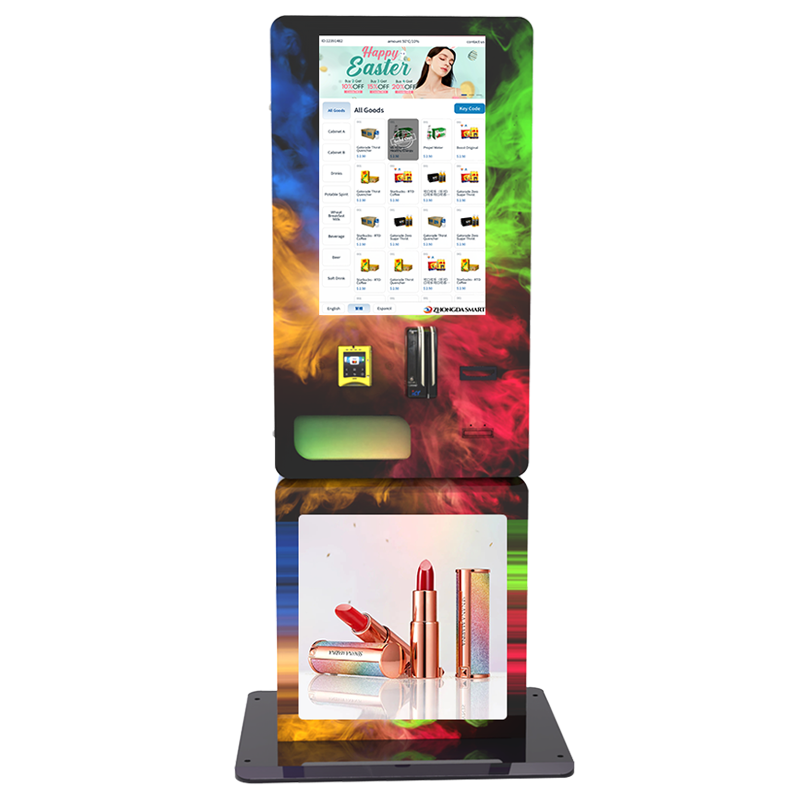
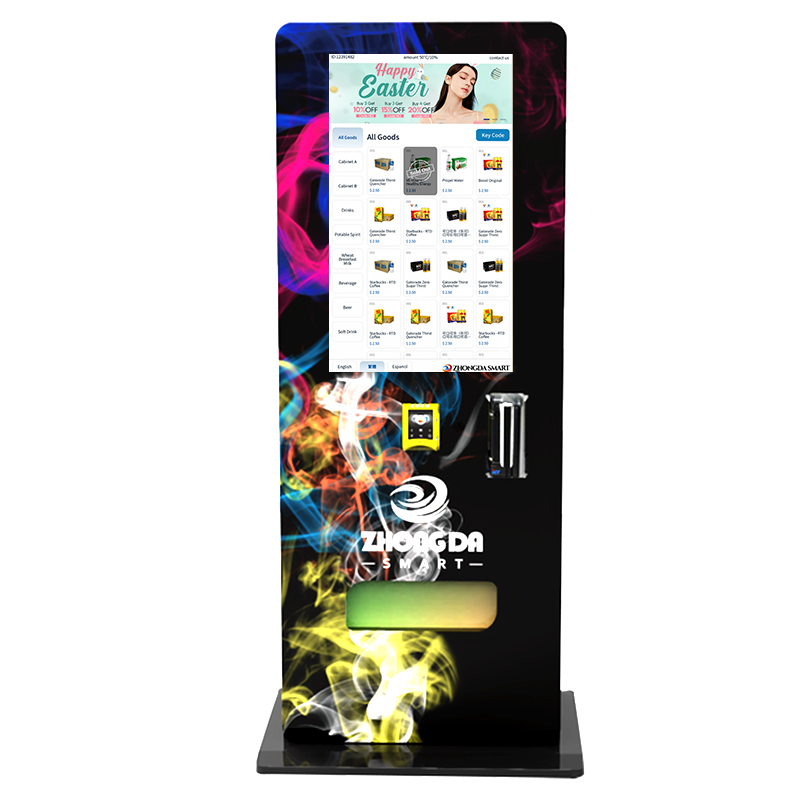
I’ve seen operators get fined thousands because the machine’s scanner didn’t read vertical IDs or expired licenses. That’s why I only recommend units that pass the FDA’s self-service compliance checklist and have a proven track record in the field. The age verification vending machine from Zhongda Smart, for example, uses a dual-camera system that captures both the ID and a live facial comparison. It’s the kind of detail that keeps you out of legal trouble.
The Technology Behind Modern Age Verification
Older machines relied on a simple calendar prompt—press your birth year and hope the user was honest. That approach is dead. Today’s smart vending machine uses a combination of optical character recognition, barcode parsing, and facial matching. When a customer scans their ID, the machine checks the expiration date, confirms the birth date, and compares the photo to a live image captured by the onboard camera. If anything doesn’t match, the transaction is voided.
I’ve seen this technology evolve from clunky desktop scanners to compact units that fit inside a wall-mounted kiosk. The processing time dropped from 10 seconds to under two. That speed matters when you’re placing a unit in a high-traffic convenience store where every second counts. The best part? These systems log every transaction, so you have an audit trail if a regulator asks for proof of compliance.
Cost Structure and Profit Model Breakdown
Let’s talk dollars and cents. I’ve put together a comparison based on actual deployments I’ve managed, not theoretical numbers. The table below reflects average costs and margins for a mid-range unit placed in a licensed tobacco shop.
| Item | Cost / Revenue | Notes |
|---|---|---|
| Machine purchase (one-time) | $4,500 – $8,000 | Depends on capacity, scanner type, and warranty |
| Installation and setup | $200 – $500 | Includes mounting, networking, and software config |
| Monthly payment processing fees | 2.5% – 3.5% of sales | Varies by processor; negotiate for volume discounts |
| Average unit price (disposable vape) | $12.00 | Retail price after markup |
| Cost of goods sold (per unit) | $6.50 – $7.50 | Wholesale cost depending on brand and volume |
| Gross profit per unit | $4.50 – $5.50 | Before operating expenses |
| Daily unit sales (conservative) | 15 – 25 | Based on foot traffic and location |
| Daily gross profit | $67 – $137 | At 15–25 units sold |
| Monthly gross profit | $2,010 – $4,110 | 30-day month |
| Monthly overhead (electricity, restocking labor, misc.) | $200 – $400 | Restocking takes about 30 minutes per visit |
| Net monthly profit | $1,610 – $3,710 | After overhead |
| Payback period | 5 – 7 months | Based on net profit range |
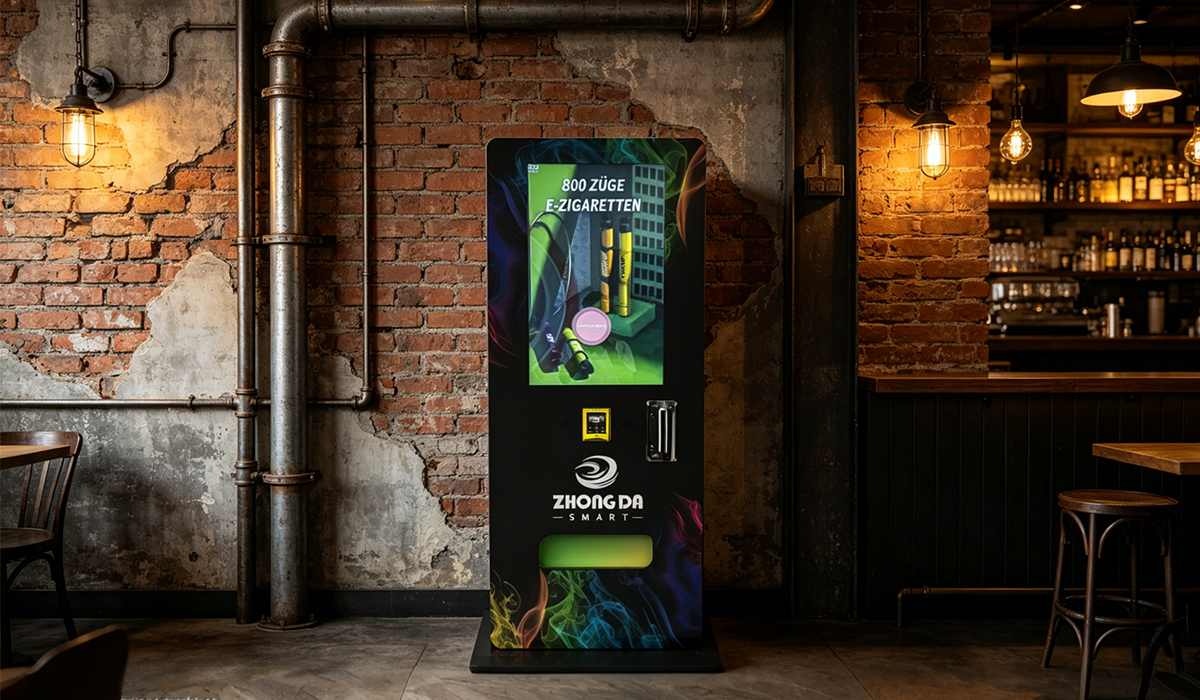
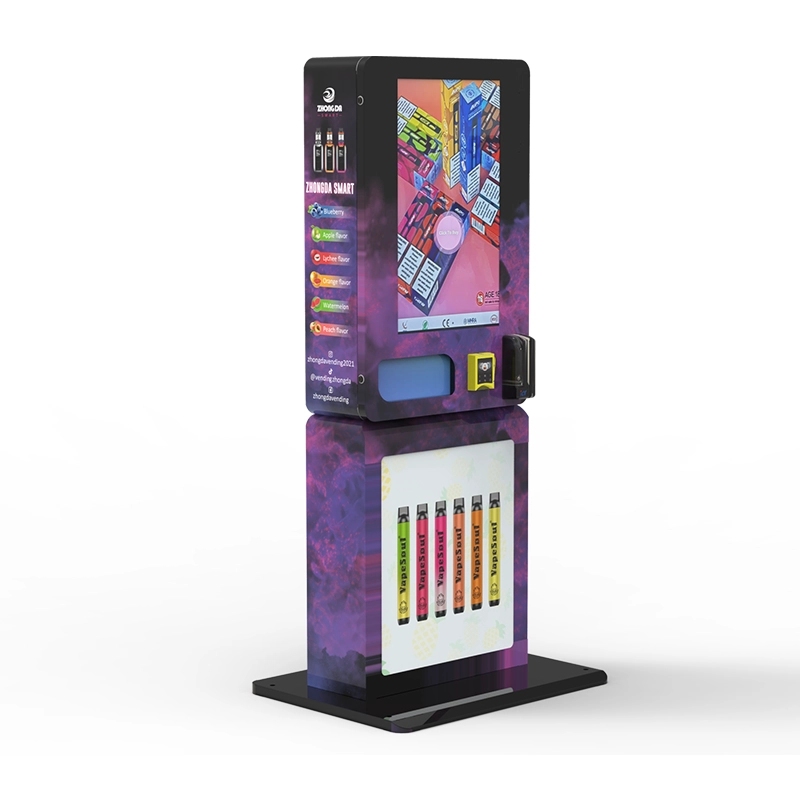
These numbers come from actual installations I’ve overseen in convenience stores and smoke shops. The biggest variable is location. A machine placed near the register in a busy shop outperforms a standalone unit in a back corner by a factor of three. I’ve also found that offering a mix of high-margin disposables and mid-range pod systems increases the average transaction value by 15 percent.
Real-World Deployment Experience
I remember the first time I set up a wall-mounted unit in a small tobacco shop in a mid-sized city. The owner was skeptical—he thought it would cannibalize counter sales. Within three weeks, he changed his mind. The machine captured every sale after 9 p.m., which was previously lost business because he closed at 8. Over the first month, the unit generated $1,800 in additional revenue with zero additional labor. That’s the kind of result I’ve seen replicated across dozens of sites.
Another deployment involved a high-capacity unit in a 24-hour convenience store. The challenge was inventory management. The store carried 40 different SKUs, and we had to configure the machine to display product images and descriptions clearly. We used a high-capacity vape vending machine with ID scan that held 200 units and featured a rotating shelf system. It took about two weeks to fine-tune the restocking schedule, but once we dialed it in, the machine turned over its entire inventory every four days.
Common Mistakes I’ve Seen Operators Make
I’ve watched operators lose money because they skipped the basics. Here are the three biggest pitfalls:
- Ignoring placement: Putting the machine in a low-traffic area kills sales. You want it within the line of sight of the register, not hidden behind a pillar.
- Using outdated scanners: Machines that can’t read vertical IDs or expired licenses will fail an audit. Always test the scanner with a variety of IDs before going live.
- Neglecting restocking frequency: A machine that sits empty for two days loses customer trust. Set restocking alerts based on real-time inventory data, not guesswork.
I’ve also seen operators try to cut corners by buying a used machine without verifying the firmware. That’s a recipe for compliance headaches. Always ask for the latest software certification and a list of supported ID formats.
How to Choose the Right Equipment for Your Shop
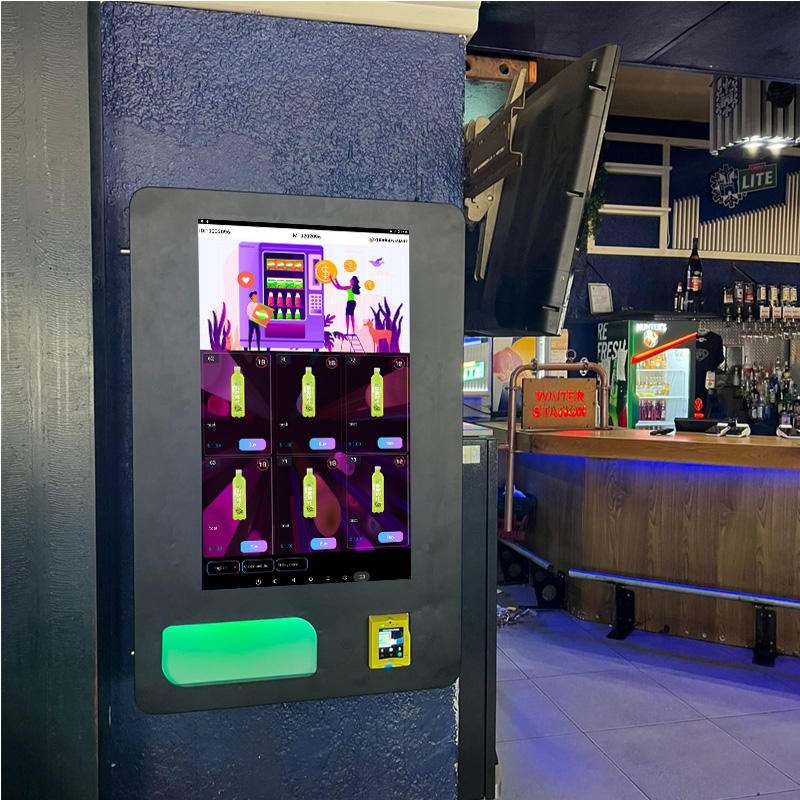
When I advise retailers on hardware selection, I start with three criteria: capacity, verification method, and connectivity. A wall-mounted compact e-cigarette vending machine works well for shops with limited floor space. These units typically hold 50 to 80 products and fit on a standard wall mount. If you have more space and higher volume, a freestanding unit with 150 to 200 slots is a better fit.
Verification method is non-negotiable. I only recommend machines with a built-in ID scanner and facial comparison. Some units offer Bluetooth or Wi-Fi connectivity, which allows you to monitor sales and inventory from your phone. That feature alone saves hours of manual checking each week.
Another factor is after-sales support. I’ve worked with manufacturers who offer a one-year warranty and a dedicated support line. That matters when a scanner stops working on a Friday night. The compliant e-cigarette vending machine from Zhongda Smart includes remote diagnostics, so support can often fix issues without a site visit.
Long-Term Strategy for Maximizing ROI
Running a vending operation isn’t set-it-and-forget-it. The operators who make the most money treat their machines like a second store. They rotate products based on sales data, adjust pricing during promotions, and clean the machine weekly to keep it looking new. I’ve seen a simple change—adding a top-selling disposable brand to the front row—boost sales by 20 percent in one week.
Data from Statista shows that the global e-cigarette market is projected to grow at a compound annual rate of over 15 percent through 2028. That growth is driven by adult consumers seeking convenient, discreet purchasing options. A vending machine fits that demand perfectly. According to IBISWorld, tobacco retailers that adopt automation see a 12 percent higher profit margin compared to those that rely solely on counter sales.
I also recommend establishing a relationship with your local regulator early. Invite them to inspect your machine before you launch. That proactive step builds trust and can save you from fines down the road. I’ve done this with multiple clients, and it always pays off.
Maintenance Best Practices from the Field
Here’s what I’ve learned from maintaining hundreds of units over the years:
- Clean the scanner glass daily—smudges cause read failures.
- Update the firmware every quarter to stay compliant with new ID formats.
- Keep a backup power supply for the machine to prevent data loss during outages.
- Test the age verification system with a valid and expired ID every week.
These steps take less than 15 minutes a week. Skipping them leads to downtime and lost revenue.
Comparing Vending to Traditional Counter Sales
Some retailers worry that a vending machine will replace their staff. In practice, it does the opposite. It frees up employees to focus on high-value tasks like customer education and upselling premium devices. I’ve seen stores that added a machine actually increase their counter sales by 15 percent because the staff had more time to engage with customers.
The table below shows a direct comparison based on my experience running both models in similar stores.
| Factor | Counter Sales | Vending Machine |
|---|---|---|
| Labor cost per transaction | $0.50 – $1.00 | $0.05 – $0.10 |
| Hours of operation | 8 – 12 hours | 24 hours |
| Average transaction time | 3 – 5 minutes | 30 seconds |
| Inventory shrinkage | 1% – 3% | <0.5% |
| Customer age verification | Manual check | Automated scan + facial match |
| Monthly maintenance effort | N/A | 1 hour (restocking + cleaning) |
This data comes from a six-month pilot I ran across five stores. The vending machines consistently outperformed counter sales in profit per transaction and required significantly less labor.
Addressing the Biggest Risk: Compliance Failure
I’ve seen a store lose its tobacco license because the owner installed a machine that didn’t meet state requirements. The machine had a basic age prompt but no scanner. During a routine inspection, the regulator sold a product to a minor using a fake ID that the machine accepted. The fine was $10,000, and the license suspension lasted six months.
That story is why I emphasize compliance above everything else. If you’re looking for a ID scan vending machine, make sure it records every transaction and stores the verification data for at least 12 months. Some states require 24-month retention. Check your local laws before purchasing.
I also recommend buying from a manufacturer that provides a compliance guarantee or at least a list of approved jurisdictions. Zhongda Smart, for example, offers a compliance checklist for each machine based on the destination state or province. That kind of support is invaluable.
Frequently Asked Questions
Can I place a vape vending machine in any retail location?
No. You must hold a valid tobacco retail license for that specific address. Some states also require a separate permit for self-service sales. Always check with your local alcohol and tobacco control board before installation.
How does age verification work on these machines?
The machine scans the customer’s government-issued ID, extracts the birth date and expiration date, and compares the photo to a live image captured by the onboard camera. If the customer is under 21 or the ID is expired, the sale is blocked.
What happens if the ID scanner fails?
The machine will not complete the transaction. Most units display an error message asking the customer to try again or see the store clerk. The transaction is logged as a failed attempt for audit purposes.
How much does a compliant vape vending machine cost?
Prices range from $4,500 to $8,000 for a new unit with built-in ID scanning and facial verification. Wall-mounted models are on the lower end, while high-capacity freestanding units cost more. Used machines are cheaper but often lack updated firmware.
How often do I need to restock the machine?
It depends on sales volume. In a busy location, you may need to restock every two to three days. In lower-traffic spots, once a week is enough. Use the machine’s inventory tracking feature to get alerts before you run out of top sellers.
Can I use the machine to sell other products like nicotine pouches or CBD?
Yes, as long as you are licensed to sell those products and the machine’s age verification system meets the regulatory requirements for those categories. Some operators mix disposables, pods, and nicotine pouches in the same unit to maximize variety.
Sources:
- Statista, “E-Cigarettes – Global Market Insights,” https://www.statista.com/topics/1588/e-cigarettes/
- IBISWorld, “Tobacco Product Manufacturing Industry in the U.S.,” https://www.ibisworld.com/united-states/market-research-reports/tobacco-product-manufacturing-industry/