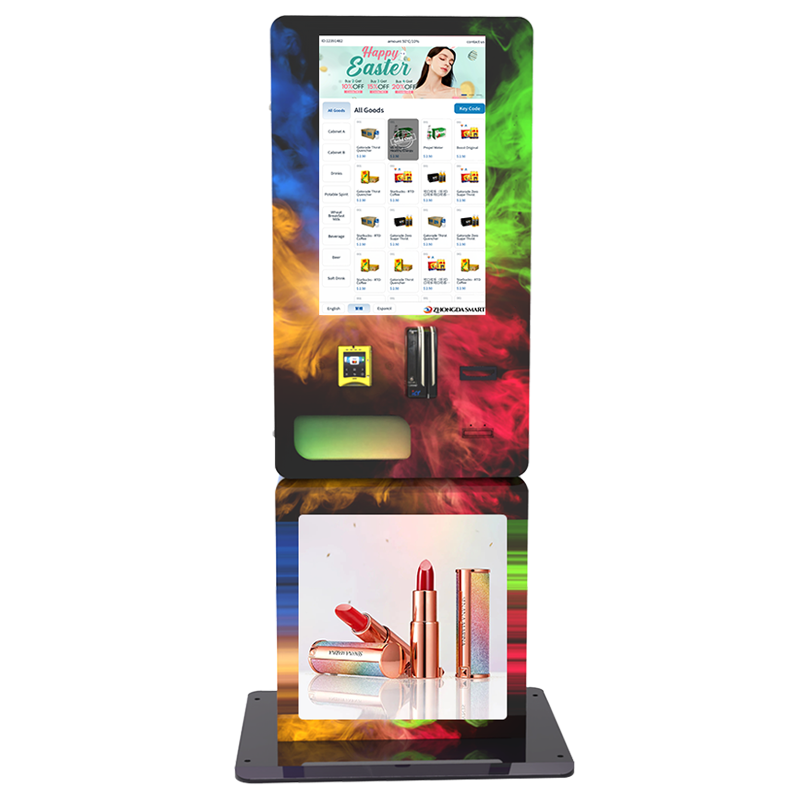
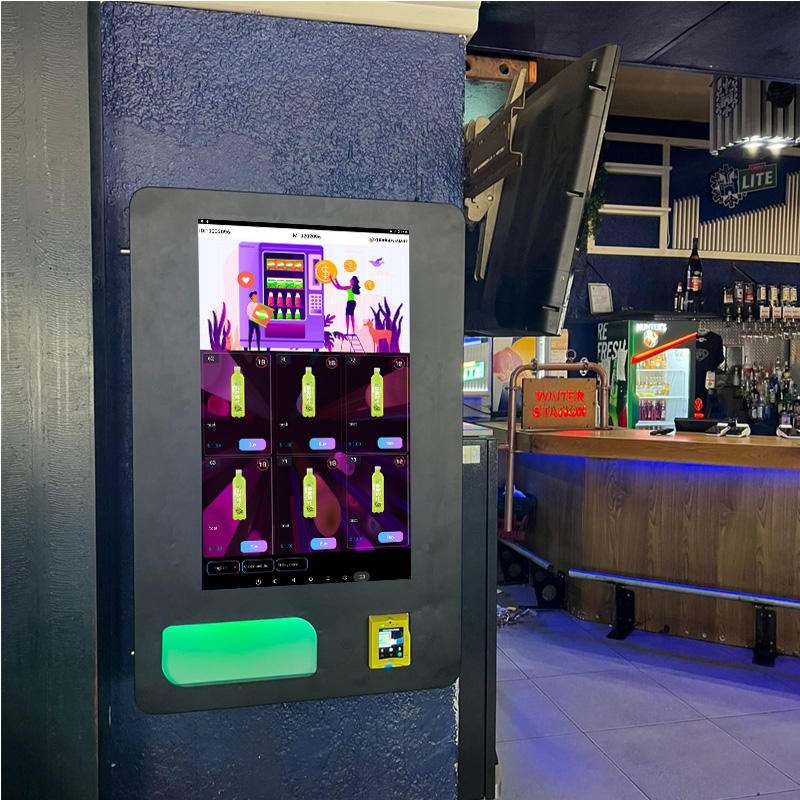
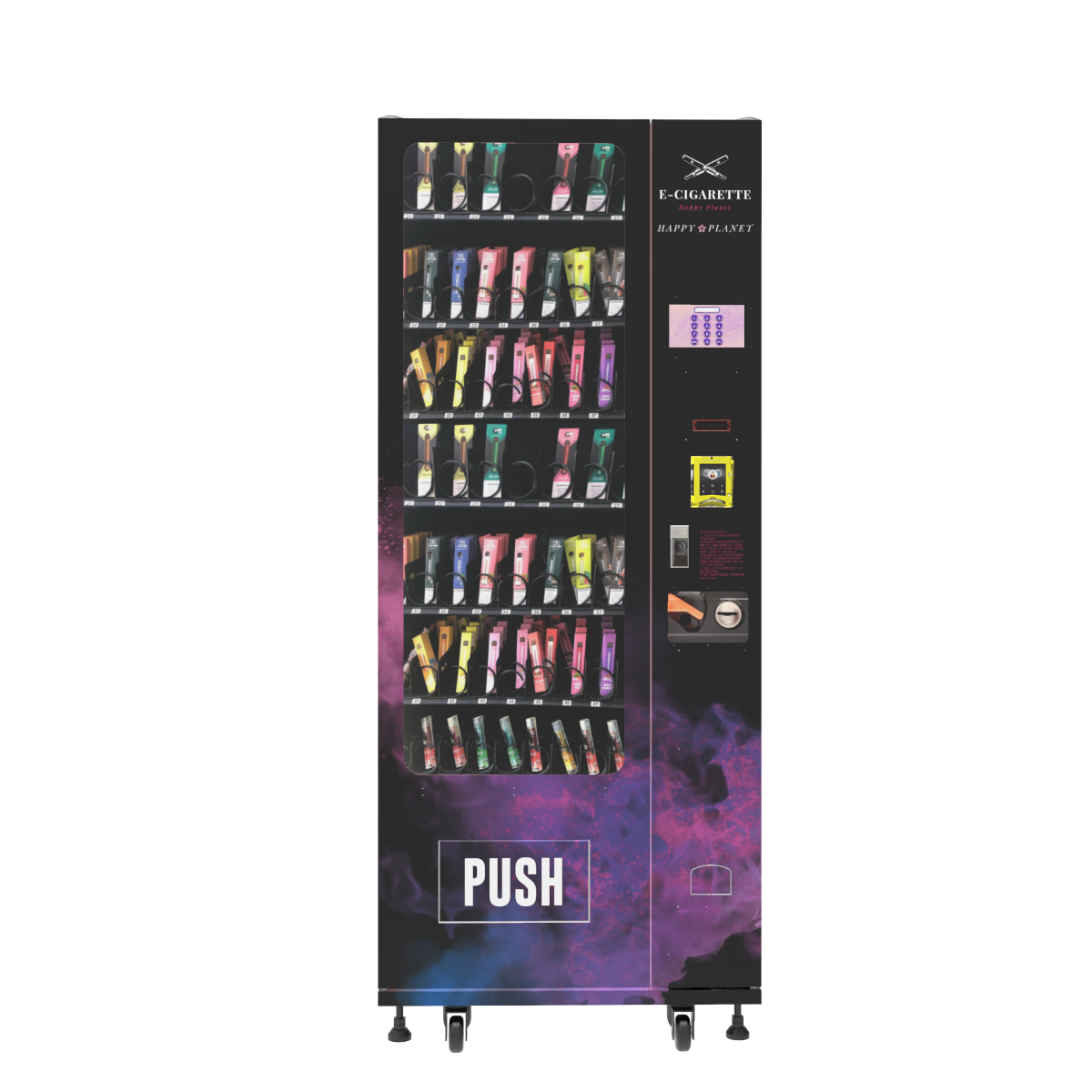
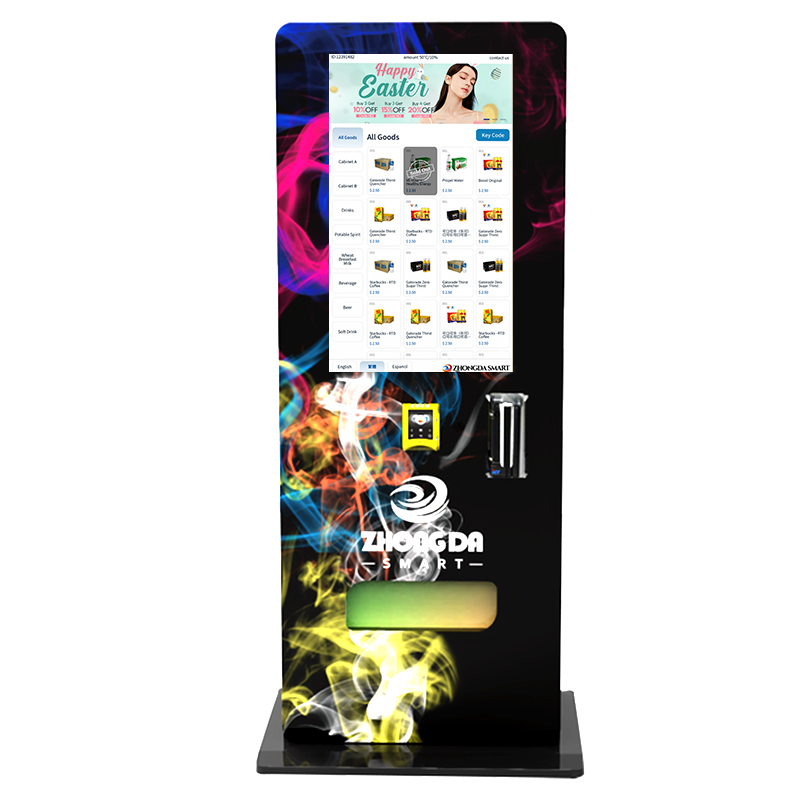
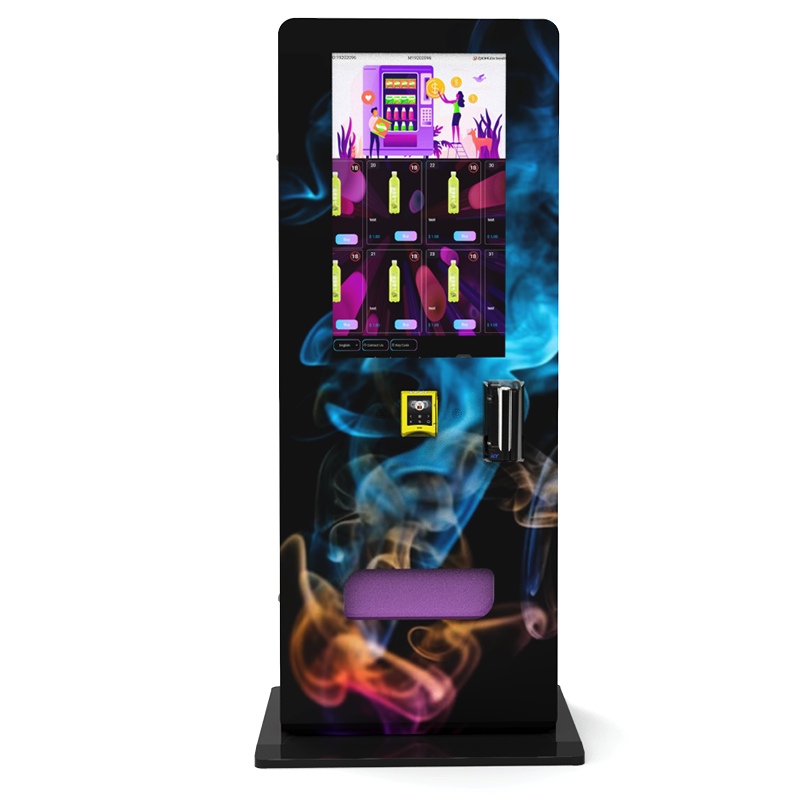
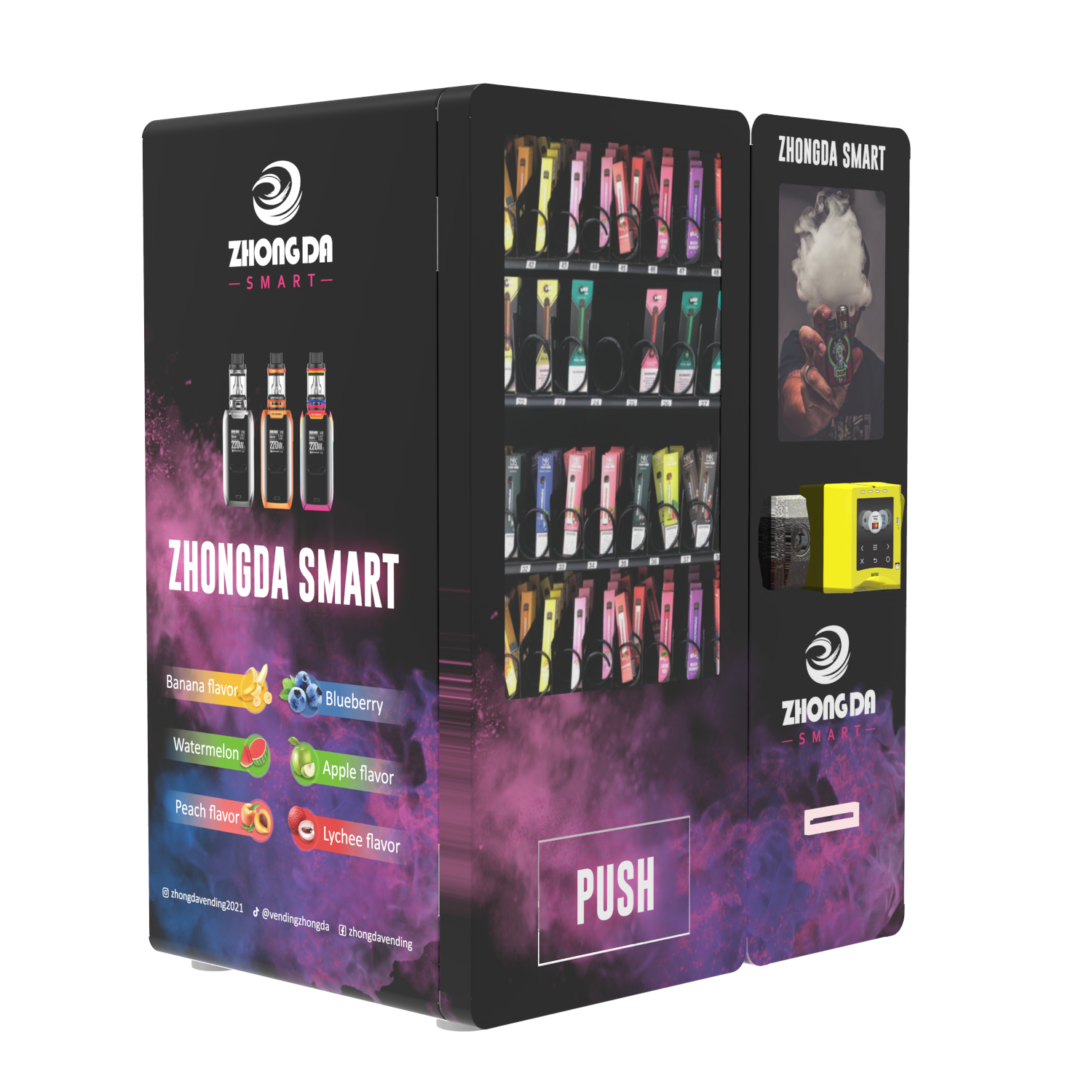
An age verification vape vending machine is essentially a fully automated retail kiosk that combines a standard vending mechanism with a mandatory, government-grade ID scanning system. It is the only legal way to sell nicotine products through a machine in most regulated markets. Unlike a snack machine, it won't let anyone make a purchase unless the system confirms the buyer is of legal age, typically 21 in the US, by scanning the barcode on a driver’s license or passport. After 15 years of building these machines at Zhongda Smart, I can tell you the technology has matured from clunky add-ons to seamless, integrated systems that handle compliance as reliably as they handle inventory.
The Core Mechanism: More Than Just a Lock
When operators ask me what makes a vending machine “age verified,” they usually assume it is just a lock that needs an ID. That is only half the story. The real work happens in the software and the scanner hardware. The machine needs to read the 1D or 2D barcode on the back of an ID, parse the encoded data, and then cross-reference the birthdate against the current date. If the date check passes, the machine sends a signal to the control board to unlock the selected tray. If it fails, the transaction stops immediately.
We have seen a lot of cheap import machines that try to do this with a simple camera and an app. Those fail in real-world use. A legitimate machine uses a dedicated, tamper-resistant scanner. The scanner is mounted flush with the bezel, designed to be vandal-proof. The software also needs to handle edge cases, like vertical IDs, expired IDs, or IDs with damaged barcodes. A good system will allow a manual entry override for the operator, but only with a detailed audit log. You need to know exactly who tried to buy what and when, in case a regulatory inspector shows up.
The Difference Between Age Verification and Age Estimation
This is a critical distinction that many buyers miss. Age estimation is an AI-based feature that tries to guess a person’s age by looking at their face. It is used in some retail self-checkouts for low-risk items. Age verification is a hard data check. It uses a government-issued document. For vape products, estimation is not legally sufficient anywhere in the US or UK. You need verification. If a machine uses only facial recognition, it will fail a compliance audit. Every machine we ship uses a physical ID scan, with facial matching as a secondary layer to prevent the use of a borrowed ID, but the hard stop is always the barcode data.
Cost Structure: What You Are Actually Paying For
I have seen operators get sticker shock when they look at the price tag of a compliant machine versus a standard snack machine. The difference is not in the sheet metal or the cooling system. It is in the compliance hardware and software licensing. A typical breakdown looks like this:
- Hardware (Scanner & Board): $800 to $1,500. This is the certified scanner module and the proprietary control board that talks to it.
- Software Licensing (Annual): $200 to $600 per year. This covers database updates for ID formats and compliance logging.
- Enclosure & Cooling: $1,500 to $3,000. This is standard vending machine hardware, but it is built to be more secure and fire-resistant for nicotine products.
- Inventory System: $500 to $1,000. This includes the tray motors, sensors, and the telemetry board that tracks stock levels.
- Assembly & Testing: $300 to $500. This is the labor to integrate the system and run a 24-hour burn-in test before shipping.
Total cost for a turnkey unit from a reputable manufacturer like Zhongda Smart usually falls between $3,500 and $6,000 for a single machine. If you see a machine selling for under $2,000, it is almost certainly using a generic tablet and a cheap USB scanner. That machine will fail within six months, and it will not pass a regulatory audit.
Profit Models: Where the Money Comes From
The economics of an age verification vape vending machine are different from soda or snack machines. The margins are much higher, but the volume is lower per transaction. A typical disposable vape that costs $5.50 wholesale can sell for $12.99 to $15.99 in a machine. That is a 60% to 65% gross margin. Compare that to a candy bar which might have a 30% margin.
However, the key metric is not just margin. It is inventory turns and location rent. A good location, like a busy bar or a hotel lobby, can turn inventory 2 to 3 times per week. A bad location might turn it once a month. We have one client in a casino in Nevada who does over $4,000 in gross sales per week from a single double-wide machine. That machine paid for itself in three months.
The biggest hidden cost is shrinkage. With cigarettes and vapes, theft is a real problem if the machine is not properly secured. An age verification machine actually reduces theft because the customer has to prove they are of age, which creates a digital footprint. If someone tries to pry the door open, the telemetry system sends a real-time alert to the operator’s phone.
Operational Realities: What I Learned from 200 Deployments
I have personally overseen the deployment of over 200 of these machines across the US and Europe. The biggest operational mistake new operators make is underestimating the need for local compliance. Just because the machine scans an ID does not mean you are legal. You still need a business license, a tobacco retail license, and you need to register the machine with the local health department in some states.
Another lesson is about inventory management. You cannot just fill the machine with random products. You need to know what sells in that specific location. A machine in a college bar will sell mostly cheap disposables and nicotine pouches. A machine in a hotel will sell premium vape kits and replacement pods. If you put the wrong mix in, you will be pulling expired product out in two months. We provide a data analytics dashboard with every machine that shows real-time sales data. I recommend operators check it weekly for the first three months to dial in their product mix.
Maintenance and Downtime
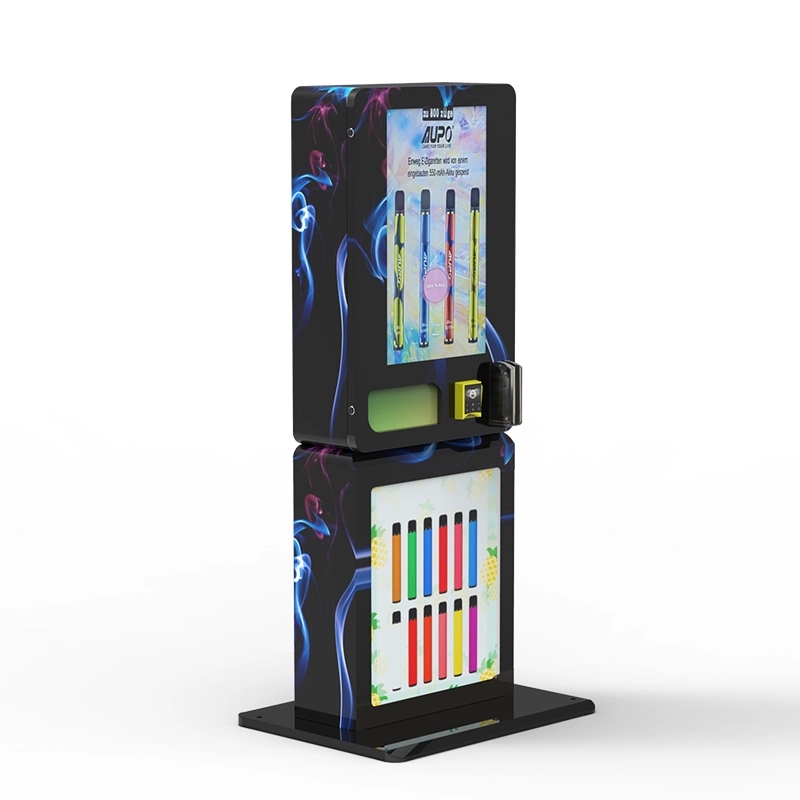
Every machine will have issues. The most common failure point is the scanner window getting scratched or dirty. Bar patrons are not gentle. We switched to a sapphire-coated glass on our scanners two years ago, which reduced service calls by 40%. The second most common issue is network connectivity. If the machine loses its internet connection, the age verification system usually defaults to a “fail safe” mode where it will not vend. That is a good thing for compliance, but it means you need a reliable cellular backup. We recommend a dual-SIM setup with a primary WiFi and a backup 4G LTE modem.
Comparing Machines: What to Look For
Not all age verification vape vending machines are created equal. I have compiled a comparison based on the features that actually matter in daily operation.
| Feature | Entry-Level Machine | Mid-Range Machine | Commercial-Grade (Zhongda Smart) |
|---|---|---|---|
| Scanner Type | Generic USB camera | Dedicated 1D/2D imager | Industrial 2D imager + IR filter |
| ID Parsing Accuracy | ~80% (fails on vertical IDs) | ~95% | 99.5% (handles all US/EU formats) |
| Tamper Resistance | None | Basic door sensors | Full steel frame + vibration sensor + door switch |
| Software Licensing | None (local only) | Basic cloud logging | Full compliance suite with audit reports |
| Average Lifespan | 1-2 years | 3-4 years | 7-10 years |
| Warranty | 90 days | 1 year | 2 years (parts & labor) |
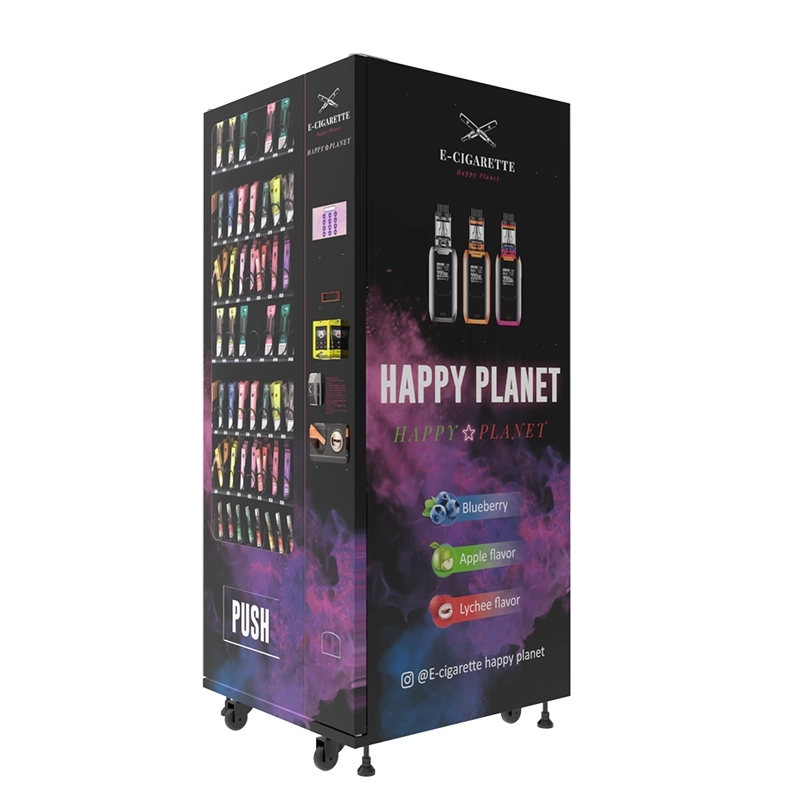
If you are placing a machine in a high-traffic location, you cannot afford the downtime of an entry-level machine. The cost difference of $2,000 is recouped in the first 6 months of reliable operation. You can view our specific machine models and their technical specifications on our Vape Vending Machines page.
Risk and Failure: Stories from the Field
I want to share a specific failure case that cost an operator $15,000. He bought six machines from a company that was essentially a reseller. The machines looked good on paper, but the age verification software was a generic Android app. After three months, the app crashed and would not restart. The scanner stopped reading IDs. The reseller had gone out of business. The operator had to buy all new control boards and scanners from a real manufacturer. That is the biggest risk in this industry: buying from a middleman who does not have engineering support.
Another risk is regulatory changes. In 2022, a state changed its ID format to include a new encryption layer. Many machines on the market could not read the new IDs for two months. Our team had an update ready within 72 hours because we have direct access to the firmware developers. If you buy from a factory, you get those updates for free. If you buy from a reseller, you wait.
Long-Term Strategy: Building a Route
Successful operators do not buy one machine. They buy five or ten and build a route. The economics of scale are significant. Once you have a route of ten machines, you can justify a part-time employee to service them. You can negotiate better wholesale pricing with distributors. You can also use the data from your machines to identify the best locations for expansion.
A common strategy is to start with a high-traffic bar or a hotel. Once that machine is stable, you use the cash flow to buy a second machine for a different location. The key is to avoid debt. These machines have a high ROI, but only if you own them outright. Leasing is a trap because the interest rates eat into your margin.
We have seen operators scale from a single machine to a fleet of 50 within two years. They usually start by placing machines in locations they already have relationships with, like a friend’s bar or a family member’s convenience store. The hardest part is getting the first location. Once you have a proven track record of sales and compliance, other locations will approach you.
Expert Recommendations for New Buyers
If you are considering buying an age verification vape vending machine, here is my direct advice based on 15 years of building and deploying these systems:
- Prioritize the scanner. This is the heart of the machine. A cheap scanner will cost you more in lost sales and compliance fines than the savings on the purchase price.
- Demand a remote management system. You need to be able to check inventory, sales, and compliance logs from your phone. Without this, you are flying blind.
- Check the warranty for the software. Hardware is easy to fix. Software updates are what keep you compliant. Make sure the manufacturer offers at least one year of free software updates.
- Test the machine with 10 different IDs. Before you buy, ask for a demo. Bring a California ID, a New York ID, a passport, and a military ID. If the machine fails on any of them, walk away.
- Look at the build quality of the door. The door takes the most abuse. A door that is made of 16-gauge steel with a reinforced hinge will last a decade. A door made of 20-gauge steel will warp in two years.
For a deeper dive into the specific models that meet these criteria, you can explore our dedicated age verification vending machine page.
Future-Proofing Your Investment
The industry is moving toward biometric integration and cashless-only systems. We are already seeing machines that require both an ID scan and a fingerprint to complete a transaction. This is overkill for most locations, but it is coming. When you buy a machine today, make sure the control board has expansion slots for future peripherals. A machine that is locked into a single hardware configuration will be obsolete in five years.
Another trend is the integration of loyalty programs. Some operators are using the age verification data to create a customer database (anonymized, of course) to send targeted promotions. This is a smart way to increase repeat business. The machines we build now come with a standard API that allows for third-party marketing integrations.
Finally, do not forget about the physical security of the location. A machine is only as secure as the room it is in. We have had clients who placed machines in unmonitored hallways and had them broken into within a week. Always install the machine in a well-lit area with CCTV coverage. The machine itself should have a GPS tracker and a vibration sensor that sends an alert if the machine is moved.
Frequently Asked Questions
How does an age verification vape vending machine differ from a regular vending machine?
Can I use a standard ID scanner from Amazon to retrofit a regular vending machine?
What happens if the scanner fails to read an ID?
What is the average profit margin for a vape vending machine?
Do I need a special license to operate an age verification vape vending machine?
Final Thoughts on Compliance and Profit
An age verification vape vending machine is not a passive investment. It requires active management, a good relationship with distributors, and a strict adherence to local laws. But for operators who are willing to put in the work, the returns are substantial. The key is to buy the right equipment from a manufacturer with a proven track record. We have spent years refining our machines to meet the demands of the US market, and we continue to innovate. If you want to see how we build our machines, you can visit our About Us page to learn more about our engineering background and production capabilities.
Sources: