If you are serious about placing a smart vape vending machine in a bar, a smoke shop, or a hotel lobby, you need to know exactly what you are getting into before you swipe your credit card. I have been building and operating these machines across the US and Europe for over a decade, and I can tell you that the difference between a machine that pays for itself in six months and one that collects dust in a warehouse comes down to three things: the hardware's ability to verify age without fail, the software that tracks your inventory in real time, and the legal framework you have to navigate. Let me break down the real costs, the actual features that matter, and the legal requirements that will keep you out of trouble.
What Actually Makes a Vape Vending Machine "Smart"
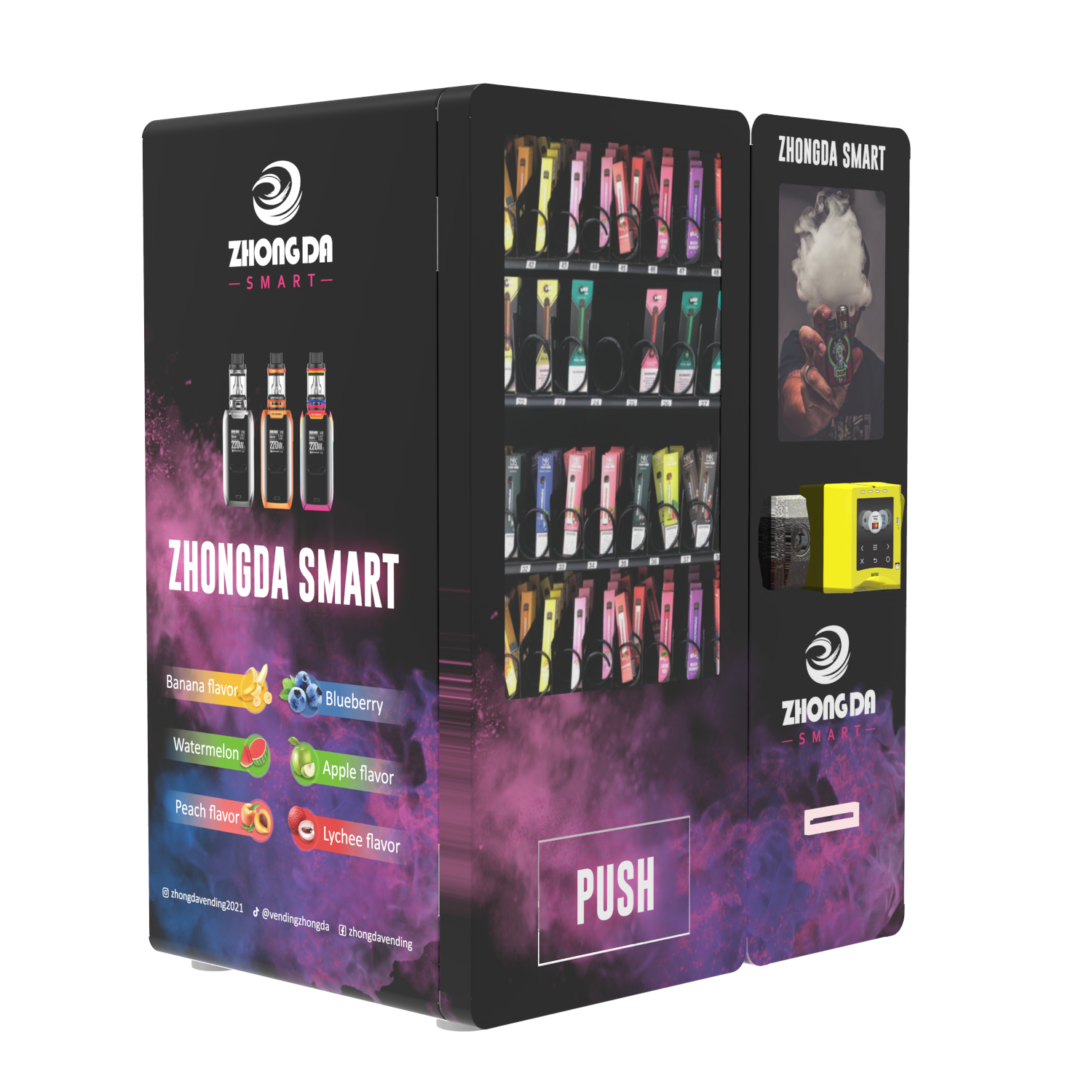
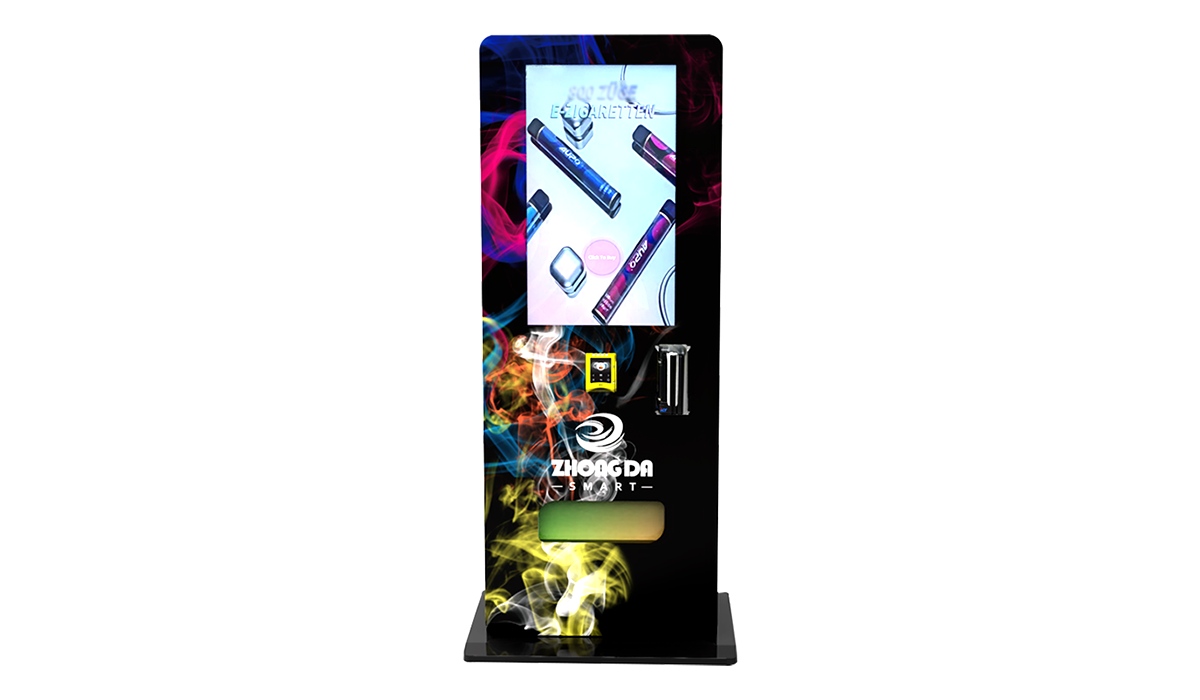
We started building these units back when most people thought a vending machine was just a coil and a motor. The industry has changed completely. A smart vape vending machine today is a self-service kiosk that does not just hold product—it verifies the buyer, tracks every sale, and talks to your phone. If your machine cannot do those three things, it is not smart. It is just a box with glass.
Age Verification That Does Not Fail
The single most important feature is age verification. I have seen operators lose their license and face fines because they relied on a simple button that says "I am 21." That does not work. The machines we build at Zhongda smart use a built-in ID scanner that reads the barcode and the face of the driver's license. It checks the date, checks the security features, and if the ID is expired or fake, the transaction stops. Some models also use a third-party database check that matches the name and address. If you are placing a machine in a state with strict laws, you need this. Without it, you are a liability magnet.
Real-Time Inventory and Telemetry
I learned this the hard way. In my first year, I had a machine in a busy nightclub that sold out of the most popular disposable vape by 10 PM on a Friday. I did not know until Saturday afternoon when I drove out to check it. That is lost revenue. A modern automated vape vending machine sends you a notification when a column is low or empty. You can log into a dashboard on your phone and see exactly how many units of each flavor are left. This feature alone saves you from driving to a machine that is fully stocked or, worse, driving to one that has been empty for three days.
Payment Systems and Cash Handling
Cash is still king in some locations, but card and mobile payments are the majority now. You need a machine that accepts credit cards, Apple Pay, Google Pay, and cash. The card reader needs to be EMV compliant. If you are using an older machine with a magnetic stripe reader, you will get chargebacks. We switched to tap-to-pay readers three years ago, and our transaction success rate went up by about 18 percent. People do not want to dig for cash. They want to tap their phone and walk away.
The Real Cost Breakdown: What You Will Actually Pay
I get calls every week from someone who saw a cheap machine online for two thousand dollars. They ask me if it is a good deal. It is not. That machine will not have age verification, will not have telemetry, and will probably break within three months. Here is what the market actually looks like based on what we sell and what our competitors sell.
| Machine Type | Price Range (USD) | Key Features | Best For |
|---|---|---|---|
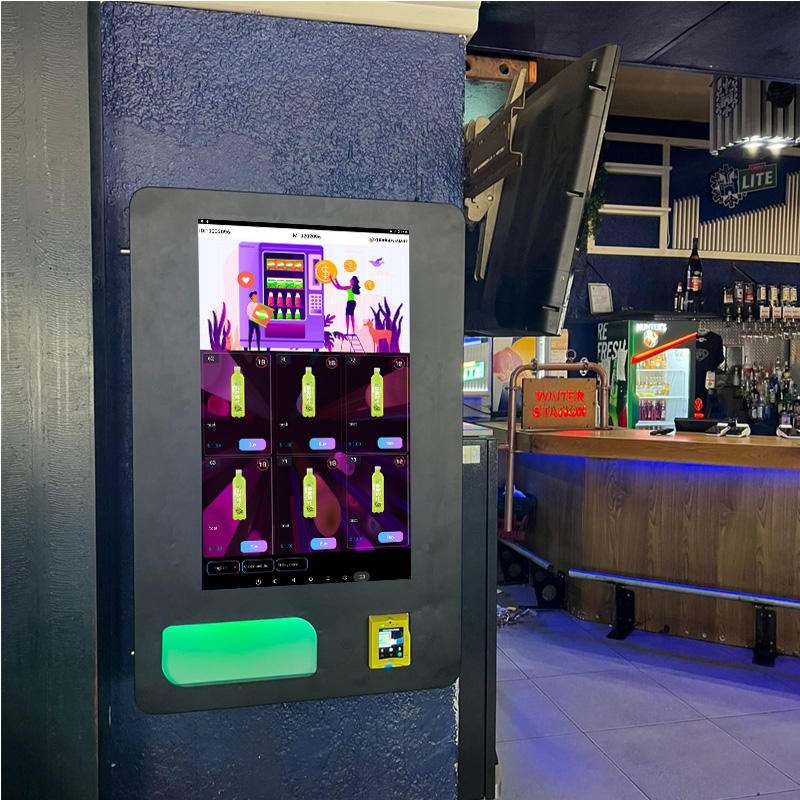
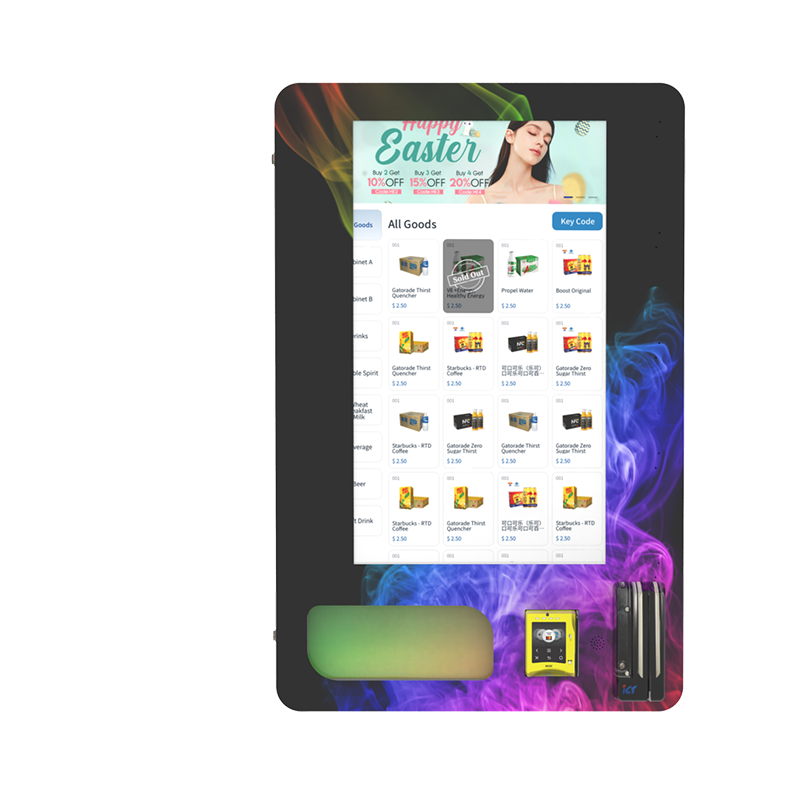
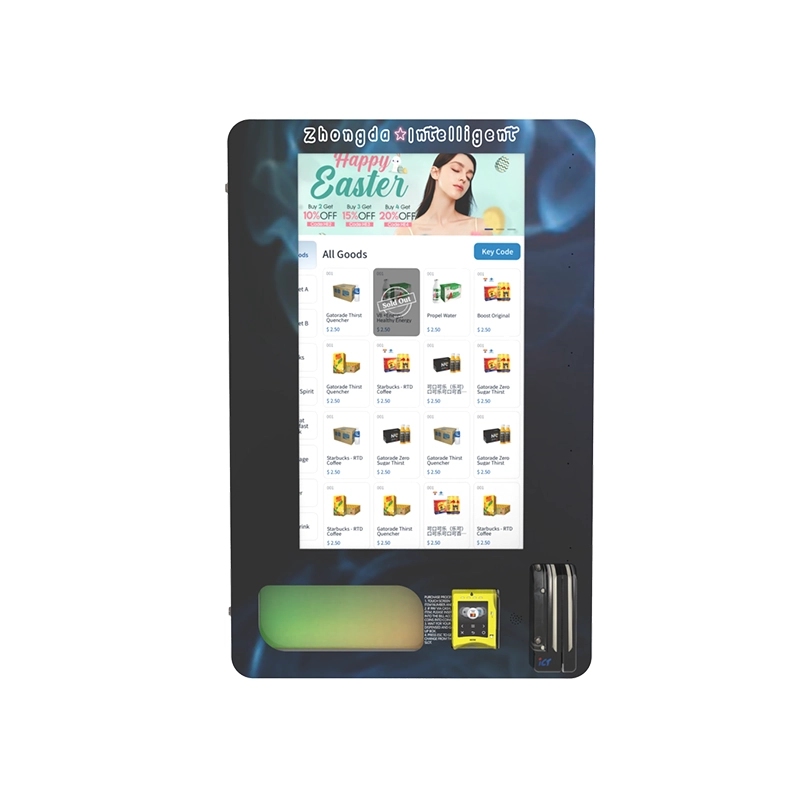
| Basic Wall-Mounted Unit | $3,500 – $5,500 | Small capacity, basic ID scan, card reader | Small shops, barbershops, low-traffic areas |
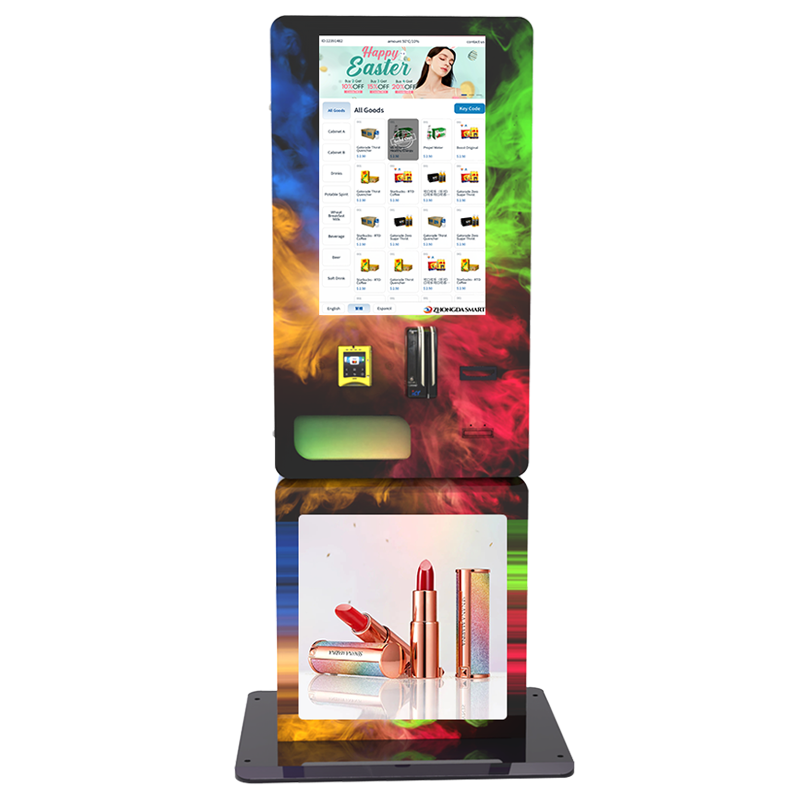
| Mid-Range Floor Model | $6,000 – $9,500 | ID scanner, telemetry, 100+ capacity, cashless | Bars, lounges, convenience stores |
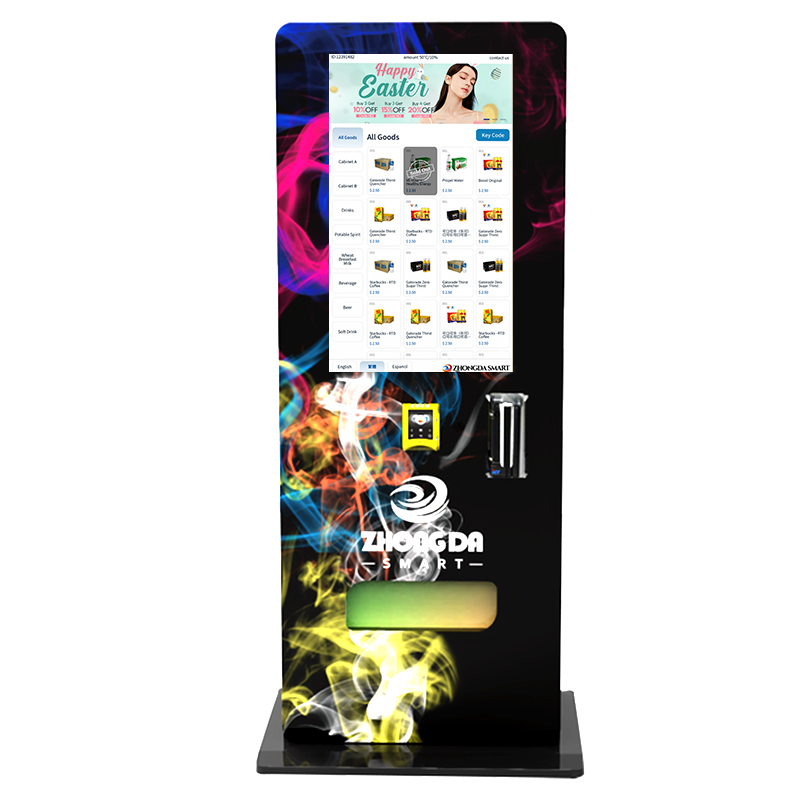
| High-Capacity Kiosk | $10,000 – $15,000 | Dual scanners, database verification, large screen, 200+ capacity | High-traffic venues, airports, casinos |
These prices are for a new unit from a reputable manufacturer. You can find used machines for less, but you take on the risk of broken scanners or outdated software. I have seen operators buy a used machine for three thousand dollars and then spend two thousand fixing the card reader. Buy once, cry once.
Hidden Costs You Cannot Ignore
There are costs that new operators forget to budget for. The first is installation. You need a power outlet that is dedicated and grounded. Some locations require you to bolt the machine to the floor for safety. That costs money. The second is the monthly software fee. Most smart machines use a cloud platform to manage inventory and sales. That can run between thirty and seventy dollars per month. The third is the payment processing fee. You will lose about 2.5 to 3.5 percent per transaction. On a ten-dollar vape, that is thirty-five cents. It adds up.
Insurance is another cost. If someone underage buys from your machine and gets caught, you need liability coverage. Some operators skip this. I do not recommend it. A single lawsuit can wipe out a year of profit.
Profit Margins and Revenue Expectations
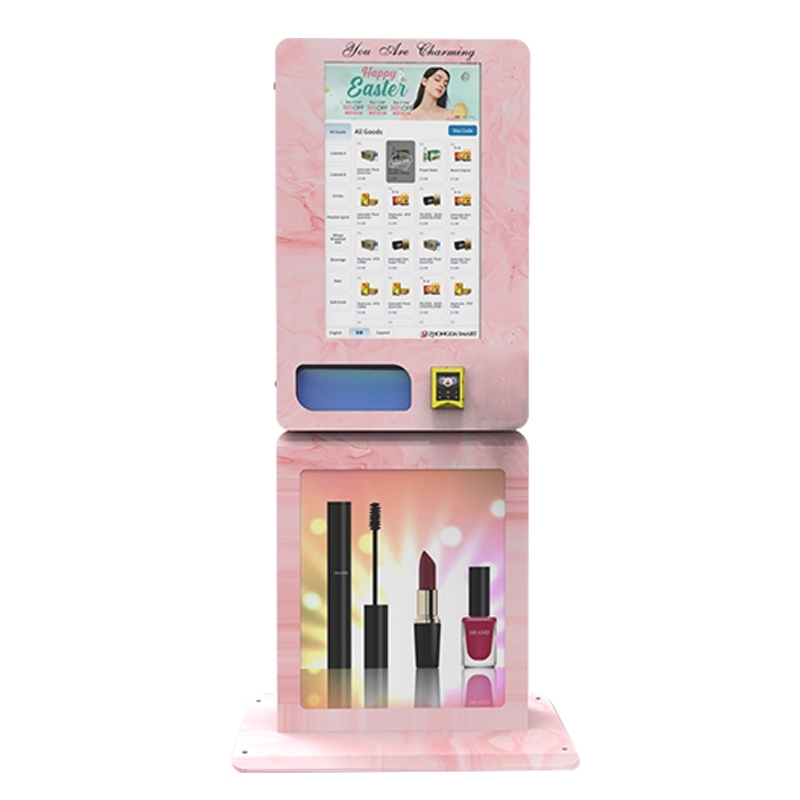
I have a machine in a mid-sized bar in a suburban area. It sells about forty units per week. The average sale is twelve dollars. That is four hundred and eighty dollars in gross revenue per week. The cost of goods is about fifty percent, so I make two hundred and forty dollars in gross profit per week. After the location commission (usually 10 to 15 percent), software fees, and payment processing, I net about one hundred and seventy dollars per week. That machine cost seven thousand dollars. It pays for itself in about ten months.
That is a realistic scenario. If you put a machine in a high-traffic venue like a concert hall or a busy nightclub, you can double that volume. I have a partner in Florida who runs three units in hotels. Each one does about sixty to seventy sales per week. He clears over two thousand dollars per month per machine. But those locations are hard to get. You have to pitch the owner and show them why it is better than having a clerk sell vapes behind the counter.
How to Maximize Your Profit
The key is product selection. Do not stock twenty different flavors. Stock the top five best sellers. In my experience, the top five flavors account for 80 percent of sales. The rest sit on the shelf and expire. I learned this when I had a machine with twelve slots and twelve different flavors. The bottom three flavors did not move for two months. I replaced them with double columns of the top sellers, and my sales went up by 25 percent without adding any new locations.
Pricing is also critical. You are a convenience channel. You can charge one to two dollars more than a retail store because you are open when the store is closed. People will pay three dollars extra for a disposable vape at 2 AM if they are out. Do not be afraid to price for the convenience.
Legal Requirements: The Part That Gets People Sued
This is not a suggestion. This is the law. If you place a vending machine that sells nicotine products without proper age verification, you are violating federal law in the US, and most states have their own additional rules. The FDA is clear: you must verify the age of the purchaser. The machine must have a mechanism that checks a valid ID before the transaction can proceed. A simple keypad where someone types a birth date is not sufficient. The machine must scan the ID or use a database.
State-by-State Variations
Some states are stricter than others. For example, California requires that the machine be in a location that is not accessible to minors without an employee present. That usually means the machine must be in a locked room or under direct supervision. Florida allows machines in bars and adult-only venues as long as the machine has age verification. Some states like New York have banned self-service sales of tobacco products entirely, which includes vapes. You need to check the local laws before you buy the machine. I have a page on our site that covers some of these specifics, like whether vape vending machines are legal in California, but you should also consult a local attorney who knows tobacco law.
FDA Compliance and Record Keeping
The FDA requires that you keep records of every sale if you are audited. That means the machine must log the date, time, product sold, and the ID verification result. Our machines at Zhongda smart store this data in the cloud automatically. You can pull a report for any date range. If the FDA shows up, you can hand them a report in five minutes. If your machine does not have this capability, you are non-compliant.
Deployment Experience: What I Learned from Real Installations
I want to share a specific story because it shows how things can go wrong. I placed a machine in a hotel lobby in a busy downtown area. The location was perfect. High foot traffic, mostly adults, no nearby vape shop. I installed the machine, tested it, and left. A week later, the hotel manager called me. The machine was not working. I drove out and found that the power cord had been unplugged by a cleaning crew. That sounds stupid, but it happens. I learned to install a lockable power switch and a tamper alarm. That alarm sends me a text if the machine is unplugged or if the door is opened without authorization.
Another lesson was about location placement. Do not put the machine in direct sunlight. The heat will damage the batteries in the disposable vapes, and the screen will overheat. I had a machine in a glass-walled lobby that faced west. By 3 PM, the internal temperature was over 110 degrees. I had to move it. Now I always check the sun exposure before I install.
Maintenance Schedules That Work
You do not need to visit the machine every day. Once a week is usually enough for a mid-traffic location. When you visit, you clean the screen, check the card reader, and restock. You also need to check the ID scanner. Dust and grime can build up on the lens and cause the scanner to fail. We include a cleaning kit with every machine we ship from our factory. Use it.
Software updates are another thing. The machine's operating system needs updates to stay compliant with payment card industry standards. If you ignore the updates, the card reader will stop working. I set a reminder on my phone for the first of every month to check for firmware updates.
Comparing the Top Options in the Market
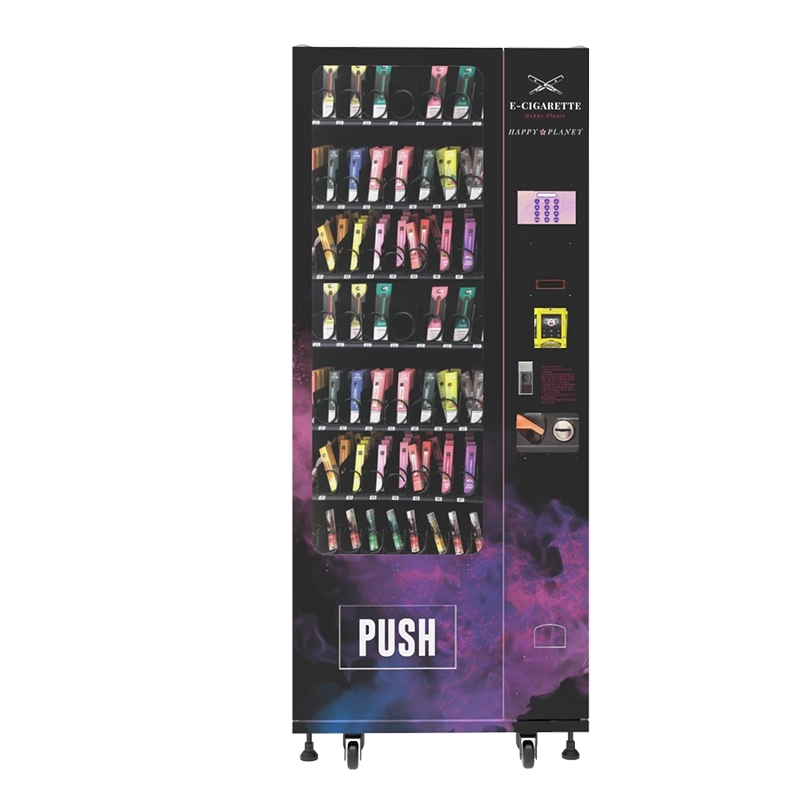
I have tested machines from three different manufacturers over the years. I will not name the ones I do not like, but I can tell you what to look for. The first thing is the build quality. Open the door and look at the wiring. If the wires are loose or taped together, walk away. The second thing is the software. Ask for a demo of the dashboard. If it looks like it was designed in 2005, the machine is probably outdated.
Our own line of machines at Zhongda smart focuses on three things: a rugged steel body, a high-resolution scanner that reads IDs from any angle, and a cloud dashboard that is simple to use. We have a model that is specifically built for compliance in strict markets, which you can see on our compliant e-cigarette vending machine page. I am biased, but I know the engineering behind it because I helped design it.
Risks and Failure Cases You Need to Know
Not every machine makes money. I have seen operators fail because they put the machine in a location where the demographic was too young. If the average customer in a venue is under 25, they might not have a valid ID or they might not have the money. Look for venues where the average age is 30 or older.
Another common failure is poor product rotation. Vapes have expiration dates. If you do not check the dates, you will sell expired product, and that will get you sued. I use a first-in-first-out system. When I restock, I put the new product behind the old product. It is simple, but it works.
Theft is rare with a smart machine because the door is locked and the product is behind glass. But I have seen cases where someone tries to pry the door open. That is why we install a vibration sensor. If the machine is hit or shaken, it triggers an alarm and sends a notification to the owner.
Long-Term Strategy for Operators
If you want to build a business around these machines, you need to think in terms of a network. One machine is a side hustle. Five machines is a business. The operational cost per machine goes down as you add more because you can route your service visits efficiently. I have a partner who runs twelve machines in one city. He services them all in one day by planning a route that takes him from one side of the city to the other without backtracking.
You also need to build relationships with the location owners. They are your partners. If they are happy, they will let you keep the machine there. I always offer a commission of 10 to 15 percent of the gross sales. That gives them a reason to promote the machine and to make sure it stays plugged in.
Finally, keep an eye on the regulatory landscape. The laws are changing. Some cities are banning flavored products. Others are requiring additional licensing. I subscribe to a newsletter from the FDA Center for Tobacco Products to stay updated. You should too. Ignorance of the law is not a defense.
Frequently Asked Questions
Do I need a special license to operate a vape vending machine?
Yes. In most states and countries, you need a tobacco retail license. The machine itself must also be registered in some jurisdictions. Check with your local health department or tobacco control board before you buy the machine.
How much does a compliant vape vending machine cost?
A new, compliant machine with age verification and telemetry costs between $3,500 and $15,000 depending on the size and features. Avoid cheap machines that lack ID scanning.
Can I put a vape vending machine in a gas station?
It depends on state law. Some states allow it only if the machine is in a section that is not accessible to minors. Other states prohibit self-service sales of tobacco products in retail environments. You need to check the specific laws for your state.
How often do I need to service the machine?
For a machine in a medium-traffic location, once a week is sufficient. For high-traffic locations, you may need to visit twice a week. Always check the inventory dashboard remotely to plan your visits.
What happens if the age verification scanner fails?
The machine should be programmed to stop all sales until the scanner is fixed. Do not operate a machine with a broken scanner. It is a violation of federal law. Most manufacturers, including us at Zhongda smart, offer replacement scanners that you can swap in minutes.
Sources and References:
FDA Center for Tobacco Products: https://www.fda.gov/tobacco-products
Statista – Vending Machine Market Data: https://www.statista.com/topics/1284/vending-machines/
IBISWorld – Vending Machine Operators in the US: https://www.ibisworld.com/united-states/market-research-reports/vending-machine-operators-industry/
smart vape vending machines: real costs, age verification tech, legal compliance, and profit data from a manufacturer with 15 years in the industry.">