After spending over a decade deploying vending solutions across the US and European markets, and running a factory that builds these machines from the ground up, I can tell you the single biggest question I get from operators isn’t about profit margins or placement strategy. It’s about compliance. Specifically, the difference between an age verification vending machine and a standard vending machine. The short answer is that a standard machine sells snacks or sodas without checking who buys them, while an age verification vending machine uses ID scanning or biometric checks to ensure the purchaser is legally old enough to buy age-restricted products like e-cigarettes, nicotine pouches, or cannabis. If you are looking at the vending business for restricted products, the choice is not optional—it is the only path forward that keeps you out of legal trouble and builds a sustainable operation.
How the Hardware Differs Under the Hood
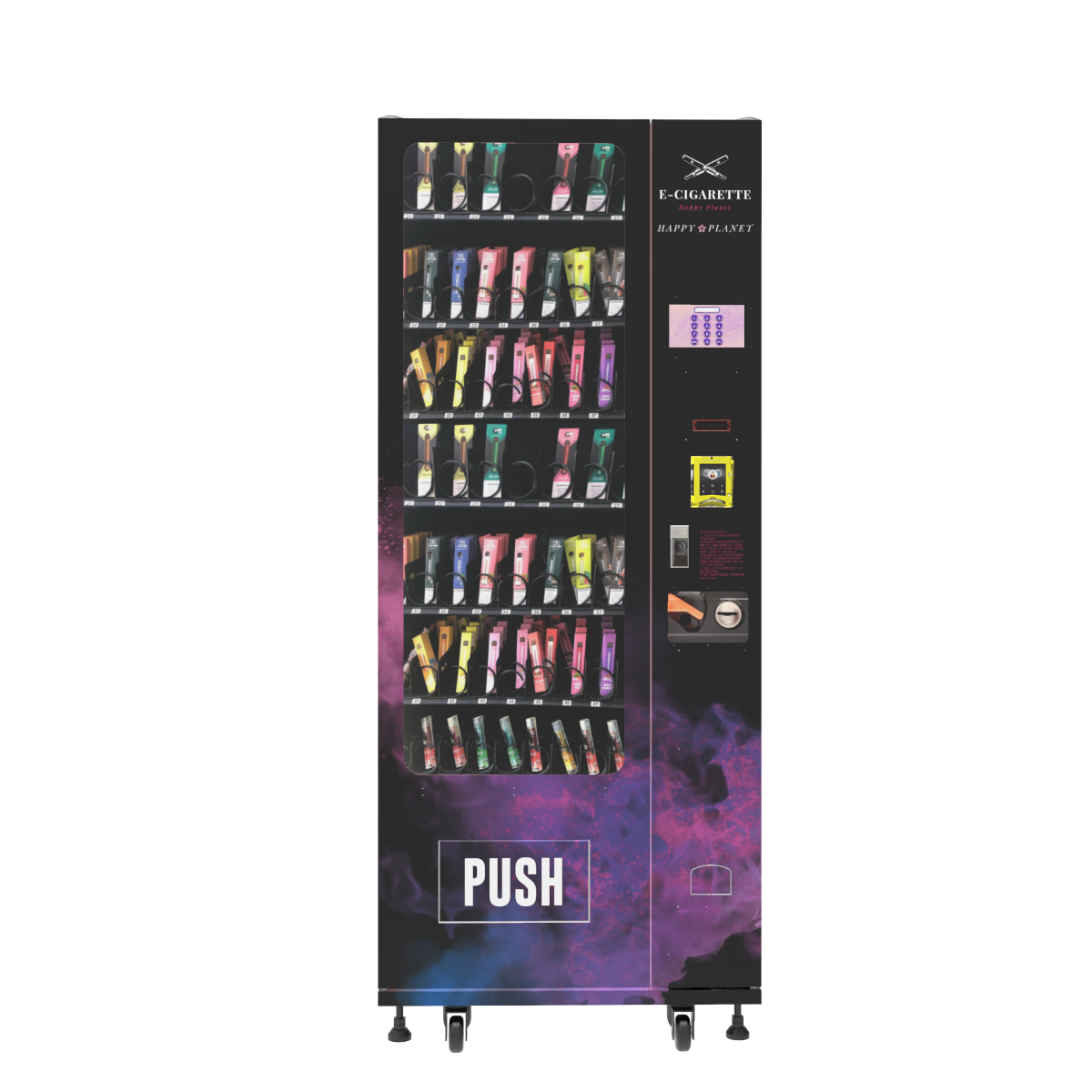
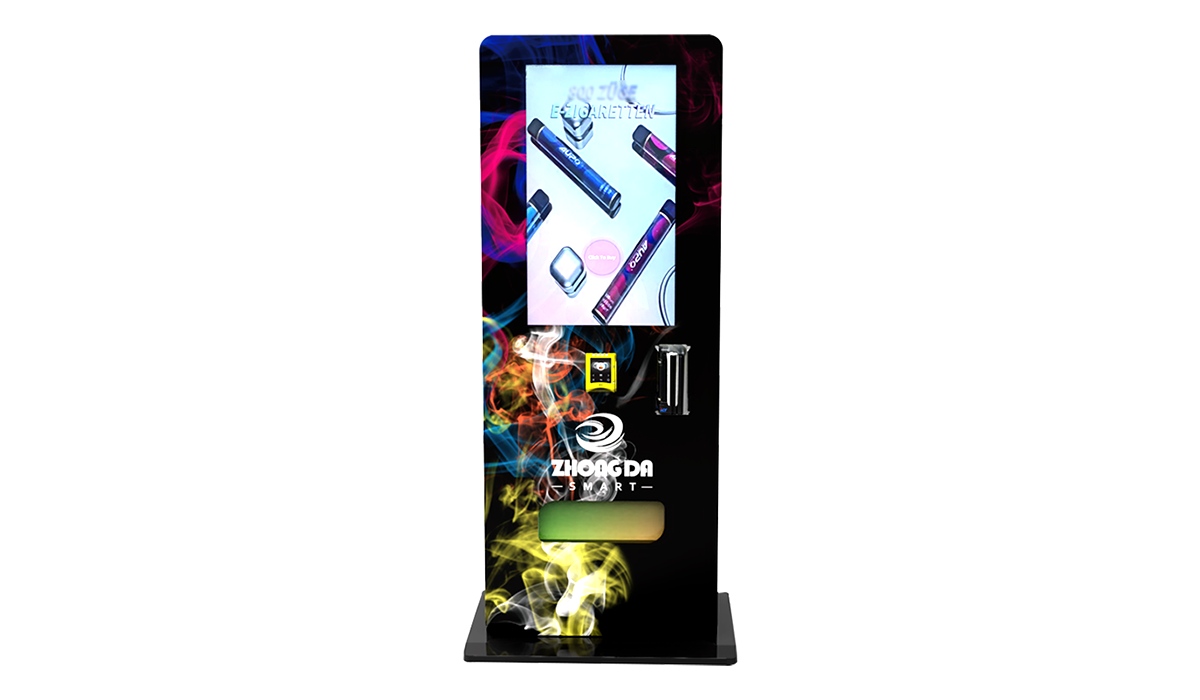
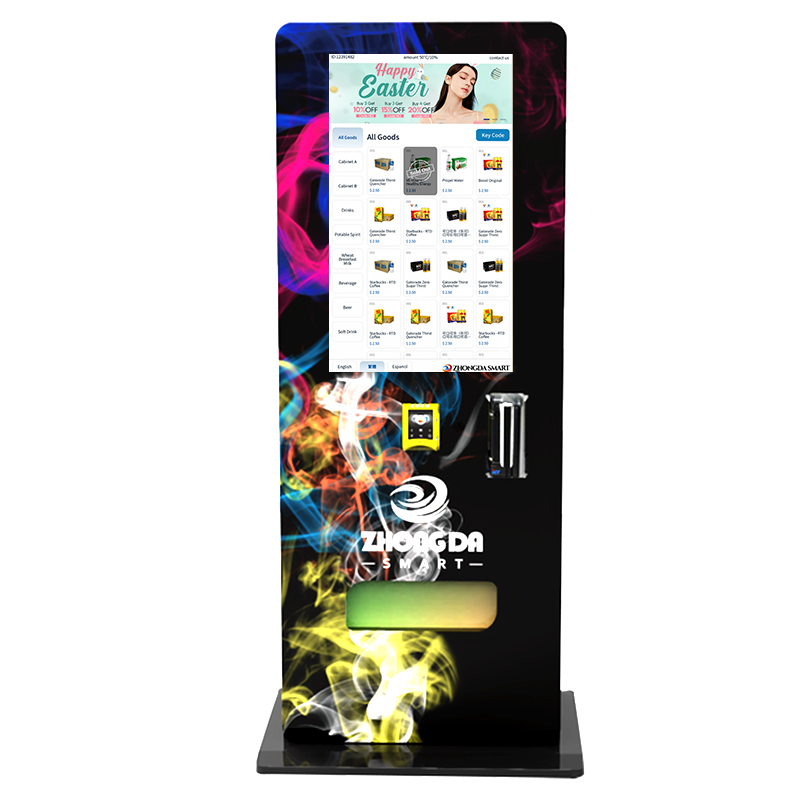
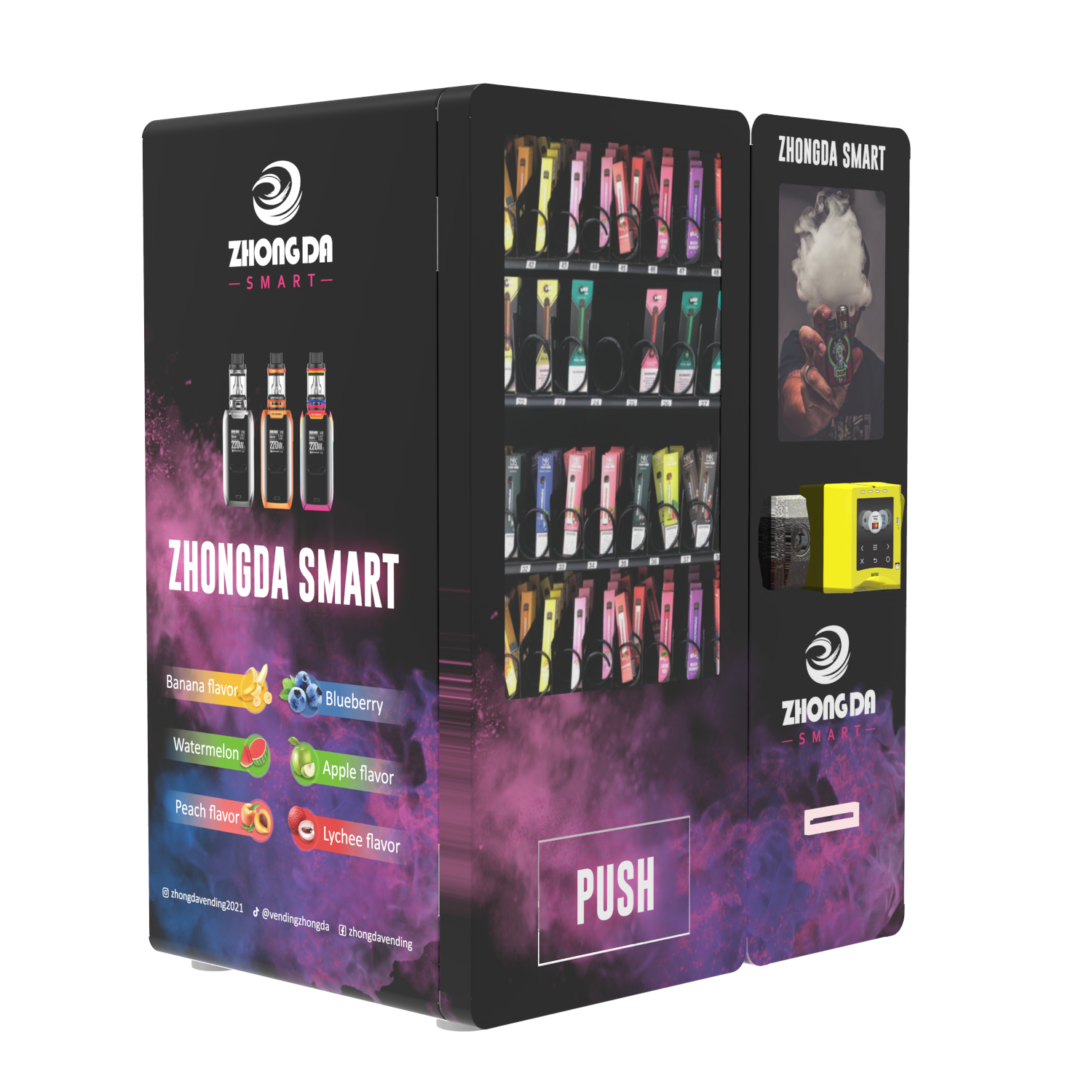
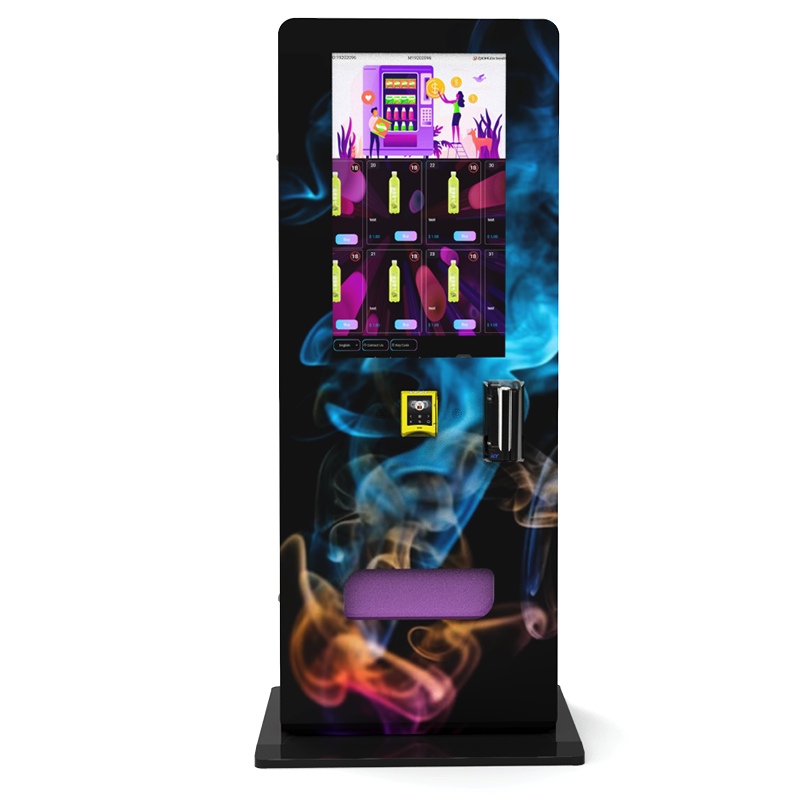
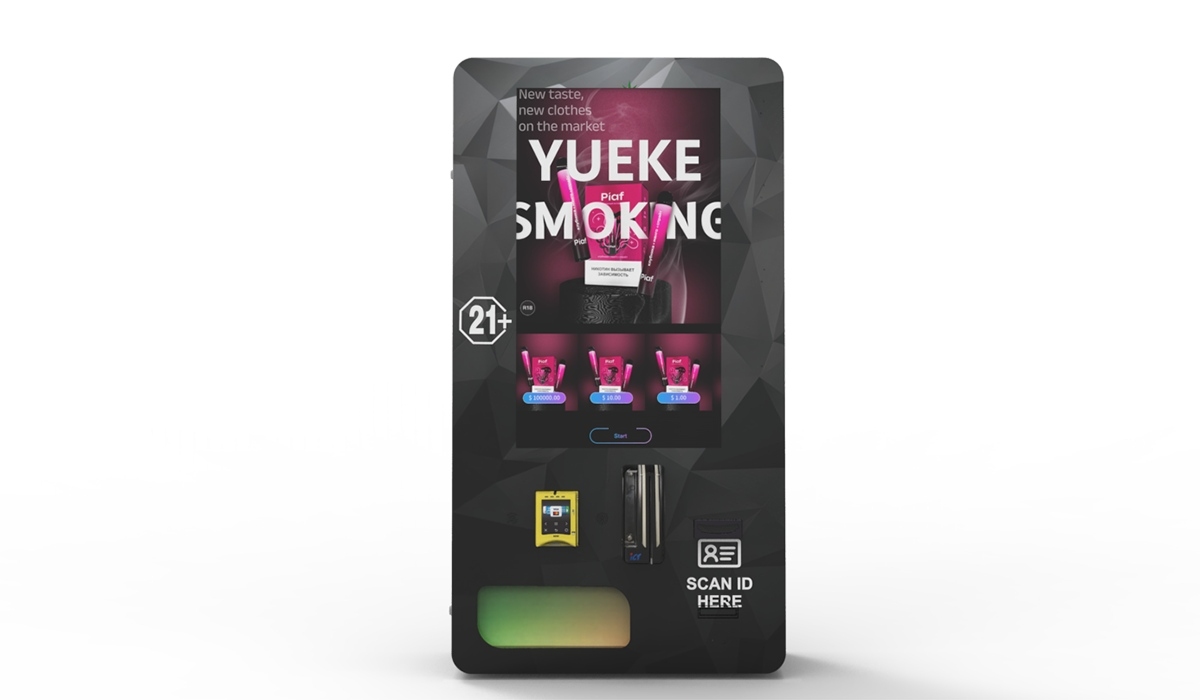
On the surface, both machines look similar. You have a glass front, a selection panel, and a payment system. But once you open the cabinet, the guts are completely different. A standard vending machine runs on a basic microcontroller that handles coin acceptance, product dispensing, and change return. An age verification vending machine integrates a separate processing unit dedicated solely to identity verification. This unit connects to a camera, an ID scanner, and sometimes a fingerprint reader. The mainboard in our factory, for example, runs a dual-processor setup. One chip handles the vending logic—inventory, pricing, motor control. The other handles compliance data, encryption, and age check protocols. They never cross-talk unless the age check passes.
From a maintenance standpoint, this means you have more components to monitor. Standard machines rarely need firmware updates. Age verification machines require quarterly software patches to stay current with state-level age verification laws. I have seen operators ignore these updates and get hit with fines because their machine accepted an expired ID format that the state had flagged six months earlier. The hardware is more robust, but it demands a higher level of technical attention.
Cost Comparison: Upfront and Long-Term
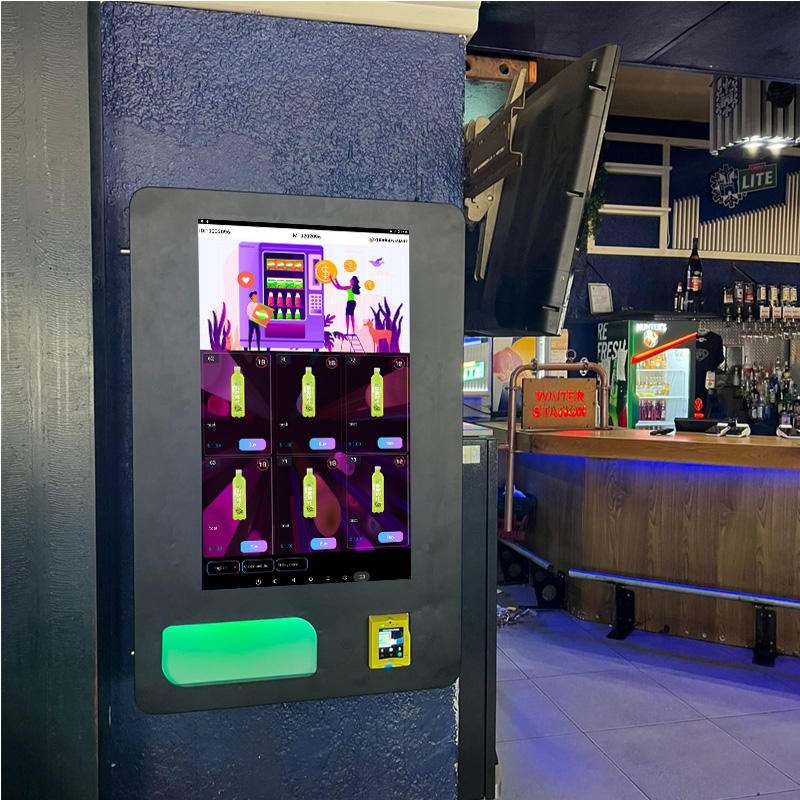
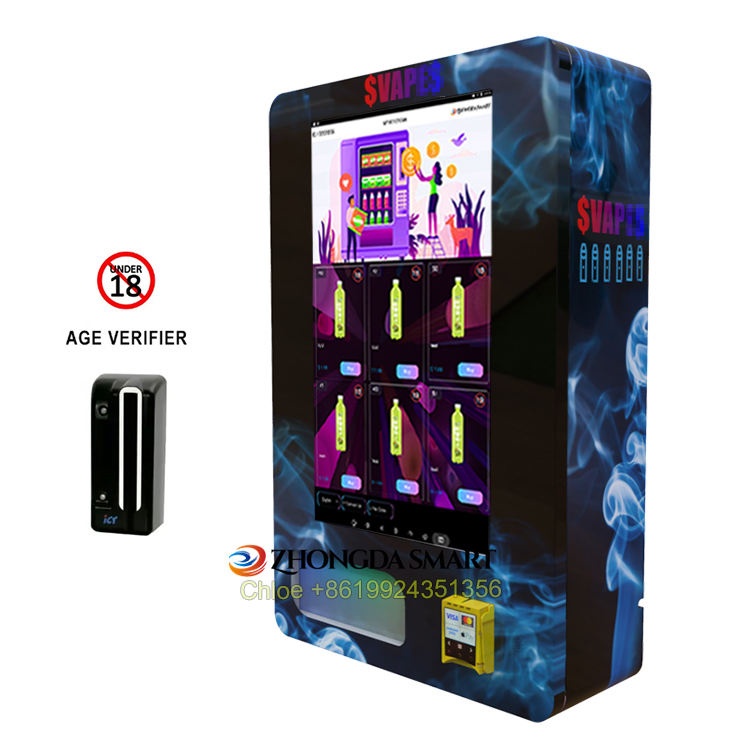
Let’s talk numbers because that is what ultimately drives decisions. A standard beverage vending machine from a reputable manufacturer runs between $3,000 and $6,000 new. A used one can be had for under $1,500. An age verification vending machine starts around $7,500 and goes up to $14,000 depending on the verification technology and the cabinet size. Our compact wall-mounted unit with built-in ID scanning lists at $8,200. The price gap is significant, but the revenue model changes the math.
Standard machines in low-traffic locations average $200 to $400 per month in gross revenue. Age verification machines in bars, smoke shops, and hotel lobbies average $1,200 to $2,800 per month. The reason is simple: restricted products have higher unit prices and lower competition. A pack of gum costs $1.50. A disposable vape sells for $12 to $18. The margin per transaction is dramatically higher. When you factor in the longer lifespan of an age verification machine—typically 7 to 10 years versus 5 to 7 for a standard unit—the total cost of ownership tilts in favor of the compliance-focused machine for anyone selling restricted goods.
| Feature | Standard Vending Machine | Age Verification Vending Machine |
|---|---|---|
| Average Unit Cost | $3,000 – $6,000 | $7,500 – $14,000 |
| Monthly Revenue (Typical) | $200 – $400 | $1,200 – $2,800 |
| Verification Method | None | ID Scan / Biometric |
| Firmware Updates | Rarely | Quarterly |
| Lifespan | 5 – 7 years | 7 – 10 years |
| Compliance Risk | Low (non-restricted) | High if not maintained |
Revenue Model and Profitability Breakdown
I have run the numbers on over 200 deployments for clients across different verticals. The most profitable single location I saw was a self-service kiosk placed inside a hotel lobby in a mid-sized city. That unit pulled in $3,400 in a single month during a convention week. The average transaction was $14.50. Compare that to a standard snack machine in an office break room that averaged $220 per month with a $1.80 average transaction. The math is not even close.
But profitability depends on product selection and placement. Age verification machines work best when stocked with high-demand, high-margin items. Disposable vapes, nicotine pouches, and CBD gummies are the top three categories. In our experience, the gross margin on these products ranges from 40% to 60% after wholesale costs. Standard machines on snacks and drinks run 20% to 35% margin. The catch is that age verification machines require higher upfront inventory investment because the products cost more per unit. You need about $1,200 to $2,000 in initial stock for a fully loaded machine, compared to $400 to $600 for a snack machine.
One operator I worked with in the Midwest tried stocking premium cigars and glass accessories alongside vapes. That machine did not perform well. The audience for premium cigars overlaps but does not match the impulse buyer who walks up to a vending machine. The lesson is to stick with products that have high turnover and broad appeal within the restricted category. Vapes and nicotine pouches consistently outsell everything else by a factor of three.
Compliance and Legal Risks You Cannot Ignore
This is where the rubber meets the road. A standard vending machine has no compliance requirements beyond basic electrical safety and ADA accessibility. An age verification vending machine must comply with a patchwork of state and local laws. In some states, the machine must verify the ID against a government database in real time. In others, a simple scan that confirms the birth date is enough. A few jurisdictions require biometric verification for every transaction. I have seen operators get shut down because they used a machine that only checked the ID barcode without validating the expiration date or the format against state DMV standards.
Our factory builds machines that comply with the strictest standards we have encountered—California, New York, and Illinois. The ID scan vending machine we manufacture uses a three-step verification process. First, it reads the barcode. Second, it checks the barcode data against the printed information using optical character recognition. Third, it validates the ID format against a database of current state-issued IDs. If any step fails, the transaction is blocked. This level of verification is not required everywhere, but it protects the operator from liability if a minor attempts to use a fake ID.
I strongly recommend that any operator considering an age verification vending machine consult with a local attorney who understands vending regulations. The cost of legal advice is small compared to the fines for selling to a minor, which can range from $1,000 to $10,000 per violation depending on the state. According to a report from the Statista compliance survey, 23% of vending operators who sold age-restricted products without proper verification received at least one fine in the past three years. That is a risk no business should take.
Real-World Deployment Lessons from the Field
I want to share a specific case that illustrates the difference between theory and practice. A client in Florida bought ten standard vending machines and converted them to sell vapes by adding a separate age verification tablet. The tablet sat on top of the machine and required customers to scan their ID on the screen before the machine would unlock. It worked for about three months. Then the tablet software stopped syncing with the machine’s payment system. Customers would scan their ID, get approved, but the machine would not release the product. The client lost about $4,000 in revenue over two weeks while troubleshooting.
The problem was that the tablet and the vending machine were not designed to work together. They were two separate systems communicating through a third-party API that had no redundancy. When the API went down, the whole setup failed. That client eventually replaced all ten units with integrated age verification vending machines from our factory. The integrated units have the verification system built into the mainboard. If the network connection drops, the machine still operates in offline mode using cached ID data from the last 24 hours. That redundancy is critical for high-traffic locations.
Another lesson came from a deployment in a college town. The machine was placed in a convenience store near campus. The first week, sales were strong. Then the store owner noticed a group of underage students trying to use fake IDs. The machine rejected them every time. One student tried to pry open the delivery door. The machine’s tamper sensor triggered an alarm that sent a notification to the owner’s phone within 30 seconds. The police were called, and the machine was not damaged. That incident alone justified the investment in a tamper-resistant age verification vending machine.
Maintenance and Upkeep Differences
Standard vending machines are relatively low maintenance. You clean the glass, refill the products, collect the cash, and replace the occasional jammed motor. Age verification vending machines require more attention. The ID scanner lens needs cleaning every two weeks because dust and smudges cause read failures. The biometric sensor, if you have one, needs calibration every six months. The software updates we mentioned earlier are not optional—they are mandatory for continued compliance.
In our service data, age verification machines have a 12% higher service call rate than standard machines in the first year. Most of those calls are related to software issues, not hardware failures. Once the software stabilizes after the first year, the call rate drops to about 5% higher than standard machines. The key is to choose a manufacturer that provides remote diagnostics. Our machines allow our technicians to log in remotely, check the verification logs, and push firmware updates without visiting the site. That capability cuts downtime by 60% compared to machines that require on-site service.
Choosing the Right Verification Technology
Not all age verification vending machines use the same technology. There are three main types, and each has trade-offs. The first is barcode scanning only. This is the cheapest option, but it is also the least secure. A fake ID with a valid barcode will pass. The second is optical character recognition combined with barcode scanning. This method reads the printed text and compares it to the barcode data. It catches most fake IDs but can be fooled by high-quality fakes. The third is biometric verification, usually fingerprint or facial recognition. This is the most secure but also the most expensive and raises privacy concerns among some customers.
For most commercial applications, I recommend the OCR plus barcode method. It offers the best balance of security, cost, and customer acceptance. Biometric machines are overkill for vending unless you are in a jurisdiction that requires them. Barcode-only machines are a liability waiting to happen. The ID scan vending machine we produce uses the OCR plus barcode method as standard, with biometric available as an upgrade for clients who need it.
Long-Term Strategy for Operators
If you are planning to build a vending business around age-restricted products, think in terms of a five-year horizon. The equipment cost is higher, but the revenue per location is significantly better. Start with one or two machines in high-traffic locations like bars, hotels, or smoke shops. Track your sales data for three months. Look at the average transaction value, the rejection rate for age checks, and the customer feedback. Use that data to refine your product mix and placement strategy before scaling.
One strategy that has worked well for our clients is to partner with a local distributor for the products. You get wholesale pricing, and they handle the inventory management. You focus on the machine placement and maintenance. This arrangement reduces your upfront inventory cost and frees up capital for additional machines. Another strategy is to offer a loyalty program through the machine’s touchscreen. Repeat customers can bypass the age check after the first verified transaction, which speeds up the purchase process and increases satisfaction.
For more on technical specifications and to see how our machines handle compliance in real-world conditions, visit our age verification vending machine page. We also have a detailed breakdown of the ID scan vending machine that shows the three-step verification process. If you are considering a specific location type, our case study on bar and club deployments provides real revenue data and operational insights.
Common Mistakes I See New Operators Make
I have watched too many people lose money because they treated an age verification vending machine like a standard snack machine. They placed it in a low-traffic area thinking it would generate passive income. It did not. Age verification machines need visibility. They need to be where adults gather, not in a dark corner of a laundromat. Another mistake is skimping on the verification system to save money. A $300 add-on scanner that connects via USB is not reliable. I have seen those fail within weeks. Spend the money on an integrated system from the start.
Pricing is another area where operators get it wrong. They price products too low because they think vending machine prices should match retail. That is a mistake. Vending machines charge a convenience premium. Customers expect to pay 20% to 30% more than store prices for the convenience of buying at 2 a.m. from a machine. If you price too low, you leave money on the table. If you price too high, customers walk away. Find the sweet spot by testing different price points for the first month.
Final Verdict from a Factory Perspective
After building and deploying thousands of units, I can say with confidence that the age verification vending machine is not a niche product. It is the standard for any operator selling restricted products. The standard vending machine still has a place for snacks, drinks, and non-restricted items. But if you want to sell vapes, nicotine products, or age-gated goods, the compliance machine is your only viable option. The upfront cost is higher, the maintenance is more involved, and the legal landscape is complex. But the revenue potential, the lower competition, and the long-term sustainability make it a better investment for serious operators.
If you are looking at entering this space, start with a single machine, learn the operational rhythm, and scale from there. The market for age-restricted vending is growing, and the operators who get in now with the right equipment will have a significant advantage as regulations tighten.
Frequently Asked Questions
Can a standard vending machine be converted to an age verification vending machine?
Technically yes, but it is not recommended. Adding a separate age verification tablet or scanner to a standard machine creates integration risks. The two systems may not communicate reliably, leading to transaction failures. Integrated machines from the factory are built with a single mainboard that handles both vending and verification, which is far more reliable. If you already own standard machines, selling them and buying dedicated age verification units is usually the better financial move.
How much does an age verification vending machine cost?
Prices range from $7,500 to $14,000 depending on the verification technology, cabinet size, and features. Our wall-mounted unit with built-in ID scanning starts at $8,200. You can see the full range on our vape vending machines page.
What products sell best in an age verification vending machine?
Disposable vapes, nicotine pouches, and CBD gummies are the top three categories. These products have high margins and high turnover. Premium cigars and glass accessories sell slower and are better suited for specialty locations. Stick to products with broad appeal within the restricted category for the best results.
Are age verification vending machines legal everywhere?
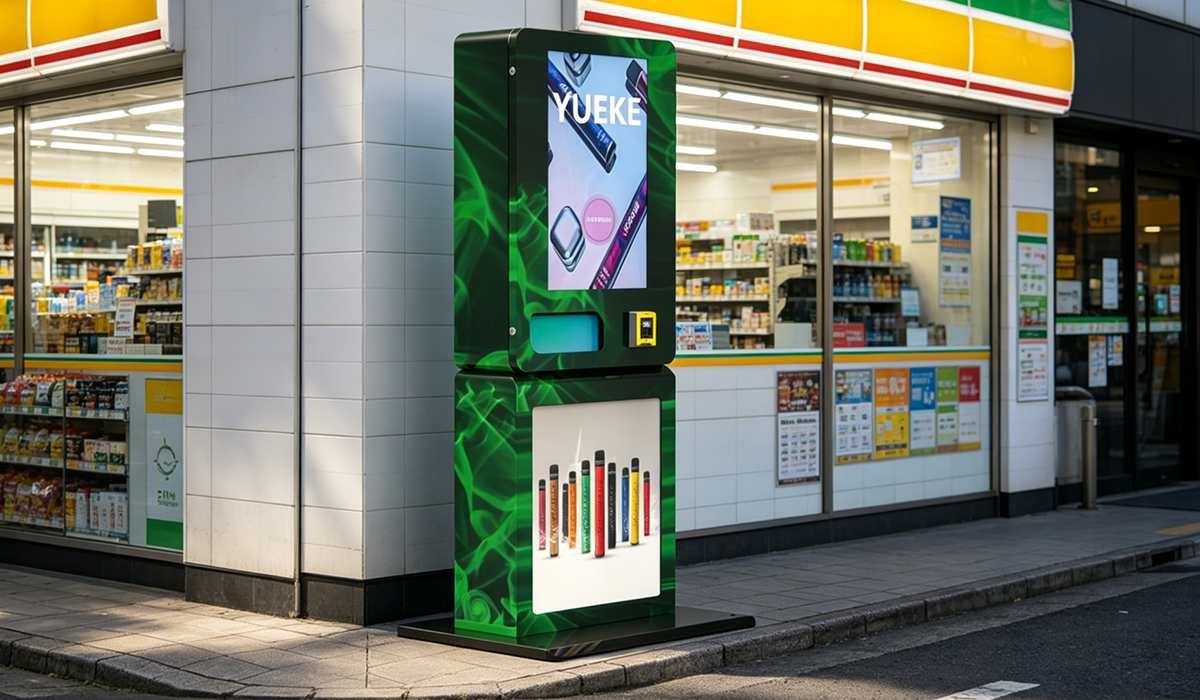
No. Laws vary by state and even by city. Some jurisdictions require real-time database verification, while others accept barcode scanning. Some have banned vending machines for certain products entirely. Always check local regulations before purchasing and deploying a machine. Consulting with a local attorney is strongly recommended.
How long does it take to recoup the investment?
In a high-traffic location, operators typically recoup their investment in 6 to 12 months. Lower-traffic locations may take 18 to 24 months. The key is placement. Bars, hotels, and smoke shops consistently deliver the fastest return. You can read more about ROI in our vape vending machine ROI article.
Sources: