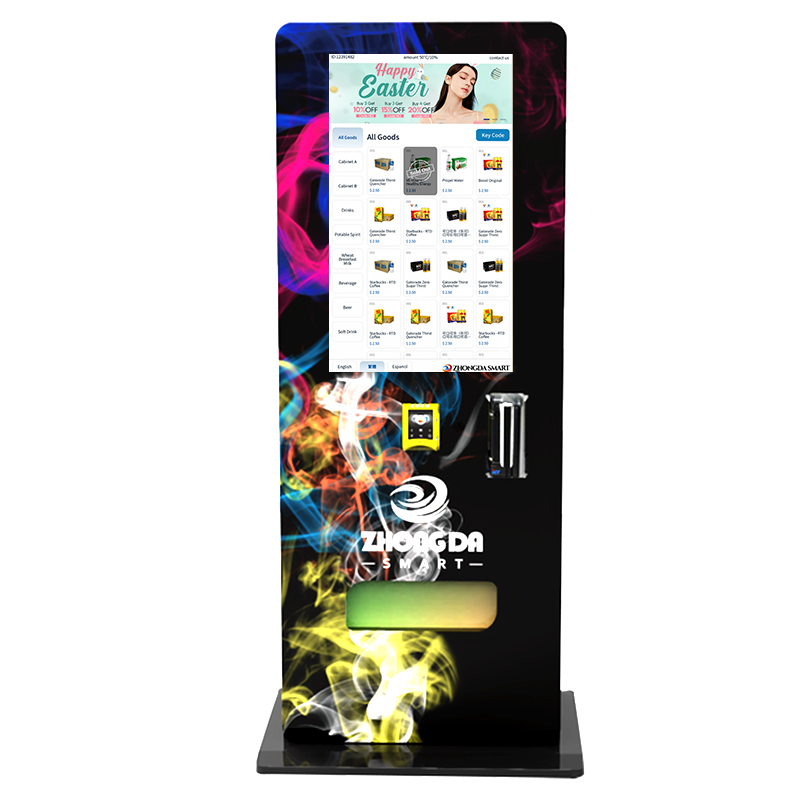
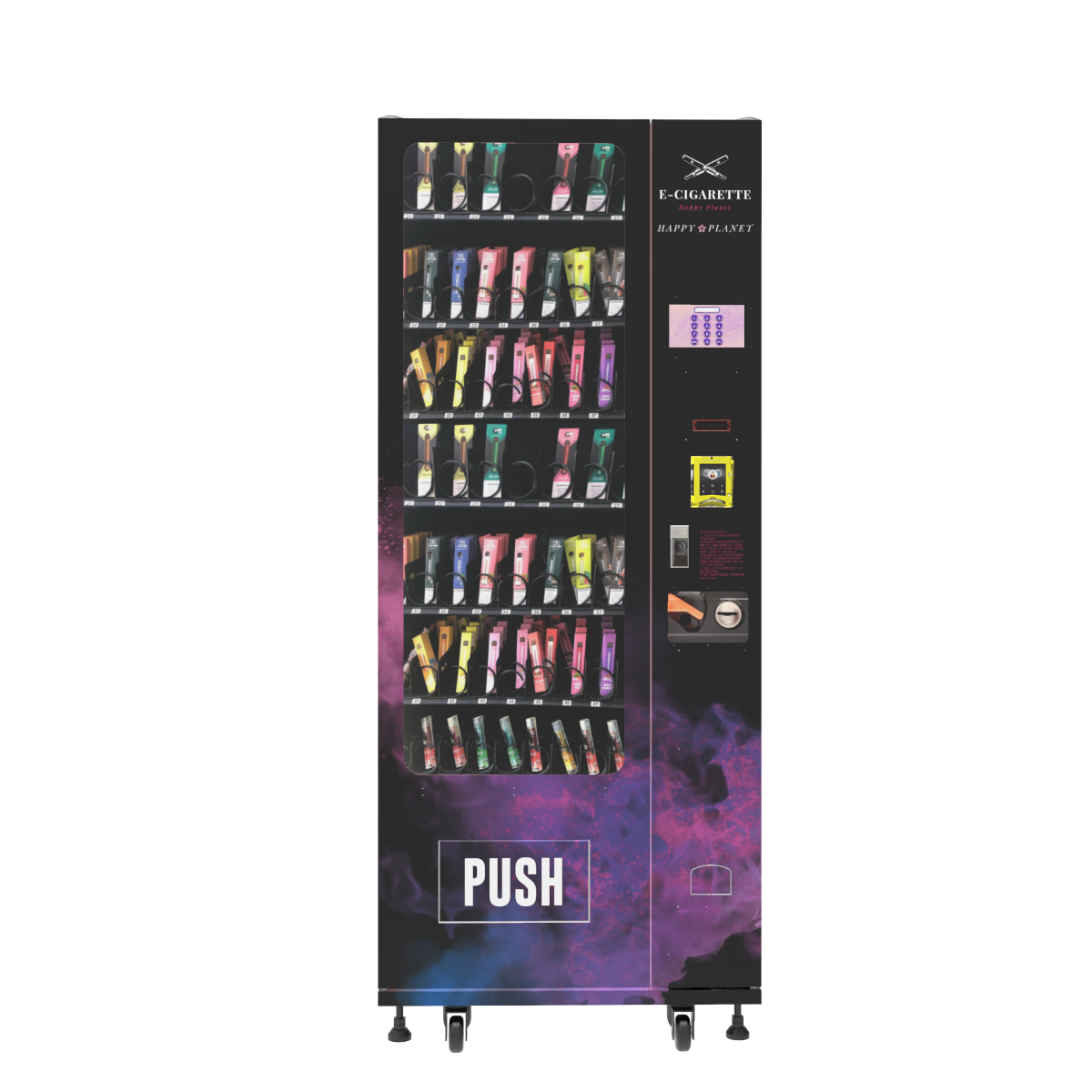
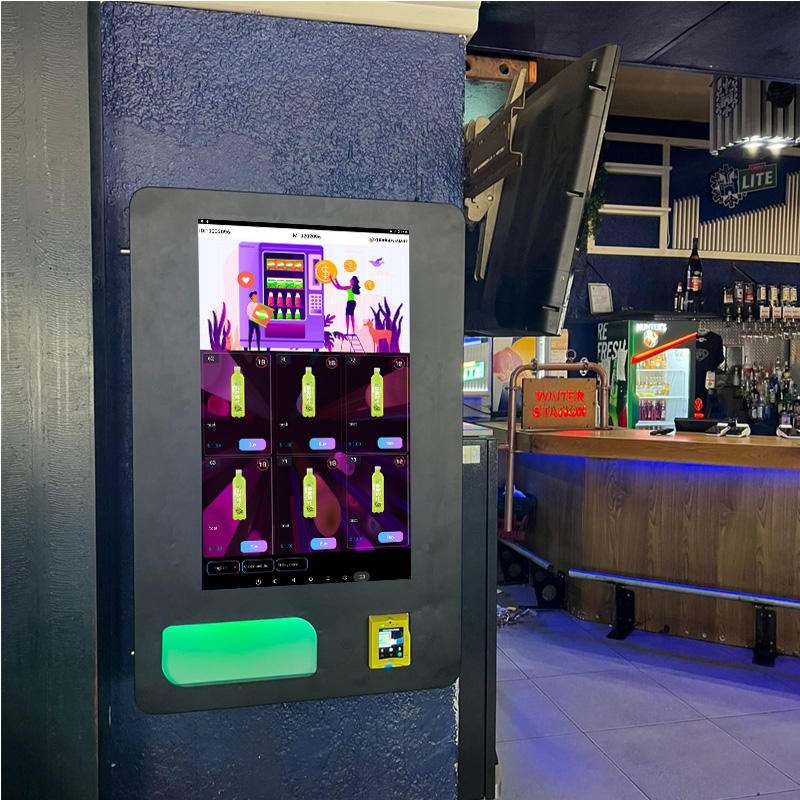
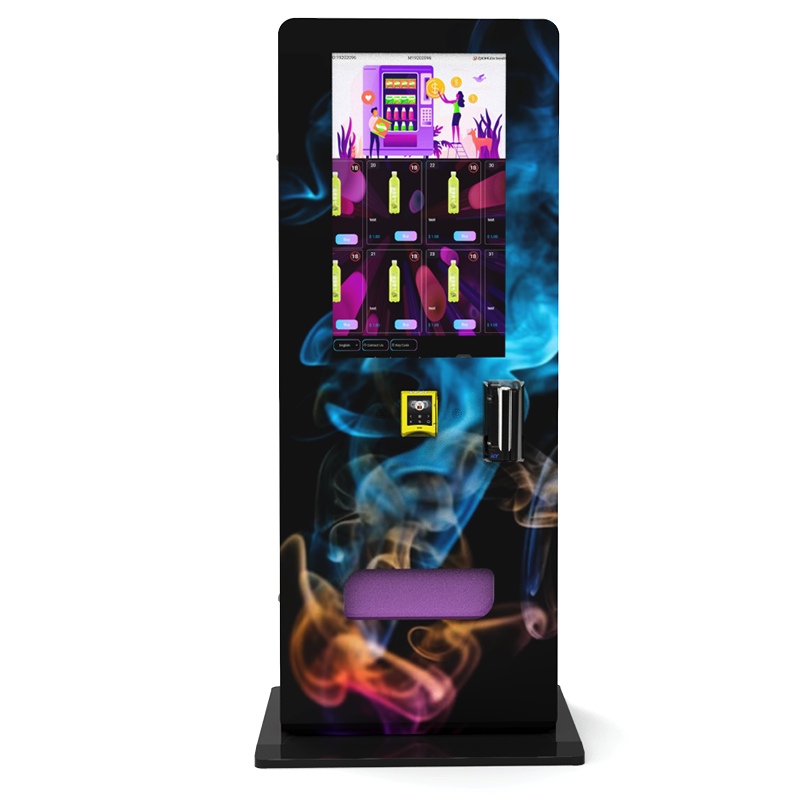
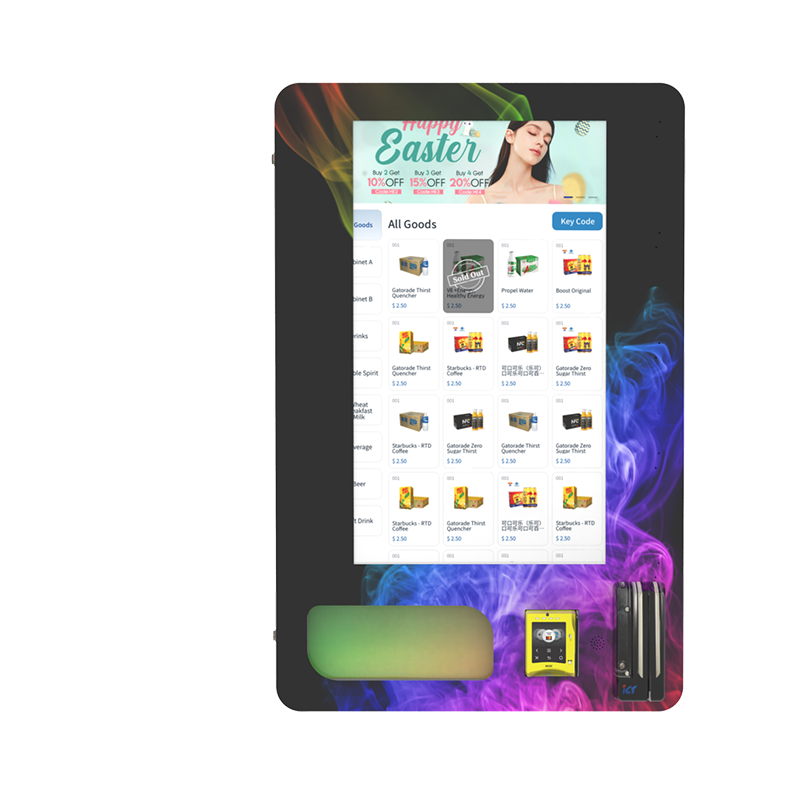
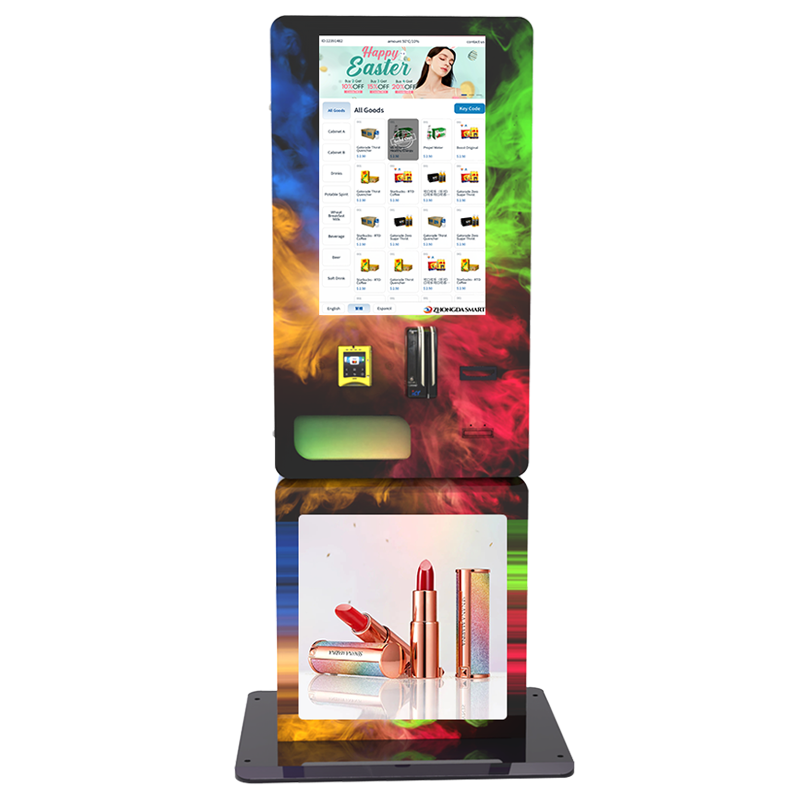
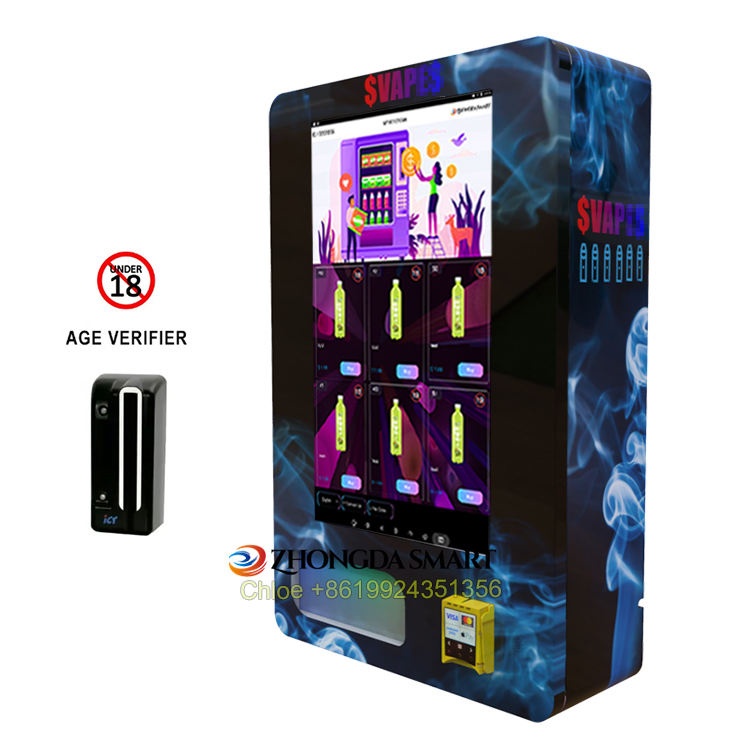
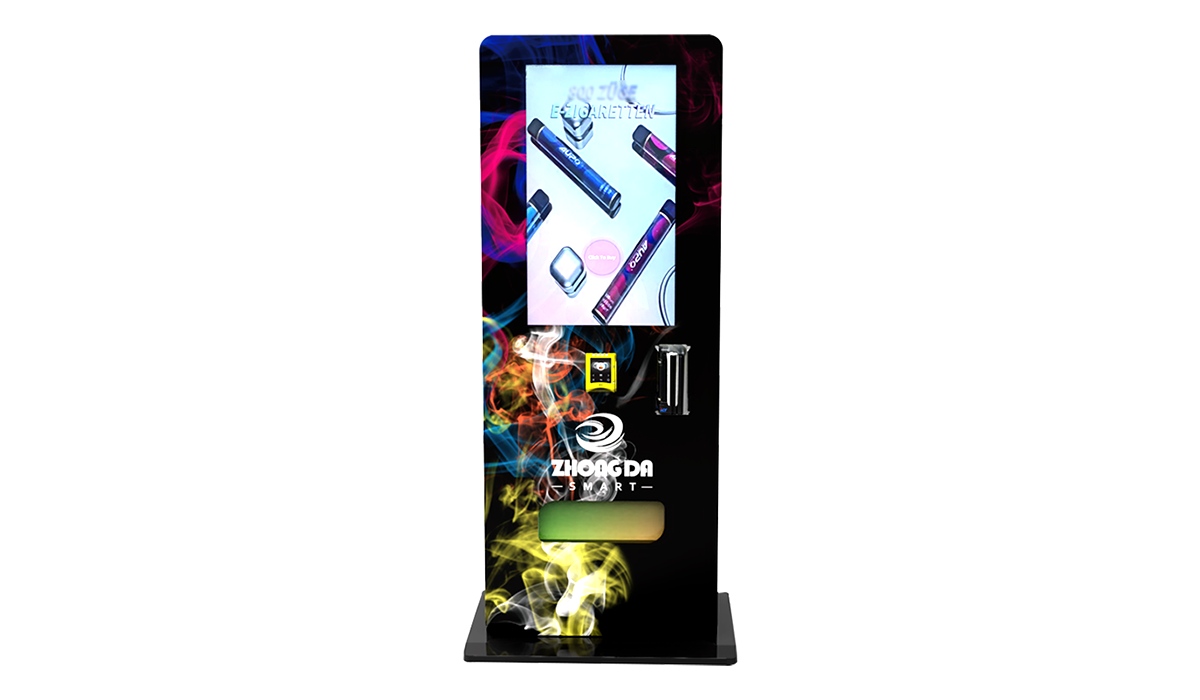
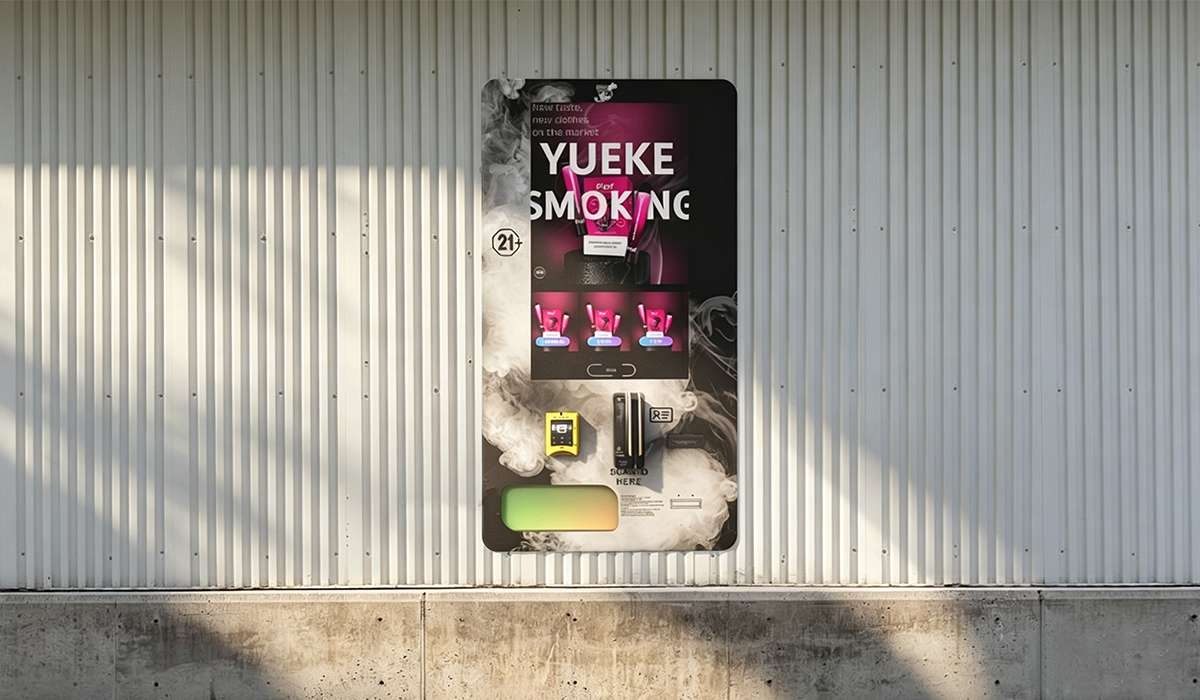
If you are looking into placing a tobacco 21 vending machine on your premises, the first thing you need to know is that the landscape has shifted completely. We have been manufacturing these units for over fifteen years, and the days of simply plugging in a machine and walking away are long gone. Modern compliance requires a smart vending machine that integrates real-time age verification, usually through ID scanning or biometric checks. This isn't just about following the law; it is about protecting your business from fines and building trust with your customers. From our factory floor to your location, the goal is a seamless, legal, and profitable operation. This guide covers the real-world mechanics, the actual costs, and the operational strategies that work in today's market.
The Real Cost of Compliance
When operators ask about the price of a compliant e-cigarette vending machine, they often forget to factor in the cost of non-compliance. A single fine from a regulatory body can wipe out months of profit. We have seen it happen. The upfront investment in a machine with proper age verification is not an expense; it is an insurance policy.
Hardware vs. Software Costs
The machine itself is just the beginning. The real cost driver is the age verification system. A basic ID scan vending machine might cost less initially, but you have to consider the software licensing fees for the database that checks the ID against government records. Most operators we work with budget between $500 and $1,200 per year for the software subscription that powers the scanner. This is a recurring cost, but it is non-negotiable. If your machine cannot verify a driver's license against a state database, you are operating a liability.
Installation and Connectivity
You cannot run a tobacco 21 vending machine on a disconnected network. These machines require a stable internet connection, usually via 4G LTE or a dedicated Wi-Fi network. This ensures that the age verification request goes out and the response comes back in under three seconds. We have installed units in basements of bars where cellular signal was weak, and we had to install signal boosters. That is an extra $200 to $400 you need to plan for. Ignoring connectivity is the most common rookie mistake we see.
| Cost Category | Estimated Range (USD) | Notes |
|---|---|---|
| Hardware (Machine) | $3,500 - $8,000 | Depends on capacity and screen size. |
| Age Verification License | $500 - $1,200/year | Subscription for database checks. |
| Installation & Shipping | $300 - $800 | Includes rigging and setup. |
| Connectivity (Annual) | $300 - $600 | 4G LTE data plan or Wi-Fi. |
| Maintenance (Annual) | $200 - $500 | Sensor cleaning and software updates. |
How the Technology Actually Works
I have been in the factory testing these units for years. The technology behind a compliant vending machine is more sophisticated than most people realize. It is not just a scanner that reads a barcode. It is a multi-step verification process that happens in milliseconds.
The ID Scan Process
When a customer approaches the self-service kiosk, they are prompted to swipe or insert their ID. The machine reads the 2D barcode on the back of the driver's license. It parses the data—date of birth, expiration date, and ID number. The machine then checks the date of birth against the current date to ensure the customer is over 21. If that passes, the machine sends the ID number to a third-party verification service. This service checks if the ID number is valid and matches a real person. If the ID is expired or flagged as invalid, the transaction stops immediately. This is the standard for any wall-mounted e-cigarette vending machine we manufacture.
What Happens When the Scanner Fails?
This is a scenario every operator fears. The scanner might fail to read a damaged ID or a passport. In these cases, the machine must have a manual override that is secure. On our units, we have a secondary keypad where a manager can enter a code after visually verifying the ID. This is a critical feature. If your machine does not have a manual override, you will lose sales on every customer with a scratched license. We learned this the hard way during a deployment in a college town where students often had worn-out IDs.
Profit Margins and Product Selection
The financial model for a tobacco 21 vending machine is different from a snack machine. You are dealing with high-value, small items. The profit per unit is much higher, but the volume is lower. You need to be strategic about what you stock.
High Margin vs. High Volume
In our experience, disposable vapes offer the best margin. A disposable that costs you $6 wholesale can sell for $12 to $15. That is a 100% markup. Pod systems and nicotine pouches also have good margins, but they require more inventory slots because of the variety of flavors and strengths. We recommend starting with 80% disposables and 20% pods. This mix maximizes profit while keeping inventory management simple. We have a full breakdown of product strategies on our vape vending machines page that covers specific SKU recommendations.
Theft Prevention and Inventory Shrinkage
One thing that surprised me when we started was the amount of inventory shrinkage from mechanical failure, not theft. A coil jams, or a product gets stuck in the spiral. That is lost revenue. You need a machine with a robust delivery system. We use a servo-motor system that is less prone to jams than traditional spiral systems. This reduces your shrinkage rate to under 1%, which is critical for maintaining your profit margins. I have seen operators lose 5% of their inventory every month to mechanical jams alone. That is a direct hit to your bottom line.
Operational Pitfalls We Have Seen
I want to share a specific failure case. A client in a busy nightclub district bought a cheap, unverified machine from a general vending distributor. The machine had a simple camera-based age check, not a true ID scan. Within three months, the local regulatory body did a sting operation. A minor used the machine, and the camera system failed to properly estimate the age. The bar owner received a fine of $10,000 and was forced to remove the machine. The cost of the cheap machine was $2,000. The total cost of that mistake was over $12,000, plus the loss of future revenue. This is why we always tell people to buy from a specialized manufacturer like us, who understands the specific legal requirements. You can read more about the legal landscape in our detailed guide on vape vending machine legal requirements.
Location, Location, Location
Even the best machine will fail in the wrong spot. We have data from over 500 deployments. The best locations are venues with a captive adult audience: bars, nightclubs, and bowling alleys. The worst locations are retail stores that are open to families. If families walk by your machine, you are inviting scrutiny. You want a location where 100% of the foot traffic is over 21. We also recommend placing the machine in a line of sight of the bar or security desk. This deters tampering and gives staff a clear view of who is using it.
Long Term Maintenance and Upkeep
A tobacco 21 vending machine is a piece of commercial equipment. It needs maintenance. The most common issue we see is the scanner lens getting dirty. A smudged lens can cause a 20% failure rate on ID reads. You need to clean the lens with a microfiber cloth every week. It takes 30 seconds. The second most common issue is the thermal printer running out of paper for receipts. If your machine prints a receipt for every transaction, you need to check the paper level weekly. Running out of paper does not stop the machine from working, but it creates a bad customer experience.
Software Updates and Security
The software on these machines needs to be updated. Age verification databases change. State ID formats change. If your machine is running outdated firmware, it might start rejecting valid IDs or, worse, accepting invalid ones. We push firmware updates to our machines remotely. You should ask your manufacturer if they offer remote management. If they do not, you will have to physically visit each machine with a USB stick to update it. That is a massive waste of time if you have a dozen machines. For more on technical specifications and remote management, check out our resource center.
Frequently Asked Questions
What is the penalty for selling to a minor through a vending machine?
Penalties vary by state, but they are severe. First-time offenses often carry fines between $500 and $2,500. Repeat offenses can reach $10,000 or more, and can lead to the revocation of your business license. The machine itself may also be confiscated. This is why a reliable age verification system is not optional.
Can I use a regular snack vending machine for tobacco products?
No. A standard snack vending machine does not have the necessary age verification technology. Retrofitting one is usually more expensive and less reliable than buying a purpose-built compliant e-cigarette vending machine. The mechanical systems are also different; tobacco products are smaller and require different coil spacing.
How often do I need to restock the machine?
This depends on location traffic. A machine in a busy bar might need restocking every 3 to 4 days. A machine in a quieter location might last a week. We recommend checking inventory levels through your remote management system daily. You do not want to arrive at a location to find it empty.
Is a biometric scanner better than an ID scanner?
Biometric scanners (fingerprint or facial recognition) offer a higher level of security, but they come with higher costs and privacy concerns. ID scanners are the industry standard for tobacco 21 vending machines because they are fast, reliable, and accepted by regulators. We use ID scanning as the primary method on all our units, with biometric options available for specific high-security client requests.
What happens if the internet goes down?
If the machine loses internet connectivity, it should default to a locked state. It should not allow any sales. This is a safety feature. Some machines have a local cache that can store a limited number of verified IDs for a few hours, but this is risky. We recommend setting the machine to stop all sales if the connection drops for more than 5 minutes. You can read more about emergency protocols on our service page.
Making the Final Decision
Choosing the right tobacco 21 vending machine is a business decision that affects your legal standing and your profit. Do not buy based on price alone. Look at the verification technology, the build quality, and the manufacturer's support history. We have been doing this for fifteen years because we focus on reliability and compliance. If you are serious about entering this market, start with a single unit in a high-traffic, adult-only location. Track your sales, monitor your maintenance, and expand from there. It is a proven path. For a closer look at the specific models we recommend for first-time operators, visit our compliant e-cigarette vending machine page.
Data referenced in this article comes from industry reports on vending machine market growth (Statista) and regulatory compliance costs for age-restricted products (FDA).
Sources: