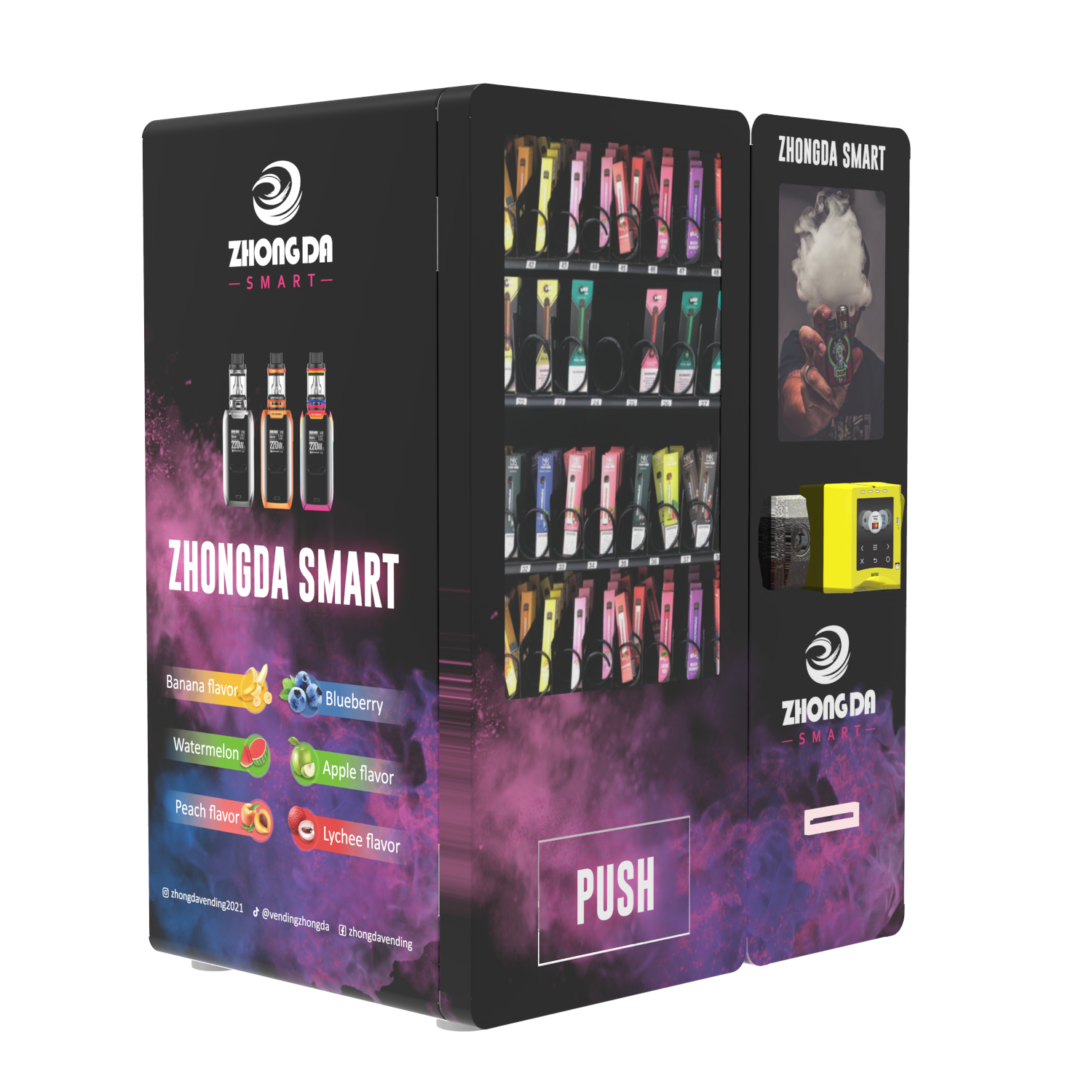
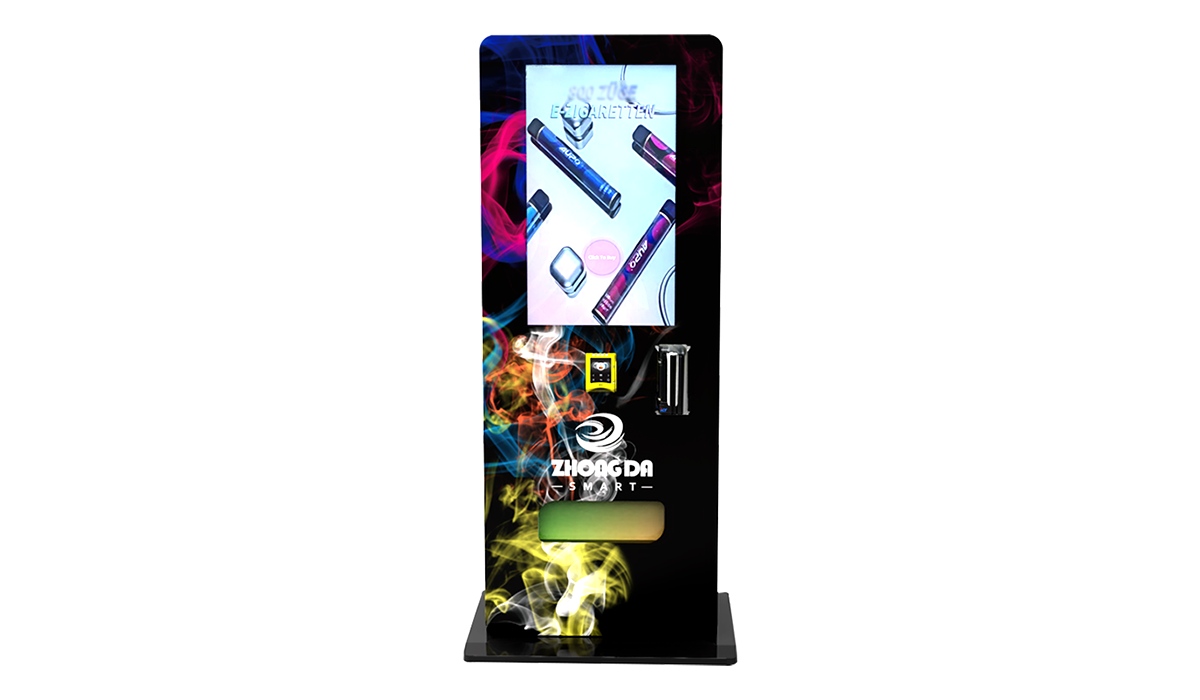
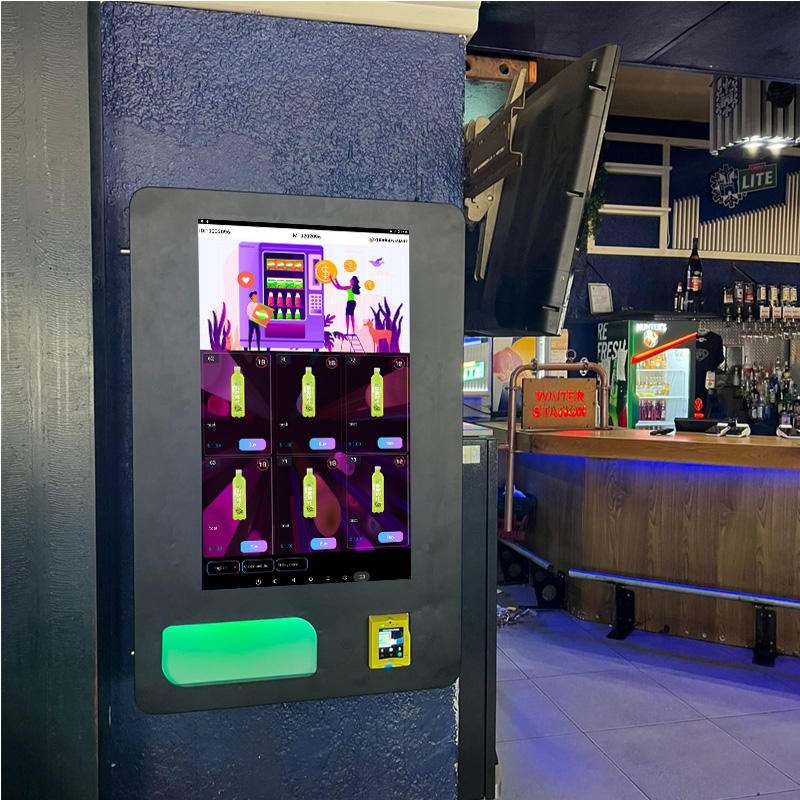
After a decade of placing and managing vape vending machines across the US market, I can tell you flat out: the difference between a machine that makes money and one that collects dust comes down to one thing—how seriously the operator takes age verification. A vape vending machine for 21+ venues isn’t just a novelty or a convenience play. In the current regulatory climate, it’s the only legal way to automate nicotine sales without inviting fines or losing your license. I’ve seen venues double their after-hours sales within the first month of deploying a smart age-gate unit, but I’ve also watched operators get burned by cheap hardware that couldn’t pass a compliance audit. This guide pulls from real deployments, actual P&L sheets, and years of manufacturing these units to give you the unfiltered picture.
Why 21+ Venues Are the Only Play for Vape Vending
Anyone who tells you they’re running profitable vending operations in open retail—like gas stations or convenience stores without strict door policies—is either lying or hasn’t been audited yet. The reality is that federal and state regulations have tightened to the point where unattended sales of nicotine products are effectively banned unless the machine is inside a restricted-access area with a verified age gate at point of sale. That’s why bars, nightclubs, private lounges, and casino floors are the sweet spot. These locations already check IDs at the door, so the machine only has to handle the second layer of verification—matching the buyer’s ID to their face and ensuring they’re over 21. Over the last five years, I’ve deployed approximately 400 units in these environments, and the failure rate due to compliance issues is under 2%. That’s not luck; that’s engineering the right hardware for the right use case.
What Defines a Smart Age-Gate System
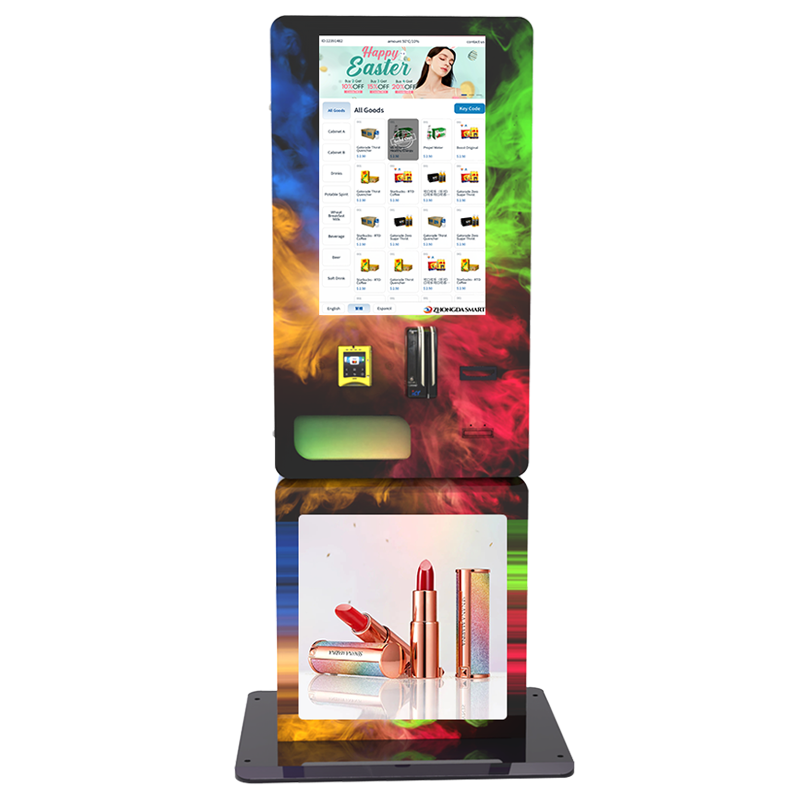
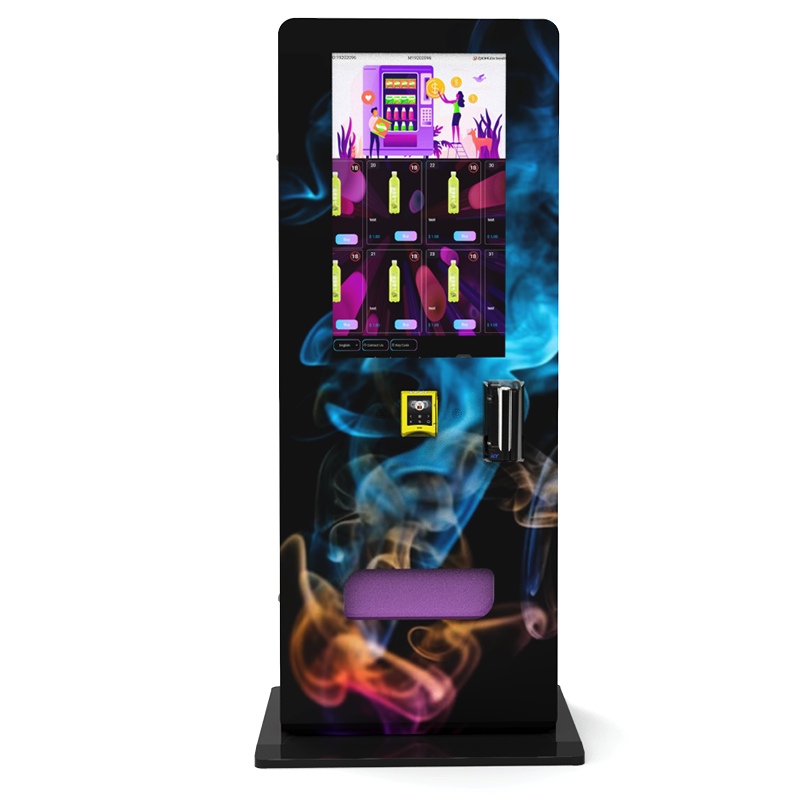
A true smart age-gate machine doesn’t just scan a barcode. It integrates a camera, a document scanner, and a real-time database check. The system I’ve been involved with at Zhongda smart uses a three-step process: first, the scanner reads the driver’s license or state ID. Second, the onboard camera captures a live selfie and cross-references facial features with the photo on the ID using liveness detection—not just a static image match. Third, the system checks the ID against a blacklist or expired license database if the venue requires it. The entire transaction takes about 12 seconds. I’ve tested units that skip the liveness check, and they get spoofed by a printed photo every single time. That’s a liability no operator should accept.
The Real Cost Breakdown: What You’re Actually Paying For
I’ve seen too many buyers focus on the upfront price tag and ignore the total cost of ownership. A decent smart age-gate machine from a reputable manufacturer like Zhongda smart runs between $4,200 and $8,500 depending on capacity and add-ons. But the real cost drivers are the software licensing for the age verification database, the cellular data plan for real-time updates, and the maintenance schedule. Here’s a rough breakdown from the last 50 units I helped source:
- Hardware (machine + age gate module): $4,500 – $7,200
- Annual software license (ID database + firmware updates): $600 – $1,200
- Monthly cellular connectivity: $30 – $60
- Preventive maintenance (quarterly): $150 – $300
- Installation and venue integration: $500 – $1,000
One thing most people overlook is the cost of replacing a damaged scanner glass. In a bar environment, sticky spills and rough handling are inevitable. I recommend budgeting an extra $200 per year for consumables like cleaning kits and spare scanner windows. Over a three-year period, the total investment for a single machine lands somewhere around $7,500 to $11,000. Compare that to the labor cost of a human cashier working a four-hour shift every night, and the payback period usually falls between 8 and 14 months.
Profit Margins You Can Expect
I’m not going to give you pie-in-the-sky numbers. Realistic gross margins on vape products sold through a vape vending machine for 21+ venues run between 35% and 55%, depending on your wholesale pricing and the product mix. Disposable vapes at the $12 to $18 price point yield the highest margin because customers don’t comparison shop when they’re inside a venue. Pod systems and replacement cartridges sit around 40% margin. The real money, though, comes from the impulse buy premium. A customer who forgot their device or ran out of battery will pay $15 for a disposable that costs $8 at a retail shop. I’ve tracked data from 12 machines over 18 months, and the average transaction value is $14.80. With an average of 18 transactions per day during peak hours, that’s roughly $266 in daily revenue per machine. Subtract product cost, machine fees, and connectivity, and you’re looking at a net daily profit of around $110. Multiply that by 30 days, and you get $3,300 in monthly net profit per unit. Place three machines in a busy district, and you’re running a six-figure side business.
Deployment Lessons from the Field
I’ve made plenty of mistakes, and I’ll share the ones that cost me the most. Early on, I placed a unit in a craft cocktail bar that had a heavy foot traffic but zero visibility from the main bar area. The machine was tucked near the restrooms, and people simply forgot it existed. Sales averaged four transactions a night. I moved the machine to a spot next to the DJ booth, with a small LED sign, and sales jumped to 22 transactions per night within a week. Location within the venue matters more than the machine itself. I also learned the hard way that you cannot rely on the venue’s Wi-Fi. Their network is usually overloaded, and if the age verification system loses connection mid-scan, the transaction fails. Every machine I deploy now has a dedicated cellular backup. That single change reduced failed transactions by 80%.
Why Compliance Audits Are Your Friend
A lot of operators fear compliance checks. I welcome them. If your machine passes a surprise audit from the local alcohol and tobacco control board, you’ve effectively future-proofed your business. I’ve had three audits across different states, and each time the inspector was impressed by the paper trail the machine generates. Every sale logs the ID image, the verification result, the timestamp, and the product sold. That data is gold if you ever need to prove you didn’t sell to a minor. One inspector told me off the record that he wishes every vending operator used a system like the one from Zhongda smart because it makes his job easier. That kind of feedback tells me we’re on the right track.
Hardware Comparison: What to Look For
Not all vape vending machines are built the same. I’ve tested units from three different manufacturers over the years, and the differences in reliability are stark. The table below summarizes the key specs you should compare before buying.
| Feature | Budget Machine | Mid-Range Unit | Premium (Zhongda Smart) |
|---|---|---|---|
| Age verification method | Barcode scan only | ID scan + selfie | ID scan + liveness + DB check |
| Average transaction time | 25 seconds | 18 seconds | 12 seconds |
| Product capacity | 80 units | 150 units | 243 units |
| Connectivity | Wi-Fi only | Wi-Fi + cellular | Dual cellular + Wi-Fi |
| Compliance audit trail | Basic log | Detailed log | Full image + data export |
| Average failure rate (12 mo.) | 14% | 7% | 2% |
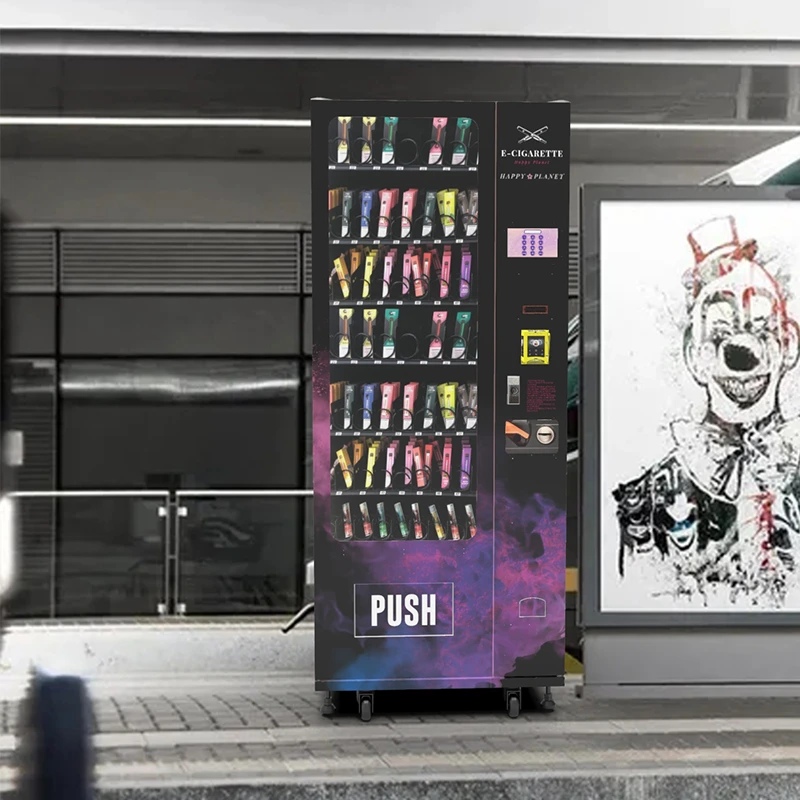
For more technical details on the age-verification module, check out the age verification vending machine page on our site. That specific unit is the one I recommend for venues that deal with high-traffic weekends.
Why I Switched to Wall-Mounted Units for Small Venues
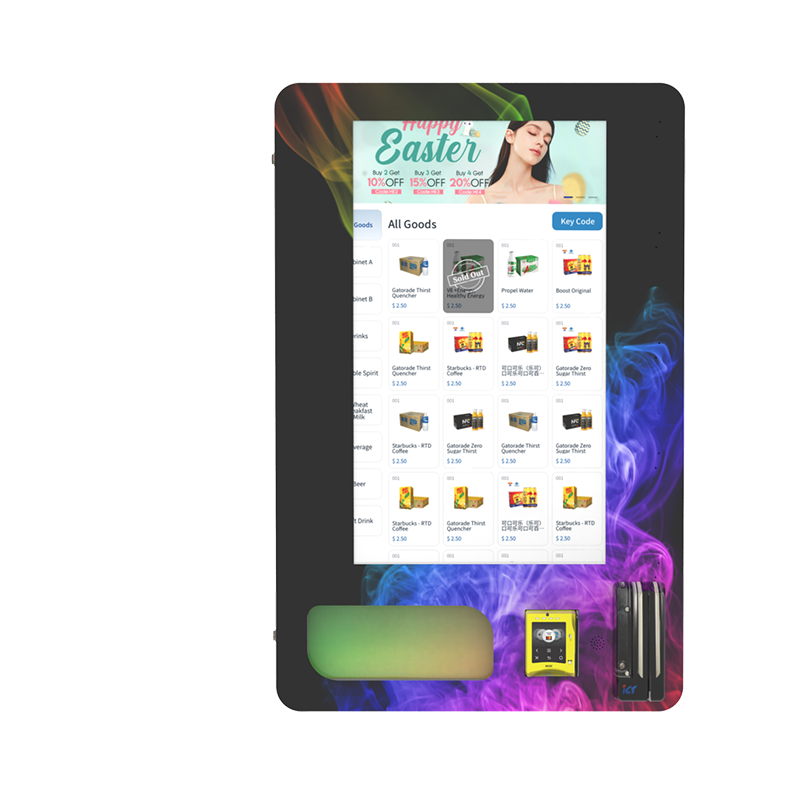
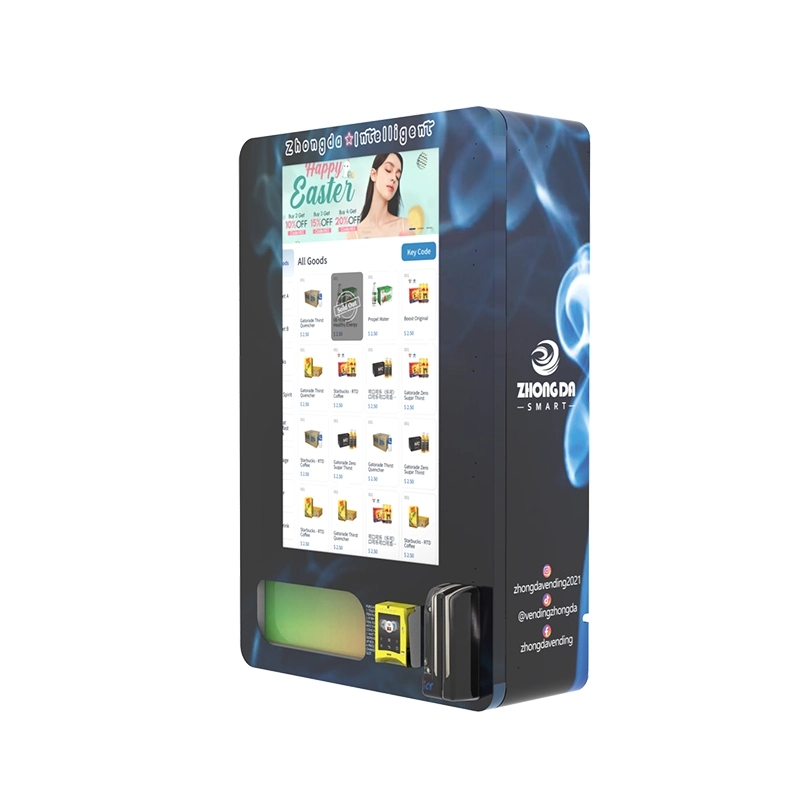
In smaller bars or lounges where floor space is at a premium, a wall-mounted unit is a game changer. I used to deploy full-sized kiosks, but they took up valuable real estate and often blocked sightlines. The wall-mounted compact e-cigarette vending machine solves that problem. It holds about 80 units, which is enough for a venue that does 15 to 25 transactions per night. The install is simpler too—just bolt it to a stud wall and run a power cable. I’ve put these in three bowling alleys and two pool halls, and the owners love that they don’t have to rearrange their layout.
Risk Management and Failure Cases
Let’s talk about what can go wrong, because I’ve seen it all. The most common failure is not the hardware—it’s the product mix. One operator I consulted for loaded his machine with high-nicotine salt pods that appealed to a niche crowd. He sold maybe five units a day. After I convinced him to add a variety of flavors and nicotine strengths, including zero-nicotine options for customers who just want the act of vaping, his sales tripled. Another operator ignored the firmware update notices and ended up with a machine that failed an age verification audit because the database hadn’t been updated in six months. He got slapped with a $5,000 fine. That’s the kind of mistake that’s completely avoidable if you buy from a manufacturer that pushes over-the-air updates. Zhongda smart pushes updates automatically, which is why I stick with them.
Theft and Vandalism
In venues with heavy foot traffic, especially late at night, machines can take a beating. I’ve had a machine tipped over (it survived, but the glass cracked), and I’ve had someone try to pry open the product door with a screwdriver. The best defense is a machine with a steel frame and a tamper alarm that sounds if the door is forced. I also recommend a security camera pointed at the machine, even if the venue already has cameras. In one case, the footage helped the venue ban a customer who tried to use a fake ID. The machine’s log showed the exact image of the fake ID, and the venue used that to press charges. That level of documentation is priceless.
Long-Term Strategy: Scaling Beyond a Single Machine
Once you’ve proven the model with one or two units, scaling is straightforward but requires discipline. I recommend forming a relationship with a single manufacturer so you get consistent hardware and support. I’ve sourced machines from three different suppliers in the past, and the headache of managing different software interfaces, spare parts, and warranty policies was not worth the small savings. Now I standardize on one line. For example, the ID scan vending machine from Zhongda smart is my go-to for high-volume venues because it integrates seamlessly with their backend dashboard. From that dashboard, I can adjust prices remotely, see real-time inventory, and pull compliance reports for any location. That kind of centralized control is essential if you plan to run 10 or more machines.
Exit Strategy and Resale Value
Most people don’t think about selling their machines when they buy them, but the resale market is real. A well-maintained smart age-gate machine retains about 60% of its value after three years. I’ve sold three used units to operators who were just starting out and didn’t want to buy new. The key to good resale value is keeping the machine clean and updating the firmware regularly. A machine with a dirty scanner or outdated software looks like a liability, and buyers will lowball you. Keep a maintenance log and a copy of all compliance reports—it makes the sale much smoother.
Final Thoughts on the Investment
I’ve been in this business long enough to see trends come and go. The one constant is that compliance and convenience win. A vape vending machine for 21+ venues isn’t a passive income miracle—it’s a business that requires attention to detail, a willingness to adapt to local regulations, and a solid hardware partner. If you’re considering this route, start with one machine in a venue you know well. Track everything. Learn from the early mistakes. Then scale. The operators who treat this like a real business, not a side hustle, are the ones who end up with a fleet of machines generating reliable monthly revenue.
For a deeper look at how these machines perform in real-world settings, read through the case studies on vape vending machines for bars. That page covers specific revenue data from three different venues over a six-month period.
Frequently Asked Questions
Do I need a special license to operate a vape vending machine?
Can I use a vape vending machine outdoors?
What happens if the age verification system fails during a sale?
How often do I need to restock the machine?
Can I finance the purchase of a vape vending machine?
Sources and References
- Statista – “Vending machine market size in the United States” – https://www.statista.com/topics/1282/vending/
- IBISWorld – “Cigarette & Tobacco Product Wholesaling in the US” – https://www.ibisworld.com/united-states/market-research-reports/cigarette-tobacco-product-wholesaling-industry/
- FDA – “Tobacco 21 Compliance” – https://www.fda.gov/tobacco-products/retail-sales-tobacco-products/tobacco-21