If you are looking at a vape vending machine ROI and wondering if the numbers actually work, let me cut straight to it: yes, you can see a full payback in 6 to 12 months. I have been building and operating these machines across the US and Europe for over a decade, and I have seen locations that hit break-even in four months and others that took eighteen. The difference comes down to three things: location, product margin, and machine reliability. This guide is not theory. It is what I have learned from deploying hundreds of units, servicing them, and watching what works.
The Real Cost of Getting Started
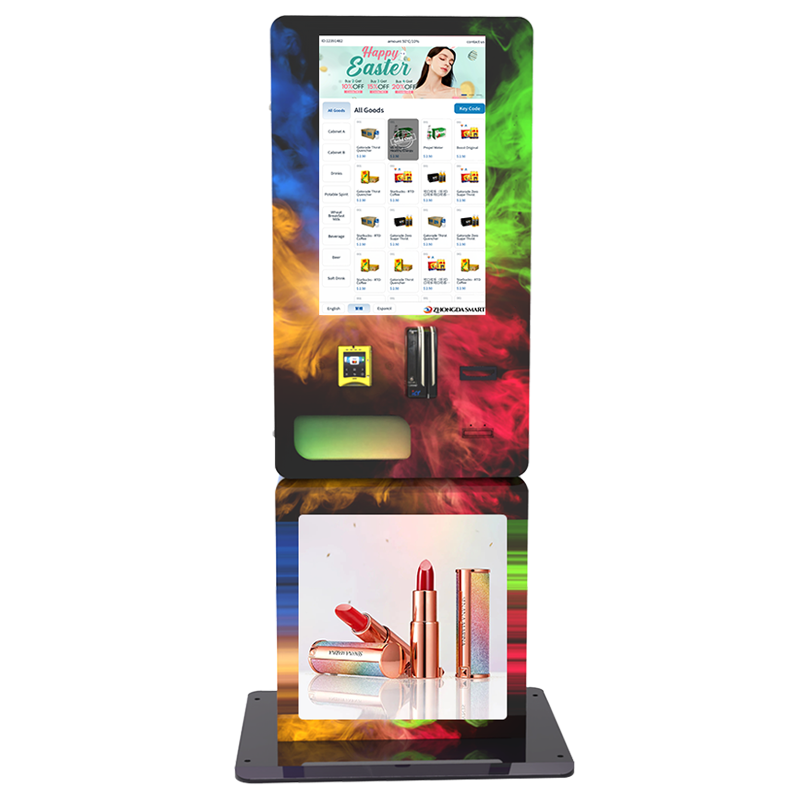
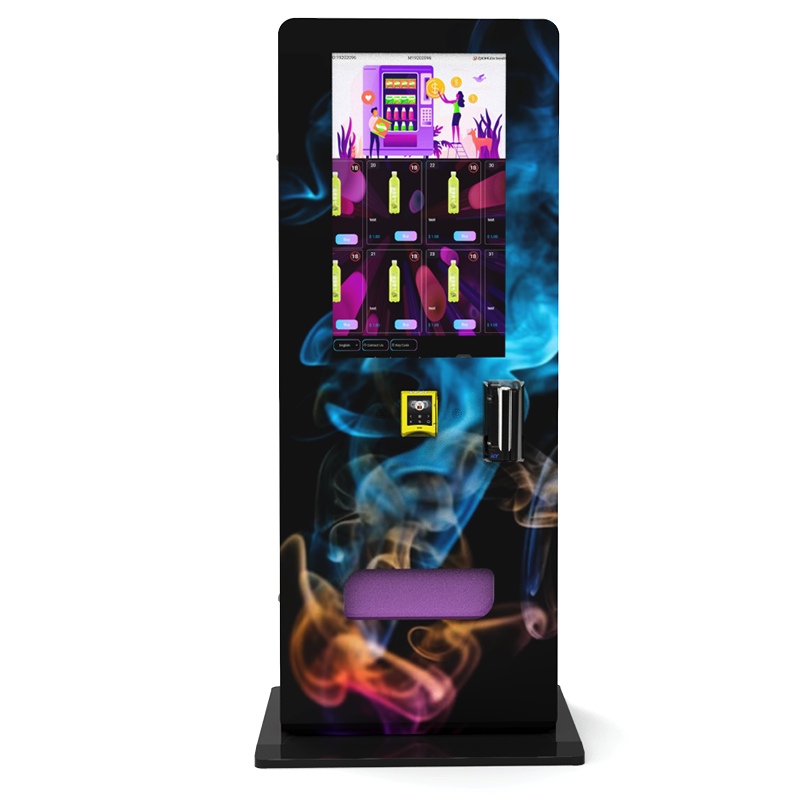
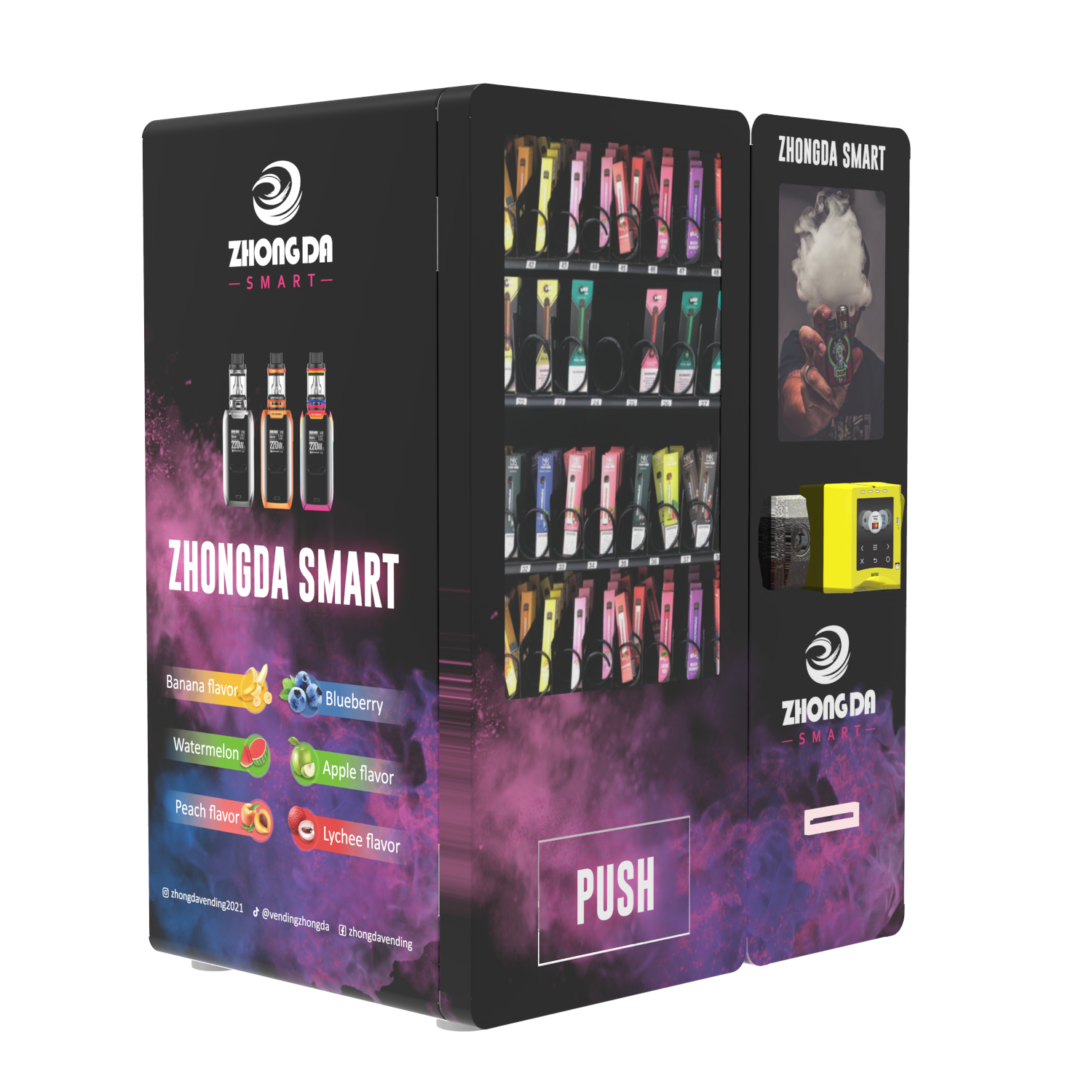
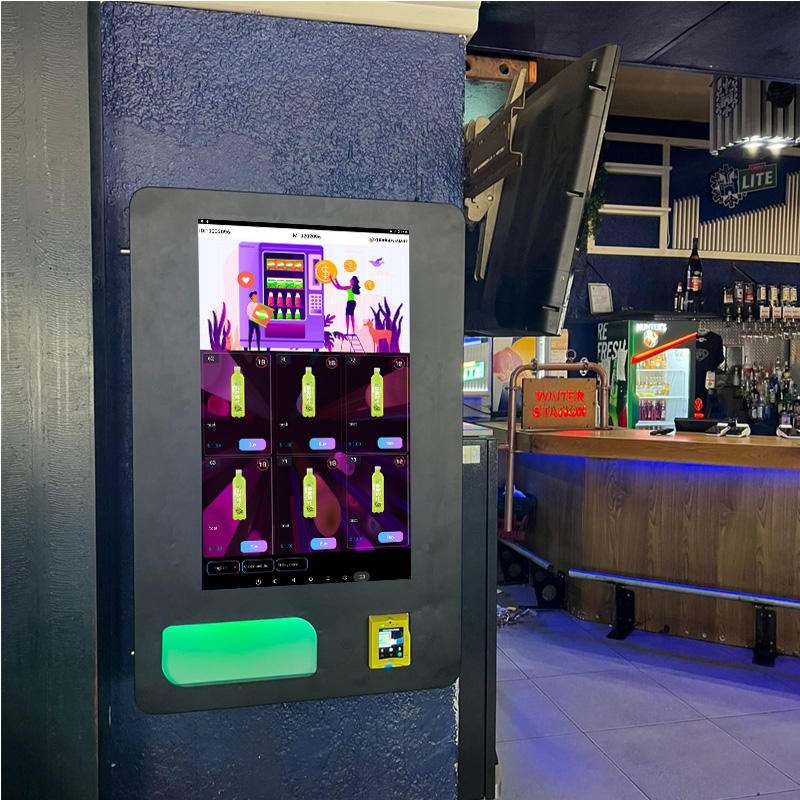
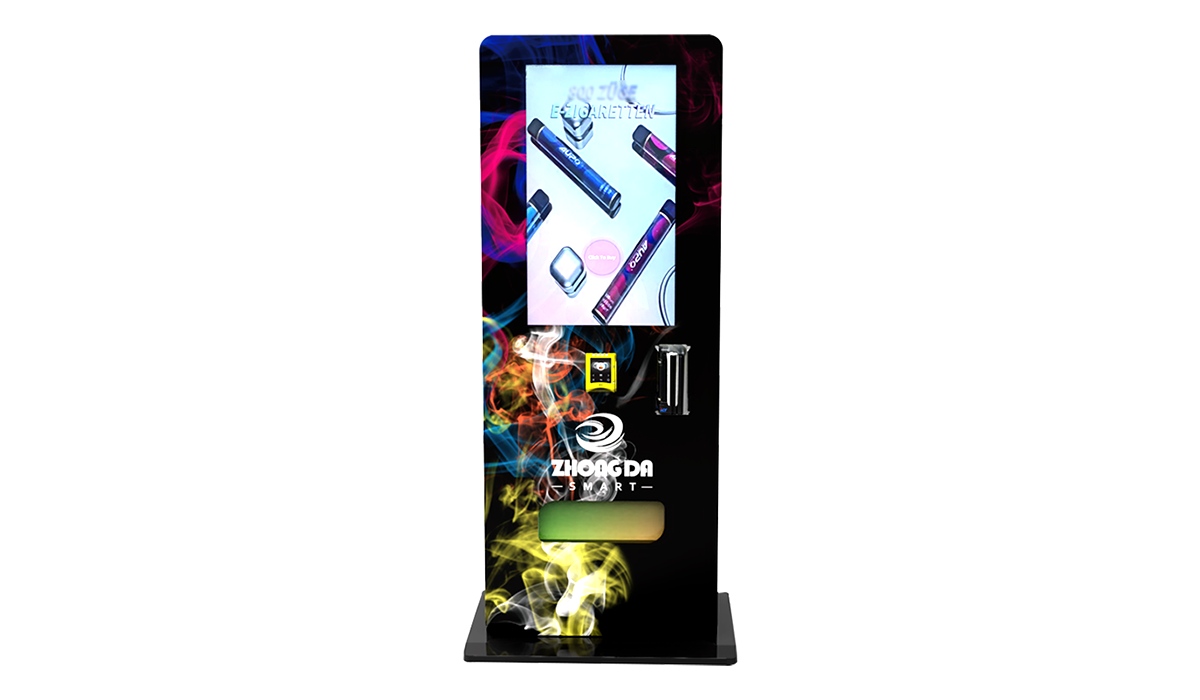
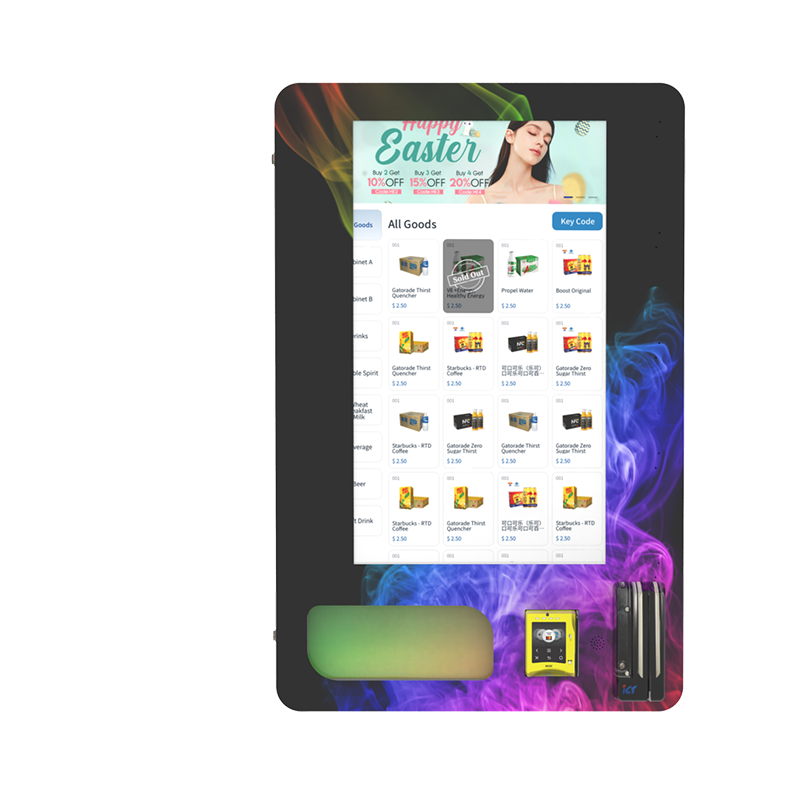
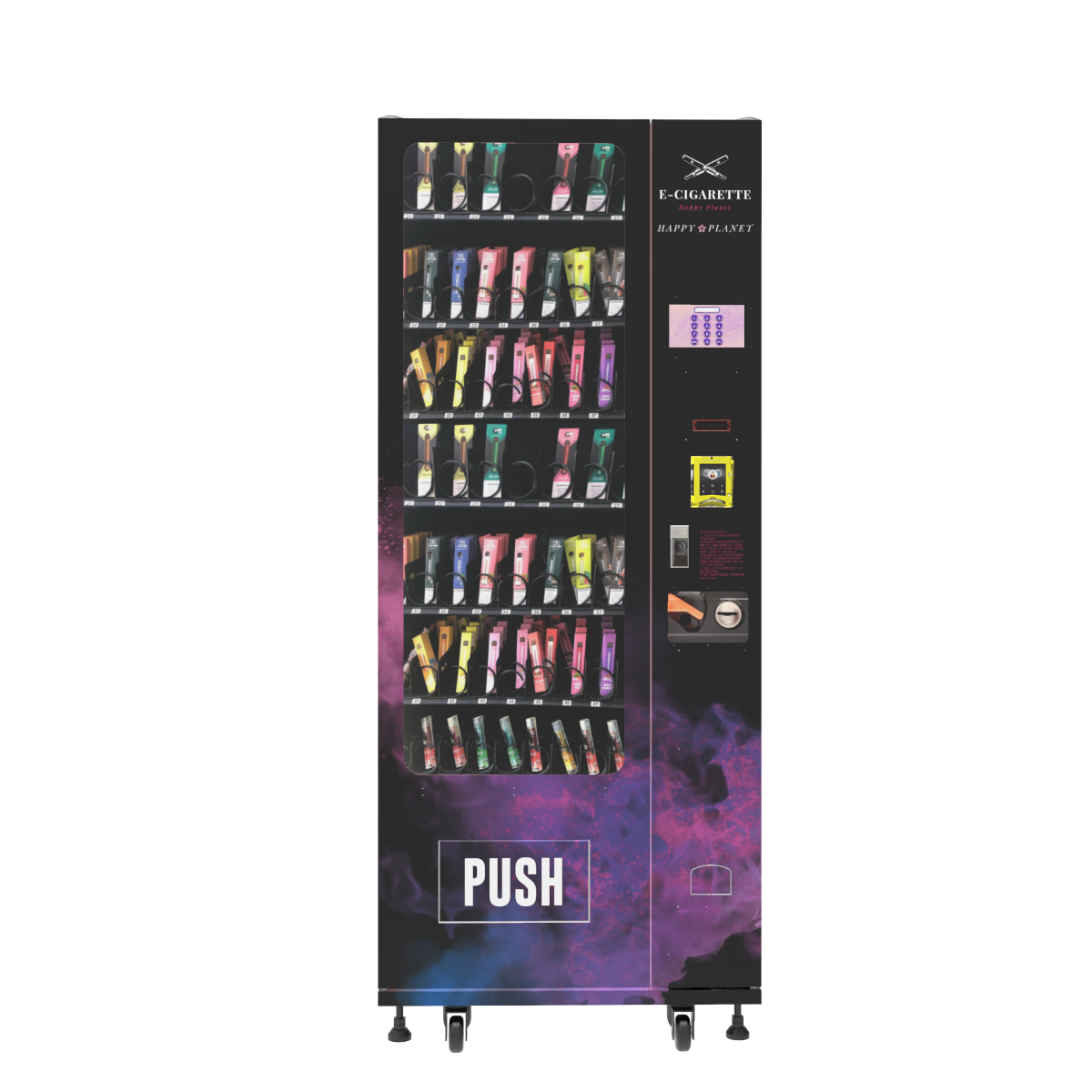
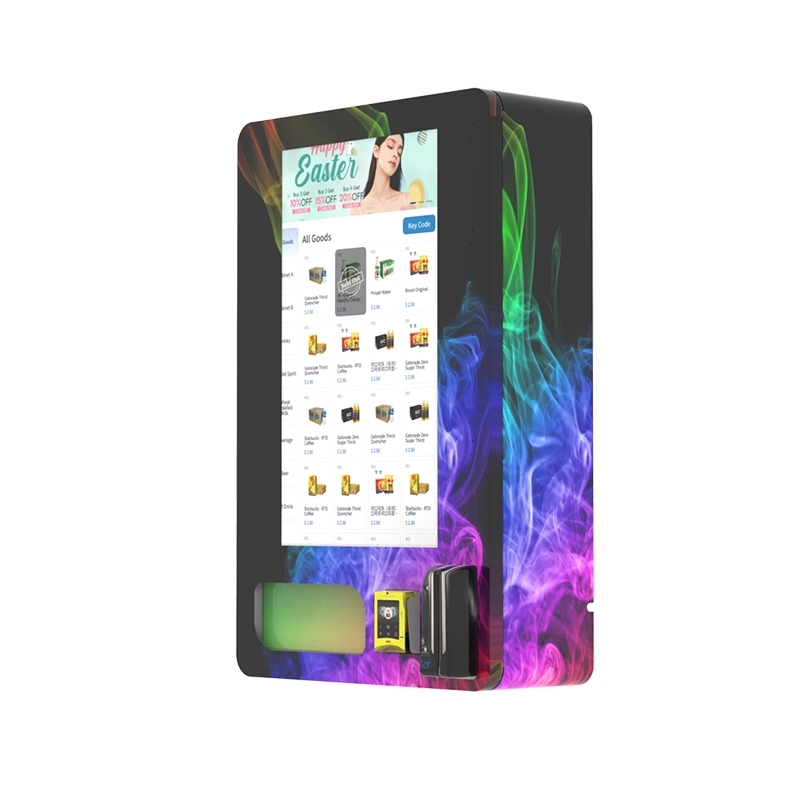
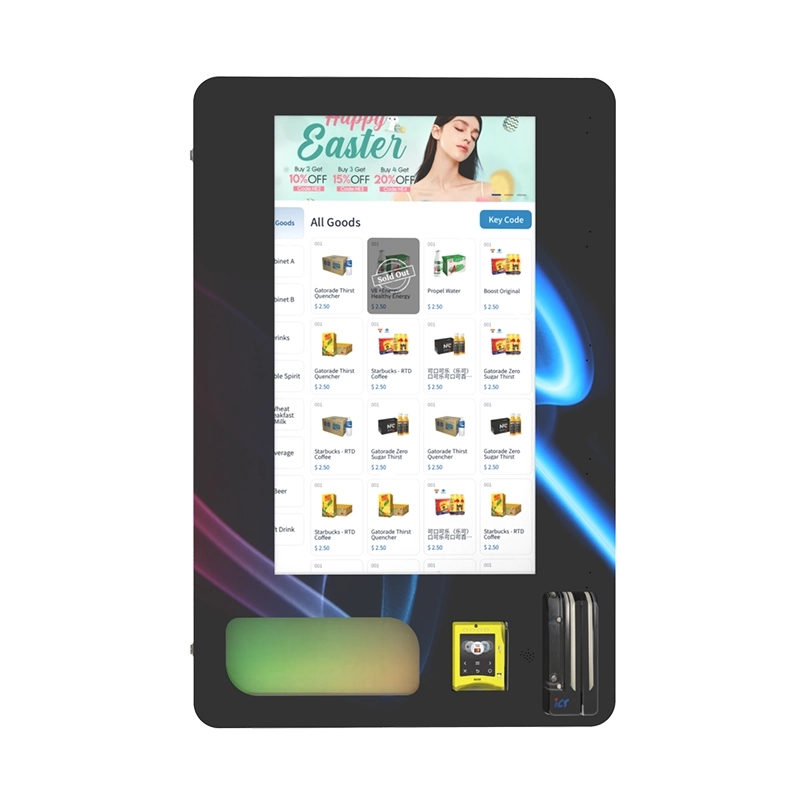
Before we talk about profit, we have to talk about what you are actually spending. A lot of people look at a cheap machine online and think they can throw it in a bar and start printing money. That is not how it works. The upfront cost for a commercial-grade smart vending machine with age verification runs between $3,500 and $8,500 depending on features. A basic wall-mounted unit might be on the lower end, but a full-height kiosk with ID scanning, touchscreen, and remote inventory management will push toward the higher end.
Then you have the setup costs. Shipping, taxes, installation, and initial inventory. For a single machine, plan on another $1,500 to $2,500 for stock. If you are buying multiple units, you can negotiate better pricing on both hardware and product. I have seen operators try to save money by buying used or refurbished machines. In almost every case, they ended up spending more on repairs and lost sales than if they had bought new from a reliable manufacturer like Zhongda smart. The downtime on a broken machine in a high-traffic location kills your ROI faster than anything.
What You Are Really Paying For
When you buy a vending machine for vapes, you are not just paying for metal and a screen. You are paying for compliance. Age verification is not optional in most states and countries. Machines that scan IDs or use third-party age verification software cost more upfront, but they keep you out of legal trouble. I have seen operators lose their entire business because they skipped this step. The fine for selling to a minor in some states can be $10,000 or more per incident. That one mistake wipes out your entire profit for the year.
You also pay for reliability. A machine that crashes twice a week is not a vending machine. It is a headache. The machines we build at Zhongda smart use industrial-grade components because we know what happens when a machine fails on a Friday night in a busy lounge. You lose sales, you lose location trust, and you might lose the spot entirely.
Revenue Per Machine – What the Numbers Look Like
Let me give you a realistic breakdown based on actual locations I have managed. A well-placed machine in a bar, nightclub, or convenience store can generate between $800 and $2,500 in monthly revenue. The average across my fleet is around $1,400 per month. That number depends heavily on foot traffic and the price point of the products you sell.
Disposable vapes and pods have the highest margins. You can buy a disposable for $4 to $6 wholesale and sell it for $12 to $18. That is a 200% to 300% markup. Refillable pod systems and coils have lower margins but drive repeat business. A customer who buys a device once will come back for pods every week. That recurring revenue is where the machine really starts to work for you.
Profit Margin Breakdown
Here is a rough table based on what I see in the field. These numbers are from actual machines I operate, not theoretical projections.
| Product Type | Wholesale Cost | Retail Price | Margin per Unit | Monthly Sales Volume | Monthly Gross Profit |
|---|---|---|---|---|---|
| Disposable Vapes | $5.00 | $15.00 | $10.00 | 60 | $600 |
| Pod Refills (4-pack) | $8.00 | $18.00 | $10.00 | 40 | $400 |
| Starter Kits | $12.00 | $28.00 | $16.00 | 10 | $160 |
| Nicotine Pouches | $3.50 | $8.00 | $4.50 | 50 | $225 |
| Total | 160 | $1,385 |
That is gross profit. From that, you subtract location commission (usually 10% to 20% of gross sales), payment processing fees (around 3%), and restocking labor. If you are paying a 15% commission, that knocks about $210 off the top. Processing fees take another $40. Restocking takes maybe two hours a week. If you value your time at $25 per hour, that is another $200. Your net monthly profit lands around $935.
With a machine cost of $5,500 plus $2,000 in initial setup and stock, your total investment is $7,500. At $935 net per month, you are looking at payback in about 8 months. That is the realistic middle ground. I have seen machines in high-traffic college bars pay back in 5 months. I have also seen machines in low-traffic locations that took 14 months. The difference is location selection.
Location Is Everything – How to Pick the Right Spot
I cannot overstate this. You can have the best machine in the world, but if it sits in a quiet corner of a dead mall, it will not make money. I have placed machines in over 200 locations, and I have learned to be ruthless about site evaluation.
Look for places where people already buy nicotine products. Bars, nightclubs, hookah lounges, and convenience stores are obvious choices. But there are also less obvious spots. Hotels, especially ones that cater to younger travelers. Music venues. Bowling alleys. Pool halls. Anywhere adults gather and stay for more than 30 minutes is a candidate.
What to Negotiate With the Location Owner
Do not just ask for permission to place a machine. Negotiate a deal that works for both of you. Most location owners expect a commission. I usually start at 10% and go up to 20% if the location is premium. Some operators make the mistake of giving away 30% or more. That kills your margin. If a location demands too much, walk away. There are plenty of spots that will take a fair deal.
Also, make sure you have a written agreement. I have lost locations because the owner decided to put in their own machine or kick me out with no notice. A simple one-page contract that says you have exclusive rights to sell vape products in that location for a set period protects you. It does not have to be fancy, but it has to exist.
Machine Features That Actually Matter for Profit
Not all vending machines are built the same. If you are serious about this business, you need to understand what features drive revenue and what features are just marketing fluff.
Age Verification Is Non-Negotiable
Every machine I deploy has ID scanning or third-party age verification. In the US, the FDA requires age verification for any tobacco product sale. In Europe, the regulations vary by country, but they are getting stricter every year. An age verification vending machine is the only way to stay compliant. Machines without this feature are a liability. I have seen operators get shut down and fined because they used a machine that just asked for a birth date on a touchscreen. That is not real verification. Real verification requires scanning a driver's license or using a database check.
Remote Monitoring and Inventory Tracking
This is a feature that separates professional operators from hobbyists. A machine with cellular connectivity lets you see sales data, inventory levels, and error alerts in real time. You do not have to drive to a location to find out the machine is empty or broken. You get a notification on your phone. That saves hours of labor every week and prevents lost sales. When I look at a vape vending machine from a supplier, the first thing I check is the telemetry system. If it does not have one, I do not buy it.
Payment Flexibility
Cash is dying. In the US, about 80% of my sales come from credit cards and mobile payments. In Europe, it is even higher. Your machine needs to accept Visa, Mastercard, Apple Pay, and Google Pay. If your machine only takes cash, you are leaving money on the table. Some newer machines also accept cryptocurrency, but that is still a niche. Focus on card and mobile first.
Common Mistakes That Kill Your ROI
I have made almost every mistake in this business, and I have watched other operators make the same ones. Here are the ones that cost the most money.
Buying the Cheapest Machine Available
There is a reason cheap machines are cheap. They use low-quality components that break down. The touchscreen stops working. The payment system fails. The coils in the cooling unit burn out. I have had operators call me asking if I can repair a machine they bought from a no-name manufacturer. Half the time, the parts are not even available. You save $2,000 upfront and lose $5,000 in lost sales and repair costs. Buy from a manufacturer with a track record. Zhongda smart has been building these machines for 15 years. That experience shows in the reliability.
Ignoring Local Regulations
Every state and country has different laws about where and how you can sell vape products. Some states ban vending machines entirely. Others allow them only in adult-only facilities. Some require a special license. Before you buy a machine, check the laws in your area. I have a list of resources I check for every new market. For US regulations, the FDA website is the starting point. For Europe, the Tobacco Products Directive (TPD) sets the baseline, but individual countries can be stricter. A vape vending machine legal check should be your first step, not an afterthought.
Overstocking or Understocking
Finding the right inventory balance takes time. If you overstock, you tie up cash in products that might sit for months. If you understock, you run out of popular items and lose sales. The solution is data. Use the sales reports from your machine to see what sells and what does not. In my experience, 80% of revenue comes from 20% of the products. Identify those top sellers and always keep them in stock. Rotate out slow movers after 60 days.
Long-Term Strategy – Scaling Beyond One Machine
One machine is a side hustle. Five machines is a business. Twenty machines is a real operation. The key to scaling is systemization. You need a process for site selection, installation, restocking, and maintenance that does not require you to be personally involved in every step.
Building a Restocking Route
When you have multiple machines, you want to group them geographically. A restocking route that covers five machines in a 10-mile radius takes half a day. Five machines spread across 50 miles takes two days. Plan your locations with logistics in mind. I cluster machines in the same city or region before expanding to a new area.
Using a Distributor or Partner
Some operators choose to work with a distributor who handles product sourcing and logistics. That can work if you find a reliable partner, but you lose some margin. I prefer to buy direct from manufacturers and manage my own supply chain. It gives me more control and better pricing. If you are looking for a vape vending machine distributor Europe or elsewhere, make sure they have a proven track record with vape products specifically. A general vending distributor may not understand the compliance requirements.
Maintenance and Support
Machines break. It is a fact of this business. The question is how fast you can fix them. I keep spare parts for every machine I operate. A spare payment terminal, a spare screen, a spare power supply. When something fails, I swap it out immediately and fix the broken part later. Downtime of more than 48 hours in a high-traffic location can cost you the spot. The location owner will lose confidence in you and may bring in a competitor.
For this reason, I always recommend working with a manufacturer that offers responsive support. At Zhongda smart, we provide technical support and spare parts shipping within 24 hours for most regions. That kind of support is worth paying for.
Real Data from the Field
I want to share some numbers from an actual deployment I managed last year. We placed ten machines in a mix of bars and convenience stores in a mid-sized city. The total investment was $78,000 including machines, shipping, installation, and initial inventory. After six months, the total gross revenue was $84,000. After commissions, fees, and restocking costs, the net profit was $52,000. That is a payback period of about 9 months across the fleet. The best performing machine did $2,100 in monthly revenue. The worst did $650 and we moved it to a better location after three months.
According to a report from IBISWorld, the vending machine industry in the US has grown steadily, with specialized machines like those for vape products seeing higher than average growth rates. IBISWorld Vending Machine Operators Report. Another study from Statista shows that the global vending machine market is projected to reach over $25 billion by 2028, with smart vending machines capturing an increasing share. Statista Vending Machine Market Outlook. These trends support what I am seeing on the ground. The market is moving toward unattended retail, and vape products are a perfect fit for this channel.
Frequently Asked Questions
How much does a vape vending machine cost?
A new commercial-grade machine with age verification typically costs between $3,500 and $8,500. Basic wall-mounted units are on the lower end, while full kiosks with ID scanning and remote management are on the higher end. You also need to budget for shipping, installation, and initial inventory, which adds another $1,500 to $2,500 per machine.
Are vape vending machines legal?
It depends on your location. In the US, they are legal in most states but only in adult-only facilities or with strict age verification. Some states like California and New York have additional restrictions. In Europe, the TPD regulates them, and individual countries may have their own laws. Always check local regulations before purchasing a machine. You can read more about the legal landscape in our article on vape vending machine legal requirements.
How much profit can a vape vending machine make?
A well-placed machine can generate $800 to $2,500 in monthly revenue. After commissions, fees, and restocking costs, net profit typically ranges from $500 to $1,500 per month. The average payback period is 6 to 12 months, but high-traffic locations can pay back in as little as 4 months.
Do I need a license to operate a vape vending machine?
Yes, in most jurisdictions you need a tobacco retail license or a specific vending machine license. The requirements vary by state and country. Some locations also require a business license and a seller's permit. Check with your local tax authority and health department to get the correct permits before you start.
What products sell best in a vape vending machine?
Disposable vapes and pod refills are the top sellers. They have high margins and high turnover. Starter kits sell less frequently but at a higher price point. Nicotine pouches are also growing in popularity. The key is to stock a variety of flavors and nicotine strengths to appeal to different customers. Use your sales data to identify the top 20% of products that generate 80% of your revenue.
Sources:
- IBISWorld – Vending Machine Operators Industry Report: https://www.ibisworld.com/united-states/market-research-reports/vending-machine-operators-industry/
- Statista – Vending Machine Market Outlook Worldwide: https://www.statista.com/outlook/cmo/food/vending-machines/worldwide
- FDA – Tobacco Product Vending Machines: https://www.fda.gov/tobacco-products/retail-sales-tobacco-products/vending-machines
Meta Description: A vape vending machine ROI of 6-12 months is realistic with the right location and equipment. Learn actual costs, profit margins, and deployment strategies from a 15-year manufacturer.