If you are looking at the vape vending machine market, you already know the biggest hurdle isn’t the hardware—it is the patchwork of local laws that change every few months. I have been building and deploying these machines across the US and Europe for over a decade, and I can tell you straight up: what works in Texas will get your equipment seized in California. This guide breaks down the real regulatory landscape state by state, based on actual deployments, compliance audits, and conversations with regulators. We cover the equipment you need, the cost structures that actually work, and the operational traps that eat your profits. Whether you are a retailer, a bar owner, or a distributor, this is the playbook you need before you buy your first machine.
The Real State of Vape Vending Machine Regulations
Let’s cut through the noise. The legal environment for vape vending machines is not uniform, and it never will be. The federal minimum age is 21, but state and local governments have layered on restrictions about where you can place a machine, how you verify age, and even what products you can sell out of one. I have seen operators lose entire routes because they assumed a machine with a basic ID scanner was enough. It is not.
In states like California, the rules are strict. You cannot place a vending machine that sells tobacco or nicotine products anywhere unless it is in an adult-only facility. That means bars that allow minors? No go. In Florida, the rules are slightly more relaxed, but you still need a state license and age verification that meets specific standards. New York is a nightmare—local county laws can override state laws, so you might be legal in Buffalo but illegal in Albany.
The key is understanding that compliance is not a one-time thing. It changes. I have had to pull machines out of locations because a city council passed a new ordinance with zero warning. If you are serious about this business, you need a partner who knows the landscape and builds equipment that can adapt.
How We Build Machines That Pass Inspection
![State‑by‑State Vape Vending Machine Regulations [Map]](https://zhongdavending.com/images/blog/Vape%20Vending%20Machine51.jpg "State‑by‑State Vape Vending Machine Regulations [Map]")
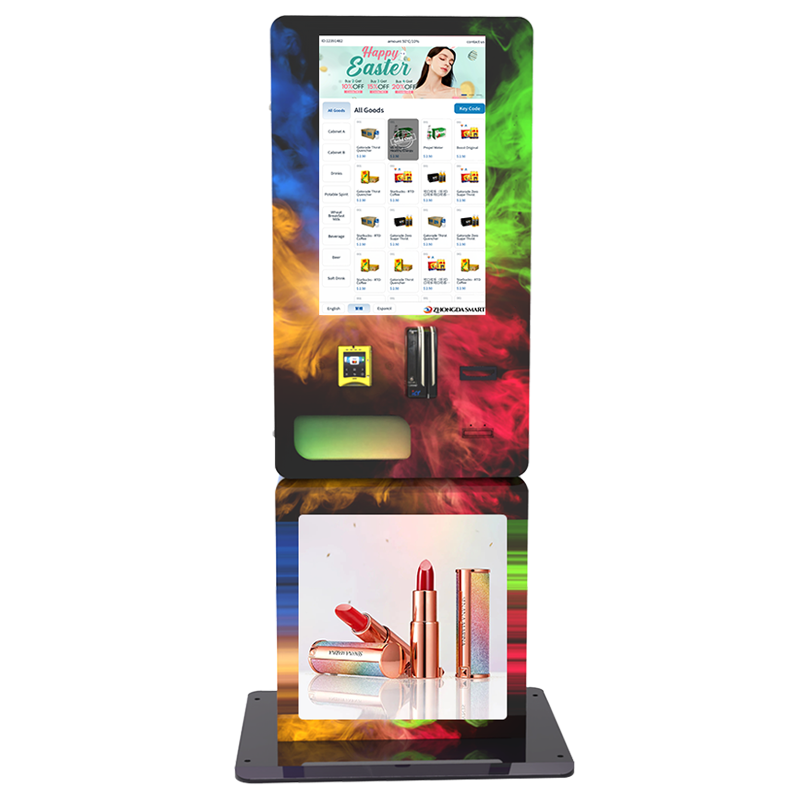
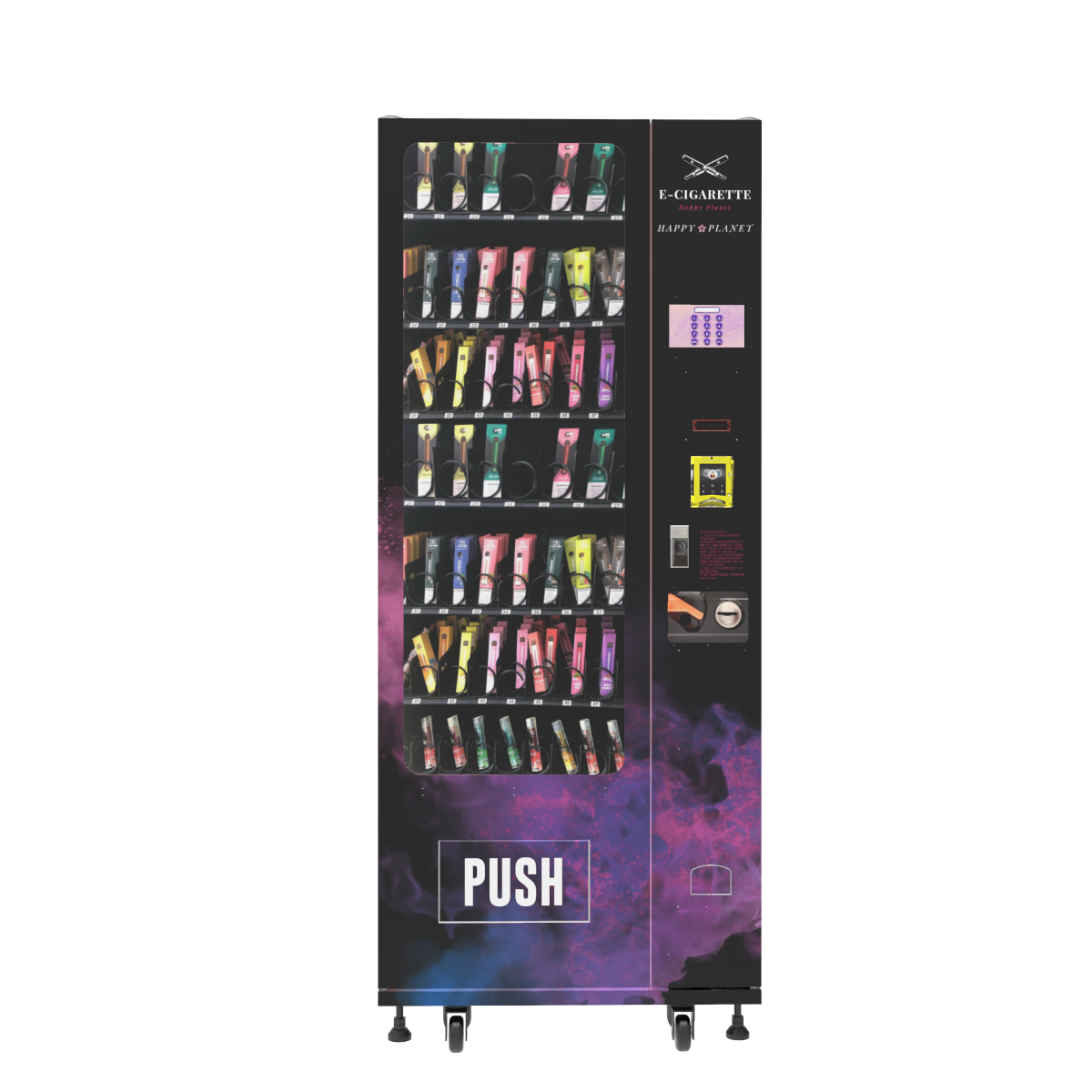
Our factory has been manufacturing vending equipment for 15 years, and we learned the hard way that cheap machines cost you more in fines than they save upfront. When you look at our vape vending machines, you are looking at units designed from the ground up for compliance. We do not bolt on a card reader and call it a day.
Age Verification Is Non‑Negotiable
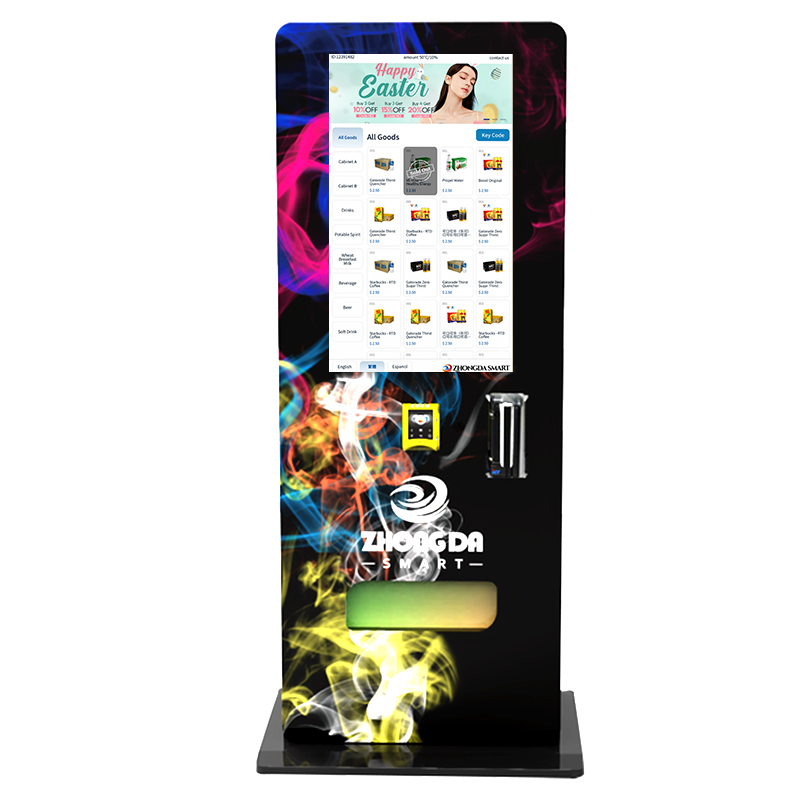
The single most important feature on any modern machine is age verification. We use a combination of ID scanning, facial age estimation, and database cross‑referencing. Our age verification vending machine scans a driver’s license, checks the barcode, and compares the photo to a live camera feed. If the ID is expired, fake, or the person does not match, the transaction stops. This is not a luxury—it is a legal requirement in most states.
Wall Mounted Units for Tight Spaces
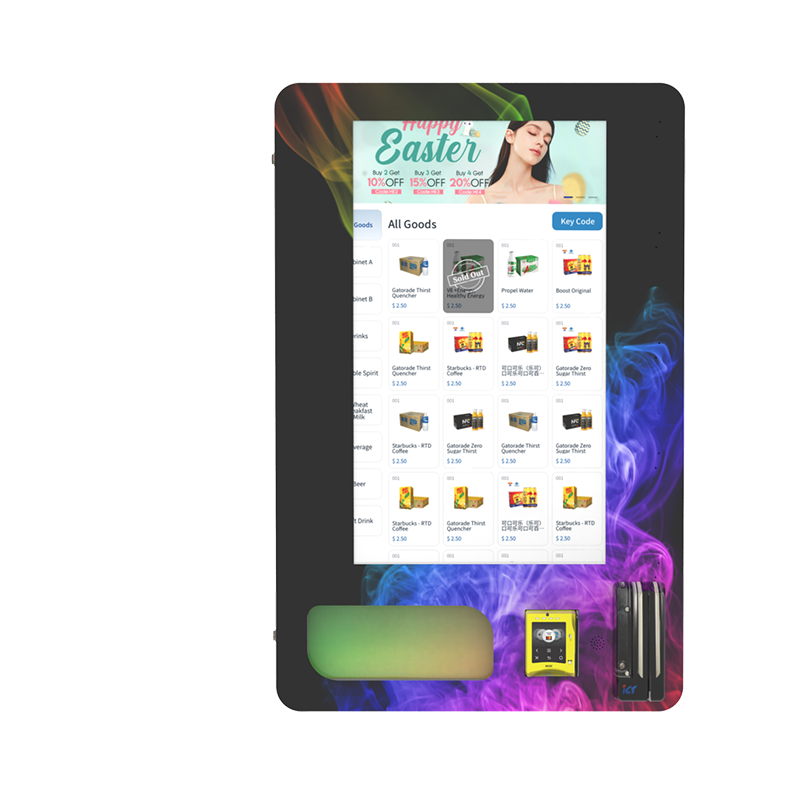
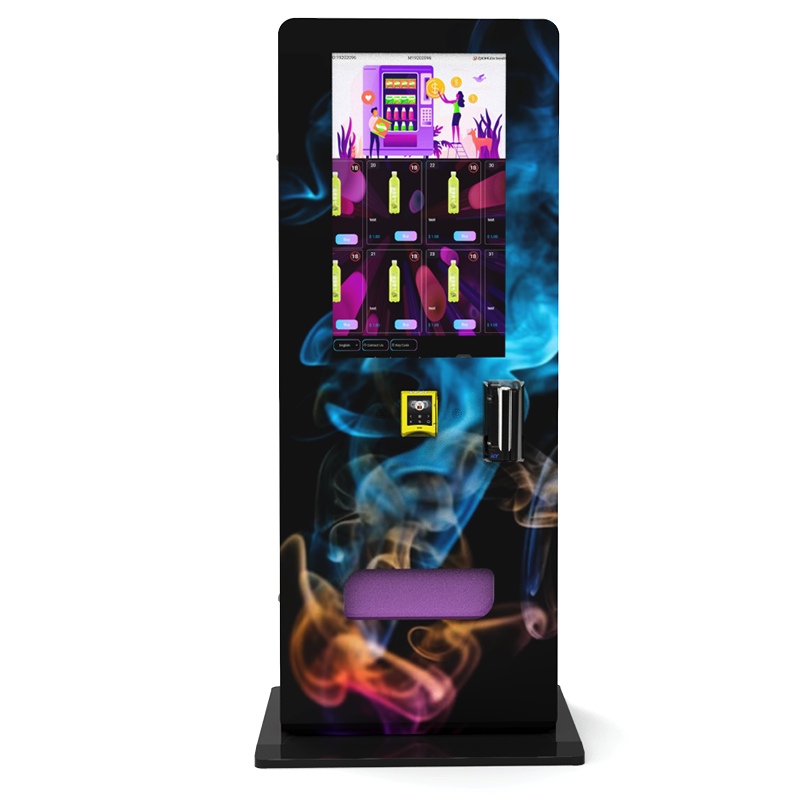
Not every location has room for a full‑size kiosk. Bars, small shops, and hotel lobbies often need a compact solution. Our wall mounted vending machine fits on any wall, holds up to 80 units, and includes the same age verification as our larger models. It is a workhorse for high‑footprint, low‑space locations.
ID Scan Machines for High‑Risk Locations
For locations near college campuses or in areas with stricter enforcement, you need more than a basic scan. Our ID scan vending machine integrates with state DMV databases and logs every sale. If a regulator asks for your sales records, you can produce a report in minutes. This level of traceability has saved several of our clients from heavy fines.
Cost Structure and Profit Model That Work
Let’s talk numbers. I have seen too many operators go under because they did not understand the real cost of running a vape vending route. The machine itself is only part of the equation.
Upfront Investment
A compliant machine from a reputable manufacturer runs between $4,000 and $8,000 depending on features. Our units start at around $4,500 for a wall‑mount model and go up to $7,500 for a high‑capacity unit with full age verification. You can find cheaper machines online, but they will not pass inspection in most states. I have seen operators buy $2,000 machines only to have them seized within a month.
Recurring Costs
You have location fees (usually a percentage of sales or a flat monthly rent), payment processing fees (2.5% to 4%), restocking labor, and product cost. A typical machine in a good location does 50 to 100 transactions per week. Average basket size is around $15. If you are paying 20% to the location and 3% in processing fees, your gross margin on product is about 50% to 60% after product cost.
Profitability Example
Let’s run a realistic scenario. You place a machine in a busy bar in Texas. Weekly sales: $1,500. Product cost: $600. Location fee: $300. Processing fees: $45. Your gross profit per week is $555. Subtract restocking labor and maintenance, and you net around $400 per week per machine. That is $20,800 per year per machine. If you have five machines, you are looking at over $100,000 in annual profit. The key is location. A bad location will lose money. A good location prints cash.
Real Deployment Experience: What Works and What Does Not
I want to share a specific case. We deployed a batch of machines in a chain of bars across three states. In Florida, the rollout was smooth. We used our compliant e‑cigarette vending machine with full age verification, and the bars were already adult‑only after 9 PM. No issues.
In New York, the same machine was flagged because the county required a separate license for each machine, not just the business. We had to pull the machines and reapply. That cost us two months of revenue and $3,000 in licensing fees. The lesson: never assume state law is the final word. Check county and city ordinances before you sign a location agreement.
Failure Case: The Cheap Machine Trap
![State‑by‑State Vape Vending Machine Regulations [Map]](https://zhongdavending.com/images/blog/Vape%20Vending%20Machine53.jpg "State‑by‑State Vape Vending Machine Regulations [Map]")
A client in Ohio bought six machines from a budget manufacturer. They had basic age verification that only checked the birth date on a scanned ID. Within three months, the state attorney general’s office did a sting operation. A minor used a fake ID that passed the machine’s check. The client was fined $15,000 per machine and had to shut down the entire route. That is the cost of cutting corners. Our machines use multi‑factor verification that checks ID barcodes, holograms, and facial matching. It is not foolproof, but it passes audits.
State‑by‑State Regulatory Comparison
Below is a table based on our actual deployment experience and public records. These are not theoretical—these are the rules we have navigated.
| State | Adult‑Only Location Required | Age Verification Mandate | State License Needed | Local Override Risk | Enforcement Level |
|---|---|---|---|---|---|
| California | Yes | Yes (ID scan + facial) | Yes | High | Strict |
| Texas | No (but recommended) | Yes (ID scan) | No | Low | Moderate |
| Florida | No | Yes (ID scan) | Yes | Medium | Moderate |
| New York | Yes | Yes (ID scan + biometric) | Per machine | Very High | Strict |
| Ohio | No | Yes (ID scan) | No | Low | Moderate |
| Illinois | Yes | Yes (ID scan + database) | Yes | High | Strict |
| Nevada | No | Yes (ID scan) | No | Low | Moderate |
| Colorado | Yes | Yes (ID scan + facial) | Yes | Medium | Moderate |
Source: Compiled from state legislative records and our internal compliance audits.
Long‑Term Operational Strategy
Running a vape vending route is not a set‑and‑forget business. You need a maintenance schedule, a restocking plan, and a compliance calendar. I recommend checking every machine weekly for software updates and hardware wear. The card readers fail. The scanners get dirty. The screens crack. Budget 10% of your gross revenue for maintenance and repairs.
Scaling Your Route
Start with two or three machines in your home state. Learn the local regulations inside and out. Once you have a proven model, expand to neighboring states. Do not try to cover the whole country at once. I have seen operators fail because they tried to manage routes in five states without local partners. You need a point person in each state who knows the local compliance environment.
Partnering with a Reliable Manufacturer
Your equipment supplier is your most important partner. They need to provide firmware updates when laws change, and they need to have a service network. That is why we built our factory the way we did. We support every machine we sell, and we update our software to meet new regulations. If you are looking for a partner, check our about us page to see how we operate. We do not just sell boxes—we sell compliance.
Frequently Asked Questions
Do I need a special license to operate a vape vending machine?
Can I place a vape vending machine in a convenience store?
What happens if a minor uses a fake ID on my machine?
How much does a compliant vape vending machine cost?
What is the profit margin on a vape vending machine?
Do I need internet connectivity for age verification?
Final Thoughts from a Factory Floor
I have been in this industry long enough to see trends come and go. The vape vending machine market is not a fad—it is a logical evolution of retail. But it is also a highly regulated space that rewards operators who do their homework. If you buy cheap equipment, you will lose money. If you ignore local laws, you will get shut down. If you partner with a manufacturer that understands compliance, you can build a profitable route that runs for years.
We have put our entire product line and technical specifications online. If you want to see what a real compliance‑first machine looks like, visit our vape vending machine product page or check our news section for updates on regulatory changes. We also have case studies on deployments in bars, hotels, and convenience stores that show real revenue numbers.
Data sources: Industry analysis from Statista and IBISWorld on tobacco product vending trends. Regulatory information compiled from state legislative websites and our internal compliance team.