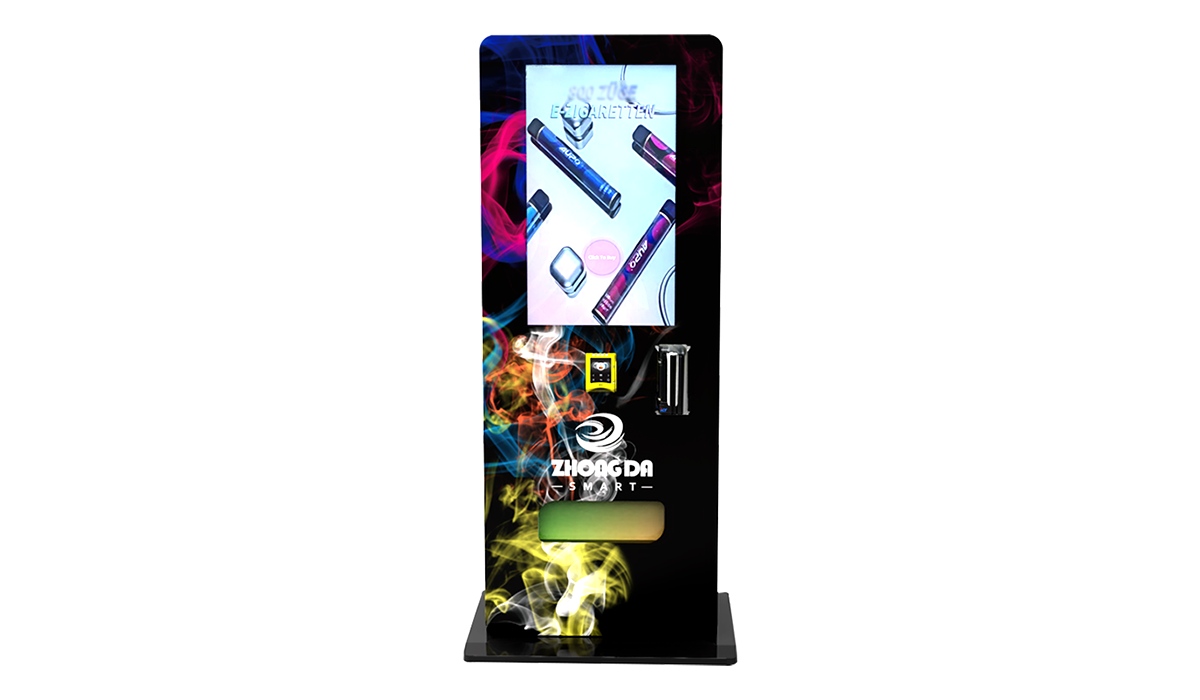
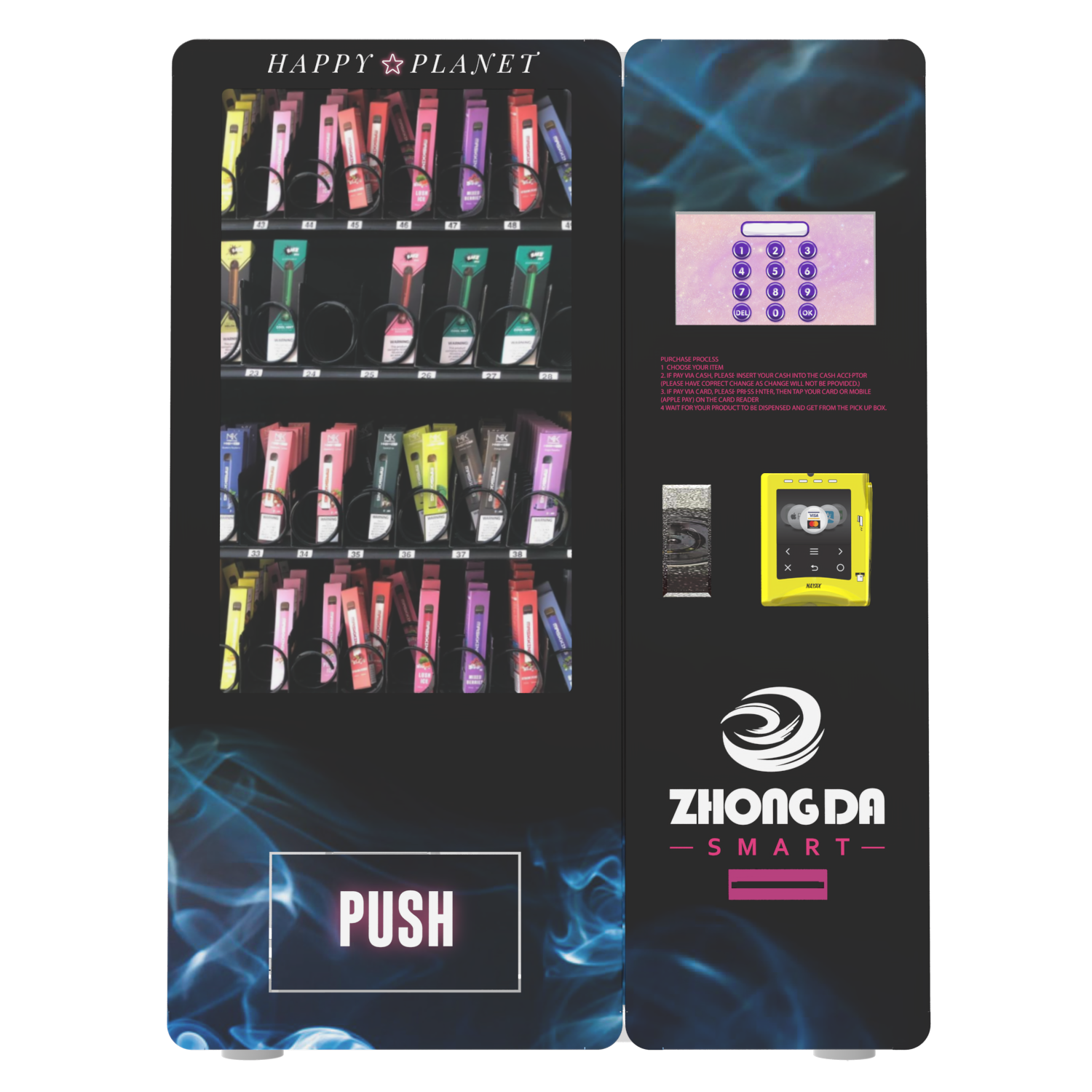
Yes, absolutely. Vape vending machines can sell disposable vapes, and they are doing so profitably across thousands of locations right now. I have been designing and manufacturing these machines for over fifteen years, and I have watched the market shift from bulk cigarette packs to sleek, single-use devices. The question isn't really about capability anymore; it is about compliance, unit economics, and choosing the right hardware. A standard snack machine will not work here. You need a smart vending machine with age verification, specific coil and shelf configurations, and inventory software that tracks high-turnover SKUs. Disposables are a unique product category because of their shape, weight, and regulatory scrutiny. If you are looking at a self-service kiosk for nicotine products, this guide covers exactly what works, what breaks, and how to calculate your real return on investment.
Why Disposable Vapes Fit the Self-Service Model
Disposable vapes have become the dominant form factor in the market. Unlike refillable pod systems or box mods, disposables are sealed, lightweight, and require no customer education. From a vending perspective, that is a dream. There is no liquid to leak, no coils to replace, and no battery door that a customer can damage. The average disposable vape sells for between $12 and $25, which gives you a healthy margin even after merchant processing fees and machine depreciation.
I have deployed units in convenience stores and bars where the average transaction time is under fifteen seconds. The customer walks up, scans their ID, taps their card, and walks away with a product that has a six-month shelf life. That speed is impossible with a traditional counter sale. You also eliminate the risk of theft, which in some retail environments runs as high as three to five percent of daily inventory. A secure, automated dispensing system solves that immediately.
Product Dimensions and Machine Configuration
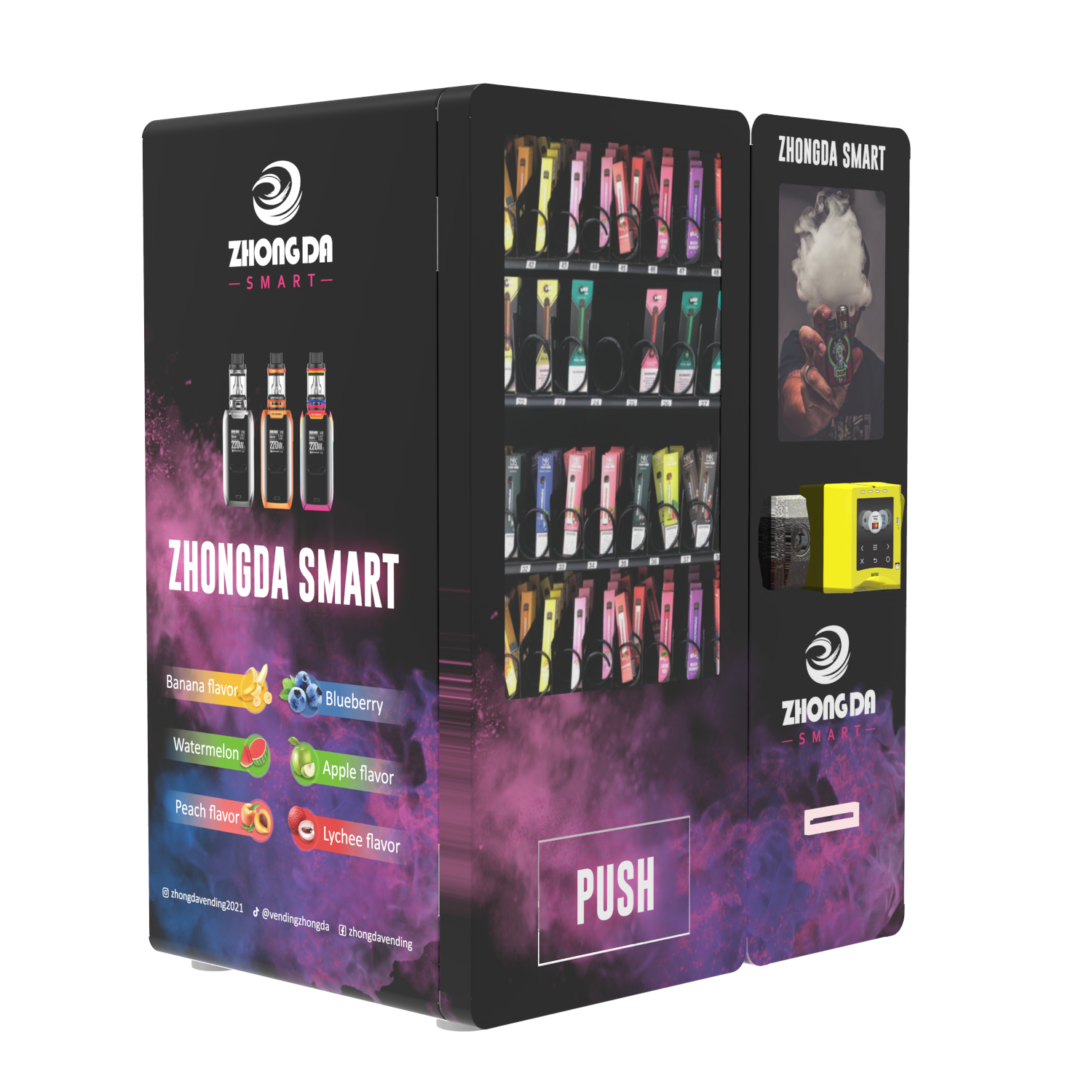
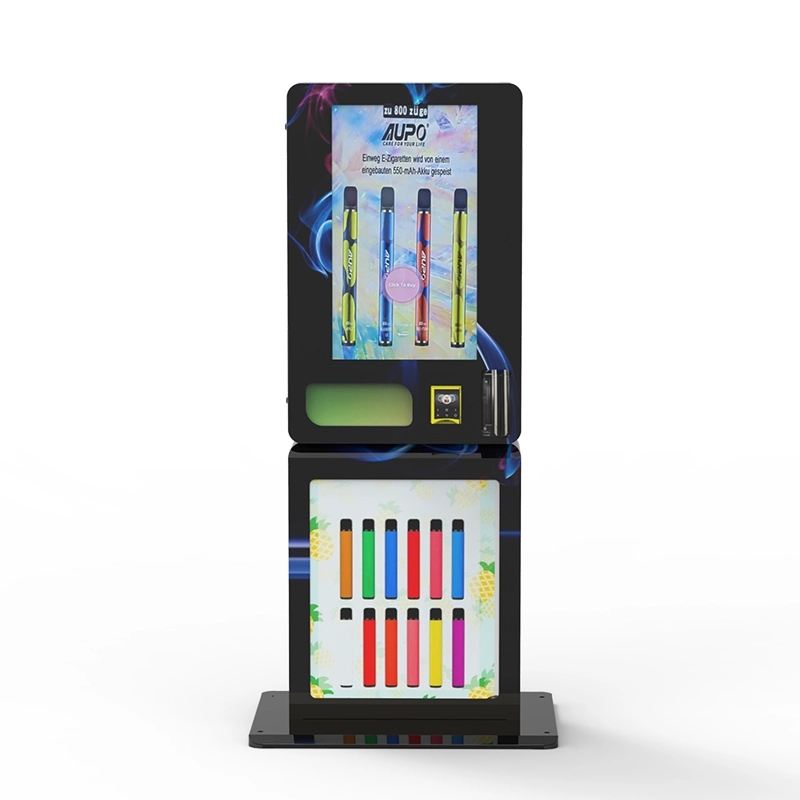
One mistake I see frequently is operators trying to use a standard spiral vending machine for disposables. Most disposables are long and narrow, roughly the size of a highlighter pen. If you use a spiral designed for a soda can or a candy bar, the product jams constantly. You need a machine with adjustable tray depth or a paddle-style dispensing mechanism. The machines we build at Zhongda Smart use modular trays that can be reconfigured in under two minutes. You can run a mix of 600-puff sticks and 5000-puff bars in the same cabinet without any jams.
I strongly recommend testing the drop height before you commit to a large order. A disposable that falls more than eighteen inches can suffer a cracked casing or a dislodged battery. Look for a machine with a cushioned retrieval bin or a low-drop elevator system. That small detail saves you a fortune in customer complaints and refunds.
Age Verification Is Non-Negotiable
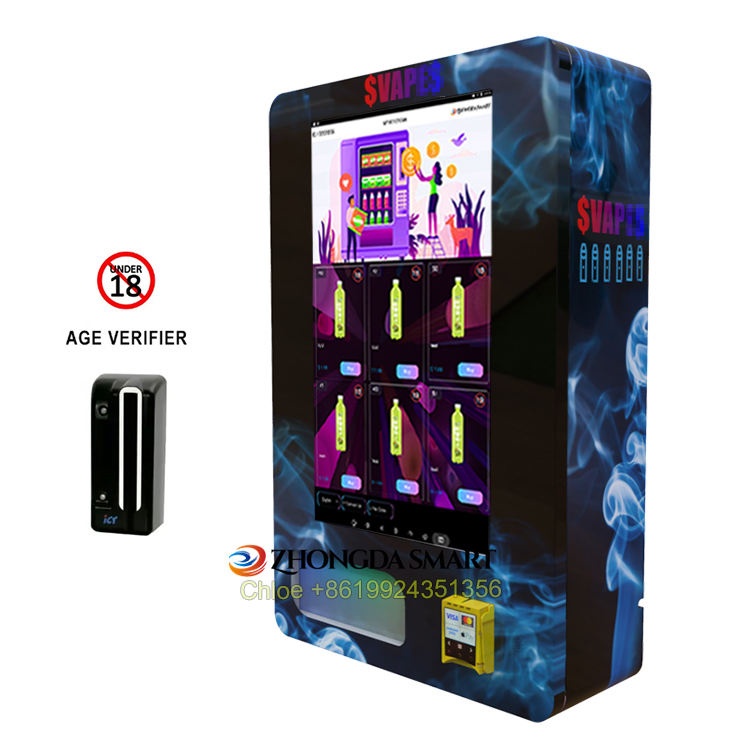
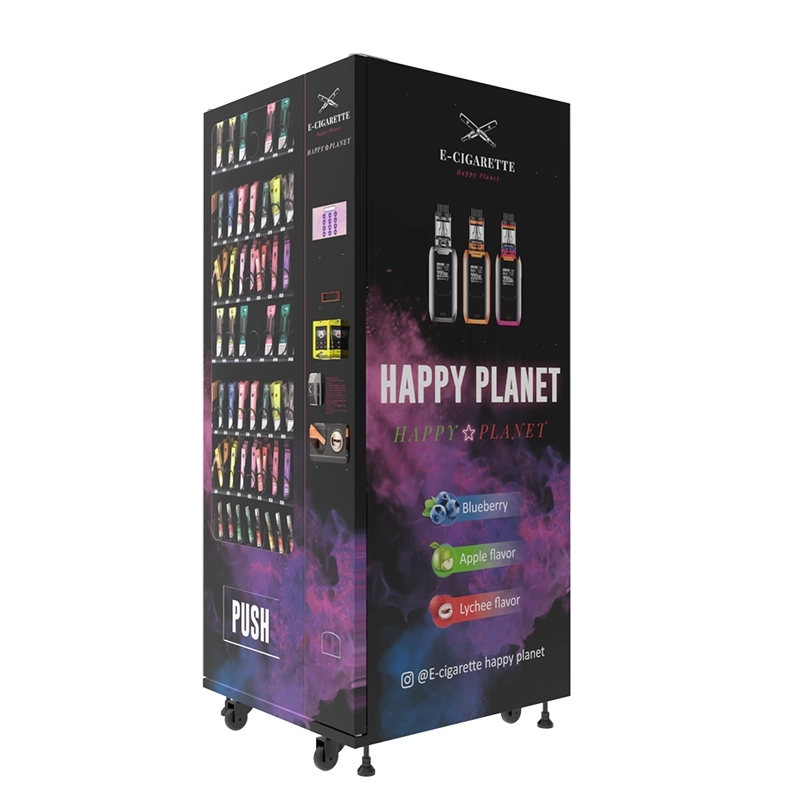
You cannot sell nicotine products through a vending machine without a robust age verification system. The FDA and various state authorities have made that crystal clear. A simple “Are you over 21?” button is not acceptable. You need hardware that scans a government-issued ID, extracts the date of birth, and compares it to the current date. The machine must also reject expired licenses and temporary paper IDs.
I have been installing age verification vending machines for over a decade, and the technology has improved dramatically. Early systems relied on OCR that failed if the ID was crooked or the lighting was bad. Modern units use near-infrared scanning and barcode parsing. The best systems also capture a live selfie and compare it to the photo on the ID. That adds a layer of biometric verification that satisfies even the strictest compliance officers.
Real Compliance Costs
Integrating a certified age scanner adds roughly $800 to $1,500 to the cost of the machine. That sounds like a lot, but it is mandatory. You also need to store transaction logs for a minimum of two years. Most cloud-based vending management systems do this automatically. We include a tamper-proof log with every machine we ship. If a regulator audits your location, you can produce a clean report in minutes.
Profit Model and Unit Economics
Let me walk you through a realistic profit model based on actual deployments. I have a client in the Midwest who runs six machines in high-traffic liquor stores. Each machine holds 120 units. They sell an average of 35 units per week per machine at an average price of $16. That is $560 in gross revenue per machine per week. The wholesale cost per disposable is roughly $7.50. That leaves a gross profit of $297.50 per machine per week.
Now subtract the expenses: credit card processing fees average 2.9% plus $0.30 per transaction, which eats about $22 per week. Electricity is negligible, maybe $3 per week. Location commission varies, but a fair split is 15% of gross sales, which is $84 per week. If you are leasing the machine, the payment is roughly $50 per week. That leaves you with a net profit of about $138 per machine per week. Multiply that by six machines, and you are looking at $828 per week in net income.
That math works. But it only works if you have the right location and the right machine. A poorly placed unit in a low-traffic laundromat might sell five units per week, which barely covers the commission. Location is everything.
Cost Structure Breakdown
- Machine hardware: $4,000 to $8,000 for a dual-temp, age-verified unit
- Shipping and installation: $400 to $800 depending on distance
- Inventory startup: $2,000 to $3,000 for a full load of mixed SKUs
- Payment processing setup: $100 to $300 for terminal activation
- Monthly software subscription: $30 to $80 for remote monitoring
Choosing the Right Hardware for Disposables
Not all vending machines are created equal. I have seen operators buy a cheap import machine that looks fine in a showroom but fails within three months. The electronics get fried by humidity, the ID scanner stops reading, or the dispensing motor strips its gears. You want a machine built with industrial-grade components. Look for a stainless steel cabinet, a sealed electronics bay, and a compressor that can handle ambient temperatures up to 110 degrees Fahrenheit if you plan to offer cooled products.
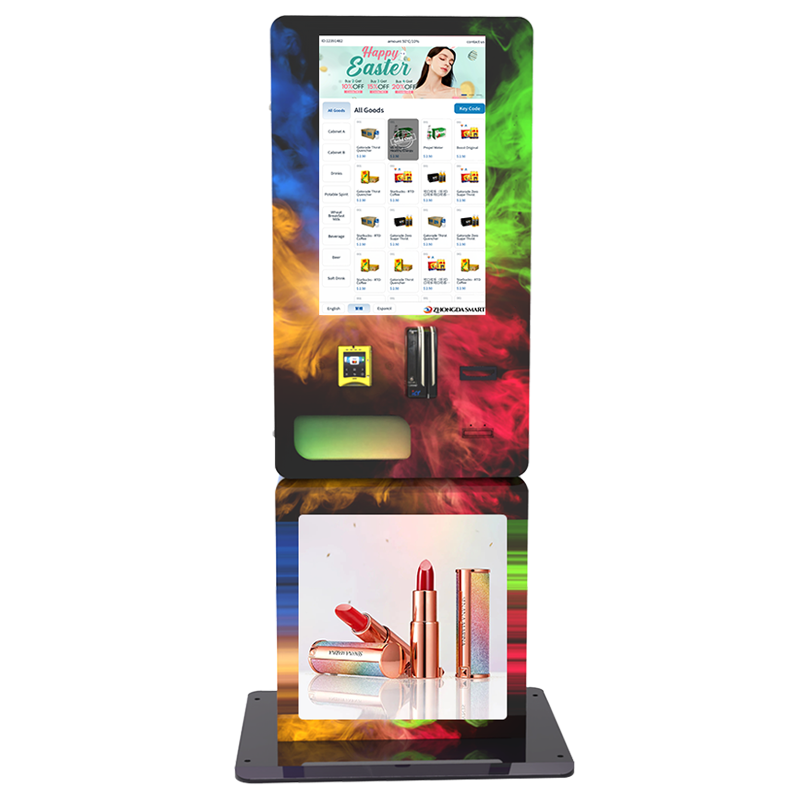
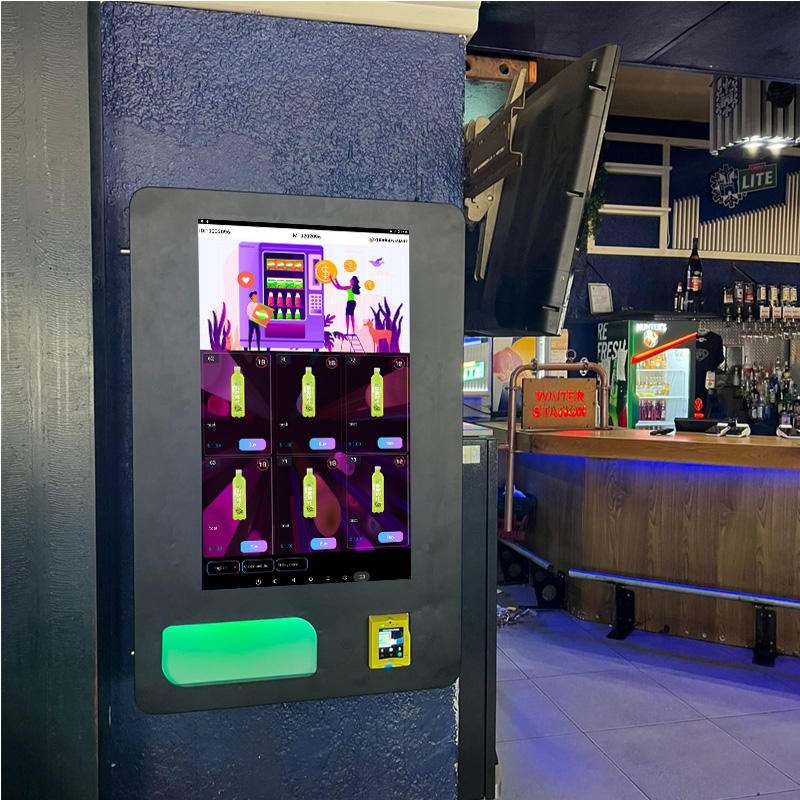
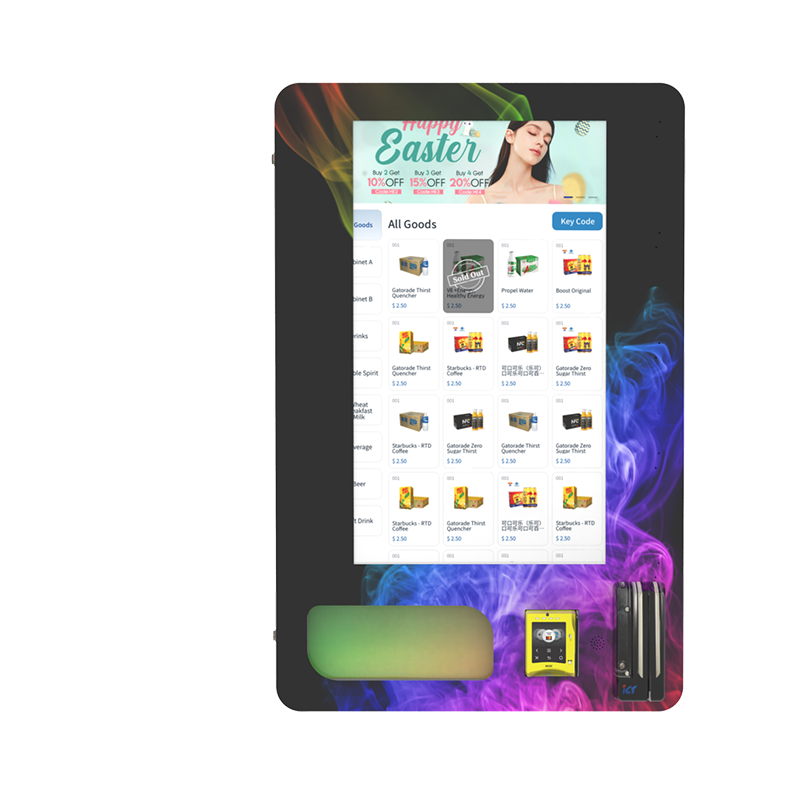
We manufacture a wall-mounted compact e-cigarette vending machine that is specifically designed for high-traffic retail environments. It takes up less than two square feet of floor space, which is a huge selling point when you are negotiating with a store owner who is protective of their square footage. It holds 60 to 90 units and includes a built-in ID scanner and a backup battery system.
Cooling vs. Non-Cooling
Disposable vapes contain e-liquid that can degrade in high heat. If you are placing a machine in a location that gets direct sunlight or has poor air conditioning, you need a refrigerated unit. The nicotine oxidizes faster at temperatures above 85 degrees, which leads to a darker liquid and a harsher throat hit. Customers notice that. They will stop buying from that machine and leave a bad review. A cooled machine maintains a consistent 68 degrees, which keeps the product fresh for months.
For indoor locations with stable climate control, a non-cooled machine works fine and costs about $1,200 less. I usually advise operators to buy the cooled version anyway. It gives you flexibility if you decide to move the machine to a different location later.
Location Strategy and Site Selection
I have placed machines in bars, nightclubs, convenience stores, hotel lobbies, and even a bowling alley. The best performers are locations where the customer is already in a purchasing mindset and where the average age skews above 25. Bars and liquor stores are my top recommendation. The customer is already buying alcohol, they have their ID out, and they are likely to impulse-buy a vape.
One of my most successful deployments was in a hotel near a convention center. The hotel had a smoking section outside but no retail outlet for vapes. We placed a machine in the lobby next to the ice machine. It sold over 200 units in the first month. The hotel manager loved it because it generated revenue without requiring any staff attention.
Negotiating the Commission Split
Store owners will ask for a commission. Do not give away more than 20% of gross sales. I start negotiations at 10% and rarely go above 15%. If the location demands 25%, walk away. The math does not work in your favor. You can offer a higher commission on a trial basis for the first three months, then renegotiate once the machine proves its value.
Common Failures and How to Avoid Them
I have been doing this long enough to have made every mistake in the book. Here are the three biggest failures I see from new operators.
Failure one: understocking popular flavors. You will get a weekly sales report from your machine. If you ignore it and keep stocking the same flavors, you will lose sales. The top three flavors in any market account for roughly 60% of sales. In the US, that is usually mint, mango, and strawberry watermelon. If you are out of those, the customer walks away. Use a machine with real-time inventory tracking so you know exactly when to restock.
Failure two: ignoring maintenance. A vending machine is a mechanical device. The dispensing paddle can stick, the card reader can get dirty, and the ID scanner lens can fog up. I recommend a weekly cleaning and a monthly mechanical check. If you are running more than five machines, hire a part-time technician. A machine that is down for a week loses you money and frustrates customers.
Failure three: buying the cheapest machine. I understand the temptation. A $2,000 machine looks like a great deal compared to a $6,000 machine. But the cheap machine will break. The warranty will be useless because the manufacturer is overseas and does not respond to emails. You will spend more in repairs and lost revenue than you saved on the purchase price. Buy from a manufacturer with a US-based support team or a proven track record. We offer a comprehensive service and support program that includes remote diagnostics and same-day parts shipping.
Comparing Machine Types
| Feature | Basic Spiral Machine | Smart Age-Verified Machine | Premium Dual-Temp Machine |
|---|---|---|---|
| Price range | $2,000 - $3,500 | $4,500 - $6,500 | $7,000 - $9,500 |
| Age verification | None or button only | ID scanner + barcode | ID scanner + biometric selfie |
| Capacity (units) | 80 - 100 | 60 - 120 | 120 - 200 |
| Cooling | No | Optional | Standard |
| Remote monitoring | No | Yes | Yes |
| Best use case | Low volume, low risk | Standard retail | High traffic, premium locations |
This table is based on data from our own product line and feedback from over 200 operator clients. The sweet spot for most new operators is the smart age-verified machine. It gives you compliance, remote management, and a reasonable upfront cost.
Long-Term Operational Strategy
Running a vape vending business is not passive income. It is a managed business. You need to check your inventory levels every three days, rotate stock to prevent aging, and update pricing based on market changes. I have operators who treat it like a side hustle and they fail within six months. The ones who treat it like a real business and reinvest their profits into more machines are the ones who build a fleet of twenty or thirty units.
One of my long-term clients started with two machines in 2019. He now has forty-two machines across three states. His secret is simple: he standardized on one machine model, negotiated bulk pricing on disposables directly with distributors, and built a route schedule that covers all his locations in two days. His net margin is about 35% after all expenses.
Scaling the Operation
Once you have three to five machines running profitably, you can scale. The key is to lock in your supply chain. Disposables are subject to flavor bans and regulatory changes. Work with a distributor who has a diverse portfolio so you can pivot quickly if a specific product gets restricted. Also, build a relationship with a local repair technician who can handle hardware issues. You do not want to be driving two hours to fix a jammed paddle.
For more detailed guidance on scaling, I recommend reading our article on how to start a vape vending machine business. It covers the licensing requirements, tax registration, and route optimization strategies that we have developed over the years.
Expert Insight from the Factory Floor
I have been in the manufacturing side of this industry since before the modern disposable vape existed. I have seen the transition from cigarette machines that required a key to the current generation of smart vending kiosks that communicate with your phone. The biggest change I have witnessed is the demand for data. Operators no longer want to guess what is selling. They want real-time dashboards that show sales by hour, by product, and by location.
Our latest machines include a cellular modem that uploads transaction data every fifteen minutes. You can log into a web portal and see exactly how many units of each flavor you have left. You can adjust pricing remotely. You can even lock the machine if you suspect theft or vandalism. That level of control was unimaginable ten years ago. If you are serious about this business, do not buy a machine that lacks connectivity.
Frequently Asked Questions
Can you sell disposable vapes in any vending machine?
How much does a vape vending machine cost?
Is it legal to sell disposables through a vending machine?
How many units can a vape vending machine hold?
What is the profit margin on disposable vapes in a machine?
Do I need a special license to operate a vape vending machine?
Final Thoughts on Disposable Vape Vending
The short answer is yes, vape vending machines can sell disposable vapes profitably and compliantly. The longer answer is that success depends on the hardware you choose, the location you secure, and how seriously you manage the operation. I have seen operators make a full-time income with a small fleet of machines. I have also seen people lose money because they bought cheap equipment or ignored compliance. If you are ready to move forward, start with a single machine in a strong location, learn the operational rhythm, and then scale.
If you want to explore specific models and configurations, take a look at our vape vending machines product page. We have detailed specifications, pricing, and case studies from real deployments. You can also contact our support team directly through the contact page for a personalized recommendation based on your target market.
Sources:
Statista - Disposable Vape Market Share Data