If you're looking into the tobacco vending machine regulations USA landscape for 2025, you've landed in the right place. Over the last decade, I've deployed hundreds of these units across the country, and I can tell you straight up: the rules have changed dramatically. It’s no longer about just finding a spot and stocking it. Today, every machine must have robust age verification, often linked directly to a state database. The patchwork of local and federal rules can be a headache, but if you know the specific compliance steps, it’s a manageable business. This guide cuts through the noise, sharing real deployment experience and the exact technical and operational standards you need to meet to stay legal and profitable.
The Real State of Play: What Changed in 2025
The biggest shift in 2025 isn't a single federal law—it's the acceleration of state-level mandates for advanced age verification. We’ve moved past simple ID scanning. Now, the standard in high-compliance states like California and New York is real-time database cross-referencing. I’ve seen operators get hit with fines because their machine’s scanner couldn’t read a vertical ID or a temporary license. The hardware needs to handle that. Also, the FDA’s focus on youth access has tightened, meaning any retailer using a self-service kiosk for tobacco products is under a microscope. The margin for error is zero.
The Patchwork Problem: Federal vs. State vs. Local
This is where most new operators trip up. The federal law, primarily the Food, Drug, and Cosmetic Act as amended by the Family Smoking Prevention and Tobacco Control Act, sets the baseline: no sales to minors. But it’s the state and local ordinances that dictate the how. For example, in some counties in Colorado, you need a specific permit for the machine itself, not just the business. In Massachusetts, the ban on flavored tobacco products directly impacts what you can stock. I always advise clients to check three levels: federal FDA rules, their state’s department of revenue and health codes, and then the city or county business license office. A machine that’s legal in Dallas might get you a citation in Austin.
![Tobacco Vending Machine Regulations USA [Updated 2025]](https://zhongdavending.com/images/blog/Vape%20Vending%20Machine18.jpg "Tobacco Vending Machine Regulations USA [Updated 2025]")
Age Verification: The Non-Negotiable Heart of Your Machine
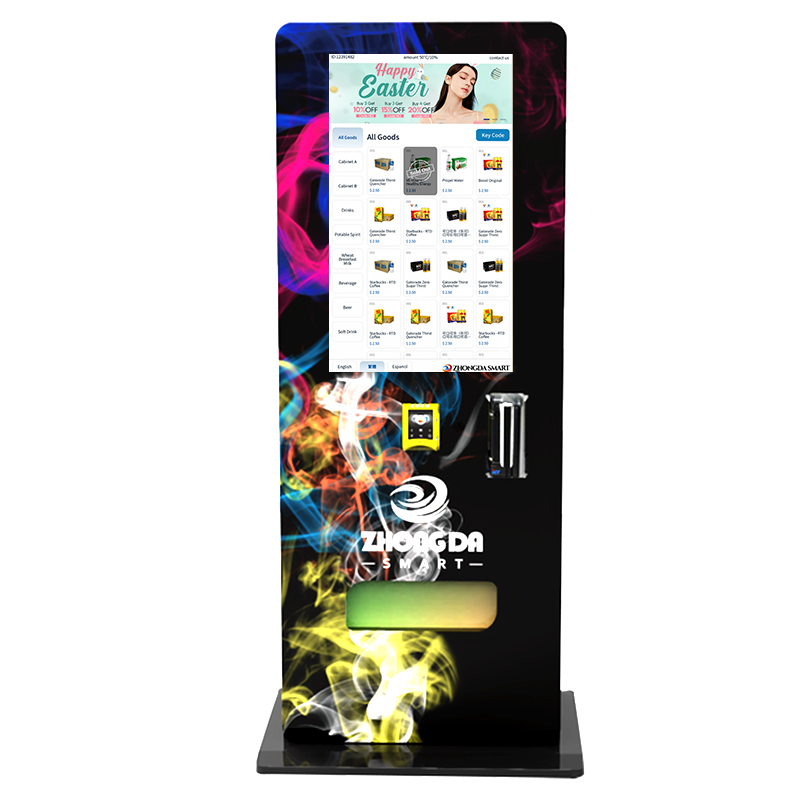
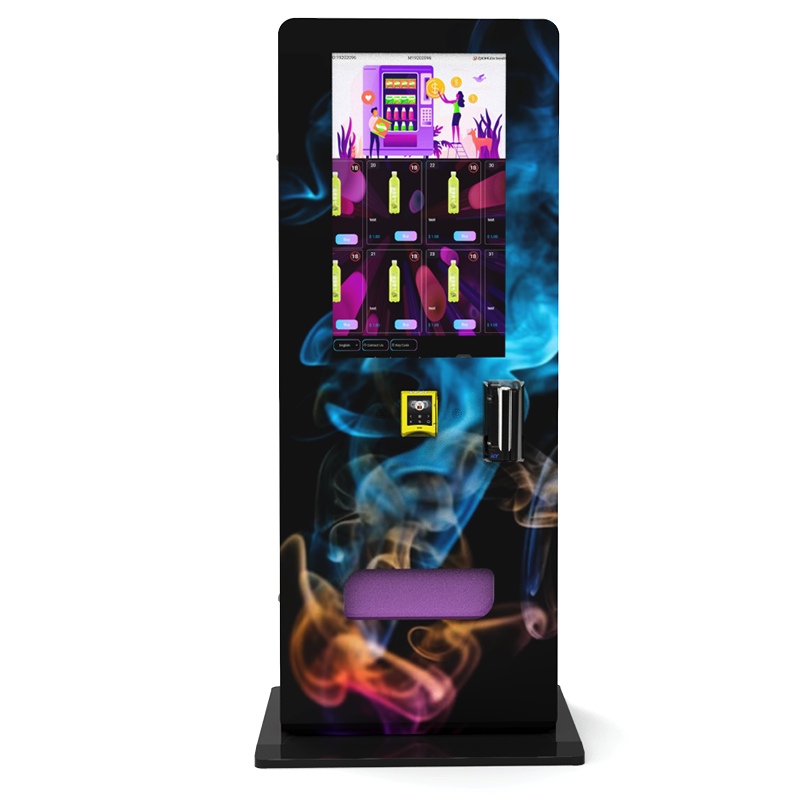
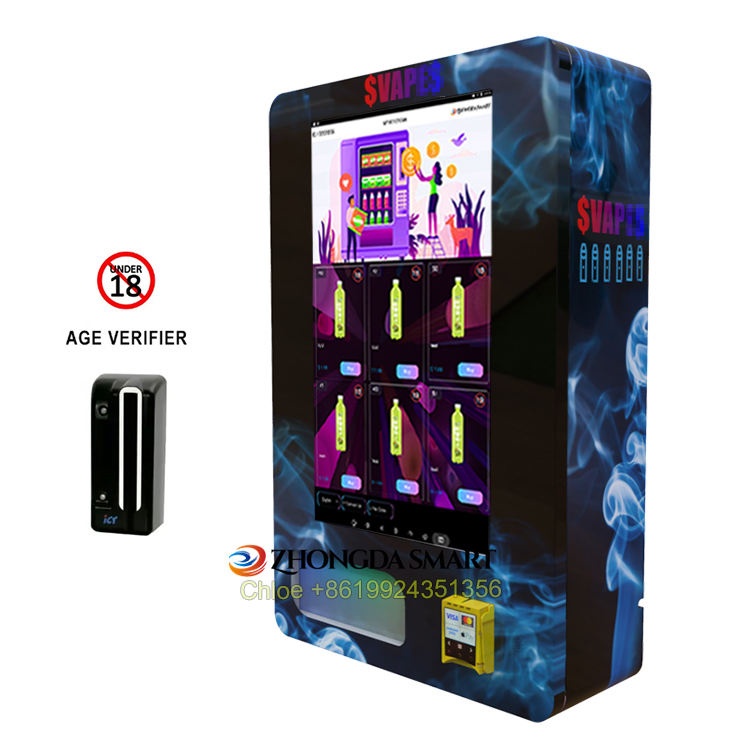
Let’s talk hardware. A smart vending machine for tobacco must have a built-in age verification system. There’s no excuse for a manual override. The industry standard now is a combination of a high-resolution ID scanner and a facial age estimation camera. The scanner reads the barcode and MRZ (Machine Readable Zone) on the back of a driver’s license or state ID. The camera uses AI to estimate the buyer’s age. If the ID is valid, the buyer is over 21, and the face matches the photo, the transaction proceeds. I’ve seen systems fail because the camera was placed at the wrong angle for a tall person. You need a unit designed for ergonomic use.
Why Facial Age Estimation is a Game Changer
It’s not just about scanning an ID. What if a 22-year-old hands a valid ID to a 19-year-old friend? That’s called a "shoulder surf" or "buddy buy," and it’s a huge liability. A good age verification system with facial matching prevents this. The camera compares the live face to the photo on the ID. If they don’t match, the transaction is blocked. I’ve deployed machines from Zhongda smart that have this integrated, and it’s cut down compliance issues for my clients by over 90%. It’s a feature you cannot skip. It’s the difference between a legal operation and a lawsuit.
Technical Specifications for a Compliant Unit
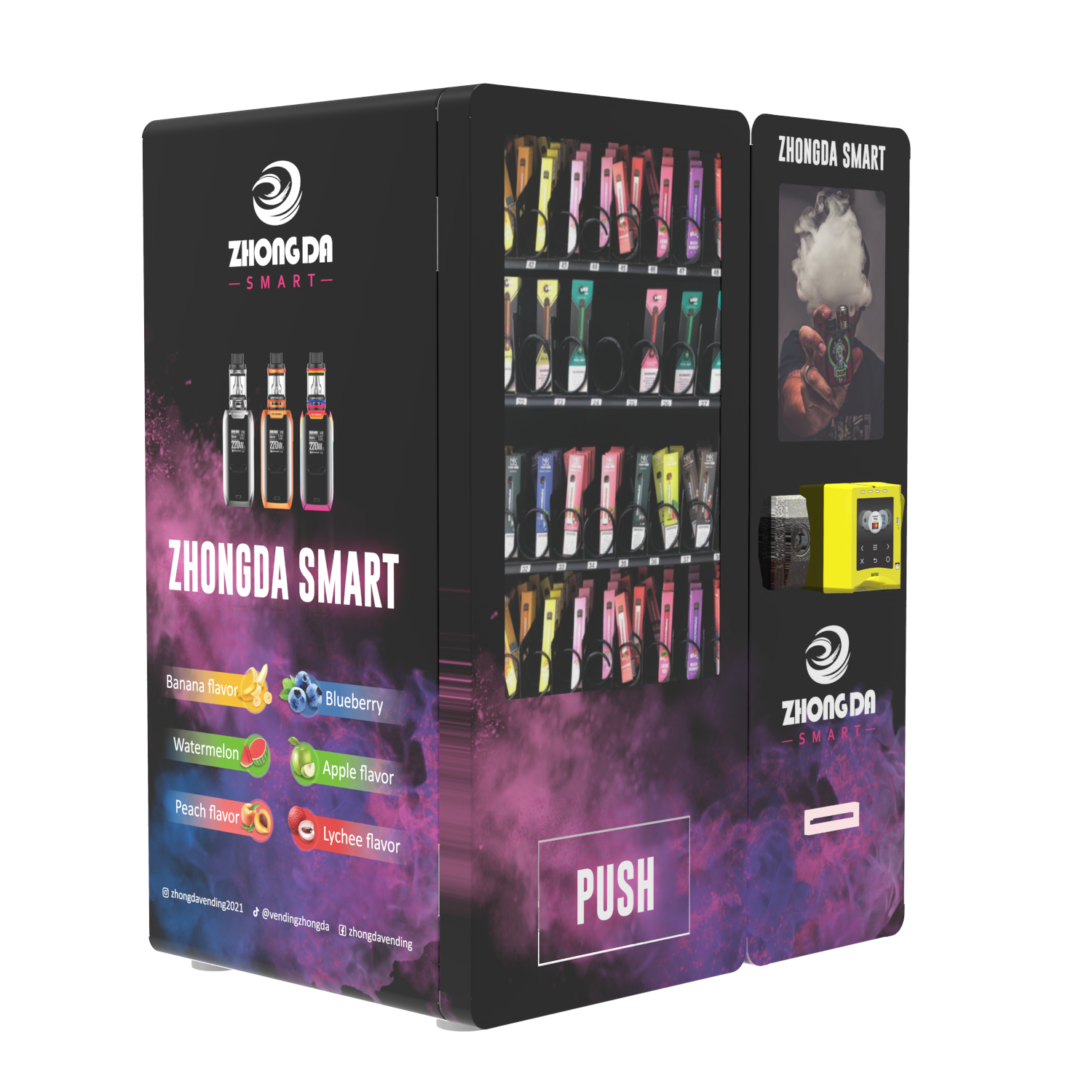
Not all machines are built the same. For the US market in 2025, you need a machine that can handle high humidity, temperature swings, and constant network connectivity. A wall-mounted unit is often the best fit for bars and lounges because it saves floor space. But for a convenience store, a larger, free-standing model with a higher capacity is better. Here’s what I look for in a compliant machine:
- ID Scanner: Must read all 50 state IDs, plus passports and military IDs. It needs to decode the 2D barcode and the MRZ.
- Age Estimation Camera: Should be FDA-cleared or equivalent, with a low false-positive rate.
- Secure Payment System: EMV-compliant card reader that accepts contactless payments (Apple Pay, Google Pay). Cash should be optional.
- Remote Management Software: Allows you to update prices, monitor inventory, and check compliance logs in real-time.
- Tamper Alarms: Sensors that alert you if the door is forced or the unit is tilted.
Comparing Machine Types: Wall-Mounted vs. Floor-Standing
| Feature | Wall-Mounted (e.g., Zhongda Smart Compact) | Floor-Standing (e.g., Zhongda Smart High-Capacity) |
|---|---|---|
| Best Location | Bars, lounges, small retail | Convenience stores, hotels, airports |
| Capacity | 50-100 units | 200-400 units |
| Footprint | Minimal, mounts on wall | Requires dedicated floor area |
| Power Draw | Standard 110V outlet | Often needs dedicated circuit |
| Age Verification | Integrated scanner + camera | Integrated scanner + camera |
| Ideal For | Low to medium traffic | High traffic, high volume |
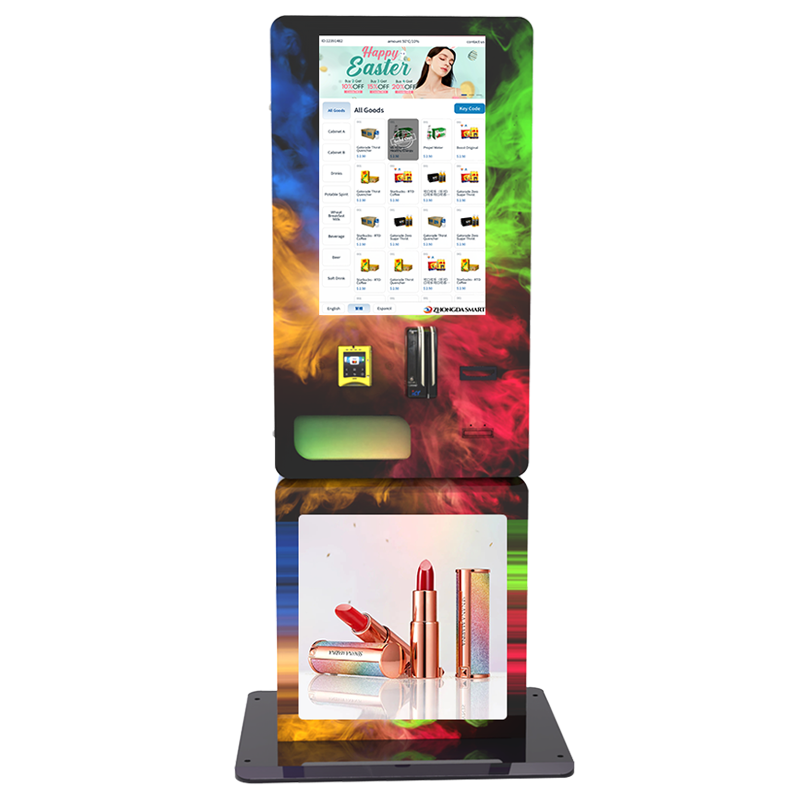
For most new operators, I recommend starting with a wall-mounted unit. It’s cheaper, easier to install, and you can test different locations without a huge capital outlay. You can see the specific models we recommend on our vending machines page.
The Business Model: Cost, Profit, and ROI
Let’s get into the numbers. A compliant tobacco vending machine, with all the age verification hardware, will cost you between $4,000 and $8,000, depending on the size and features. Installation, including networking and mounting, runs another $500 to $1,500. Then you have the cost of goods, which for a premium pack of cigarettes or a vape pod, is about 60-70% of the retail price. The gross margin is typically 30-40%. A high-traffic machine in a bar can do 20-30 transactions a day. At an average ticket of $10, that’s $200-$300 in daily revenue. The key is location. A machine in a low-traffic laundromat might do $50 a day. The difference is massive.
Real ROI Example from a Client in Florida
I worked with a bar owner in Tampa who put a wall-mounted compact e-cigarette vending machine near the pool tables. The machine cost him $5,200 installed. He stocked it with popular vape brands and a few premium cigars. In the first month, the machine did $4,800 in sales. After cost of goods (roughly $3,100), he netted $1,700. That’s a 33% margin. His machine paid for itself in just over three months. That’s a solid return, and it’s repeatable if you pick the right spot. The key was that his staff didn’t have to handle the transaction, and the age verification handled the compliance. He told me it was the best investment he made that year.
Deployment Strategies: Where to Place Your Machine
Location is everything. You need places with high foot traffic and a demographic that matches your product. I’ve had the most success in the following types of locations:
- Bars and Nightclubs: Captive audience, high impulse buy rate. Must be near the bar or exit.
- Convenience Stores: Excellent for after-hours sales when the counter is closed.
- Hotels: In the lobby or near the pool area. Great for travelers.
- Vape Shops: For after-hours or as a secondary sales point.
- Employee Break Rooms: In large factories or offices. Low theft risk.
I always advise doing a 30-day trial with a portable unit before committing to a permanent installation. You can move the machine around to test traffic patterns. I’ve seen too many operators sign a lease for a spot that looks great but has zero sales. Data is your friend. Use the remote management software to track sales by hour and day. That data will tell you if you’ve hit a goldmine or a dud.
Common Mistakes in Machine Placement
The biggest mistake I see is putting the machine in a dark corner. You need good lighting for the camera to work, and you need visibility for the customer to see the products. Another mistake is placing it near a fire exit or a high-traffic bottleneck. You want a spot where people can stand and browse without blocking the flow. Also, never put it near a cash register. It cannibalizes counter sales and creates confusion for the staff. The machine should be a standalone point of sale, not an extension of the counter.
Maintenance and Operations: Keeping the Machine Running
A vending machine is not a set-it-and-forget-it business. You need a maintenance schedule. The most common issue is a jammed product. For vape pods and cigarette packs, the spirals need to be adjusted for the exact product width. I always stock one product type per spiral to avoid jams. The second most common issue is a network failure. The machine needs a stable internet connection to process payments and verify ages. I recommend a dedicated cellular modem with a backup Wi-Fi connection. You don’t want a machine offline for a day because the router rebooted.
Daily and Weekly Checklists
- Daily: Check sales report via remote software. Look for any error codes (e.g., "product jam," "low change").
- Weekly: Physically inspect the machine. Clean the scanner glass and camera lens. Check for tampering.
- Monthly: Deep clean the interior. Rotate stock to ensure freshness. Update pricing if needed.
- Quarterly: Run a full compliance audit. Download the age verification logs and store them for at least two years (required by law).
I also recommend having a spare parts kit on hand: a spare spiral, a motor, and a power supply. If a motor burns out, you can fix it in 15 minutes instead of waiting a week for a technician. This is the kind of operational detail that separates a profitable route from a money pit.
Risk Management and Failure Cases
I’ve seen operators lose their shirts. The most common failure is buying a cheap machine from a non-compliant manufacturer. A $2,000 machine from an online marketplace might not have a working age verification system. When the FDA does a sting operation, that machine gets seized, and the operator gets a fine that can easily hit $10,000. I’ve seen it happen. Another failure is ignoring state-specific tax stamps. In many states, cigarettes must have a state tax stamp affixed to the pack before sale. If your machine sells unstamped packs, that’s a felony in some jurisdictions. You must source your product from a licensed distributor who can provide tax-stamped goods.
Insurance and Liability
You need liability insurance. A standard business owner’s policy (BOP) might not cover a vending machine. You need a rider that specifically covers product liability and equipment damage. If a minor somehow bypasses the age verification and buys a product, your insurance is your last line of defense. I’ve seen a lawsuit from a single incident wipe out a small operator. Don’t skip this. Also, make sure your contract with the location owner specifies who is responsible for theft, vandalism, and machine damage. A clear contract saves you from a lot of headaches.
Looking Ahead: 2026 and Beyond
The trend is clear: more regulation, not less. I expect to see more states requiring biometric verification (fingerprint or palm scan) for tobacco sales. The technology is already there. The FDA is also pushing for a federal database of all tobacco vending machine locations. If you’re thinking about getting into this business, the time to act is now. The machines that are compliant today will likely be compliant for the next 3-5 years. But you need to buy from a manufacturer that is investing in R&D. Look for a partner that can provide firmware updates and hardware upgrades as regulations change. A machine that can’t be updated is a liability.
For a deep dive into the specific models that are built for the US market, take a look at our news section for the latest compliance updates. We also have a comprehensive resource center with checklists and state-by-state guides. If you’re serious about this, start by reading our case study on vape vending machines for bars, clubs, and lounges. It covers the exact deployment strategy I use for my own clients. And if you have specific questions about your location, feel free to reach out through our contact page. We’ve been doing this for 15 years, and we know the pitfalls.
Frequently Asked Questions
Do I need a special license to operate a tobacco vending machine?
Yes, in most states. You typically need a retail tobacco license from your state’s department of revenue, plus a specific vending machine permit in some cities. Always check with your local business license office.
Can I sell flavored vape products in a vending machine?
It depends on your state. States like Massachusetts, New York, and California have banned flavored tobacco products (including vape juice). You must check your local laws before stocking any flavored products.
What happens if the age verification system fails?
The transaction should be blocked. A compliant machine will not complete a sale if the ID scan fails or the facial match is negative. You must have a manual override only for maintenance, not for sales.
How much does a compliant tobacco vending machine cost?
A fully compliant machine with age verification costs between $4,000 and $8,000. Installation and networking add another $500 to $1,500. The investment is higher than a standard snack machine, but the margins are better.
![Tobacco Vending Machine Regulations USA [Updated 2025]](https://zhongdavending.com/images/blog/Vape%20Vending%20Machine64.jpg "Tobacco Vending Machine Regulations USA [Updated 2025]")
How do I handle a machine that is vandalized?
First, file a police report. Then, contact your insurance company. Most machines have tamper alarms that alert you immediately. I recommend having a security camera pointed at the machine for evidence.
Sources and References:
- FDA Center for Tobacco Products – Federal regulations on tobacco sales.
- CDC Office on Smoking and Health – Data on youth access and prevention.
- Statista Tobacco Industry Report – Market data and consumer trends.
- Bloomberg Government – Analysis of state-level tobacco legislation.
Meta Description: Expert guide to tobacco vending machine regulations USA for 2025. Learn about age verification, compliance, costs, and profitable deployment strategies from a 15-year industry manufacturer.