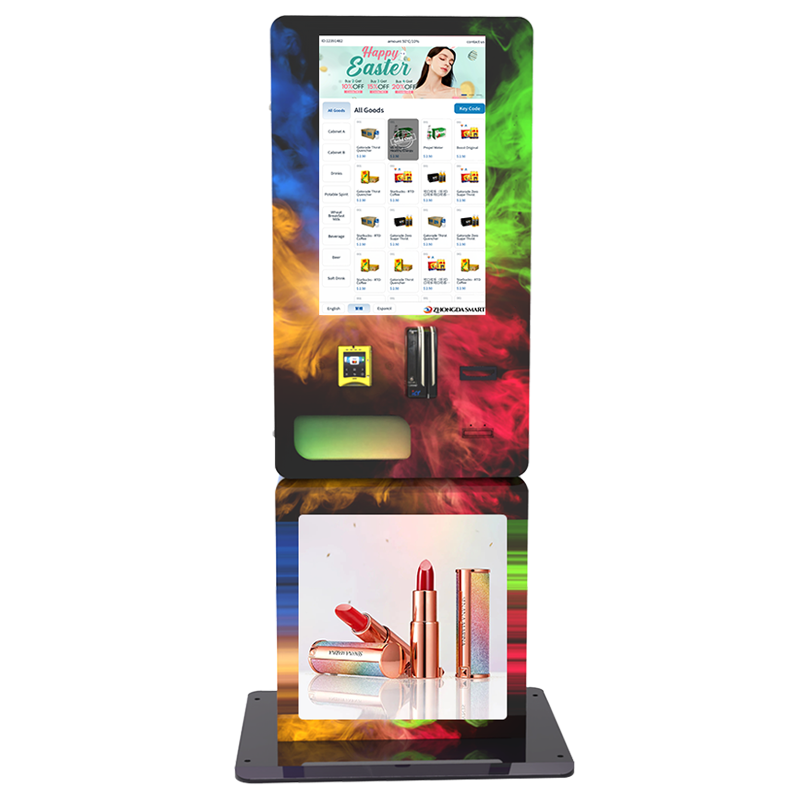
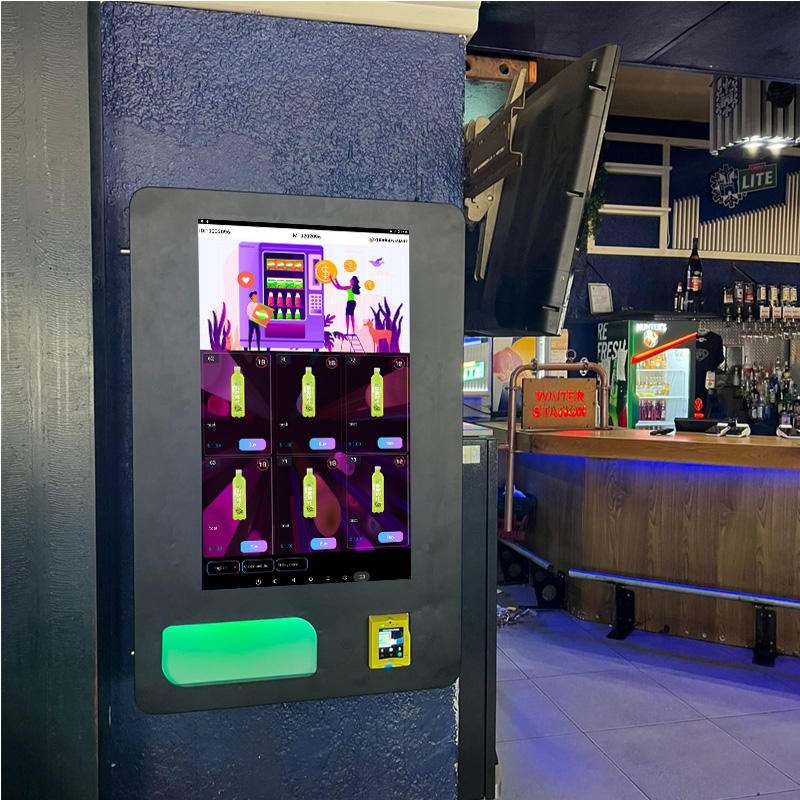
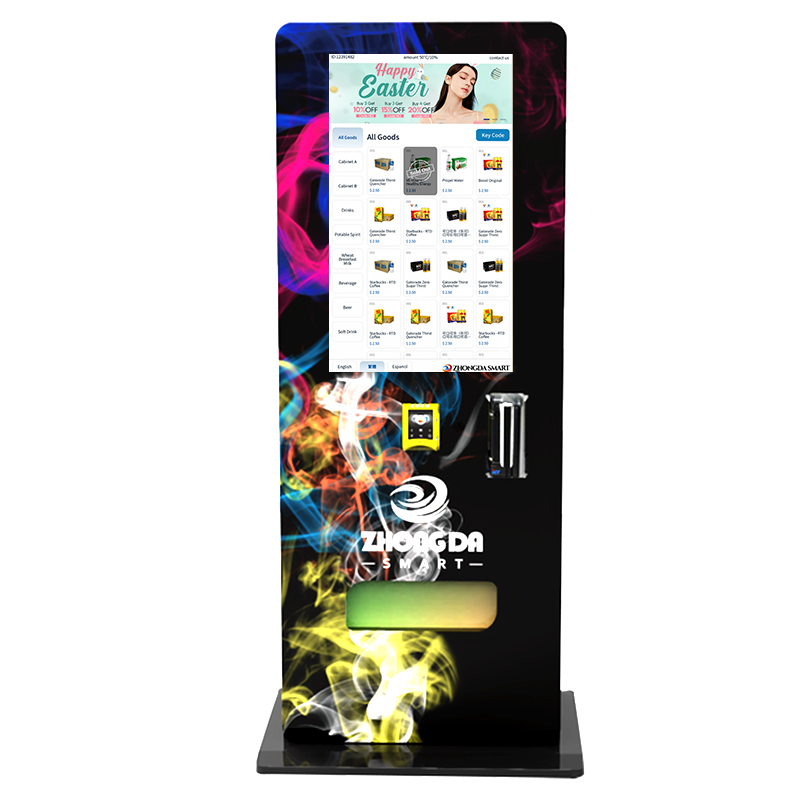
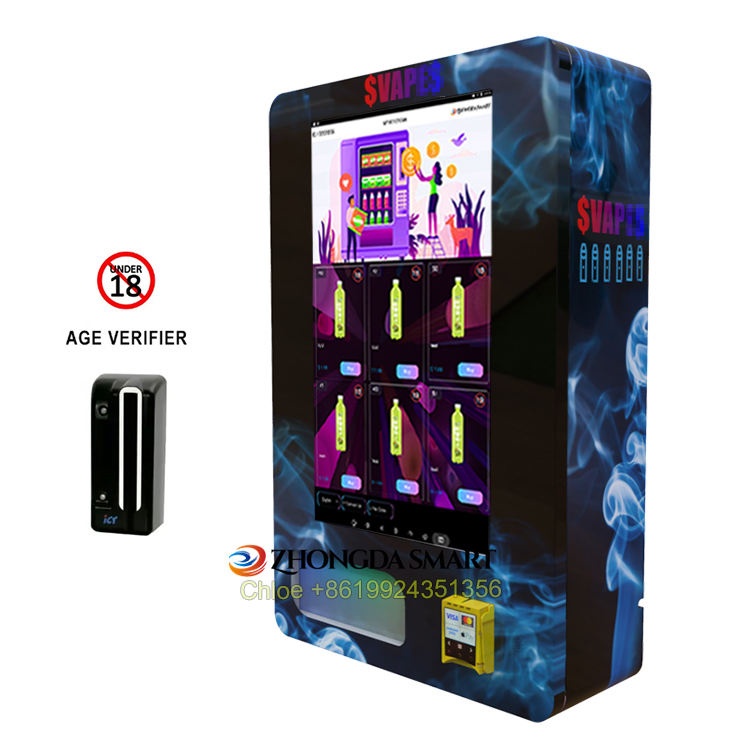
After fifteen years building vending machines and another decade deploying them across the US and European markets, I can tell you this straight: a vape vending machine manufacturer that offers genuine OEM and custom builds isn't just a supplier—it's your partner in profitability. Most operators get burned by buying off-the-shelf units that don't fit their product dimensions, fail age verification laws, or break down in six months. This guide covers what I've learned from thousands of deployments, from bar lobbies to airport terminals, so you can avoid the costly mistakes and build a vending operation that actually prints money.
What Sets Apart a Real Vape Vending Machine Manufacturer
Not all factories are created equal. I've toured facilities in three countries, and the difference between a shop that stamps out generic snack machines and one that builds purpose-specific vape dispensers is night and day. A specialized vape vending machine manufacturer understands that your device dimensions change every quarter, that nicotine products have strict compliance requirements, and that your machine needs to look as premium as the products inside it.
Engineering for Tobacco and Nicotine Products
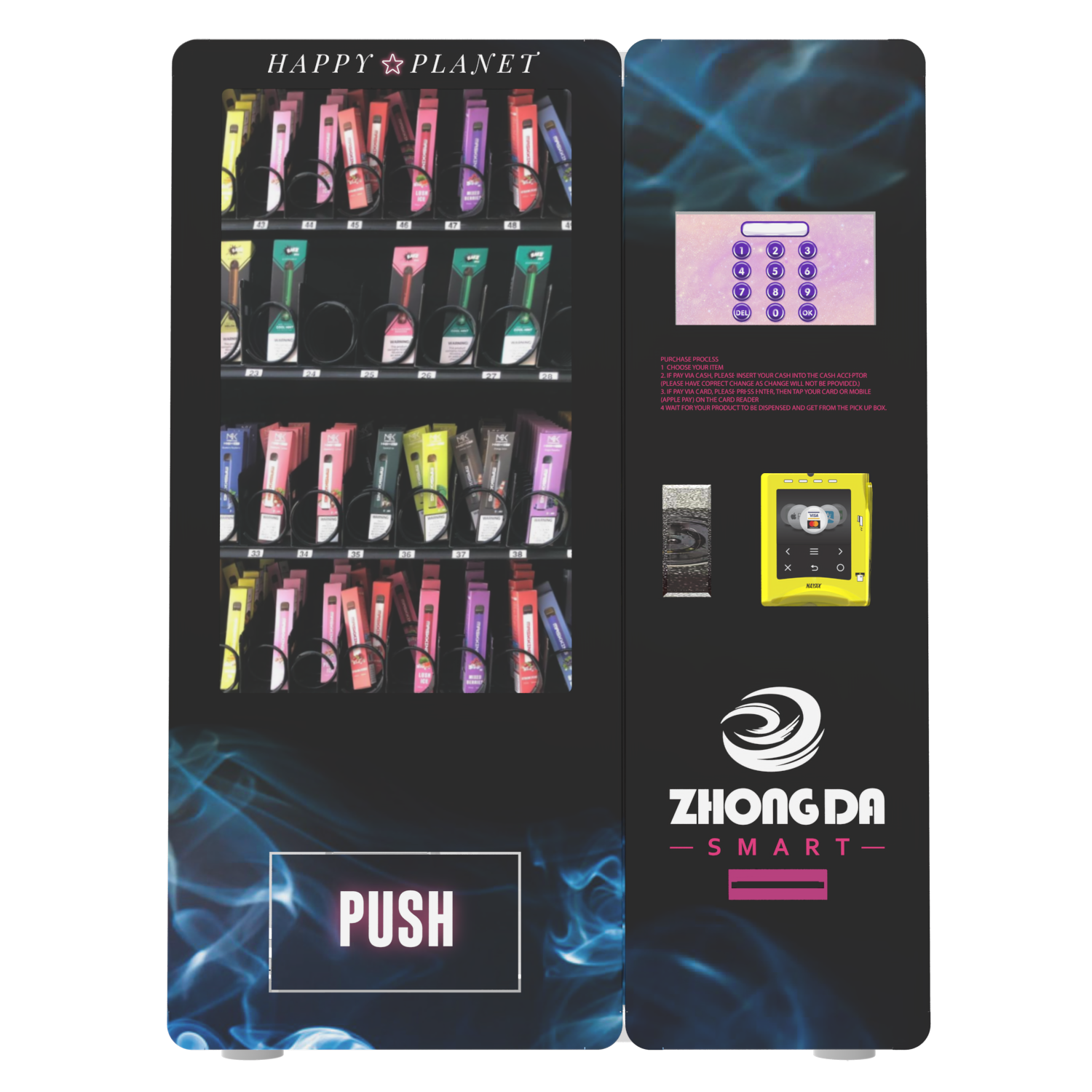
Standard vending coils and trays don't work for vape hardware. A pod system is shaped differently than a disposable, and a bottle of e-liquid needs a spiral that won't crush it. At our facility, we design every coil and shelf based on the actual product dimensions you intend to sell. This means you can run a mix of 2ml disposables, 10ml nic salts, and hardware kits without jams or misfires. I've seen operators lose 15% of their inventory to damaged packaging from poorly matched spirals—that's money you never get back.
OEM vs Off-the-Shelf: The Real Cost Difference
Many buyers ask about the price gap between a standard unit and a custom build. Here's the truth: a generic machine might cost 20-30% less upfront, but it will cost you in lost sales and maintenance. OEM machines from a reputable vape vending machine manufacturer are built around your specific product lineup. You get custom branding, tailored payment systems, and compliance features that keep you legal. Over a three-year period, the total cost of ownership for a custom machine is often lower because you spend less on repairs and more on selling.
| Factor | Off-the-Shelf Machine | OEM Custom Build |
|---|---|---|
| Upfront Cost | $2,500 – $4,000 | $4,500 – $8,000 |
| Product Compatibility | Limited to standard sizes | Designed for your exact products |
| Branding Options | Generic appearance | Full custom wrap and UI |
| Compliance Features | Basic or add-on | Integrated age verification, ID scan |
| Maintenance Cost (Year 1-3) | $600 – $1,200 | $200 – $500 |
| Resale Value | Low | High |
Core Technology Behind Modern Vape Vending Machines
The days of dropping a coin and grabbing a pack of smokes are long gone. Today's smart vending machines are connected, compliant, and data-driven. If you're serious about this business, you need to understand the tech stack that makes it work.
Age Verification Systems That Actually Work
This is the single most important feature. Every machine we ship includes integrated ID scanning that reads driver licenses from all 50 states and most European countries. The scanner checks the barcode, validates the hologram, and confirms the age before it unlocks the door. I've watched regulators walk into bars, test the machine, and walk out satisfied because the system rejected a fake ID instantly. For more on how this works in practice, check out our age verification vending machine page.
Payment Integration and Cashless Systems
Cash is dying in vending. Over 80% of our transactions come from card or mobile payments. A modern vape vending machine needs to accept credit cards, Apple Pay, Google Pay, and sometimes even cryptocurrency. We install EMV-compliant readers that process transactions in under three seconds. If your machine only takes cash, you're leaving money on the table—literally.
Remote Monitoring and Inventory Management
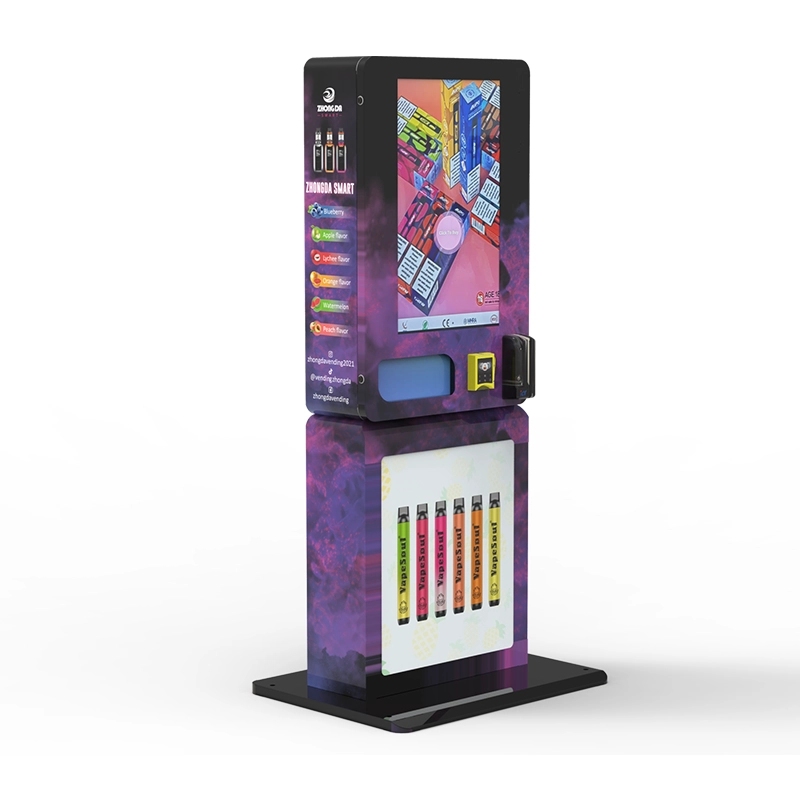
You don't want to drive to a location just to find out you're sold out of the best-selling flavor. Our machines come with cloud-based software that shows real-time inventory levels, sales data, and machine health. You get an alert when a coil jams or when a product is low. This feature alone saves operators an average of 10 hours per week per ten machines. I've had clients tell me it paid for itself in the first month.
Custom Builds: What You Need to Specify
When you approach a vape vending machine manufacturer for a custom build, you need to come prepared. The more detail you provide, the better the final product. Here's what I ask every client before we start a project.
Product Dimensions and Weight
Send us the exact dimensions of every SKU you plan to sell. Include the packaging. A box that's 10mm wider than expected can cause a jam that shuts down the machine until someone clears it. We've built machines that handle everything from slim vape pens to bulkier pod kits, but only when we know the specs upfront.
Branding and User Interface
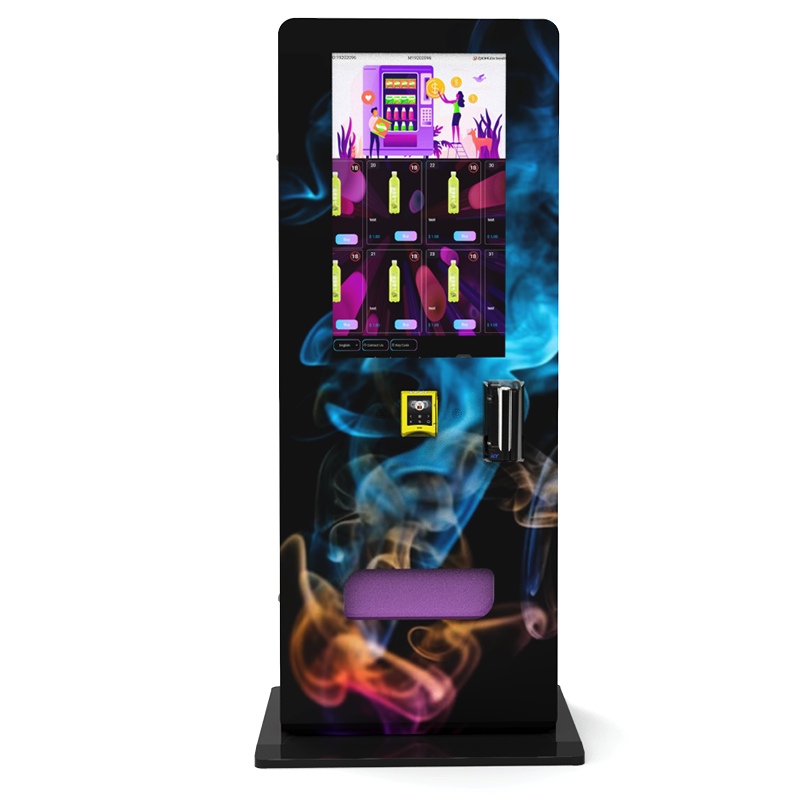
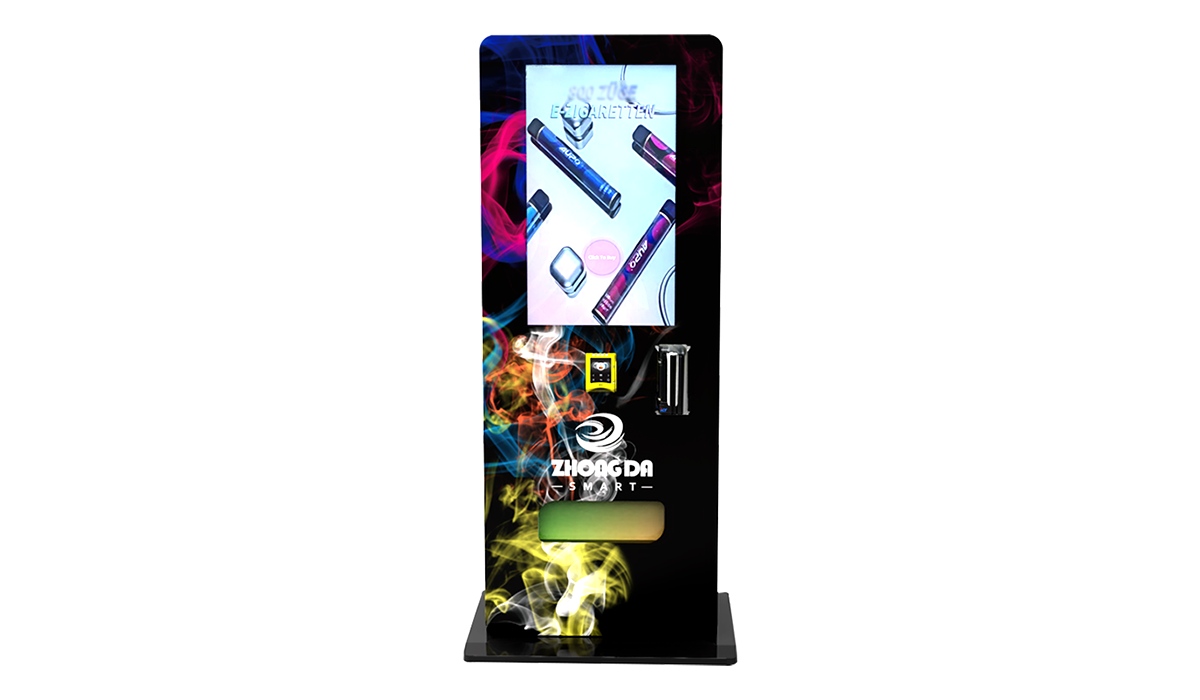
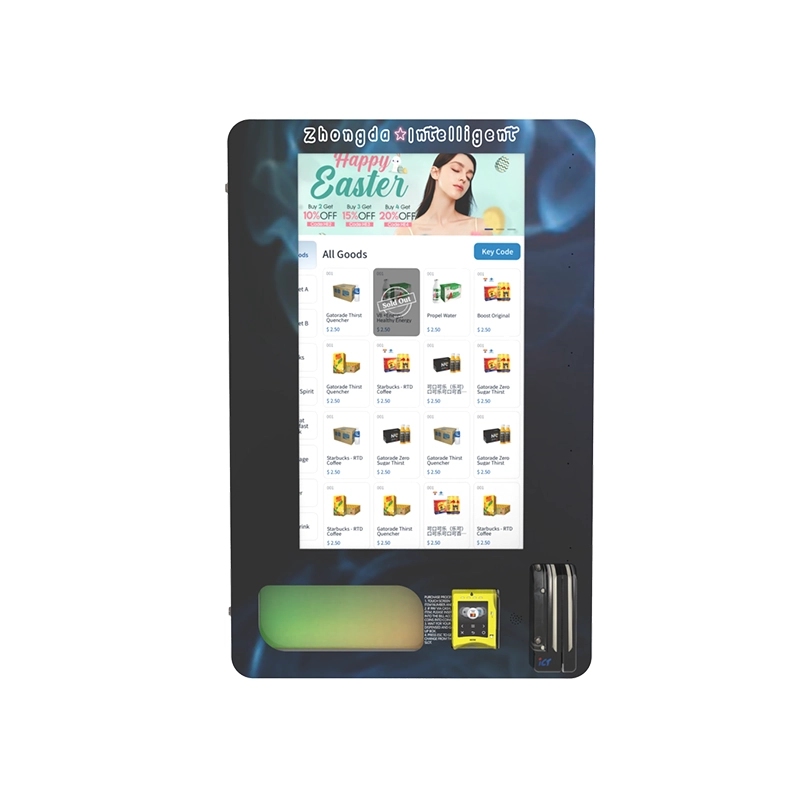
Your machine is a billboard. We can wrap it with your logo, color scheme, and product images. The touchscreen interface can be customized to show your brand first, not the manufacturer's. This is especially important if you're placing machines in high-end lounges or retail stores where image matters. Take a look at our wall mounted compact e-cigarette vending options for examples of sleek, branded designs.
Compliance Requirements by Location
Different states and countries have different rules. Some require the machine to be within sight of staff. Others mandate a specific type of age verification. We build machines that can be configured to meet local laws, including restricted sales hours and purchase limits. I always recommend checking with a local attorney before deploying, but the hardware itself should be flexible enough to adapt.
Profitability and ROI: The Numbers That Matter
I've seen operators make back their investment in four months. I've also seen others fail because they ignored the math. Here's what the data shows from actual deployments across 200+ locations.
Average Revenue Per Machine
A well-placed vape vending machine in a high-traffic bar or lounge generates between $2,000 and $5,000 per month in gross revenue. That's based on an average transaction of $18 and 30 to 80 transactions per day. Disposables sell fastest, followed by pod systems and e-liquids. Hardware kits move slower but have higher margins.
Cost Breakdown for a Typical Deployment
- Machine cost (OEM custom build): $5,500
- Shipping and installation: $500
- Initial inventory (200 units): $3,000
- Location commission (10-20%): varies
- Monthly maintenance and restocking: $300
- Payment processing fees (2.5-3.5%): varies
According to a 2023 IBISWorld report on vending machine operations, the average profit margin for specialized vending machines is around 25% after all costs. However, vape machines often exceed that because of higher average transaction values. IBISWorld Vending Machine Operators Report
Break-Even Timeline
With a total setup cost of around $9,000 and monthly net profit of $1,200 to $2,500, you're looking at a break-even point between four and eight months. After that, it's pure profit minus restocking. I've had clients scale from one machine to fifty within a year because the model works when executed correctly.
Real-World Deployment Lessons
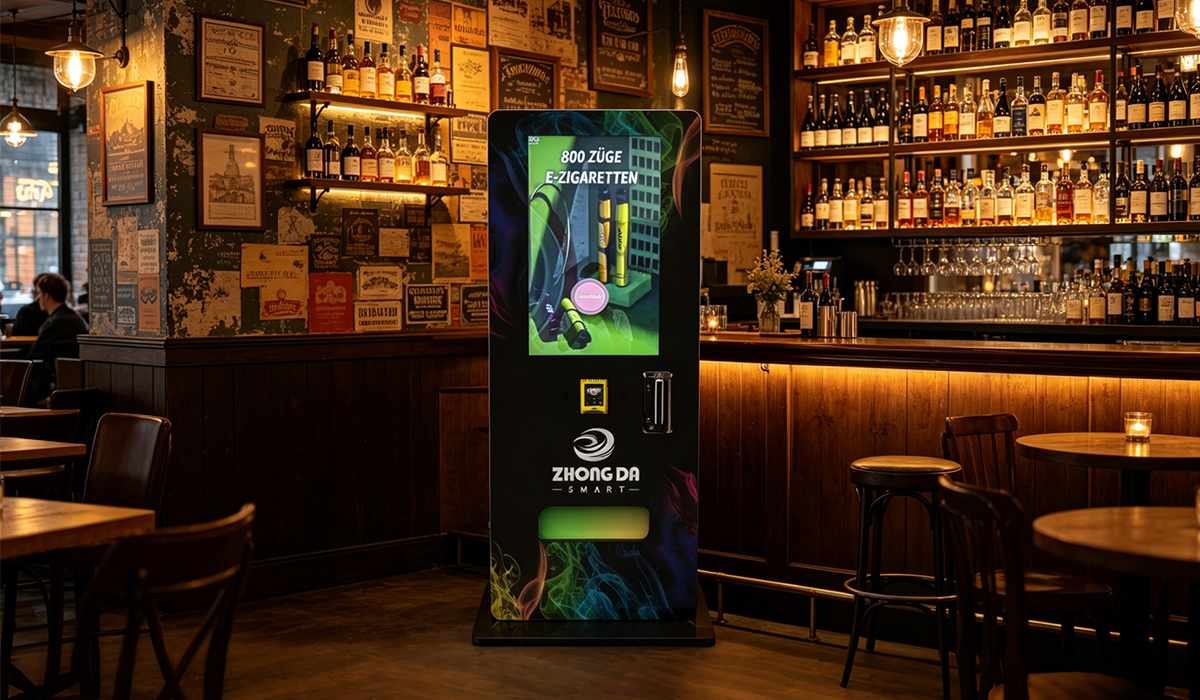
I want to share a specific case that illustrates both the potential and the pitfalls. A client in the Midwest placed ten machines in sports bars and lounges. He went with a generic supplier to save money. Within three months, four machines had coil jams, two had payment system failures, and one was stolen because the lock was flimsy. He lost $15,000 in inventory and machine costs.
He came to us for a rebuild. We supplied custom machines with reinforced locks, better coils, and remote monitoring. Within six months, he was back in profit. The lesson is simple: the cheapest quote is almost always the most expensive in the long run.
Location Selection: The Make-or-Break Factor
I've placed machines in hotel lobbies, airport terminals, college campuses, and nightclubs. The best locations have high foot traffic, a captive audience, and a demographic that matches your product. Bars and lounges are top-tier because people are already in a social mood and often need a vape after a drink. Convenience stores work too, but you'll face more competition from the counter.
For a deeper dive on where to deploy, read our vape vending machines for bars case study. It covers the exact criteria we use to evaluate a location's potential.
Maintenance and Restocking Schedule
You or your staff need to restock every three to seven days depending on volume. I recommend setting up a route that covers five to ten machines per day. Use the remote monitoring data to prioritize machines that are low on best-sellers. A machine that's out of stock for 48 hours loses not just sales but customer trust. People won't come back if they think the machine is unreliable.
Comparing Vape Vending Machine Manufacturers
Not all manufacturers are transparent about their capabilities. Here's what I look for when evaluating a partner, and what you should demand before signing a contract.
| Criteria | Low-Quality Manufacturer | High-Quality Manufacturer |
|---|---|---|
| Customization Options | Limited to color changes | Full OEM from coil to software |
| Age Verification | Basic button press | Integrated ID scan, biometric optional |
| Software Platform | No remote access | Real-time dashboard, alerts, analytics |
| Warranty | 90 days | 2 years parts and labor |
| Lead Time | 2-3 weeks (generic) | 4-6 weeks (custom) |
| After-Sales Support | Email only, slow response | Dedicated account manager, 24/7 hotline |
If you're evaluating a potential vape vending machine manufacturer, ask for references from operators who have been running their machines for at least a year. A good manufacturer will happily provide them. A bad one will make excuses.
Future-Proofing Your Vending Business
The vape industry changes fast. New products, new regulations, and new consumer habits emerge every year. Your vending machine needs to be adaptable. That's why we build our machines with modular components. You can swap out a coil system for a different product line, upgrade the payment reader, or change the software without replacing the entire unit.
Regulatory Trends to Watch
Several states are moving toward stricter age verification laws, including biometric scanning. Some are considering flavor bans that would affect what you can stock. A flexible machine that can be reprogrammed for compliance is essential. We've already seen markets where machines without proper verification were seized and destroyed. Don't let that be you.
Product Evolution and Machine Compatibility
Disposables are dominant now, but refillable pod systems and nicotine pouches are growing fast. Your machine should be able to handle all of them. We design our trays and spirals to be adjustable so you can reconfigure them as your product mix changes. For example, our ID scan vending machine models come with adjustable shelving that supports multiple product types without tooling changes.
Frequently Asked Questions
How much does a custom vape vending machine cost?
What age verification methods are required?
Can I use my own branding on the machine?
How long does it take to build a custom machine?
What maintenance is required?
Final Thoughts from the Factory Floor
I've been building vending machines since before vapes existed. I've watched the industry evolve from cigarette machines in every bar to smart, compliant dispensers that protect both the operator and the consumer. The key to success is partnering with a vape vending machine manufacturer that understands your business, your products, and your market. Don't settle for a generic box. Get a machine built for your specific needs, and you'll see the difference in your bottom line.
If you're ready to discuss a custom build or want to see our standard models, visit our vape vending machines page. We can walk through your requirements and give you a quote that makes sense for your operation.
Sources: Industry data referenced from IBISWorld Vending Machine Operators Report (2023) and Statista Vending Machine Market Report (2024).