After spending the better part of the last decade deploying and managing vending networks across North America and Europe, I can tell you one thing with absolute certainty: the days of the dumb, cash-only vending machine are over. If you are looking at a vape vending machine with remote monitoring and alerts, you are already thinking like a modern operator. This isn’t just about selling hardware; it is about building a distributed retail network that you can control from your phone. A machine that doesn’t tell you when it’s empty, when a coil is jammed, or when the payment system goes down is a liability, not an asset. This guide is based on real deployments, real P&L sheets, and the hard lessons learned from machines that worked and machines that became expensive paperweights.
What Separates a Smart Vending Machine from a Traditional One
The core difference between a traditional cigarette machine and a modern smart vending unit is data. A traditional machine sits there, silent, until someone walks by and sees it’s empty. A smart machine, specifically a vape vending machine with remote monitoring and alerts, sends you a text message or an email the second something goes wrong. It tells you exactly which tray is empty, what product is missing, and even if the temperature inside the cabinet is too high for the batteries.
I remember one of my first deployments in a busy nightclub. We had a standard machine without telemetry. We lost three days of sales because the card reader failed, and nobody noticed until the weekend. That was a $2,000 mistake. With remote monitoring, that failure would have triggered an alert within minutes, and I could have either rebooted the system remotely or sent a tech to swap the reader the next morning. This is the difference between a professional operation and a hobby.
The Telemetry Stack: What You Are Actually Buying
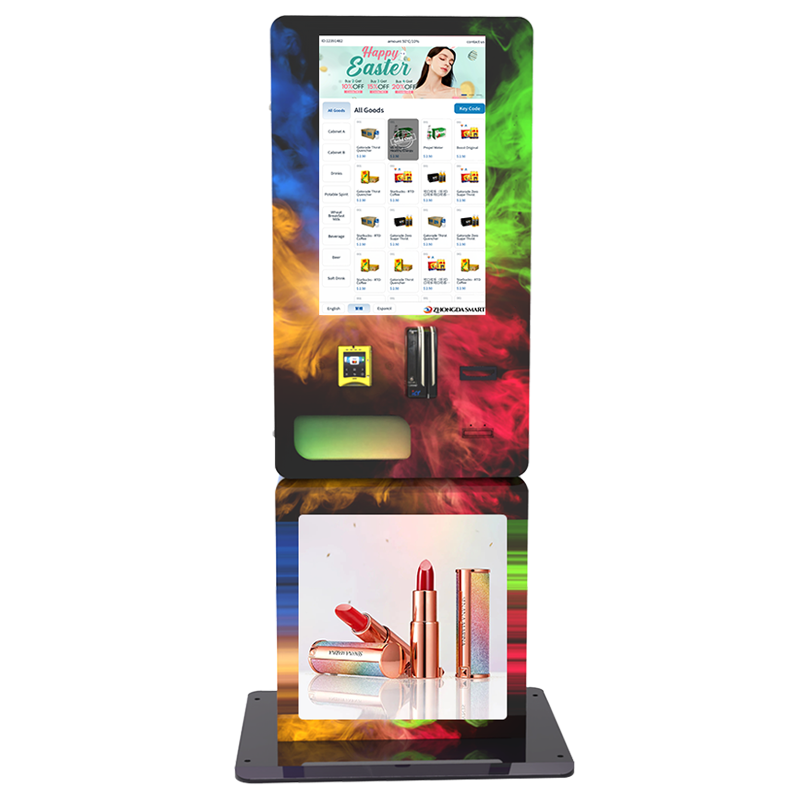
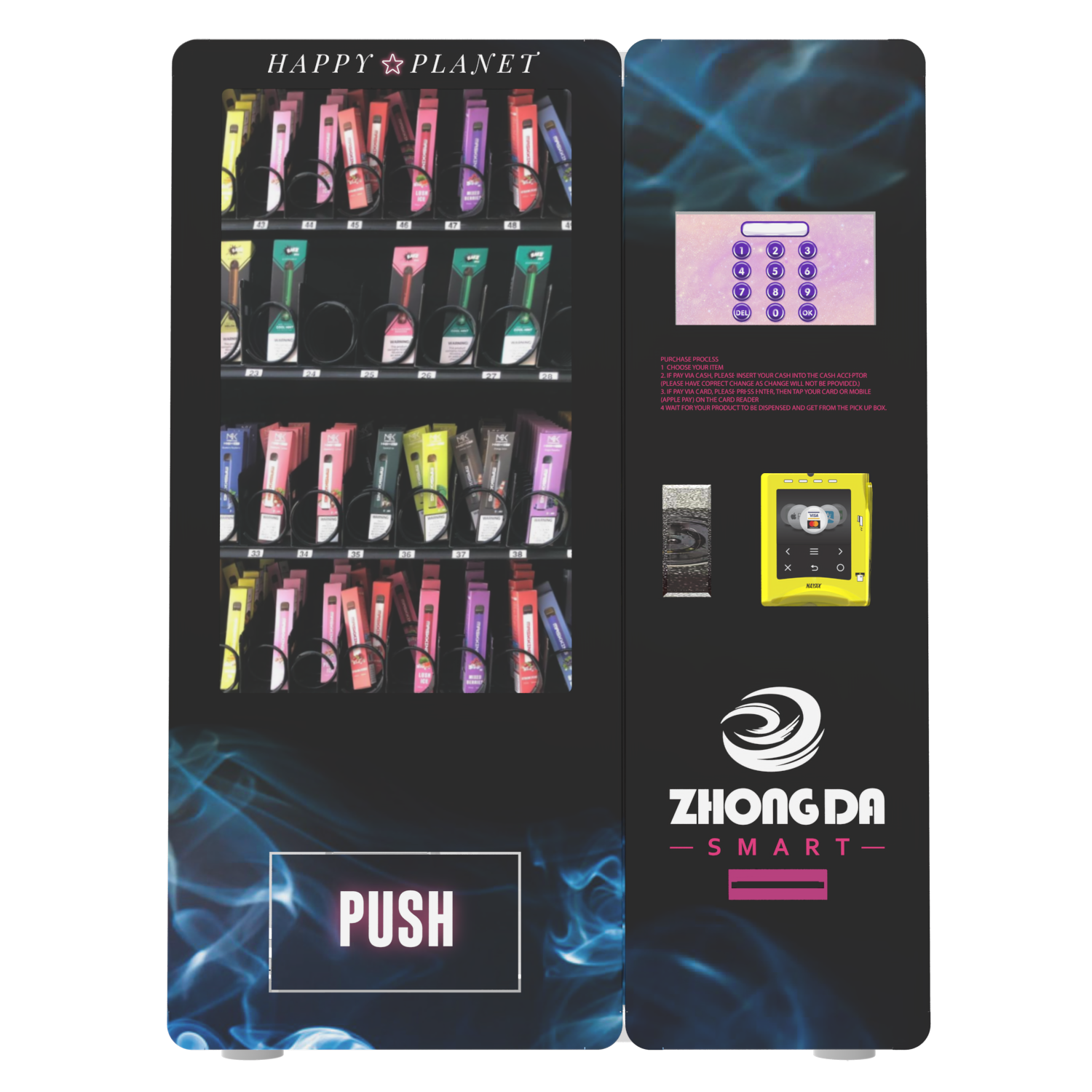
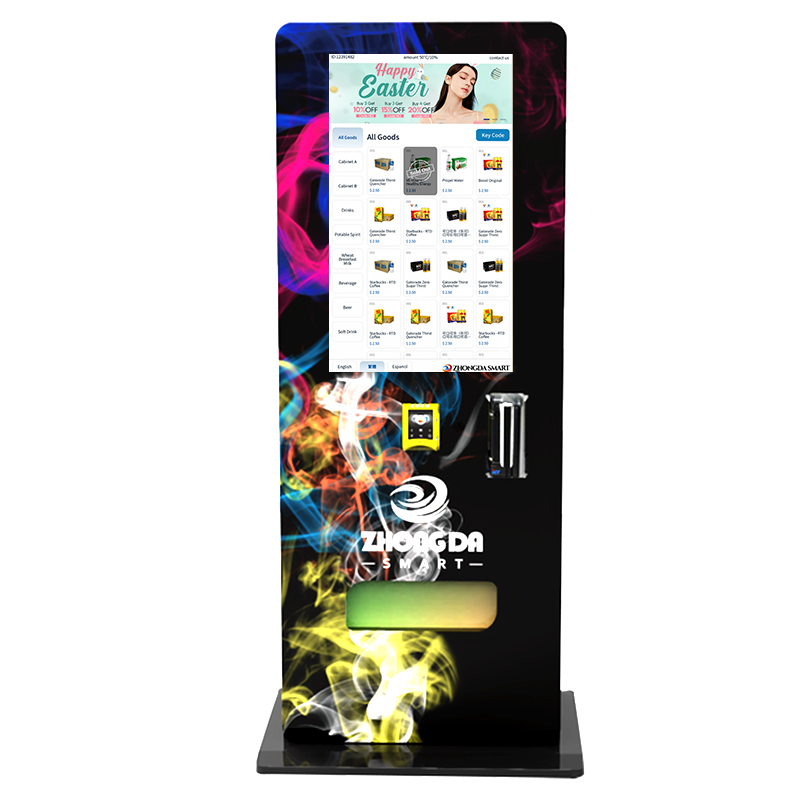
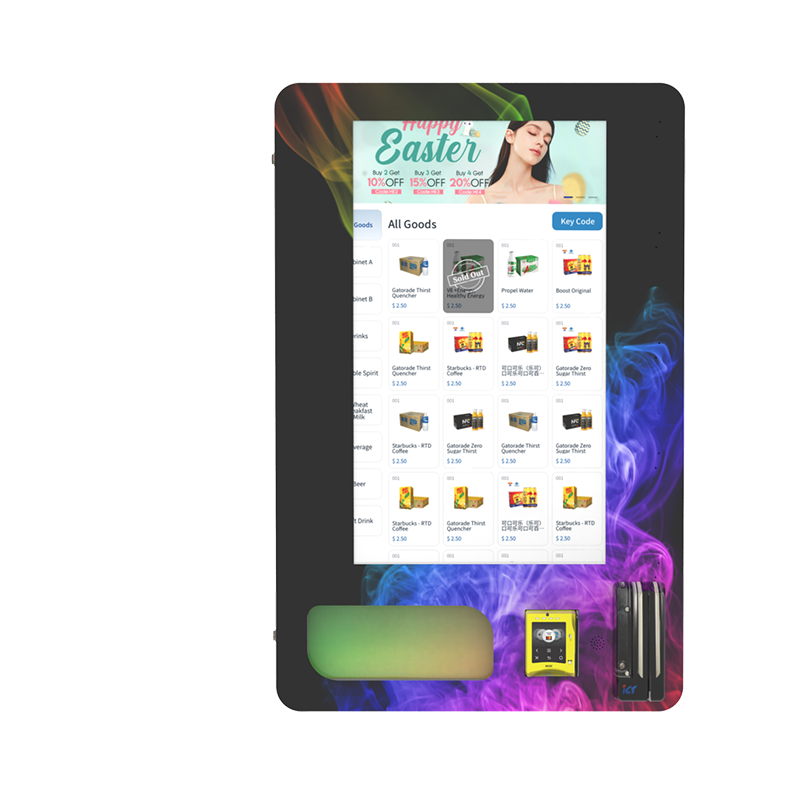
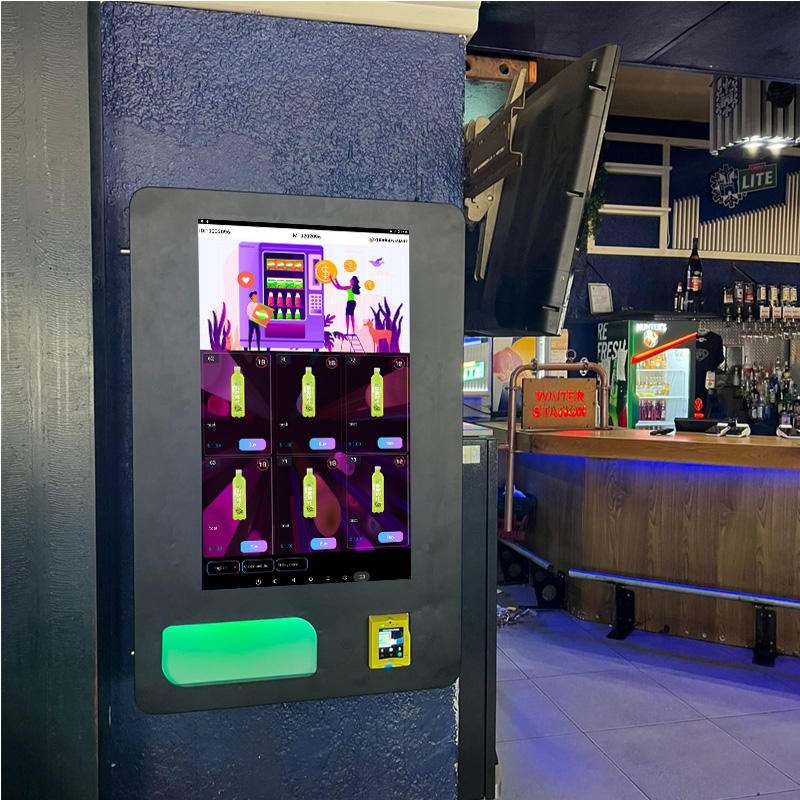
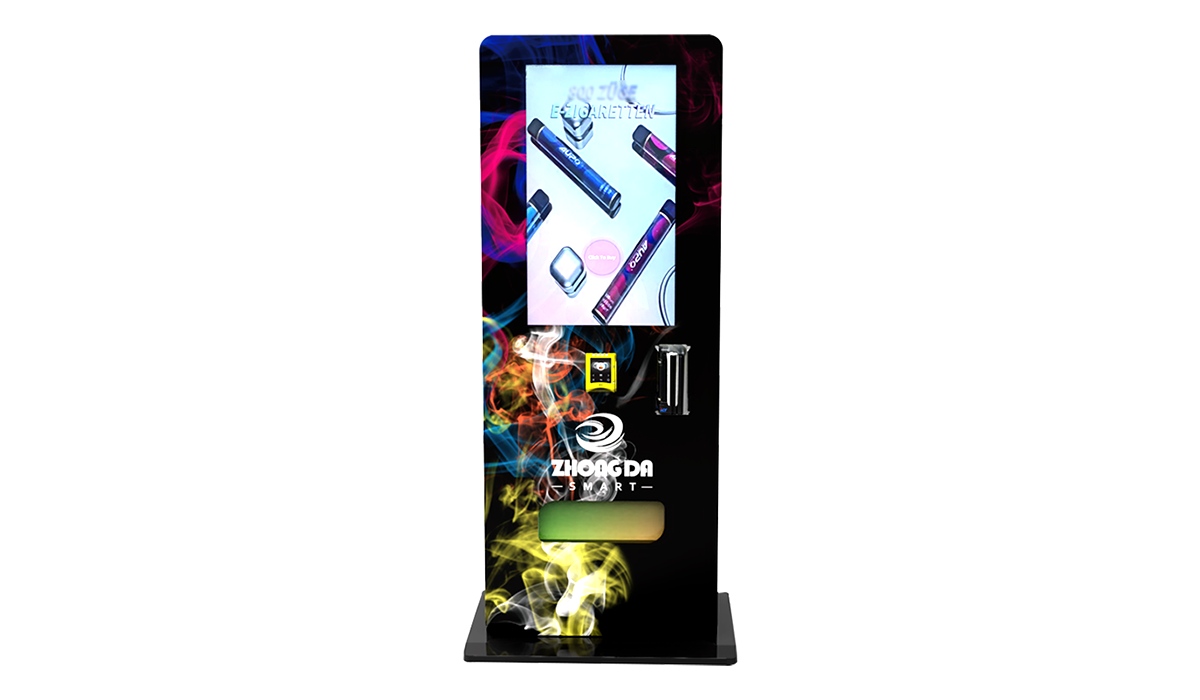
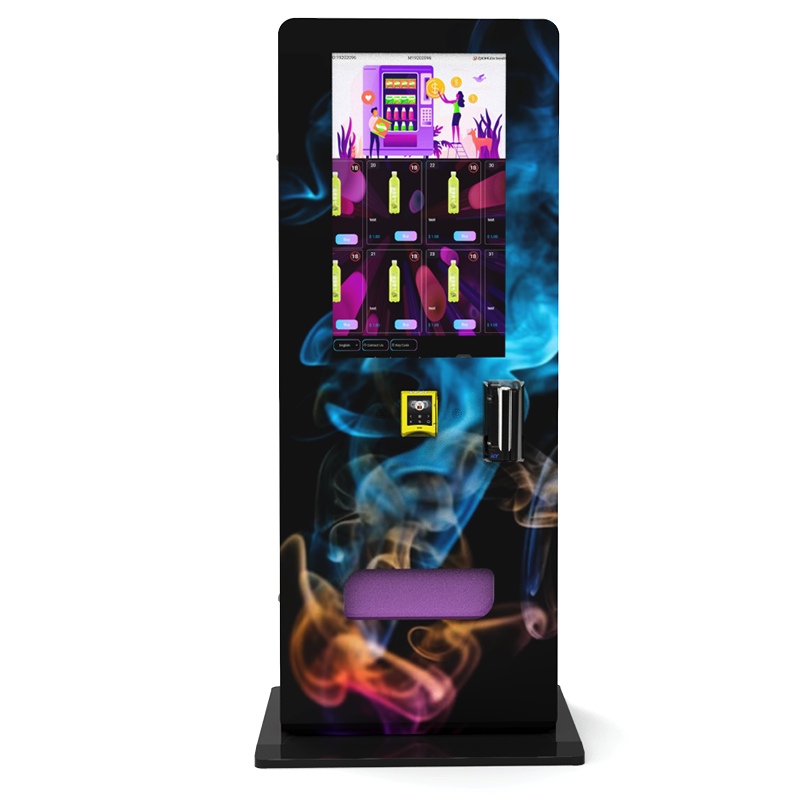
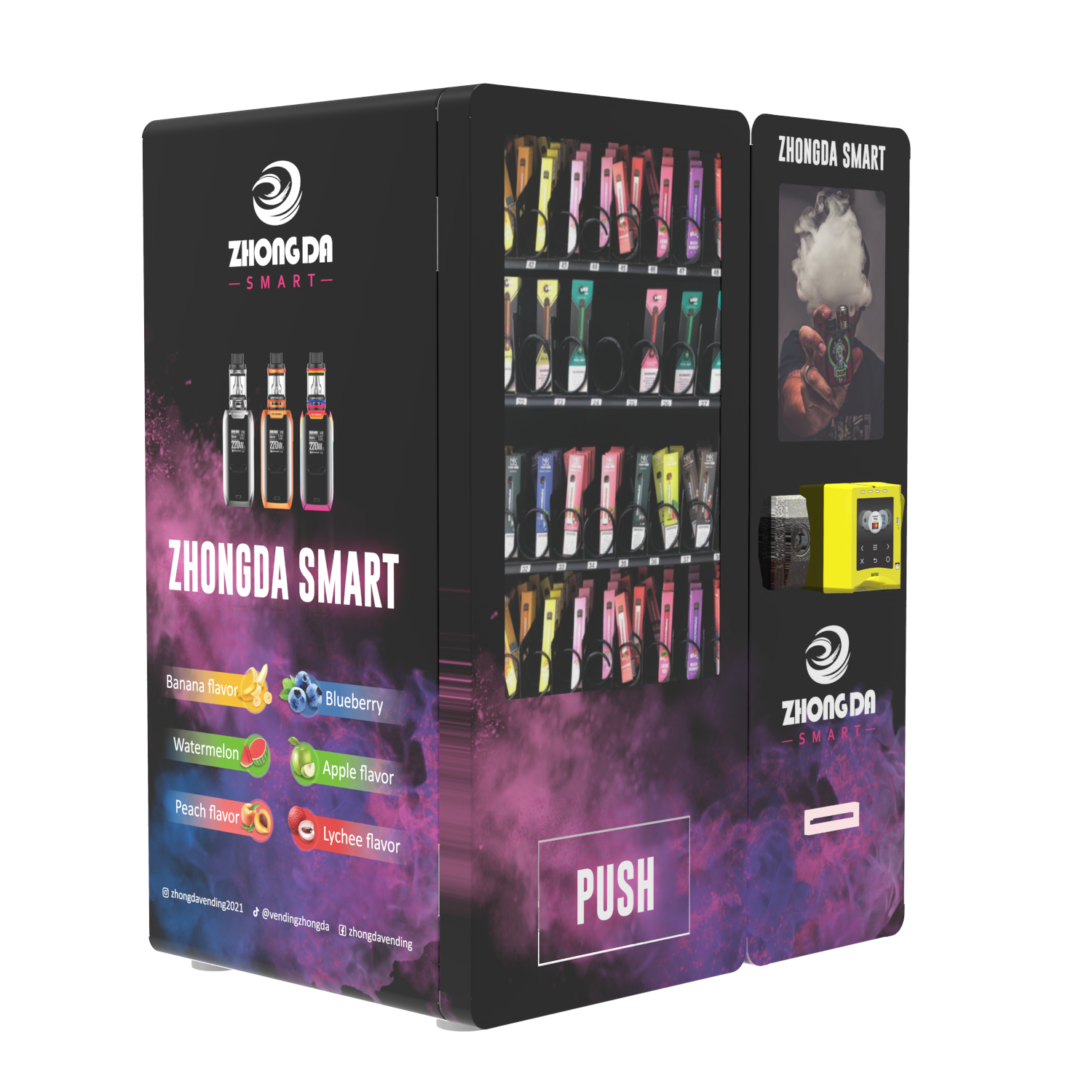
When you look at a machine from a manufacturer like Zhongda Smart, you are paying for more than just a metal box with a glass door. You are paying for a cellular modem (usually 4G LTE), a control board that talks to every motor and sensor, and a cloud-based dashboard. The remote monitoring system tracks:
- Inventory levels per spiral or tray.
- Sales data in real-time.
- Cash and card transaction logs.
- Machine health (door status, temperature, jam alerts).
- Age verification logs for compliance.
Without these features, you are flying blind. The best operators I know check their dashboard twice a day. They know exactly which flavor of disposable vape sold out at 10 PM on Friday, and they restock before Saturday night. That is the power of data.
Cost Structure: The Real Numbers Behind the Machine
Let’s talk money. I have seen too many new operators get burned by focusing only on the upfront cost of the machine. A vape vending machine with remote monitoring and alerts typically costs between $3,500 and $8,000 for a high-quality unit. A basic, dumb machine might cost $1,500 less, but that saving disappears quickly when you factor in lost sales and service calls.
Here is a realistic breakdown of the costs I have tracked across 50+ deployments:
| Cost Item | Smart Machine (Remote Monitoring) | Traditional Machine (No Monitoring) |
|---|---|---|
| Hardware (one-time) | $4,500 – $7,500 | $2,500 – $4,000 |
| Installation & Shipping | $300 – $600 | $200 – $400 |
| Monthly Telemetry & Software | $30 – $60 | $0 |
| Average Lost Sales per Month (due to downtime) | $50 – $100 | $300 – $800 |
| Service Call Frequency (per year) | 2 – 3 | 8 – 12 |
The numbers speak for themselves. The monthly telemetry fee is a fraction of what you lose in downtime with a dumb machine. I have a client in Chicago who runs ten units. He switched from a basic machine to a smart system last year. His service calls dropped by 70%, and his revenue increased by 22% simply because his machines were always working.
Profit Model: How You Actually Make Money
Profitability in this business is about margin per transaction and volume. The average sale from a vape vending machine with remote monitoring and alerts is between $12 and $25. Disposable vapes have a gross margin of 40% to 60%, depending on your wholesale pricing and the retail price you set.
Let me walk you through a real scenario. A machine placed in a high-traffic bar near a college campus. The location rent is 10% of gross sales. The machine does 15 transactions per day at an average ticket of $18. That is $270 per day, $8,100 per month. After COGS (cost of goods sold) at 50%, that leaves $4,050. Subtract the location commission ($810), telemetry fee ($40), and credit card processing fees (3% or $243), and you are left with roughly $2,957 per month per machine. That is a solid return on a $5,000 investment.
Where Most Operators Fail
The biggest mistake I see is poor location selection. A machine with remote monitoring is useless if it’s in a dead zone. I have seen operators buy a machine and put it in a laundromat that gets 20 people a day. The machine works perfectly, but nobody buys anything. The data from your remote dashboard will tell you the truth within the first two weeks. If your average transaction count is below five per day, move the machine. Do not wait three months. The alert system isn’t just for technical problems; it is for business performance alerts. Set a threshold. If sales drop below a certain number for three consecutive days, the system should flag that location for review.
Risk Management and Failure Cases
I have seen machines fail. Not because the hardware was bad, but because the operator didn’t understand the ecosystem. One operator in Texas bought a cheap machine from a non-specialized manufacturer. The age verification system was a simple button that said “I am 21.” That machine was seized by local authorities within a month. The operator lost the machine and paid a fine.
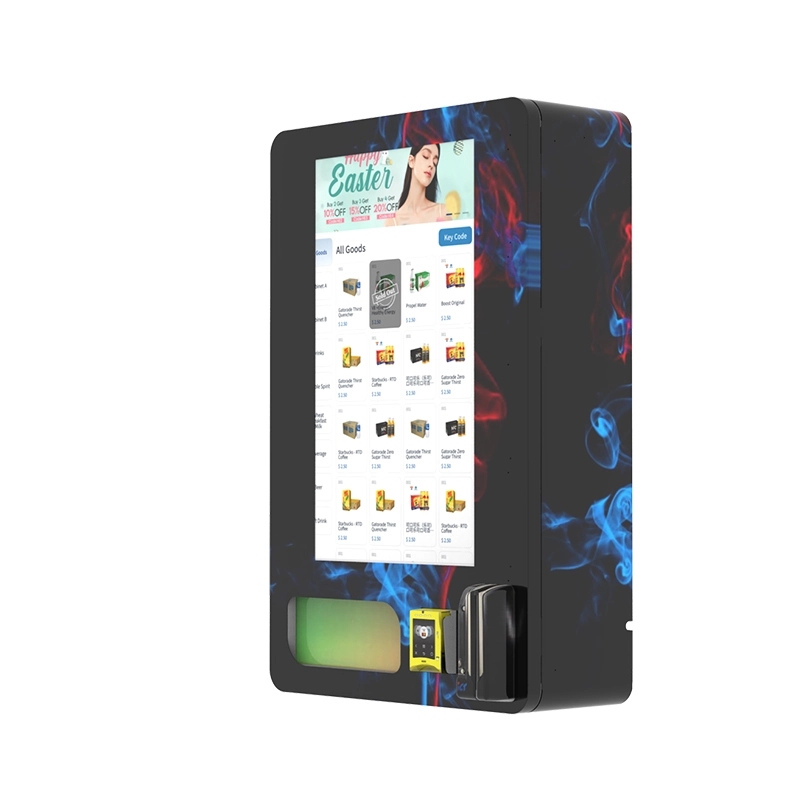
Compliance is non-negotiable. A professional vape vending machine with remote monitoring and alerts must have integrated age verification. I recommend units that scan a driver’s license barcode or use a third-party ID database. The machine from Zhongda’s age verification vending machine handles this correctly. It scans the ID, checks the date of birth, and logs the transaction. If the ID is expired or fake, the transaction stops. This is not a feature you can skip.
The Temperature Trap
Another risk is battery safety. Lithium-ion batteries do not like heat. If your machine is placed outdoors or in a non-climate-controlled area, the internal temperature can spike. A smart machine with remote monitoring will alert you if the internal temperature exceeds 100°F. I have had this happen in a warehouse location. The alert went off at 3 PM. I was able to remotely check the temperature and call the location manager to move the machine out of direct sunlight. Without that alert, I could have had a battery swelling or, worse, a fire.
Deployment Experience: What I Learned on the Ground
I have personally supervised the installation of over 200 machines. The most important lesson is that the machine is only as good as its network connection. A vape vending machine with remote monitoring and alerts needs a stable cellular signal. Before you bolt the machine to the floor, test the signal strength. I use a simple cellular signal meter app on my phone. If the signal is below -110 dBm, the machine will struggle to send data. You need at least -90 dBm for reliable operation.
I also learned that the payment system is the most common failure point. Card readers get dirty, tap-to-pay antennas get misaligned, and cash validators jam. The remote monitoring system should alert you specifically about payment failures. If you see a pattern of “card reader error” alerts, it might be a power supply issue, not a reader issue. I had a location where the machine kept losing connectivity. We replaced the modem twice. Finally, we realized the location’s WiFi was interfering. We switched to a dedicated cellular router, and the problem disappeared.
Restocking Strategy Based on Data
With remote monitoring, you stop guessing. I have a standard operating procedure: check the dashboard every morning. Look for low inventory alerts. If a product has less than 20% stock, it goes on the restock list. I also look at the “fast mover” report. This tells me which products sell the fastest. I adjust my spiral assignments accordingly. The slow movers get moved to the bottom rows. The hot items stay at eye level.
One of the best features of a modern system is the ability to run a “sales velocity” report. This tells you how many units of each SKU you sell per day. If a product sells 0.5 units per day, you don’t need to restock it every week. If a product sells 5 units per day, you need to carry a backup in your vehicle. This kind of data turns a vending machine from a passive income stream into an active, optimized business.
Choosing the Right Equipment: A Practical Guide
When you are evaluating a vape vending machine with remote monitoring and alerts, look at three things: the software dashboard, the hardware build quality, and the manufacturer’s support history. The dashboard should be intuitive. You should be able to see sales, inventory, and alerts on one screen. If the manufacturer requires you to download a clunky app or navigate a confusing web portal, walk away.
I have worked with several manufacturers, and I consistently recommend Zhongda’s vape vending machines for their balance of reliability and software maturity. Their remote monitoring system is built on a stable platform. The alerts are configurable. You can set them to send a text, an email, or both. You can also set different thresholds for different alerts. For example, a low inventory alert might only trigger once per day, but a door open alert triggers immediately.
Comparing Key Features Across Models
Not all smart machines are created equal. Here is a comparison of features I consider essential versus optional:
| Feature | Essential | Nice to Have |
|---|---|---|
| Real-time inventory tracking | Yes | – |
| Age verification (ID scan) | Yes | – |
| Temperature & humidity sensors | Yes | – |
| Remote price change | Yes | – |
| Cashless payment (tap & chip) | Yes | – |
| Camera surveillance | – | Yes |
| Digital signage screen | – | Yes |
| Biometric access control | – | Yes |
For most operators, the essential features are non-negotiable. The nice-to-have features can increase the machine cost by 20% to 30%. I usually advise clients to start with the essential package. Add the extras later if the location demands it.
Long-Term Operations and Maintenance
Operating a vending network is a marathon, not a sprint. The remote monitoring system is your best tool for long-term success. I have machines that have been running for five years without a major hardware failure. The key is proactive maintenance. The dashboard will tell you when a motor is drawing too much current. That is a sign that the spiral is binding. You can replace the motor before it fails completely.
I also recommend running a “health check” report every month. This report shows the status of every component: the modem, the payment system, the temperature sensor, and the door lock. If anything is flagged as “warning,” you address it immediately. I have a client who ignored a “low battery” alert on the backup battery. The battery died during a power outage, and the machine lost its configuration. It took a full day to reset everything. A $20 battery replacement would have prevented that.
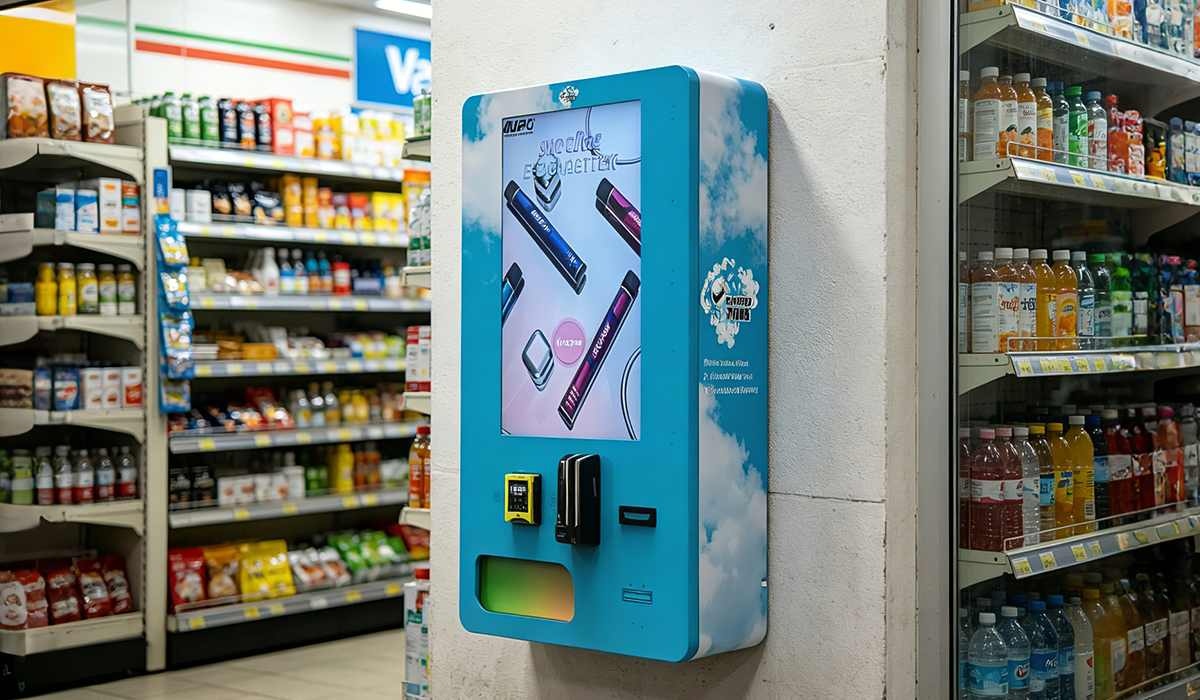
For those looking at the European market, compliance is even stricter. The compliant e-cigarette vending machine from Zhongda is designed with European regulations in mind. It includes the necessary data logging for tax authorities and age verification standards. If you are operating in a market with strict tobacco laws, you need a machine that is built for that environment from the ground up.
Final Thoughts from the Factory Floor
I have been in this industry long enough to see the shift from mechanical to digital. The vape vending machine with remote monitoring and alerts is not a luxury; it is the standard for anyone who wants to run a serious business. The technology has matured. The costs have come down. The data is actionable.
If you are a business owner looking to diversify your revenue, or an existing vape shop owner wanting to extend your reach into bars and hotels, start with a smart machine. Do not buy a dumb machine just to save a few hundred dollars. You will regret it. The machine from Zhongda’s ID scan vending machine is a solid starting point. It comes with the remote monitoring system pre-installed and configured.
The best advice I can give you is to treat your vending machine like a remote employee. You would not hire someone and never check in on them. The same goes for your machine. The remote monitoring system is your manager. It watches the machine so you can focus on growing the business.
Frequently Asked Questions
How does the remote monitoring system actually work?
The machine has a built-in 4G LTE modem that connects to a cloud server. Every time a sale happens, or a sensor changes state, the machine sends a data packet to the server. You log into a web dashboard or a mobile app to see this data. Alerts are triggered based on rules you set, like low inventory or a jammed motor.
Can I use my own cellular SIM card in the machine?
Most manufacturers, including Zhongda, use an industrial-grade modem that accepts a standard SIM card. You can use a data-only plan from a major carrier. I recommend using a plan with at least 1GB of data per month. The machine uses very little data, usually less than 500MB per month, even with frequent transactions.
What happens if the internet connection goes down?
The machine continues to operate normally. It stores all transaction data locally on its internal memory. When the connection is restored, it uploads all the queued data. The only thing you lose is real-time visibility. The machine will still process sales and age verification.
How accurate is the inventory tracking?
It is very accurate. The machine counts each product as it vends. The system knows exactly how many units are left in each spiral. I have tested this against manual counts, and the discrepancy rate is less than 1%. The only time it gets confused is if a product gets stuck and doesn't vend, but the system flags that as a jam.
Can I change the prices remotely?
Yes. This is one of the most useful features. You can change the price of any product in real-time from the dashboard. If a product is selling fast, you can increase the price by $1. If a product is not moving, you can drop the price for a weekend promotion. The change takes effect immediately.
Is the machine difficult to set up?
No. The machine comes pre-configured from the factory. You plug it in, insert your SIM card, and connect to the dashboard. The initial setup usually takes less than 30 minutes. The manufacturer provides a setup guide and technical support. For a more detailed walkthrough, you can check the service page for documentation.
Sources and References:
Statista – Vending Machine Industry Data
IBISWorld – Vending Machine Operators Industry Report
Forbes – The Rise of Smart Vending Machines