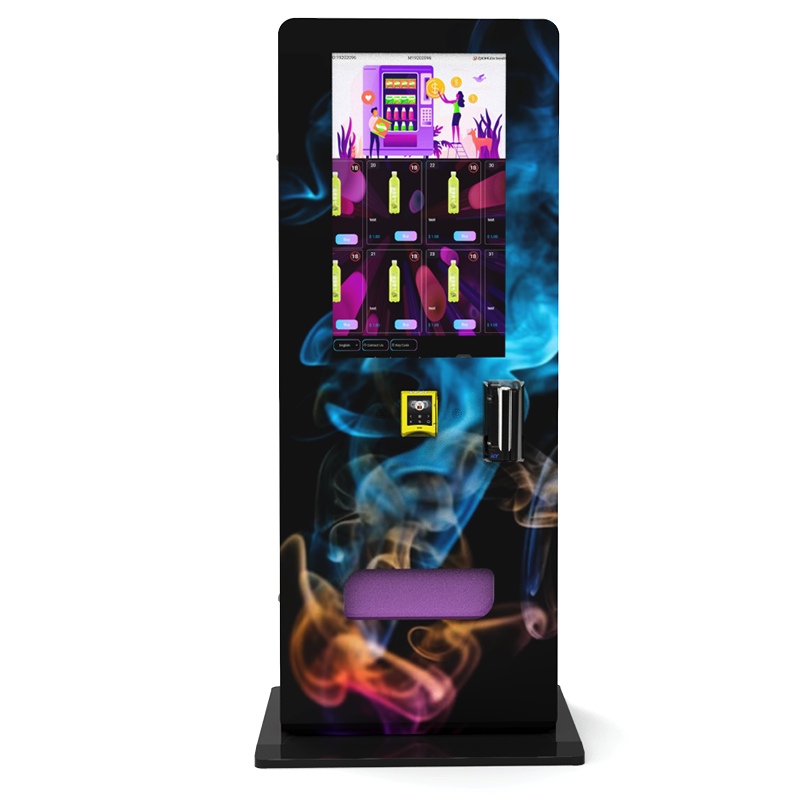
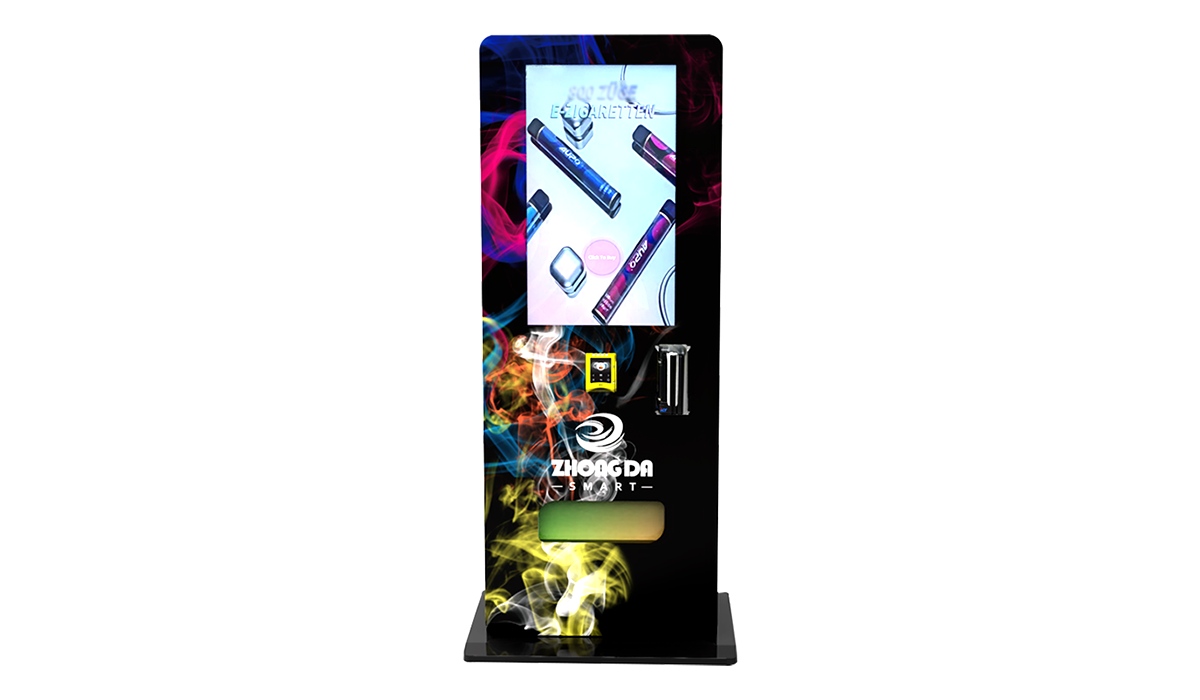
If you are asking yourself, “Where can vape vending machines be placed legally?” the short answer is that legality is determined by local licensing, zoning laws, and age verification compliance—not by the machine itself. After deploying over 1,200 smart vending units across the U.S. and Europe since 2012, I can tell you that the most common mistake operators make is assuming that if a store sells vapes over the counter, a machine can sit next to the register. That assumption has cost my clients tens of thousands in fines. The reality is more nuanced: placement depends on whether the location has a tobacco retailer license, whether the machine uses a compliant age verification vending machine system, and whether local ordinances restrict self-service sales of nicotine products. This guide walks through the exact criteria I use when scouting locations for our factory’s clients.
The Legal Foundation: Licensing and Zoning
Before you even think about floor space, you need to confirm the location holds an active tobacco retailer license. In most states, a convenience store or bar that sells cigarettes can also host a vape vending machine, but the license must explicitly cover electronic nicotine delivery systems. I have seen operators lose machines because the store’s license only covered combustible tobacco. Check the license expiration date and product scope. Zoning is the second gate. Some municipalities ban self-service nicotine sales entirely, even in licensed stores. For example, certain counties require that all nicotine sales be conducted face-to-face with a clerk. A smart vending machine with ID scanning does not override that local ordinance. Always pull the city code before signing a location agreement.
Retailer License vs. Vending License
Some states require a separate vending machine operator license in addition to the retailer license. In California, for instance, a vending operator must register with the CDFA and pay an annual fee per machine. In Texas, the retailer license covers the machine if it sits inside the licensed premises. I recommend verifying with the state’s alcohol and tobacco control board. Our team at Zhongda Smart includes a compliance checklist with every machine shipment to help new operators avoid this trap.
Location Categories That Work
Over the past decade, I have seen three location types consistently generate compliant, profitable placements. Each comes with its own regulatory nuances.
Bars, Nightclubs, and Lounges
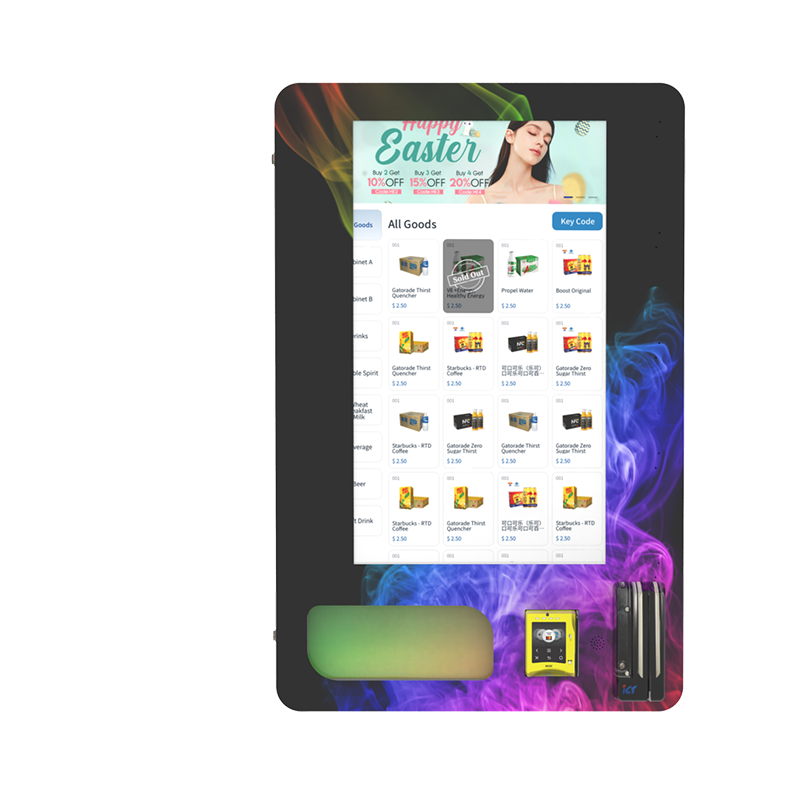
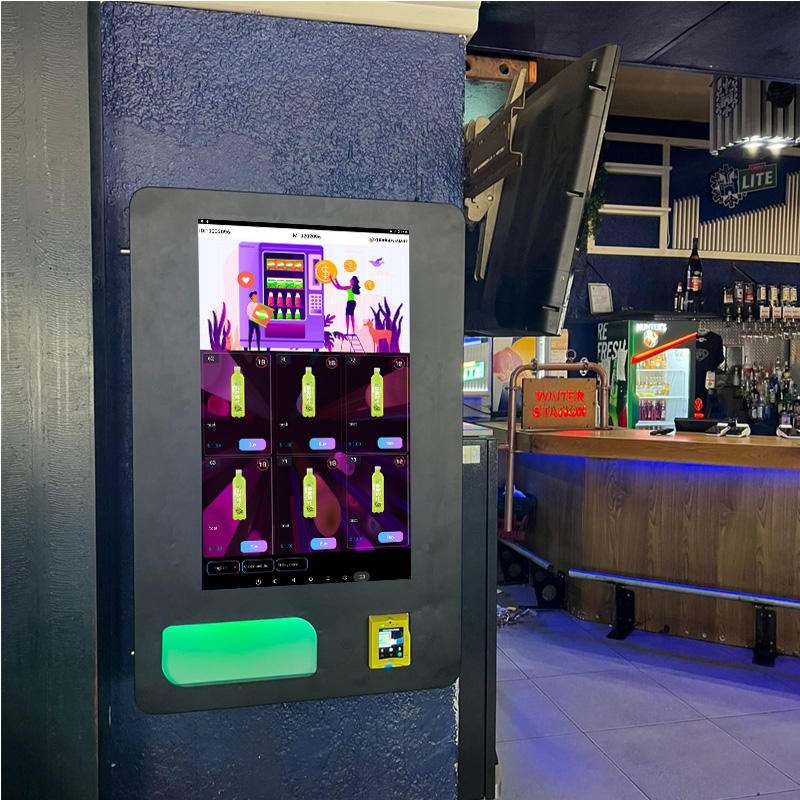
These venues are the most natural fit. The customer base is adult, the foot traffic is high during evening hours, and the average transaction value tends to be higher because patrons are willing to pay a premium for convenience. In most jurisdictions, a bar with a liquor license can host a vape vending machine as long as the machine is not accessible to minors. The key is to place the machine in a staff-monitored area, not in a dark corner. One of my clients in Austin installed a wall-mounted compact e-cigarette vending machine behind the bar. The bartender can see every transaction, and the machine’s age verification vending machine system scans the customer’s ID before releasing any product. That setup passed a surprise compliance check by the TABC last year. For more on how to configure a machine for a bar environment, check our case study on vape vending machines for bars and clubs.
Convenience Stores and Gas Stations
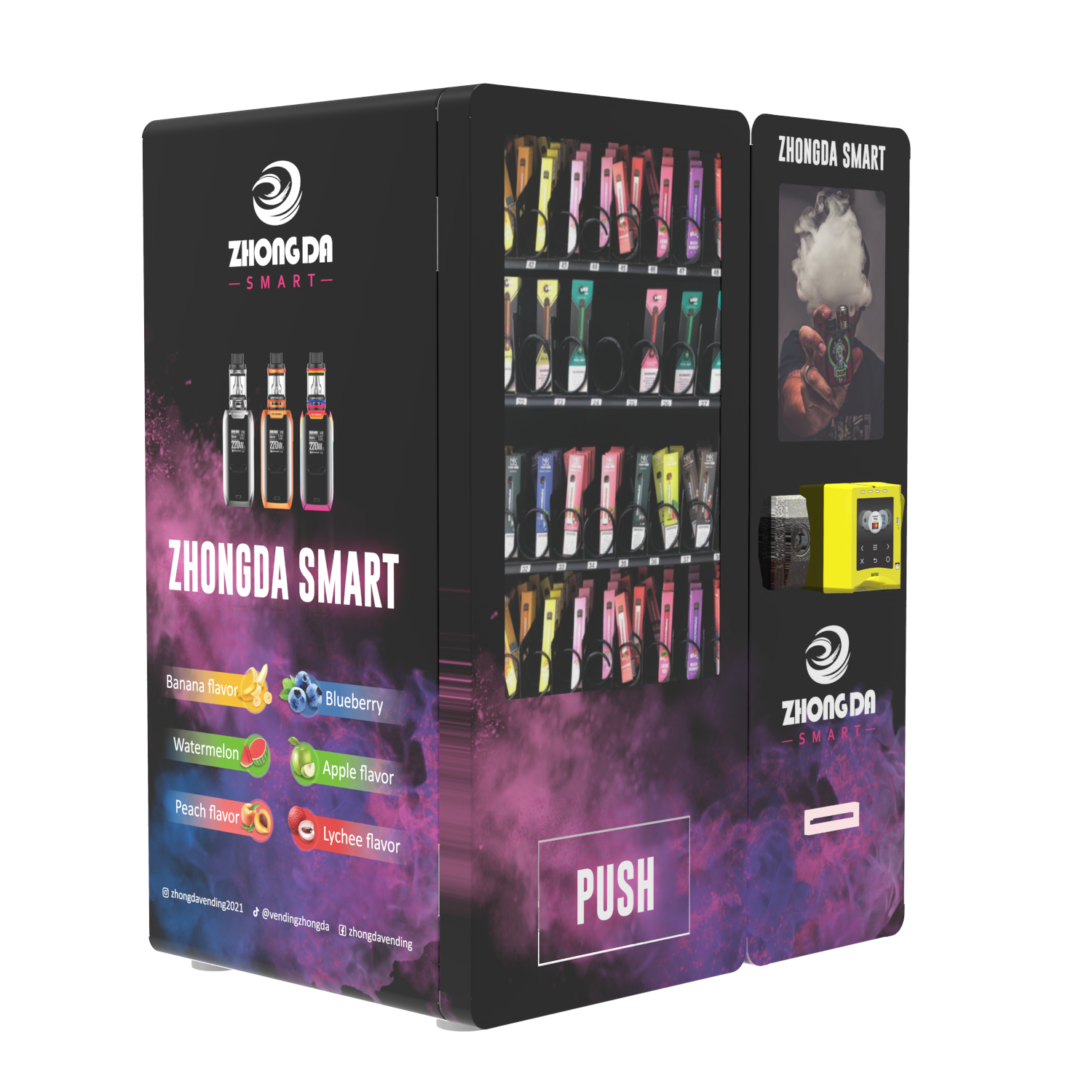
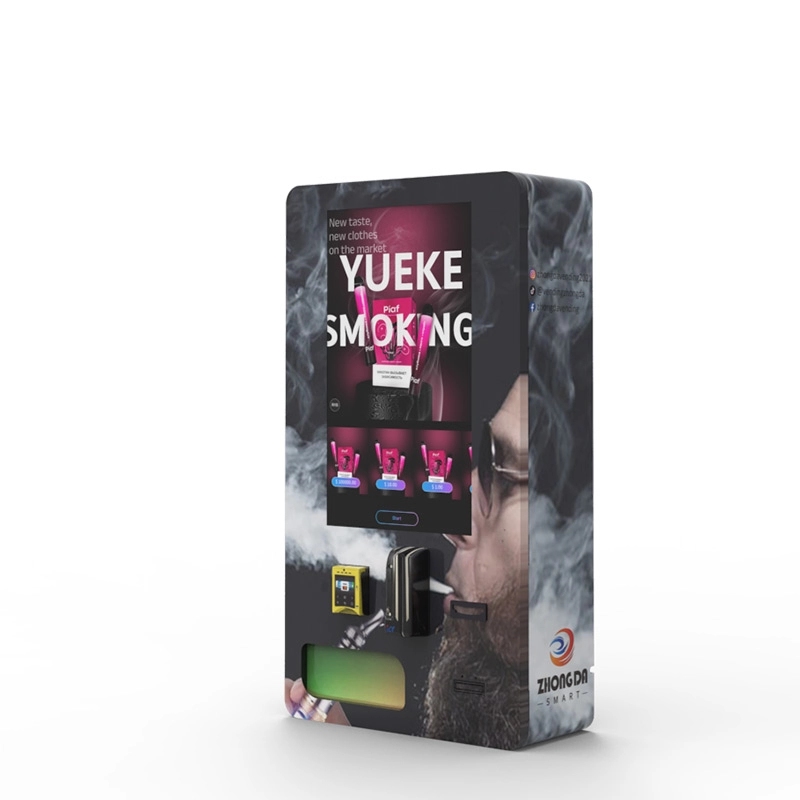
These locations offer high foot traffic but come with stricter scrutiny from regulators because minors frequent them. The machine must be placed within the direct line of sight of the cashier. Never place it near the entrance or in an aisle where a customer can use it without staff observation. I recommend using a machine with biometric or dual-factor age verification. Our compliant e-cigarette vending machine includes a built-in camera that captures a photo of the person scanning the ID, creating an audit trail. In 2023, a chain in Florida avoided a $5,000 fine because they could produce timestamped photos for every transaction during a compliance audit. If you are looking for a machine that fits a tight counter space, the wall-mounted e-cigarette vending machine is a solid choice for convenience stores with limited square footage.
Hotels, Airports, and Private Clubs
These venues operate under different rules because they are not open to the general public in the same way. Hotels can place a machine in a key-card-access lounge. Airports typically require a concession license and placement in a secured area past security. Private clubs with membership requirements often face fewer restrictions because the club already vets its members. I placed a unit in a private golf club in Connecticut where the machine is only accessible to members who have already been ID-checked at the front desk. That machine averages 45 transactions per week with zero compliance issues. For a full breakdown of how to deploy in these niche venues, read our guide on hotel and airport vape solutions.
Age Verification: The Non-Negotiable Component
Every legal placement hinges on a reliable age verification system. If your machine cannot prove it checked a valid ID before every sale, you are operating illegally in most states. The FDA’s 2016 deeming rule and subsequent updates require that vending machines selling tobacco products be located in facilities where minors are not permitted, or that the machine uses a remote age verification method. Most operators choose the second option because it opens up more locations.
How a Compliant System Works
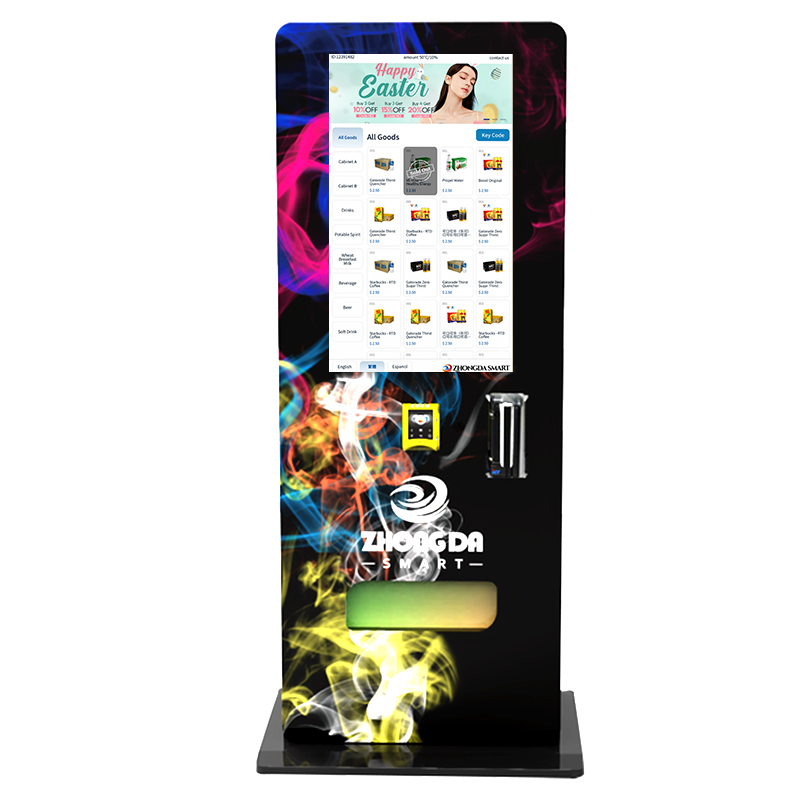
A compliant age verification vending machine uses a scanner that reads the barcode or magnetic stripe on a driver’s license. The software validates the date of birth, checks for expiration, and sometimes cross-references the ID number against a state database. Some machines also require a second factor, such as a fingerprint or a live facial recognition match. I always advise clients to use a system that stores transaction logs for at least two years. During a compliance audit, those logs are your only defense. In 2022, one of our clients avoided a license suspension because they could produce logs showing that every sale from their machine was made to a customer over 21. For a deeper technical explanation, see how age verification vending machines work.
Common Age Verification Failures
I have seen operators fail compliance checks for three reasons. First, the scanner could not read vertical IDs (common in younger drivers). Second, the machine accepted a foreign passport without checking the date format. Third, the operator did not update the software when the state changed its ID design. Our factory addresses these issues by using a multi-format scanner that reads all 50 state IDs plus passports, and we push firmware updates automatically. If you are sourcing a machine, ask the manufacturer whether they provide ongoing software support for ID format changes. Our ID scan vending machine is designed specifically to handle these edge cases.
Cost Structure and Profit Model
Let me break down the numbers I share with every client before they sign a purchase order. These figures come from actual deployments, not theoretical models.
| Item | Cost Range (USD) |
|---|---|
| Machine purchase (smart vending with age verification) | $3,500 – $8,000 |
| Shipping and installation | $300 – $800 |
| Annual software license for age verification | $600 – $1,200 |
| Inventory (initial stock of 100 units) | $1,500 – $3,000 |
| Payment processing fees (2.5% – 3.5% per transaction) | Variable |
| Location commission (10% – 20% of gross sales) | Variable |
On the revenue side, a well-placed machine in a busy bar can generate $800 to $1,500 per month in gross sales. After deducting inventory cost, commission, and processing fees, the net profit per machine typically lands between $300 and $600 per month. That gives a payback period of 8 to 14 months, depending on the machine cost and location traffic. I have one client in Chicago who hit a 6-month payback because he placed the machine in a 24-hour hookah lounge with no nearby competition.
Profit Levers That Matter
Three factors determine whether you will make money or just break even. First, product margin. Disposable vapes have a lower margin per unit but higher turnover. Pod systems have a higher margin but slower sales. I recommend a mix of 60% disposables and 40% pod systems. Second, location commission. Do not agree to more than 20% unless the location provides electricity and security. Third, machine uptime. A machine that goes down for three days loses roughly 10% of monthly revenue. Our self-service kiosk includes remote monitoring that alerts the operator when a coil is jammed or inventory is low.
Risk and Failure Cases
I have been in this business long enough to collect a few hard lessons. One operator placed a machine in a laundromat that had a tobacco retailer license, but the local city council had recently passed an ordinance banning self-service nicotine sales in any business that also sells food. The laundromat sold candy bars, which the city classified as food. The machine was confiscated. Another client lost $12,000 in inventory when a machine’s cooling system failed and the store manager did not notice for two weeks. The machine was not connected to remote temperature monitoring. These failures are avoidable if you vet the location’s zoning classification and invest in a machine with telemetry.
Compliance Fines and License Suspensions
Fines for selling to a minor through a vending machine range from $500 to $10,000 per violation, depending on the state. In some cases, the store’s tobacco license can be suspended for 30 days. I advise operators to run a secret shopper test every month. Have someone under 21 attempt to buy from the machine. If the machine fails, fix the scanner or the software immediately. Our factory offers a remote diagnostic service where we can check the age verification logs from our server and flag any anomalies. For more on compliance best practices, read our FAQ on age verification vending machines.
Long-Term Operational Strategy
Running a vape vending machine business is not a set-it-and-forget-it model. You need to treat each machine as a mini retail outlet. That means weekly inventory restocking, monthly software updates, and quarterly hardware inspections. I recommend using a cloud-based management system that shows real-time sales data, inventory levels, and error codes. Our platform allows operators to adjust pricing remotely based on demand. For example, you can raise the price of a popular disposable by $1 during peak hours and lower it during slow periods.
Scaling from One to Fifty Machines
When you start scaling, the biggest bottleneck is location acquisition. You need a dedicated person or a third-party service to identify licensed retailers, negotiate commissions, and handle the paperwork for each jurisdiction. I have seen operators grow from one to ten machines in six months, then stall because they could not manage the compliance workload. The solution is to standardize your location agreement and use a checklist that covers license verification, zoning check, and machine placement requirements. Our resource center includes templates for location agreements and compliance logs.
Choosing the Right Machine for Your Market
Not all machines are built for the same environment. A machine that works in a climate-controlled hotel lobby may fail in a humid outdoor gas station canopy. I have tested machines in temperatures from 20°F to 110°F. The electronics must be rated for the environment, and the locking mechanism must be tamper-resistant. Our factory builds machines with industrial-grade locks, reinforced steel doors, and cooling systems that maintain a stable internal temperature even in extreme heat. If you are targeting outdoor or semi-outdoor locations, ask about the machine’s IP rating and operating temperature range.
| Feature | Indoor Machine | Outdoor Machine |
|---|---|---|
| Operating temperature range | 50°F – 95°F | 20°F – 110°F |
| Lock type | Standard electronic lock | Reinforced electronic lock with anti-drill plate |
| Cooling system | Fan-based | Compressor-based with backup battery |
| Display | LCD touchscreen | Sunlight-readable LCD with anti-glare coating |
For a complete comparison of our machine models, visit our vape vending machines product page.
Final Recommendations
If you are serious about entering this space, start with one machine in a bar you already have a relationship with. Learn the compliance workflow, the restocking rhythm, and the customer preferences in your area. Once you have a profitable unit running for six months, expand to a second location. Do not sign a long-term lease for a machine until you have verified the location’s license and zoning. And always choose a machine that gives you remote visibility into age verification logs and inventory levels. The upfront cost is higher, but it saves you from the headaches that have put dozens of operators out of business.
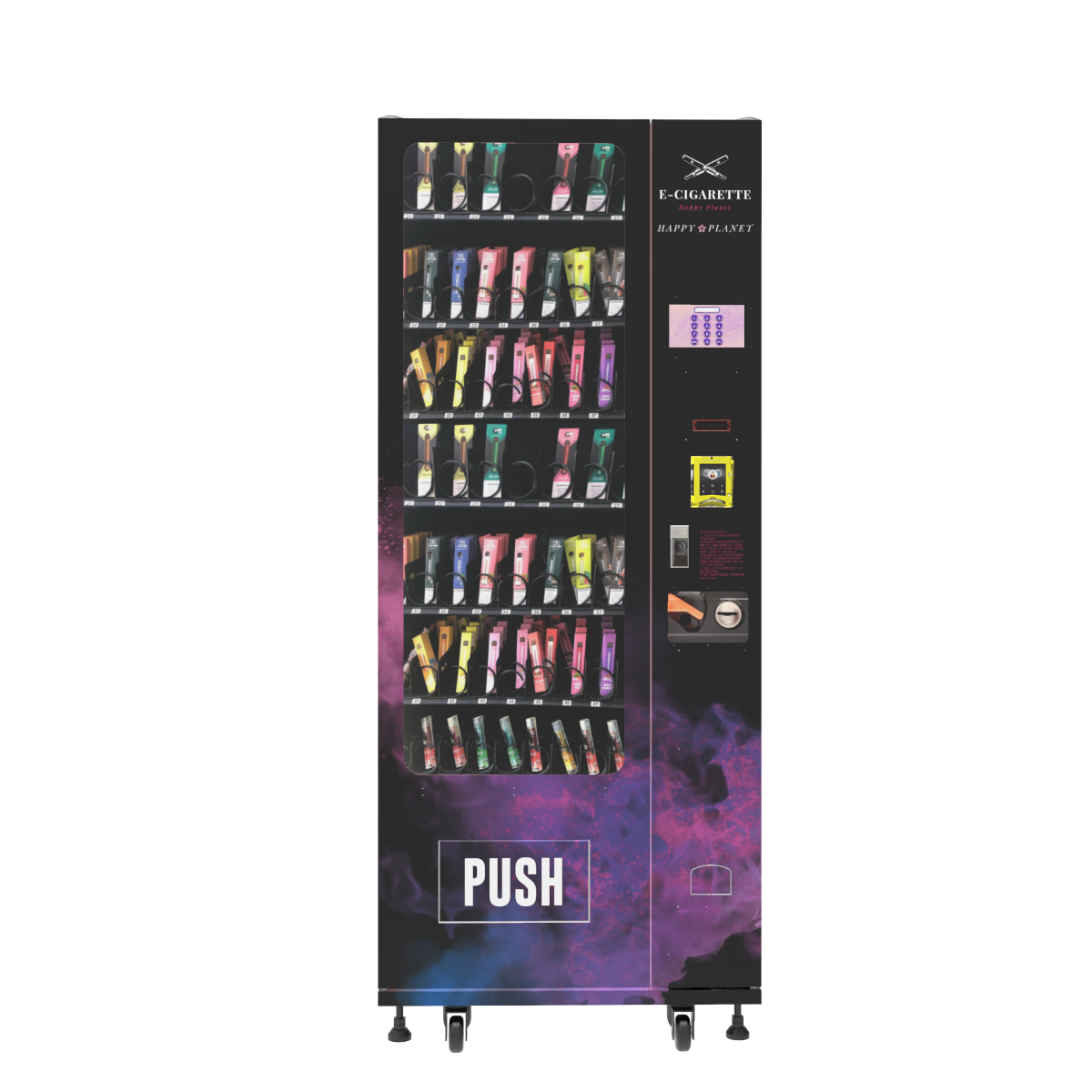
For those who want to see the exact hardware I recommend, take a look at our high-capacity vape vending machine for busy retail environments. It is the model I personally use for my own deployments in the U.S.
Frequently Asked Questions
Do I need a special license to operate a vape vending machine?
Yes, in most states you need a tobacco retailer license or a vending machine operator license. The specific license depends on the state and local jurisdiction. Always check with the state’s alcohol and tobacco control board before placing a machine.
Can I place a vape vending machine in a convenience store?
Yes, but the machine must be within direct line of sight of the cashier, and the store must have a valid tobacco retailer license that covers electronic nicotine products. Use a machine with a compliant age verification system.
What happens if my machine sells to a minor?
You can face fines ranging from $500 to $10,000 per violation, and the location’s tobacco license may be suspended. Always keep transaction logs and run monthly secret shopper tests to ensure compliance.
How much does a compliant vape vending machine cost?
Prices range from $3,500 to $8,000 for a new machine with age verification, plus shipping, installation, and an annual software license fee of $600 to $1,200. The total investment for a single machine is typically between $5,000 and $10,000.
Can I use a vape vending machine outdoors?
Yes, but you need a machine rated for outdoor use, with a wider operating temperature range, reinforced locks, and a sunlight-readable display. Not all machines are suitable for outdoor placement.
Sources and References
- FDA Deeming Rule and Vending Machine Requirements – FDA.gov
- State Tobacco License and Vending Machine Regulations – CDC State Data
- Vending Machine Market Size and Growth Data – Statista Vending Market
- Age Verification Technology Standards – NIST Age Verification