If you are weighing a vape vending machine against a traditional vape retail store, the short answer is this: for high-traffic, low-labor locations like bars, hotels, and convenience stores, a smart vending kiosk will outperform a brick-and-mortar shop in profit per square foot by a significant margin. I have spent over a decade deploying these systems across the US and European markets, and I have seen operators double their margins simply by switching to automated retail. The key difference comes down to labor costs, compliance automation, and 24/7 sales capability. While a traditional shop builds community and allows for product sampling, the self-service kiosk wins on operational efficiency and scalability. This guide breaks down the real-world data, hidden costs, and deployment strategies I have used to help hundreds of businesses make this decision.
The Mechanics of Each Model
Before we talk about profit, we need to understand how each system actually works on a daily basis. I have managed both types of operations, and the operational rhythm is completely different.
How a Traditional Vape Retail Shop Operates
A traditional store relies on a physical location with a lease, a storefront, and at least one employee behind the counter. The typical model involves a 500 to 1,500 square foot space. Inventory is stored on shelves behind a counter, and the employee handles every transaction. The employee also manages ID checks, explains product differences to new users, and handles cash or card payments. Labor is the single largest expense, often eating up 25% to 35% of gross revenue. Rent is the second largest cost. For a shop in a decent location, monthly rent can range from $2,000 to $6,000 depending on the market. The shop is typically open 10 to 12 hours a day, six or seven days a week.
How a Vape Vending Machine Works
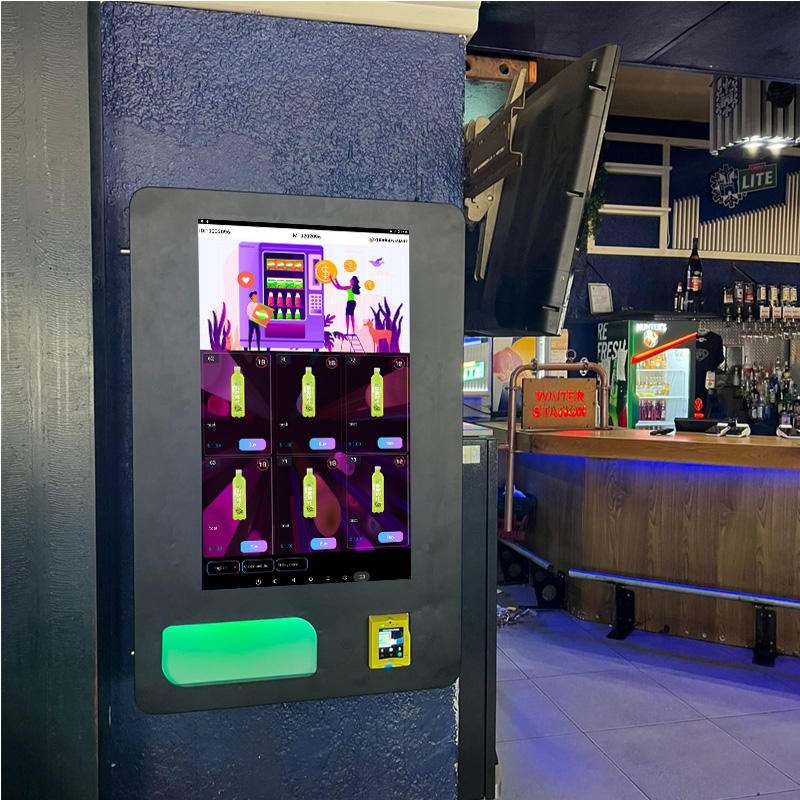
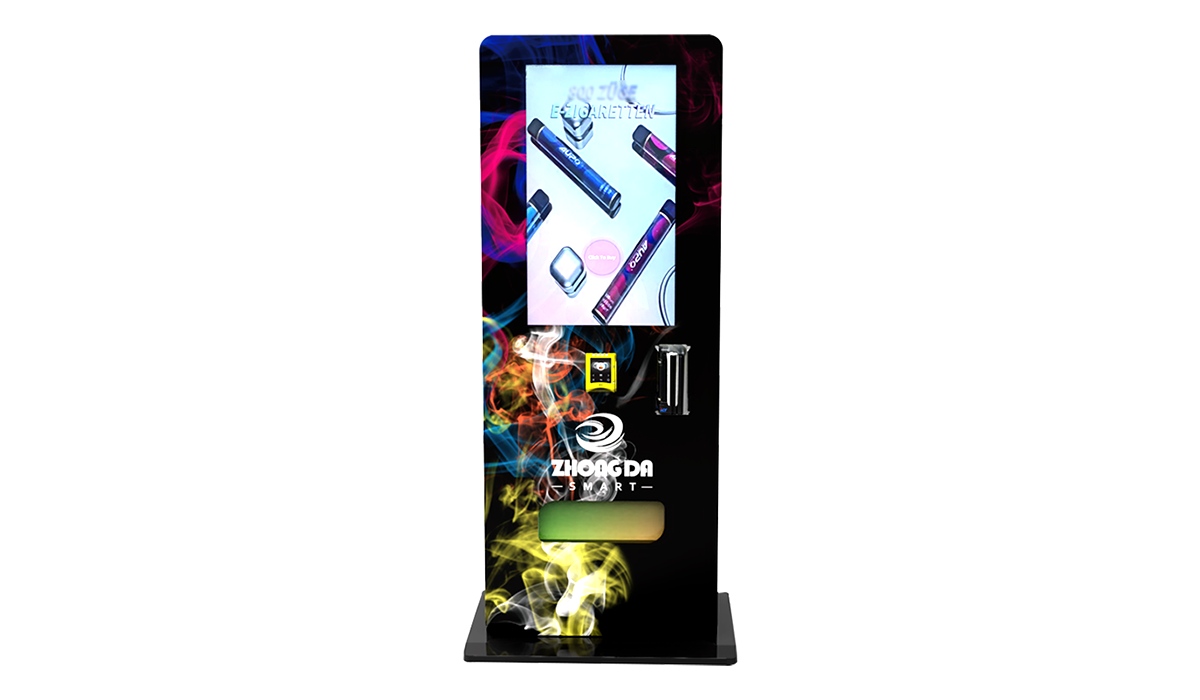
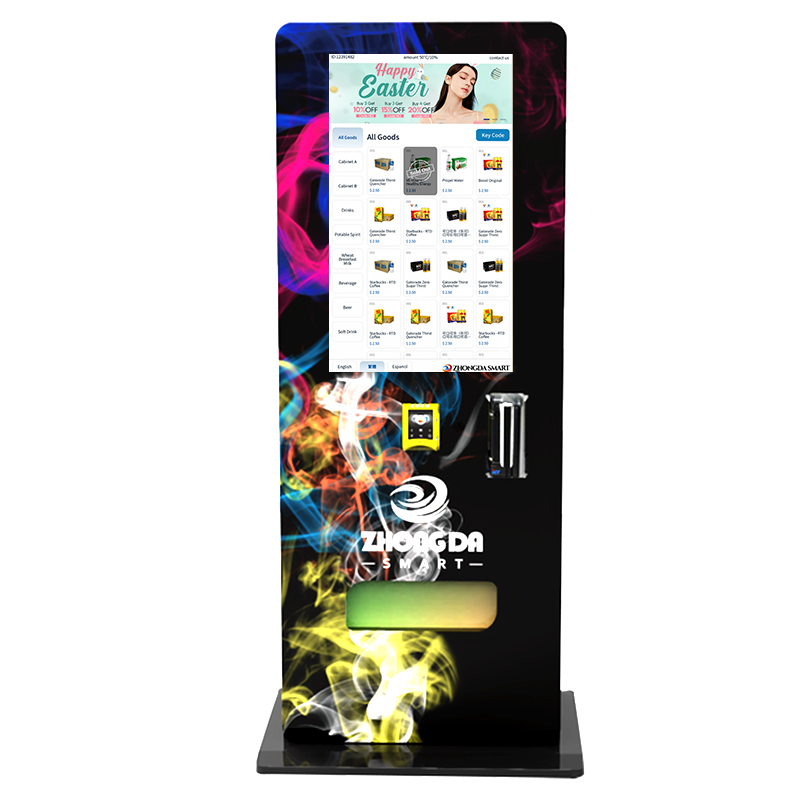
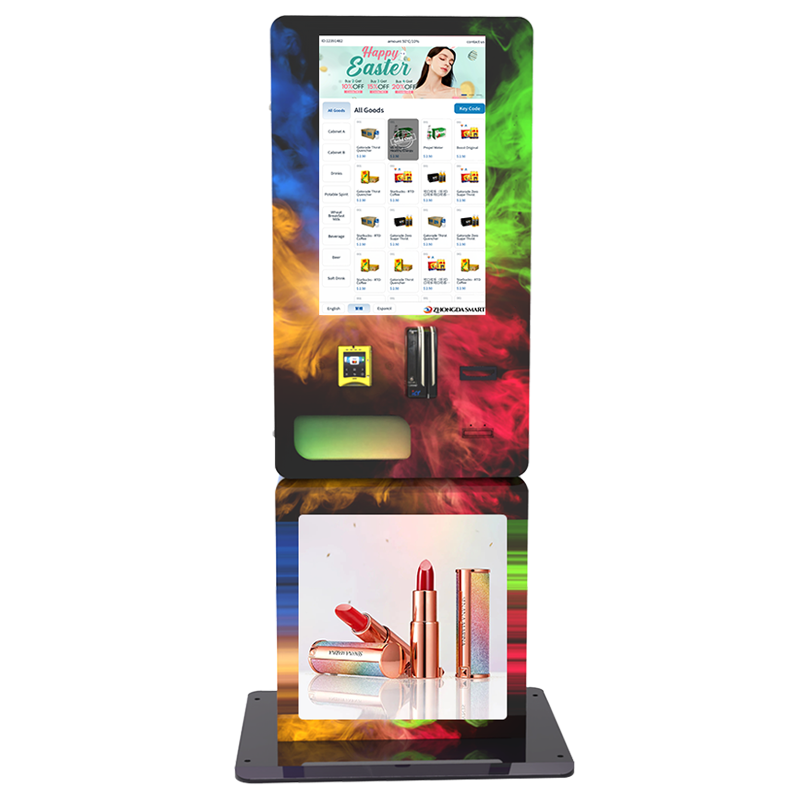
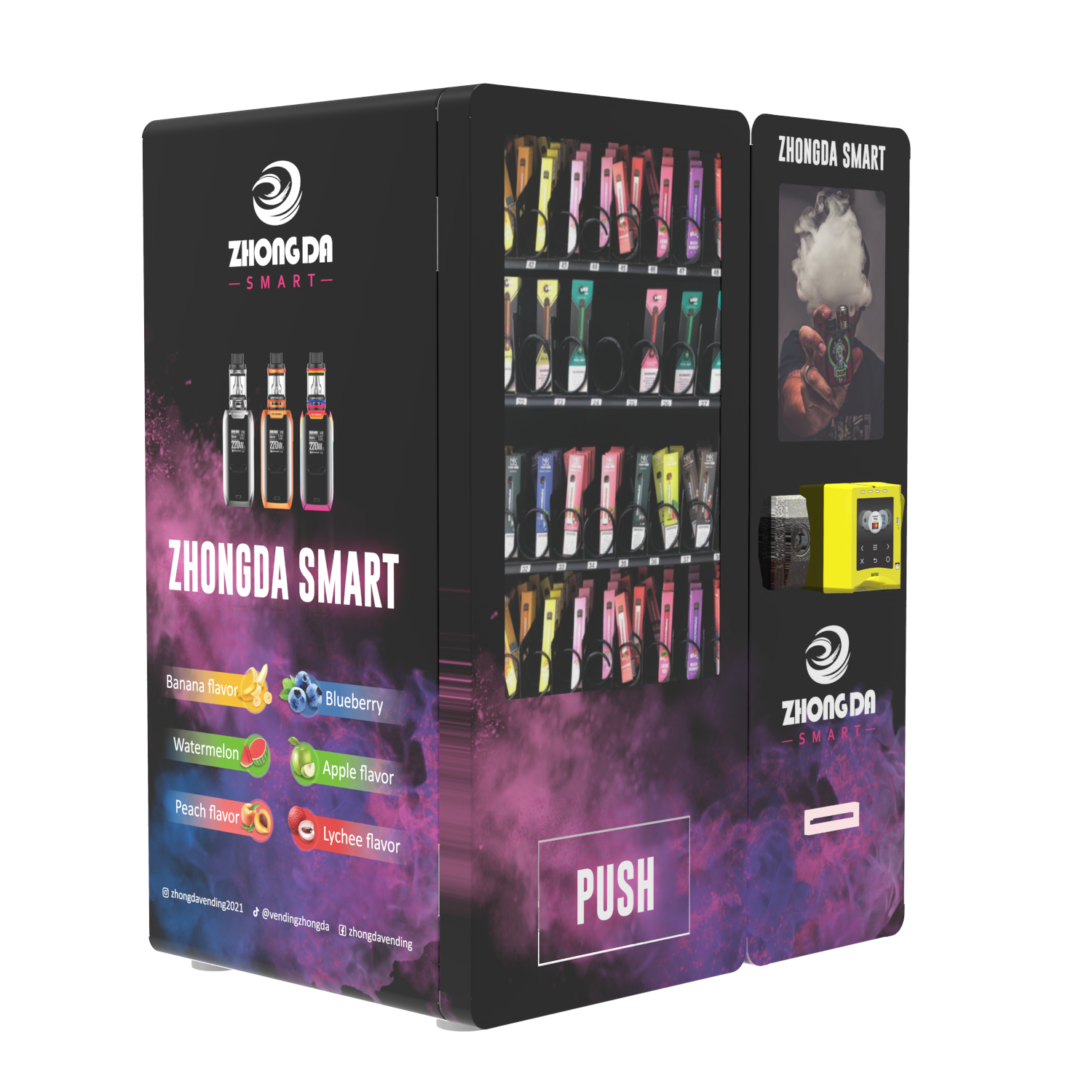
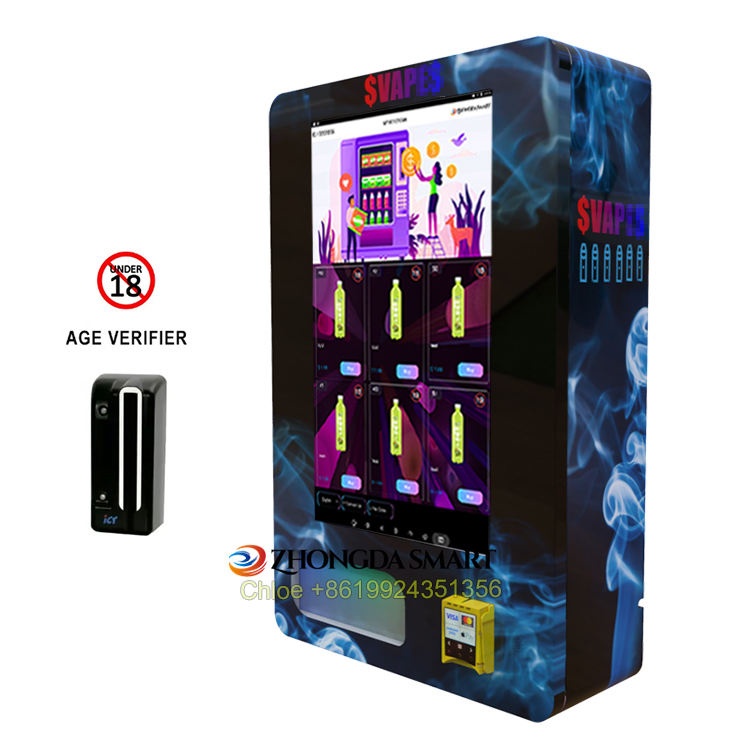
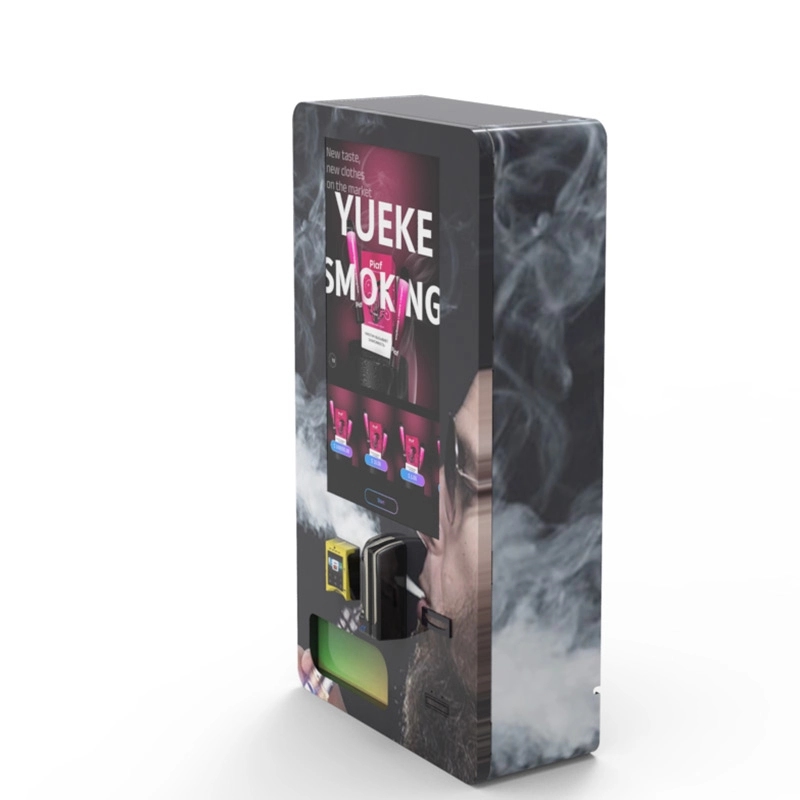
An automated vending kiosk is a self-contained retail unit. The machine I manufacture at Zhongda Smart is a good example. It is a compact, wall-mounted unit that takes up roughly the same floor space as a large refrigerator. The machine handles everything. It uses an integrated ID scanner to verify age before a sale can proceed. It accepts credit cards, mobile payments, and cash. The machine tracks inventory in real time. It sends me a text alert when a product is running low. The machine does not call in sick. It does not take breaks. It operates 24 hours a day, seven days a week. The only recurring cost is the electricity to run it and the occasional restocking trip.
Cost Structure Comparison
I have broken down the numbers for a typical deployment. These figures are based on actual operations I have overseen in the last three years.
| Cost Category | Traditional Retail (Monthly) | Vending Kiosk (Monthly) |
|---|---|---|
| Rent / Location Fee | $3,500 | $500 (host location commission or flat fee) |
| Labor | $4,500 (one full-time employee) | $150 (restocking labor, 4 hours per week) |
| Utilities | $400 | $40 (electricity for machine) |
| Insurance | $300 | $80 |
| Inventory (Initial Stock) | $15,000 | $2,500 |
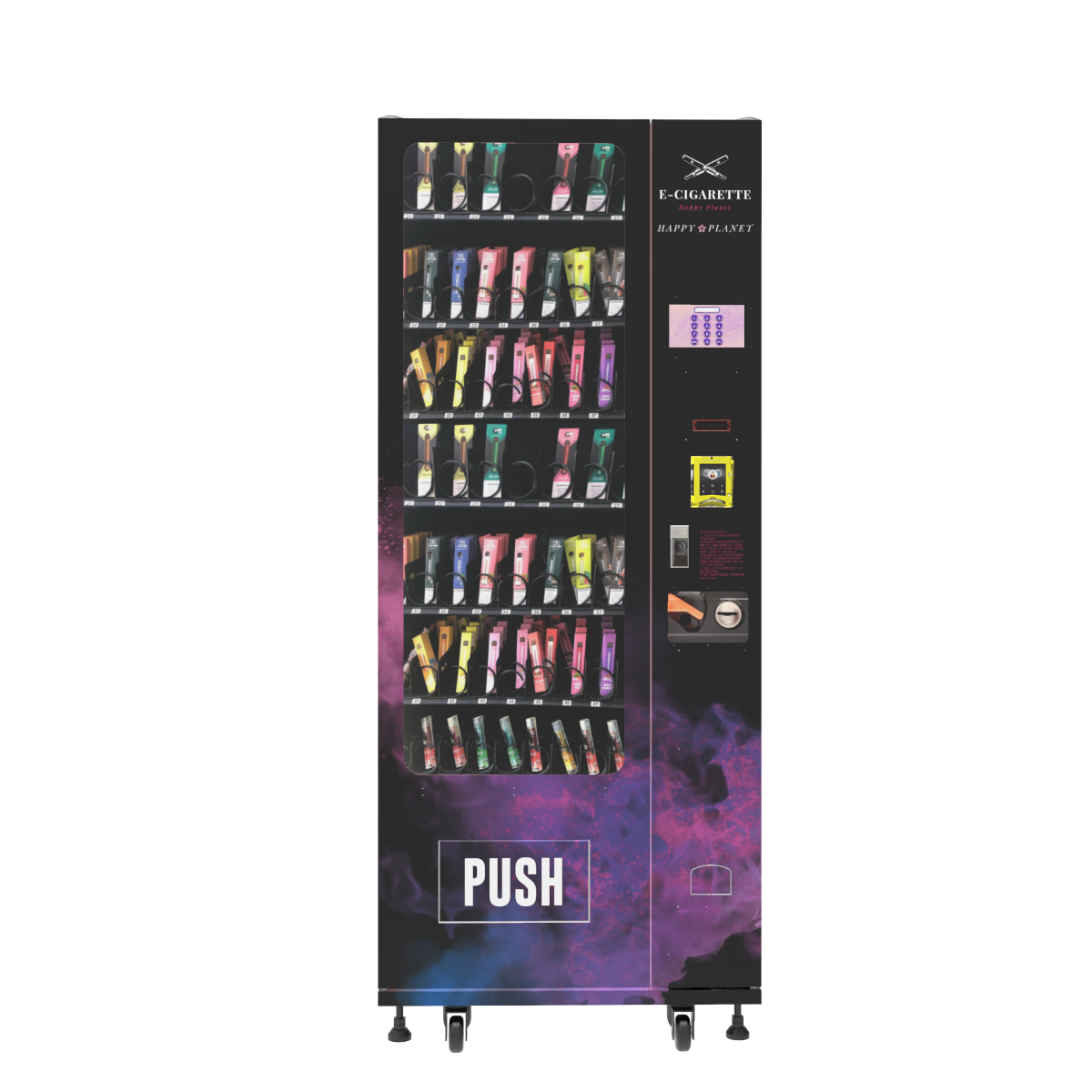
| Equipment / Buildout | $30,000 (leasehold improvements, shelving, register) | $4,500 (one compliant e-cigarette vending machine) |
| Monthly Overhead Total | $8,700 | $770 |
The difference in monthly overhead is staggering. With a traditional shop, you have to sell a lot of product just to cover the rent and the employee. With an automated kiosk, almost every dollar from the first sale goes straight to your bottom line after product cost.
Profit and Revenue Models
I have seen operators hit gross margins of 40% to 55% on vape products in both channels. The difference is not in the margin percentage but in the volume and the cost to achieve that volume.
Revenue Per Square Foot
This is where the vending machine absolutely crushes the traditional model. A traditional shop might generate $200 to $400 per square foot per year. A well-placed vending kiosk, like the ones we have deployed in hotel lobbies and busy bars, can generate over $2,000 per square foot per year. I have a case study from a deployment in a busy nightclub where a single wall-mounted unit did $8,000 in gross sales in one weekend. That same square footage in a retail shop would have been lucky to do $800 in a week.
The 24/7 Factor
A traditional shop is closed for roughly 60% of the hours in a week. A vending machine is open for all of them. The late-night sales are often the highest margin sales because the customer has no other options. I have seen machines do 40% of their weekly volume between 10 PM and 2 AM. A traditional shop never captures that revenue.
Compliance and Legal Risk
This is the area where most new operators get it wrong. I have seen too many businesses get fined out of existence because they relied on a human employee to check IDs. Humans make mistakes. A tired bartender at 1 AM is not going to catch a fake ID every time.
Age Verification in a Traditional Shop
An employee checks the ID. If the employee is distracted, in a hurry, or simply not trained well, an underage sale happens. The fine for a single underage tobacco sale in many states starts at $500 and can go up to $5,000 or more for repeat offenses. The business license can be suspended. The liability is real.
Automated Age Verification in a Vending Kiosk
A modern age verification vending machine uses a built-in scanner that reads the barcode on the back of a driver's license. It validates the date of birth, checks the ID against a database of known formats, and will not complete the transaction if the ID is expired, invalid, or if the customer is under 21. There is no human error. I have seen this technology reduce compliance risk to near zero. The machine creates a digital log of every single ID scan. If a regulator asks for records, you have a perfect paper trail. That is peace of mind you cannot get from a cashier.
Operational Risks and Failure Points
I have been in this business long enough to see both models fail. Here is what usually goes wrong.
Why Traditional Shops Fail
- Location dependency: A bad location means zero foot traffic. You are stuck with a lease for three years.
- Labor issues: Employees quit, steal, or just do not show up. It is a constant headache.
- Inventory shrinkage: Theft by employees or shoplifting is a real problem. It eats into margins.
- Slow adaptation: It takes weeks to change a product mix in a store. With a vending machine, I can change the entire product lineup in ten minutes.
Why Vending Operations Fail
- Poor location selection: Placing a machine in a low-traffic area is a death sentence. You need a location with a captive audience.
- Neglecting maintenance: A machine that breaks down and stays down for a week kills trust. Customers stop coming back.
- Wrong product mix: Stocking the wrong flavors or nicotine strengths leads to low sales velocity.
- Bad host relationships: If you do not pay the bar or hotel owner their commission on time, the machine gets unplugged.
Real-World Deployment Experience
I want to share a specific deployment that illustrates the difference. A few years ago, I worked with a hotel chain that had a small lobby shop. They were selling vapes over the counter, but the labor cost was high, and they had to staff the shop for 16 hours a day. We replaced the counter with a wall-mounted compact e-cigarette vending machine from our factory. The hotel did not need to hire a new person. The machine sat next to the front desk. The front desk clerk could see the machine, but they did not have to run the transaction. The machine handled the sale and the ID check.
The results were clear. In the first month, the hotel saw a 22% increase in vape sales compared to the previous month with the staffed counter. The labor cost for that department dropped to zero. The machine paid for itself in four months. That is a return on investment you simply cannot get with a traditional retail buildout.
Scalability and Expansion
Scaling a traditional retail chain is capital intensive. Every new location requires a lease, a buildout, permits, and employees. It takes months to open a single store. Scaling a vending operation is much simpler. You buy a machine, find a host location, negotiate a revenue split, and drop the machine in. I have seen operators go from one machine to fifty machines in a single year. The operational complexity does not multiply as fast because you are not hiring fifty new employees. You are hiring one route driver to restock the machines.
This scalability is why I believe the future of vape retail is in automated kiosks. The market data supports this. A report from IBISWorld on the vending machine industry shows a steady shift toward specialized machines for age-restricted products. The demand for low-labor, high-compliance retail solutions is not going away.
Choosing the Right Equipment
If you decide to go with a vending kiosk, the machine itself is the most important decision. I am biased because I manufacture them, but I have also repaired enough cheap machines to know what matters.
What to Look For in a Machine
- Reliable age verification: The scanner must read both the barcode and the magnetic stripe. It should also verify the ID against a standard format database. Our ID scan vending machine has a built-in system that does this in under two seconds.
- Rugged construction: The machine needs to survive being moved, bumped, and operated in a bar environment. Look for a steel frame and a commercial-grade lock.
- Remote management: You need to be able to check inventory, sales data, and machine health from your phone. If the machine cannot do that, do not buy it.
- Easy restocking: The shelves should be adjustable and easy to load. Complicated loading systems lead to errors.
- Payment flexibility: The machine must accept credit cards, mobile wallets like Apple Pay and Google Pay, and cash. If it only takes cash, you are leaving money on the table.
For more on technical specifications and to see the exact models I recommend, you can look at our product page for the compliant e-cigarette vending machine. It covers the specific sensors and software we use.
Long-Term Strategy
The operators who succeed in this space do not just buy a machine and forget about it. They treat it like a small business. They track which products sell and which ones sit on the shelf. They rotate stock based on seasonality. They build relationships with the host location owners. They check the machine's performance data every week.
I have one client who runs a route of 30 machines across several states. He checks his sales dashboard every morning with his coffee. If a machine in a specific bar is not selling a certain flavor, he swaps it out within two days. That level of attention is what separates a profitable operation from a failed one. The machine is just a tool. The strategy and the management are what make the money.
Frequently Asked Questions
How much does a vape vending machine cost?
Is it legal to sell vapes from a vending machine?
How much profit can I make from one machine?
Where is the best place to put a vape vending machine?
How do I maintain a vape vending machine?
Final Verdict
There is no single right answer for every business. If you have the capital for a lease, the patience for employees, and the desire to build a community brand, a traditional shop can work. But if you want a lower risk, higher margin, and more scalable operation, a vape vending machine is the better choice. I have built my entire career on the latter model, and I have seen it succeed time and time again. The data is clear: automated retail is the future for age-restricted products. The question is not if you should switch, but when.
Data sources: Industry operational data from IBISWorld Vending Machine Industry Report (2024) and internal operational metrics from Zhongda Smart deployments.