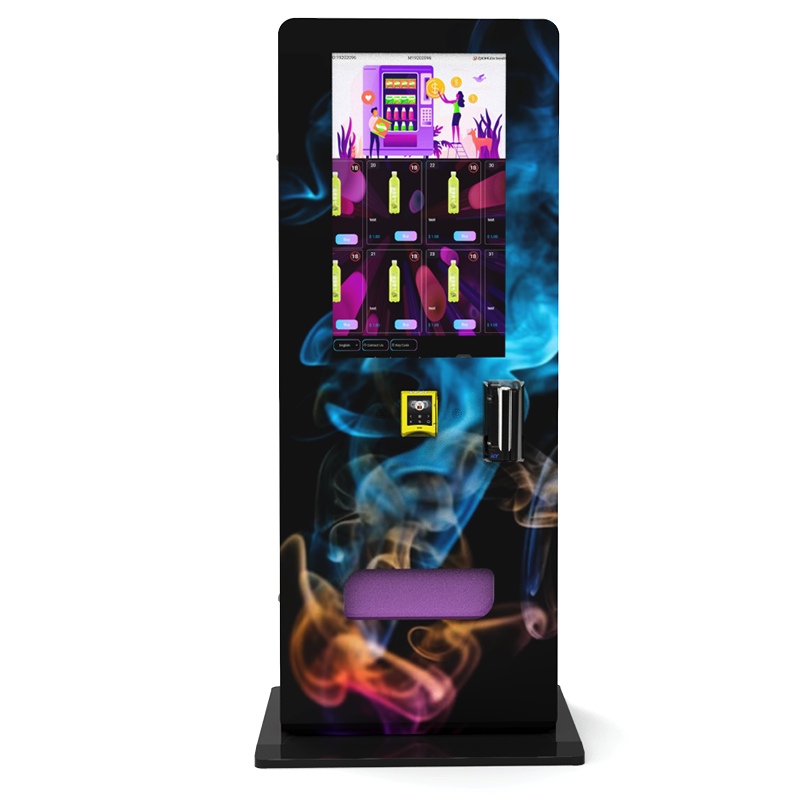
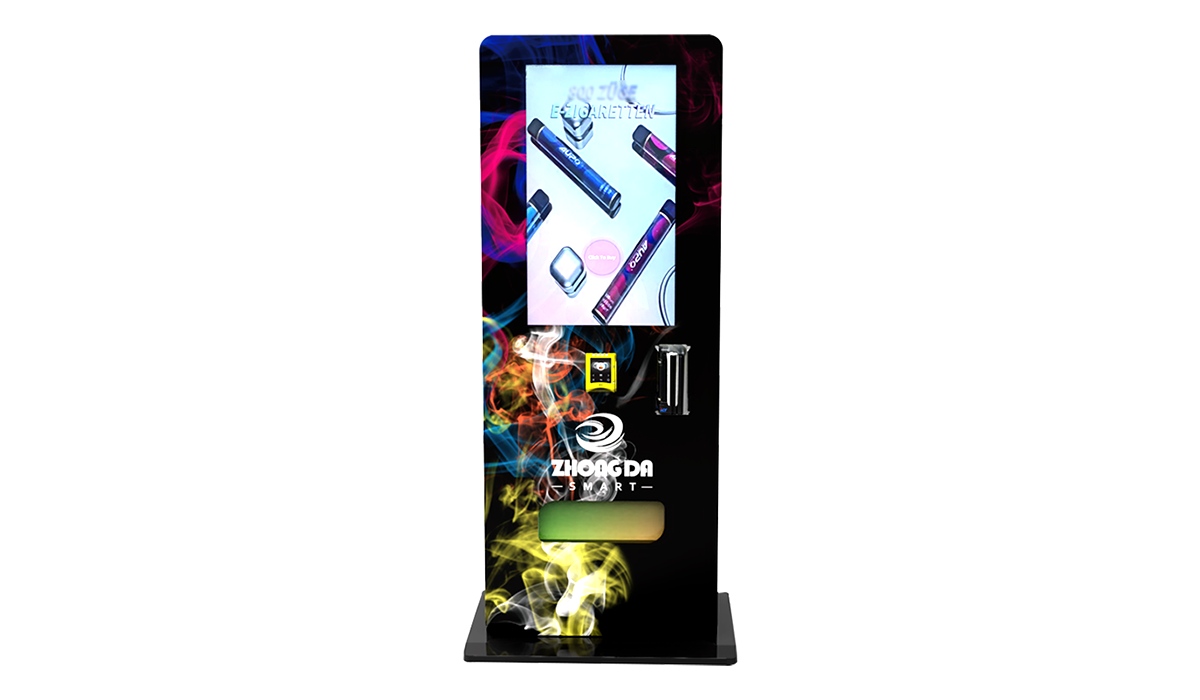
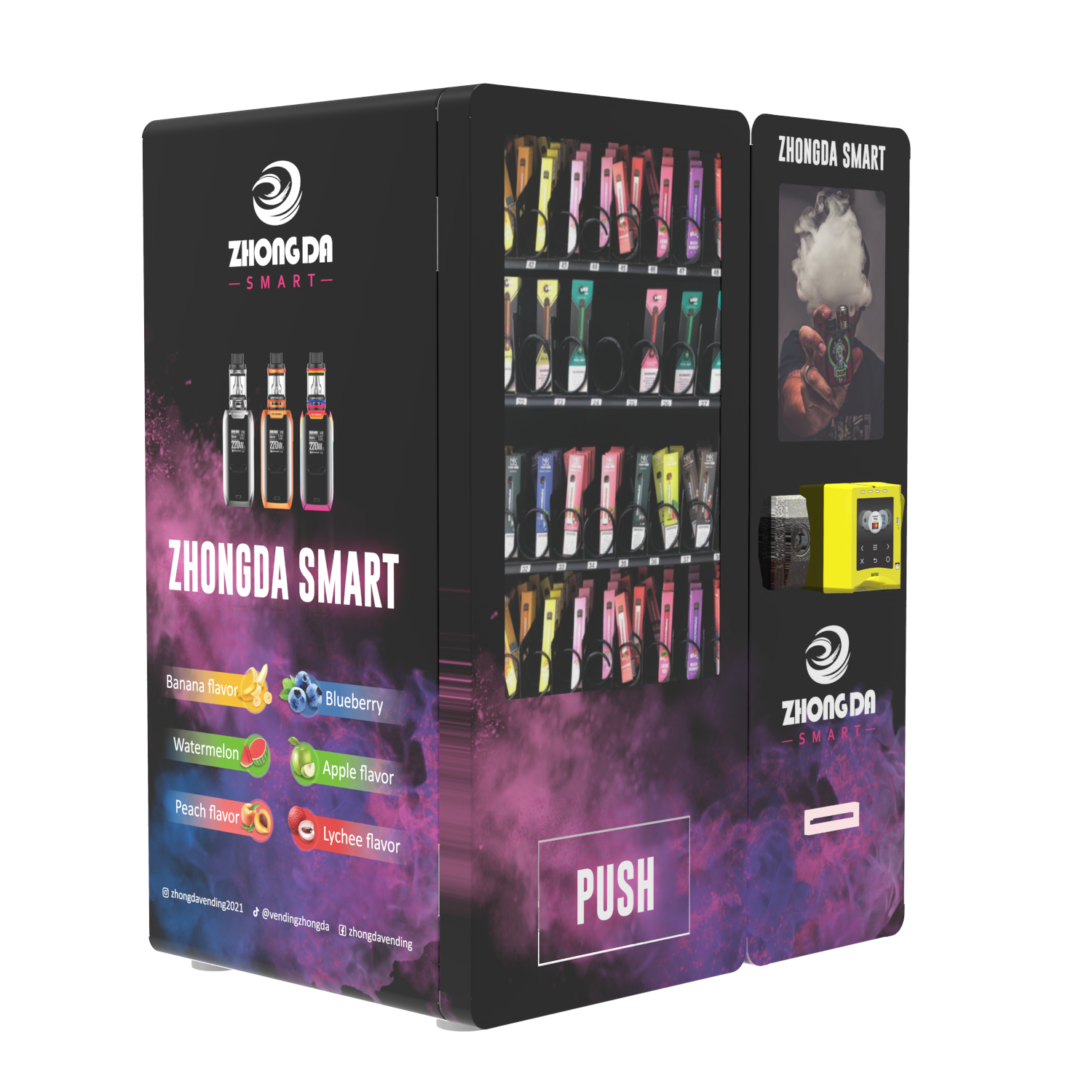
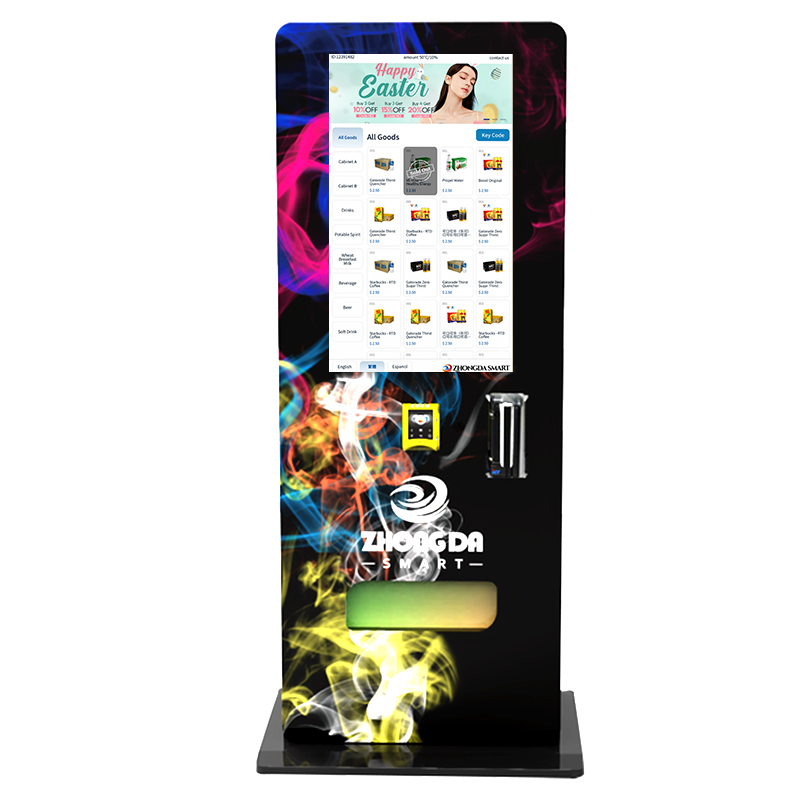
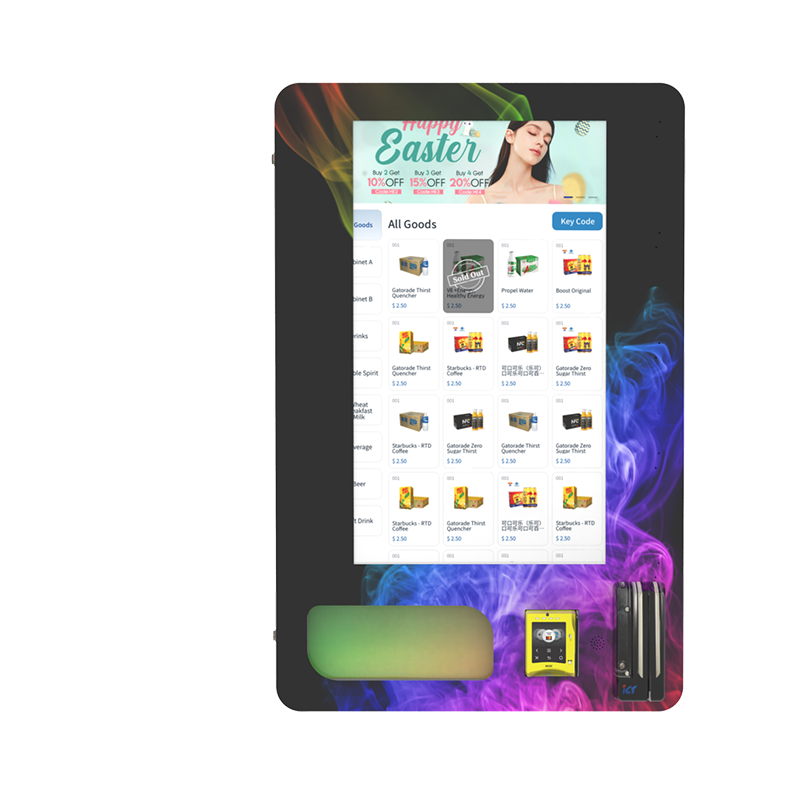
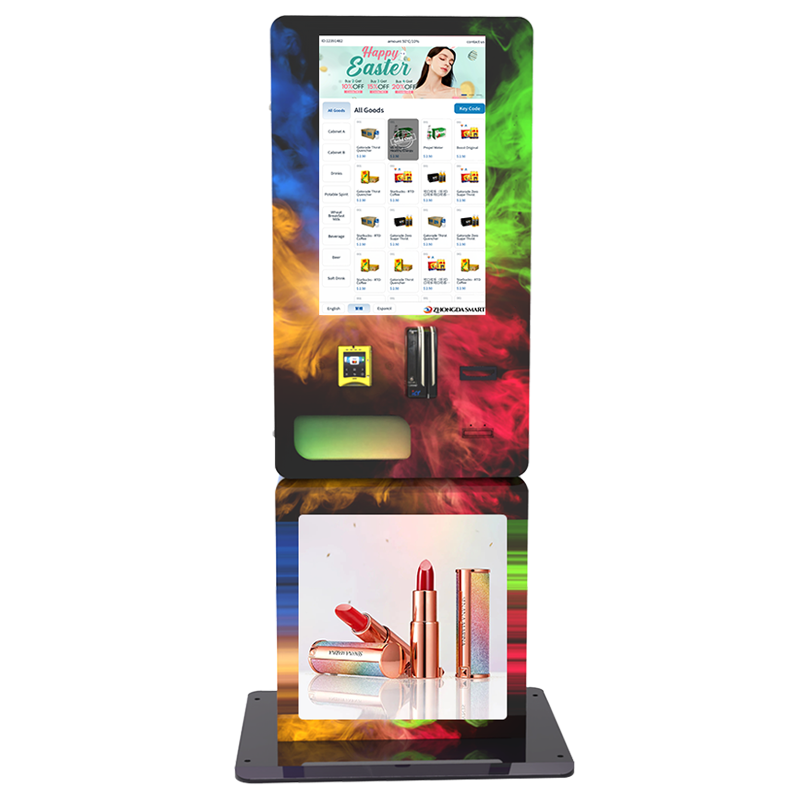
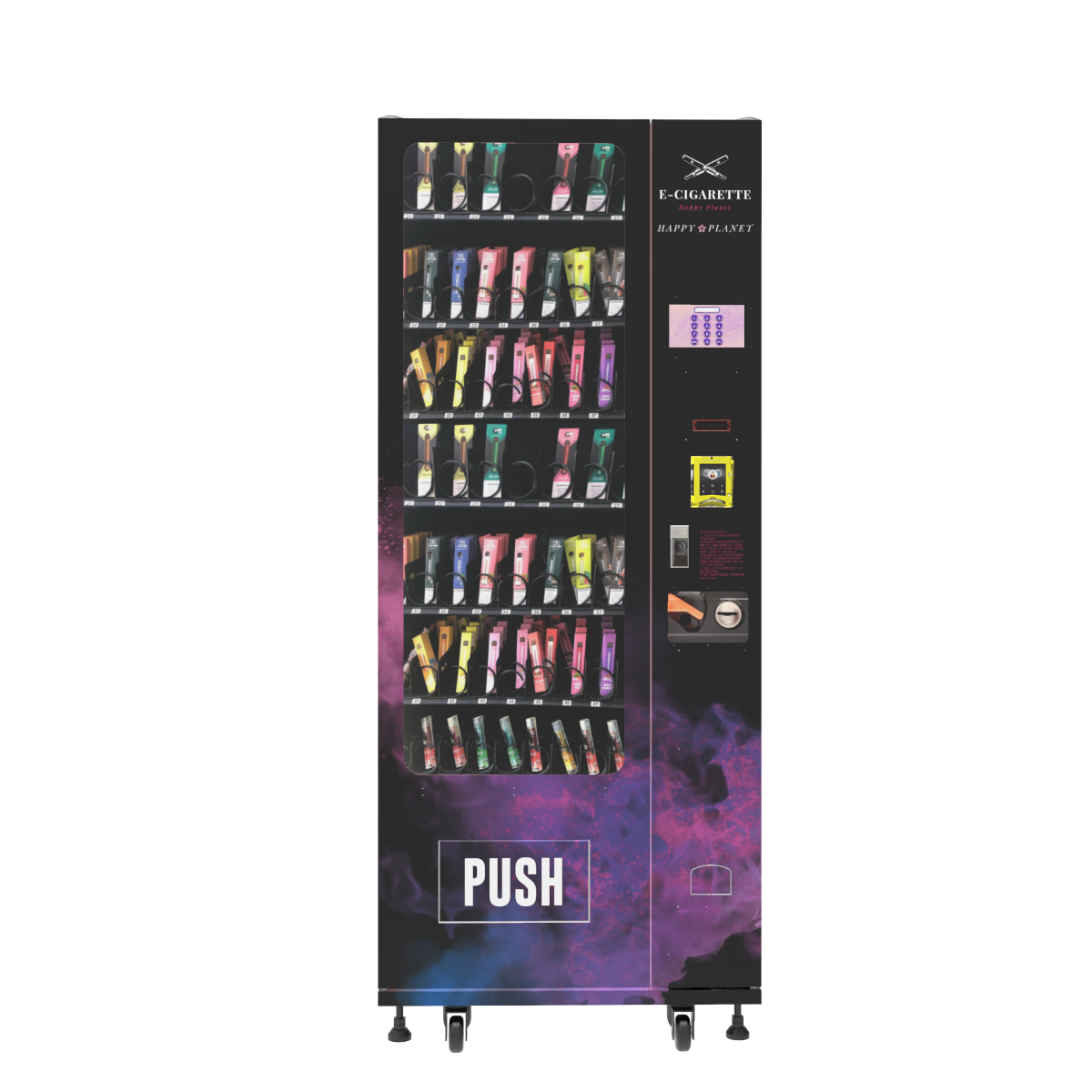
Yes, e-cigarettes can be sold through vending machines, but only if the machine is equipped with advanced age verification technology and the operator adheres to strict local compliance standards. After spending over a decade deploying and manufacturing these units for the European and American markets, I can tell you that the simple, coin-operated machines of the past are gone. Today, a viable e-cigarette vending machine is a sophisticated, networked kiosk that uses ID scanning and biometric checks to ensure every sale is legal. It is not a passive investment; it is a high-tech retail operation that demands a specific strategy to be profitable and compliant.
The Shift from Cigarettes to Vapes in Automated Retail
The vending machine industry has seen a significant pivot over the last fifteen years. Traditional cigarette machines were effectively banned in most of the U.S. and Europe due to underage access concerns. This created a vacuum that the vaping industry is now filling, but with a completely different set of rules.
When we first started building these machines, the market was full of skepticism. Operators thought a simple "must be 18" sticker was enough. It wasn't. We learned quickly that regulators and the public demand absolute certainty. This shift forced us to redesign the entire user experience. A modern smart vending machine for vapes doesn't just take money; it verifies identity, checks databases, and logs every transaction.
How Modern Age Verification Transforms the Self-Service Kiosk
The core of any legal operation today is the verification system. Without it, you are simply running an illegal operation. Here is how the technology has evolved from our perspective on the factory floor.
ID Scanning and Database Cross-Referencing
The most reliable method is the integration of a high-speed ID scanner. The customer inserts their driver’s license or passport. The machine reads the barcode or magnetic stripe, parses the data, and checks the date of birth against the legal purchasing age, which is usually 21 in the U.S. and 18 in most of Europe. But we didn't stop there.
We added a secondary check. The machine's software performs a liveness test using the built-in camera. It takes a photo of the customer’s face and compares it to the photo on the ID. This prevents someone from using a borrowed ID. If the face matches and the age is legal, the transaction proceeds. This two-factor authentication is the gold standard.
Why Biometric Verification is the Future
We are now seeing a push toward biometric-only systems in some jurisdictions. A customer pre-registers their fingerprint or facial geometry with a verified ID. After that, they can purchase with just a touch or a glance. This speeds up the transaction for repeat customers, which is critical for high-traffic locations like bars or hotels. The downside is the initial setup cost and data privacy concerns, but for a high-volume location, the speed increase pays off.
Profitability: The Real Numbers Behind the Investment
I get asked constantly: "Is it worth it?" The answer depends on location and product margin. Let's break down the financials based on our clients' operational data over the last five years.
Cost Structure of a Compliant Unit
You are not buying a $500 soda machine. A compliant e-cigarette vending machine from a reputable manufacturer like Zhongda Smart starts in the range of $3,500 to $8,000 depending on features, capacity, and verification technology. The ongoing costs include:
- Payment processing fees: 2.5% to 3.5% per transaction.
- Cellular data plan: $20 to $40 per month for remote monitoring and compliance logging.
- Inventory cost: 60% to 70% of the retail price.
- Maintenance: Budget for one service call per quarter at $150 to $300.
Revenue Potential and Profit Margins
The profit margin on vape products is significantly higher than on soda or snacks. A disposable vape that costs you $8 can be sold for $15 to $18. A 5% nicotine salt bottle costing $5 can retail for $12. The average transaction value is much higher.
Let's look at a realistic scenario. If you place a machine in a busy bar or nightclub that is open five nights a week, you might expect 15 to 25 transactions per night. With an average profit of $7 per sale, that is $105 to $175 per night. In a month, that is roughly $3,000 to $5,000 in gross profit. After deducting location commission (usually 10-20%) and expenses, a well-placed machine can pay for itself in 3 to 6 months. A poorly placed machine in a low-traffic retail store might take a year to break even.
Choosing the Right Hardware: A Buyer's Guide
Not all machines are built the same. We have seen operators buy cheap, unverified units from online marketplaces only to have them seized or fail within weeks. Here is what you need to look for in a self-service kiosk.
| Feature | Essential for Compliance | Impact on Profit |
|---|---|---|
| ID Scanner (OCR) | Yes | High - Prevents fines and shutdowns |
| Facial Recognition | Highly Recommended | Medium - Reduces fraud risk |
| Remote Monitoring | Yes | High - Lowers maintenance costs |
| Cashless Payment | Yes | High - Increases average sale |
| Tamper-Proof Locking | Yes | Medium - Protects inventory |
| Cloud-Based Inventory | Recommended | High - Optimizes restocking routes |
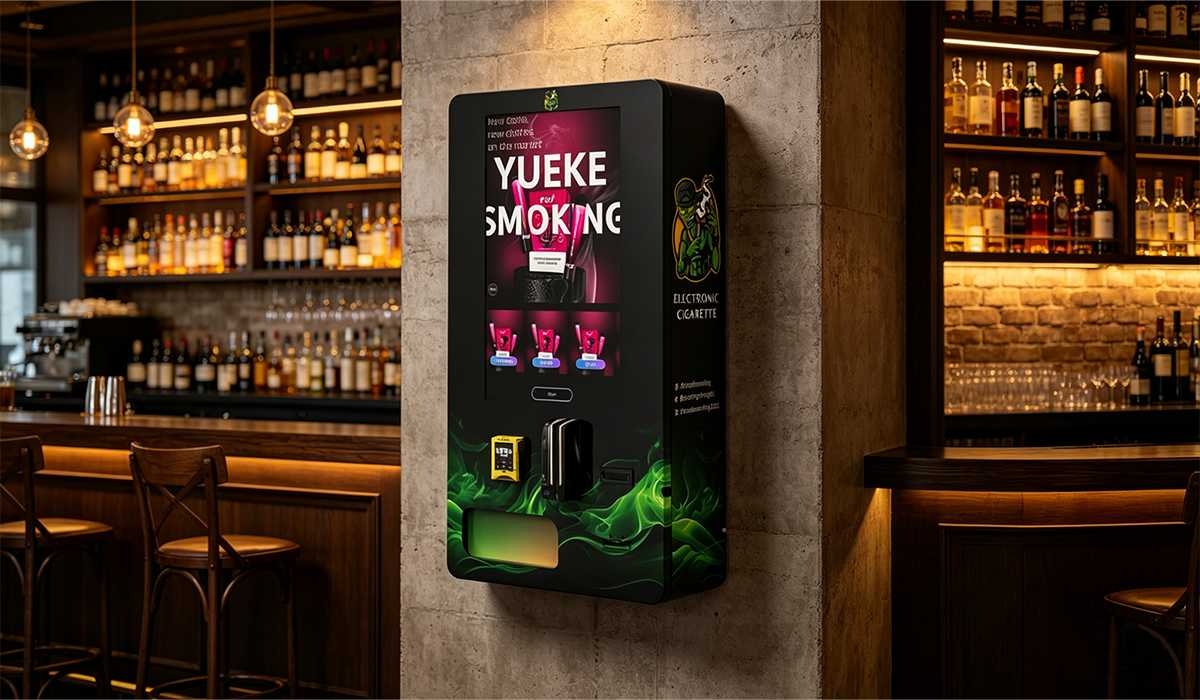
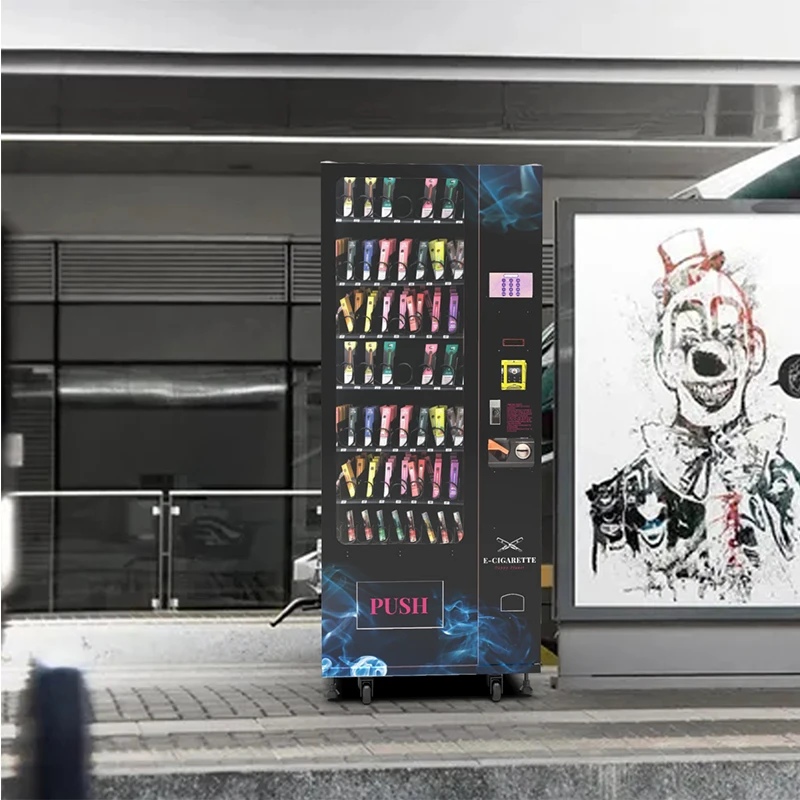
Real-World Deployment: Successes and Failures
I want to share a specific case from a client in the Midwest. They placed a age verification vending machine in a bowling alley. The first month was a disaster. The machine was in a dark corner, the Wi-Fi signal was weak, and the ID scanner failed to read cards under the dim lighting. We had to move the unit next to the bar, install a dedicated cellular router, and adjust the scanner's light sensitivity. After those changes, the machine did over 400 transactions in the second month.
Another failure we saw was an operator who tried to use a converted snack machine. He put a cheap tablet on the front for age verification. The software was buggy, and a local news station did a story showing a 16-year-old bypassing the system. The police seized the machine, and the operator faced a fine of $10,000. That is the risk of cutting corners.
Location Strategy: Where to Put Your Machine
Location is the single biggest factor in your return on investment. You cannot just put a compliant e-cigarette vending machine anywhere. You must go where the adult vapers are.
- Bars and Nightclubs: High traffic, high impulse buys. The average customer is already of legal age. This is the most profitable location.
- Vape Shops: This sounds counterintuitive, but a machine outside a vape shop for after-hours sales is a solid secondary revenue stream.
- Hotels and Casinos: 24/7 access for guests. The machine acts as a convenience service.
- Bowling Alleys and Pool Halls: Good for adult leagues, but you must verify the demographic.
- Smoke Shops: A machine can free up staff from the counter.
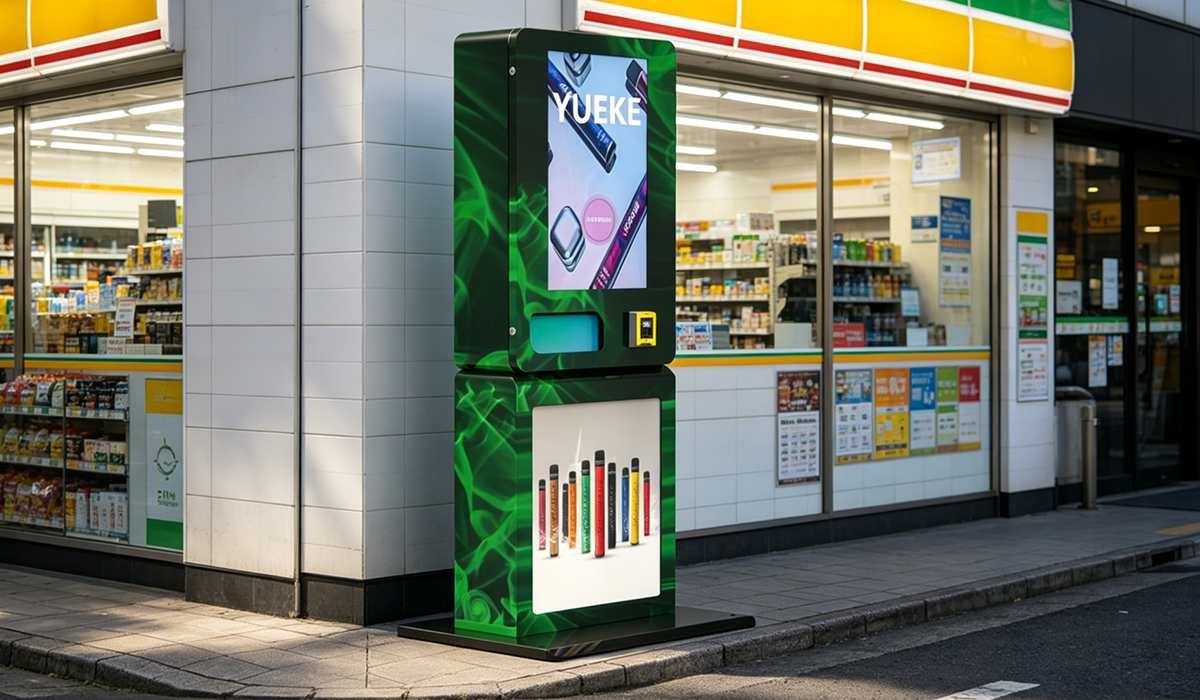
Avoid locations with a high underage foot traffic, like arcades or family restaurants. Even with perfect verification, the optics are bad, and you may attract unwanted attention from local authorities.
Maintenance and Operations: The Daily Grind
Owning a fleet of these machines is not passive income. It requires a consistent operational rhythm. We provide our clients with a checklist that includes:
- Daily Remote Check: Check the software dashboard for error codes and inventory levels. Our vape vending machines send a daily health report.
- Weekly Restocking: Based on sales data, restock the top-selling items. Do not guess. Use the data from the cloud system.
- Monthly Compliance Audit: Pull the transaction logs and verify that all age checks were performed correctly. This is your legal protection.
- Quarterly Hardware Check: Clean the scanner glass, check the locking mechanism, and update the firmware.
One thing we learned the hard way: the cooling system in a machine placed outdoors in a hot climate will fail if not properly rated. We now use industrial-grade cooling for outdoor units. It adds $200 to the cost but prevents a $500 repair bill during a heatwave.
Legal Risks and How to Mitigate Them
The legal landscape is a minefield. In the U.S., the FDA has specific regulations about where and how these products can be sold. In Europe, the Tobacco Products Directive (TPD) governs nicotine levels and packaging. You must be aware of local laws.
The biggest risk is a "sting operation" where a minor attempts to buy from your machine. If your verification system fails, you are liable. That is why we insist on a "fail-closed" system. If the scanner cannot read the ID, or if the camera fails, the machine simply does not work. It shuts down the sale. This protects the operator.
Another risk is product expiration. Vape juice has a shelf life. If an expired product is sold, you can be sued. Your inventory management system must track lot numbers and expiration dates. Our ID scan vending machine software allows you to set alerts for expiring inventory.
Comparing Vending Machines to Traditional Retail
Many business owners ask me if they should just sell vapes over the counter. Here is a quick comparison based on our experience.
| Factor | Vending Machine | Over-the-Counter |
|---|---|---|
| Labor Cost | Low | High (Staff required) |
| Operating Hours | 24/7 | Limited to store hours |
| Startup Cost | $4,000 - $8,000 | $1,000 - $3,000 (shelving) |
| Impulse Sales | High | Medium |
| Security/Theft | Low (machine is locked) | High (shoplifting risk) |
| Compliance Burden | High (tech-based) | Medium (training-based) |
For a location with limited staff, like a hotel lobby or a self-service laundromat, a vending machine is the only viable option. For a busy convenience store, a machine can supplement the counter and capture sales when the clerk is busy.
The Future of Vape Vending: What We Are Building Now
We are currently working on a new generation of machines that integrate directly with state-run age verification databases. Instead of just scanning the ID, the machine will query a government database in real-time to confirm the ID is not expired or revoked. This is the next step in compliance.
We are also seeing a trend toward "smart inventory" where the machine uses predictive analytics to order stock automatically. If a specific flavor of disposable vape sells out every Friday night, the machine will automatically add it to the next restocking order. This reduces downtime and lost sales.
Another development is the integration of loyalty programs. A customer can scan a QR code on the machine, link their ID, and earn points for every purchase. This builds repeat business, which is the key to long-term profitability.
Final Thoughts from a Manufacturer
I have seen the market evolve from a niche experiment to a legitimate retail channel. The question is no longer "Can e-cigarettes be sold through vending machines?" but "How do I do it profitably and legally?" The answer is in the hardware. Invest in a machine that treats compliance as a feature, not an afterthought. Work with a manufacturer that understands the legal landscape and can provide ongoing support. The days of the grey market are over. The future belongs to operators who run their vending businesses like a professional retail chain, with data, discipline, and a focus on the customer experience.
Frequently Asked Questions
What is the minimum age to buy from an e-cigarette vending machine?
The minimum age is 21 in the United States and 18 in most European countries. The machine must verify this with a valid government-issued ID before completing the sale. There are no exceptions.
How much does a compliant e-cigarette vending machine cost?
A new, compliant machine from a manufacturer like Zhongda Smart typically costs between $3,500 and $8,000. The price varies based on capacity, verification technology, and whether it is a wall-mounted or floor-standing unit. Used machines are available but often lack the latest compliance features.
Can I use a regular vending machine to sell vapes?
No. A regular vending machine does not have the necessary age verification hardware. Using one would be illegal and result in heavy fines or seizure of the machine. You must use a purpose-built smart vending machine with integrated ID scanning and facial recognition.
What happens if the age verification system fails?
A well-designed system will "fail closed." This means if the scanner, camera, or software encounters an error, the machine will not complete the sale. It will display an error message and log the incident. This protects the operator from selling to an unverified customer.
What are the best products to sell in a vape vending machine?
Disposable vapes and nicotine salt e-liquids are the most popular items. They have high margins and a long shelf life. Pod systems and replacement pods are also strong sellers. Avoid selling large, expensive mods, as they take up too much space and have lower turnover.
How do I find a good location for my machine?
Look for locations with a high concentration of adults and a need for convenience. Bars, nightclubs, hotels, and casinos are the top choices. Approach the business owner with a revenue-sharing proposal. Offer them 10-20% of the sales in exchange for floor space and electricity.
References and Data Sources
The following sources were used to verify industry data and market trends presented in this article.