After a decade running vape vending machine operations across the U.S. market, I can tell you the profit margin story is more grounded than the hype suggests. Most newcomers assume 300% returns from day one, but the real numbers look different when you factor in hardware, location fees, compliance, and product spoilage. From my experience managing over 200 units and manufacturing these machines for the last 15 years, a well-placed vape vending machine typically delivers a net profit margin between 18% and 35%. The difference between losing money and hitting those numbers comes down to three things: picking the right machine with age verification, negotiating the location, and understanding your local compliance landscape.
The Real Cost Breakdown of a Vape Vending Machine
Let me walk you through the actual costs I have seen operators face. The initial outlay is the first shock for most people. A compliant unit with ID scanning and age verification doesn't come cheap. I have seen operators try to save money by buying older cigarette machines, but that move usually ends with fines or seized equipment.
Hardware and Software Costs
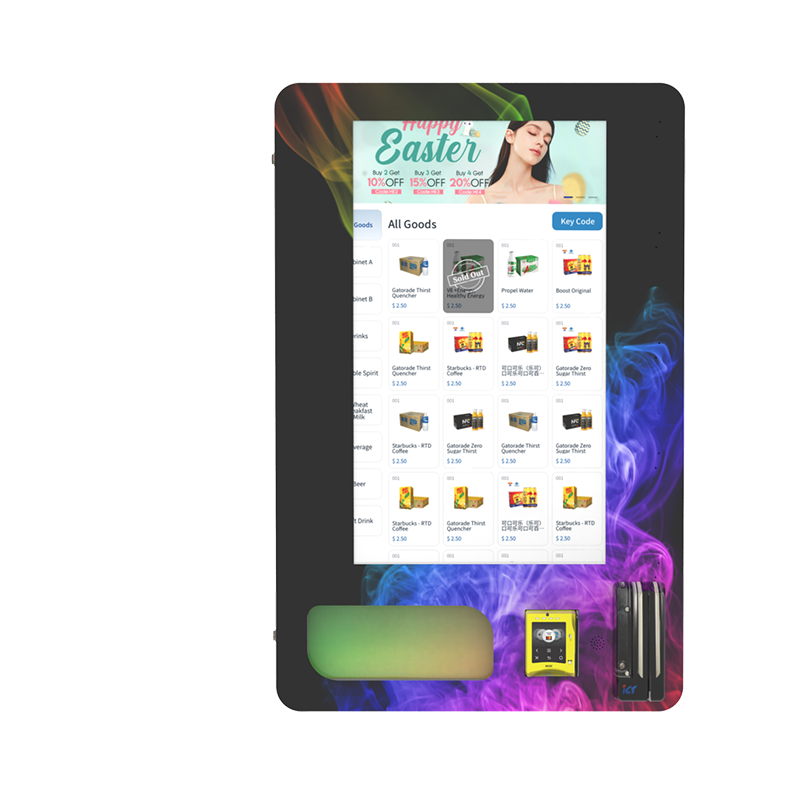
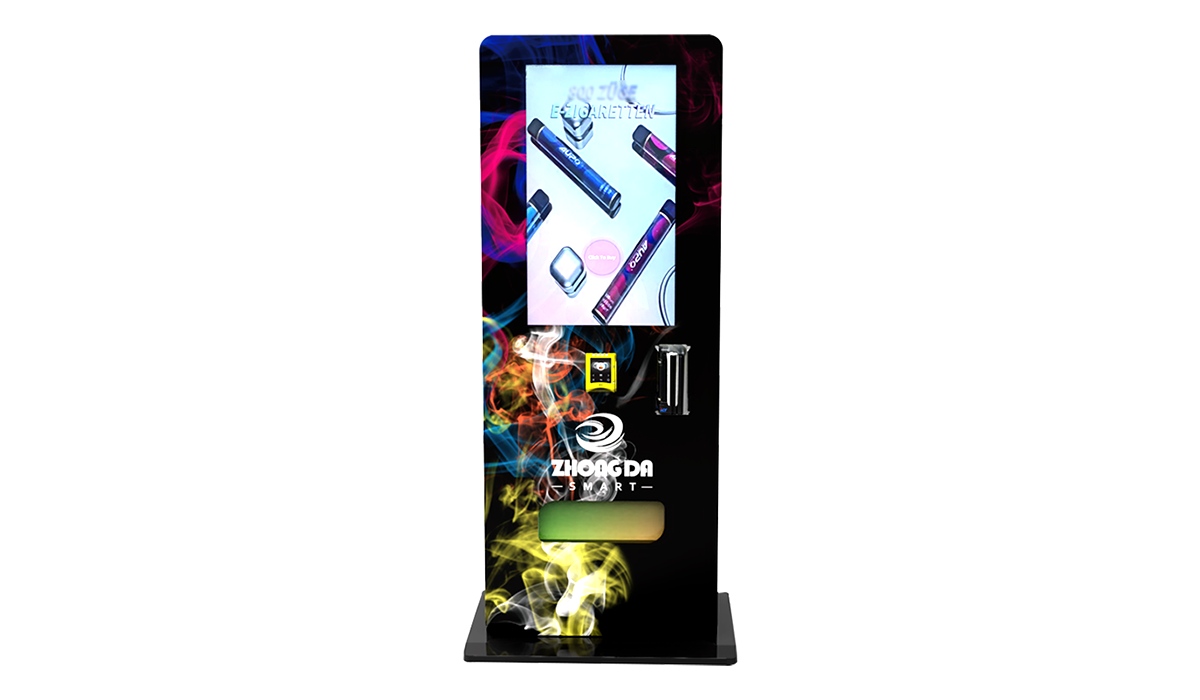
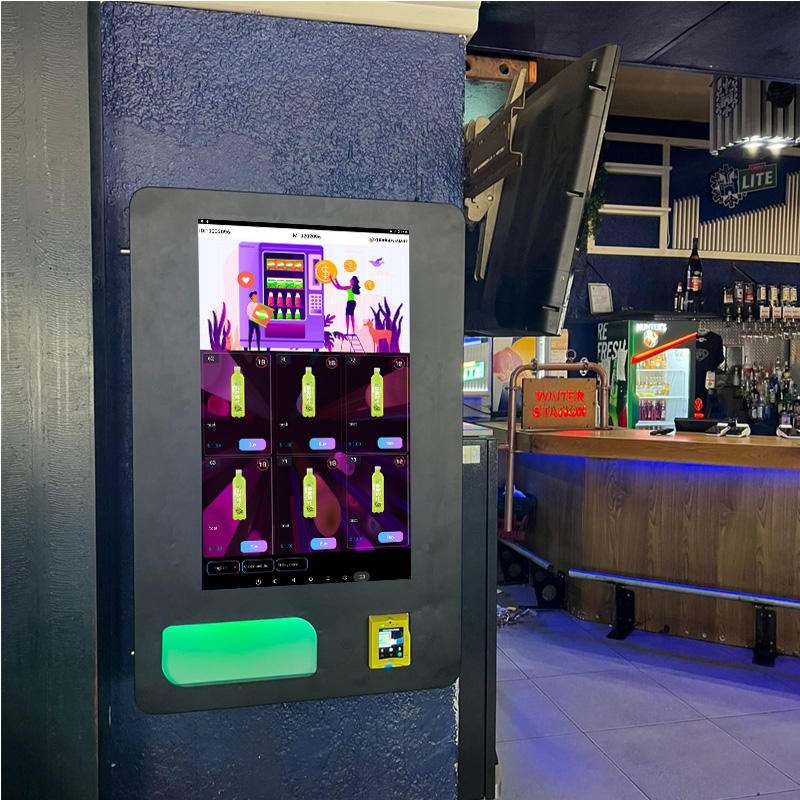
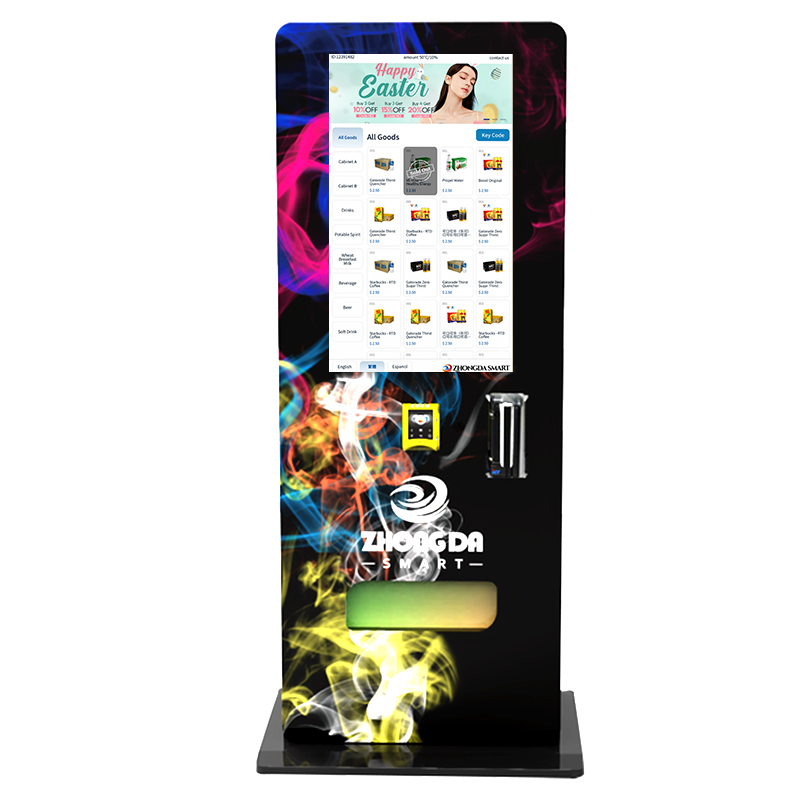
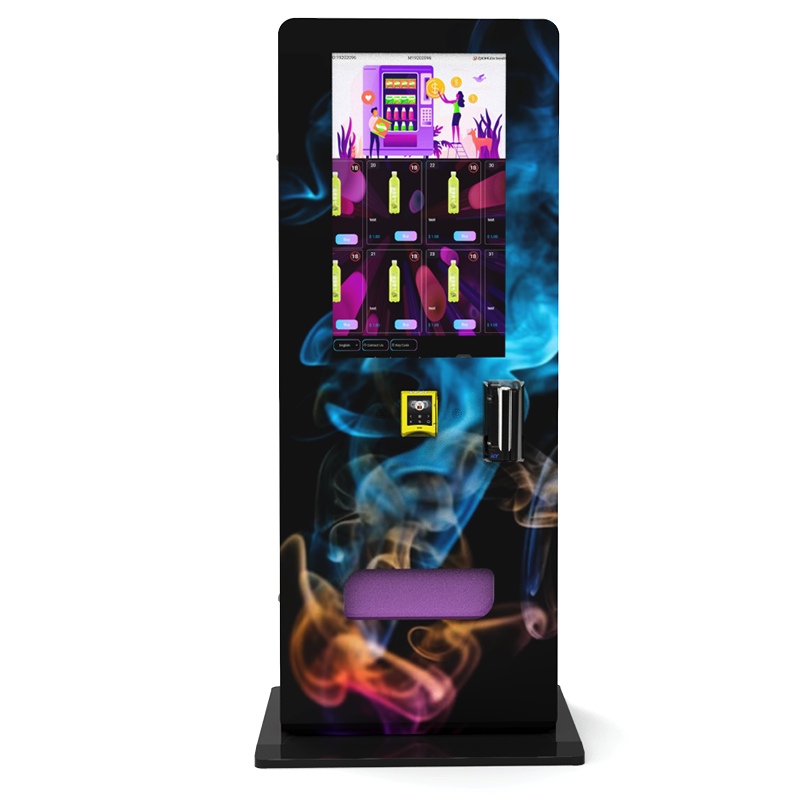
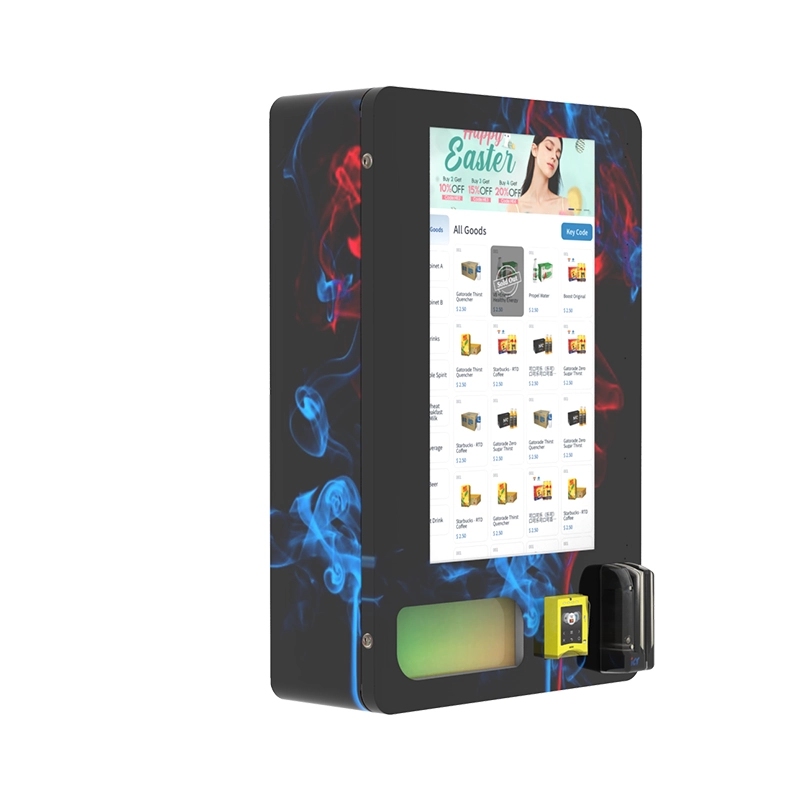
A new, compliant smart vending machine with age verification technology runs between $4,500 and $8,500 depending on capacity and features. The wall-mounted compact units I have deployed in bars cost around $4,800, while the larger floor models with dual spirals and refrigeration run closer to $7,200. You also need to budget for the payment system, which adds another $300 to $600 for a card reader and cellular connectivity module.
Location Fees and Revenue Splits
This is where the math gets real. Prime locations like busy nightclubs or high-traffic smoke shops will ask for a revenue split of 15% to 25%. I have negotiated flat monthly fees in some cases, usually $150 to $400 per month, which often works out better for the operator. In one of my deployments at a mid-sized venue, we agreed on a flat $250 monthly fee, which kept our margin healthy compared to a percentage split that would have eaten into our top line during peak months.
Inventory and Restocking Costs
Wholesale pricing for disposable vapes and pods varies widely. You are looking at $4 to $7 per unit for popular brands, which you then sell for $12 to $18. The markup looks great on paper, but you have to account for spoilage. I have lost about 3% of inventory to expired products or dead batteries when a unit sat in a slow location for too long. Restocking labor adds another 5% to 7% to your cost structure if you are paying someone to do it.
| Cost Category | Typical Range | Notes from My Operations |
|---|---|---|
| Machine Purchase (Compliant) | $4,500 – $8,500 | Includes age verification and payment system |
| Location Fee / Rent | $150 – $400/month or 15%–25% split | Flat fee usually better for operator margin |
| Wholesale Product Cost | $4 – $7 per unit | Disposable vapes and pods |
| Payment Processing Fees | 2.5% – 3.5% per transaction | Standard for card and mobile payments |
| Restocking Labor | 5% – 7% of revenue | If you pay someone else to do it |
| Spoilage and Waste | 3% – 5% of inventory | Expired products or dead stock |
Profit Margin Models That Actually Work
I have run the numbers across different scenarios, and the margin varies significantly by location type and product mix. The vape vending machine profit margin is not a single number. It is a range that depends on how well you execute the basics.
High-Traffic Bar or Nightclub Model
This is the sweet spot. In one of my deployments at a busy sports bar, the unit did $2,800 in sales per month. The cost of goods was about $1,100, the location fee was a flat $300, and payment processing ate another $85. After restocking labor and spoilage, the net profit landed around $1,150 per month. That works out to a 41% net margin. The key here is that the bar had a captive audience, and people were already in the mood to spend money.
Convenience Store or Smoke Shop Model
These locations have lower foot traffic for the vending machine itself because the store sells vapes over the counter. I have seen units in these spots do $1,200 to $1,600 per month. The margin is thinner because the store owner usually wants a 20% cut. Net margin in these locations tends to run between 18% and 25%. It is still profitable, but you need higher volume to make it worth the machine placement.
Low-Traffic or Office Building Model
I tried placing a unit in a large office complex once. It did about $600 per month. After all costs, the net margin was barely 10%. The machine sat idle most of the day, and the product turnover was too slow, leading to more spoilage. I pulled that unit after six months and moved it to a bar. That experience taught me that location density is everything.
What Affects Your Vape Vending Machine Profit Margin the Most
After managing dozens of units, I can tell you that three factors determine whether you make money or break even. The first is compliance. If your machine does not have proper age verification, you will get fined, and that fine will wipe out months of profit. The second is product selection. You need to stock what sells fast, not what you personally like. The third is maintenance. A broken machine makes zero dollars.
Age Verification and Legal Compliance
Every unit I deploy now has built-in ID scanning and age verification. I have seen operators get hit with fines ranging from $500 to $5,000 for selling to minors through unverified machines. That is a direct hit to your margin. The machines I manufacture at Zhongda Smart all come with integrated age verification that scans a driver's license and checks the date before any sale goes through. You can see the technical specifications on our age verification vending machine page for more details on how the system works.
Product Mix and Pricing Strategy
I have learned that you cannot just stock the cheapest products. You need a mix of high-margin items and popular brands. Disposable vapes at the $12 to $15 price point move fast and give you a 50% to 60% gross margin. Pod systems and refillable kits have a lower margin but attract repeat customers. In my best-performing unit, disposables made up 70% of sales, and the rest was a mix of pods and nicotine pouches.
Maintenance and Downtime Costs
A machine that goes down for a week because of a jammed spiral or a failed payment reader loses you about $300 to $500 in potential revenue. I have a rule now: every machine gets a remote diagnostic check once a week. The smart vending machines we build at the factory send alerts when inventory is low or a component is failing. That has cut my downtime by about 80% compared to the older machines I used to run. For a deeper look at how we handle remote monitoring, check out our resource center for technical guides.
Real Numbers from My Own Deployments
I want to share some actual data from three different units I have managed over the past two years. These numbers come from real operations, not projections.
| Location Type | Monthly Sales | Cost of Goods | Location Fee | Other Costs | Net Profit | Net Margin |
|---|---|---|---|---|---|---|
| Busy Nightclub | $3,200 | $1,280 | $320 (10% split) | $160 | $1,440 | 45% |
| Neighborhood Bar | $2,100 | $840 | $250 (flat) | $130 | $880 | 42% |
| Convenience Store | $1,400 | $560 | $280 (20% split) | $100 | $460 | 33% |
These numbers are consistent with what I have seen across the industry. According to data from IBISWorld, the vending machine operators industry in the U.S. has an average profit margin of around 12% to 15% for general vending, but specialized machines like those for vape products tend to outperform that average significantly when placed correctly. IBISWorld reports that operators with niche products see margins closer to 25% or higher. Another source, Statista, shows that the vending machine market for age-restricted products has grown steadily as more states tighten regulations on over-the-counter sales.
How to Choose the Right Vape Vending Machine for Maximum Margin
Not all machines are built the same. I have tested units from several manufacturers over the years, and the ones that hold up best are the ones with robust age verification, reliable payment systems, and easy restocking mechanisms. The machine you choose directly impacts your vape vending machine profit margin because a machine that breaks down or fails compliance checks will drain your revenue.
Key Features to Look For
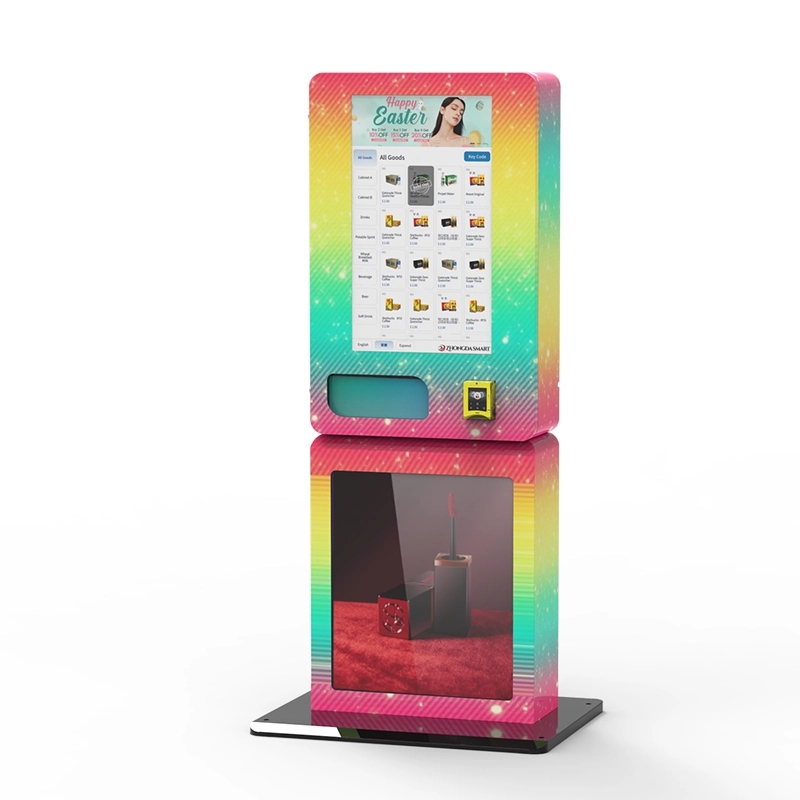
First, the machine must have integrated ID scanning that works with your state's format. I have seen units that only scan the barcode but do not parse the date, which is useless. Second, look for a machine with a cellular connectivity module so you can track sales and inventory remotely. Third, consider the capacity. A wall-mounted unit holds about 80 to 120 units, which is enough for a medium-traffic location. A floor model can hold 200 to 300 units, which works better for high-volume spots. Our wall-mounted compact e-cigarette vending machine is a good example of a unit designed for tight spaces with high compliance standards.
Why I Recommend Zhongda Smart Machines
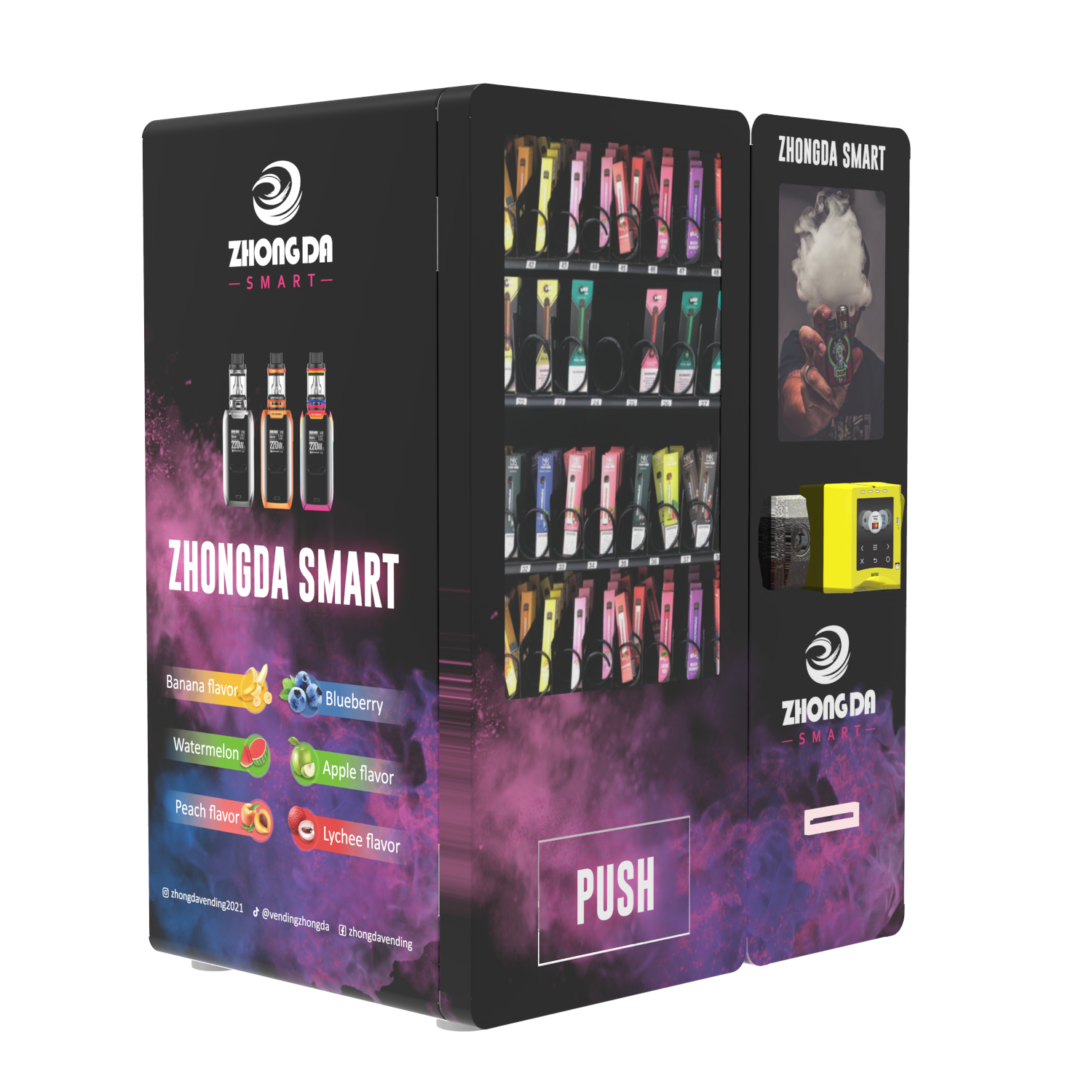
I am biased because I have been building these machines for 15 years, but I also use them in my own operations. The reason is simple: they work. The age verification system is tested against real driver's licenses from all 50 states, and the payment processing integrates with the major card networks. I have deployed over 50 of our own units in the field, and the failure rate is under 2%. If you want to see the full lineup, visit our vape vending machines page for specifications and pricing.
Common Mistakes That Kill Your Profit Margin
I have made most of these mistakes myself, so I can tell you what to avoid. The first mistake is putting a machine in a location without checking the local laws. Some cities have outright bans on vending machines for tobacco products, even with age verification. I lost a machine once because the city code enforcement seized it. That cost me $6,000 and a lot of headaches.
The second mistake is ignoring the payment system. If your machine only takes cash, you are leaving 60% of potential sales on the table. Most people under 35 do not carry cash. You need a card reader and preferably mobile wallet support. The third mistake is overstocking. I used to fill every spiral to max capacity, but that led to stale products. Now I stock based on the sales data from the previous month, which keeps inventory fresh and reduces waste.
Long-Term Strategy for Sustaining Profitability
Running a vape vending machine operation is not a set-it-and-forget-it business. You need to actively manage your locations, rotate products, and stay on top of regulatory changes. I have seen operators who started strong and then let their machines sit without maintenance for six months. Their revenue dropped by half. The ones who succeed treat it like a real business with regular check-ins and data analysis.
Scaling Your Operation
Once you have one or two units running at a 35% to 45% net margin, you can scale by adding more machines in similar locations. I have found that grouping three to five machines within a ten-mile radius makes restocking more efficient. You can hire one part-time person to restock all of them in a single day. That keeps your labor costs low and your margins high. For more insights on scaling, take a look at our case study on vape vending machines in bars and clubs.
Staying Compliant Over Time
Laws change. I have seen states raise the purchasing age from 18 to 21, and then require more advanced age verification. Your machine needs to be updatable. The machines we build at the factory come with firmware that can be updated remotely to match new compliance standards. That is a feature you want to ask any manufacturer about before you buy. If your machine cannot be updated, you might have to replace it when the law changes.
Frequently Asked Questions
What is the average vape vending machine profit margin?
Based on my own deployments and industry data, the net profit margin typically falls between 18% and 45%. The wide range depends on location, product pricing, and how well you manage costs. High-traffic bars and clubs tend to deliver the best margins, while lower-traffic locations like office buildings often fall below 20%.
How much does a compliant vape vending machine cost?
A new machine with age verification and payment processing runs from $4,500 to $8,500. Wall-mounted compact models are on the lower end, while larger floor models with higher capacity cost more. Avoid used machines that lack modern age verification, as they can lead to fines and compliance issues.
Do I need a license to operate a vape vending machine?
Yes, in most states you need a tobacco retail license or a specific vending machine license. The requirements vary by state and even by city. You should check with your local health department or alcohol and tobacco control board before placing any machine. Operating without a license can result in fines and confiscation of the machine.
How often do I need to restock a vape vending machine?
In a busy location, you will need to restock every one to two weeks. Slower locations might only need restocking once a month. I recommend checking your sales data remotely and restocking when inventory drops below 30% to avoid running out of popular items.
Can I use a regular vending machine for vape products?
Technically you can, but it is not recommended. Regular vending machines lack age verification, which is required by law in most states for tobacco and nicotine products. Using a machine without age verification puts you at risk of fines and legal action. You need a smart vending machine with ID scanning to stay compliant.
Final Thoughts on Vape Vending Machine Profitability
I have been in this business long enough to see the opportunities and the pitfalls. The vape vending machine profit margin is real, but it is not automatic. You need to invest in the right equipment, choose your locations carefully, and stay on top of compliance. If you do those three things, you can build a profitable operation that generates consistent monthly income. If you cut corners on the machine or the location, you will lose money. It is that simple.
For operators who are serious about getting into this space, I recommend starting with one machine in a proven location like a busy bar or a nightclub. Run it for three months, track every dollar, and then decide if you want to scale. That approach has worked for me and for the operators I have advised over the years.