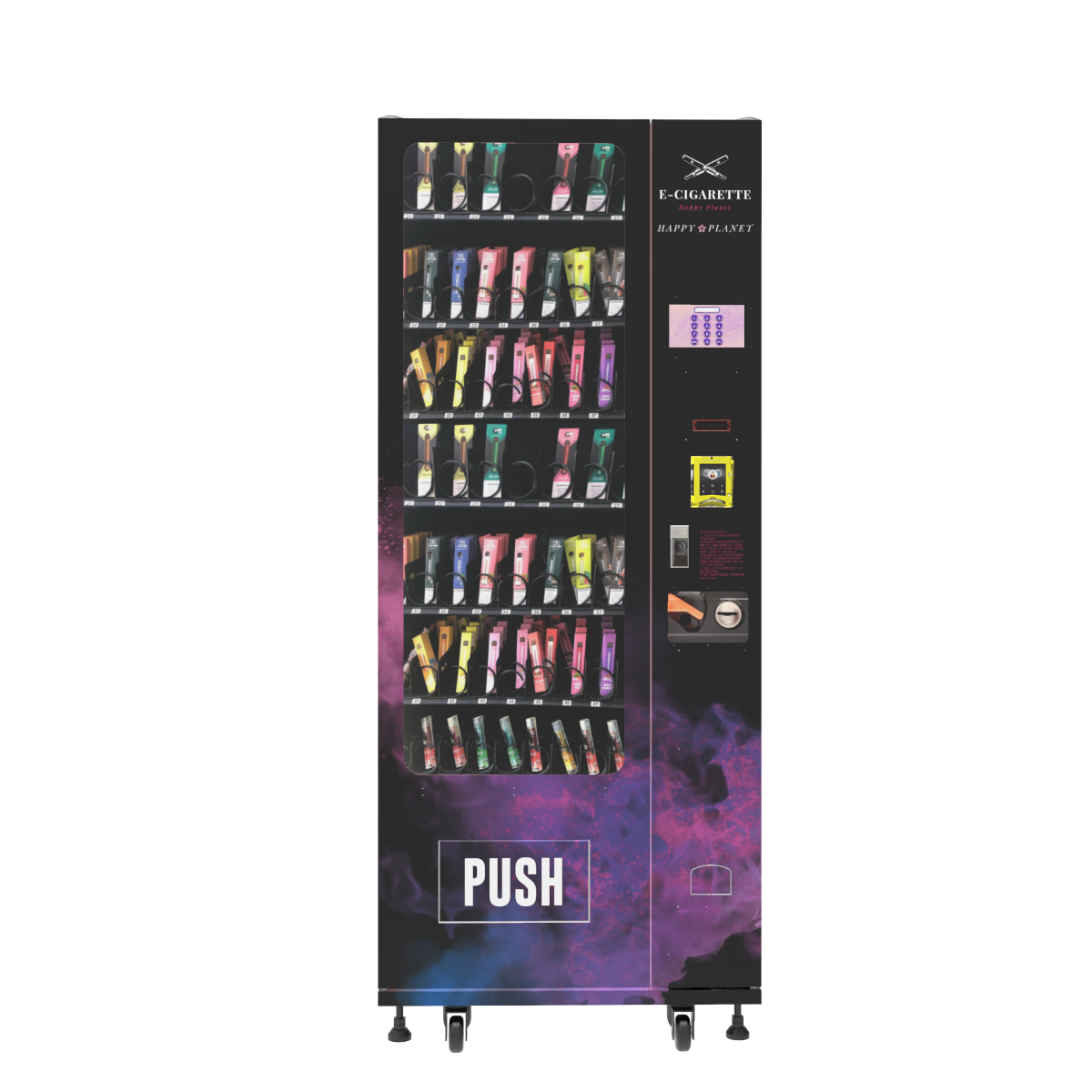
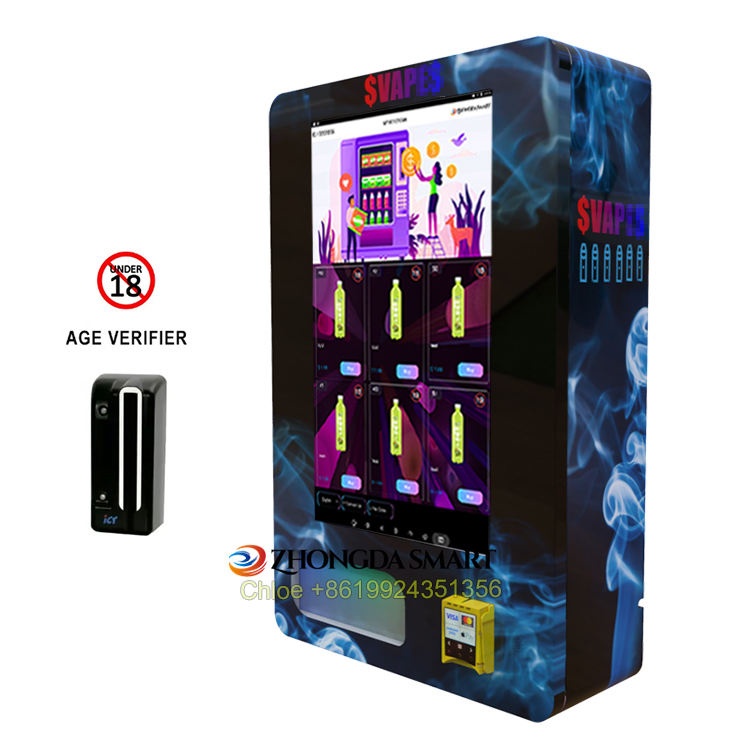
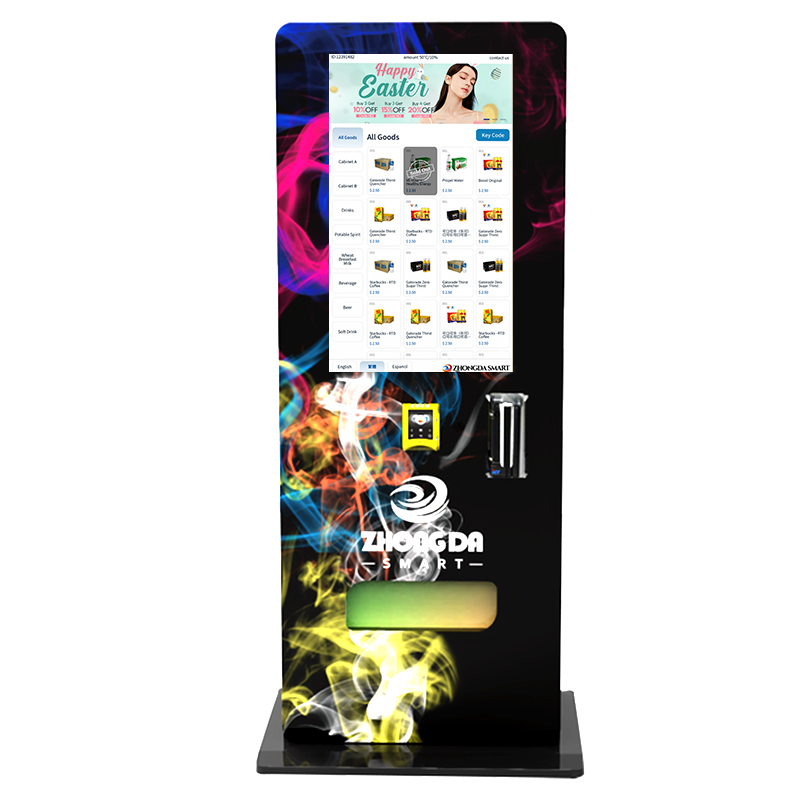
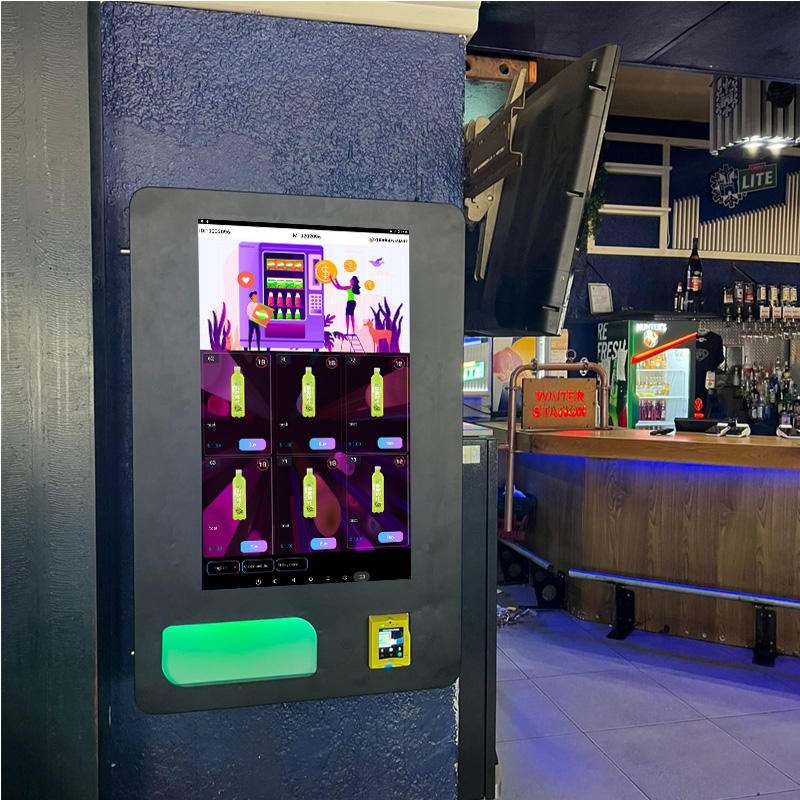
If you are looking to sell vapes through vending machines, the single most critical hurdle isn't the hardware or the location—it is navigating the complex web of age verification laws, tax stamp requirements, and local licensing. After spending over a decade deploying these machines across various markets and manufacturing them for just as long at our factory, I can tell you that a machine without a compliant age-gating system is not just a business risk; it is a liability. The core requirement boils down to this: your vending machine must be equipped with a robust, third-party verified age verification system that scans a government-issued ID before every single transaction. This is the baseline for any legal operation.
The Non-Negotiable: Age Verification Technology
Every jurisdiction has its own specific rules, but the universal constant is that you cannot sell age-restricted products like vapes from a traditional candy bar machine. The days of a simple coin slot are gone. You need a smart vending machine that acts as a digital bouncer.
How the Verification Process Works
From my experience on the ground, the most reliable method is a built-in ID scanner. The customer swipes or inserts their driver's license or passport. The machine’s software then parses the barcode and the visual data to confirm the date of birth. It calculates the age in real-time and only unlocks the purchase interface if the customer is over 21 (or the local legal age).
We have seen a lot of operators try to use simple "click to confirm you are over 21" buttons. I strongly advise against this. These systems fail audits and often violate the law. A physical scan creates a verifiable audit trail. For example, the age verification vending machine models we build integrate a scanner that reads the 2D barcode on the back of a US license. It is fast, accurate, and leaves no room for a minor to bypass the system.
Biometric and Secondary Verification
Some advanced self-service kiosks are now adding facial recognition to match the person swiping the ID with the photo on the card. While not always legally required, this adds a layer of protection. In our deployments in high-foot-traffic locations, we have found that combining an ID scan with a live camera feed that the operator can monitor remotely significantly reduces the risk of a "friendly" adult buying for a minor. The machine logs every transaction, including the ID photo, which is a powerful tool for compliance.
Licensing and Location Restrictions
Getting the machine is the easy part. Getting the right license to operate it is where most new operators get stuck. You cannot simply place a machine anywhere. The location itself must be licensed to sell tobacco or nicotine products, or you must hold a specific vending machine license.
The Operator vs. Location Owner License
This is a point of confusion that I see constantly. Many bar or lounge owners think that because they have a liquor license, they can put a vape vending machine on their counter. This is often false. In many states, the vending machine operator must hold a separate tobacco retailer license. Alternatively, the machine must be placed in a location that is only accessible to adults.
Here is a simple breakdown of the most common licensing scenarios I have encountered:
- Operator License: You, as the machine owner, apply for a vending machine license. This allows you to place machines in multiple locations under your license.
- Location License: The business owner (bar, hotel, smoke shop) adds the vending machine to their existing tobacco retail license.
- Hybrid Model: Both parties hold a license, and the machine is registered under both. This is the safest but most paperwork-heavy route.
Before you buy a single unit, call the local tax authority or the state's department of revenue. Ask them specifically about "tobacco product vending machine licenses." The answer will dictate your entire business structure.
Proximity to Schools and Public Spaces
You cannot place these machines near schools, playgrounds, or other areas where minors congregate. The distance is usually measured in feet—often 500 to 1,000 feet. I have seen operators lose thousands of dollars in fines because they placed a machine in a laundromat that was 400 feet from a high school. Use mapping software to check these distances before signing a location agreement.
Tax Compliance and Reporting
Vapes are subject to excise taxes at the state and sometimes federal level. Your vending machine must be able to handle these tax calculations automatically. This is not just about setting a price; it is about tracking the tax for your reporting.
Automated Tax Calculation in the Machine
A compliant smart vending machine should have a software backend that allows you to set different tax rates for different products. For instance, a 5% nicotine salt tax versus a 10% disposable vape tax. The machine calculates the total, including tax, and records the tax collected in a separate ledger. This ledger is what you use for your monthly or quarterly tax filing.
In our factory, we program the compliant e-cigarette vending machine with a tax matrix. This allows operators to update tax rates remotely if a law changes, without having to go to every machine with a screwdriver.
The PACT Act and Shipping Compliance
If you are buying machines from a manufacturer and having them shipped, you must be aware of the Prevent All Cigarette Trafficking (PACT) Act. This federal law requires you to register with the Bureau of Alcohol, Tobacco, Firearms and Explosives (ATF) and with the tobacco tax administrators in each state where you operate. The PACT Act also mandates that you keep detailed records of all sales and shipments for at least five years. Ignoring this is a federal offense, not just a local nuisance.
Product-Specific Restrictions
Not every vape product can be sold through a vending machine. You must be selective. The machine itself is a regulated device, but the products inside are also regulated by the FDA and local laws.
Flavor Bans and Nicotine Limits
Many states and cities have banned flavored vapes, except for tobacco or menthol. Your vending machine must be able to restrict which trays or coils are active based on the location. For example, a machine in a location with a flavor ban should only have tobacco-flavored pods loaded.
I always recommend using a machine that allows you to lock out specific SKUs remotely. The ID scan vending machine we manufacture has a cloud-based inventory system. If a flavor ban passes in a certain county, I can disable those products in the specific machine with a single click from my phone. This prevents an operator from accidentally violating the law because they didn't update the physical inventory in time.
Child-Resistant Packaging Requirements
All vape products sold must be in child-resistant packaging. This is a federal requirement under the Poison Prevention Packaging Act (PPPA). Your vending machine must be able to vend the product without damaging this packaging. If your machine crushes the box or the child-resistant cap, you are out of compliance. We test our coil mechanisms specifically to ensure they handle the bulky, child-resistant packaging that most vape cartridges come in.
The Cost of Compliance vs. The Cost of Failure
Many new operators look at the price of a compliant machine and balk. But I have seen the math on the other side, and it is much worse. A single fine for selling to a minor can be $5,000 to $10,000. A second violation can lead to a permanent ban from operating in that state.
Here is a cost comparison based on real data from my network of operators:
| Item | Compliant Setup (Recommended) | Non-Compliant Setup (Risky) |
|---|---|---|
| Machine Cost (with ID scanner) | $4,500 - $8,000 | $2,000 - $3,000 (no scanner) |
| Annual License Fees (per machine) | $200 - $500 | $0 (ignored) |
| Software for Tax Reporting | $50/month | $0 (manual, error-prone) |
| Potential Fine (one violation) | $0 | $5,000 - $10,000 |
| Legal Fees to Fight a Ban | $0 | $10,000+ |
| Lost Revenue (during suspension) | $0 | $2,000+ per month |
As you can see, the upfront investment in a compliant machine pays for itself the moment you avoid the first fine. I have a colleague who lost his entire route of 12 machines because he used a manual honor system for age checks. The risk is not worth it.
Real-World Deployment Experience: What I Learned
I want to share a specific case from our factory's support history. An operator in a busy metropolitan area bought a cheaper machine from a general vending supplier. It had a simple "press to verify age" button. Within three months, he was hit with a sting operation. A minor was sent in by the local authorities. The machine sold the product. The operator faced a $7,500 fine and a mandatory 90-day suspension of his license.
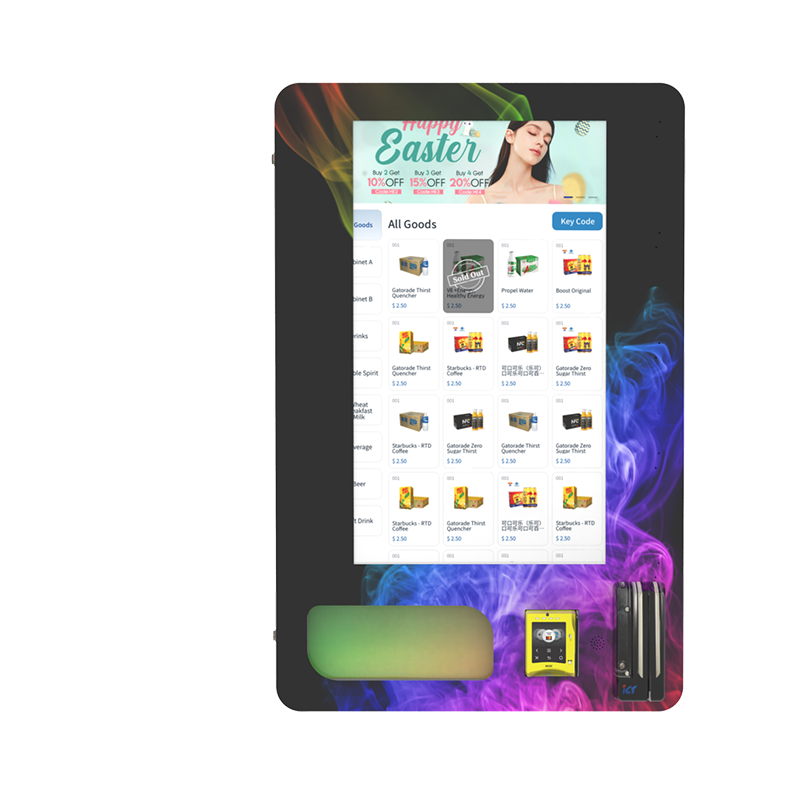
He came to us to replace his fleet. We installed wall-mounted compact e-cigarette vending machines with integrated ID scanners. We also set up a remote monitoring system so he could see every transaction. He has been running for over two years without a single compliance issue. The key was treating the machine as a point-of-sale system for a regulated product, not just a candy dispenser.
Expert Recommendations for a Legal Operation
Based on my 15 years in this industry, here is my direct advice for anyone starting out:
- Buy the scanner first: Do not buy a machine that cannot be retrofitted with a certified ID scanner. It is the most important component.
- Check local laws monthly: Vape laws change fast. I subscribe to a compliance newsletter and check the state legislative websites every month. A law that passed yesterday could affect your inventory tomorrow.
- Keep a paper trail: Every machine should have a logbook inside the cabinet (or a digital log in the cloud) that records every sale, the ID scanned, and the time. This is your only defense in an audit.
- Train the location staff: The bar manager or store clerk needs to know that they cannot tamper with the machine or bypass the age check. Make them sign an agreement.
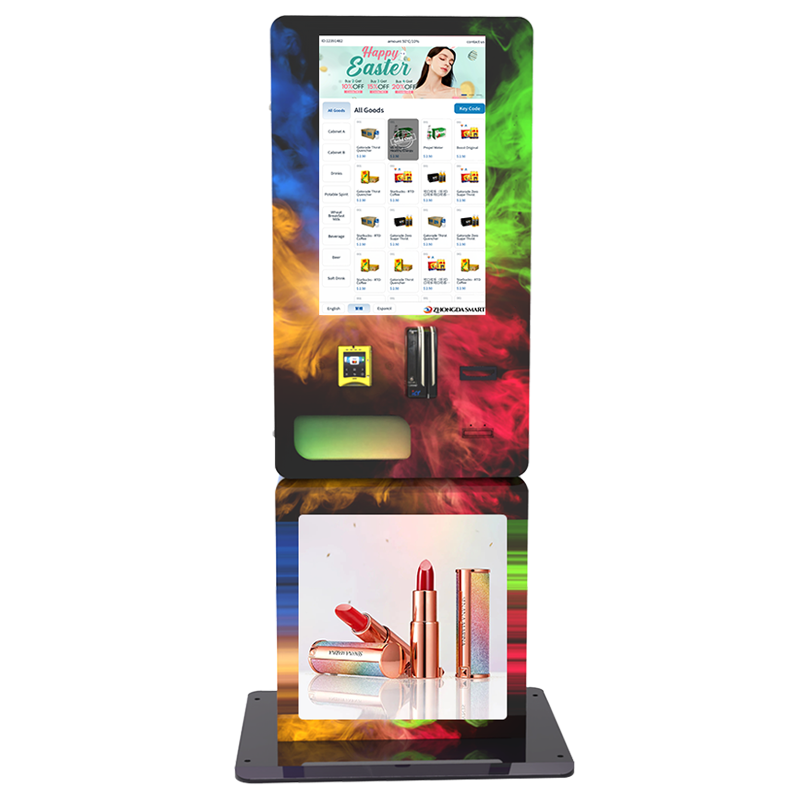
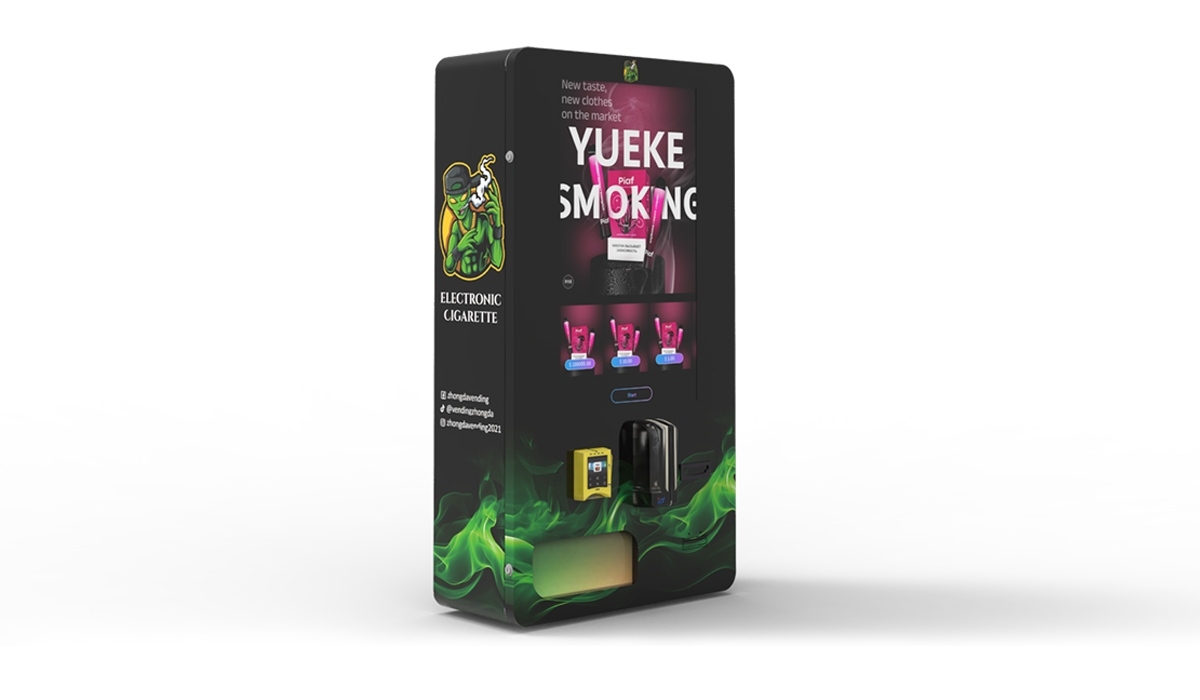
- Use a dedicated machine: Do not try to convert a snack machine to sell vapes. The humidity, security, and dispensing mechanisms are different. Use a machine built for the product. Look at a wall-mounted e-cigarette vending machine for small spaces or a larger kiosk for high-volume locations.
Frequently Asked Questions
Can I use a regular snack vending machine for vapes?
No. A regular vending machine lacks the required age verification hardware and proper tax accounting software. You must use a dedicated smart vending machine that has a built-in ID scanner and compliance software. Using a regular machine is a direct violation of most state laws.
How much does a compliant vape vending machine cost?
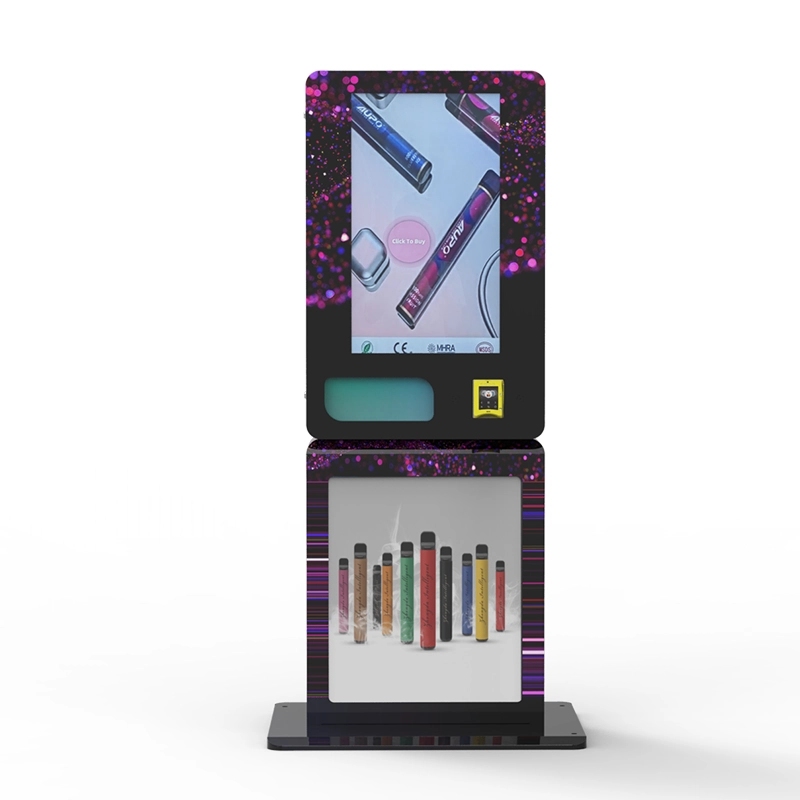
For a new, compliant machine with an ID scanner and remote monitoring, you should budget between $4,500 and $8,000. This price includes the hardware, software, and age verification system. Cheaper machines often lack the necessary components and will cost you more in fines later.
Do I need a special license to operate a vape vending machine?
Yes. In almost every state, you need either a tobacco retailer license or a specific vending machine license. You must register with your state's Department of Revenue and often with the ATF under the PACT Act. Never place a machine without first securing the proper license.
What happens if I sell to a minor?
The penalties are severe. You can face fines starting at $5,000 for a first offense, suspension or revocation of your license, and potential criminal charges. The machine can also be confiscated. A robust age verification system is your only safeguard against this.
Can I sell flavored vapes in a vending machine?
It depends entirely on your local laws. Many states and cities have banned flavored nicotine products. You must check the specific laws for the exact location of your machine. Your machine should have the ability to lock out specific product trays to comply with local flavor bans.
Final Thoughts on Legal Operations
Running a vape vending machine business is profitable if you treat the legal requirements as a core feature of your operations, not an afterthought. The technology exists to make compliance easy. The ID scanners, the cloud-based software, and the tax calculation tools are all available. The difference between a successful operator and one who gets shut down is the willingness to invest in that technology from day one.
I have seen the industry grow from simple cigarette machines to sophisticated self-service kiosks. The operators who survive and thrive are the ones who respect the law. They buy the right equipment, they pay for the licenses, and they monitor every transaction. If you do that, the market is wide open. If you cut corners, you will be out of business before your first machine pays for itself.
References and Further Reading
For more detailed information on the specific regulations mentioned in this guide, I recommend reviewing the following official sources. These provide the legal text and enforcement guidelines.
- FDA Retail Sales of Tobacco Products - Official guidelines on age verification and sales restrictions.
- ATF PACT Act Information - Federal requirements for shipping and selling tobacco products.
- CDC State Tobacco Activities Tracking - Data on state-specific laws and tax rates.